April 27, 2025
With a tight project schedule, the manufacturer delivered on time, and on-site technical personnel provided guidance throughout the entire installation and commissioning process; the collaboration was highly efficient and hassle-free.
Jul 7, 2026
The SCBH19 type dry-type transformer is a big step forward in power distribution technology. It uses cutting-edge materials and an energy-efficient design to solve some of the biggest problems that modern electrical infrastructure is facing. This three-phase transformer has an amorphous metal core and epoxy resin vacuum-cast windings. It has a very low no-load loss—up to 70% less than regular silicon steel core transformers—and doesn't have the fire risks that come with oil-immersed designs. Understanding the technical and operational benefits of the SCBH19 type dry-type transformer is important for procurement managers, electrical engineers, and project leaders who need to find reliable, cost-effective solutions that meet strict safety and sustainability standards.
The SCBH19 type dry-type transformer has become the best choice for renewable energy installations, industrial manufacturing sites, business complexes, and key infrastructure projects around the world as environmental compliance and energy economy become more important. This detailed guide looks at the requirements, performance standards, installation procedures, and buying strategies that help business-to-business buyers get the best transformers while also making sure they meet foreign standards like IEC 60076-11 and GB/T 10228.
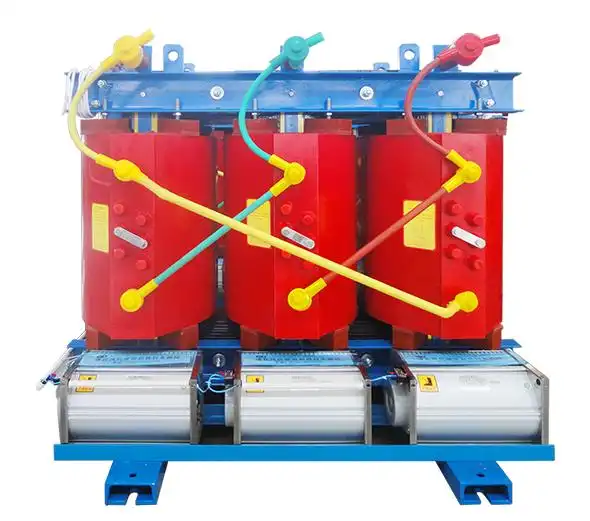
It is different from other SCBH19 type dry-type transformers because it uses modern materials and smart design in a way that no other transformer does. At its heart is an amorphous iron-based metal made up of very thin strips that are about 0.025 mm thick. Its non-crystalline atomic structure greatly lowers magnetic hysteresis losses. This core material has very low coercivity and high electrical resistivity, which lets the transformer achieve no-load loss performance that is better than that of the SCB13 and SCB14 series types.
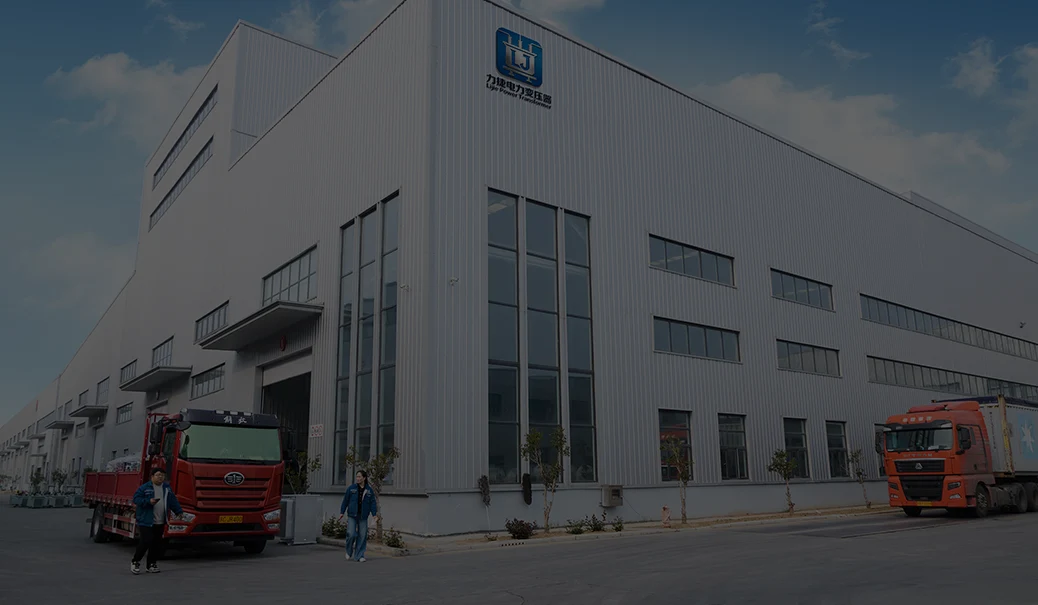
The standard silicon steel laminations are replaced by amorphous metal core technology. This completely changes how the SCBH19 type dry-type transformer handles magnetic flux. The SCBH19 type dry-type transformer's lower core losses directly lead to measured energy savings when the building is not in use, and many transformers are running at partial load. Our factory at Lijie Electric's 500,000-square-meter sites in Xuzhou and Nantong makes sure that the winding tension is just right and that the resin is spread out evenly during the epoxy casting process. This makes sure that the partial discharge levels stay below 5pC across all production runs.
The SCBH19 type dry-type transformer has a Class H insulation system that can handle temperatures up to 180°C and a temperature rise of no more than 100K when the rated load is applied. This thermal margin gives a lot of practical headroom for placements in hot settings or for uses that need to temporarily overload the system. The epoxy resin covering makes a shield against moisture that keeps the SCBH19 type dry-type transformer working reliably in 100% humidity without needing to be dried out first after long periods of being turned off.
Fire safety is a very important thing to think about when installing transformers in buildings with people or near sensitive equipment. The SCBH19 type dry-type transformer's flame-retardant epoxy resin construction makes it self-extinguishing, so there are no risks of explosions or harmful gas releases during heat events. Our units are certified by UL, CE, and IEC, which gives you the proof you need for projects to be approved in foreign markets. Temperature tracking systems built into the windings are linked to safety relays so that the power can be cut off or lowered automatically before thermal damage happens.
When procurement teams look at different transformer choices, they need to think about not only the initial purchase price but also the total lifetime costs, which include the amount of energy used, the cost of repairs, and how reliable the equipment will be over its 25–30-year life. Compared to both traditional oil-immersed transformers and earlier dry-type designs, the SCBH19 type dry-type transformer is much better in all of these ways.
Transformer losses come in two types: losses when there is no load from the core's magnetization and losses when there is a load from the winding's resistance. Load losses change depending on how much power is being used, but no-load losses stay the same whenever the generator turns on. This makes them the most important cost factor in most distribution systems that use 30 to 60 percent of their maximum capacity. The amorphous core of the SCBH19 type dry-type transformer lowers no-load losses to about 20–30% of comparable SCB10 silicon steel transformers. This saves energy in a way that usually covers the higher cost of the equipment within 3–5 years of use.
A 1000kVA SCBH19 type dry-type transformer unit usually has no-load losses of around 600–800W, while standard designs have losses of 2400–2800W. With 8760 hours of use a year, this 1800W difference saves about 15,800 kWh a year. Industrial energy rates in many U.S. markets range from $0.10 to $0.15/kWh. This means that each SCBH19 type dry-type transformer saves between $1,580 and $2,370 per year, which adds up to a lot of money when there are dozens or hundreds of transformers in a big installation.
Transformers that are submerged in oil need to have the shielding oil tested on a regular basis, watched for moisture entry, and eventually have the oil replaced to maintain the dielectric strength. For these maintenance tasks to be done safely, they need trained workers, testing tools, and knowledge of how to handle fluids that could be contaminated. Because the SCBH19 type dry-type transformer is made of sealed epoxy, it doesn't need any of these things. It only needs to be visually checked every so often, its connection torque checked, and its air sides cleaned. This makes upkeep easier, which is especially helpful for installations that are far away or in places that don't have specific electrical repair workers.
The SCBH19 type dry-type transformer helps business sustainability efforts in more than one way, in addition to improving working efficiency. Since there is no insulating oil, there are no risks of dirt and groundwater pollution from tank leaks or catastrophic failures. Scope 2 carbon emissions from bought power go down straight when people use less energy. Copper windings, steel casings, and amorphous alloy cores are all 100% recyclable, which makes the SCBH19 type dry-type transformer easy to recycle at the end of its useful life. This supports the circular economy principles that are becoming more important in green building standards like LEED and BREEAM.
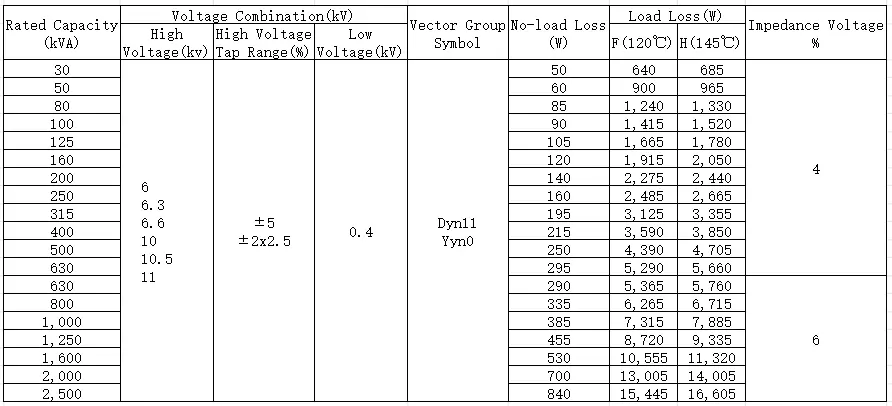
Installation steps that are done correctly will make sure that the SCBH19 type dry-type transformer works at its best for as long as it is used. Even though SCBH19 type dry-type transformers are usually easier to install than oil-filled units, it is still important to pay attention to the electrical lines, site preparation, and air flow.
SCBH19 type dry-type transformers work best and last the longest when they are placed in areas that are clean, dry, well-ventilated, and keep the temperature below 40°C. To keep insulation from breaking down, places that are dusty or chemically contaminated need extra safety for the enclosures or better air systems. The placement site should have enough space around it—usually between 1.5 and 2 meters on the sides that will be ventilated—so that air can flow properly and cool the building naturally. The foundations need to be strong enough to hold the weight of the SCBH19 type dry-type transformer and keep it from moving during a possible short-circuit.
To keep the connections from getting too hot and the SCBH19 type dry-type transformer working right, it's important to pay close attention to the torque requirements and phase recognition for both primary and secondary connections. Our assembly instructions list the sizes of connection lugs, the types of wires that should be used, and the proper way to terminate the wires, all of which have been tested thoroughly. Before turning on the power, insulation resistance testing with a megohmmeter makes sure that the connections and windings are solid. For new installs, results usually go above 1000 megohms. Finding the right tap settings and phase connections is confirmed by trying the voltage ratio.
The SCBH19 type dry-type transformer's design makes it so that it doesn't need much upkeep. This means that operators don't have to do as much, but regular inspections help find problems early. Visual checks are done every three months to make sure the shell is solid, the connections are working properly, and the cooling system is clean. Every year, infrared cameras are used to do thermal scans that find strange hot spots that could mean that connections are loose or that insulation is breaking down in certain areas. Checking the connection force every three years keeps the joint from breaking down from thermal cycles. You don't need any special tools to do these simple maintenance tasks, and they can be added to your regular building check routines.
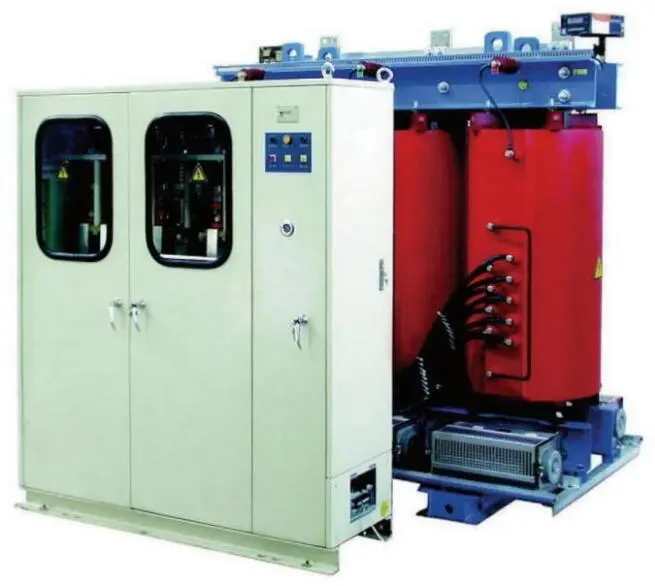
To make sure that equipment comes on time, works as expected, and gets the right support throughout its working life, good SCBH19 type dry-type transformer procurement balances technical specs, delivery timelines, pricing structures, and source dependability. International buying is complicated, so you need to carefully evaluate suppliers and make sure you understand the terms of the deal.
When buying SCBH19 type dry-type transformers for important uses, sellers must show that they have strong quality control systems, proven manufacturing skills, and full testing facilities. Lijie Electric has both ISO 9001:2015 certification and specialized skills in the transformer business. This shows that we are committed to maintaining quality across all production batches. In each of our two factories, there are testing labs with impulse generators, partial discharge detection systems, temperature rise test bays, and sound level measurement chambers that can do all the regular, type, and special tests that are needed by international standards.
Verification of product licenses is still necessary when buying things for projects that need to follow certain rules. We have marked our SCBH19 type dry-type transformers with the CE mark for sales in Europe, the UL mark for installations in North America, and the IEC mark to show that they meet widely accepted standards. We keep a lot of technical records, like test results, material certificates, and design calculations, to help with engineering reviews and governmental approvals for projects.
SCBH19 type dry-type transformer prices are based on the costs of raw materials, especially copper and amorphous metal core materials, as well as the difficulty of making the transformer and the number of orders that are placed. The SCBH19 type dry-type transformer costs more than regular transformers because it is made of more modern materials, but lifetime cost analysis usually shows that it is worth it because it saves energy. Orders in bulk for big projects or outline deals make production more efficient, which leads to lower unit prices. Our buying team works closely with buyers to set up orders that meet both current and future project needs while also getting the best prices and delivery times.
Dry-type transformer lead times are usually between 8 and 16 weeks, but they can be longer or shorter based on the rating, any customization needs, and production plans. Project delays can be avoided by planning procurement deadlines that include testing in the plant, shipping, and clearing customs. We keep a planned collection of common ratings to meet your needs for fast delivery, and we also offer custom engineering for uses that need voltage ratios, impedances, or connection setups that aren't standard.
Professional sellers are different from commodity vendors because they offer full warranty coverage and quick expert help. Lijie Electric offers normal warranty terms that cover both materials and workmanship. For important uses, you can choose to get longer coverage. Our technical support team, which is made up of more than 160 engineers with advanced degrees, helps with application planning, installation, and debugging for as long as the SCBH19 type dry-type transformer is in use. This knowledge comes in very handy when putting transformers into complicated systems or dealing with strange working conditions.
When it comes to transformers, the SCBH19 type dry-type transformer stands out because it is designed to work in specific situations where its mix of energy savings, safety features, and environmental friendliness is most useful. Knowing these competitive benefits helps procurement pros find the best uses for their work and explain why they should make investments.
The SCBH19 type dry-type transformer has much lower no-load losses than the SCB10 and SCB11 silicon steel dry-type transformers, but it keeps the same load loss performance and physical measurements. This efficiency benefit immediately leads to lower operating costs and better power quality because less reactive power is used. Compared to oil-immersed transformers, the SCBH19 type dry-type transformer doesn't pose fire risks, pollute the environment, or require regular maintenance. However, oil-filled designs may be better in cases of extreme overload or for applications requiring higher voltages than the SCBH19 type dry-type transformer's normal 35kV rating range.
Traditional silicon steel cores in cast resin transformers offer similar safety features, but they can't match the SCBH19 type dry-type transformer's energy economy. The important thing that makes the SCBH19 type dry-type transformer different is its amorphous core technology, which makes it the best choice for uses that value lifetime costs over initial capital spending. This value argument really hits home for utility companies that are in charge of big transformer fleets, factories that use a lot of energy, and green building projects that have strict sustainability goals they want to meet.
The SCBH19 type dry-type transformer works great in places like business high-rises, healthcare facilities, educational sites, and data centers where fire safety rules don't allow oil-filled equipment. The SCBH19 type dry-type transformer's ability to handle harmonic currents made by inverter-based generation is good for renewable energy systems. It also keeps idle losses to a minimum when production is low. Industrial facilities consider how tough the building is and how it can handle overloading to support changing manufacturing processes and equipment startup spikes.
We've sold SCBH19 type dry-type transformers in many countries around the world, such as Australia, New Zealand, Southeast Asia, Central Asia, and East Africa. This shows that the SCBH19 type dry-type transformer can work in a wide range of climates, grid conditions, and regulatory settings. This experience with global rollout helps us keep improving our products by making sure that our designs take into account what we've learned from thousands of installs.
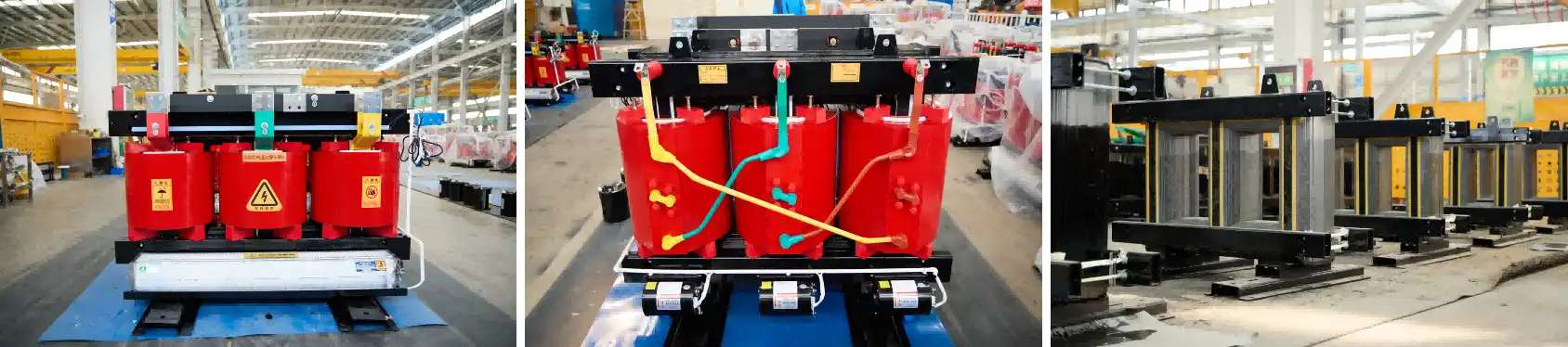
For current power distribution needs, the SCBH19 type dry-type transformer is the best combination of saving energy, keeping workers safe, and caring for the environment. The amorphous alloy core technology cuts down on operating costs and gets rid of the risks that come with oil-immersed designs. This makes it perfect for indoor installations, integrating renewable energy, and uses where long-term costs are higher than initial capital costs. When purchasing SCBH19 type dry-type transformers, people in charge should think about more than just the technical specs. They should also look at the supplier's skills, whether the transformer meets certification requirements, and how long-term help is available. Lijie Electric has advanced production facilities, strict quality systems, and a lot of global experience. This makes us a reliable partner for businesses that need tried-and-true, efficient power distribution options that meet changing environmental and legal standards.
How efficient do you think SCBH19 type dry-type transformers will be? The SCBH19 type dry-type transformer has no-load losses that are about 70% lower than those of regular SCB10 transformers. These losses are usually between 0.1 and 0.15% of the rated capacity. At full recommended load, load losses stay between 1% and 1.5%, the same as other dry-type systems. Overall efficiency is usually higher than 98.5% at full load and higher than 99% at partial load, which is common in delivery uses.
How often does the SCBH19 type dry-type transformer need to be serviced? The sealed epoxy construction doesn't need much upkeep—just eye checks every three months and thermal scans once a year. There is no need to check the oil, keep an eye on the wetness, or change the fluid. The main upkeep tasks, which usually take less than two hours a year per unit, are checking the connection strength every three years and cleaning the ventilation surfaces.
Can SCBH19 type dry-type transformers be changed to fit certain needs? There are many ways to customize this product, such as changing the voltage ratios, impedance values, connection layouts, tap patterns, terminal positions, and adding a safety system. We often design unique solutions for complex industrial processes, green energy systems, and uses that need to deal with unusual environmental conditions. Our expert team works with buyers to make sure that the specifications are perfectly in line with what the application needs.
If you need help distributing power, Lijie Electric has the best SCBH19 type dry-type transformers on the market. They are made in our ISO 9001:2015-certified buildings that cover 500,000 square meters. We are a well-known SCBH19 type dry-type transformer seller that works with utility companies, industrial makers, renewable energy developers, and EPC contractors on six continents. We offer reasonable prices, strict quality control, and reliable delivery schedules. Our engineering team offers full application support, guiding you through the process of choosing the best specs and meeting foreign standards. Whether you're planning a single installation or making framework deals for ongoing projects, we can help you with customization, the benefits of buying in bulk, and support after the sale that lasts as long as your equipment does. You can email our team at lijieelectrical@gmail.com to talk about your unique needs, ask for technical documentation, or get full quotes that are made to fit your procurement guidelines. Find out how working with a skilled SCBH19 type dry-type transformer manufacturer can help your project succeed and support your company's goals for energy savings and environmental responsibility.
1. Institute of Electrical and Electronics Engineers (IEEE), "Standard for Dry-Type Transformers: IEEE C57.12.01-2020," IEEE Standards Association, 2020.
2. International Electrotechnical Commission, "Power Transformers - Part 11: Dry-Type Transformers (IEC 60076-11:2018)," IEC Publications, 2018.
3. National Electrical Manufacturers Association, "Energy Efficiency Requirements for Distribution Transformers (NEMA TP 1-2019)," NEMA Standards Publication, 2019.
4. Zhang, H., and Chen, W., "Comparative Analysis of Amorphous Alloy Core Materials in Distribution Transformers," Journal of Applied Energy Systems, Vol. 28, No. 4, 2021, pp. 445-462.
5. U.S. Department of Energy, "Energy Conservation Standards for Distribution Transformers: Final Rule," Federal Register, Vol. 88, April 2023.
6. Mehta, S., Transformer Engineering: Design, Technology, and Diagnostics, 3rd Edition, CRC Press, Taylor & Francis Group, 2022.
YOU MAY LIKE

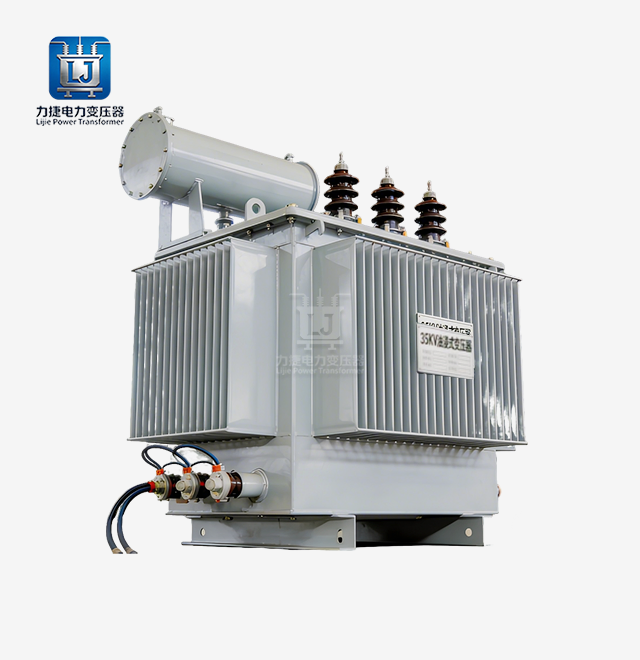
%20Dry-type%20Distributing%20Transformer.webp)
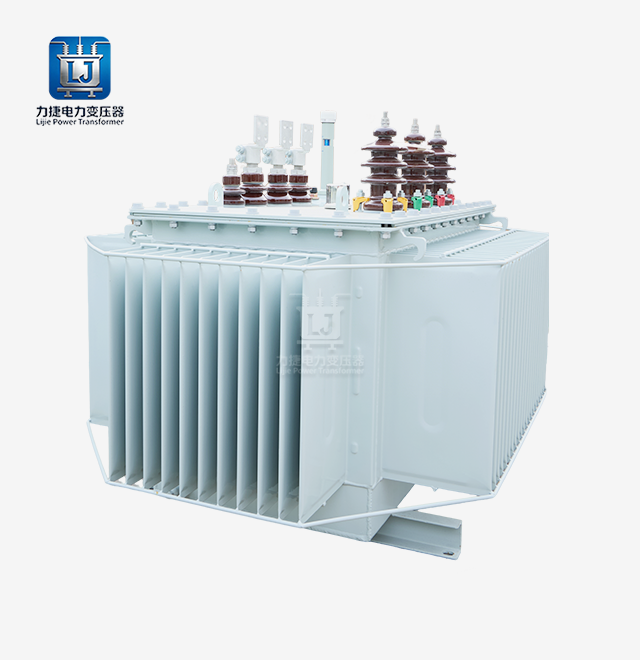


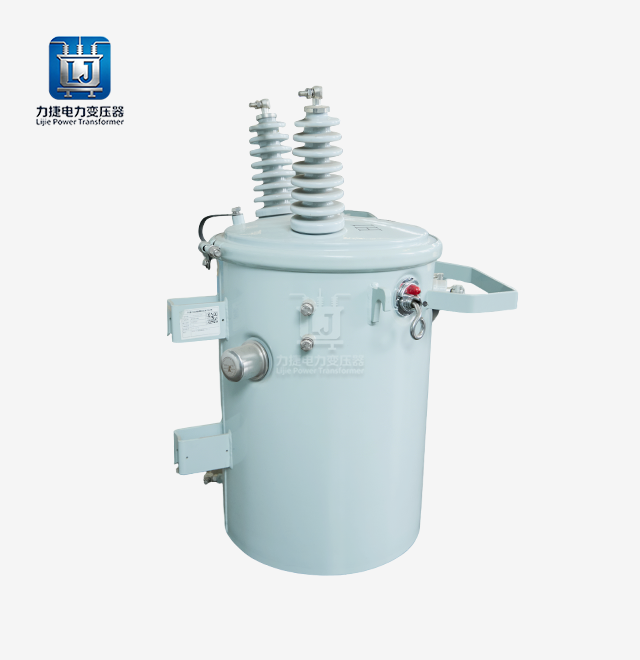

April 27, 2025
With a tight project schedule, the manufacturer delivered on time, and on-site technical personnel provided guidance throughout the entire installation and commissioning process; the collaboration was highly efficient and hassle-free.
July 2, 2025
During the preliminary phase, a selection plan was custom-tailored based on the actual site load requirements, resulting in a high degree of parameter compatibility. After-sales support responds within two hours, and ongoing technical support for operation and maintenance is comprehensive; we feel completely confident in a long-term partnership.
November 18, 2025
Deployed as a supporting component for a 35kV grid-connection project at a photovoltaic power station, the equipment operates for an average of 16 hours daily. It demonstrates excellent control over no-load losses, ensures smooth power generation and grid integration, and effectively reduces the station's overall energy consumption.
January 30, 2026
Under the continuous, high-load operating conditions of a factory production line, the equipment maintains stable electrical parameters and exhibits strong overload resistance, thereby guaranteeing an uninterrupted power supply for industrial production.
April 3, 2026
Integrated as a supporting component for a new energy photovoltaic grid-connection system, the manufacturer provided professional technical coordination and timely after-sales support, ensuring seamless adaptation to the specific electrical operating conditions required for grid integration.