April 27, 2025
With a tight project schedule, the manufacturer delivered on time, and on-site technical personnel provided guidance throughout the entire installation and commissioning process; the collaboration was highly efficient and hassle-free.
Jul 4, 2026
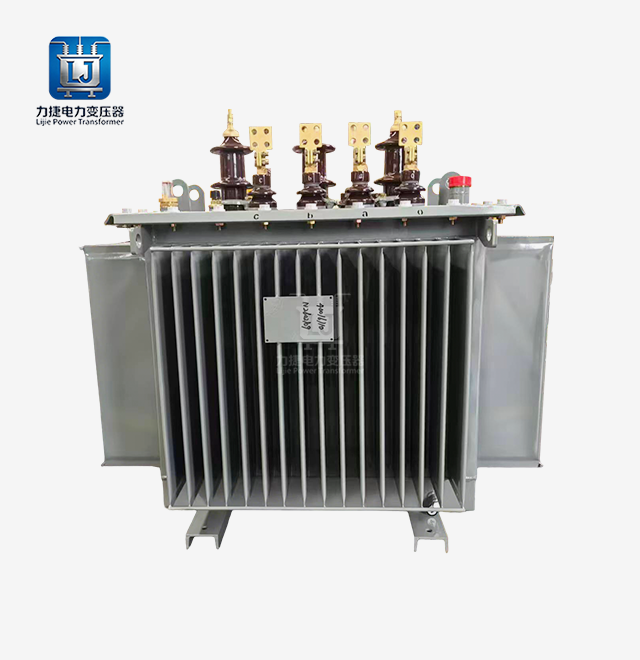
Choosing the right transformer is more than just a technical matter when it comes to the energy infrastructure that powers industrial complexes, renewable energy installations, and important utility networks. It affects how reliably these systems will work for decades to come. The S22 type 35KV oil-immersed power transformer is the most advanced medium-voltage distribution option available today. It offers the highest level of energy economy, meeting GB 20052-2020 Grade 1 standards. Every day, procurement managers and electrical engineers have to deal with problems like making sure the power supply is stable, keeping track of lifecycle costs, and making sure the transformer can handle the environment. This advanced oil-immersed transformer solves these problems. Understanding the different parts of the S22 model helps you make smart, cost-effective choices that meet both short-term operational needs and long-term strategic goals. This is true whether your project needs a power range of 630KVA to 31,500KVA or IP67 protection to withstand the harsh coastal conditions.
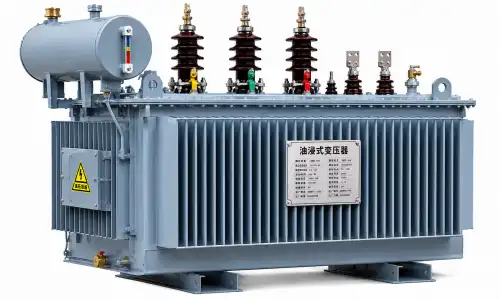
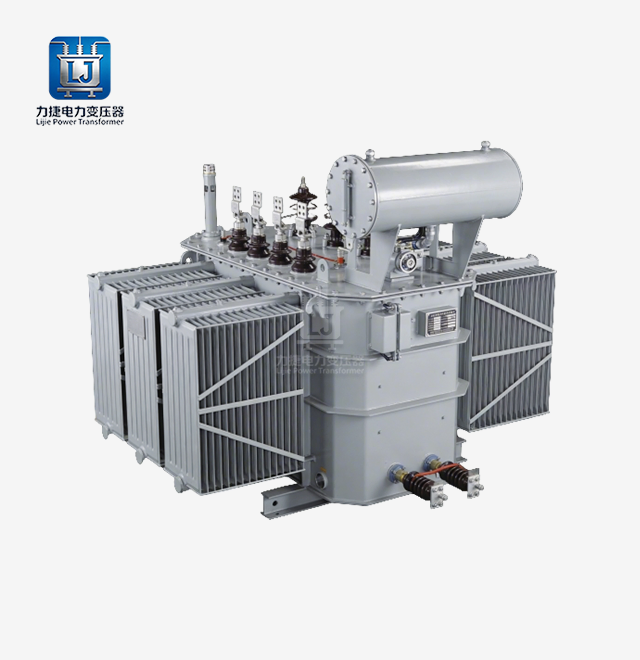
The S22 model is built on high-permeability cold-rolled grain-oriented silicon steel sheets that have been improved with laser-scribing technology. This choice of material immediately lowers magnetostriction effects, which means less no-load losses and quieter operation. The transformer uses electrolytic copper windings that are very pure and are set up in a way that protects against both electrical and mechanical stress during short circuits. The fully sealed corrugated tank design keeps insulating oil away from oxygen and moisture in the air. This greatly slows down the breakdown processes that usually shorten the life of transformers in traditional breath-type units.
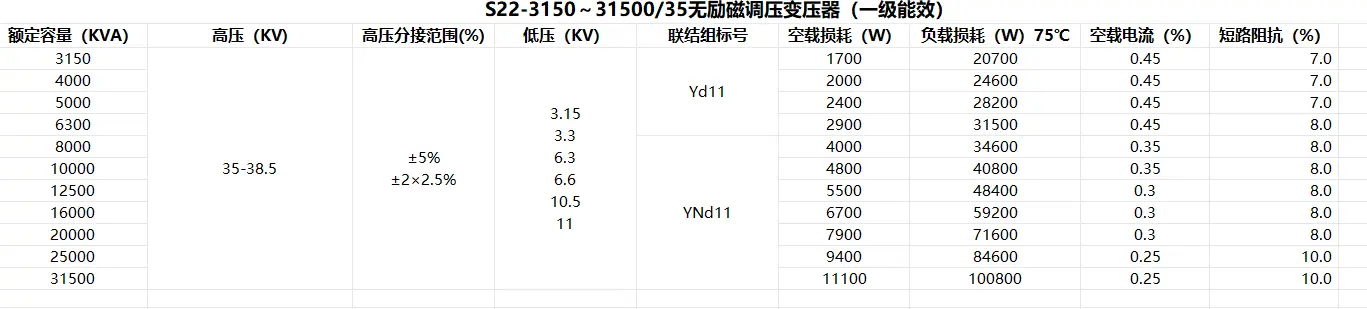
The S22 type 35KV oil-immersed power transformer features voltage settings that precisely meet the needs of most distribution systems. The high-voltage side works at 35kV and has ±2±2.5% tap adjustment, which can be increased to ±3±2.5% for certain uses. The low-voltage side has 10kV, 6kV, and 0.4kV outputs. The Dyn11 connection group is the best configuration because it can better block harmonics. This is especially helpful in buildings that have variable frequency drives, EV charging stations, or other non-linear loads. This way of connecting keeps the neutral line stable even when the loads aren't balanced, which happens a lot in industrial settings.
The best way to cool something depends on its size. Oil-immersed natural air cooling (ONAN) is used in units from 630KVA to 2,500KVA. It uses turbulent airflow inside the protected tank frame. When the capacity goes above 3,150KVA, the system changes to oil-immersed forced air cooling (OFAF), which makes peak load times about 45% more efficient at getting rid of heat. With this two-part design, temperature rise limits are well kept in check—winding temperatures stay below 65K and top oil layer temperatures stay below 55K, even when the temperature outside reaches 40°C. This means that the transformer keeps its nameplate capacity without derating, which is very important for installations in the southern U.S. or in enclosed substations.
The energy efficiency profile of S22 oil-immersed distribution transformers, including the S22 type 35KV oil-immersed power transformer, needs to be carefully looked at because it has a direct effect on the total cost of ownership over many years of service. As an example, a 1,000KVA unit has a no-load loss of 800W and a load loss of 7,200W at maximum current. Because these numbers are better than older S20 versions, the no-load loss is 10% less, and the load loss is 4% better. Compared to the older S11 generation, the improvement is even more noticeable: no-load loss drops by 43%, which means that each unit saves more than 2,200kWh of energy each year. For utility companies that are in charge of hundreds of distribution transformers spread out across large service areas, these small improvements in efficiency add up to big savings on operational costs and real progress toward their decarbonization goals.
Setting up regular inspection schedules makes assets last longer and cuts down on unplanned downtime, especially for equipment such as S22 type 35KV oil-immersed power transformer. The most important part of tracking the health of a transformer is analyzing the quality of the oil. Dissolved Gas Analysis (DGA) finds early signs of faults by detecting flammable gases released from the winding structure due to thermal or electrical stress before complete failure occurs. Breakdown voltage (BDV) tests show that the dielectric strength is still good, with readings above 30kV being normal for aged mineral oil. For critical installations, testing should be carried out once a year, while for standard operations, it should be done every two years.
Using a megohmmeter to measure insulation resistance shows problems with moisture getting in or contamination. Embedded monitors that measure temperature give workers real-time information about the temperature conditions in the operating environment. This lets them see if the cooling system is breaking down or if there are any strange load patterns. The sealed corrugated tank design used in S22 units makes maintenance a lot easier than with conservator-type transformers. This is because the bellows structure lets oil expand without being exposed to air.
In the S22 type 35KV oil-immersed power transformer, the main problem with oil-immersed transformers that gets worse with age is insulation breakdown. The S22 types' H+ class insulation system can handle continuous running at 200°C, giving them a large temperature cushion when they are under standard load. Partial discharge activity is an early sign of insulation stress. During type testing, S22 units keep partial discharge levels at ≤2pC, which provides a standard for comparison during operating tracking. When you see certain DGA patterns along with an elevated partial discharge, like acetylene presence, it means that there is a localized breakdown that needs to be looked into.
Overheating usually happens when the cooling system is blocked, the temperature outside is too high, or the overload condition lasts for a long time. The OFAF cooling system has forced-air fans that need to be checked for bearing wear and motor functionality on a regular basis. In industrial settings, dust and other particles can build up on radiator fins, making heat movement less effective. Cleaning on a regular basis keeps the insulation working as it should and stops it from wearing out faster at high temperatures.
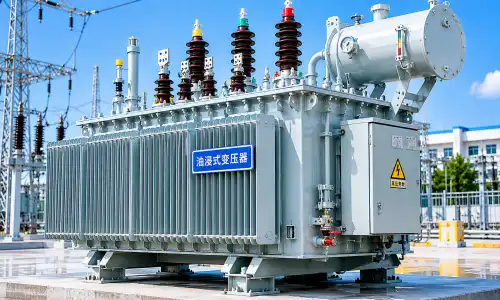
Noise performance is another important factor to consider, especially for installations near homes or in industrial buildings that are already occupied. At 1,000KVA, S22 units can produce ≤50dB(A), which is 8dB below the national standard and close to the volume of a normal conversation. This good sound quality comes from both a well-thought-out magnetic circuit design and structural changes that stop vibrations from traveling from the core to the tank. Dry-type transformers don't have the fire risk that comes with shielding oil, but they usually have higher losses, bigger physical areas, and less ability to handle overloads than newer designs that use oil, like the S22.
Priorities must be set differently for heavy industrial uses. A lot of harmonic content is made in steel mills, chemical processing plants, and mining operations, and motors start up often, which causes voltage problems. It is built so that the Dyn11 link group naturally separates harmonics better than delta-delta or wye-wye setups. A short-circuit resistance of 6.5% (±10%) strikes a good mix between fault current limits and voltage control performance. This is an important thing to think about when large motor loads make up a big part of the facility's demand.
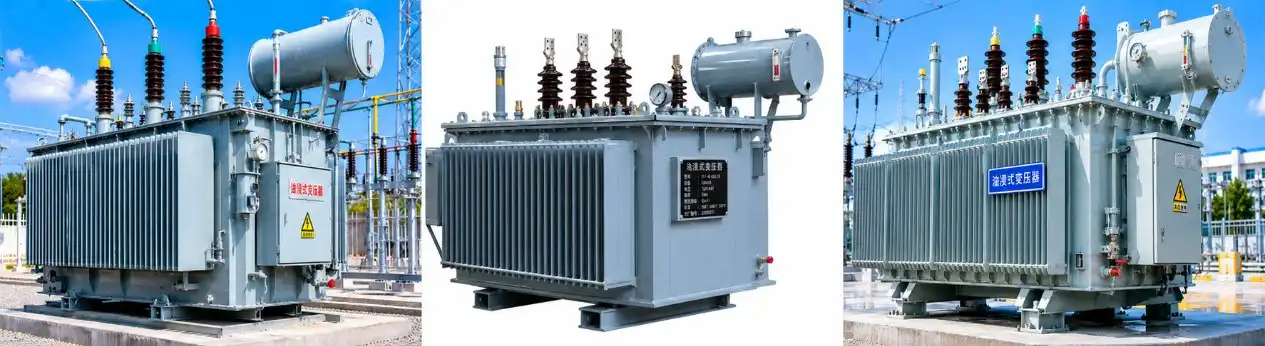
The price of oil-immersed power transformers depends on their size, how complicated their specifications are, and how they need to be certified. Standard products such as S22 type 35KV oil-immersed power transformer and 1,000KVA units with common voltage combinations hold the market together. Custom designs with unique tap ranges, insulation systems, or the ability to withstand earthquakes, on the other hand, command higher prices. Strategies for buying things in bulk have big benefits. Orders for more than one unit make production more efficient, and suppliers often share this benefit by giving volume discounts. Framework deals that set prices make it easier to plan a project's budget when it has a schedule for delivering parts at different times.
A lifecycle cost study shows that the original purchase price is only a small part of the total costs of ownership. When turned into money, energy losses over 25 to 30 years of use often exceed the cost of the equipment itself. The 43% less no-load loss in S22 designs compared to S11 designs makes them very profitable, and that's before you even think about the lower upkeep needs and longer service life. Manufacturers with good reputations have quality assurance programs that cut down on warranty claims and unplanned replacement costs that hurt the economics of a project.
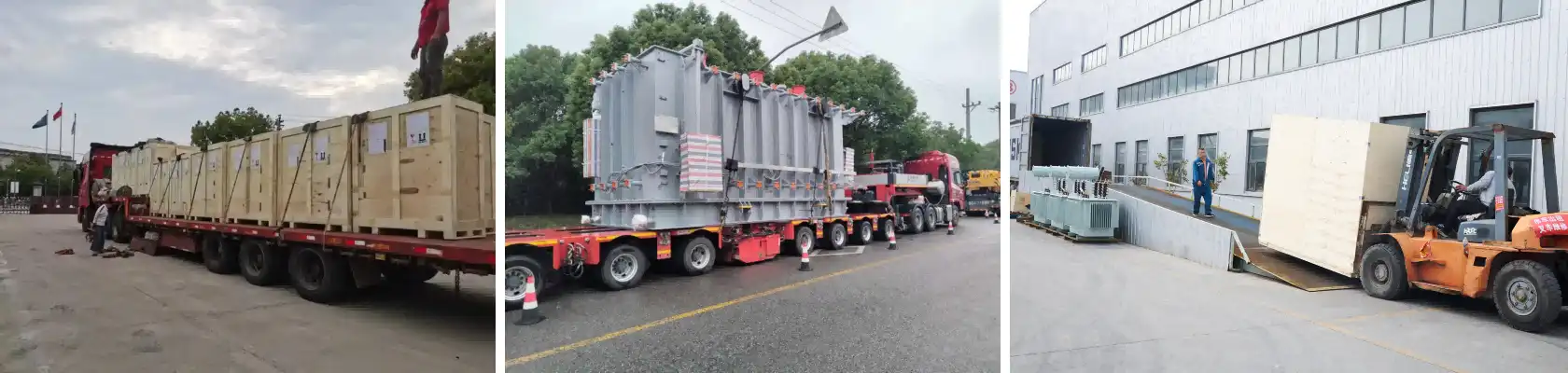
Lead times for medium-voltage transformers such as S22 type 35KV oil-immersed power transformer are usually between 8 and 16 weeks, but they can be longer or shorter based on the complexity of the specifications and how full the manufacturer's capacity is. Custom-built units that need design approval and type testing take longer to ship than standard store items with common grades. Logistics are affected by geography. For example, U.S. production has shorter transit times and easier regulatory compliance than imported equipment. However, global supply chains offer cheaper options for projects with flexible schedules.
When planning a procurement, certification requirements should be taken into account right away. It is common for utility specs to say that you have to follow IEEE standards and technical requirements that are specific to the utility. For insurance and code reasons, industrial installations may need to be UL-listed. Export projects need to meet the requirements of IEC 60076 and have approval marks specific to the country. Lijie Electric has a lot of different certifications, such as ISO 9001:2015, CE marking, UL recognition, and IEC certification, which make the approval process easier in a lot of different places. Instead of assuming that suppliers are following the rules, procurement managers should check that the suppliers have valid certifications. Documentation gaps that are found during commissioning can cause delays in the project.
To find skilled S22 type 35KV oil-immersed power transformer providers, you need to look at things from a lot of different angles. Manufacturing capacity and production volume show how well a company can handle big orders without delaying deliveries. Lijie Electric has factories that cover 500,000 square meters in Xuzhou and Nantong. They make more than 5 billion RMB a year, which shows that they are big enough to handle large-scale industrial and utility projects. The number of engineers on your team is also important because complex applications require strong technical support during design, development, and testing. Our engineering team has over 160 professionals with advanced degrees.
Quality management systems show that processes are being controlled and that people are always trying to make things better. Third-party approval to ISO 9001 makes sure that design, production, and testing follow written processes. Another important factor in judging is the ability to test something. Before the product is shipped, it is put through a lot of tests in-house, such as temperature rise tests, impulse withstand tests, and measurements of partial discharge. How well suppliers handle problems in the field is based on their after-sales service infrastructure. Downtime risk is lower when there are established service networks that can get extra parts and fix technology problems.
Load management is another feature of smart grid integration. When on-load tap changers (OLTC) and automated voltage regulation work together, they adapt to changes in the grid and keep the service voltage within tight limits, even when renewable energy production and load patterns change. This feature is especially useful as more solar panels are added to distribution networks, which makes it harder for voltages to rise during the middle of the day when there is a lot of generation but not much load. Communication protocols that work with SCADA systems are built into intelligent transformer designs. This makes it easier to control the voltage across multiple substations at the same time.
When choosing materials, care is taken to make sure they can be recycled and that the supply line is sustainable. Copper and steel make up most of transformers, and both can be recycled easily when they reach the end of their useful life. Companies that want to be leaders in sustainability set up take-back programs that make sure that products are properly disposed of and materials are recovered. Regulatory frameworks are always changing. For example, GB 20052-2020 Grade 1 and future versions of it will raise the minimum performance requirements over time. By investing in S22 technology, businesses can stay ahead of these legal changes and keep old equipment from becoming obsolete too soon.
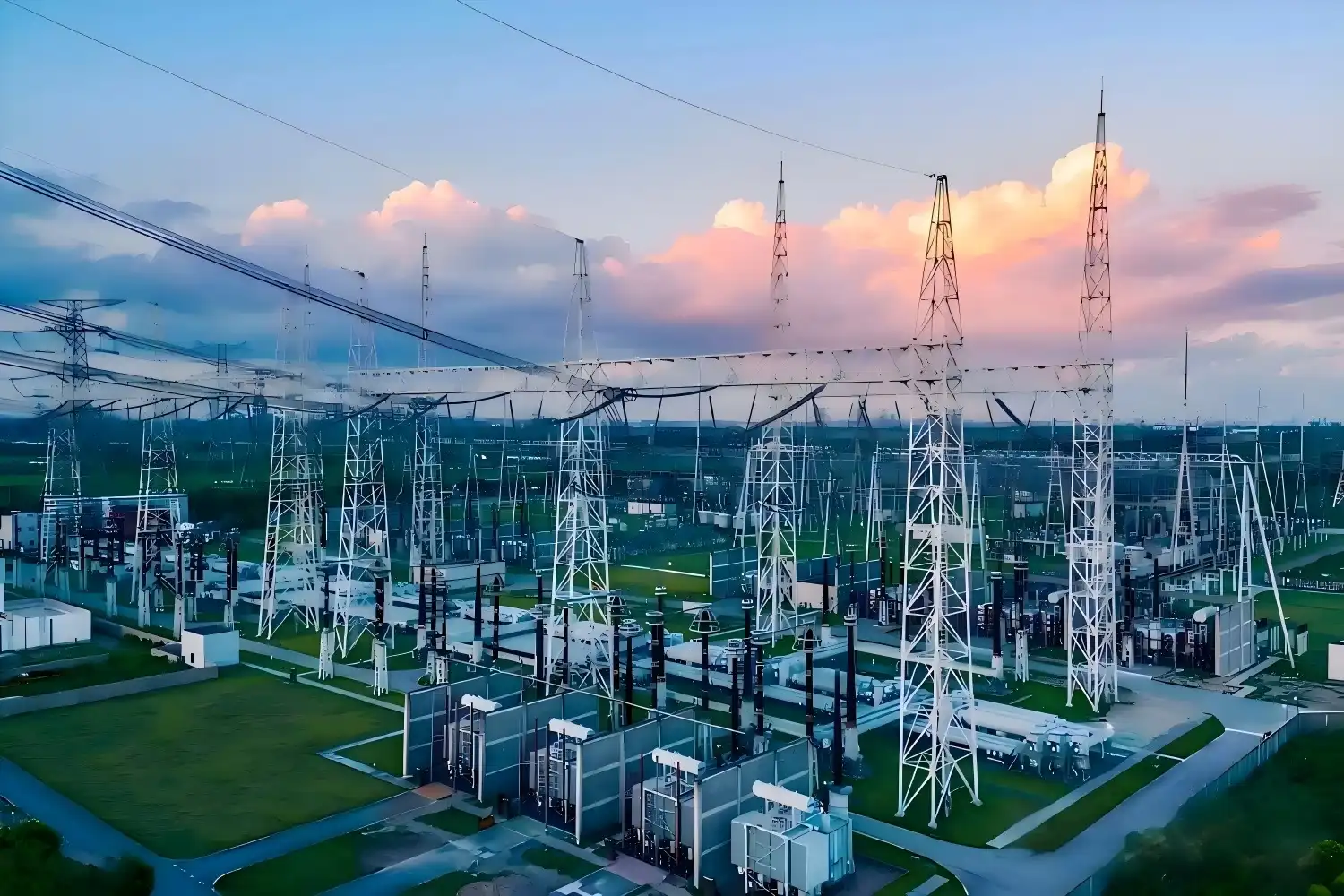
The S22 type 35KV oil-immersed power transformer is a mature combination of tried-and-true oil-immersed technology with modern materials science and factory precision. It has a wide range of specifications, including capacities from 630KVA to 31,500KVA, different voltage options, and two different cooling methods, so it can be used in a lot of different situations, such as utility distribution, green energy integration, and industrial power systems. Achieving energy economy leads to measurable economic benefits in the form of lower running costs, while strong building and security scores ensure stable service in harsh weather conditions. A successful procurement depends on clear specification development, careful supplier evaluation, and a lifecycle cost perspective that takes into account both initial pricing and long-term dependability. The basic features of the S22 platform—its electrical performance, thermal management, and structural integrity—remain important for reliable power delivery as power grids become more digitally monitored and use more renewable energy.
As long as they are used properly and get regular maintenance, S22 models should last between 30 and 35 years. The H+ class insulation system can handle the effects of thermal age, and the sealed curved tank stops oil oxidation, which shortens the life of breath-type designs. How long something actually lasts depends on the load profile, the environment, and how well it is maintained.
For critical installations, oil samples should be taken and analyzed at least once a year. Every three months, the cooling system should be visually checked for oil leaks, strange noises, and proper operation. Electrical testing that includes measuring insulation resistance and winding resistance is usually done every three years, unless tracking data or working conditions indicate that testing should be done more often.
Oil-immersed designs have better overload capacity, better heat dissipation that lets you build things that are smaller, and better insulation properties that support higher voltage classes. Small insulation problems can be fixed without permanent damage because the dielectric fluid has self-healing properties. Dry-type transformers don't pose a fire risk and need less maintenance, but at the same ratings, they usually have higher losses and bigger sizes.
Every project that needs reliable 35KV class distribution equipment is taken on by Lijie Electric Technology Group, which has decades of experience in both engineering and manufacturing. Our S22 oil-immersed transformer supplier credentials include full IEC, CE, and UL certifications, which make sure that our products can be easily integrated into projects all over the world. We have production facilities that are 500,000 square meters and quality systems that are fully certified to ISO 9001:2015. This means that we can meet the needs of infrastructure projects for consistency and scale. From coming up with specifications to putting the equipment to use, our engineering team works with customers and offers expert help that goes far beyond just delivering equipment. Our transformer options are designed to balance performance, efficiency, and lifetime value, whether you're using green energy, big industrial loads, or updating your utility distribution system. Email our team at lijieelectrical@gmail.com to talk about your specific needs and get detailed technical proposals that are made to fit your project.
1. Institute of Electrical and Electronics Engineers, "IEEE Standard for Distribution Transformers: Performance, Characteristics, and Requirements," IEEE Standards Association, 2019.
2. International Electrotechnical Commission, "IEC 60076-1: Power Transformers - Part 1: General," Edition 3.0, 2018.
3. National Standards of the People's Republic of China, "GB 20052-2020: Minimum Allowable Values of Energy Efficiency and Energy Efficiency Grades for Three-Phase Distribution Transformers," Standardization Administration of China, 2020.
4. American Society for Testing and Materials, "ASTM D3487: Standard Specification for Mineral Insulating Oil Used in Electrical Apparatus," ASTM International, 2020.
5. Heathcote, Martin J., "The J & P Transformer Book: A Practical Technology of the Power Transformer," Thirteenth Edition, Newnes Publishing, 2007.
6. Cigré Working Group A2.37, "Transformer Reliability Survey," International Council on Large Electric Systems Technical Brochure 642, 2015.
YOU MAY LIKE

10%20type%20dry-type%20distribution%20transformer.webp)
%20Dry-type%20Distributing%20Transformer.webp)

H15%20Amorphous%20Alloy%20Distribution%20Transformer.webp)
April 27, 2025
With a tight project schedule, the manufacturer delivered on time, and on-site technical personnel provided guidance throughout the entire installation and commissioning process; the collaboration was highly efficient and hassle-free.
July 2, 2025
During the preliminary phase, a selection plan was custom-tailored based on the actual site load requirements, resulting in a high degree of parameter compatibility. After-sales support responds within two hours, and ongoing technical support for operation and maintenance is comprehensive; we feel completely confident in a long-term partnership.
November 18, 2025
Deployed as a supporting component for a 35kV grid-connection project at a photovoltaic power station, the equipment operates for an average of 16 hours daily. It demonstrates excellent control over no-load losses, ensures smooth power generation and grid integration, and effectively reduces the station's overall energy consumption.
January 30, 2026
Under the continuous, high-load operating conditions of a factory production line, the equipment maintains stable electrical parameters and exhibits strong overload resistance, thereby guaranteeing an uninterrupted power supply for industrial production.
April 3, 2026
Integrated as a supporting component for a new energy photovoltaic grid-connection system, the manufacturer provided professional technical coordination and timely after-sales support, ensuring seamless adaptation to the specific electrical operating conditions required for grid integration.