April 27, 2025
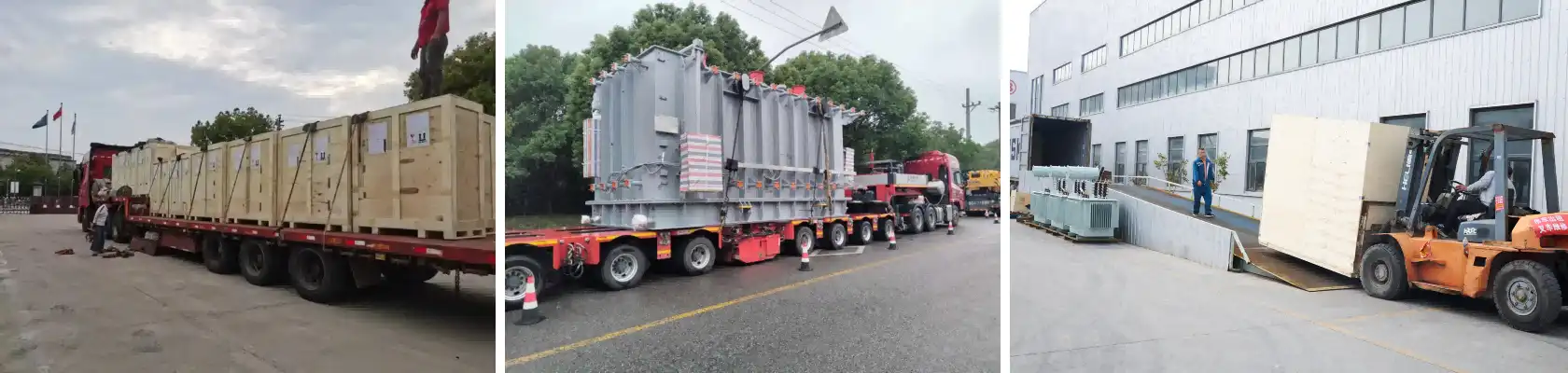
With a tight project schedule, the manufacturer delivered on time, and on-site technical personnel provided guidance throughout the entire installation and commissioning process; the collaboration was highly efficient and hassle-free.
Jul 4, 2026
Choosing the right transformer is very important when you are in charge of power distribution infrastructure. It can make or break project timelines and operational efficiency. The SC(B)12 type 35KV oil-immersed transformer is an important part of electrical substations because it steps down medium-voltage power from 35kV or 20kV grids to 10kV transmission levels or 400V distribution voltages that can be used. This transformer was made to work reliably in harsh industrial and utility settings. It solves basic problems that purchasing managers and electrical engineers face every day, such as controlling temperature, cutting down on energy loss, and making sure that the system stays stable over time.
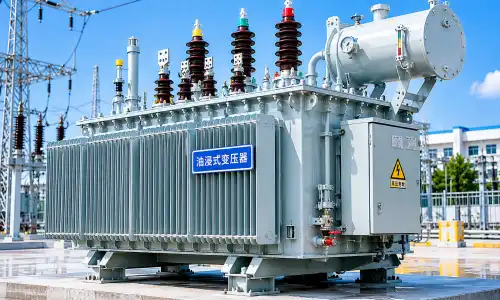
When we make the 35kV oil-immersed transformer series at Lijie Electric, we pay close attention to both its mechanical strength and electrical integrity. The core is made of cold-rolled grain-oriented silicon steel, which cuts down on magnetic flux leaks and gives about 20% lower no-load losses compared to older S11 types. Mineral insulating oil of high quality flows through the corrugated walls of the tank, cooling it and blocking electrical current. This ONAN (Oil Natural Air Natural) cooling method doesn't need any outside pumps to work, so it's perfect for substations that are close to residential areas or sound-sensitive industrial areas.
In the SC(B)12 type 35KV oil-immersed transformer, premium copper wires are used in the high-voltage winding, and chopped glass fiber felt is used to enhance mechanical strength. We use top-of-the-line Heydrich vacuum casting equipment to process these windings under vacuum conditions, achieving partial discharge levels below 5pC, which is a critical requirement for preventing internal arcing and extending service life. For the low-voltage winding, precision foil conductors are wound on automatic box-winding machines equipped with hydraulic tension control and high-precision detection within 0.5 mm. Advanced argon arc welding technology ensures that every connection remains mechanically and electrically stable even after decades of thermal cycling.
Medium-voltage transformers with a rating of 35kV must be able to handle both steady loads and short-term spikes that are typical in industrial settings. Our fully sealed tank design keeps oil from oxidizing and water from getting in, so the dielectric strength stays the same even in seaside or high-humidity areas. The multi-layer coating is anti-corrosion and meets C4 or C5-M standards. It keeps chemicals and salt mist from getting through. Buchholz relays, pressure relief valves, and signal thermometers are some of the internal monitoring devices that can find faults in real time and let operators know about abnormal conditions before they become costly failures.
When transformers work at or near their rated capacity for long periods of time, thermal management becomes very important. The design that is bathed in oil works very well in this case because the large amount of insulated oil takes in heat from the windings and sends it away through radiator fins or curved tank surfaces. The SC(B)12 series can handle short-circuit stresses and motor-starting inrush currents that would be hard for dry-type units with the same ratings because of the way they naturally handle heat.
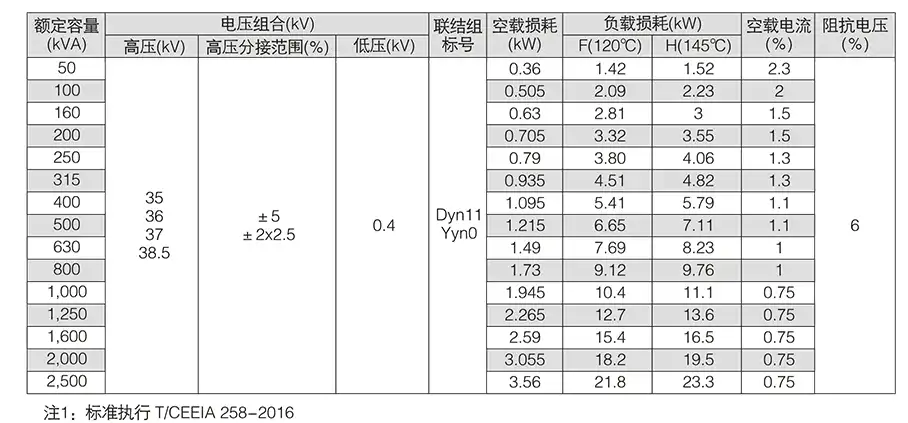
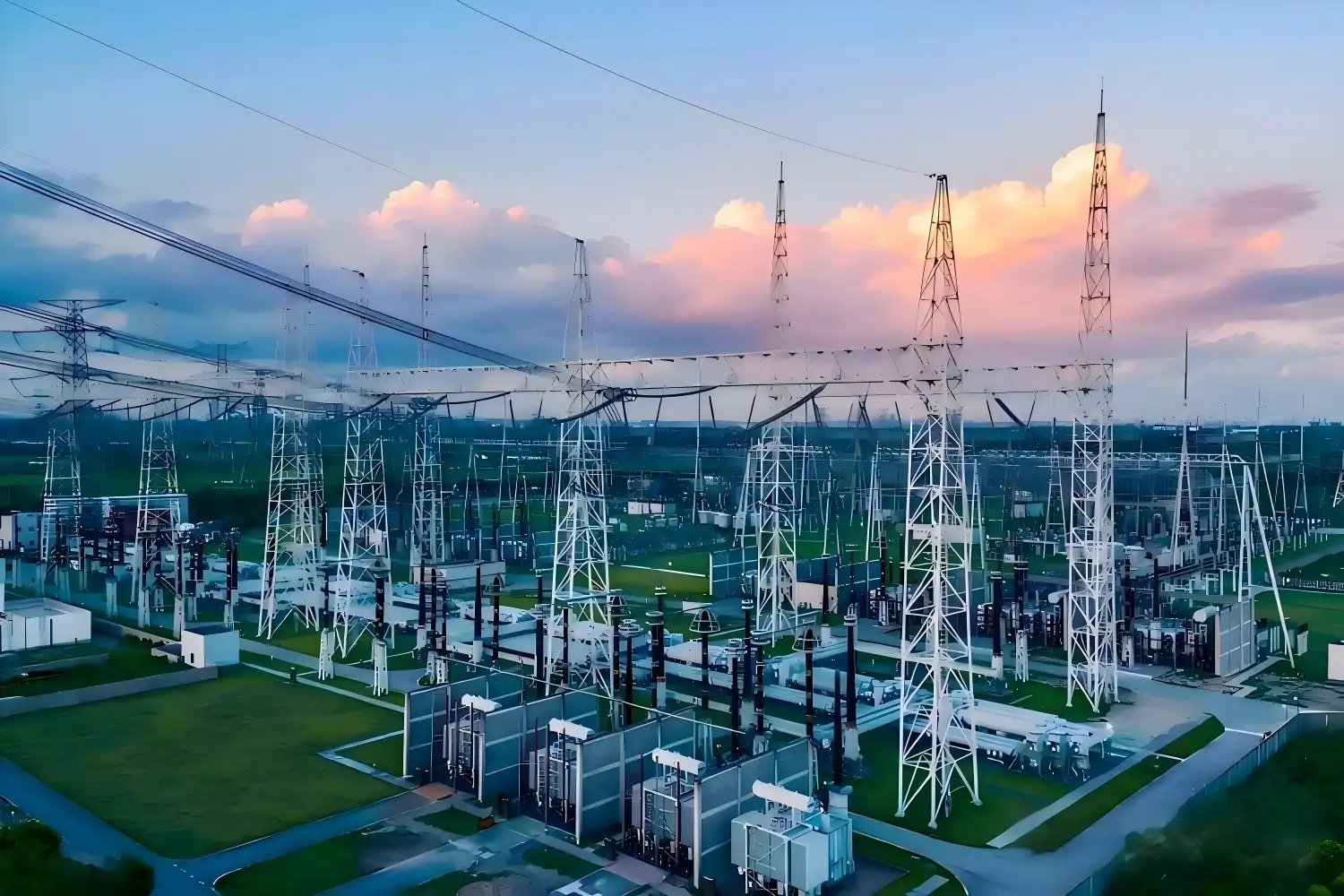
35kV oil-immersed transformers, including the SC(B)12 type 35kV oil-immersed transformer, are used by utility companies and industrial park owners at key points where power from transmission lines connects to local distribution networks. High-capacity changes from 35kV to 10kV or 400V are done by these transformers in steel mills and chemical plants. They power heavy equipment, electric arc furnaces, and process control systems. The strong short-circuit withstand ability ensures that the equipment can keep working even when faults happen in circuits further down the line.
Putting in renewable energy sources comes with its own set of problems. Power from wind farms and solar PV stations needs to be either stepped up or stepped down before it can be sent to other systems. Our SC(B)12 type 35KV oil-immersed transformer works well with medium-voltage switchgear because it handles harmonic distortions from inverter loads and the repeated loading patterns that come with renewable energy. The hermetic seal and outdoor-rated tank design make it possible to install in remote areas where maintenance is hard to get to, and the weather is rough.
We just recently sent a group of 35kV/10kV transformers to a Kazakhstani mining company. Temperatures at the site range from -40°C in the winter to +45°C in the summer, and there is a lot of dust there. After three years of nonstop use, dissolved gas analysis (DGA) results showed that no abnormal gases were being produced, confirming that the insulation inside was in great shape. The customer said there were no unplanned power outages and liked that the transformers could start big conveyor motors without any voltage sag problems.
A 50MW solar farm in Indonesia was used for another project. In tropical climates, engineers chose the SC(B)12 type 35KV oil-immersed transformer over dry-type alternatives because they better dissipate heat. Even though the units are in direct sunlight and don't have much air flow, the temperatures inside them stay within the design limits. This deployment shows how choosing the right transformer has a direct effect on the project's economics. Since thermal derating is avoided, the facility can get the most money out of every kilowatt-hour it produces.
Systematic tracking is the first step in doing a good repair on transformers. We suggest visual checks every three months to look for oil leaks, corrosion on the tank's surfaces, and that cooling fans (if equipped) are working properly. Breakdown voltage (BDV), moisture content (PPM), and pH should all be measured in oil once a year. These parameters show when insulation is breaking down before it starts to affect performance. Every two years, a test called dissolved gas analysis finds internal faults that are changing. For example, the formation of combustible gases shows that the system is overheating, and high hydrogen levels show that there is partial discharge activity.
In an SC(B)12 type 35KV oil-immersed transformer, overheating usually happens when there is too much load, not enough oil flow, or problems inside the windings. When temperature alarms go off, lower the load right away if you can and check the cooling systems. If the oil level drops without warning, check for leaks in the seals and welding joints. The airtight seal should keep the internal pressure positive. If the seal breaks, water can get in and damage the insulation.
A lot of the time, oil leaks happen where the seal meets the radiator or valve and the tank. Tighten the flange bolts to the stated pressure levels and repair the seals that are getting old as part of regular maintenance. Initial integrity is checked for pressure leaks during factory acceptance, but thermal cycling and vibration can put stress on seals over time. Keep the oil level right—low oil lets air into the windings, which lowers their ability to cool and raises the risk of a fire.
The environment often determines the type of transformer that is used. Dry-type units work best indoors, where fire codes don't allow oil-filled equipment, like in public buildings. Outdoor substations, mining sites, and heavy industrial facilities use oil-immersed transformers most of the time because they are more durable and work better in hot environments than indoor installations. The sealed-tank design of our SC(B)12 series keeps out dust, water, and acidic atmospheres that could damage dry-type windings.
Losses of energy have a direct effect on running costs. The S12 efficiency standard cuts no-load losses by about 20% compared to S11 models. This saves a lot of money over many years of continued use. When used at normal utility load factors, a 2500kVA transformer saves around 30,000 kWh per year compared to older designs. When electricity costs are used at industrial rates, this efficiency advantage pays for itself in seven to ten years.
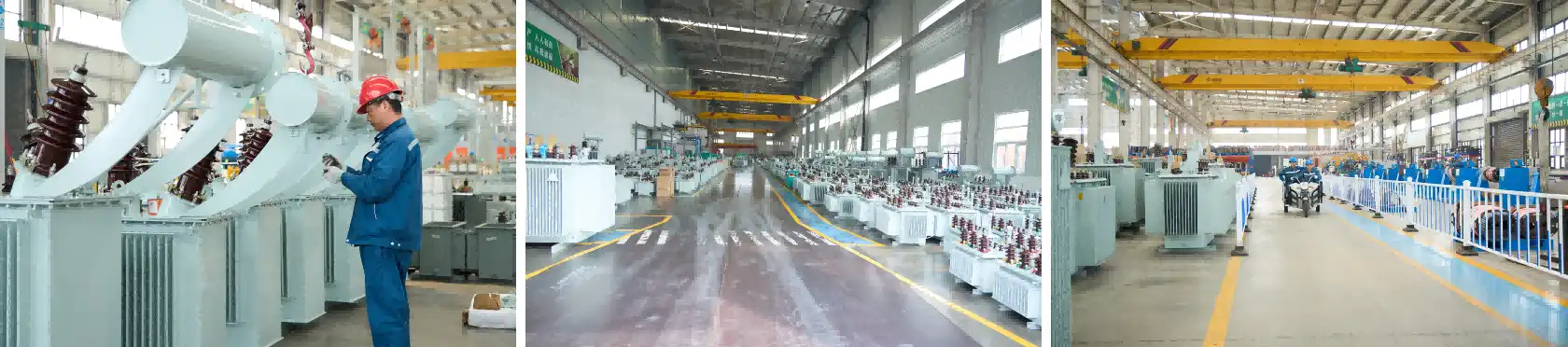
When looking for medium-voltage transformers like SC(B)12 type 35KV oil-immersed transformer, checking whether a supplier can actually manufacture them is what separates reliable ones from shady ones. Our 500,000-square-meter factories in Xuzhou and Nantong help Lijie Electric Power Technology Group make more than 5 billion RMB a year. We keep our ISO 9001:2015 certification and have also obtained approvals from CE and UL, which shows that we follow international quality standards. Our products are certified by IEC 60076 and meet the global standards for power transformers.
As much as output scale is important, technical skill is also important. Over 160 people with doctoral and master's degrees work on our engineering team, which works on both standard product lines and custom designs. This knowledge is useful for projects that need voltage ratios that aren't standard, impedance standards that aren't typical, or connections with certain switching systems. During project planning, we work with design institutes and electrical engineers to make sure that the specifications of the transformers match the needs of the whole system.
Transparency in documentation makes buyers more likely to buy. We give full test reports, certifications of oil quality, and the ability to track down materials for important parts. The National Transformer Quality Supervision and Inspection Center and the Wuhan High Voltage Research Institute have confirmed that the way we make things is correct. This outside check gives procurement teams confidence that transformers will do what they're supposed to, lowering the risk of the project and the chance of being sued if equipment fails.
Support after the sale goes beyond the guarantee time. Our service network offers professional support for installation, help with setup, and training for people who work in upkeep. We keep substitute parts like joints, tap switches, and tracking devices in stock so that we can respond quickly when help is needed. Many clients sign long-term maintenance contracts that include regular testing, oil analysis, and condition assessments. This makes the equipment last longer and lowers the total cost of ownership.
The SC(B)12 type 35KV oil-immersed transformer solves the main problems that utility companies, factories, and people working on renewable energy sources have with power distribution. Because it works well at high temperatures, saves energy, and is reliable, it is the best choice for medium-voltage substations that need to be reliable for a long time. By choosing the right maker, making sure the quality is checked carefully, and keeping up with upkeep, these transformers will last for decades without any problems. Strong 35kV transformation capacity is still needed for stable and efficient power delivery as grid infrastructure grows and renewable energy sources are added more quickly.
Through better core materials and better magnetic design, the S12 series cuts no-load losses by about 20%. Over the 20–30 years that the transformer is in use, this will save money on working costs. This is especially important for sites that run all the time with light loads, where no-load losses are the most significant.
Yes, the 35KV oil-immersed design has a multi-layer coating that doesn't rust and meets C4 or C5-M standards. The tank is fully covered, so salt mist can't get in. This keeps the internal parts from being exposed to the environment. Long-term corrosion resistance is maintained by checking the outside coatings often and making sure the grounding is correct.
The 35kV voltage class connects low-voltage transmission networks to high-voltage transmission lines and smaller distribution networks. When 10kV or 400V end-use voltages are needed, this rating makes it easy to get power to industrial complexes, mines, and renewable energy facilities.
The tightly sealed design keeps oil from aging when ONAN is properly cooled. For routine upkeep, dissolved gas analysis is usually all that is needed instead of replacing the oil completely. If testing shows that there is a lot of contamination or wear and tear, which rarely happens in well-kept units, oil changes are needed.
Lijie Electric Power Technology Group brings over two decades of transformer manufacturing expertise to your critical infrastructure projects. Our SC(B)12 type 35KV oil-immersed transformer supplier capabilities include customized voltage configurations, expedited delivery schedules, and comprehensive after-sales support. We serve national grid operators, renewable energy developers, and industrial manufacturers across North America with IEC/CE/UL-certified equipment backed by rigorous quality assurance. Contact our engineering team at lijieelectrical@gmail.com to discuss your specific substation requirements, receive detailed technical specifications, and explore how our proven transformer solutions can enhance your power distribution reliability while optimizing lifecycle costs.
1. National Electrical Manufacturers Association. (2019). NEMA Standards Publication TP 1-2019: Guide for Determining Energy Efficiency for Distribution Transformers. Rosslyn, VA: NEMA.
2. International Electrotechnical Commission. (2021). IEC 60076-1:2011+AMD1:2017: Power Transformers – Part 1: General. Geneva: IEC.
3. IEEE Power and Energy Society. (2018). IEEE C57.12.00-2015: General Requirements for Liquid-Immersed Distribution, Power, and Regulating Transformers. New York: IEEE.
4. Heathcote, M. J. (2020). The J&P Transformer Book: A Practical Technology of the Power Transformer (14th ed.). Oxford: Elsevier.
5. Kulkarni, S. V., & Khaparde, S. A. (2017). Transformer Engineering: Design, Technology, and Diagnostics (2nd ed.). Boca Raton: CRC Press.
6. Harlow, J. H. (Ed.). (2017). Electric Power Transformer Engineering (3rd ed.). Boca Raton: CRC Press.
YOU MAY LIKE



H15%20distribution%20transformer.webp)
12%20type%2035kV%20distribution%20transformer.webp)

April 27, 2025
With a tight project schedule, the manufacturer delivered on time, and on-site technical personnel provided guidance throughout the entire installation and commissioning process; the collaboration was highly efficient and hassle-free.
July 2, 2025
During the preliminary phase, a selection plan was custom-tailored based on the actual site load requirements, resulting in a high degree of parameter compatibility. After-sales support responds within two hours, and ongoing technical support for operation and maintenance is comprehensive; we feel completely confident in a long-term partnership.
November 18, 2025
Deployed as a supporting component for a 35kV grid-connection project at a photovoltaic power station, the equipment operates for an average of 16 hours daily. It demonstrates excellent control over no-load losses, ensures smooth power generation and grid integration, and effectively reduces the station's overall energy consumption.
January 30, 2026
Under the continuous, high-load operating conditions of a factory production line, the equipment maintains stable electrical parameters and exhibits strong overload resistance, thereby guaranteeing an uninterrupted power supply for industrial production.
April 3, 2026
Integrated as a supporting component for a new energy photovoltaic grid-connection system, the manufacturer provided professional technical coordination and timely after-sales support, ensuring seamless adaptation to the specific electrical operating conditions required for grid integration.