April 27, 2025
With a tight project schedule, the manufacturer delivered on time, and on-site technical personnel provided guidance throughout the entire installation and commissioning process; the collaboration was highly efficient and hassle-free.
Jul 4, 2026
The equipment you choose impacts whether your operation flourishes or suffers expensive downtime when power dependability is critical. Industrial and commercial power networks in the US rely on S11 type three-phase oil-immersed distribution transformers. These units solve procurement managers, electrical engineers, and project directors' daily operating problems using proven oil-cooling technology and innovative design. The S11 platform improves energy efficiency and operational stability over prior transformer generations with high no-load losses and frequent maintenance. This book explains the theoretical background, real-world applications, and procurement methodologies that enable utility, industrial, and EPC contractors to choose equipment confidently. Understanding how these transformers function under pressure and why their totally sealed corrugated tank design matters helps you link infrastructure expenditures with long-term reliability objectives and financial restrictions.
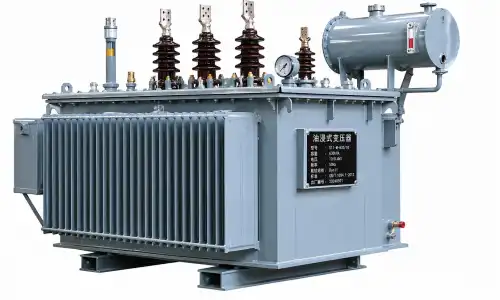
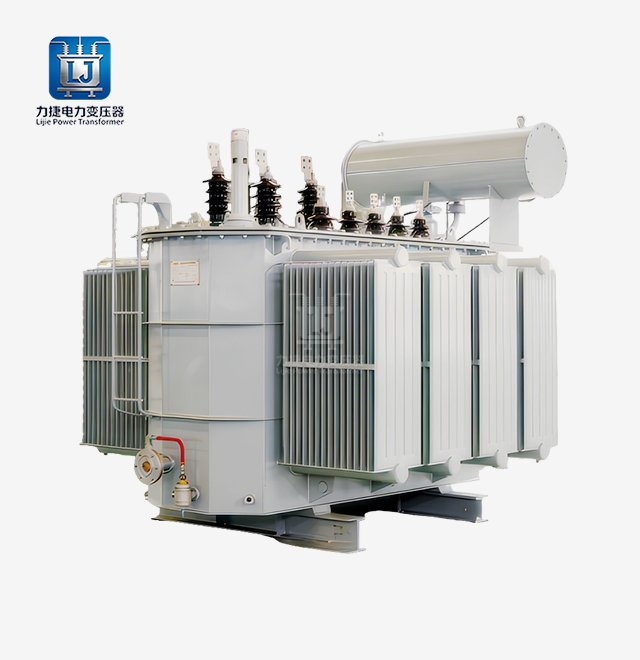
The S11 oil-immersed distribution transformer is a major technical improvement over the S9. This device uses stack-core or wound-core high-permeability cold-rolled oriented silicon steel laminations. This material directly lowers operating magnetic flux losses. Transformer windings, usually oxygen-free copper, are precision-wound for best electrical performance and short-circuit resistance. One of the S11 platform's features is its entirely sealed corrugated oil tank. In contrast to conservator tanks with air-breathing systems, the corrugated tank stretches and contracts with temperature cycling, preventing insulating oil from touching ambient oxygen. Moisture and oil oxidation promote power transformer insulation deterioration, but this enclosed environment avoids them.
Certified providers test all S11 transformers according to IEC 60076 and GB/T 6451 standards. We test no-load losses, load losses, impedance voltage, temperature increase, and dielectric strength. Units for the U.S. market usually have UL certification to ensure safety. ISO 9001:2015 quality management certification and approved laboratory testing reports provide procurement teams with the paperwork needed for project approval and regulatory compliance. CQC-certified energy efficiency ratings provide quantitative performance criteria that affect the total cost of ownership during the transformer's 30-plus-year service life.
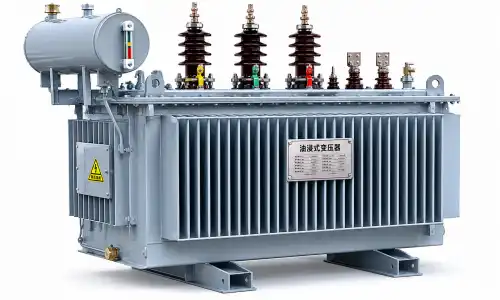
The S11 type three-phase oil-immersed distribution transformer is designed for Industrial continuous manufacturing lines that need transformers capable of handling non-linear loads without voltage distortion or thermal stress. Steel mills, chemical processing factories, and mines use 1000kVA–3150kVA units to power electric arc furnaces, rectifier systems, and large motor drives. The sealed tank design is especially useful in areas where airborne pollutants, including metal dust, chemical vapors, and coal particles, quickly deteriorate transformer oil. A Midwest metallurgical facility replaced outdated S7-series transformers with S11 units and saw a 28% decrease in no-load losses, saving over $45,000 per unit in energy costs. Third-harmonic currents from variable-frequency drives are suppressed by the Dyn11 connection design, eliminating neutral conductor overloading and voltage distortion that may damage sensitive process control equipment.
Multi-building business complexes, university campuses, and medical institutions need dependable medium-voltage distribution for HVAC systems and data center UPS equipment. These applications use 500kVA to 2000kVA S11 transformers as main distribution terminals. Installation in space-constrained utility yards without transformer buildings is possible with their small footprint and outdoor-rated enclosures (up to 40°C ambient temperature). A Texas hospital expansion project required S11 units with modified bushings for underground cable connections to fulfill NEC and facility aesthetics. Consistent delivery of 12 identical devices over six months without specification deviation minimized installation delays and simplified spare parts inventories, according to the project manager.
Wind farms and solar projects increasingly use step-up transformers such as S11 type three-phase oil-immersed distribution transformer to connect dispersed power to utility distribution networks. S11 transformers for 50Hz or 60Hz operation accept inverter output with impedance voltages to restrict fault currents within circuit breaker specifications. Twenty-four 1500kVA S11 transformers were collector system step-up units in a 50MW California solar farm. The sealed oil system was required in the desert, where temperature variations between 15°C overnight and 45°C during the day would produce excessive breathing and moisture contamination in traditional systems. Utilities upgrading distribution infrastructure use S11 pad-mounted installations for mixed residential and light business loads. Smart grid goals of decreasing distribution losses during off-peak hours are met by low no-load current (70–80% decrease against S9 types) and good efficiency under partial loading.
Compare the lifespan costs of transformer technologies by evaluating no-load (core) and load (copper) losses. Due to enhanced core steel grades and magnetic circuit design, S11 transformers have 30% reduced no-load losses than S9. For a 1000kVA unit running 8760 hours per year, this reduces energy usage by 8,760 kWh, worth $1,050 at $0.12/kWh industrial power prices. High copper fill factors and precise winding reduce load losses. Large installations may save $180,000 by using fifteen 1500kVA transformers at 70% average loading instead of similar S9 equipment.
These efficiency benefits meet sustainability and carbon footprint procurement criteria. Utility firms under regulatory pressure to reduce distribution system losses discover S11 technology allows compliance without infrastructure modification. When switching to S11 transformers, ISO 50001-certified factories see demonstrable gains.
Overload capacity is included on corrugated tank radiators. The additional surface area distributes heat better than smooth-tank designs with bolt-on radiators under transient loads exceeding nameplate rating, such as during maintenance outages or demand surges. Operations upsets are less likely to cause winding insulation failure with this thermal margin.
Equipment that doesn't need continual maintenance is appreciated by maintenance. Sealing S11 transformers eliminates oil filtering, which requires vacuum dehydration equipment and qualified workers. Infrared temperature scanning, oil sample for dissolved gas analysis, and bushing and connection checks are all that remain in periodic maintenance contracts. A Louisiana petrochemical plant's S11 fleet required 65% fewer maintenance hours than previous open-breathing transformers. This is important for distant installations where deploying specialists is expensive and slow.
The S11 type three-phase oil-immersed distribution transformer tank surfaces are protected from high humidity, industrial pollutants, and coastal exposure by anti-corrosion coating. ASTM D3359 adhesion and ISO 12944 corrosivity paint solutions provide decades of protection without repainting, which would otherwise require de-energization and temporary capacity loss.
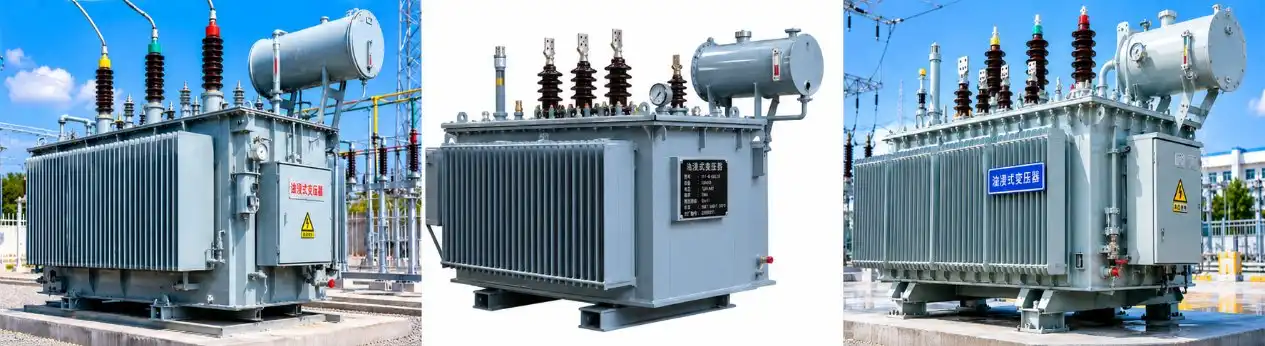
Structured inspections promote low-maintenance devices. An annual oil sample is the best diagnostic tool for detecting early issues before they fail. DGA detects combustible gases—hydrogen, methane, ethylene—that signal tank thermal stress or partial discharge. DGA trends over numerous years develop baseline patterns for each transformer, making anomalous readings obvious. Under load, infrared thermography detects hot spots at connections, bushings, or tap changer contacts that indicate high contact resistance. Quarterly visual examinations examine sight glass oil level, pressure relief device performance (many S11 systems include pressure-vacuum relief valves), and exterior oil traces that may indicate gasket damage.
SCADA or portable power analyzers monitor load on S11 type three-phase oil-immersed distribution transformer to keep transformers within design limitations. Insulation ages dramatically with chronic overloading, even at subcritical levels. Real-time temperature monitoring via integrated RTDs or external sensors shows cooling system efficiency. These transformer preventative measures cost less than eight labor-hours per year and avert $50,000 or more in equipment replacement, emergency mobilization, and lost productivity.
Transformers can need troubleshooting despite their durability. A buzzing or humming different from the magnetostriction hum may indicate loose core laminations or winding clamping difficulties. Accelerometer vibration analysis locates noise. Oil leaks usually occur at bushing bases or cable box seals, not tank bodies. These concerns are usually resolved by replacing gaskets with mineral oil-compatible high-temperature silicone. Debris clogging corrugated radiator channels or insufficient ventilation clearances frequently cause overheating over nameplate values. Thermal performance is restored by cleaning exterior surfaces and checking installation spacing according to the manufacturer's guidelines.
Good installation ensures long-term use. Concrete pads must hold the tank base level and drain well to avoid standing water. Minimum 36-inch clearance on both sides for ventilation and maintenance. All fastened connections, especially bushing studs and cable lugs, have torque requirements to avoid termination hot spots. Initial energization according to manufacturer instructions, including lengthy no-load operation to check typical temperature increase and no unusual noise, validates commissioning.
Working within design limits is crucial for the S11 type three-phase oil-immersed distribution transformer. Insulation life is extended via load factor management, which distributes loads among numerous transformers instead of running at full rated capacity. Ambient temperature monitoring prevents operation beyond 40°C; desert or tropical facilities may need ventilation modifications or larger units to maintain thermal margins. Surge protection devices on main and secondary circuits protect transformers from lightning-induced overvoltages that stress insulation. A complete asset management solution that tracks transformer loading history, maintenance activities, and test results allows condition-based replacement plans to optimize capital expenditure scheduling and minimize surprise failures that interrupt operations.
Clear technical requirements from load analysis and system studies start successful procurement. Electrical engineers calculate capacity by combining connected loads, using demand factors, and adding 20-25% for industrial expansion. The tap range is enough for predicted supply voltage changes after voltage regulation research. Short circuit studies set fault current limits in protective device ratings with impedance voltage values. Design criteria are affected by temperature extremes, altitude over 1000 meters, and seismic zone classifications. Buyers gain from early supplier involvement in specification. Lijie Electric's application engineers examine load profiles and operational circumstances to offer the best configurations. This collaborative method avoids over-specification (which raises expenses without operational advantage) and under-specification (which causes premature failures or poor performance).
Examine warranty conditions carefully. Standard manufacturing failure guarantees are one to two years, although big purchases may qualify for longer warranties. Understanding what warranty coverage excludes—usually external damage, incorrect installation, or operating beyond ratings—prevents arguments. Service capacity crucial for multinational initiatives. Established distribution networks and service centers reduce technical assistance and replacement component response time. Lijie Electric has exported to Australia, New Zealand, Southeast Asia, Central Asia, and Africa, proving they can support global projects with proper documentation, packaging, and import knowledge.
Non-standard bushing configurations for underground cable connections, facility-standard paint colors, and space-limited installation dimensions may be customized. During procurement, clarify customized lead times and pricing to avoid scheduling surprises. During capacity restrictions, long-term supplier partnerships provide consumers with constant quality and priority assistance, while suppliers increase manufacturing efficiency by repeating established designs. Quarterly performance assessments align delivery, quality, and continual development.
The correct distribution transformer affects your facility's operational dependability, energy expenditures, and maintenance for decades. The S11 type three-phase oil-immersed distribution transformer meets procurement priorities: sealed tank dependability, quantifiable efficiency benefits lowering lifespan costs, and simpler maintenance lowering operational overhead. Understand the technical capabilities and application concerns here to confidently select equipment for big industrial facilities, commercial projects, renewable energy installations, or utility distribution networks. Partnering with proven manufacturers that provide engineering assistance, consistent quality, and fast service ensures your infrastructure investments function as planned.
Improved core steel with increased magnetic permeability reduces no-load losses by 30% in S11 models. The totally sealed corrugated tank removes the conservator system, avoiding oil oxidation and moisture penetration. Compared to S9 devices, the no-load current lowers by 70-80%, reducing reactive power usage. The minor initial price premium is usually covered by reduced operating expenses and longer maintenance intervals within three to five years.
Sealed tanks are designed for tough situations. Avoiding atmospheric contact protects the insulating system from humidity, salt spray, and industrial contaminants that deteriorate transformer oil. Coastal and chemically active environments benefit from anti-corrosion coatings. Units may be installed outside up to 40°C, although difficult situations such as desert heat, high altitude, and seismic zones may necessitate specification revisions. Site-specific circumstances are discussed with the manufacturer to guarantee proper design.
A breathing-type transformer needs oil filtering every three to five years, but the sealed oil system avoids it. Annual oil sample for dissolved gas analysis, quarterly visual examinations, and load-related infrared thermography are recommended. Scheduled outages include bushing and connection tightness tests. The shorter maintenance schedule compared to previous transformer types reduces labor costs and enhances availability, especially for distant sites where technician dispatch requires substantial travel time and cost.
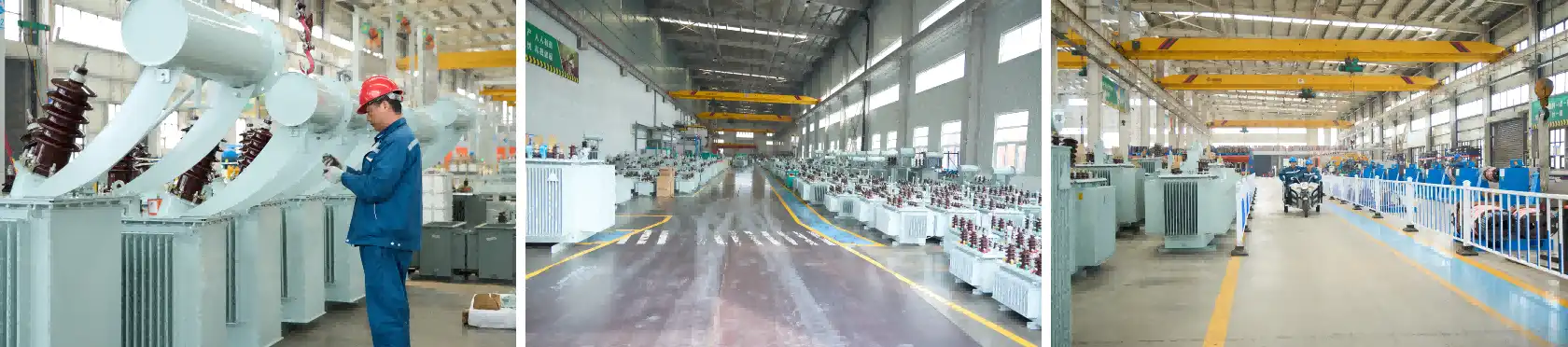
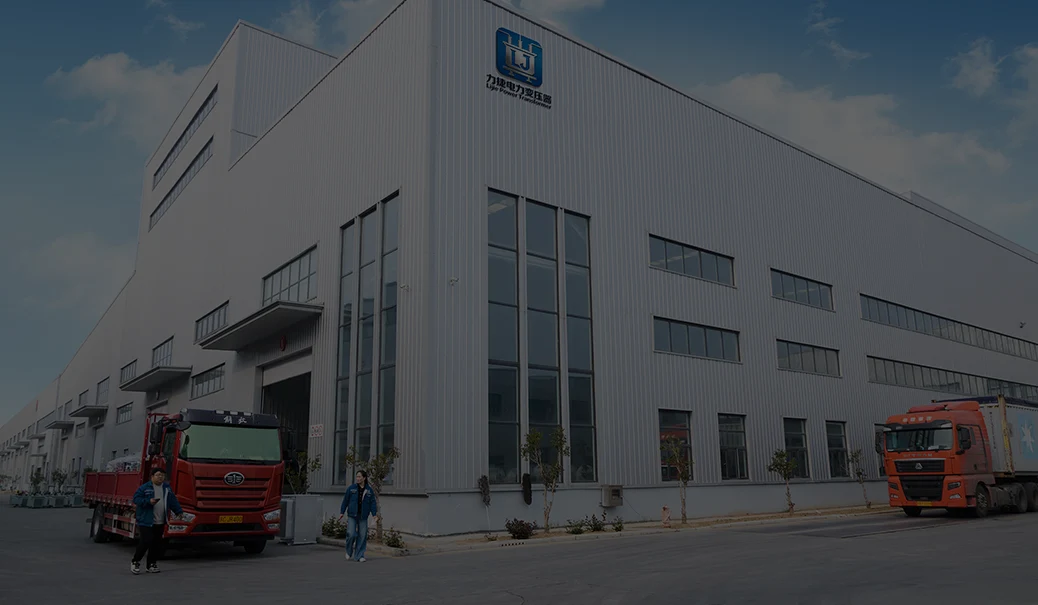
Achieving operational excellence in your power distribution infrastructure requires more than selecting equipment from specification sheets. Lijie Electric, recognized as a National High-Tech Enterprise with over thirty years of transformer manufacturing expertise, brings proven capabilities to your most demanding projects. Our S11 type three-phase oil-immersed distribution transformer line—manufactured across 500,000 square meters of advanced production facilities—delivers the reliability your operations demand. Backed by comprehensive certifications, including ISO 9001:2015, UL, CE, and IEC compliance, every unit undergoes rigorous testing protocols before shipment.
As an experienced S11 transformer manufacturer serving utility companies, industrial facilities, and EPC contractors worldwide, we understand procurement challenges: meeting aggressive project schedules, ensuring consistent quality across large orders, and securing responsive technical support. Reach out to our engineering team at lijieelectrical@gmail.com to discuss your specific application requirements. We provide customized transformer solutions, competitive pricing for volume orders, and reliable delivery aligned with your construction milestones. Explore detailed specifications and case studies at lijie-electrical.com, or contact us directly for a technical consultation that addresses your power distribution needs.

1. Institute of Electrical and Electronics Engineers (IEEE). (2019). IEEE Standard for General Requirements for Liquid-Immersed Distribution, Power, and Regulating Transformers. IEEE Standard C57.12.00-2015.
2. International Electrotechnical Commission. (2018). Power Transformers – Part 1: General Requirements. IEC 60076-1:2011+AMD1:2018.
3. Harlow, J.H. (2012). Electric Power Transformer Engineering (3rd ed.). CRC Press, Boca Raton, Florida.
4. National Electrical Manufacturers Association. (2020). Guide for Loading Mineral-Oil-Immersed Transformers and Step-Voltage Regulators. ANSI/IEEE C57.91-2011.
5. Kulkarni, S.V., & Khaparde, S.A. (2017). Transformer Engineering: Design, Technology, and Diagnostics (2nd ed.). CRC Press, Boca Raton, Florida.
6. Wang, M., & Vandermaar, A.J. (2016). Review of condition assessment of power transformers in service. IEEE Electrical Insulation Magazine, 18(6), 12-25.
YOU MAY LIKE


12%20type%20epoxy%20resin%20cast%20transformer.webp)

11%20type%2035KV%20dry-immersed%20transformer_1778136495348.webp)

April 27, 2025
With a tight project schedule, the manufacturer delivered on time, and on-site technical personnel provided guidance throughout the entire installation and commissioning process; the collaboration was highly efficient and hassle-free.
July 2, 2025
During the preliminary phase, a selection plan was custom-tailored based on the actual site load requirements, resulting in a high degree of parameter compatibility. After-sales support responds within two hours, and ongoing technical support for operation and maintenance is comprehensive; we feel completely confident in a long-term partnership.
November 18, 2025
Deployed as a supporting component for a 35kV grid-connection project at a photovoltaic power station, the equipment operates for an average of 16 hours daily. It demonstrates excellent control over no-load losses, ensures smooth power generation and grid integration, and effectively reduces the station's overall energy consumption.
January 30, 2026
Under the continuous, high-load operating conditions of a factory production line, the equipment maintains stable electrical parameters and exhibits strong overload resistance, thereby guaranteeing an uninterrupted power supply for industrial production.
April 3, 2026
Integrated as a supporting component for a new energy photovoltaic grid-connection system, the manufacturer provided professional technical coordination and timely after-sales support, ensuring seamless adaptation to the specific electrical operating conditions required for grid integration.