April 27, 2025
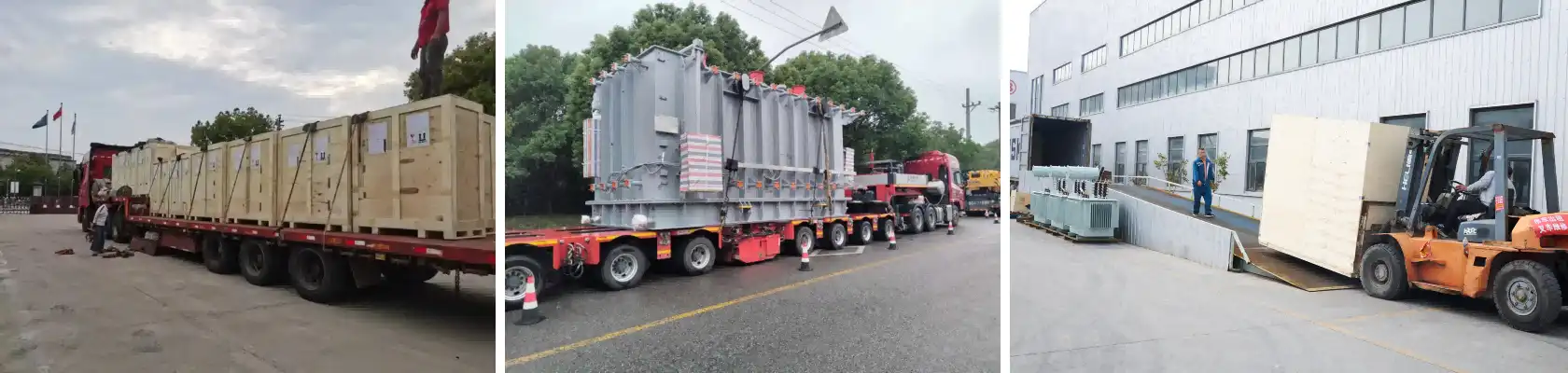
With a tight project schedule, the manufacturer delivered on time, and on-site technical personnel provided guidance throughout the entire installation and commissioning process; the collaboration was highly efficient and hassle-free.
Jul 3, 2026
The S20 type three-phase power transformer is a big step forward in power transfer technology that uses less energy. This fully sealed, oil-immersed transformer is made to meet GB 20052-2024 standards. It has low no-load losses and is very reliable for medium-voltage uses. This transformer solves important problems in industrial manufacturing, integrating renewable energy, and utility-scale power distribution. Its capacity ranges from 30kVA to 3,150kVA, and its voltage levels range from 6kV to 35kV. It also cuts running costs in a way that can be seen.
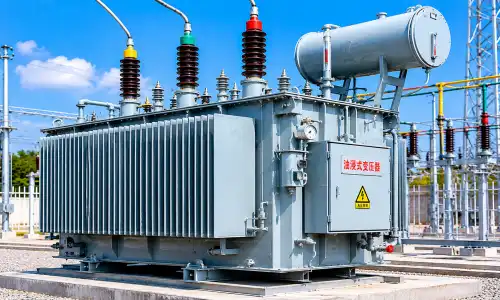
There is no need for standard conservator systems in the S20 type three-phase power transformer series because it has a fully sealed corrugated oil tank structure and non-excitation voltage control. This design choice keeps oil from oxidizing too much and cuts down on upkeep needs by a large amount over the transformer's useful life. The unit can regulate voltage and has tap values of ±5% or ±2×2.5%, so system workers can fine-tune the voltage output without turning on the equipment.
Core materials are made of high-quality, cold-rolled, grain-oriented silicon steel that is usually between 0.23 mm and 0.27 mm thick. This directly helps to lower loss. When the load is applied, resistance losses are kept to a minimum by windings made of high-purity copper that doesn't contain any air. The oil-immersed self-cooling method effectively controls heat loss, with a maximum temperature rise of 55K for the oil and 65K for the windings. These thermal properties make it possible for strong short-term overload capacity while keeping the insulation's structure.
The main feature of the S20 type three-phase power transformer platform is that it is energy efficient. As a minimum, units meet National Standard Level 2 for energy efficiency, and the best combinations get Level 1 approval. No-load losses go down by 15% to 20% compared to older S13 models, and they go up by 8% to 12% compared to older S18 models. Load loss optimization makes full-load operational economy even better.
Operating efficiency is higher than 99% in the 30% to 70% load range, which is normal for industrial job cycles. This performance profile immediately leads to less energy use and lower operating costs over the life of the product. When core losses are kept to a minimum and copper losses are optimized, managers who deal with long operational times or continuous process environments can see real economic benefits.
Power companies use S20 type three-phase power transformers for grid modernization projects in both cities and rural areas. The transformers' mix of efficiency, dependability, and small footprint makes them useful in areas with limited space. The fully sealed design is especially useful in high-pollution industrial areas, like petrochemical plants and mines, where chemical fumes and conductive dust can shorten the life of regular transformers.
The S20 type three-phase power transformer's stable performance under changing load situations is good for renewable energy systems. These units are used as step-up or distribution transformers in wind farms and solar panels. They can survive tough outdoor conditions in remote areas because they are sealed. The low magnetostriction noise is valued by data centers and high-tech manufacturing facilities because it helps them follow strict noise laws in urban areas. The transformer has a lifetime of more than 20 years without any upkeep. This lowers the cost of field service in difficult-to-reach locations.
When comparing the S20 type three-phase power transformer to the S11 and S13 transformers from older generations, the main difference is the lower loss. Due to less modern core materials and winding setups, S11 models, which use older technology standards, have much higher no-load losses. Even though the S13 version made gains, the S20 type three-phase power transformer cuts no-load losses by an extra 15% to 20% thanks to better silicon steel grades and better magnetic circuit design.
Comparing load loss shows that they both have similar benefits. The S20 type three-phase power transformer's copper windings and better heat control make it more efficient when it's running at full load. Over time, these changes add up, and annual energy savings add up to a lot for setups with multiple units. When figuring out the total cost of ownership, procurement managers should compare these operational savings to changes in the initial capital spending.
In traditional transformer designs, oil can expand and shrink by using breather devices and conservator tanks. Even though these systems work, they require regular upkeep and could allow for pollution. The S20 type three-phase power transformer's totally sealed corrugated tank gets rid of these weaknesses by accommodating temperature expansion through elastic deformation. This keeps the oil's integrity without letting it come into contact with air.
This way of thinking about design makes it possible to go longer without inspecting something, and it also lowers the chance that water or particles will get inside. This sealed method works especially well in industrial settings where flying contaminants are a problem. Comparative field data shows that service times are getting longer. Many systems have been running for more than 15 years without needing oil treatment or an internal check.
In some situations, dry-type transformers are used instead of oil-immersed units, especially when fire safety rules require non-flammable cooling media. On the other hand, dry-type setups usually have bigger physical footprints and higher losses at the same rates. The S20 type three-phase power transformer's sealed oil-immersed design provides better thermal performance and efficiency while also ensuring fire safety through the use of the right fitting methods and safety barriers.
In mining and electric furnace uses, the ability to handle short circuits and overloads must be very high. The S20 type three-phase power transformer works reliably in these tough conditions thanks to its improved structure, bracing, and high-quality insulation materials. Case studies from steel factories show that their machines keep running smoothly even when the temperature changes a lot, and there are short periods of overcurrent that would damage less powerful machines.
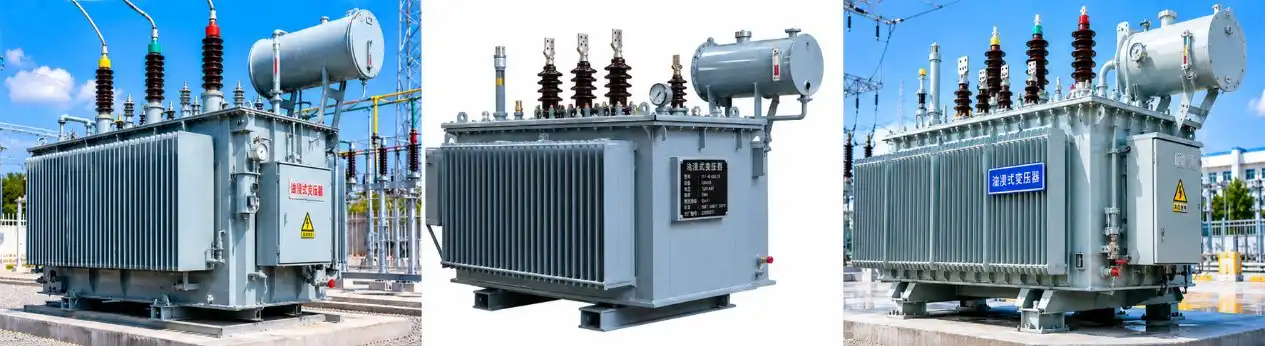
To choose a good manufacturer, you need to make sure that they meet the requirements for foreign approval. Look for approval in the ISO 9001:2015 Quality Management System. This sets the standards for quality systems. The S20 type three-phase power transformer meets globally known technical standards by being in line with IEC 60076 and GB/T 6451. CE and UL licenses help you get into more markets and show that you follow safety rules in more places.
For big projects that need to be delivered in batches, figuring out the manufacturing capacity is very important. Some suppliers have specific production sites that cover a lot of space, like more than 100,000 square meters. These suppliers usually have the tools to keep quality consistent across large orders. The qualifications of technical staff, such as engineering teams with advanced degrees, are linked to their ability to solve problems and adapt to customer needs.
Most uses can be met by standard catalog setups, but some projects may need custom specs. To meet specific working needs, voltage levels, link group names (Yyn0 or Dyn11), impedance voltage values, and environmental operating factors can all be changed. During the planning process, work with manufacturers to make sure that the specs for the S20 type three-phase power transformer are optimized for both performance and ease of manufacture.
Lead times for S20 type three-phase power transformers depend on how complicated the order is and how quickly it needs to be made. Standard setups from stock may ship within weeks, but custom-engineered units usually need eight to sixteen weeks from the time the order is confirmed until they are tested and approved by the factory. Large purchases need coordinated production planning, and staged shipping plans need to be able to meet the needs of staged project launching.
A full warranty should cover more than just replacing parts; it should also include technical help and efficiency guarantees. Usually, warranties last between two and five years, but for important projects, they can last longer. Make sure you understand the warranty's rules about on-site help, replacement parts, and promised response times.
Technical help after the sale is what sets capable sellers apart from commodity vendors. Having access to application building experts helps with planning installations, starting up new systems, and making sure the S20 type three-phase power transformer runs as efficiently as possible. When there is an emergency, suppliers that have area service centers or work with local expert representatives can respond faster. Write down these support structures during the review of the procurement to make sure they are in line with the practical risk tolerance.
For a proper installation of the S20 type three-phase power transformer to start, the base must be prepared according to the manufacturer's load-bearing guidelines. Place the transformer so that there is enough space for air flow on all sides. Usually, you need at least 0.8 to 1.2 meters between the transformer and walls or equipment next to it. Make sure the base is level within the allowed ranges to keep the mounting tools from being unevenly loaded.
When making electrical connections, you need to pay close attention to the pressure requirements and how the conductors are terminated. To keep partial discharge from starting, high-voltage joints need to be carefully lined up and connected. Installing a grounding system must follow local electrical rules and the manufacturer's instructions. During commissioning, resistance readings must be recorded. Before turning on the power, insulation resistance tests and power frequency withstand voltage verification make sure the work is solid.
When compared to regular transformers, the S20 type three-phase power transformer's sealed design makes upkeep a lot easier. During routine checks, the focus is on looking at the outside of the machine. This includes checking the integrity of the gaskets and checking the corrugated tank's surface for damage or rust. Infrared thermography can find growing hotspots that show link degradation or internal problems when the system is loaded.
Oil samples should be taken through marked test ports as part of yearly repair plans. Dissolved gas analysis (DGA) finds early signs of faults before they become major problems. Testing for dielectric strength and measuring the amount of moisture in the oil make sure that its state stays within accepted limits. Monitoring temperature with built-in sensors or external gauges shows that the S20 type three-phase power transformer's thermal performance meets design requirements.
Noise levels that are higher than usual could mean that the core lamination is coming loose or that the load current isn't balanced. Analysis of acoustic signatures helps tell the difference between magnetostriction noise, coil shaking, and problems with the cooling system. When the load is average, a temperature rise of more than 20% indicates that the cooling circuit is limited, the oil is breaking down, or there are overload conditions that need to be looked into in the load profile.
Partial discharge monitoring methods find insulation degradation before it leads to total failure. Ultrasonic devices or radio frequency tracking gear can find the exact location of a release so that it can be thoroughly investigated. If an oil analysis shows that there are high levels of flammable gases, it sets off a series of thorough evaluation steps that may include measuring winding resistance and checking turns ratio to find fault zones in the S20 type three-phase power transformer.
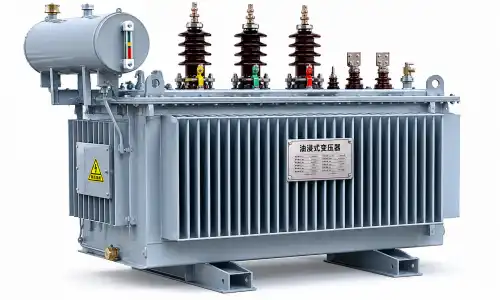
Regulatory systems are moving toward stricter standards for efficiency. The change from GB 20052-2013 to GB 20052-2024 standards is an example of this trend. New versions are likely to make loss limits even stricter in the future. When companies spend money on advanced materials research and simulation-driven design optimization, they set themselves up to meet changing S20 type three-phase power transformer requirements while keeping their prices low.
Amorphous metal core technology could be the next step forward; it has even lower no-load losses than regular silicon steel. Amorphous cores are more expensive than other types of cores right now, but changes in manufacturing scale may make them more popular in medium-voltage distribution uses. When amorphous and silicon steel are used together in hybrid core designs, efficiency gains for the S20 type three-phase power transformer are balanced against cost concerns.
Traditional transformers are turned into smart grid assets by digital tracking systems. Condition review can be done from a distance with temperature sensors, partial discharge monitors, and bushing tap switches that show the position of the tap. Communication standards like IEC 61850 make it easier to connect to supervisory control and data acquisition (SCADA) systems. This helps with planned repair and better S20 type three-phase power transformer asset management.
S20 type three-phase power transformers can be used in dynamic grid control schemes because they can watch the load and respond to changes in demand. By figuring out the leftover overload capacity based on current working conditions and past thermal patterns, real-time thermal modeling methods make the best use of assets. These skills are especially useful in green energy situations where changes in output make it hard to use normal business practices.
Active asset management makes S20 type three-phase power transformers last much longer than their original design times. Filtration and degassing methods used to recover oil on a regular basis restore its dielectric qualities without shutting down the machine. Replacement of certain parts, like bushings and seals, stops wear and tear caused by age while protecting the core and winding expenditure.
When operational factors are analyzed using data analytics, the best loading methods that slow down aging are found. Insulation stress builds up less when it's not used at high temperatures for long periods of time and when thermal cycling happens less often. Strategic deployment planning that fits the S20 type three-phase power transformer's capacity to the expected load patterns stops it from being overloaded all the time and keeps capital assets from not being used to their full potential. Field experience shows that well-maintained units usually last 30 years or more in the right situations.
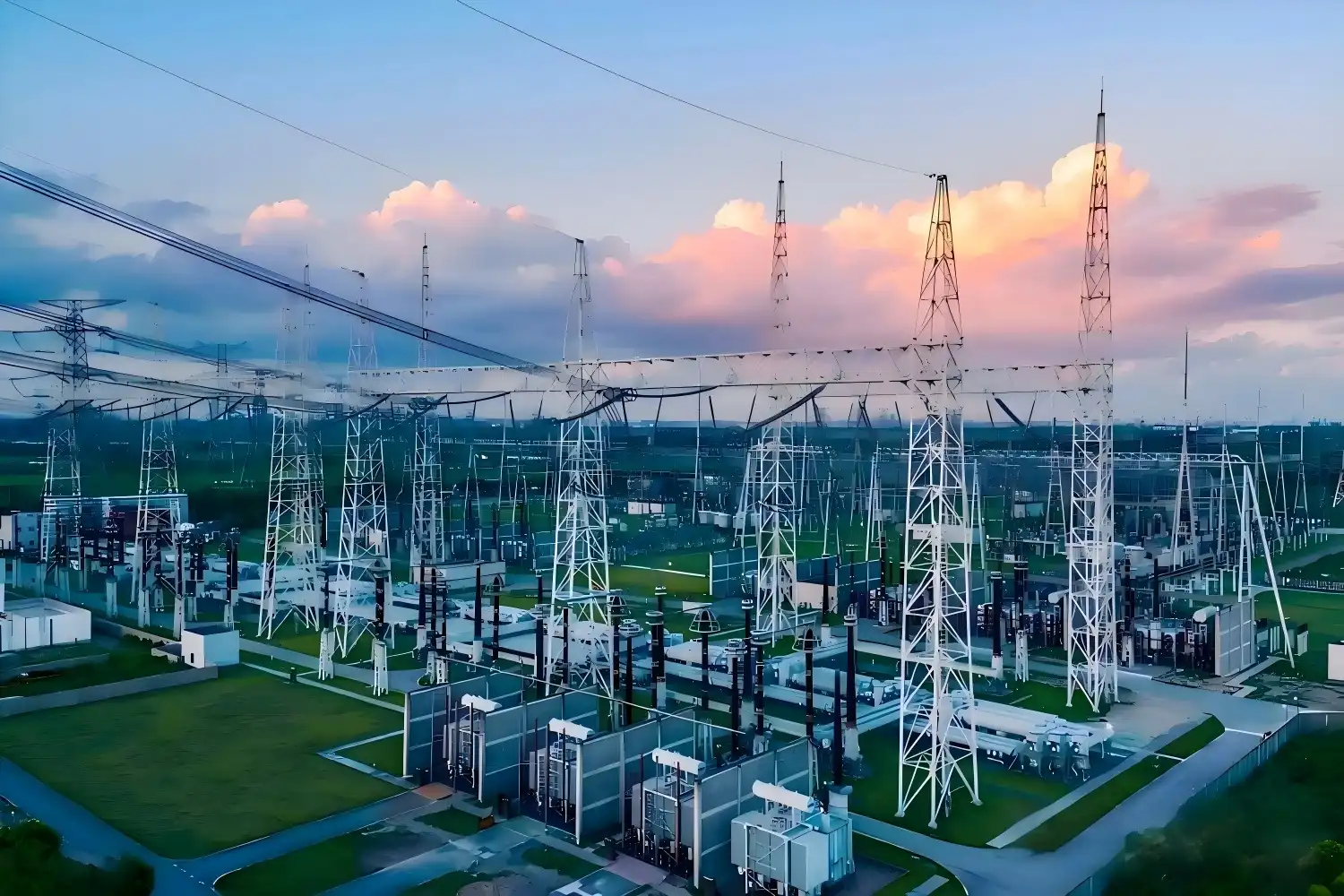
For demanding industry, utility, and green energy uses, the S20 type three-phase power transformer offers measurable gains in efficiency and operating dependability. It sets new standards for medium-voltage distribution transformers with its fully sealed design, advanced core materials, and improved heat management. When purchasing power distribution equipment, procurement workers should think about the lower lifecycle costs, lower maintenance needs, and proven success in a wide range of working conditions. Choosing skilled makers with strong certification portfolios and technical support skills is the best way to make sure that projects go well and assets keep their value over time.
When it comes to heat efficiency and losses, oil-immersed S20 type three-phase power transformers are better than dry-type options with the same ratings. The liquid cooling medium moves heat from the windings to the top of the tank very effectively, which lets more power fit into smaller spaces. Dry-type units work best in places where fire safety is important, but they need bigger sites and have a little higher running losses.
S20 type three-phase power transformers in the 500kVA to 2,500kVA range are often used in renewable energy projects to match the power output of groups of wind turbines or parts of solar panels. The 12kV voltage class is usually used as the voltage for the collection system. It is then raised to transmission levels through more change steps. Which ability to choose relies on the type of production, the design of the collection system, and the needs for connecting to the grid.
Dimensional fit with old tools depends on the installation. When compared to older conservator-style units, the S20 type three-phase power transformer's sealed corrugated tank form usually leaves a slightly bigger size. Before choosing retrofit units, make sure you check the mounting pad measurements, bushing height gaps, and placement of electrical connections. In many installations, units can be used with only slight changes to the base or the moving of equipment.
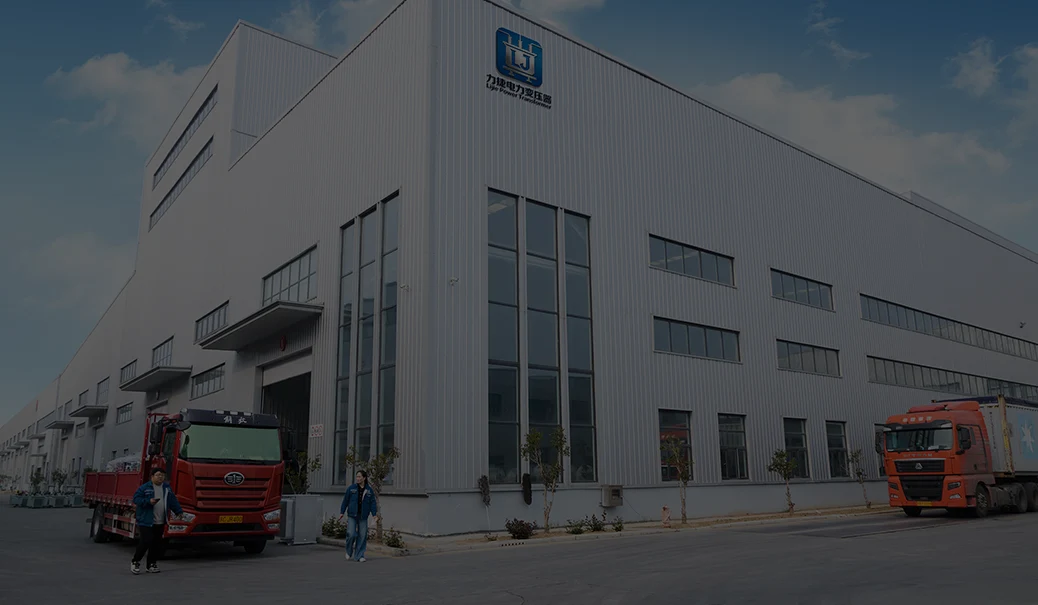
At our 500,000-square-meter factories in Xuzhou and Nantong, China, Lijie Electric Power Technology Group makes oil-immersed distribution transformers of the highest quality that meet strict international standards. As a supplier of S20 type three-phase power transformers, we can do custom designing, mass production, and full technical support from over 160 expert engineers. We provide stable power solutions to utility, industrial, and green energy clients in North America, Europe, and the Asia-Pacific markets. Our yearly sales exceed 5 billion RMB, and we have certifications such as ISO 9001:2015, CE, UL, and IEC compliance.
Our engineering team works together with purchase managers and project engineers to make sure that the standards of each transformer are the best they can be for each operation. This ensures that the transformers will work with each other technically and economically. Email our expert sales team at lijieelectrical@gmail.com to talk about the details of your project and get accurate quotes with reasonable wait times. You can look at our full line of products and find technical information at lijie-electrical.com, which will help you make smart purchasing choices.
1. International Electrotechnical Commission. Power Transformers – Part 1: General Requirements. IEC 60076-1:2011, Geneva, Switzerland.
2. National Standardization Administration of China. Energy Efficiency Limits and Energy Efficiency Grades of Power Transformers. GB 20052-2024, Beijing, China.
3. Zhang, L., & Wang, H. (2023). Comparative Analysis of Oil-Immersed Transformer Loss Reduction Technologies in Medium-Voltage Distribution Systems. IEEE Transactions on Power Delivery, 38(4), 2156-2168.
4. American National Standards Institute. Standard General Requirements for Liquid-Immersed Distribution, Power, and Regulating Transformers. ANSI C57.12.00-2021, New York, USA.
5. Chen, W. (2022). Hermetically Sealed Transformer Design Optimization for Extended Service Life in Harsh Environments. Journal of Electrical Engineering & Technology, 17(3), 1445-1457.
6. Cigré Working Group A2.37. Transformer Reliability Survey: Interim Report. Technical Brochure 642, International Council on Large Electric Systems, Paris, France, 2015.
YOU MAY LIKE


%20Dry-type%20Distributing%20Transformer.webp)

10%20type%20epoxy%20resin%20cast%20transformer.webp)

April 27, 2025
With a tight project schedule, the manufacturer delivered on time, and on-site technical personnel provided guidance throughout the entire installation and commissioning process; the collaboration was highly efficient and hassle-free.
July 2, 2025
During the preliminary phase, a selection plan was custom-tailored based on the actual site load requirements, resulting in a high degree of parameter compatibility. After-sales support responds within two hours, and ongoing technical support for operation and maintenance is comprehensive; we feel completely confident in a long-term partnership.
November 18, 2025
Deployed as a supporting component for a 35kV grid-connection project at a photovoltaic power station, the equipment operates for an average of 16 hours daily. It demonstrates excellent control over no-load losses, ensures smooth power generation and grid integration, and effectively reduces the station's overall energy consumption.
January 30, 2026
Under the continuous, high-load operating conditions of a factory production line, the equipment maintains stable electrical parameters and exhibits strong overload resistance, thereby guaranteeing an uninterrupted power supply for industrial production.
April 3, 2026
Integrated as a supporting component for a new energy photovoltaic grid-connection system, the manufacturer provided professional technical coordination and timely after-sales support, ensuring seamless adaptation to the specific electrical operating conditions required for grid integration.