April 27, 2025
With a tight project schedule, the manufacturer delivered on time, and on-site technical personnel provided guidance throughout the entire installation and commissioning process; the collaboration was highly efficient and hassle-free.
Jul 3, 2026
The difference between S20 and S11 distribution transformers in terms of how much energy they use is big and has a direct effect on procurement managers and electrical engineers. Compared to the S11 series, the S20 type three-phase power transformer has no-load losses that are 30–35% lower and load losses that are 25–30% lower. In normal industrial settings, this means saving a lot of energy each year—often more than $15,000 per machine. The S20 meets GB 20052-2024 Level 2 energy saving standards, and some configurations even hit Level 1; the older S11 technology, on the other hand, has trouble meeting current regulatory standards. Long-term running costs are directly affected by this efficiency gap. This makes the S20 the best choice for building projects that value sustainability and lifecycle value.
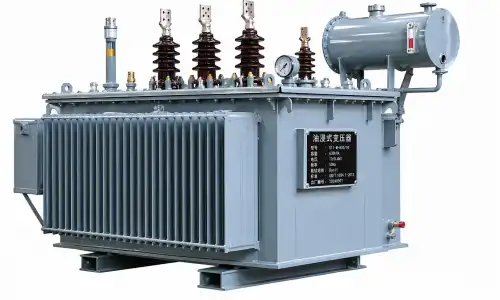
Power companies, factories, green energy sites, and infrastructure development all use S20 and S11 transformers as important pieces of distribution equipment. The S11 series, which came out many years ago, set the standard for oil-immersed transformer performance. It could handle voltages from 6kV to 35kV and worked reliably, but it had higher loss features. These units have driven many grid extensions, especially in places where cost concerns were greater than efficiency needs.
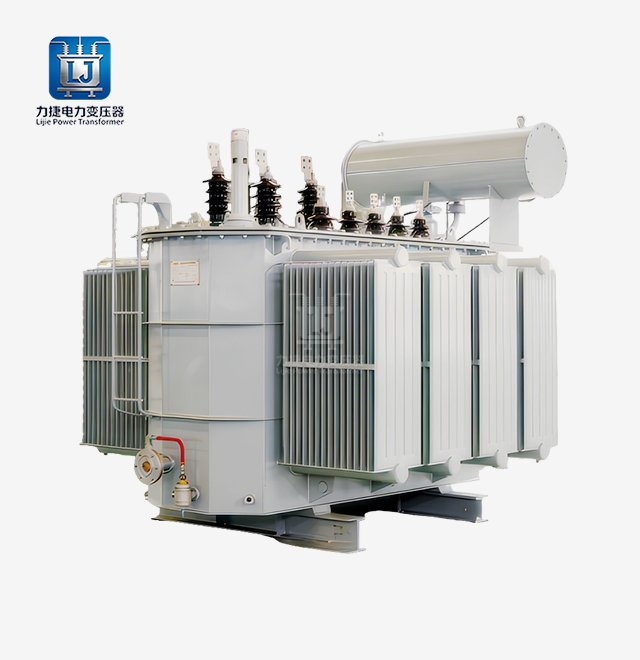
The S20 line is a complete makeover that takes into account modern needs. The S20 type three-phase power transformer is designed to meet the strict energy-saving rules that are now in place in North America and Europe. It uses new magnetic materials, better cooling systems, and better winding designs. The main idea behind the design is to keep core and copper losses as low as possible while still providing strong short-circuit protection and long-lasting stability over 30-year lifespans.
The energy economy is important for more reasons than just saving money. More and more, procurement managers have to follow rules about lowering carbon emissions, integrating green energy, and measuring the total cost of ownership (TCO), which is more than just the original purchase price. When utilities update old infrastructure, they have to weigh the costs of capital improvements against the yearly gains in working efficiency. The cost of power is going up, which makes generator losses an important budget line item for factories. Developers of renewable energy need tools that can handle varying loads and keep working at their best in a wide range of situations.
By knowing these differences, engineering teams can choose the right tools for their operations, weighing the initial cost against the energy savings and legal compliance that will come over many years.
The difference in performance between the S20 type three-phase power transformer and these versions of transformers is due to changes in basic materials and design. Standard cold-rolled grain-oriented silicon steel with a thickness of about 0.30-0.35mm is usually used in S11 transformers. This type of steel is good for basic loss control but not very good at magnetic efficiency. The core is built using normal stacking techniques and insulation coatings, which leads to hysteresis and eddy current losses that are reasonable but not ideal.
Premium cold-rolled grain-oriented silicon steel, usually 0.23mm or 0.27mm thick, is used in S20 transformers. This steel is treated with advanced heating methods that improve magnetic domain alignment. Just choosing this material cuts core losses by 15 to 20 percent compared to S11 alternatives. Design for windings also varies a lot. Standard electrolytic copper wires and standard shielding systems rated for Class A thermal performance are used in S11 units. The S20 uses very pure copper that doesn't contain any oxygen, and it does this by using advanced transformation methods that keep eddy current losses as low as possible in the windings themselves. Insulation systems are better at controlling heat, keeping the temperature rise in the windings below 65K, while older designs usually had it at 75K.
Voltage control skills are also different. The S20 type three-phase power transformer has non-excitation voltage control that lets it tap ranges of ±5% to ±2.5% without losing efficiency. This lets it handle changes in the grid without affecting its performance. The range of capacities is 30kVA to 3150kVA for both single-phase and three-phase systems. It can handle voltages of 6kV and 12kV with link group names Yyno or Dyn11. This adaptability makes it useful for a wide range of situations, from small substations in cities to big industrial sites.
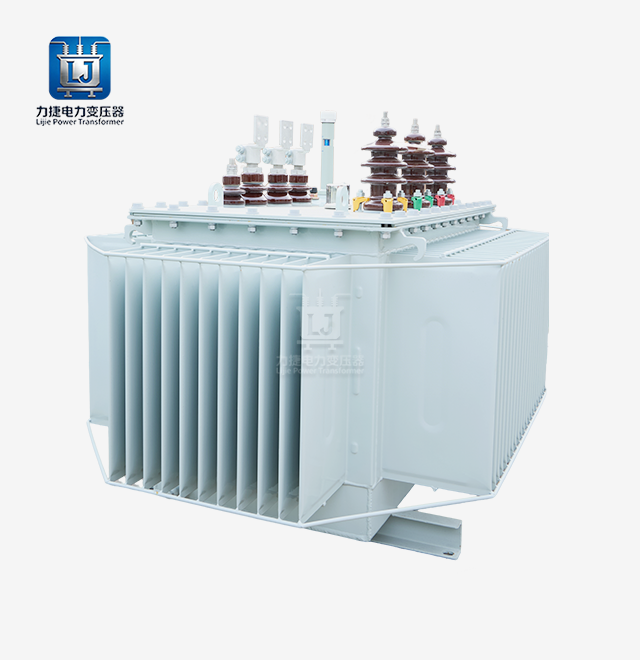
The way cooling is done has a direct effect on performance. Both models use oil-immersed self-cooling, but the S20 has a fully sealed corrugated tank design that gets rid of the traditional conservator. This makes servicing easier and stops oil from going bad. This new structure improves the effectiveness of thermal dissipation, allowing the oil top temperature to rise by ≦55K when the engine is fully loaded. This is a big benefit during times of high demand or when the outdoor temperature is higher than 40℃.
Testing guidelines give concrete proof of success. Power frequency withstand voltage tests at AC-35kV and shock withstand voltage tests at L1-75kV are done on S20 units to make sure the insulation is strong. Impedance voltage meets technical parameter requirements, making it compatible with current grid safety systems. These strict guidelines, which are in line with IEC 60076 and IEEE standards, give buying teams trust in the reliability of the system over the long term.
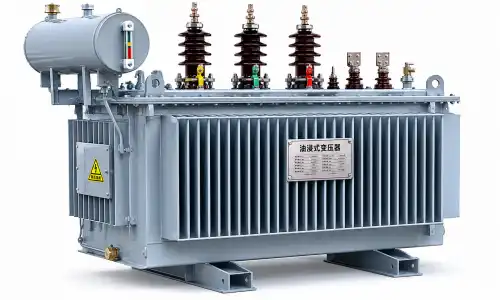
By breaking down energy losses, we can see where gains in efficiency can be made. There are constant core losses, which are also called "no-load losses," no matter how much load is on the system. These are caused by hysteresis and eddy currents in the magnetic core material. When compared to S11 units, the S20 cuts these losses by 30–35% thanks to better silicon steel types and better core shape. This difference means that a 1000kVA generator that works 8760 hours a year saves between 8,000 and 10,000 kWh a year just by reducing no-load loss.
Load changes affect copper losses, also called load losses. They happen because of resistance heating in the main and secondary windings, which is related to the square of the flow of current. Because the S20 type three-phase power transformer has bigger wire cross-sections, lower winding resistance, and better current distribution, it has 25–30% less load loss. Most of the time, transformers work at 40 to 70% of their full power in industrial settings, so these savings add up to a lot. At $0.12/kWh, a 1000kVA S20 type three-phase power transformer saves between $4,000 and $6,000 a year just on load losses compared to an S11 version.
Even though they are smaller, stray losses also help the total efficiency. These happen when leaky flow interacts with parts of the structure. The S20's improved electromagnetic design places magnetic shielding and structure materials with lower conductivity in the right places to keep these losses to a minimum.
Performance is also affected by things in the environment. Because loads change, transformers need to be efficient across all working areas. The S20 is more than 99% efficient between 30% and 70% load, which is where most transformers spend most of their working hours. In similar situations, S11 units usually get between 97.5 and 98.5% effectiveness. The ambient temperature affects how well cooling works, but the S20's better thermal management keeps it working well even in harsh areas, allowing for short-term overloading without performance loss.
Because of these measurable benefits, the S20 type three-phase power transformer is a valuable tool for businesses that want to lower their total cost of ownership (TCO) and meet the growing demand for sustainability in business-to-business procurement systems.
How things are installed has a direct effect on how well they work and how long they last. When the base is properly prepared, the structure stays stable and doesn't vibrate, which can damage connections and speed up the breakdown of insulation. The S20's fully sealed design makes installation easier by getting rid of the need to set up a conservator tank and making it less vulnerable to contamination from the surroundings. It is still important to leave enough space for heat to escape, especially in sealed substations where controlling the atmospheric temperature affects how well cooling works.
Electrical lines need to be exact. To avoid hotspots that hurt efficiency and dependability, it is important to strictly follow the torque specs for bushing connections. IEEE and NEC standards should be followed when grounding, which will protect people and equipment and cut down on accidental current losses. Making sure that the places of the tap changers are lined up correctly during commissioning ensures that the voltage control works as it should, which maximizes efficiency across a range of load situations.
Different models, such as S11 transformers and S20 type three-phase power transformers, have different plans for preventative upkeep. S11 transformers usually need oil samples once a year to check for wetness, acidity, and dissolved gases, all of which can show when the insulation is wearing down. Depending on how the transformer is used, the oil may need to be filtered or replaced every 5 to 7 years. Checking the bushings, replacing the gaskets, and maintaining the cooling system all add to the costs of doing business.
The protected design of the S20 makes upkeep a lot easier. By getting rid of the regulator, moisture can't get in, which means the oil will last longer than 15 years in most situations. Dissolved gas creation happens more slowly because the temperature is better controlled and the material is not exposed to air. Scheduled maintenance mostly includes checking the outside, making sure connections are solid, and cleaning the cooling fins, all of which require little downtime and work. Maintenance costs usually stay below $15,000 per unit for twenty years, which is a big TCO benefit.
Differentiation is shown by longevity measures. Under normal working conditions, S11 transformers have service lives of 25 to 30 years. However, failure rates rise sharply after 20 years because the insulation ages and wetness builds up. The S20 type three-phase power transformer is projected to last longer than 35 years thanks to its improved insulation systems, lower operating temperatures, and sealed structure. Less thermal stress on the core and winding materials slows down the breakdown process. This lowers the chance of catastrophic failure and unplanned downtime, which are important factors for mission-critical industrial loads and grid dependability.
Knowing these practical facts helps procurement professionals correctly model lifecycle costs, taking into account things like upkeep labor, replacement parts, and the risk of dependability when making decisions about capital budgeting.
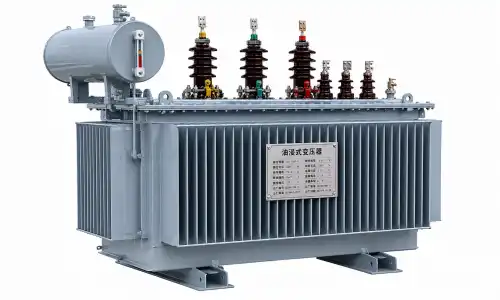
The cost study for buying things in 2024 needs to look at a lot of different factors.
Calculations of operational costs show a different view. At $0.12/kWh power rates, an S11 unit that runs at 60% average load will cost about $42,000 a year in energy costs. This goes down to about $36,000 a year with the S20, which is an ongoing savings of $6,000. Over 25 years of use, the energy savings alone are more than $150,000 per unit, which is a lot more than the difference in price at first. Adding lower upkeep costs to the S20 makes it an even better deal, and net present value estimates clearly favor the more efficient technology by large amounts.
To match the right transformer to the right load, you need to know how it works. Applications that consistently have high loads, like mines, steel mills, or big data centers, gain the most from S20 type three-phase power transformer efficiency because less efficient equipment is constantly losing a lot of power. The S20 type three-phase power transformer is still the best choice for variable load uses like business buildings or integrating green energy because it has better part-load efficiency that fits how things work in the real world.
In competitive buying, the ability to customize is important. The S20 can handle 30kVA to 3150kVA of power, can work with both 50Hz and 60Hz frequencies, and has a variety of connection options so it can meet a wide range of needs without having to make expensive engineering changes. For big building projects that need dozens or hundreds of units on tight deadlines, suppliers who can do batch production with uniform quality across large orders can help lower the risk.
Long-term happiness depends on how trustworthy the supplier is, especially when selecting a S20 type three-phase power transformer. Manufacturers that have ISO 9001:2015 certification, IEC 60076 compliance, and foreign certifications (CE, UL) show that they care about quality and are in line with global buying standards. After-sales support, such as expert advice during installation, help with fixing problems, and warranties that last between 2 and 5 years, lowers the total risk exposure. Manufacturers that have been around for a long time and have installed similar equipment in the past give customers faith that the equipment will work as expected for the whole time it is being used.
When you look at all of these factors together—weighing the initial cost against working efficiency, maintenance needs, and supplier dependability—you can confidently choose the best option that fits your organization's goals and the needs of the project.
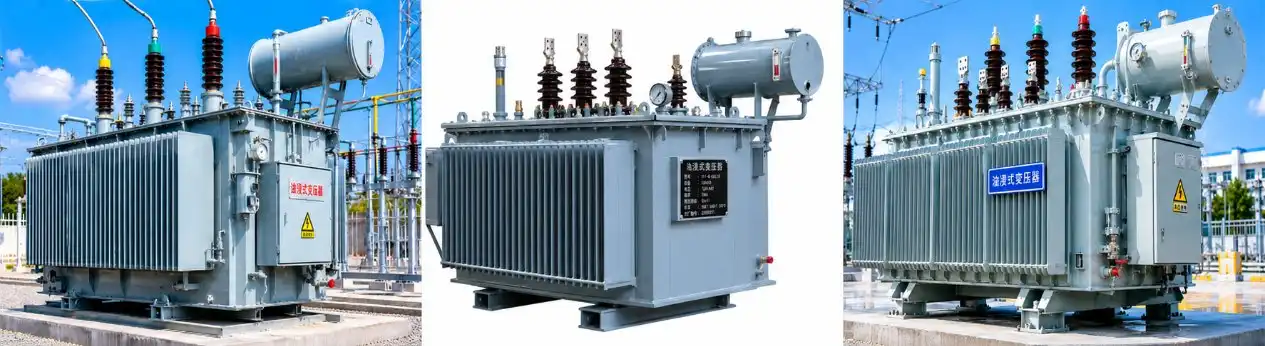
The higher efficiency of the S20 type three-phase power transformer compared to the S11 ones leads to real financial and practical benefits that make them a good choice in almost all modern situations. The S20 is the best choice for utilities, manufacturing facilities, and infrastructure developers who want to run their businesses in a way that is sustainable and doesn't cost a lot of money. It has lower energy losses, lower maintenance needs, a longer service life, and it meets current efficiency standards. Even though the initial costs are higher, lifetime research always shows a better return on investment. When procurement professionals look at transformer specs, they should make energy efficiency a top priority as a selection factor. This is because equipment that is used for decades accumulates costs that are much higher than the original purchase price. The S20 does a good job of meeting this task, giving performance that is in line with both economic needs and environmental duty.
The best way to get rid of heat, avoid connection resistance that causes losses, and keep voltage control accurate is to put it correctly. A bad fit can cut effectiveness by 2 to 5 percent and speed up the wear and tear on equipment. Following maker instructions and industry standards will get the most out of your tools and make them last as long as possible.
S20 transformers come with full warranties and expert help from reputable companies that are certified by ISO 9001, IEC, CE, and UL. Check the supplier's qualifications, ask for examples of past installs, and make sure they offer service after the sale. Manufacturers that have been around for a long time and have completed big projects before give buyers the most trust and reduce risk.
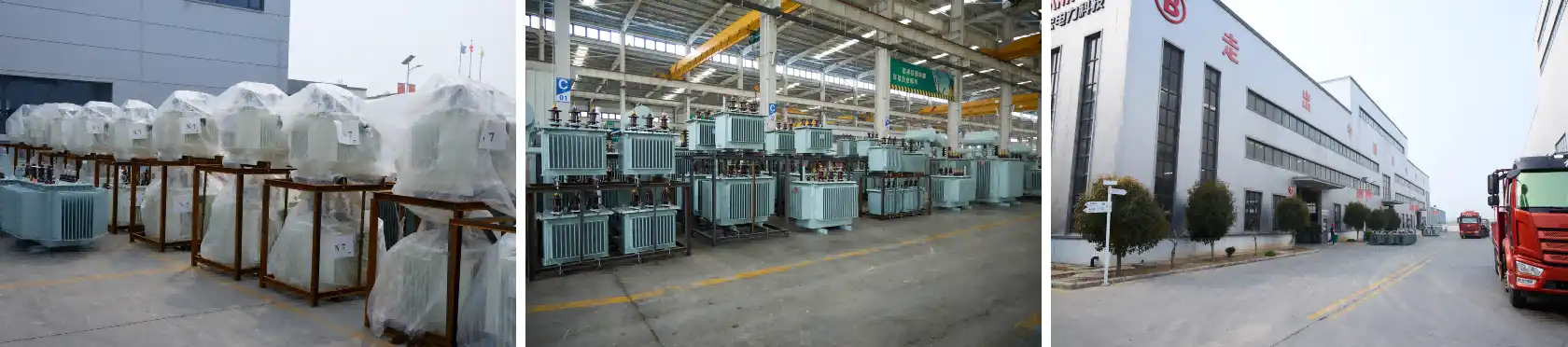
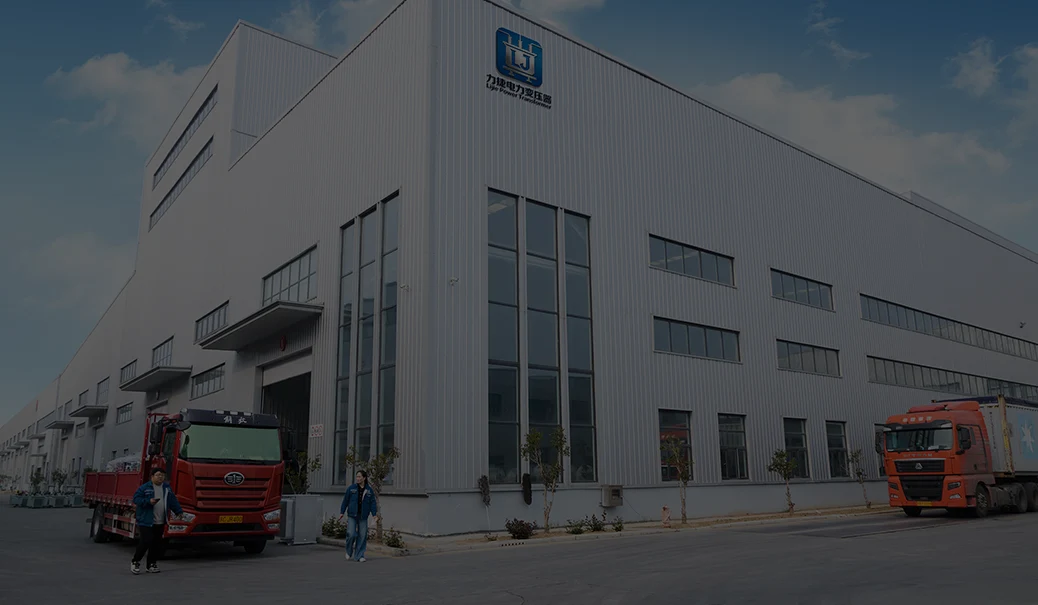
When looking for an S20 type three-phase power transformer provider, you need to be sure of their manufacturing skills, technical knowledge, and ability to keep the relationship going for a long time. Lijie Electric runs two advanced production sites that cover 500,000 square meters and are staffed by more than 2,000 skilled workers, including more than 160 engineers with advanced degrees. Our wide range of products includes transformers with power ratings between 30kVA and 3150kVA. These transformers are approved to meet ISO 9001:2015, IEC 60076, CE, and UL standards, which means they are compatible with foreign purchasing rules. The fact that the company's annual sales number is more than 5 billion RMB shows that it can support large-scale infrastructure projects with steady quality and on-time delivery. Our engineering team can help you with technical questions that are specific to your business, whether you need bulk orders for grid modernization, custom requirements for industrial uses, or ways to integrate green energy. Get in touch with Lijie Electric at lijieelectrical@gmail.com to talk to experienced professionals about your transformer needs. We offer energy-saving solutions that are backed by full guarantees, quick customer service after the sale, and decades of production excellence. You can find full specs, look at certifications, and get quotes from a reliable S20 type three-phase power transformer manufacturer at lijie-electrical.com. They want your project to succeed.
1. Institute of Electrical and Electronics Engineers (IEEE). (2020). "IEEE Standard for Requirements, Terminology, and Test Code for Distribution Transformers." IEEE C57.12.20-2020.
2. International Electrotechnical Commission (IEC). (2021). "Power Transformers – Part 1: General Requirements." IEC 60076-1:2021 Edition.
3. National Electrical Manufacturers Association (NEMA). (2019). "Guide for Loading Mineral-Oil-Immersed Transformers and Step-Voltage Regulators." NEMA TP 2-2019.
4. U.S. Department of Energy. (2022). "Energy Conservation Program: Energy Conservation Standards for Distribution Transformers." Federal Register, Volume 87, Issue 146.
5. Zhang, H., Liu, Y., & Chen, W. (2023). "Comparative Analysis of Energy Efficiency in Modern Distribution Transformer Technologies." Journal of Electrical Engineering & Technology, 18(4), 2341-2358.
6. American National Standards Institute (ANSI). (2021). "Standard Performance Characteristics and Dimensions for Liquid-Immersed Distribution Transformers." ANSI C57.12.00-2021.
YOU MAY LIKE
18%20type%20epoxy%20resin%20cast%20transformer.webp)
H15%20type%20three-phase%20fully%20sealed%20distribution%20transformer.webp)



April 27, 2025
With a tight project schedule, the manufacturer delivered on time, and on-site technical personnel provided guidance throughout the entire installation and commissioning process; the collaboration was highly efficient and hassle-free.
July 2, 2025
During the preliminary phase, a selection plan was custom-tailored based on the actual site load requirements, resulting in a high degree of parameter compatibility. After-sales support responds within two hours, and ongoing technical support for operation and maintenance is comprehensive; we feel completely confident in a long-term partnership.
November 18, 2025
Deployed as a supporting component for a 35kV grid-connection project at a photovoltaic power station, the equipment operates for an average of 16 hours daily. It demonstrates excellent control over no-load losses, ensures smooth power generation and grid integration, and effectively reduces the station's overall energy consumption.
January 30, 2026
Under the continuous, high-load operating conditions of a factory production line, the equipment maintains stable electrical parameters and exhibits strong overload resistance, thereby guaranteeing an uninterrupted power supply for industrial production.
April 3, 2026
Integrated as a supporting component for a new energy photovoltaic grid-connection system, the manufacturer provided professional technical coordination and timely after-sales support, ensuring seamless adaptation to the specific electrical operating conditions required for grid integration.