April 27, 2025
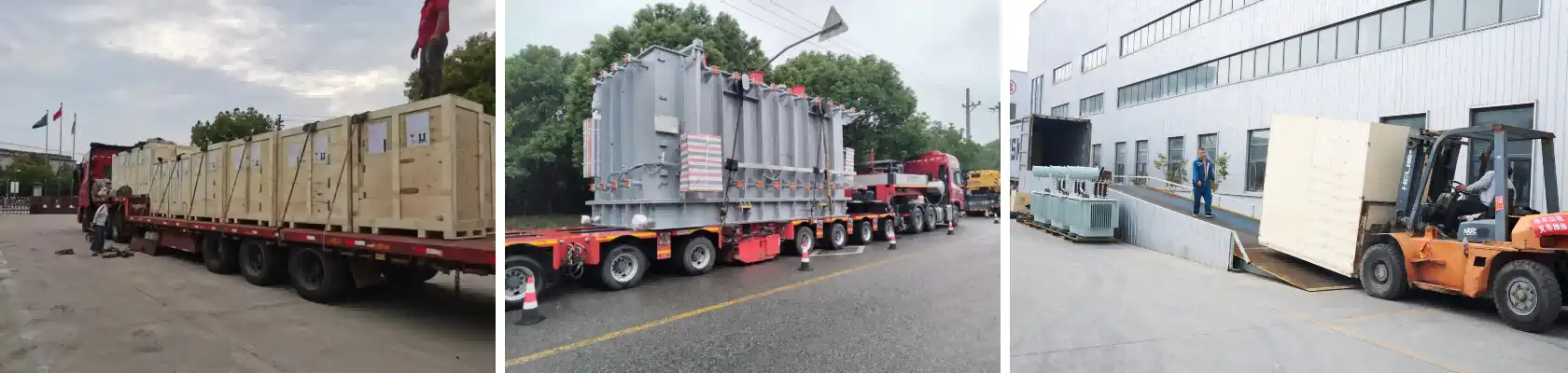
With a tight project schedule, the manufacturer delivered on time, and on-site technical personnel provided guidance throughout the entire installation and commissioning process; the collaboration was highly efficient and hassle-free.
Jul 3, 2026
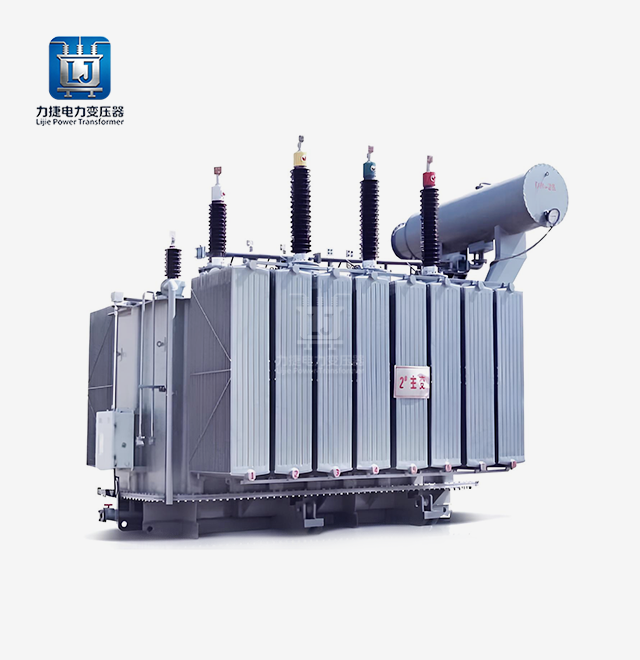
Modern electrical infrastructure needs more than just safe power delivery. It also needs smart, flexible solutions that keep the voltage stable in a wide range of operating situations. This very important job is done by a 2000 kVA Three-Phase OLTC Substation Transformer. These specialized units are put to work in places like data centers, commercial business districts, big industrial sites, and places where green energy is integrated into the power grid. OLTC-equipped transformers deal with voltage changes that happen in complex electrical networks by regulating voltage without stopping the power supply. This keeps power quality stable for sensitive equipment and important operations.
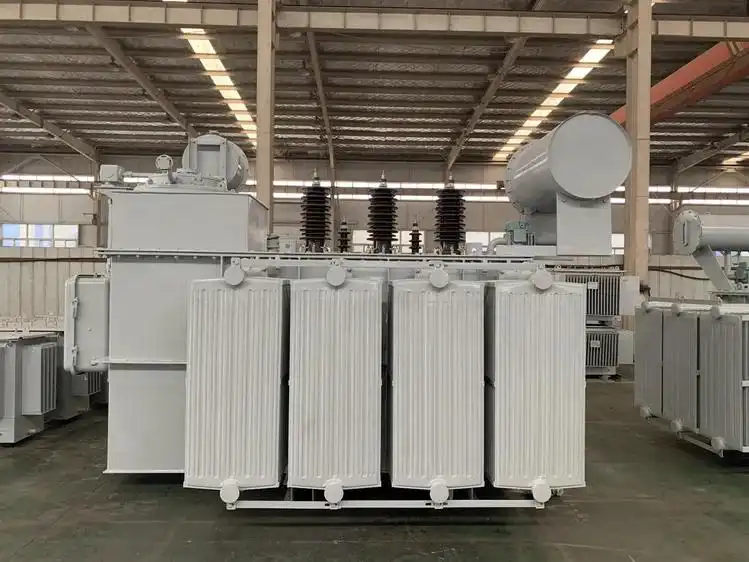
At the heart of reliable power distribution is a basic problem: keeping the output voltage fixed even though load demand and supply factors are always changing. Traditional transformers with fixed tap settings can't adapt to these changes on the fly, so they often need to be adjusted by hand and shut down for a while. This method is changed by the On-Load Tap Changer device, which changes transformer turns ratios immediately when they are fully loaded.
The OLTC mechanism works with vacuum interrupters or transition resistors that are carefully designed to switch between taps in 1.5 seconds or less per step. It can do more than 500,000 operations in its lifetime. When the main voltage changes from its normal levels, which can happen in weak grids or during times of high demand, the tap changer acts right away by choosing the right winding ratio to make up for it. This constant voltage control keeps equipment from breaking down, increases the life of assets further down the line, and makes the whole electricity system more energy efficient.
In a 2000 kVA Three-Phase OLTC Substation Transformer, off-load tap changers need to shut down the system in order to make changes, but OLTC units can make changes without stopping the system. The usual control range of ±3×2.5% or ±4×2.5% is wide enough to handle most changes in the grid without having to manually adjust anything. Third harmonic distortion can be successfully reduced by connecting groups like Dyn11. This is important to keep in mind for places that have a lot of nonlinear electronic loads, like variable frequency drives and power electronics.
Eddy current losses are kept to a minimum by high-grade oriented silicon steel cores, and long-lasting stability is ensured by high-purity oxygen-free copper windings. On the high-voltage side, voltage setups are usually between 10kV and 110kV, and on the low-voltage side, they are between 0.4kV and 10kV. 35/10kV and 110/10kV setups are common and work well for stepping down power from transmission levels to distribution voltages.
Cooling techniques depend on the climate and the amount of space available. ONAN (Oil Natural Air Natural) systems work best with modest loads, while OFAF (Oil Forced Air Forced) and ODAF (Oil Directed Air Forced) systems can handle higher thermal needs in heavy-duty industrial settings. GB/T 1094.5 standards say that impedance values between 6 and 12 percent are acceptable. This is the best mix between short-circuit safety and voltage regulation. Loss levels meet GB 20052 energy efficiency standards. This means that over the transformer's many-decade working life, it will lower costs and have less of an impact on the environment.
Because OLTC transformers are so flexible, they are needed in many different industries, each with its own set of operating needs and power quality standards. When procurement teams understand these application settings, they can choose the right technical factors and performance qualities.
These transformers are important places in transmission and distribution networks where voltages need to be changed. They take power from 35kV or 110kV distribution networks and send it to 10kV lines that serve end users and secondary substations. Grid levels typically change when demand goes up in the morning or in the evening. OLTC transformers instantly make up for these changes, so the voltage stays the same in home areas, business areas, and industrial parks. This feature lowers the stress on transformers, cuts down on impulsive power losses, and makes the grid more stable overall.
Regional utility companies really like how the OLTC can handle changes in seasonal load without having to go out into the field and make human tap adjustments. Whether it's peak heating season in the winter or peak cooling season in the summer, the automatic voltage control makes sure that the power quality is met without adding to the cost of operations or putting service at risk during switching processes.
Some of the most difficult places for electricity to work are steel mills, mines, chemical processing plants, and vehicle assembly plants, where the use of a 2000 kVA Three-Phase OLTC Substation Transformer is often required. Heavy-duty rolling mills, electric arc furnaces, and large induction motors all produce huge starting currents and cycle load changes that would make regular fixed-tap transformers unstable. Voltage can drop by 10-15% when a 5000-horsepower motor starts up. This could cause programmable logic controls to restart or process equipment to fail.
Within seconds, OLTC transformers react to these short-term situations, making up for the drop in power and keeping sensitive control systems safe. The ability to continuously regulate is especially useful in places with various shifts, where load patterns change a lot during the day. Maintenance managers like that they don't have to put as much voltage control equipment in other parts of the building. This makes the electrical design easier to understand and saves money on expensive extra power conditioning systems.
OLTC transformers at renewable energy plants keep the voltage stable before the power gets to the utility grid. This makes sure that coupling standards are met. These units raise the voltage from collection levels to 35kV or 110kV transmission voltages for centralized solar farms with more than 100MW of capacity. They also adjust the output voltage to meet grid needs. Because they change voltage and actively regulate it, OLTC transformers are an important part of the equipment needed to get a lot of green energy into the grid without making it less stable.
Changes in power quality are not acceptable in mission-critical data centers, hospital buildings, and central business areas, where the 2000 kVA Three-Phase OLTC Substation Transformer is often used to maintain a stable voltage supply. Voltage stability must be within ±2% of nominal values for medical imaging equipment, computer farms that handle financial transactions, and internet infrastructure. Even small changes in voltage can cause safe shutdowns, data loss, or damage to equipment that can cost millions of dollars in lost time and money to fix.
OLTC transformers are the main way that substations that serve these sites protect against voltage fluctuations. The OLTC mechanism keeps the output voltage stable even when problems happen in upstream transmission systems or when close industrial loads cause voltage drops. Many of these installations connect to SCADA systems using IEC 61850 or Modbus protocols. This lets them be monitored from afar and repair plans made ahead of time based on the number of tap operations and a study of the oil quality.
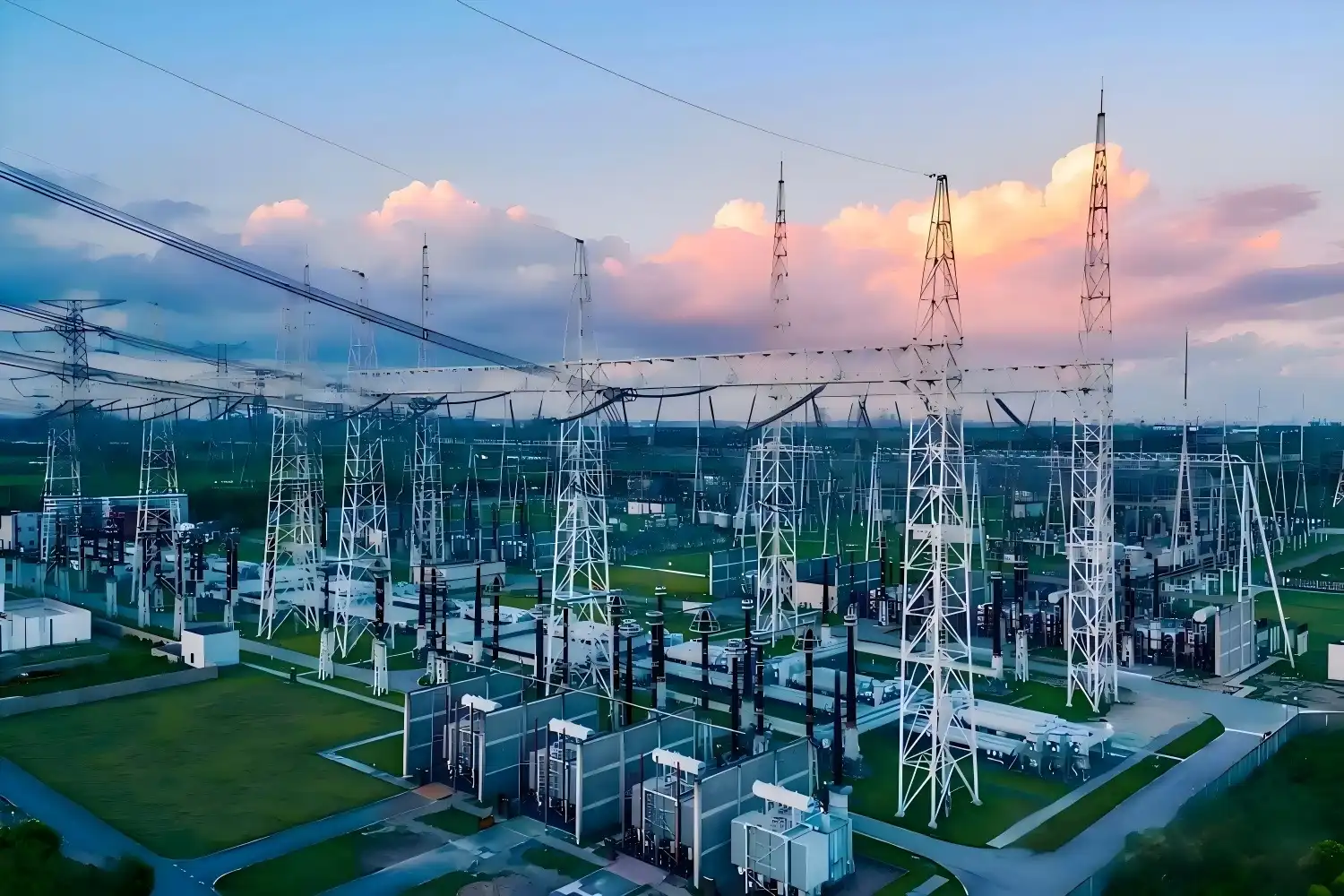
In order to choose the best transformer technology, technical needs, financial limitations, and operational goals must all be carefully considered. OLTC transformers are more expensive, but they are worth it because they meet certain performance needs and have low operational costs.
Choosing between 1500 kVA, 2000 kVA, or higher power ratings relies on how much load is being used now and how much is expected to grow in the future. Undersizing increases the risk of heat overload and shorter service life. Oversizing, on the other hand, raises capital costs and lowers operating efficiency by causing higher no-load losses. A grade of 2000 kVA is good for buildings with peak power needs between 1400 kVA and 1800 kVA. It gives you about 15-20% extra capacity in case the load grows or conditions change quickly.
When industrial parks or green energy sites grow, the ability of OLTC technology to be scaled up is especially useful. Instead of removing the whole transformer as the number of loads increases, facilities can choose OLTC units with a slightly higher capacity at first. These units will automatically adjust to changing voltage profiles as more loads come online. When compared to replacing transformers several times over the course of 20 to 30 years, this smart method lowers the total cost of ownership.
Oil-immersed transformers, such as the 2000 kVA Three-Phase OLTC Substation Transformer that uses mineral oil or synthetic ester fluid,s are better at cooling and can handle more overload than dry-type transformers. The dielectric fluid is a great insulator, which lets smaller designs work and better control temperature. Modern containment systems and biodegradable synthetic esters that offer little biological risk have mostly eased environmental worries about oil leaks.
Dry-type transformers don't pose a fire risk and are easier to comply with environmental regulations. However, they usually cost 20–30% more for the same values and can't handle overloads as well. They are good for indoor locations where fire rules don't allow oil-filled equipment or where the cost of extra containment would be too high. However, because they can't cool as well as OLTC transformers, they aren't as good for big industrial and utility uses.
Making sure that certification requirements are met is a must. The transformer meets safety and efficiency standards thanks to ISO 9001 quality management, IEC 60076 design standards, and regional approvals like UL or CE. Just as important is the manufacturer's ability to make large batches of products. For example, big building projects need a lot of identical units to be supplied on time, which can only be done by manufacturers with a lot of production capacity and a stable supply chain.
To get the best return on investment, you need to set up organized maintenance procedures and operating rules that keep the transformer healthy for the 20–30 years that it is supposed to last. If you don't do normal upkeep on your insulation, it will wear out faster, fail more often, and eventually need to be replaced early, which costs a lot of money.
Visual checks should be done every three months to make sure the oil levels are correct, look for external leaks, check the state of the bushings, and make sure the cooling fans and pumps are working properly. Every year, thermographic scans look for hot spots that could mean link issues or internal faults before they get so bad that the system fails completely. If you do a dissolved gas analysis (DGA) of transformer oil once a year or every six months, depending on how important it is, you can find early signs of temperature or electrical problems by looking at specific gas ratios that show how the oil is breaking down.
Balanced three-phase loading cuts down on neutral current and wasteful losses. Monitoring the power factor and fixing it with capacitor banks or active power factor correction equipment lowers the flow of reactive power through the transformer. This lowers I²R losses and makes the insulation last longer. During scheduled repair times, cycling through the whole tap range checks that the mechanism is working properly and stops the contact oxidation that can happen when the tap is in one place for a long time.
For a 2000 kVA Three-Phase OLTC Substation Transformer, winding temperature signs and top-oil temperature gauges help workers avoid thermal stress by keeping an eye on the temperature. OLTC transformers can handle short-term overloads, but running above their rated capacity for a long time significantly accelerates the insulation aging process. Load-shedding procedures that are used during high peak times protect the asset while keeping important loads connected.
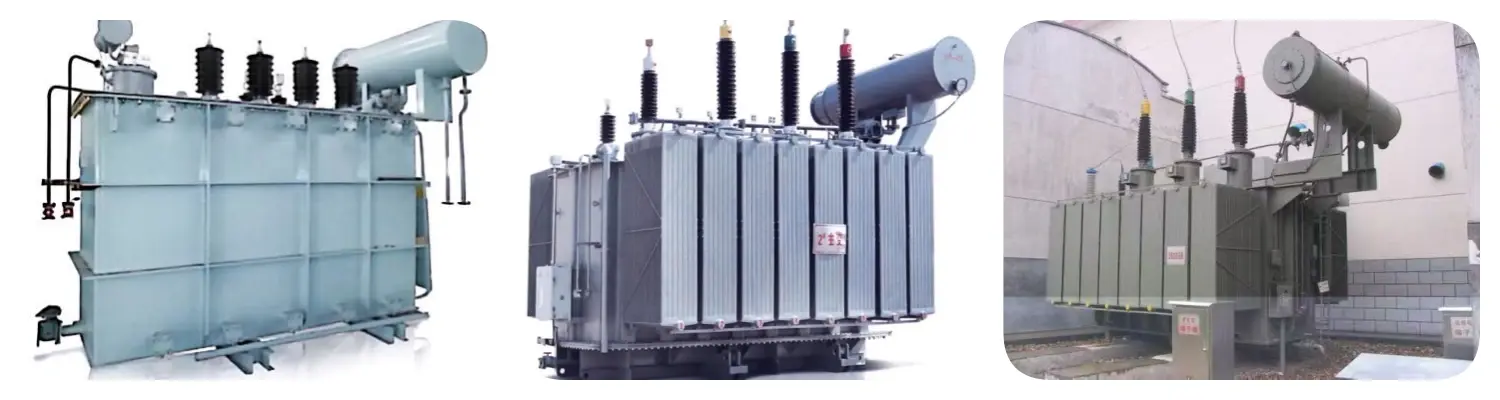
To get through the buying process, you need to know about both the technical requirements and the business issues that affect the project's success. Making mistakes when writing specifications or choosing a seller can cause delivery delays, poor performance, or higher lifetime costs.
Standard catalog items can be used in a lot of different situations, but unique setups work best in certain working situations. Buyers should be clear about the exact main and secondary voltage levels, the impedance tolerances that are needed, the temperature ranges that are normal, the altitude, and any other natural factors that need to be taken into account, like the need for seismic safety or salt contamination along the coast. The choice of vector group affects harmonic performance and grounding methods, so electrical engineers need to make sure that the new system will work with the ones that are already in place.
Standard layouts usually have lead times between 8 and 14 weeks, while unique designs can take anywhere from 16 to 20 weeks from the time the order is placed until it is delivered. Framework agreements lock in prices and delivery dates for large projects with many pieces. This gives cost security and predictability in logistics throughout the project timeline. When a company has an export department with experts in IEC standards and international shipping services, it makes it easier to buy things for projects in other countries.
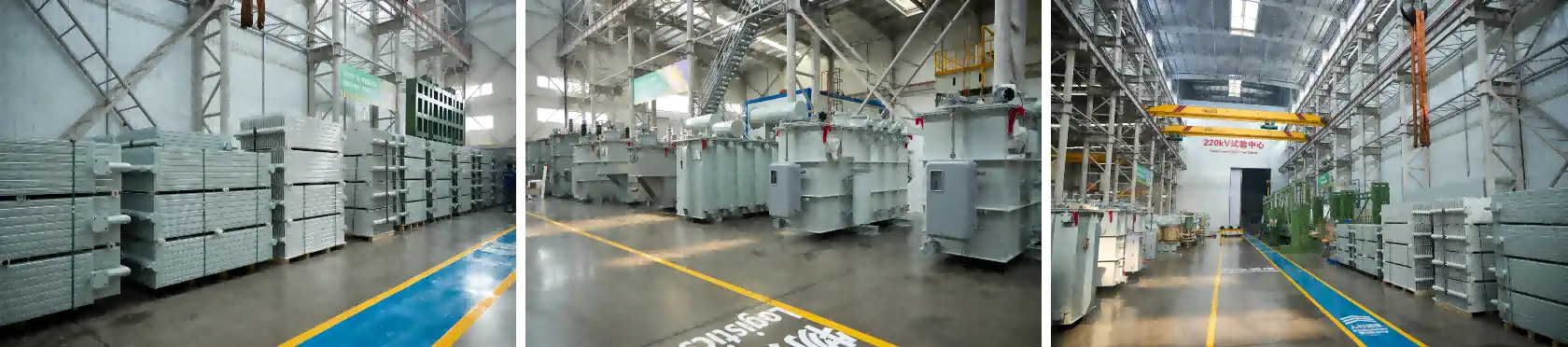
It's not enough to just look at technical datasheets; you should also look at the manufacturer's quality control systems, output capacity of the 2000 kVA Three-Phase OLTC Substation Transformer, and financial stability. When you visit a manufacturing facility, you can see the different production methods, quality control procedures, and testing tools that set serious makers apart from assembly operations. Seeing factory acceptance tests, such as partial discharge readings, temperature rise tests, and impulse voltage withstand tests, gives you faith that the product you receive will work as expected.
Checking with current customers who are using similar tools in similar situations can tell you a lot about how reliable it will be in the long run and how quickly the maker will respond to problems. Specifically, procurement teams should ask about the availability of extra parts, the time it takes for technical help to respond, and the process for filing a warranty claim, as these things have a big effect on the total cost of ownership.
In important applications, having spare parts on hand is essential for keeping the system running. OLTC safety relays, control modules, and bypass switches should be easy to find and not take a long time to get. When upkeep or fixes are needed, having access to legitimate parts and factory-trained technicians is made easier by working with approved distributors or the manufacturer's direct service organization.
These days, OLTC systems use vacuum interrupters or high-speed transition resistors to put out arcs in milliseconds while switching taps. This quick stop keeps the oil from carbonizing and the contacts from wearing away, so the system can do hundreds of thousands of actions without breaking down.
The transformer tank only needs to be inspected visually and tested for oil, but the OLTC redirect switch needs to be checked every 50,000 to 100,000 cycles. The actual times rely on the load current and the working job cycle. To set off maintenance alerts, clever processors keep track of the number of operations.
Yes, modern OLTC transformers do have smart electronics that work with Modbus RTU, Modbus TCP, and IEC 61850. This compatibility makes it easy to connect to supervisory control and data collection systems so that tracking can be done from afar, voltage control can be automatic, and repair can be planned ahead of time.
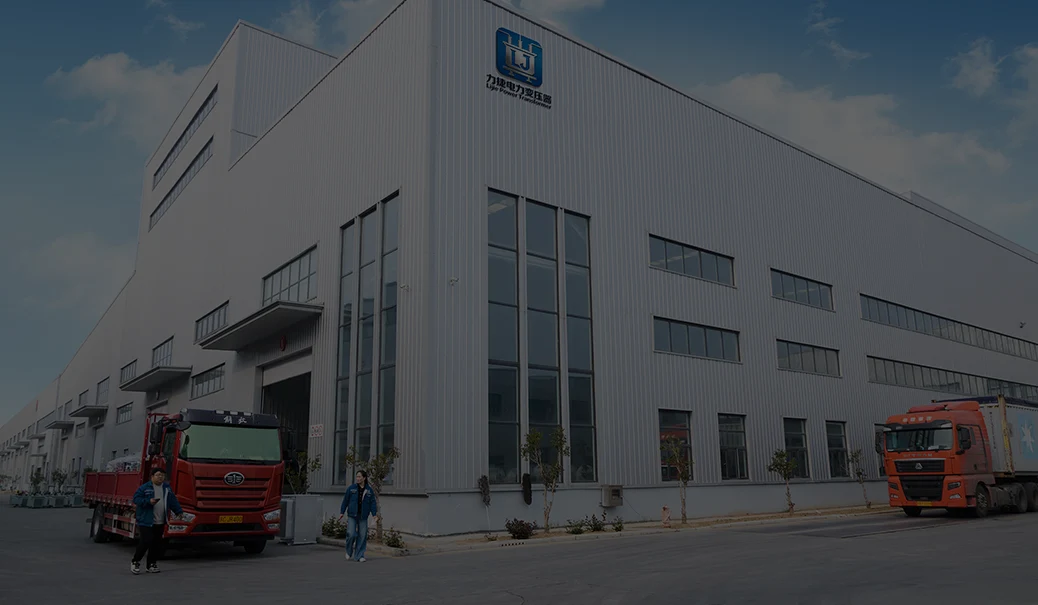
Lijie Electric is in a unique situation to meet the needs of procurement managers and electrical engineers looking for a reliable OLTC transformer provider. We can make things on 500,000 square meters of advanced production space in Xuzhou and Nantong. We have over 2,000 trained workers, including 160 engineering professionals with advanced degrees, who help us do this. With this strong infrastructure, we can handle a lot of orders at once while keeping quality high and shipping times constant, which helps keep projects on track.
We have transformers with power ratings from 2000 kVA to 20000 kVA and voltage ranges from 10kV to 110kV. All of our transformers are made to meet IEC 60076, ISO 9001:2015, and GB standards. We are a National High-Tech Enterprise and a Specialized "Little Giant" maker, and we also have CE and UL certifications. When you choose Lijie Electric as your transformer provider, you get full expert support, the ability to make changes, reasonable prices, and strict quality control methods. Email our team at lijieelectrical@gmail.com to talk about the details of your project and find out how our transformer solutions can improve the performance and dependability of your electrical infrastructure.
1. Institute of Electrical and Electronics Engineers. "IEEE Standard for General Requirements for Liquid-Immersed Distribution, Power, and Regulating Transformers." IEEE Std C57.12.00-2015.
2. International Electrotechnical Commission. "Power Transformers - Part 5: Ability to Withstand Short Circuit." IEC 60076-5:2006.
3. Kulkarni, S.V., and Khaparde, S.A. "Transformer Engineering: Design, Technology, and Diagnostics." CRC Press, 2nd Edition, 2012.
4. Heathcote, Martin J. "The J&P Transformer Book: A Practical Technology of the Power Transformer." 13th Edition, Newnes, 2007.
5. Harlow, James H. "Electric Power Transformer Engineering." CRC Press, 3rd Edition, 2017.
6. Zhang, Liming, and Wu, Guangning. "On-Load Tap Changers for Power Transformers: Operation, Principles, and Diagnostics." China Electric Power Press, 2019.
YOU MAY LIKE


13%20type%20epoxy%20resin%20cast%20transformer.webp)



April 27, 2025
With a tight project schedule, the manufacturer delivered on time, and on-site technical personnel provided guidance throughout the entire installation and commissioning process; the collaboration was highly efficient and hassle-free.
July 2, 2025
During the preliminary phase, a selection plan was custom-tailored based on the actual site load requirements, resulting in a high degree of parameter compatibility. After-sales support responds within two hours, and ongoing technical support for operation and maintenance is comprehensive; we feel completely confident in a long-term partnership.
November 18, 2025
Deployed as a supporting component for a 35kV grid-connection project at a photovoltaic power station, the equipment operates for an average of 16 hours daily. It demonstrates excellent control over no-load losses, ensures smooth power generation and grid integration, and effectively reduces the station's overall energy consumption.
January 30, 2026
Under the continuous, high-load operating conditions of a factory production line, the equipment maintains stable electrical parameters and exhibits strong overload resistance, thereby guaranteeing an uninterrupted power supply for industrial production.
April 3, 2026
Integrated as a supporting component for a new energy photovoltaic grid-connection system, the manufacturer provided professional technical coordination and timely after-sales support, ensuring seamless adaptation to the specific electrical operating conditions required for grid integration.