April 27, 2025
With a tight project schedule, the manufacturer delivered on time, and on-site technical personnel provided guidance throughout the entire installation and commissioning process; the collaboration was highly efficient and hassle-free.
Jul 2, 2026
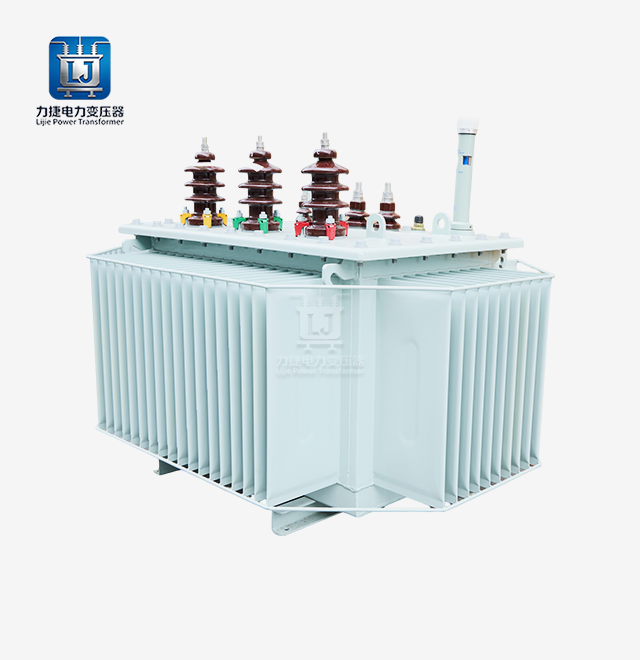
To choose the right S20 type 35KV oil-immersed power transformer, you need to carefully think about its technical specs, how it will be used, and how reliable it will be in the long term. When compared to older models like the S11 series, the S20 model is a big step forward in transformer technology. It uses Level 1 less energy, lasts longer, and works better. When choosing this equipment for your project, you should focus on how well it regulates voltage, how well it cools, any safety certifications it has, and how well the maker has delivered big orders in the past. By matching these factors to your unique application, you can be sure that the generator will work well and save you money over its lifetime.
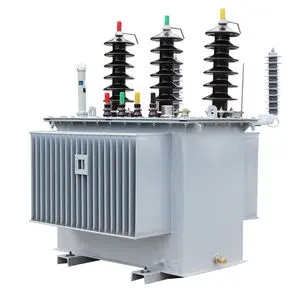
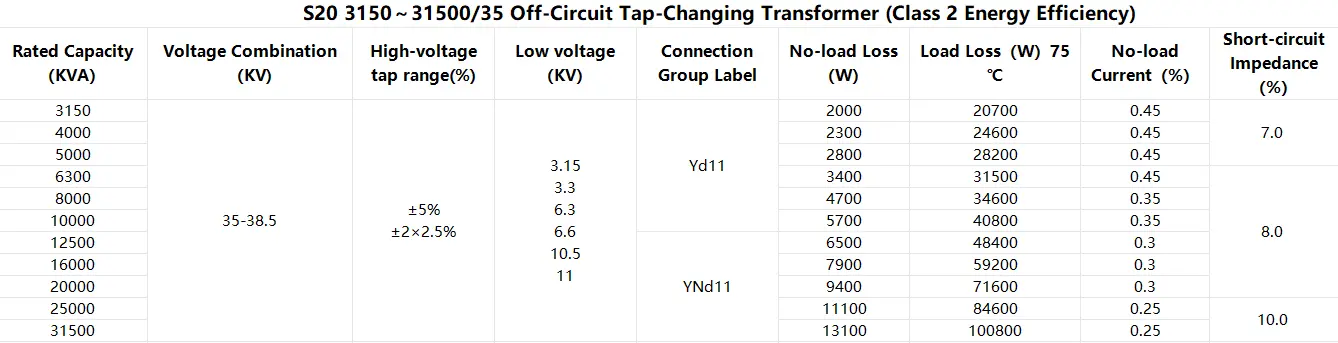
The S20 series can change voltage up to 35KV and has a capacity range of 630 to 31,500 kVA, so it can be used for a wide range of tasks, from big industrial systems to regional utilities. This equipment can work at both 50Hz and 60Hz speeds, and it can be set up in either a single-phase or three-phase way, depending on the needs of the project. The no-load voltage control method has a tap range of ±2±2.5%, which lets the voltage be changed precisely without turning off the power. For 1000kVA units, noise levels stay below 60dB(A), which meets environmental standards in noise-sensitive places while still providing strong performance.
In the S20 type 35KV oil-immersed power transformer, either natural convection or controlled air movement makes oil-immersed cooling technology more effective at controlling temperature. Corrugated tank construction is used in smaller units to improve surface area and help heat transfer. Flat tank construction is used in larger units to make the best use of space. The fully sealed structure keeps wetness out and greatly increases the time that the system can run without any upkeep. This way of designing has worked especially well in hard outdoor settings where temperatures can get close to 40℃, giving steady performance without needing to be fixed often.
Our transformers are compatible with global project needs because they meet both GB1094 national standards and IEC60076 international specifications. Neutral grounding is better with the chosen connection group name Dyn11, but Yd11 is still available for some uses. The impedance voltage can be set to match technical parameter tables or can be changed to fit the needs of the user. CE and UL certifications prove that a product is safe and works well, meeting the needs of foreign EPC companies and regional power utilities that have to follow strict rules.
Oil-immersed systems work best in high-capacity settings where controlling heat is important. Transformer oil is a better insulator than air or plastic systems used in dry-type units because it has dielectric qualities. There is no fire risk with dry-type transformers, but oil-immersed types can handle overloads better and cost less for higher grades. Maintenance needs for each type of technology are different. Oil-immersed units need to have their oil tested and possibly filtered on a regular basis, while dry-type equipment needs to have its air system maintained and its windings checked more often.
When you look at the total cost of ownership, energy economy is one of the most important factors that affects long-term costs. Level 1 energy efficiency scores mean that equipment such as the S20 type 35KV oil-immersed power transformer will use less power over many years, which will usually cover its higher cost within five to seven years. The longer period without servicing cuts down on the cost of service calls and production downtime in factory settings. To make smart choices, procurement managers in steel plants, mines, or renewable energy projects should figure out the present value of all the costs, such as the purchase price, installation, energy use, and upkeep over the expected 30-year lifespan.
To choose the right generator, you must first accurately calculate the load. When figuring out how much power is needed, electrical engineers have to look at current demand, expected growth, and load factor. If you go too big, it won't work well at low loads, and if you go too small, it could overheat and break early. For household and business areas in cities, power distribution projects usually need 630 to 2500 kVA units. On the other hand, heavy machinery and continuous processes in factories usually need 6300 to 31500 kVA rates. Installers of renewable energy should compare the transformer's ability to its peak production and auxiliary load needs.
The S20 type 35KV oil-immersed power transformer is significantly influenced by site conditions, which have a major effect on how well and how long it operates. Tank surfaces and heaters require enhanced rust protection in coastal areas where salt-laden air is present. At higher elevations above 1000 meters, where air density is lower, derating or additional cooling measures must be applied. In urban environments, where space is limited, compact substation designs are often the best choice. Conversely, in remote locations, robust construction that allows easier maintenance access is more suitable. IoT integration features enable online monitoring of distributed installations, reducing the need for frequent physical inspections and providing real-time performance data.
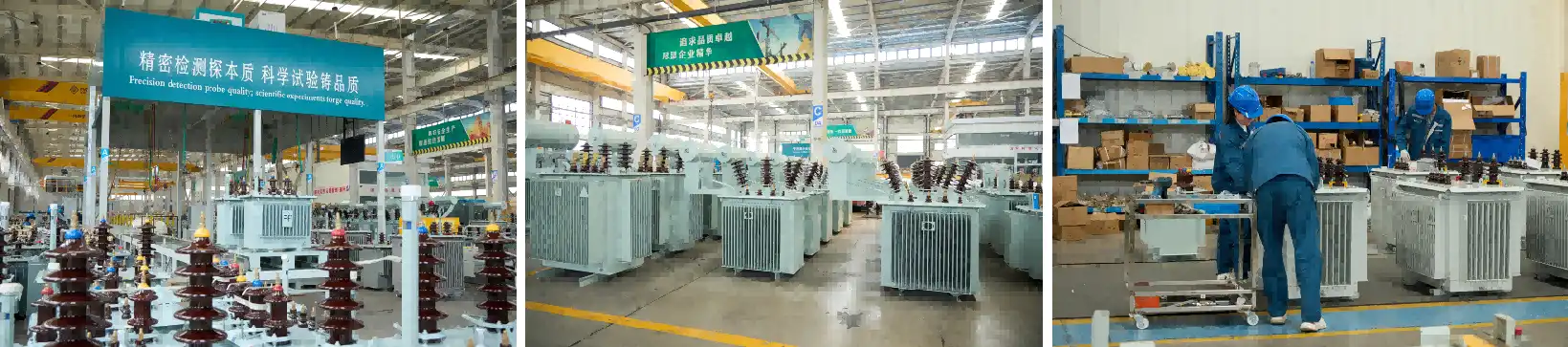
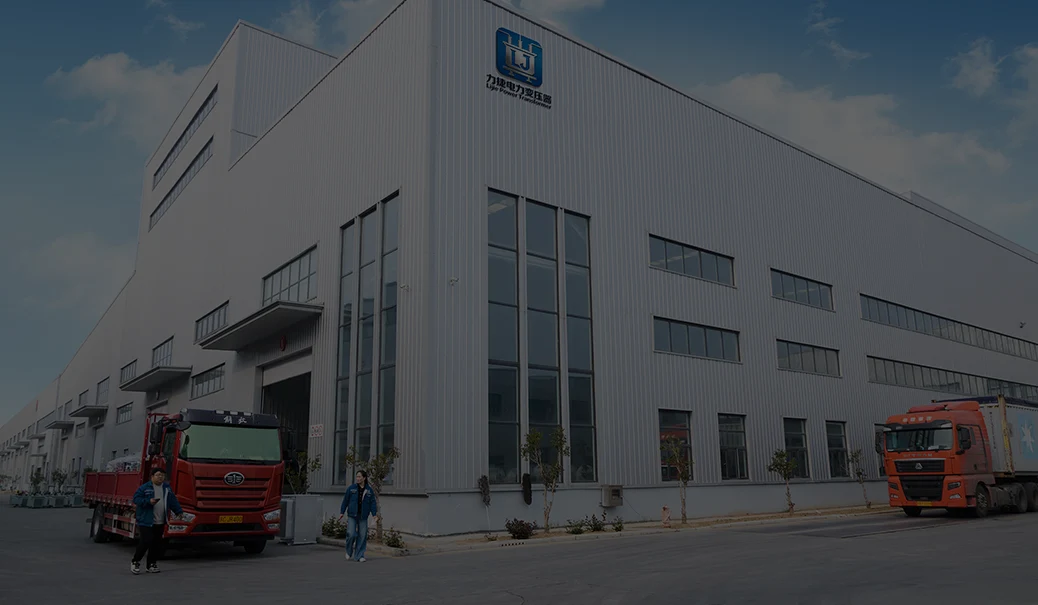
Quality assurance includes more than just the product standards. It also includes the manufacturer's skills and credentials. Getting ISO 9001:2015 approval shows that you care about quality management systems, and IEC compliance makes sure that your products will work with systems from other countries. Purchasing managers should make sure that sellers have enough production ability to handle big orders and have experience with projects of the same size. When building long-term ties with suppliers, warranty terms, the availability of spare parts, and how quickly technical help can respond become very important. Our 500,000-square-meter factories and more than 2,000 employees at Lijie Electric make sure that shipping times are always met and that the standard of our products is always good, no matter how many orders we get.
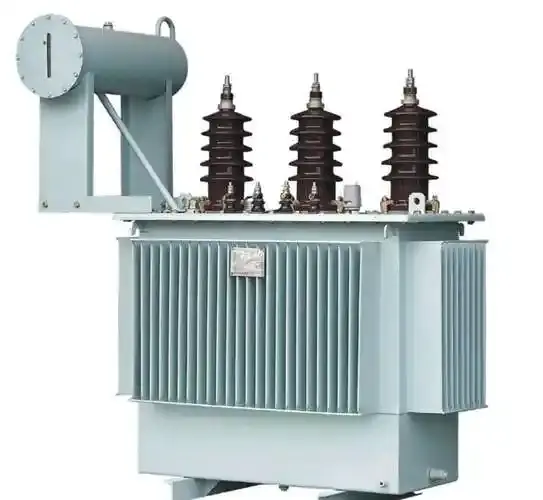
When designing a proper base for the S20 type 35KV oil-immersed power transformer, the weight of the transformer and the need to isolate vibrations must be taken into mind. The concrete pads should go beyond the tank's size and have enough draining holes to contain any oil leaks that might happen. Local safety rules usually set minimum distances from walls, fences, and other equipment that electrical openings must meet. Before turning on the power, the installation team needs to check the oil level signs, pressure relief devices, and temperature tracking systems. To protect against lightning strikes and fault situations, grounding links need paths with low resistance.
Regular oil samples and study of dissolved gases can find small problems before they get worse. Most situations only need to be tested once a year, but important projects may need to be tested every six months. Thermographic checks find hot spots in cooling and connection systems, which allows them to be fixed during planned breaks. Monitoring the state of the bushings keeps an eye on how the insulation is breaking down. This stops sudden breakdowns that could stop operations. These preventative steps make equipment last longer and keep it working at a high level throughout the service period. The small amount of money they cost is more than covered by the time and money saved on fixes and maintenance.
For S20 type 35KV oil-immersed power transformer, noise levels that aren't normal are often a sign of loose core laminations or sound feedback with structural parts. Temperature changes that are outside of the design range could mean that the cooling system is clogged or that there is too much load, which needs to be looked into right away. If gaskets or welds leak oil, it needs to be fixed right away to keep moisture from getting in and causing insulation to break down. Voltage regulation issues can be caused by wear on the tap changer device or problems with the control circuit. When problems happen in the production line, managers should set up clear escalation processes that connect practical signs to diagnostic procedures. This way, problems can be fixed quickly and with as little impact on production as possible.
The S20 design is the result of decades of technical improvements that have led to failure rates that are much lower than the average for the industry. Power companies that run hundreds of units report usage rates of 99.5% or higher, which shows that the units are built well and with good materials. Mining operations have better short-circuit withstand capabilities, which protect them from serious fault conditions that are typical in heavy industrial settings. Developers of wind farms like the sealed design, which keeps working well in harsh outdoor environments with little upkeep. This dependability means lower insurance costs and better project economics over the whole lifetime of the equipment.
For an S20 type 35KV oil-immersed power transformer, it is possible to measure how much money you save on energy costs every hour at level 1 efficiency. When compared to older S11 models, a 2000 kVA unit that serves a steady industrial load can cut yearly energy use by 15,000 to 20,000 kWh, which can save a lot of money at commercial power rates. These savings add up over the 30-year life of the tools and often amount to several times the cost of buying them in the first place. When project managers look at renewable energy systems, they need to figure out the return on investment (ROI) by adding up the money made from generation and the money saved on energy efficiency, because transformer losses directly lower net power output and project profits.
The S20 type 35KV oil-immersed power transformer, because manufacturing is flexible, we can change the way connections are set up, the values of impedance, and the extra tools to fit the needs of each job. EPC contractors who need deliveries in groups are given planned schedules that work with building milestones. This keeps storage costs low and site congestion to a minimum. During the planning stages of a project, our engineering team works with design schools to provide technical data and simulation help that improves system performance. After-sales service includes help with setup, training for operators, and support throughout the product's lifecycle. This makes sure that your investment continues to provide the value you expected while it's in use.
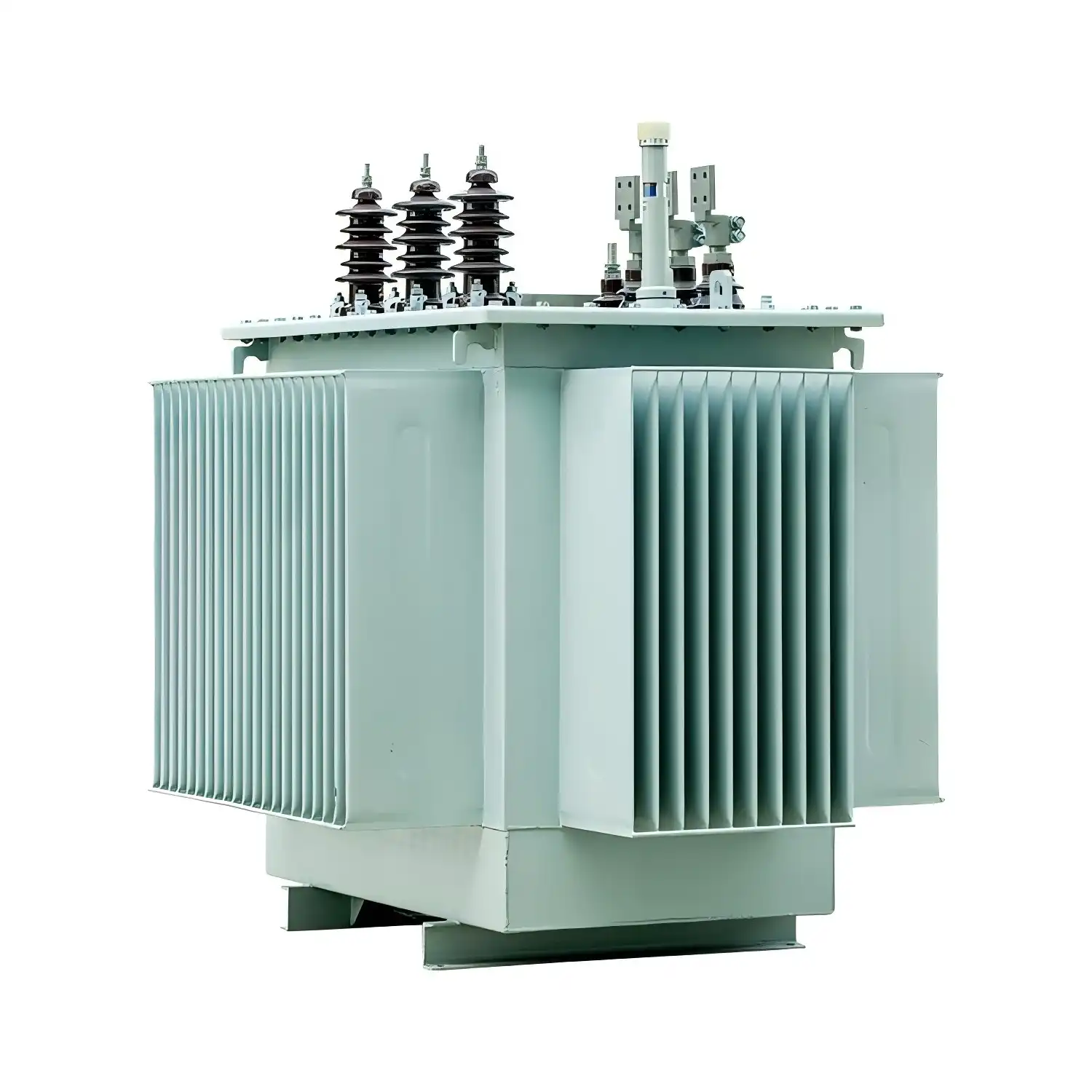
When choosing an S20 type 35KV oil-immersed power transformer, you have to weigh the technical specs against the needs of the project and the long-term goals for operation. The S20 series is a good choice for utilities, factories, and green energy projects because it is more efficient, lasts longer, and has been proven to be reliable. Implementation will go well if you pay close attention to matching capacity, the surroundings, and the skills of the suppliers. Procurement workers can get equipment that meets the needs of the current project right away and will last for decades by working with experienced makers who can show consistent quality, full certifications, and quick support.
Most systems only need to be inspected and tested for oil once a year, and dissolved gas research can help find problems quickly. Assessments every six months may be helpful for critical apps. The fully sealed design greatly stretches the time between maintenance-free periods compared to older models. This lowers lifecycle costs while meeting the reliability standards needed by power companies and industry operations.
For big projects, the production schedule usually starts 12 to 16 weeks after the order is confirmed. This depends on the capacity ratings and the level of customization needed. When project plans call for faster delivery, our factories keep a collection of parts on hand to support shorter lead times. We can better coordinate production with your building goals if you involve us early on in the planning stages of the project.
Customization choices include setting up link groups, impedance values, adding extra equipment, and making the system safer for the environment. Our engineering team works with your technical staff to come up with solutions that fit the load factors, installation limitations, and working needs. This adaptability guarantees the best performance in a wide range of situations, from grid systems to complex industrial processes.
Lijie Electric is a reliable company that makes S20 type 35KV oil-immersed power transformers. They have over 500,000 square meters of production space and have worked with power utilities, green energy producers, and industry makers all over the world. Our ISO 9001:2015, CE, and UL certifications show that we are dedicated to quality, and our 160+ engineering pros make sure that every unit we make is technically perfect. To get thorough specs, reasonable prices, and delivery plans that fit your project timeline, please email our team at lijieelectrical@gmail.com. This is for procurement managers, electrical engineers, and project leaders. You can see our full line of products at lijie-electrical.com, and that's why major companies choose us as their long-term transformer provider for important building projects.
1. International Electrotechnical Commission. (2018). IEC 60076: Power Transformers - General Requirements and Test Methods. Geneva: IEC Publications.
2. Zhang, W., & Liu, H. (2020). Comparative Analysis of Oil-Immersed and Dry-Type Power Transformers in Industrial Applications. Journal of Electrical Engineering Technology, 15(4), 1623-1635.
3. National Electric Power Standards Committee. (2015). GB/T 6451-2015: Technical Parameters and Requirements for Three-Phase Oil-Immersed Power Transformers. Beijing: Standards Press of China.
4. Thompson, R. (2019). Lifecycle Cost Analysis Methods for High-Voltage Transformer Procurement. IEEE Transactions on Power Delivery, 34(2), 745-753.
5. Anderson, M., & Chen, L. (2021). Energy Efficiency Standards and Transformer Selection Criteria for Grid Modernization Projects. International Journal of Power Systems Engineering, 9(3), 287-301.
6. Kumar, S. (2022). Maintenance Strategies for Oil-Immersed Distribution Transformers in Industrial Environments. Electric Power Components and Systems, 50(7-8), 412-428.
YOU MAY LIKE


H15%20Amorphous%20Alloy%20Distribution%20Transformer.webp)


H15%20distribution%20transformer.webp)
April 27, 2025
With a tight project schedule, the manufacturer delivered on time, and on-site technical personnel provided guidance throughout the entire installation and commissioning process; the collaboration was highly efficient and hassle-free.
July 2, 2025
During the preliminary phase, a selection plan was custom-tailored based on the actual site load requirements, resulting in a high degree of parameter compatibility. After-sales support responds within two hours, and ongoing technical support for operation and maintenance is comprehensive; we feel completely confident in a long-term partnership.
November 18, 2025
Deployed as a supporting component for a 35kV grid-connection project at a photovoltaic power station, the equipment operates for an average of 16 hours daily. It demonstrates excellent control over no-load losses, ensures smooth power generation and grid integration, and effectively reduces the station's overall energy consumption.
January 30, 2026
Under the continuous, high-load operating conditions of a factory production line, the equipment maintains stable electrical parameters and exhibits strong overload resistance, thereby guaranteeing an uninterrupted power supply for industrial production.
April 3, 2026
Integrated as a supporting component for a new energy photovoltaic grid-connection system, the manufacturer provided professional technical coordination and timely after-sales support, ensuring seamless adaptation to the specific electrical operating conditions required for grid integration.