April 27, 2025
With a tight project schedule, the manufacturer delivered on time, and on-site technical personnel provided guidance throughout the entire installation and commissioning process; the collaboration was highly efficient and hassle-free.
Jul 1, 2026
The SCBH19 type dry-type transformer is the newest development in power distribution technology that uses less energy. It is an amorphous metal core epoxy resin cast dry-type transformer. This high-tech three-phase power equipment has an iron-based amorphous metal core, epoxy resin vacuum-cast windings, and an H-class high-heat-resistant insulator system. It does away with the usual silicon steel sheet cores and oil-immersed designs. This saves a lot of energy, keeps fires from starting, protects the environment, prevents short circuits, makes very little noise, and is very stable for hard industrial uses.
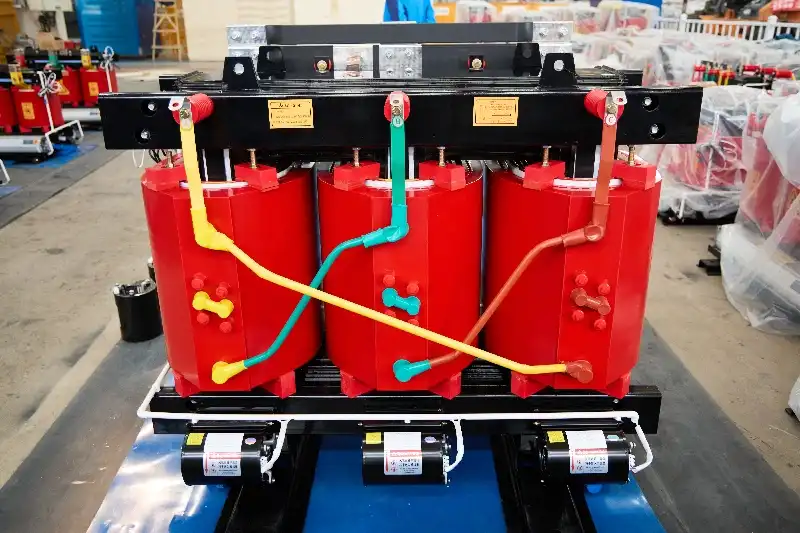
The excellent performance of this transformer is due to its amorphous metal core material. In contrast to normal silicon steel cores, the amorphous metal is made up of very thin strips that are only about 0.025 mm thick and don't have a solid atomic structure. Compared to regular SCB series transformers, this design has very low coercivity and high resistivity, which means that there are up to 70% fewer losses when there is no load. 'S' stands for three-phase configuration, 'C' for epoxy resin casting, 'B' for low-voltage copper foil winding, 'H' for the amorphous alloy core, and '19' for the performance level code that meets China's GB 20052-2020 Level 1 energy efficiency standards and international IEC 60076-11 standards.
We designed these units as SCBH19 type dry-type transformer equipment with Class F or H insulation systems that can work continuously at temperatures between 155°C and 180°C. The epoxy resin vacuum casting method completely encloses the windings, making them highly resistant to moisture. SCBH19 type dry-type transformer units can operate successfully in environments with 100% humidity without needing to be pre-dried before reuse. This resistance to heat directly translates into longer operational lifespans of 25 to 30 years under normal industry conditions, reducing replacement costs over the lifecycle of large-scale projects.
In current electrical systems, safety is still the most important thing. The dry-type design gets rid of the fire risks that come from oil and the toxic gas fumes that happen when there is a fault. Flame-retardant and self-extinguishing properties meet strict safety standards needed for installation in business buildings with lots of people, on rooftops, and in basement substations. Below 5pC, partial flow levels are tightly controlled, which keeps insulation from breaking down over time. The lack of oil also removes the risk of polluting the environment, which supports green building certifications and sustainability efforts that are being pushed for by more and more governing bodies in North America and Europe.
The difference in energy economy is instantly clear when procurement managers look at the total cost of ownership. Traditional oil-filled transformers and older dry-type types like the SCB11 have losses when there is no load, which means they use a lot of energy even when there is no load. This waste is directly fixed by our amorphous metal core technology. Depending on the cost of power in your area, the energy savings will usually more than cover the initial price boost three to five times over the course of twenty years. This makes the SCBH19 type dry-type transformer a great choice for facilities that are always running, like data centers, where power quality and thermal control have a direct effect on the prices of cooling infrastructure.
The coating of epoxy resin gives these transformers great mechanical strength, so they can handle short-circuit forces and earthquakes that would weaken other designs. Testing for temperature rise at full load shows that our insulation levels and cooling systems always meet requirements, even when forced air cooling is used at 150% of their rated capacity. Unlike oil-filled alternatives that need to be tested for dielectrics, filtered oil, and bushings on a regular basis, these units don't need any care during their work lives. Visual checks and simple cleaning on a regular basis are enough to make sure that the transformers work at their best, which greatly lowers the costs of running big transformer fleets for industrial plants and utility companies.
Installing the SCBH19 type dry-type transformer across green energy farms shows that it can handle the harmonic loads that are created by inverter-based systems. Wind and solar systems near the coast, where they are exposed to salt mist and high humidity, have been running nonstop for over five years without losing any of their performance. As environmental laws get stricter, noise levels stay below 50dB at full capacity. This allows for more placement options in cities with power distribution networks where noise levels affect project decisions.
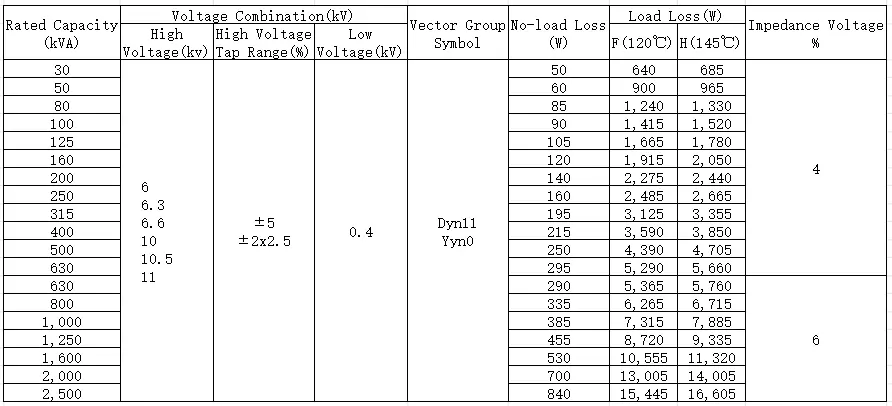
Purchasing managers should start by correctly figuring out the power levels and capacity needs based on past load patterns and plans for future growth. You can get these transformers in grades that work with distribution networks up to 35kV, and you can also make them fit special industrial needs, like installing rectifier systems or electric furnaces. Verification of compliance is another important choice factor. The units you use must have the right certifications for where they will be used. For example, IEC, CE, and UL certifications make sure that the units are compatible with foreign standards and make it easier to get customs clearance and regulatory approvals for EPC projects that are being done abroad.
Lead times for normal designs are usually between four and eight weeks, but longer production periods may be needed for custom setups. A framework that deals with dependable suppliers allows for priority scheduling of production and steady prices for projects that last more than one year. Transportation logistics need careful thought—the right package keeps fragile core materials safe during international shipping, and expert help from the maker can cut commissioning time by a large amount. When buyers in the US and Europe work with suppliers who have established distribution networks and local technical service skills, it makes it easier to carry out projects and get answers to any practical questions quickly.

In mixed-use buildings and urban infrastructure projects, regulators are paying more attention to the noise that transformers make. Because of how they are made, amorphous metal cores have less magnetostriction than silicon steel options, which makes them quieter to use. Local noise laws must be followed by strategically placing equipment away from noise-sensitive areas and putting up sound shields when needed. These things are especially helpful for people who are building homes or planning industrial parks where transformers have to be close to places where people are working.
Return on investment is maximized by creating complete asset management strategies for the SCBH19 type dry-type transformer. By keeping track of working factors, load records, and environmental conditions, you can find out how to best update transformer fleets over time. Long-term infrastructure planning goals are aligned with the 25–30-year working lifespan of these units, which lowers the volatility of capital expenditures. This durability helps utility companies and big factories a lot, because they can plan their budgets and keep operations running smoothly by knowing when to replace assets.
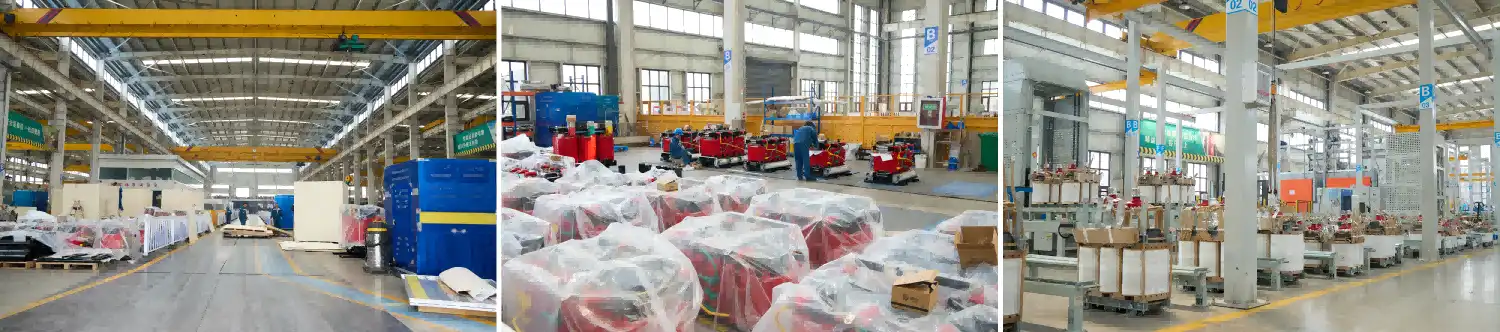
The Lijie Electric Power Technology Group makes all kinds of transformers. They have two main production bases in China, each of 500,000 square meters, in Xuzhou and Nantong. We have more than 2,000 workers, and more than 160 of them have doctoral or master's degrees in engineering or technology. Because we have so much scientific knowledge, we can support customization needs and offer expert advice throughout the buying process. We have been serving national grid companies, green energy producers, and foreign EPC contractors for a long time, as shown by our annual sales of more than 5 billion RMB.
Jiangsu Province has named us a "Quality-Trusted Enterprise." We've also been named a "National High-Tech Enterprise" and a "Specialized, Refined, and New Little Giant" business. The National Transformer Quality Supervision and Inspection Center and the Wuhan High Voltage Research Institute put our SCBH19 type dry-type transformer and other products through a lot of tough tests. The China Quality Certification Center's certification of energy economy and the National Electric Power Certification Center's certification of PCCC products show that our manufacturing is consistent. International approvals like CE and UL make it easy to use in projects in Australia, New Zealand, Southeast Asia, Central Asia, and Africa.
Our ability to support multi-site projects with consistent output schedules and technical requirements is shown by our successful foreign partnerships. Our after-sales service framework, which is certified by GB/T 27922-2021 standards, offers expert help, quick response times for customization requests, and technical advice. This all-around service method works especially well for purchasing managers who are making long-term framework deals that need stable seller partnerships and ongoing product optimization based on changing project needs.
The SCBH19 type dry-type transformer is a big step forward in technology that solves some of the biggest problems in the industry, like wasted energy, fire safety issues, and complicated operations. Its amorphous metal core technology saves energy in a way that can be measured, which makes projects cheaper and helps with environmental compliance efforts. These units are perfect for data centers, high-rise business developments, industrial manufacturing facilities, and integrating green energy sources because they don't need to be maintained and have a long service life. They have also been proven to be reliable in a wide range of situations. The SCBH19 type dry-type transformer is a great choice for forward-thinking companies that want to improve their operations and build infrastructure that will last. Its high original investment is balanced against its long-term worth, technical performance, and reliability as a supplier.
The starting cost is usually 15–25% higher than that of regular oil-filled units, but the total lifecycle cost of the SCBH19 type dry-type transformer is much cheaper. Less no-load loss means ongoing energy savings that add up over the 25–30 years that the system is in use. Getting rid of infrastructure for oil upkeep, environmental tracking, and fire suppression cuts operating costs even more. As the risk of fire goes down, insurance rates often go down as well. Installation costs go down, too, because oil containment systems aren't needed and base standards aren't as strict.
With the right environmental controls and standard working conditions, these units should last between 25 and 30 years. The amorphous metal core and epoxy resin covering last longer and are less likely to break down in the environment than older designs. Installations in harsh settings with high humidity, changing temperatures, and loads that are high in harmonics have consistently performed better than maker standards over long periods of time.
Volume promises have a big effect on unit prices, and framework deals for multiple units offer economies of scale. Prices are affected by customization needs such as unique voltage setups, higher seismic rates, or built-in tracking systems. Delivery times are also important, since normal wait times are cheaper than fast production. When figuring out how much something will cost for a project, international buyers should include shipping, security, and customs taxes in the total landed cost.
Lijie Electric wants procurement professionals, electrical engineers, and project managers to learn more about how our amorphous alloy transformer options can help your power distribution system be safer and more reliable while also lowering energy costs. Our technical team is ready to give you thorough specifications, help with customization, and cheap quotes that are made to fit the needs of your project. With a wide range of certificates, such as ISO 9001:2015, CE, UL, and IEC compliance, we give big projects the quality, security, and reliable supply they need. Visit lijie-electrical.com or email our export division at lijieelectrical@gmail.com to talk about how working with a well-known SCBH19 type dry-type transformer provider can help you reach your sustainability goals and improve your purchasing strategy.
1. International Electrotechnical Commission. (2020). Power Transformers - Part 11: Dry-type Transformers. IEC 60076-11 Standard Guidelines.
2. National Standards of the People's Republic of China. (2020). Energy Efficiency and Energy Efficiency Grades for Three-Phase Distribution Transformers. GB 20052-2020.
3. IEEE Power and Energy Society. (2019). Guide for Acceptance and Maintenance of Dry-Type Transformers. IEEE C57.94 Standard.
4. Mehta, V.K. & Mehta, R. (2018). Principles of Power System Including Generation, Transmission, Distribution, Switchgear, and Protection. S. Chand Publishing.
5. Johnson, M.L. & Richardson, P.T. (2021). Amorphous Core Distribution Transformers: Economic and Performance Analysis. Electric Power Systems Research Journal, Volume 197.
6. Heathcote, M.J. (2017). The J&P Transformer Book: A Practical Technology of the Power Transformer (14th Edition). Franklin Hodge Limited.
YOU MAY LIKE
H15%20distribution%20transformer.webp)
11%20type%2035kV%20distribution%20transfo_1778137470754.webp)

%20Dry-type%20Distributing%20Transformer.webp)


April 27, 2025
With a tight project schedule, the manufacturer delivered on time, and on-site technical personnel provided guidance throughout the entire installation and commissioning process; the collaboration was highly efficient and hassle-free.
July 2, 2025
During the preliminary phase, a selection plan was custom-tailored based on the actual site load requirements, resulting in a high degree of parameter compatibility. After-sales support responds within two hours, and ongoing technical support for operation and maintenance is comprehensive; we feel completely confident in a long-term partnership.
November 18, 2025
Deployed as a supporting component for a 35kV grid-connection project at a photovoltaic power station, the equipment operates for an average of 16 hours daily. It demonstrates excellent control over no-load losses, ensures smooth power generation and grid integration, and effectively reduces the station's overall energy consumption.
January 30, 2026
Under the continuous, high-load operating conditions of a factory production line, the equipment maintains stable electrical parameters and exhibits strong overload resistance, thereby guaranteeing an uninterrupted power supply for industrial production.
April 3, 2026
Integrated as a supporting component for a new energy photovoltaic grid-connection system, the manufacturer provided professional technical coordination and timely after-sales support, ensuring seamless adaptation to the specific electrical operating conditions required for grid integration.