April 27, 2025
With a tight project schedule, the manufacturer delivered on time, and on-site technical personnel provided guidance throughout the entire installation and commissioning process; the collaboration was highly efficient and hassle-free.
Jul 5, 2026
In addition to gear specs, you should also look at guarantee terms, the availability of repair parts, and professional training programs. Suppliers that offer preventive maintenance deals and online testing 24 hours a day, seven days a week can cut down on unexpected outages and make assets last longer. Problems in the field can be fixed quickly thanks to service networks that are already set up in target markets. Transformers that are submerged in oil are an important part of power transfer systems all over the world. Mineral oil is used as both an insulator and a coolant in these units, which makes them essential for high-voltage uses. While there are many configurations to choose from, the SC(B)12 type 35KV oil-immersed transformer stands out because of its higher efficiency, lower no-load losses, and completely sealed design. This guide explains the main types, selection criteria, and operational factors that procurement managers, electrical engineers, and project leads need to know in order to make sure they make smart, data-driven choices about grid modernization, renewable energy integration, and industrial power infrastructure.
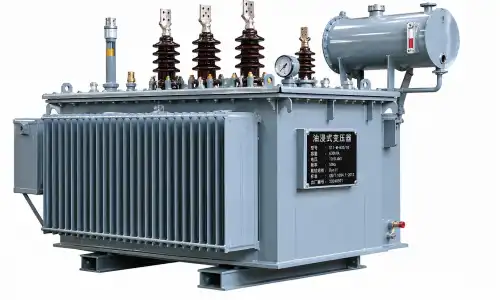
Oil-immersed transformers work by putting the core and winding assemblies in dielectric oil. The oil gets rid of heat and keeps the electricity from breaking down. The 35KV voltage class connects low-voltage transmission lines to localized distribution systems and high-voltage transmission lines. Most of the time, these transformers work at 50 or 60Hz and use vector groups like Dyn11 or Yyn0 to control phase relationships and neutral grounding.
Modern units have silicon steel cores that are cold-rolled and grain-oriented. This reduces eddy current losses and hysteresis. The SC(B)12 type 35KV oil-immersed transformer label indicates a higher efficiency level compared to older S11 standards, with no-load losses that are about 15–20% lower. This improvement has a direct impact on lifecycle operating costs, especially in utility-scale installations where transformers run continuously for decades.
High-voltage windings use high-quality wires that are strengthened with chopped glass fiber felt. Modern vacuum casting methods keep partial discharge below 5pC, which guarantees the insulation's long-term stability. For the low-voltage winding, foil conductors are wound on precise machines that have hydraulic tension control and 0.5 mm tolerance detection. Argon arc welding technology makes sure that electrical links are strong and that the metal is strong even when there is a short circuit.
Oil Natural Air Natural (ONAN) cooling is still the most usual way for 35KV transformers to be set up. In this inactive system, heat moves from the windings to the oil through convection and then to the air outside the tank through the curved walls. Hermetic covering stops moisture from getting in and oil from going bad, which extends service intervals and makes upkeep easier.
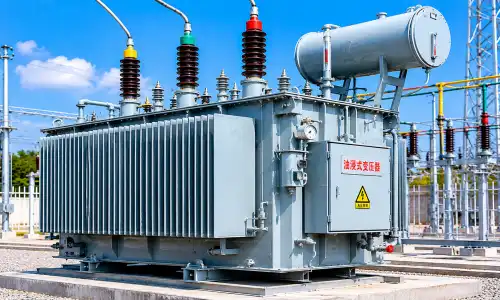
All ONAN systems, including the SC(B)12 type 35KV oil-immersed transformer, depend on natural convection, and they work best in places with stable temperatures and average loads. Oil Natural Air Forced (ONAF) configurations add fans to speed up the flow of air, which increases capacity by 25–40% during times of high demand. This adaptability is useful in places where wind and solar power output change throughout the day.
Pole-mounted transformers are set up high on utility poles. They work well for overhead line systems and distribution networks in rural areas. Pad-mounted units are placed on concrete slabs at ground level. This makes them look better and makes them easier to get to in industrial parks and urban substations. Both designs can handle 35KV voltage levels, but pad-mounted versions usually have built-in switchgear for smaller installations.
Distribution transformers lower 35KV grid power to 10KV or 400V for end users, such as apartment buildings, shopping malls, and light industry sites. Electric furnace transformers are specialized units that deal with high inrush currents in steel mills. Rectifier transformers, on the other hand, provide DC power for electrochemical processes. To work in tough underground settings, mining transformers have casings that won't explode and mounts that won't shake.
The SC(B)12 type 35KV oil-immersed transformer works great in large industrial complexes, renewable energy projects, and mining operations that are far away. Its fully sealed tank can handle high UV exposure outside, harmonic effects from inverter-based sources, and dusty environments where it's hard to do maintenance. Procurement teams like how stable it is across large amounts, which makes sure that rollouts to multiple sites are consistent.
The operating situation, environmental rules, and total cost of ownership all play a role in choosing between oil-immersed and dry technologies. Each approach has different pros and cons that affect the project's long-term viability.
Dry-type transformers make less noise, which is good for installations near homes or facilities that can't handle noise. But oil-immersed designs use advanced sound-dampening tank structures and low-vibration core building methods to keep noise levels below 60dB even when the load is at full. From an environmental point of view, oil-immersed units that are hermetically sealed and have strong pressure relief valves and leak-proof gaskets keep oil from leaking.
The rolling mill feeding substations at a steel plant in the Midwest have now switched to SC(B)12 type 35KV transformers. Over the course of five years, the plant used 18% less energy and had 40% less unplanned downtime than it did with older S11 units. This case shows how important it is to upgrade to more modern levels of efficiency in places with a lot of use.
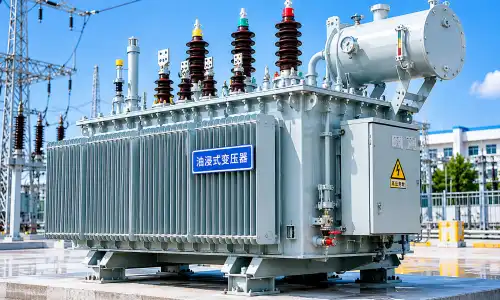
When you want to buy an SC(B)12 type 35KV oil-immersed transformer, you need to carefully consider the technical standards, the supplier's reputation, and the details of the supply chain. The following factors help people make smart decisions about what to buy.
Match the transformer's kVA value to its expected peak load, leaving 20–30% extra room for growth in case it needs to happen in the future. Make sure that the main and secondary voltage levels are in line with what is already in place, and pay close attention to how the tap changer is set up to handle changes in the grid voltage.
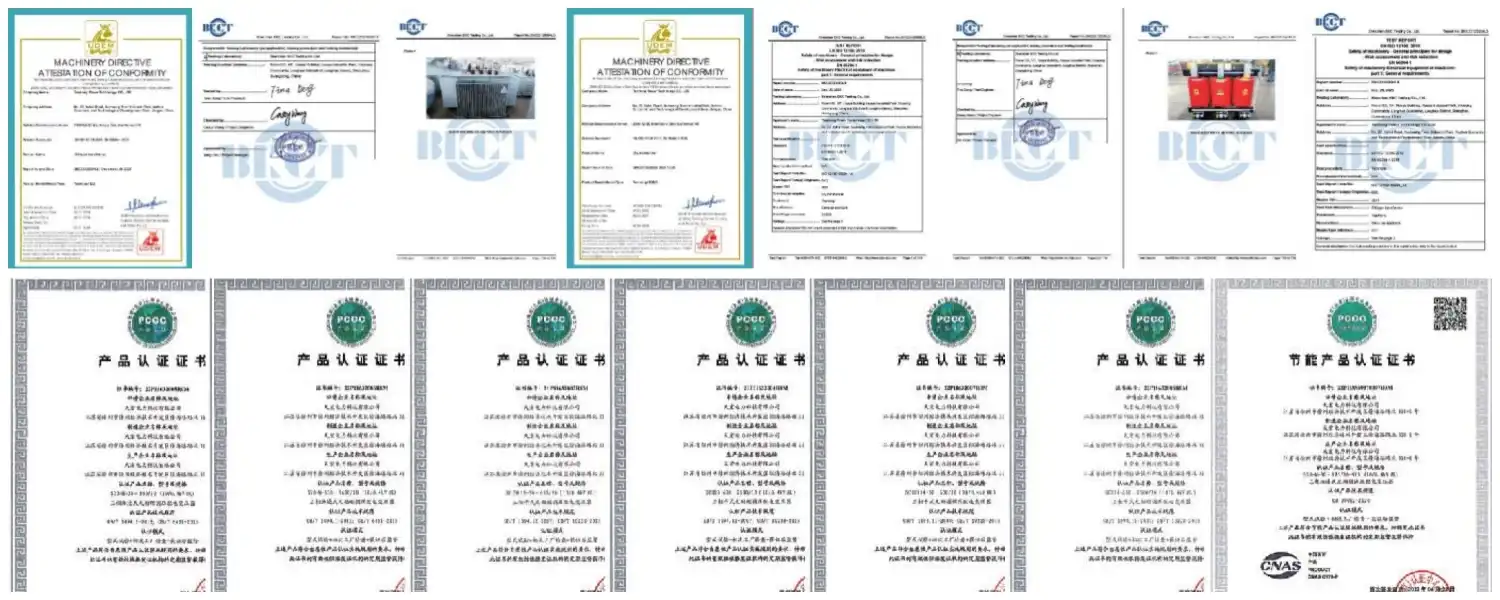
Suppliers you can trust have ISO 9001:2015 quality management certification, IEC product type approvals, and certifications specific to the region, like CE for European markets or UL for installations in North America. These credentials prove that the manufacturing process is consistent and that it follows international safety rules.
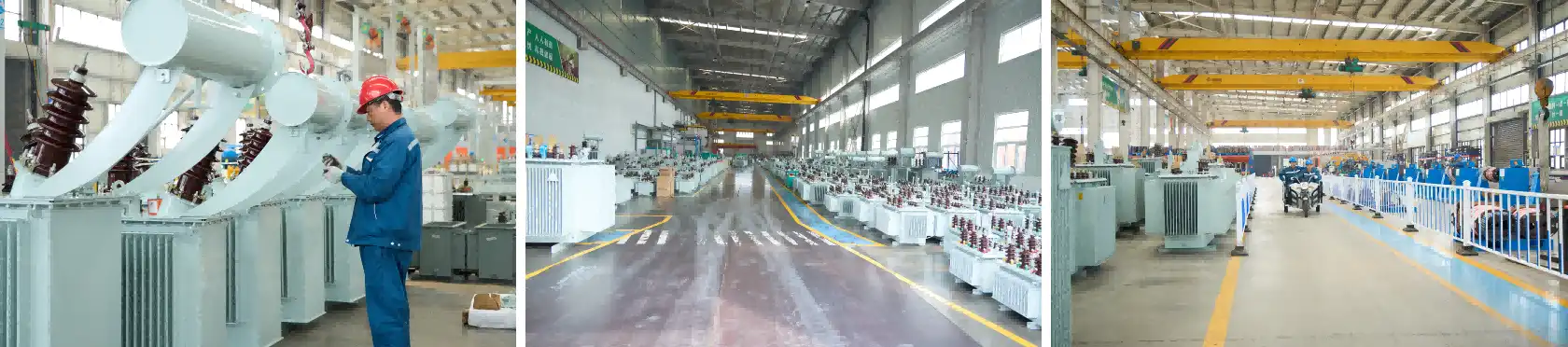
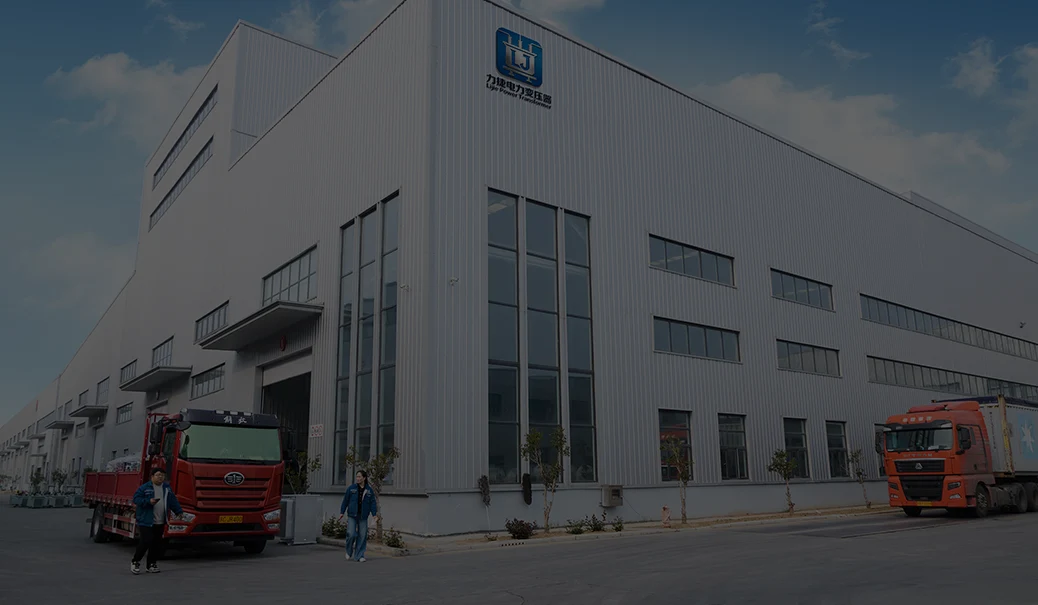
Large-scale infrastructure projects need deliveries that happen all the time and in large amounts. Check out suppliers' production footprints, the number of employees they have, and how often they've met their deadlines in the past. Ljie Electric has two factories that are together 500,000 square meters and have more than 2,000 workers. This lets them make large batches of standard and custom units quickly and cheaply.
Regular repair keeps transformers reliable and stops expensive breakdowns. Using structured care protocols makes operations last much longer than was planned at the start.
An annual dissolved gas analysis (DGA) finds small problems like arcing or burning before they get too bad. In mission-critical installations, check the acidity, moisture content, and breakdown voltage (BDV) levels every three months. When contamination levels go above what the manufacturer allows, oil needs to be filtered or replaced.
Check the outside of the SC(B)12 type 35KV oil-immersed transformer once a month for oil leaks, rust, and damaged gaskets. Signal thermometers keep track of the temperature all the time and sound a warning when temperatures in hot spots get close to the design limits. Using infrared thermography during load cycles can find strange thermal patterns that could mean that connections are loose or there are problems with the windings.
Every year, check the insulation dielectric strength with power-frequency withstand voltage tests. Tests with induced overvoltage show that the insulation between the turns is still in good shape. Measurements of partial discharge below 10pC show that the windings are healthy, while trends that are going up need to be looked into in more detail.
When you sign service contracts with manufacturers like Lijie Electric, you can be sure that you can get certified technicians who are trained on specific model configurations. Preventive repair programs replace worn-out parts like tap changes, Buchholz switches, and pressure release devices before they stop working, which keeps the system reliable for many years.
Oil-immersed transformers are still an important part of modern power infrastructure because they are reliable, don't cost much to run, and can be expanded to handle a wide range of needs. The SC(B)12 type 35KV oil-immersed transformer meets the highest standards for current efficiency by using high-tech materials, precise manufacturing, and a hermetic design. Procurement workers make sure their companies have assets that will last for decades by learning about classification systems, comparing different technologies, and using strict selection criteria. Lifecycle value is further increased by regular upkeep and smart relationships with suppliers. This sets projects up for long-term success in competitive energy markets.
The SC(B)12 series has about 20% smaller no-load losses than S11 models, which means that over their 20–30 year service lives, they save a lot of money on operations. This improvement comes from better core materials and winding designs that keep energy from being lost when the motor is not in use.
Yes, units with multi-layer anti-corrosion coatings (C4 or C5-M standard) and tanks that are completely sealed stop salt mist and moisture from getting in. Hermetic designs get rid of the risk of oil oxidation, so shielding stays strong in harsh naval settings.
High-voltage transmission networks and localized distribution infrastructure are linked by the 35KV class. It can be used for sub-transmission tasks that lower power from 110KV or 220KV lines to 10KV or 400V levels. This helps power plants that use green energy, industry buildings, and city distribution networks.
Under normal ONAN cooling conditions, units that are hermetically sealed keep oil from aging by keeping out moisture and controlling oxidation. A regular dissolved gas analysis (DGA) is usually enough. Oil should only be filtered or replaced when the contamination level goes beyond what the manufacturer recommends, which usually happens after many years of use.
Lijie Electric Power Technology Group has been making transformers for more than 20 years and works with power companies, green energy producers, and industry makers in six countries. Our SC(B)12 type 35KV oil-immersed transformer supplier has ISO 9001:2015 certification, IEC/CE/UL compliance, and the ability to make a lot of transformers for any size project. We offer consistent quality, on-time delivery, and full after-sales support thanks to our 500,000 square meters of manufacturing space, over 2,000 skilled workers, and annual sales of more than 5 billion RMB. Whether you're replacing old grid infrastructure or adding green energy sources, our engineering teams can help you find solutions that meet your technical needs and fit your budget. Visit lijie-electrical.com or email us at lijieelectrical@gmail.com to talk about the details of your job and get a full quote.
1. International Electrotechnical Commission. "Power Transformers – Part 1: General." IEC 60076-1:2011.
2. Zhang, Y., & Liu, H. "Efficiency Analysis of Oil-Immersed Distribution Transformers in Modern Power Grids." Journal of Electrical Engineering & Technology, vol. 15, no. 3, 2020, pp. 1245–1258.
3. National Electrical Manufacturers Association. "Guide for Loading Mineral-Oil-Immersed Transformers and Step-Voltage Regulators." ANSI/IEEE C57.91-2011.
4. Smith, J.R. "Comparative Life-Cycle Cost Assessment of Oil-Immersed and Dry-Type Medium Voltage Transformers." IEEE Transactions on Power Delivery, vol. 34, no. 2, 2019, pp. 756–765.
5. Chen, W., & Patel, S. "Thermal Management and Cooling Optimization in 35kV Substation Transformers." Electric Power Systems Research, vol. 188, 2020, pp. 106–115.
6. Kumar, A., et al. "Partial Discharge Measurement Techniques in Oil-Immersed Transformers: A Review." High Voltage Engineering Journal, vol. 46, no. 5, 2021, pp. 1567–1580.
YOU MAY LIKE


10%20type%2035kV%20transformer.webp)


H15%20Amorphous%20Alloy%20Distribution%20Transformer.webp)
April 27, 2025
With a tight project schedule, the manufacturer delivered on time, and on-site technical personnel provided guidance throughout the entire installation and commissioning process; the collaboration was highly efficient and hassle-free.
July 2, 2025
During the preliminary phase, a selection plan was custom-tailored based on the actual site load requirements, resulting in a high degree of parameter compatibility. After-sales support responds within two hours, and ongoing technical support for operation and maintenance is comprehensive; we feel completely confident in a long-term partnership.
November 18, 2025
Deployed as a supporting component for a 35kV grid-connection project at a photovoltaic power station, the equipment operates for an average of 16 hours daily. It demonstrates excellent control over no-load losses, ensures smooth power generation and grid integration, and effectively reduces the station's overall energy consumption.
January 30, 2026
Under the continuous, high-load operating conditions of a factory production line, the equipment maintains stable electrical parameters and exhibits strong overload resistance, thereby guaranteeing an uninterrupted power supply for industrial production.
April 3, 2026
Integrated as a supporting component for a new energy photovoltaic grid-connection system, the manufacturer provided professional technical coordination and timely after-sales support, ensuring seamless adaptation to the specific electrical operating conditions required for grid integration.