April 27, 2025
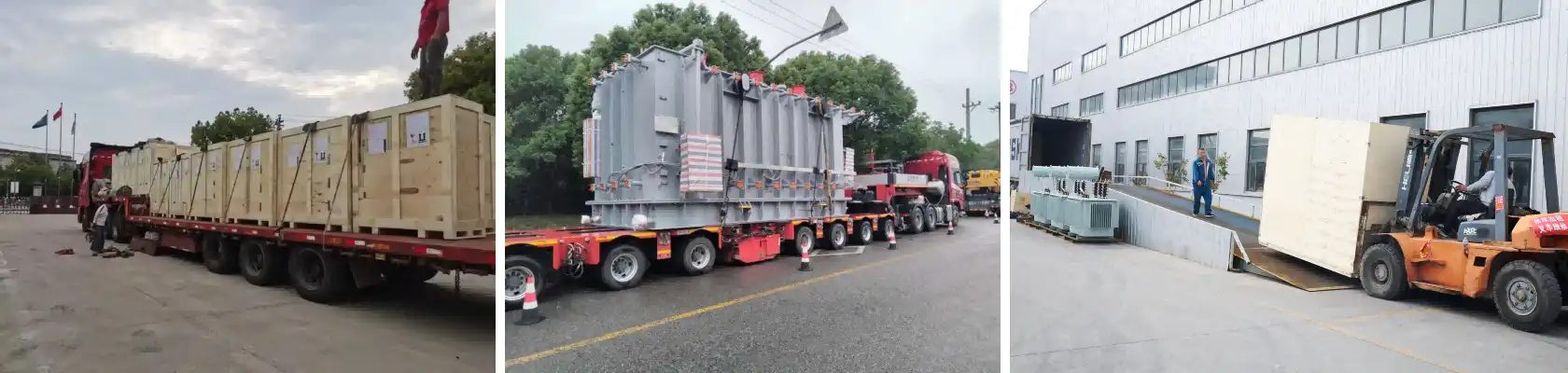
With a tight project schedule, the manufacturer delivered on time, and on-site technical personnel provided guidance throughout the entire installation and commissioning process; the collaboration was highly efficient and hassle-free.
Jul 5, 2026
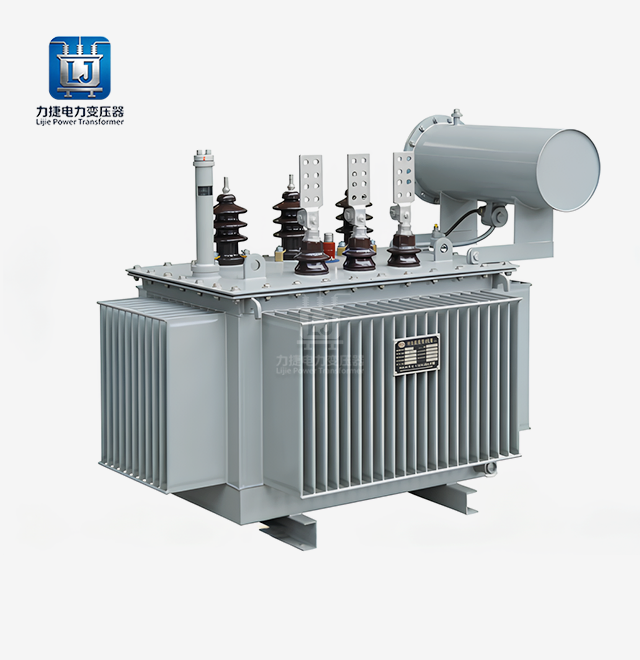
The S18 type oil-immersed distribution transformer works by electromagnetic induction. When alternating current flows through the primary windings, it forms a magnetic field in the center that causes voltage to flow through the secondary windings. The transformer oil does two things: it gets rid of the heat that is generated during operation, and it also makes the connections between parts more electrically resistant. This fully sealed design has a corrugated tank structure that gets rid of the need for traditional oil conservators. This keeps moisture and oxidation out and the dielectric performance stable across voltage levels from 6kV to 35kV, with 30kVA to 3150kVA capacity ranges.
When purchasing managers and electrical engineers look at power distribution equipment for projects that update the power grid or install renewable energy sources, they need to know how transformers work. The S18 oil-immersed distribution transformer is a big step forward in terms of energy efficiency. It meets GB 20052-2020 Tier 1 energy standards and has 10–20% less energy losses than S13 models. This piece gives workers detailed information about the S18 transformer's working parts, design features, and real-world uses. This information helps them make choices that balance performance, dependability, and total cost of ownership. If you know how these transformers work, you can better match specifications and work with suppliers, whether you're improving distribution networks in cities or helping wind farms become more integrated.
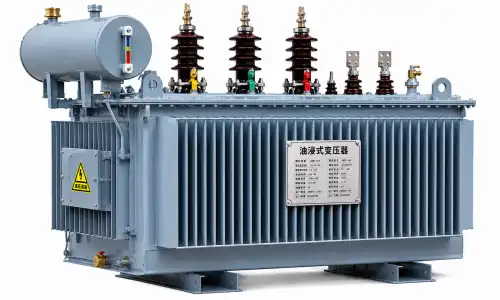
In the S18 type oil-immersed distribution transformer, the magnetic core is made of high-permeability cold-rolled grain-oriented silicon steel. This steel is produced using precise multi-step overlapping methods that help reduce magnetostriction. With capacities ranging from 30 kVA to 3150 kVA and voltage levels of 6 kV and 12 kV, these units can operate in both single-phase and three-phase configurations, with connection group designations of Yyn0 or Dyn11. The non-excitation voltage regulation method provides tap ranges of ±5% or ±2×2.5%, allowing voltage adjustment during installation to match load requirements. These transformers are compatible with both 50 Hz and 60 Hz power systems, making them suitable for a wide range of international markets.
Instead of using air conservators as most designs do, the S18 uses a curved tank structure that creates an environment that can't be opened or closed again. This new idea keeps the insulating oil from coming into contact with the air at all. This greatly lowers the rates of oxidation and moisture absorption that normally weaken dielectric properties over time. The ribbed fins not only make the structure stiff enough to handle changes in internal pressure, but they also add more surface area for natural airflow cooling. The environmental working factors allow outdoor placements as long as the temperature stays below 40°C. However, if the project requirements call for it, harsher conditions can be accommodated through customization.
The S18 type oil-immersed distribution transformer uses the oil-immersed self-cooling method, which relies on the covered tank’s natural heat flow to manage temperature. As the load on the windings increases and generates heat, the hot oil rises along the inner tank walls while cooler oil descends, forming a continuous circulation pattern. The Class A insulation system can handle power frequency voltages of up to 35kV AC and impulse voltages of up to 75kV, as confirmed through strict testing procedures. Impedance voltage standards comply with technical parameter tables or can be customized according to user-specific requirements, ensuring compatibility with modern grid safety systems. This thermal management approach eliminates the need for external cooling fans, reducing maintenance requirements and keeping noise levels below 45dB, which is especially suitable for installations near residential areas or hospitals.
The S18 type oil-immersed distribution transformer operates based on Faraday's principle, which is at the heart of how it works: when alternating current flows into the main windings that are wrapped around the layered silicon steel core, it creates a magnetic flux that changes over time. This flow connects the main and secondary windings through the low-reluctance core route. It creates voltage in the secondary coils that is related to the number of turns. The high-quality core material cuts down on hysteresis and eddy current losses, which turn electricity into waste heat. Precise winding geometry makes sure that the flux is spread out evenly, which reduces the number of hot spots that could speed up the degradation of the insulation. As long as AC power is flowing, the voltage changes all the time, and at full load, most capacity ranges are more than 98% efficient.
The transformer tank holds several parts that work together and depend on each other. Copper or aluminum windings with high conductivity are used for the primary and secondary windings. They connect to external bushings that are made to be strong and resist electrical tracking. Because they use a non-excitation regulation method, internal tap changers let you change the voltage ratio, but they need to be de-energized first. There is no need for expansion bladders because the ribbed tank walls bend a little when the oil inside expands and shrinks due to changes in temperature. This mechanical breathing action keeps the oil's insulating properties throughout the transformer's 30-year design life by keeping the internal pressure stable and not letting gases from the air dissolve into it.
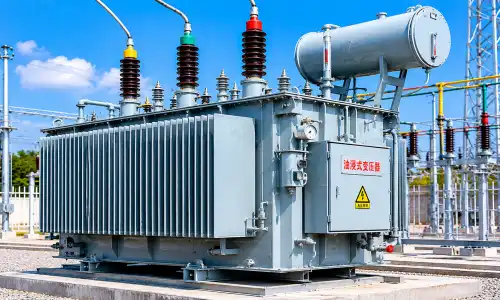
When you compare the S18 type oil-immersed distribution transformer to its predecessor, the S13 series, you can see that it is much more efficient. Through better silicon steel grades and optimized core design, no-load losses drop by about 20 to 30 percent. This directly leads to lower electricity use over decades of operation. In the same way, improved coil designs that reduce resistance heating also lower load losses. When compared to dry-type transformers, the oil-immersed S18 has better thermal performance under long-term high load conditions. This is because liquid dielectrics are better at moving heat than air or resin insulation. For manufacturing sites that run transformers close to their rated capacity for long periods of time, this efficiency benefit becomes financially important. This is because even small reductions in loss add up to high cost savings.
Dry-type transformers are better in places that are prone to fire or inside where oil leaks could cause poisoning. The S18, on the other hand, addresses these worries because it is sealed and works with recyclable ester fluids when requirements call for higher fire safety. The small size is good for substations that don't have a lot of room, and the quiet operation profile meets strict noise regulations in cities without the need for extra soundproofing. The initial purchase price, the difficulty of installation, the expected maintenance costs, and the energy losses capitalized over the service life must all be taken into account in the total cost of ownership analysis. When you combine the S18's low cost of purchase, low upkeep needs, and high efficiency, you often get good economics for large-scale deployments and industrial uses that value long-term stability over initial budget limits.
To find good makers, you need to check for foreign approvals like IEC, CE, and UL compliance, as well as compliance with local standards like GB/T 6451 for products such as S18 type oil-immersed distribution transformer. For big projects that need batch consistency across hundreds of units, production capacity becomes very important. Differences in manufacturing quality can cause maintenance problems when identical transformers fail in different ways. After-sales support infrastructure, such as the availability of extra parts and the speed with which expert service responds, often sets providers apart more than small price differences. Established makers who have been in business for decades give customers trust by showing that their products work and by collecting field experience dealing with a wide range of application problems.
For big projects, global procurement teams usually place direct factory orders. For smaller amounts, they use authorized distributors. Different suppliers offer a wide range of customization options. For example, leading manufacturers can accommodate specific tap configurations, different connection groups, or higher insulation levels for high-altitude installations. Instead of just looking at current demand, load growth projections should be used to choose capacity, since replacing a transformer costs a lot more than the extra cost of buying one that is too big at first. The voltage level you choose depends on how the distribution network is built. In newer grids, 12kV is becoming more common, while in older ones, 6kV is still the norm.
Pricing for S18 type oil-immersed distribution transformer units depends on their capacity ratings, the materials they are made of, the certifications they need, and the number of units that are ordered. When more than 20 units are bought at once, the unit costs go down a lot. Copper winding choices cost more than metal options, but they conduct electricity better and last longer mechanically. Most warranties cover 24 to 36 months from the date of commissioning, but for large orders, longer coverage may be possible. Production lead times are usually between 8 and 12 weeks for standard specifications, but they can be up to 16 to 20 weeks if you need non-standard tap arrangements or special testing protocols. The delivery of transformers needs to be coordinated with the end of civil works and the availability of electrical contractors. This is because installation windows often limit project timelines more than manufacturing durations.
Protocols for acceptance testing should include measuring the loss with no load, checking the load loss at the rated current, checking the resistance of the windings, and making sure the turns ratio is correct across all tap positions. Through applied potential tests and partial discharge readings, dielectric testing confirms the stability of the insulation. This makes sure that the transformer can handle short-term overvoltages while the grid is running. Oil research proves that the breakdown voltage is more than 50 kV and the moisture content is less than 10 ppm for new systems. Reliable suppliers give full test reports that can be traced back to calibrated instruments. For important projects where procurement teams need independent confirmation before shipping approval, witnessed testing is also an option.
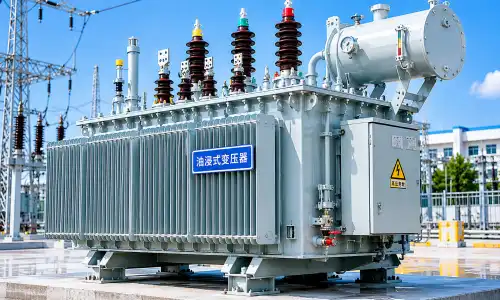
Sounds that don't seem normal could mean that the core locking is loose or that the windings are vibrating. This means that the machine needs to be shut down and inspected inside by trained techs. If the temperature rises above the nameplate limits, it means that the system is overloaded, doesn't have enough cooling surface area, or an internal fault is developing. Gas is made when the oil level in a sealed transformer changes because the tank is leaking or the insulation on the windings is breaking down. When dissolved gas analysis shows high levels of combustible gases, the problem is looked into right away to see if it is caused by thermal breakdown, electrical arcing, or cellulose decomposition. Many operational problems are caused by outside factors, such as uneven loading or harmonic distortion, rather than problems with the transformer itself. This is why system-level tests are necessary before blaming equipment failure for problems.
Professional sellers of S18 type oil-immersed distribution transformers are different from transactional vendors because they offer full after-sales service. Technical support teams should help customers make decisions about which design priorities are most important by giving them application guidance while specifications are being made. Installation supervision services make sure that the right steps are taken for handling, connecting, and commissioning, and that the performance is checked before the grid is turned on. Being able to respond quickly to emergencies is especially important for key infrastructure applications, since transformer breakdowns can stop services that are needed by people. Spare parts, such as bushings, seals, and tap switch parts, are easy to find and allow for quick fixes that cut down on downtime. Training programs that teach customer service reps how to diagnose problems and fix them add value beyond the hardware transaction itself.
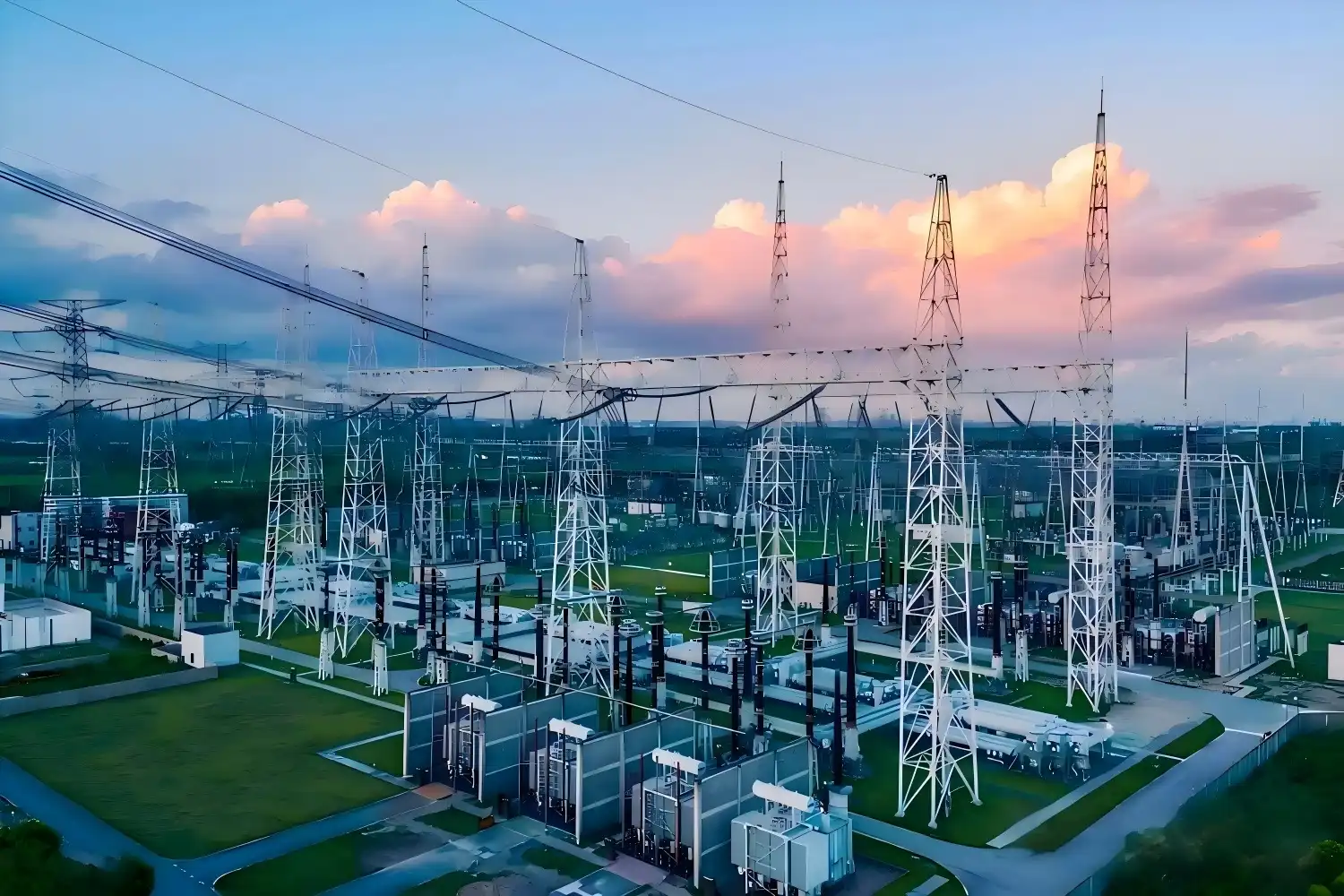
The S18 has 10–20% less losses than the S13 because it uses better core materials and a better magnetic circuit design. It meets the new national energy saving standards for 2020. The fully sealed curved tank gets rid of oil conservators, which keep wetness from getting into the generator and shortening its life.
Of course. The strong thermal design can handle changes in load that happen with solar and wind setups, and the protected construction can handle the weather at production sites. A lot of renewable energy projects need S18 transformers for substation and collector system uses that need to change voltage reliably with little upkeep.
The fully sealed design means that it can run for 10 to 15 years without much upkeep, just cleaning the outside and checking the bushings. Total service life is more than 30 years if it is used within its rated limits and gets regular diagnostic testing that finds problems before they become major ones.
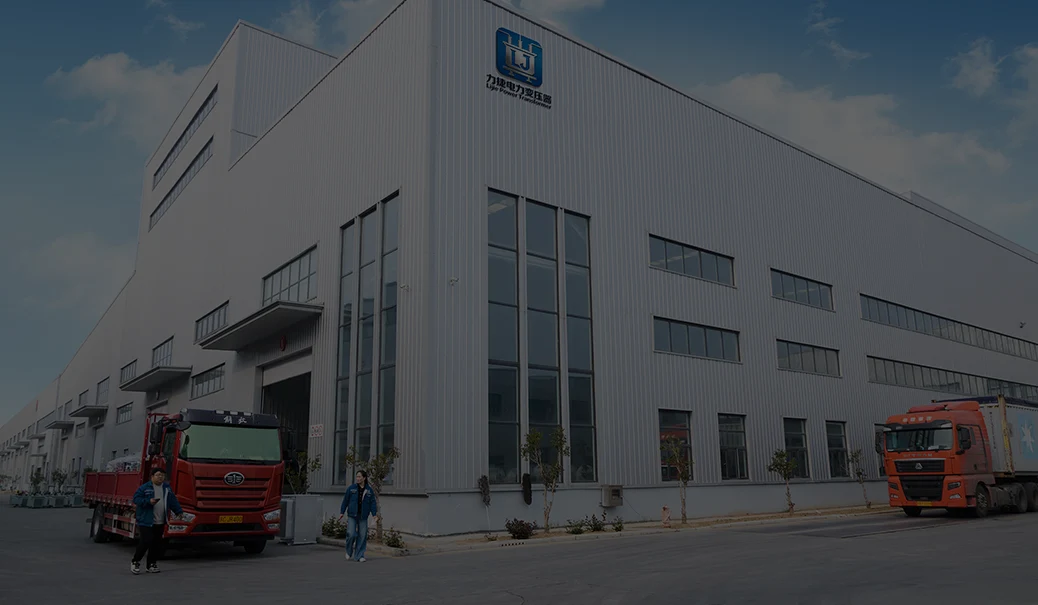
Lijie Electric Technology Group brings over two decades of manufacturing expertise across 500,000 square meters of advanced production facilities in Xuzhou and Nantong, delivering S18 type oil-immersed distribution transformers that meet IEC, CE, and UL certification standards. Our engineering team of 160+ specialists supports customization for voltage levels from 6kV to 35kV and capacities spanning 30kVA to 3150kVA, ensuring precise specification matches for utility grid upgrades, industrial facilities, and renewable energy projects. As a certified S18 type oil-immersed distribution transformer supplier with annual sales exceeding 5 billion RMB, we provide comprehensive after-sales support, including installation guidance, commissioning assistance, and rapid spare parts delivery. Contact our technical consultants at lijieelectrical@gmail.com or visit lijie-electrical.com to discuss your project requirements and receive detailed quotations tailored to your procurement timeline and performance objectives.
1. International Electrotechnical Commission. (2018). Power Transformers—Part 1: General Requirements. IEC 60076-1 Standard, Geneva.
2. Zhang, W., & Li, H. (2021). Energy Efficiency Standards for Oil-Immersed Distribution Transformers: GB 20052-2020 Analysis. China Electric Power Press.
3. McLyman, C. W. (2017). Transformer and Inductor Design Handbook (4th ed.). CRC Press.
4. National Transformer Quality Supervision Center. (2020). Technical Guidelines for Sealed Oil-Immersed Power Transformers. Beijing: Standards Press of China.
5. Kulkarni, S. V., & Khaparde, S. A. (2019). Transformer Engineering: Design, Technology, and Diagnostics (2nd ed.). CRC Press.
6. Heathcote, M. J. (2020). The J&P Transformer Book: A Practical Technology of the Power Transformer (14th ed.). Elsevier Science.
YOU MAY LIKE


11%20Epoxy%20Resin%20Cast%20Dry-Type%20Transformer.webp)
April 27, 2025
With a tight project schedule, the manufacturer delivered on time, and on-site technical personnel provided guidance throughout the entire installation and commissioning process; the collaboration was highly efficient and hassle-free.
July 2, 2025
During the preliminary phase, a selection plan was custom-tailored based on the actual site load requirements, resulting in a high degree of parameter compatibility. After-sales support responds within two hours, and ongoing technical support for operation and maintenance is comprehensive; we feel completely confident in a long-term partnership.
November 18, 2025
Deployed as a supporting component for a 35kV grid-connection project at a photovoltaic power station, the equipment operates for an average of 16 hours daily. It demonstrates excellent control over no-load losses, ensures smooth power generation and grid integration, and effectively reduces the station's overall energy consumption.
January 30, 2026
Under the continuous, high-load operating conditions of a factory production line, the equipment maintains stable electrical parameters and exhibits strong overload resistance, thereby guaranteeing an uninterrupted power supply for industrial production.
April 3, 2026
Integrated as a supporting component for a new energy photovoltaic grid-connection system, the manufacturer provided professional technical coordination and timely after-sales support, ensuring seamless adaptation to the specific electrical operating conditions required for grid integration.