April 27, 2025
With a tight project schedule, the manufacturer delivered on time, and on-site technical personnel provided guidance throughout the entire installation and commissioning process; the collaboration was highly efficient and hassle-free.
Jul 7, 2026
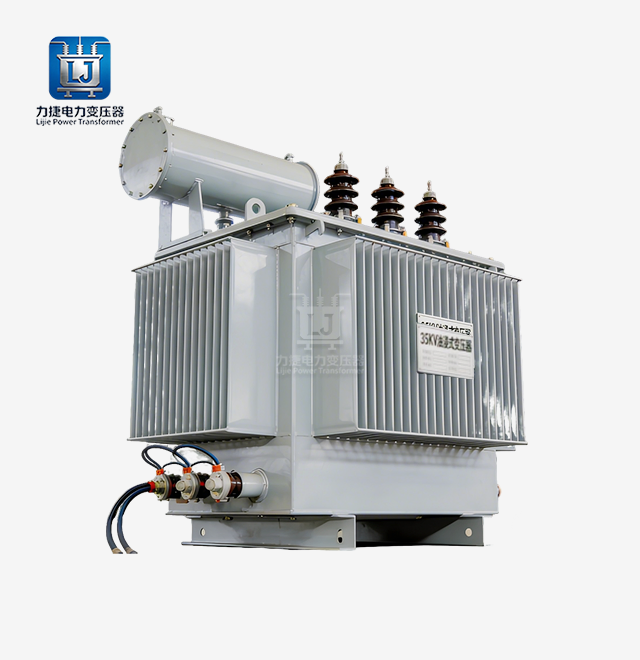
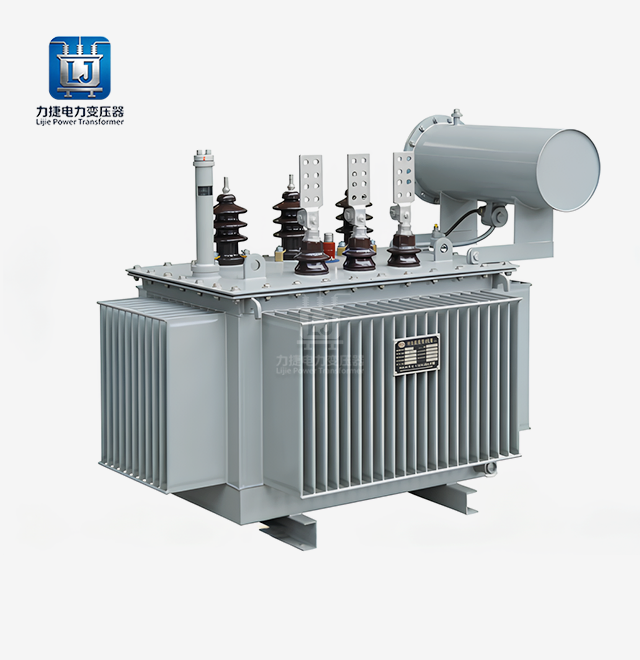
Energy efficiency is a top consideration when buying electricity infrastructure. The S22 type three-phase full distribution transformer meets GB 20052-2024 Level 1 energy efficiency, the highest ranking in modern electrical distribution. This oil-immersed unit has 25-30% reduced no-load losses than traditional S13 versions, resulting in cost savings during its 30-year lifetime. These transformers serve industrial facilities, renewable energy installations, and utility-scale projects where reliability and lifespan economics matter, with capacities from 30 to 3,150 kVA and voltage ratings of 6kV and 12kV. For distant and large-scale deployments, the totally sealed corrugated tank design removes oil conservators, limiting moisture infiltration and simplifying maintenance.
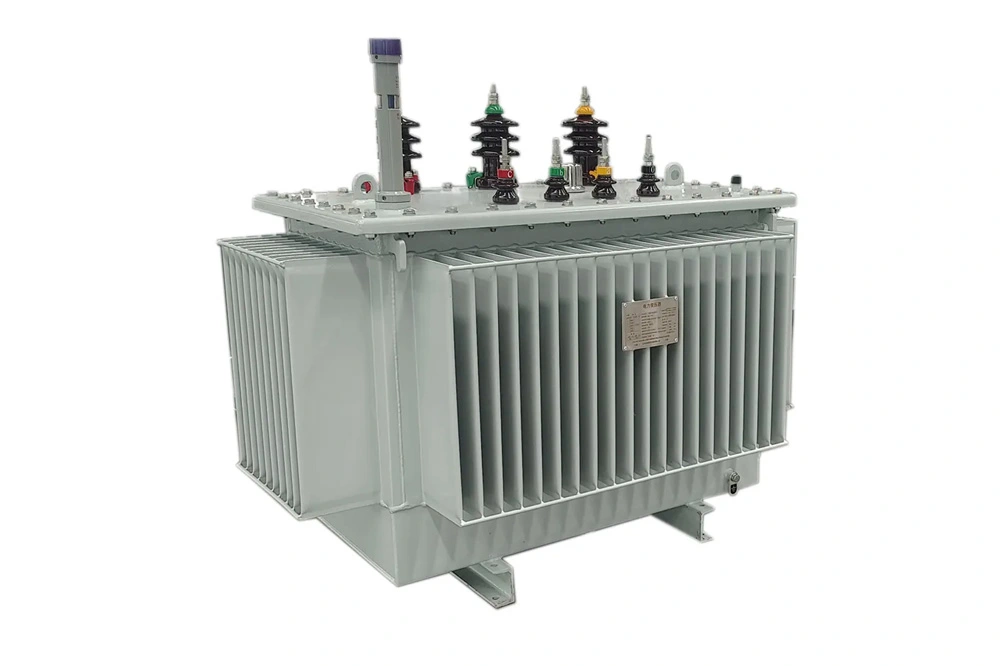
Performance and simplicity are needed in modern electrical distribution equipment. S22 series engineering prioritizes efficiency and durability.
To meet regional norms, the S22 type three-phase full distribution transformer supports 50Hz and 60Hz frequencies in single-phase and three-phase configurations. Non-excitation voltage regulation with tap ranges of ±5% or ±2×2.5% enables installation fine-tuning without powered modifications. Yyn0 and Dyn11 connection groups provide diverse grounding systems and harmonic mitigation solutions. Insulation resists lightning strikes and switching transients in outdoor substations by passing 35kV AC power frequency tests and 75kV impulse surges. Oil-immersed self-cooling reduces acoustic characteristics to 50–55 dB(A) without supplementary fans, making it acceptable for urban installations near residential zones and quieter than ordinary offices.
Three-phase distribution transformers use electromagnetic induction to convert a medium-voltage supply to use. Efficiency depends on reducing no-load losses, which occur independent of loading, and load losses proportional to current flow. The S22's core uses high-permeability silicon steel sheets with stepped joints to reduce magnetic flux leakage and hysteresis. Copper windings with oxygen-free content reduce electrical resistance, reducing I²R losses at peak demand. These design factors place the S22 above S20 series units in performance hierarchies, making it the best option for grid modernization programs that prioritize operational savings over capital investment.
Purchasers often compare the oil-immersed S22 type three-phase full distribution transformer to dry-type and earlier S11s. Indoor dry-type transformers have greater losses and lower capacity but are fire-safe. The proven S11 series consumes more energy yearly and generates extra heat that promotes component aging at lower efficiency levels. Sealing the oil system in our S22 platform improves cooling and insulating life over dry-type systems and outperforms previous-generation oil units in every loss area. The S22 is ideal for industrial production complexes with constant high loads, where even little efficiency benefits add up to big savings over decades.
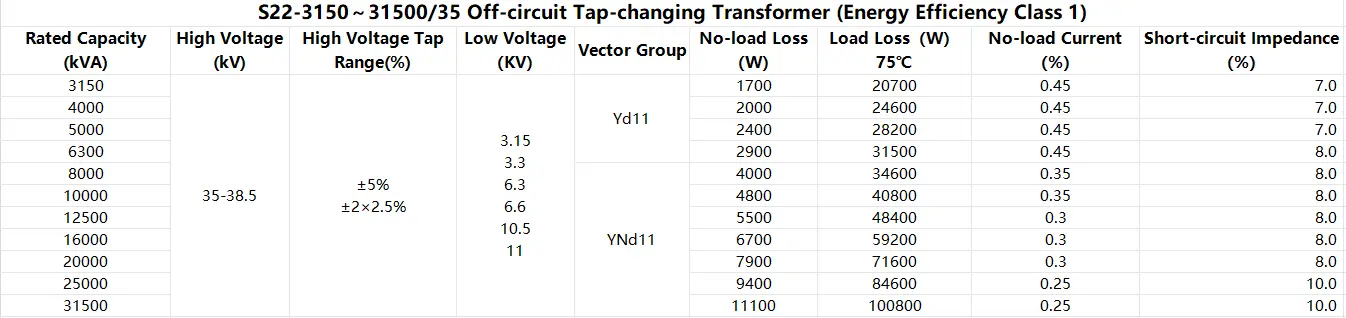
Regulations are tightening efficiency limits and changing procurement criteria globally. Deliberate material selection and manufacturing accuracy allow the S22 to surpass these growing criteria.
The IEC and IEEE set efficiency standards for cross-border equipment commerce. Our S22 series—S22 type three-phase full distribution transformer—is CE, UL, and IEC certified, allowing deployment in North America, Europe, and Asia-Pacific without redesign. Green building regulations and utility rebate programs are compatible with GB 20052-2024 Level 1 designation, which meets the most demanding worldwide efficiency categories. This universal certification profile simplifies paperwork and speeds up project deadlines for procurement teams gaining EPC contracts in different countries. With a design life of over 30 years, transformers installed now will likely survive many regulatory update cycles without replacement, increasing lifetime compliance value.
Quality of core material influences magnetic performance. We use low-impurity grain-oriented silicon steel to reduce eddy currents and core heating. Lamination stacking accuracy from automated assembly procedures avoids flux pathway-degrading air gaps. Corrugated oil tanks increase radiating area by 40% compared to smooth-walled designs, boosting natural convection heat dissipation. This passive cooling method keeps winding temperatures safe even under full load, maintaining insulation integrity and extending service intervals. The S22 type three-phase full distribution transformer operates consistently in outdoor situations up to 40°C, while colder climates further reduce thermal losses and improve overall performance margins.
Maintenance techniques substantially affect operating efficiency throughout the life. Regular oil dielectric strength testing and dissolved gas analysis identify early deterioration symptoms, averting major failures. Temperature rise measurements before commissioning confirm real losses meet nameplate specifications, detecting installation flaws before warranties expire. California wind farms using S22 transformers reduced distribution losses by 18% compared to S13 units, saving about $120,000 per installation over 20 years. The S22's oxygen-free copper windings' short-circuit resistance helped Midwest steel mills maintain voltage stability during arc furnace strikes. Real-world results show that efficiency advantages go beyond energy cost reductions to process reliability and downtime savings.
S22 transformers help diverse industries meet operational problems and environmental goals. Acquisition teams may match equipment selection with strategic aims by understanding application settings.
Renewable energy integration requires special attention. The S22 type three-phase full distribution transformer is well-suited for demanding renewable energy applications. Solar farms need transformers to handle cloud cover-dependent output, whereas wind farms experience vibration and temperature cycling. The S22's sealed structure minimizes moisture contamination in wet coastal settings, and its low noise profile meets sensitive habitat permitting standards. Chemical, mining, and steel mills use variable frequency motors with significant loads and harmonic distortion. The innovative core design of the S22 handles non-linear loads and harmonic heating better than regular units. Urban infrastructure developers like the corrugated tank's modest size and aesthetic compatibility, which blends into municipal substations without enclosures, lowering civil construction costs and installation time.
Lower energy use lowers utility costs. A 1,000 kVA S22 type three-phase full distribution transformer at 50% average load saves 8,500 kWh per year, or $1,020 at $0.12/kWh industrial prices, compared to an S13 counterpart. This accumulates to $30,600 per unit over 30 years, typically surpassing the procurement efficiency premium. Reduced losses reduce waste heat, cutting HVAC loads in enclosed substations and improving auxiliary equipment life. Motors operate cooler, lighting systems flicker less, and sensitive electronics encounter less voltage sag with better power quality. Total cost of ownership evaluations frequently favor indirect advantages over direct energy savings.
Corporate purchase is driven by carbon reduction goals. An S22 transformer cuts CO₂ emissions by 0.7 kg per kilowatt-hour in normal grid mixes, enabling Scope 2 emissions reporting under GHG Protocol guidelines. Specifying high-efficiency electrical systems helps LEED-certified building projects get certification. Several jurisdictions give demand-side management incentives for installing Level 1 efficiency transformers, rebating 10-15% of purchase costs and enhancing project profitability. The 30-year design life reduces replacements and embodied carbon from manufacture and transportation, a growing factor in circular economy frameworks and ESG investment requirements.
The S22 type three-phase full distribution transformer achieves extended operating efficiency through preventive maintenance. Annual visual examinations spot oil leaks, corrosion, and bushing degeneration before breakdowns. Dielectric strength and dissolved gas concentrations are measured every three years in oil to detect internal faults. Peak load infrared thermography detects hot regions, suggesting loose connections or winding damage. Maintenance labor is 60% lower than traditional transformers because the S22's totally sealed design removes oil filtering and nitrogen blanket monitoring needed by conservator-equipped units. Another maintenance item avoided in this non-excitation design is load tap changer mechanisms, saving lifetime service costs and boosting industrial process continuity availability metrics.
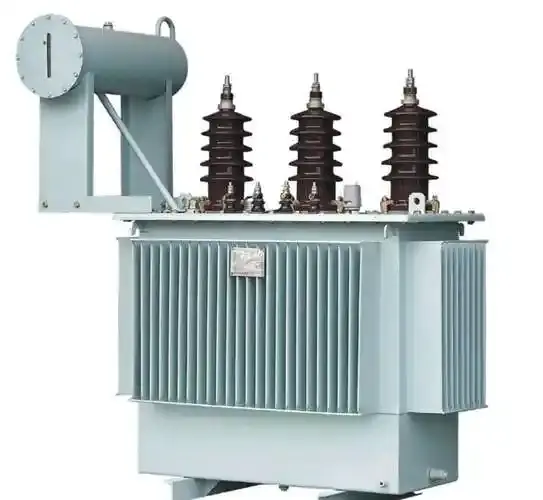
Proper specification affects project efficiency and cost. Undersizing causes overheating and premature failure; oversizing wastes capital and decreases efficiency.
Detailed load analysis starts with accurate sizing. Baseline demand comes from HVAC, lighting, and process equipment. Maximum capacity depends on motor starting, welding, and batch procedures. Diversity considerations prevent oversizing since loads work separately. Industrial facilities use 0.7-0.85 diversity factors for process coordination. Capacity selection should include future expansion plans, but selecting transformers for hypothetical loads beyond five years is wasteful. Simple spreadsheet estimations omit power factor adjustment, harmonic filtering, and voltage drop calculations, while load flow engineering businesses provide the most accurate input data.
Oversized transformers waste energy under light loads. A 1,500 kVA unit providing 400 kVA average demand loses energy compared to a correctly designed 630 kVA unit. No-load losses are constant regardless of usage. This 24/7 inefficiency increases expenses throughout the operation. Chronic overloading of nameplate ratings halves insulation lifetime when running 20% above capacity. The S22 type three-phase full distribution transformer offers a 30–3,150 kVA capacity range, providing exact matching to real needs. In phased construction projects with incremental load growth, parallel installations of numerous smaller units may be more efficient and redundant than big transformers.
Upfront efficiency tier pricing disparities of the S22 type three-phase full distribution transformer can affect budget-constrained projects. Most S22s cost 15-20% more than S13s. However, lifecycle analysis always favors efficiency. Net present value estimates using 6% discount rates and $0.12/kWh energy prices show breakeven in 4-6 years for high-utilization industrial applications. The last 24-26 years of service provide pure savings. Energy price increases—typically 2-3% annually—accelerate payback. Avoided cooling expenses, transformer replacement frequency, and utility incentive rebates should be included in the total cost of ownership models. Frame S22 initiatives as 15-20% internal rates of return, similar to core company investments, to simplify CFO approval procedures, say procurement managers.
Project success depends on more than technical specs. Efficiency in field installations depends on manufacturing quality uniformity. Supplier ISO 9001 certification, nonconformance data, and remedial action procedures should be audited by procurement teams. Routine partial discharge testing and temperature increase verification show suppliers' quality commitment beyond basic compliance. Manufacturers with yearly production above 10,000 units have component inventory buffers to avoid delivery delays. Three comparable customers may give useful information on service timeliness, warranty claim management, and actual performance against specs.
Technical needs and business realities influence sourcing selections. Market dynamics and supplier expertise are needed to navigate global supply chains.
Standard warranties cover problems for two years from commissioning or 30 months from shipping. Extended warranties cover labor and transportation for five years for 10-15% more. Warranty conditions should include partial discharge restrictions, temperature rise tolerances, and noise level assurances, not only catastrophic failures. Suppliers with 24/7 hotlines and 48-hour field service dispatch save downtime during commissioning and troubleshooting. For distant installations, bushings, gauges, and protection relays should be accessible throughout the transformer's life. Value-added services like maintenance personnel, testing, and fault detection training distinguish vendors beyond product specifications.
The S22 type three-phase full distribution transformer reduces operating costs, extends service life, and meets regulatory requirements, meeting B2B buying criteria. In most industrial applications, level 1 energy efficiency saves more than the original cost premiums within five years. The completely sealed corrugated tank design reduces maintenance and ensures dependable operation in many environments. Small industrial facilities to utility-scale substations may use capacity flexibility from 30 to 3,150 kVA. Effective sizing and supplier assessment enable field installation efficiency, maintaining lifetime investment returns and supporting business sustainability goals.
S22 transformers have 25-30% lower no-load losses than S13 transformers, lowering yearly energy use. Higher-grade silicon steel cores and improved windings increase this. These efficiency benefits save $30,000–$50,000 per 1,000 kVA unit at industrial energy prices over 30 years, making the S22 the best option for new installations and retrofits.
Fully sealed corrugated tanks remove oil conservators, eliminating moisture and pollutants from oil-air contact. Traditional transformers need oil filtering and nitrogen blanket monitoring. This design eliminates these requirements. Routine maintenance is reduced to visual inspections and triennial oil samples, saving 60% of labor compared to conservator-equipped machines and prolonging service periods.
Advanced core design and oxygen-free copper windings mitigate heat impacts from harmonic distortion in data centers, EV charging stations, and industrial facilities with variable frequency motors. The transformer can handle non-sinusoidal current waveforms without heating or efficiency loss, making it suited for contemporary electrical applications with high power electronics penetration.
Under normal operating circumstances with protective relays and periodic maintenance, the S22 design life exceeds 30 years. The enclosed structure minimizes moisture infiltration, which promotes insulation deterioration, and conservative thermal design restricts winding temperatures to preserve paper and oil dielectric characteristics. Installments in mild climates with consistent loads last 35-40 years.
The S22 targets carbon reduction via exceptional energy efficiency. GB 20052-2024's top tier, Level 1, reduces Scope 2 emissions considerably compared to outdated equipment. LEED project credits and utility demand-side management incentives assist business ESG objectives and save operating costs throughout its lifespan.
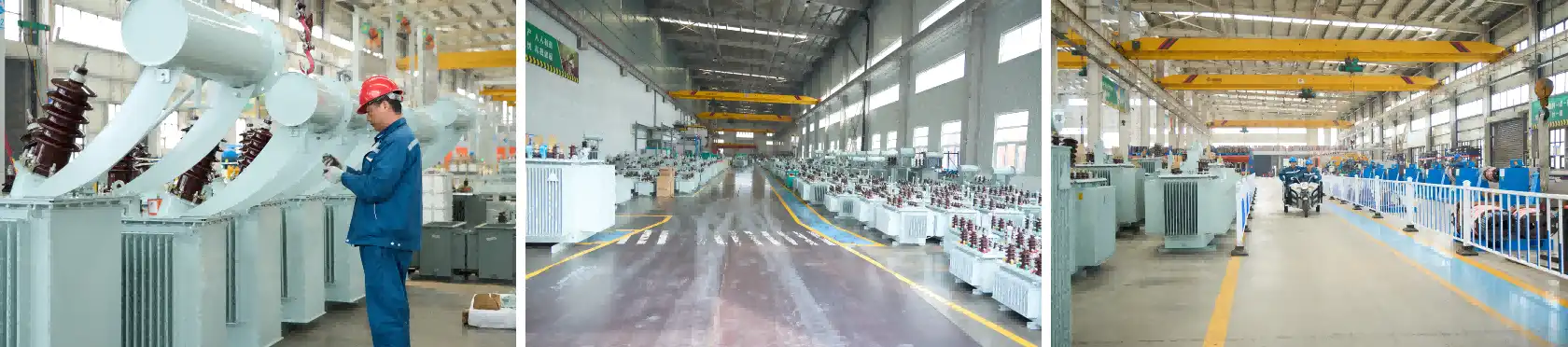
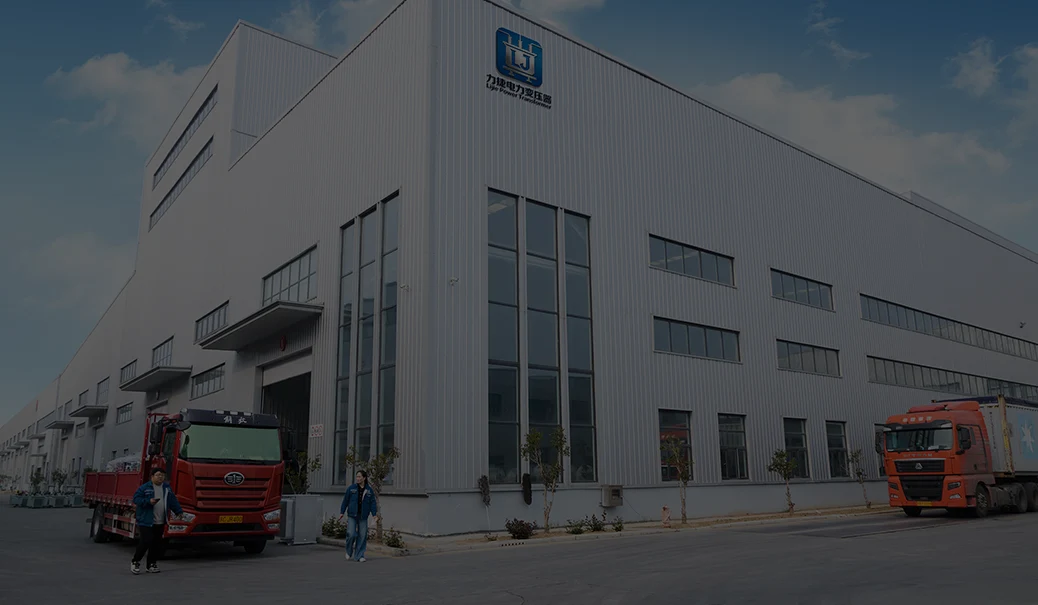
Lijie Electric operates two advanced manufacturing facilities spanning 500,000 square meters, producing over 10,000 transformers annually with consistent quality backed by ISO 9001:2015, CE, and UL certifications. Our engineering team—comprising 160 doctoral and master 's-level professionals—provides customization support for unique voltage, capacity, and environmental specifications. As a recognized National High-Tech Enterprise and Specialized "Little Giant" manufacturer, we supply S22 type three-phase full distribution transformer solutions to power utilities, renewable energy developers, and industrial manufacturers across North America, Australia, and Central Asia. Our products undergo rigorous testing at China's National Transformer Quality Supervision Center, ensuring performance matches specifications. We maintain comprehensive after-sales support meeting GB/T 27922-2021 standards, with technical assistance available throughout commissioning and operational phases. Contact our team at lijieelectrical@gmail.com to discuss your project requirements, request detailed technical specifications, or arrange factory capability audits. We offer competitive pricing for both single-unit purchases and framework agreements supporting multi-year infrastructure programs.
1. Institute of Electrical and Electronics Engineers (IEEE). IEEE C57.12.00-2021: Standard for Liquid-Immersed Distribution, Power, and Regulating Transformers. IEEE Standards Association, 2021.
2. International Electrotechnical Commission (IEC). IEC 60076-1:2011 Power Transformers - Part 1: General. International Electrotechnical Commission, 2011.
3. National Electrical Manufacturers Association (NEMA). NEMA TP 1-2022: Guide for Determining Energy Efficiency for Distribution Transformers. National Electrical Manufacturers Association, 2022.
4. U.S. Department of Energy. Energy Conservation Program: Energy Conservation Standards for Distribution Transformers. Federal Register, Volume 88, No. 62, 2023.
5. Zhang, Wei and Liu, Xiaoming. Advanced Materials and Technologies in High-Efficiency Power Transformers. Journal of Electrical Engineering & Technology, Volume 18, Issue 4, 2023, pp. 1156-1168.
6. American National Standards Institute (ANSI). ANSI C57.12.01-2020: Standard for Dry-Type Distribution and Power Transformers. American National Standards Institute, 2020.
YOU MAY LIKE





April 27, 2025
With a tight project schedule, the manufacturer delivered on time, and on-site technical personnel provided guidance throughout the entire installation and commissioning process; the collaboration was highly efficient and hassle-free.
July 2, 2025
During the preliminary phase, a selection plan was custom-tailored based on the actual site load requirements, resulting in a high degree of parameter compatibility. After-sales support responds within two hours, and ongoing technical support for operation and maintenance is comprehensive; we feel completely confident in a long-term partnership.
November 18, 2025
Deployed as a supporting component for a 35kV grid-connection project at a photovoltaic power station, the equipment operates for an average of 16 hours daily. It demonstrates excellent control over no-load losses, ensures smooth power generation and grid integration, and effectively reduces the station's overall energy consumption.
January 30, 2026
Under the continuous, high-load operating conditions of a factory production line, the equipment maintains stable electrical parameters and exhibits strong overload resistance, thereby guaranteeing an uninterrupted power supply for industrial production.
April 3, 2026
Integrated as a supporting component for a new energy photovoltaic grid-connection system, the manufacturer provided professional technical coordination and timely after-sales support, ensuring seamless adaptation to the specific electrical operating conditions required for grid integration.