April 27, 2025
With a tight project schedule, the manufacturer delivered on time, and on-site technical personnel provided guidance throughout the entire installation and commissioning process; the collaboration was highly efficient and hassle-free.
Jul 19, 2026
When choosing power equipment for large-scale utility projects or industrial uses, picking the right distribution transformer determines both how well it works right away and how well it works for decades to come. With its optimised core design and high-quality materials, the S13 type three-phase distribution transformer saves 25–30% more energy than previous generations when there is no load. It also has great stability across voltage levels from 6kV to 35kV. This fully sealed, maintenance-free solution solves important procurement issues like lowering lifecycle costs, maintaining consistent batch quality, and meeting international standards. This makes it especially useful for modernising the power grid, integrating renewable energy, and heavy industrial installations where downtime directly costs money.
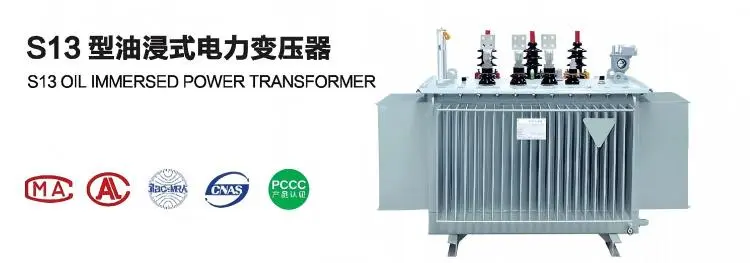
For modern power infrastructure to work, the equipment needs to be able to balance technical performance with long-term economic viability. The S13 type three-phase distribution transformer is a planned improvement over the S11 technology. It uses cold-rolled grain-oriented silicon steel sheets that are only 0.23-0.30 mm thick. This choice of material immediately lowers magnetic hysteresis losses inside the core, which means that less energy is lost when the device is not in use. The transformer has all-copper windings that are wound around this optimised core. This makes the electrical resistance very low, even when the load is high. This efficiency profile helps engineers who are building substations for solar farms or industrial parks because it means less loss, which adds up to big cost savings over 25 years of use.
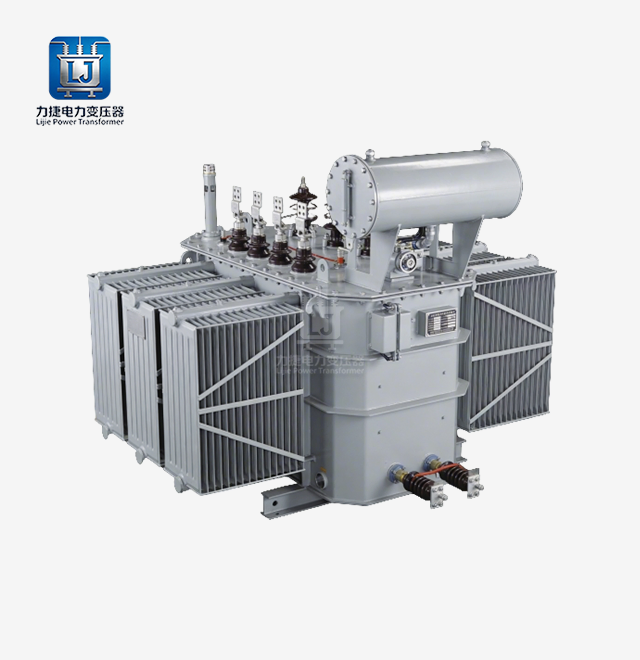
Traditional oil conservatories are not needed with the fully sealed curved oil tank because it uses flexible metal fins that expand and contract as the oil volume changes due to temperature. This design stops water from getting in and rust from happening, which are two main reasons why insulation fails in outdoor setups. This feature is useful for procurement teams working on projects in humid coastal areas or dry desert conditions because it keeps the dielectric strength without having to change oil or silica gel on a regular basis. During production, the vacuum oil-filling process makes sure that there are no air bubbles left in the insulation layers. This is a quality control measure that makes the expected service life last longer than thirty years under normal working conditions.
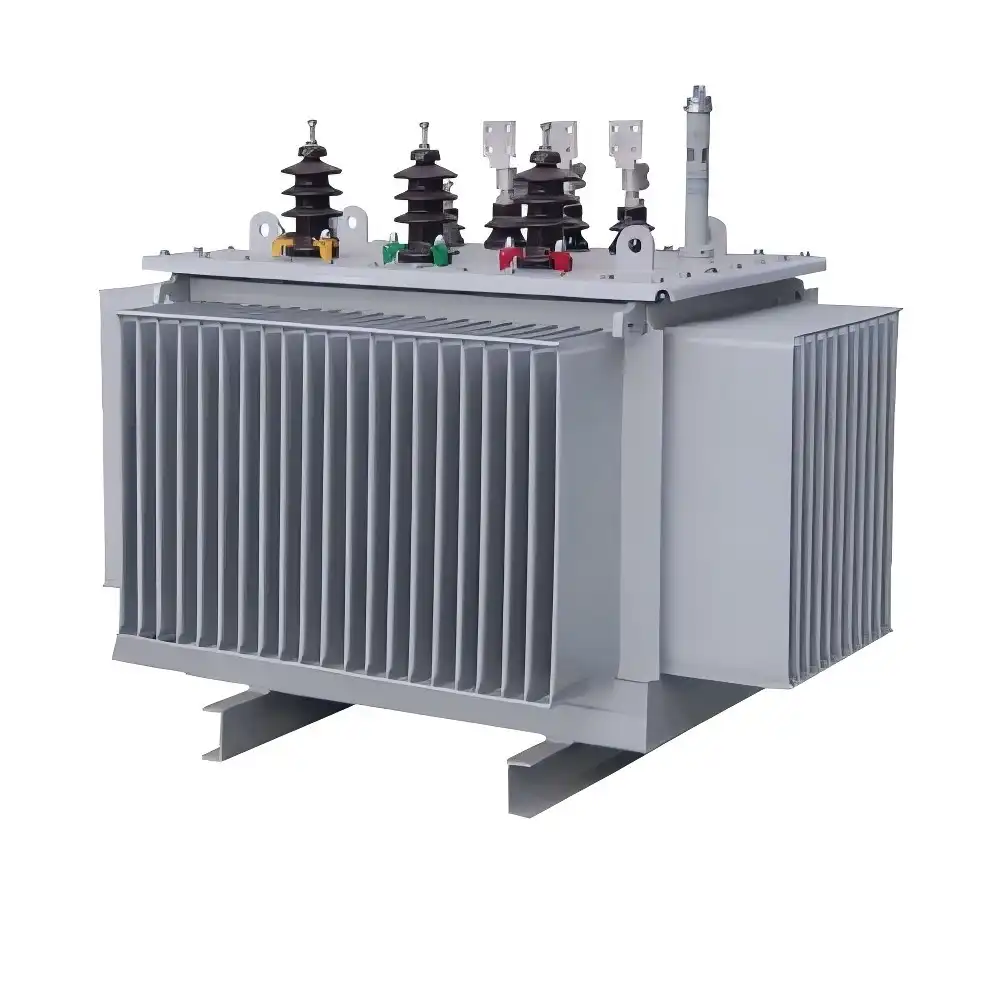
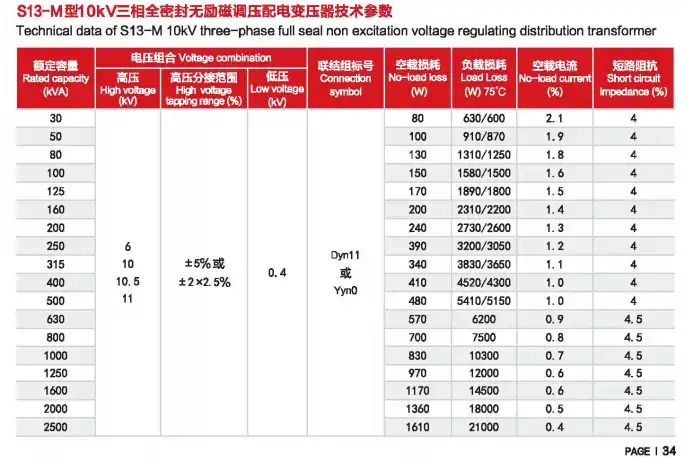
The S13 type three-phase distribution transformer product line can meet a wide range of application needs thanks to its flexible specifications. There are 6kV and 12kV primary voltage levels with normal secondary outputs that can be used. However, custom ratios can be made to meet the needs of a particular substation. Capacity ranges from 30kVA units that are good for small business settings to 3150kVA transformers that can handle loads in factories. Frequency compatibility works with both 50Hz and 60Hz systems, so you don't need to have different product lines for international projects. Connection group names are based on either the Yyno or Dyn11 configurations. The Dyn11 configuration is more popular in North American grid use because it has neutral grounding and harmonic mitigation qualities.
Tap changers let field technicians fix voltage drops in long distribution feeders without turning on the equipment. They do this by adjusting the voltage range of the S13 type three-phase distribution transformer to 5% or 2×2.5%. This non-excitation regulation method requires the transformer to be powered off before adjustment. It is ideal for applications where load patterns are predictable rather than highly variable. The tap selection mechanism uses durable mechanical contacts designed to maintain low resistance over thousands of switching cycles, ensuring that the S13 type three-phase distribution transformer consistently provides stable voltage output.
Power frequency withstand voltage can reach AC-35kV, and impulse withstand voltage can reach L1-75kV. This gives you a lot of protection against lightning hits and switching spikes that happen a lot in overhead distribution networks. The oil-immersed self-cooling method keeps the temperature stable in rooms up to 40℃, but higher temperatures can be accommodated for projects in hot or desert areas with special thermal designs. These ratings are in line with international standards like IEC60076 and GB/T10228, which makes it easier for projects to get approved by many regulatory bodies.
When you directly compare performance, you can see that upgrading from S11 to S13 type three-phase distribution transformer technology is cheaper. No-load losses drop by about 25 to 30 percent thanks to better core materials and better magnetic circuit design. Load losses also go down because the resistance of the windings goes down, and heat is better managed. For a 1000kVA transformer that runs all the time, this efficiency gain stops about 15,000 kWh of wasted energy every year. This is enough of a savings to cover the higher initial equipment costs within three to five years, based on the power rates in your area. Utilities that are in charge of hundreds of distribution transformers know that upgrading the whole fleet saves a lot of money over time and lowers carbon emissions from generation resources.
When transformers are put in close to homes or noise-sensitive industrial processes, their acoustic performance is especially important. The S13 series achieves sound levels 20% lower than the national standard JB/T10088-2004 requires by carefully stacking the laminates and taking steps to reduce vibrations. Typical working noise is still 3–5dB lower than similar S11 units. This is a difference that nearby residents can hear and is often the deciding factor when placing equipment in urban substations or business developments where community acceptance affects project timelines.
The sealed tank design of the S13 type three-phase distribution transformer completely changes the cost of upkeep by getting rid of the need for regular oil sampling, silica gel replacement, and conservator checks that were required with older transformer designs. Field service teams can focus on electrical testing and thermal imaging surveys instead of replacing consumables, which reduces both labour costs and the need to maintain an inventory of spare parts. This benefit is especially useful for remote installations serving mining operations or green energy sites, where the cost of sending a technician to service the equipment can be higher than the cost of the maintenance itself.
Checking the credentials and maturity of the quality system of the manufacturer is the first step in responsible procurement. Facilities with ISO9001:2015 certification show that their production processes are standardised, and facilities with CE and UL marks show that they meet safety standards in Europe and North America. Certifications from the International Electrotechnical Commission for 10kV and 35kV products show that S13 type three-phase distribution transformer designs meet performance standards that are known all over the world. Purchasing managers should ask for proof that these certifications are still valid and plant audit reports when they are available. This is especially important for initial supplier standards or high-volume framework agreements.
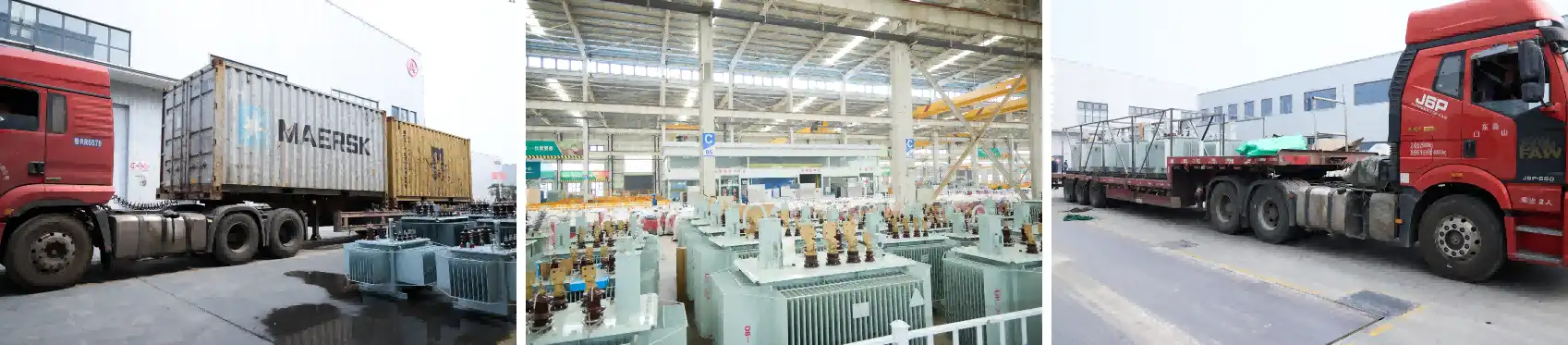
For big projects, delivery schedules need to be coordinated so that they match up with construction milestones. Companies with a lot of production space and workers can handle batch orders without lowering the quality of each individual unit. Talking about capacity needs early on in the procurement process helps suppliers assign materials and production times in the best way. Standard lead times for common specifications are 8 to 12 weeks, while custom designs may take 14 to 16 weeks to allow for engineering validation and tooling adjustments. Adding "just in case" gaps to project plans keeps expensive installation delays from happening when small changes to specifications or problems with shipping happen.
A full warranty protects investments and shows that the manufacturer is confident in the product's durability. Standard warranty periods for S13 type three-phase distribution transformer should cover flaws in the materials and work for at least 24 months after the product is put into service, with longer periods available for important uses. Besides the warranty, you should also look at the supplier's technical support infrastructure, such as the number of English-speaking engineers they have on staff, where they keep their spare parts, and how they handle field service in the areas where you do business. When there are pressing problems, suppliers with area service centers can solve them faster than those who need to send technicians from other countries.
Even sealed transformers can benefit from being looked at from the outside every so often. Checking that pressure release devices are still clear, temperature gauges are working properly, and there is no oil seepage around gasket contacts should be done every three months. Every year, thermal imaging surveys look for hotspots that could mean loose connections or localised insulation degradation. If these problems get worse, they can lead to failures. Keeping inspection logs creates historical records that can be used to estimate how much service life is left and plan when to replace transformer fleets.
Several electrical tests are combined in a comprehensive health review of the S13 type three-phase distribution transformer. Insulation resistance tests with meggers show that the separation between the windings and the ground, and between the windings, is still good. For dry, well-maintained transformers, this is usually greater than 1000 megohms. Testing the turns ratio makes sure that the quality of the voltage transformation hasn't changed because of broken tap changers or shorted turns. Through specific gas patterns, dissolved gas analysis of oil samples can show early signs of faults. However, this test is mostly useful for conservator-style transformers and not for fully sealed designs. Corona activity is found in insulation structures by partial discharge measurements, which give early warning of damage that needs fixing.
Overheating usually happens when cooling fins get clogged or when outdoor temperatures are too high and go beyond what was intended. Many thermal problems can be fixed by cutting back plants around outdoor installations and making sure there is enough air flow. Buzzing or humming sounds that aren't normal for magnetostriction may mean that the core laminations are loose or the contacts on the tap changer are failing. Taking care of these quickly stops damage from spreading to nearby parts. When insulation breaks down as measured by falling resistance, replacing or cleaning the oil at the same time stretches service life more cost-effectively than retiring equipment too soon.
When choosing distribution transformers, you have to weigh the technical specs, the cost over their entire life, and the supplier's ability to meet the needs of your project. The S13 type three-phase distribution transformer addresses the main concerns of procurement professionals and engineering teams by reducing loss in a way that has been proven to work, operating without any maintenance, and producing high-quality products that are backed by international certifications. Its better performance has real-world benefits in grid modernisation projects, integrating renewable energy, and industrial power distribution tasks where dependability and efficiency have a direct effect on making the business profitable. By comparing these transformers based on your specific voltage and capacity needs and checking the credibility of the supplier and their support infrastructure, your business will be able to make decisions that will last for decades.
Three improvements in engineering work together to make things more efficient. In the heart, cold-rolled strips of grain-oriented silicon steel cut down on magnetic losses by making the material more permeable. When current flows, resistance losses are kept to a minimum by using all-copper windings. The optimised core-winding geometry cuts down on stray flux that would cause heat without helping to transfer power. When compared to S11 designs, these improvements to the S13 type three-phase distribution transformer cut no-load losses by 25–30%.
Manufacturers can make unique primary and secondary voltage ratios that aren't in their catalogues, but they usually require a minimum order quantity to cover the costs of engineering and tooling. During the ordering process, you can change the tap range and choose different connection groups. Having in-depth application discussions with the supplier's engineering teams will make sure that the suggested changes meet your operational needs without lowering reliability or making delivery times too long.
Standard catalogue standards usually ship 8 to 12 weeks after an order is confirmed. Early interaction with suppliers to hold production capacity and secure material allocations is helpful for large batch orders, especially those that go over 50 units. For engineering validation and type testing, custom designs take an extra two to four weeks. Adding 15 to 20 percent to the schedule in case something goes wrong helps cover small changes in the design and shipping processes that happen a lot when buying tools from other countries.
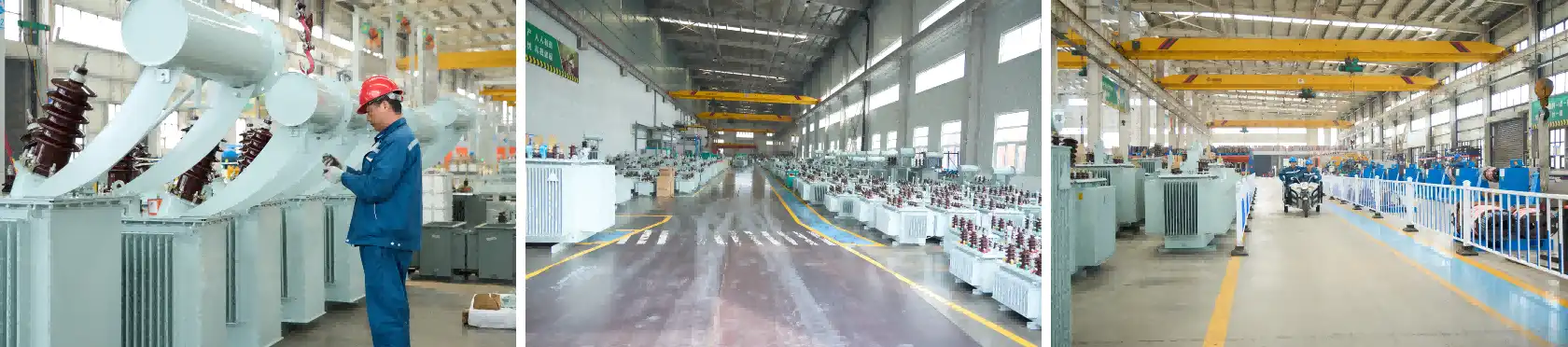
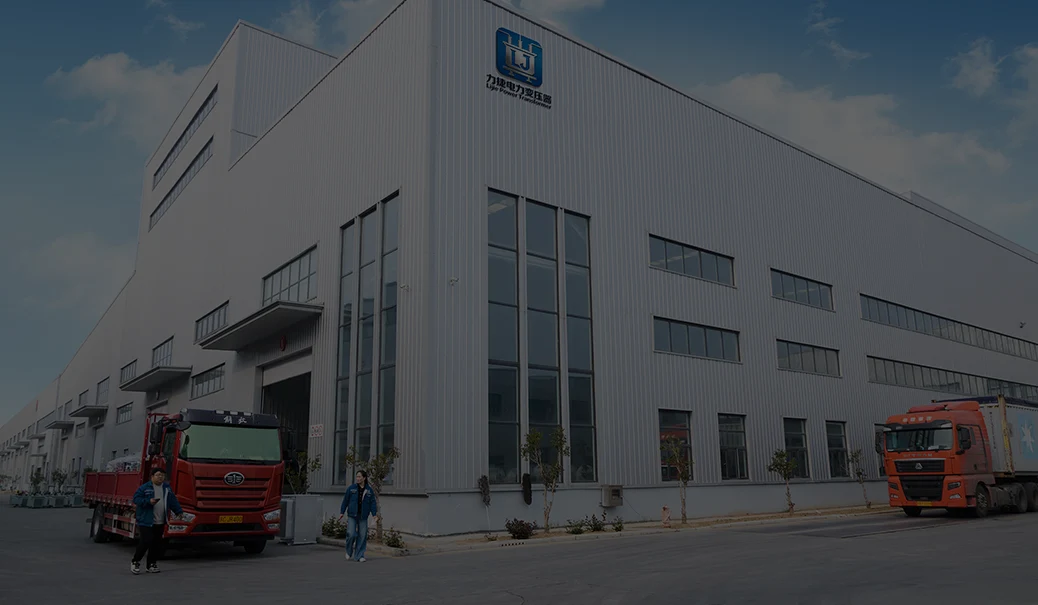
The Lijie Electric Power Technology Group runs two advanced manufacturing facilities in Xuzhou and Nantong, China. These facilities cover 500,000 square meters and hire over 2,000 professionals, including 160 engineers with advanced degrees. The National Transformer Quality Supervision and Inspection Center puts our S13 type three-phase distribution transformer line through a lot of tests. They are certified to meet global procurement standards for ISO9001:2015, CE, UL, and IEC. As a well-known manufacturer that makes over 5 billion RMB in sales every year, we can support large-scale industrial and utility projects with reliable batch supply. Our engineering team helps with technical customisation by making sure that the specifications of the transformer are best suited to your specific voltage needs and the conditions in the area. Email lijieelectrical@gmail.com to talk about the needs of your project, look over technical documentation, and get thorough quotes that fit your budget and schedule for procurement.
1. International Electrotechnical Commission. "Power Transformers – Part 1: General Standards and Requirements." IEC 60076-1:2011, Third Edition, 2011.
2. Zhang, W., and Chen, L. "Energy Efficiency Improvements in Oil-Immersed Distribution Transformers Through Advanced Core Materials." Journal of Electrical Engineering Technology, vol. 14, no. 3, 2019, pp. 1147-1156.
3. Institute of Electrical and Electronics Engineers. "IEEE Standard for General Requirements for Liquid-Immersed Distribution Transformers." IEEE C57.12.00-2015, 2015.
4. National Electrical Manufacturers Association. "Guide for Loading Mineral-Oil-Immersed Transformers and Step-Voltage Regulators." NEMA Standards Publication TP 2-2015, 2015.
5. Kumar, R., and Patel, S. "Lifecycle Cost Analysis of Modern Distribution Transformers in Utility Applications." International Journal of Power Systems Engineering, vol. 11, no. 2, 2020, pp. 78-89.
6. GB/T 10228-2015. "Power Transformers: Dry-Type and Oil-Immersed Distribution Transformers." National Standards of the People's Republic of China, 2015.
YOU MAY LIKE




12%20type%2035kV%20distribution%20transformer.webp)
April 27, 2025
With a tight project schedule, the manufacturer delivered on time, and on-site technical personnel provided guidance throughout the entire installation and commissioning process; the collaboration was highly efficient and hassle-free.
July 2, 2025
During the preliminary phase, a selection plan was custom-tailored based on the actual site load requirements, resulting in a high degree of parameter compatibility. After-sales support responds within two hours, and ongoing technical support for operation and maintenance is comprehensive; we feel completely confident in a long-term partnership.
November 18, 2025
Deployed as a supporting component for a 35kV grid-connection project at a photovoltaic power station, the equipment operates for an average of 16 hours daily. It demonstrates excellent control over no-load losses, ensures smooth power generation and grid integration, and effectively reduces the station's overall energy consumption.
January 30, 2026
Under the continuous, high-load operating conditions of a factory production line, the equipment maintains stable electrical parameters and exhibits strong overload resistance, thereby guaranteeing an uninterrupted power supply for industrial production.
April 3, 2026
Integrated as a supporting component for a new energy photovoltaic grid-connection system, the manufacturer provided professional technical coordination and timely after-sales support, ensuring seamless adaptation to the specific electrical operating conditions required for grid integration.