April 27, 2025
With a tight project schedule, the manufacturer delivered on time, and on-site technical personnel provided guidance throughout the entire installation and commissioning process; the collaboration was highly efficient and hassle-free.
Jul 11, 2026
Choosing the right distribution transformer determines whether your industrial facility operates smoothly for decades or faces costly downtime and spiraling energy bills. The S22 type three-phase full distribution transformer represents the latest generation of oil-immersed power equipment, delivering Level 1 energy efficiency under GB 20052-2024 standards—the highest rating available. This guide walks you through critical selection factors, technical comparisons, and procurement strategies designed for procurement managers, electrical engineers, and project leaders managing large-scale industrial, renewable energy, or utility projects. Whether you oversee a steel plant, solar farm, or national grid expansion, understanding what separates a reliable 30-year asset from a maintenance headache starts here. Our goal is to equip you with practical insights that align performance requirements, budget constraints, and supplier reliability, so your next transformer purchase becomes a strategic advantage rather than a source of uncertainty.
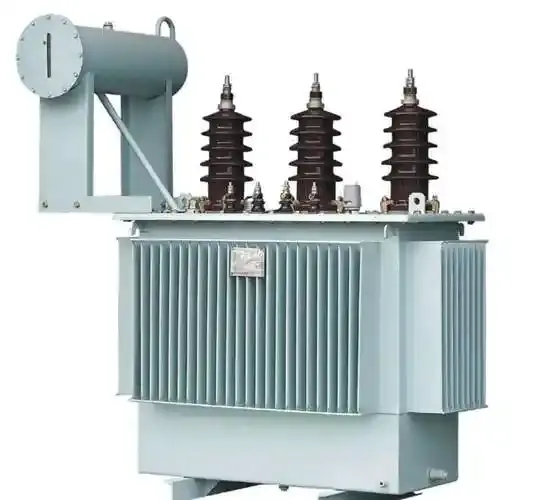
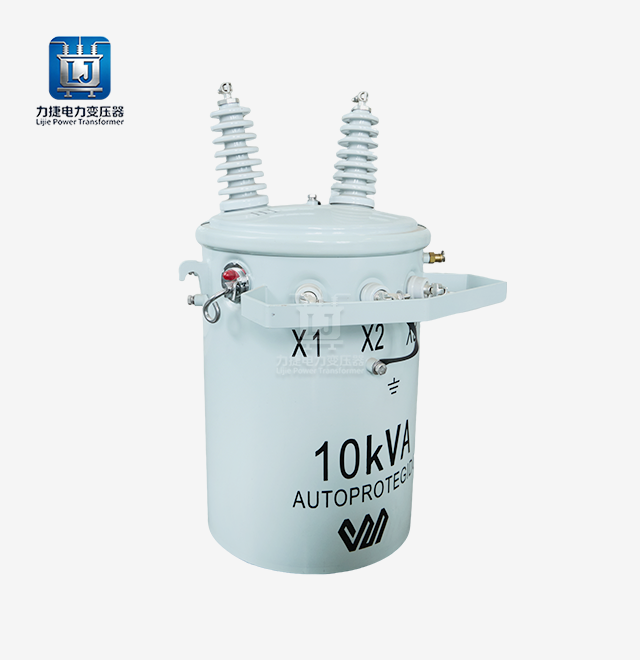
Precision engineering goes into making the S22 type three-phase full distribution transformer energy efficient. It can handle anywhere from 30 kVA to 3,150 kVA, so it can be used in industrial workshops of any size or on heavy-duty production lines. There are voltage levels of 6 kV and 12 kV, and the voltage can be regulated without excitation. The tap ranges are ±5% or ±2 2.5%, so voltage changes can be handled without stopping activities. The unit can work at both 50 Hz and 60 Hz frequencies and can adapt to different power standards around the world. This makes it suitable for international EPC projects that need to meet IEC and UL standards.
Connection group names, like Yyn0 or Dyn11, give you options for grounding setups and managing harmonics in complicated industrial settings. Power frequency withstand voltage ratings of AC-35kV and impulse withstand voltage ratings of L1-75kV make sure that the insulation levels meet strict standards. This provides strong protection against lightning surges. The oil-immersed self-cooling way gets rid of the need for mechanical cooling parts, which means less upkeep and stable operation in temperatures up to 40°C outside. These standards take care of the problems that procurement teams have in finding transformers for mission-critical equipment that are reliable, don't cost too much, and meet all the rules.
The S22 type three-phase full distribution transformer series is known for its fully sealed corrugated oil tank, which gets rid of the need for an oil cooler. With this new design, there is no longer a need to change the desiccant breather, add more oil, or lift the core. These are all jobs that normally cost a lot of money and stop operations. The corrugated tank naturally adjusts to the thermal expansion and contraction of the insulating oil through elastic deformation. This keeps the oil from coming into contact with oxygen, which speeds up the ageing process.
Inside, the core is made of silicon steel sheets that are very permeable and have stepped joints that keep magnetic hysteresis and eddy current losses to a minimum. Copper wire that doesn't contain oxygen makes up the windings. This gives them great short-circuit resistance, which is very important in industrial settings where fault currents can get very high and damage things. The noise level stays between 50 and 55 dB(A), so these generators can be put in places near homes or places that need to be quiet, like hospitals and data centers. With a design life of more than 30 years under rated conditions, the S22 unit offers long-term value that meets the needs of power companies and big industrial users who want to lower their total cost of ownership.
S22 transformers work well in many areas. In renewable energy installations, they deal with the changing harmonics and voltage that come with solar panels and wind farms. This makes power conversion stable for energy storage systems. The unit's strong construction means that it can handle dust, high temperatures, and big loads all the time without losing its performance. This makes it useful for chemical plants and steel mills. Smart grids in cities use the small size and low noise level to put them in areas with a lot of people, where space is limited, and noise rules are strict.
When you match the capacity to the load requirements, you avoid both undersizing, which can lead to overheating and failure before its time, and oversizing, which raises the initial costs and lowers efficiency at partial loads. Engineers need to figure out the transformer's high demand, power factor, and expected load growth over its 30-year life. For projects with changing loads, like mine operations, picking a unit with the right thermal overload capacity (IEC 60076-7) lets temporary spikes happen without going over temperature limits. This planned load matching, along with correct installation methods and regular checking of the oil quality, maximises the return on investment while lowering operational risks.
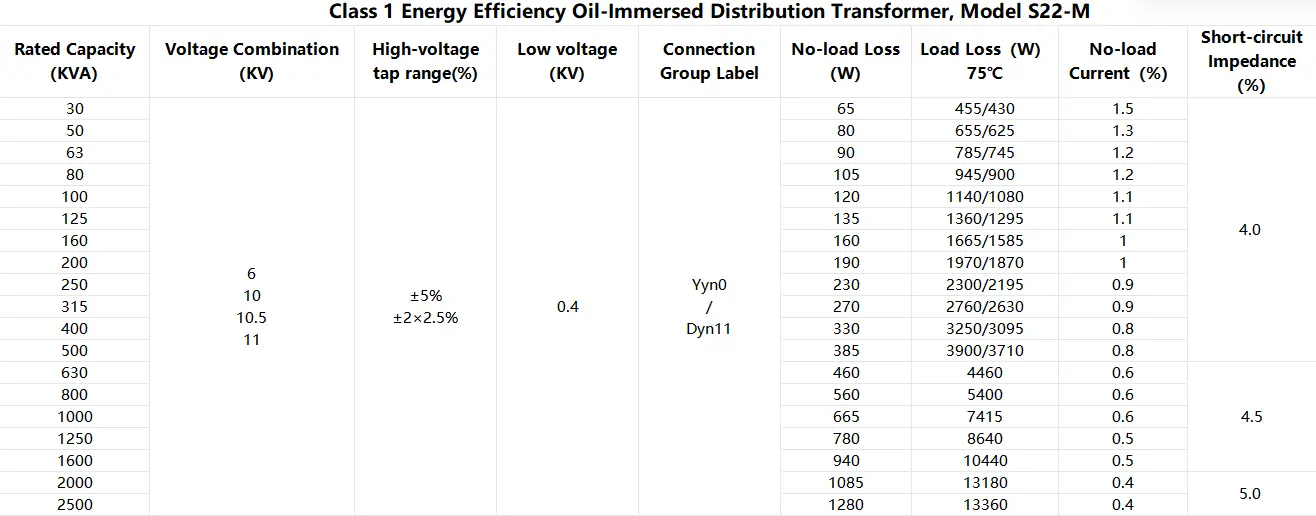
The change from S11 to S22 type three-phase full distribution transformer brings about big gains in efficiency. Older infrastructure still uses a lot of S11 transformers, but their no-load losses and operational costs are much higher than what is expected today. The S13 series added cold-rolled grain-oriented silicon steel, which made the models more efficient compared to the S11 models. But the S22 goes even further by achieving Level 1 energy efficiency. Comparative tests show that S22 units cut no-load losses by 15–25% compared to S13 models and by more than 40% compared to S11 units. This means that large transformer fleets can save a lot of energy every year.
All-copper windings in S22 transformers make them better at conducting heat and being stronger than aluminium windings that are sometimes used in cheaper S11 versions. This choice of material has a direct effect on its short-circuit withstand capability, which is an important factor for industrial settings where fault currents can happen. The fully sealed corrugated tank design gets rid of the need for maintenance tasks like checking oil levels, replacing desiccant breathers, and controlling moisture entry that are needed for S11 and S13 models with oil conservators. When procurement managers look at lifecycle costs, the S22's higher starting price quickly pays for itself through lower energy use and almost no upkeep costs over 30 years of service.
Dry-type transformers don't use oil for insulation; instead, they use air or resin. This makes them safer around fire in enclosed spaces like high-rise buildings. However, they usually have higher losses than oil-immersed units, lower lifespans because they are exposed to the environment, and less ability to handle overloads. The S22 type three-phase full distribution transformer uses an oil-immersed design that cools more efficiently, allowing it to keep running even when the temperature outside is high, while dry-type units may need to be derated under such conditions.
It's important to think carefully about the noise levels between the two systems. Dry-type transformers can make noise levels of 60 to 70 dB(A) or more, but the S22's acoustic dampening and corrugated tank structure keep noise levels below 55 dB(A). For outdoor substations where strict rules about the environment apply, this acoustic performance is very important. A study of costs shows that dry-type transformers cost more up front for the same amount of power. This means that oil-immersed S22 units are more cost-effective for large-scale utility and industrial uses, where fire safety can be improved through proper installation and zoning. The choice comes down to the specifics of the spot, but S22 transformers are the best overall value for large-capacity, long-duration operations.
Teams in charge of hiring should look at people through five lenses: how much energy they use, how much noise they make, how reliable they are, how much they cost, and how much care they need. Over the decades, energy efficiency has had a direct effect on operational costs. For example, a S22 type three-phase full distribution transformer with a 2% efficiency improvement on a 1,000 kVA unit running at 70% load saves around $3,500 a year at industrial electricity rates, which adds up to $105,000 over 30 years. Noise behaviour affects both following the rules and getting along with the community, especially for projects that are close to people.
Mean Time Between Failures (MTBF), short-circuit test results, and insulation integrity checked by partial discharge testing below 100 pC are all examples of reliability metrics. It includes the price of buying it, the cost of installing it, the cost of energy loss, the cost of maintenance labour, and the cost of getting rid of it when it's no longer useful. The sealed design of the S22 gets rid of the need for regular oil sampling and breather upkeep. This cuts lifetime costs by about 20 to 30 percent compared to other conservator designs. The amount of maintenance work directly affects how available the plant is—every hour spent on transformer maintenance means lost production. By setting priorities for these evaluation criteria and giving them different amounts of weight based on the needs of the project, engineering teams can objectively rank options and defend their choices to financial stakeholders who are interested in return on investment (ROI) and reducing risk.
The price of an S22 type three-phase full distribution transformer depends on its capacity, voltage class, customisation needs, and the number of units ordered. Standard units with a 100 to 630 kVA power range usually cost between $8,000 and $35,000. Larger units with 1,000 to 3,150 kVA power range from $45,000 to $120,000. Base prices go up by 10 to 25 percent for custom features like non-standard tap ranges, special link groups, or stronger earthquake protection. Orders of 20 or more units often get discounts of 8 to 15%, which makes centralising procurement across multiple project sites a good financial move.
When making a budget, you need to include shipping costs, import taxes, installation fees, and services for commissioning. International freight for a 1,000 kVA transformer ranges from $2,500 to $4,500, depending on where it comes from and where it's going. Customs duties vary from country to country, but are usually between 3 and 8 percent of the declared value. Installation labour and renting a crane add another $3,000 to $8,000 per unit, depending on how easy it is to get to the site and how much labour costs in the area. Smart buyers get detailed quotes that list all of the costs. This lets them compare prices accurately between sellers and keeps budgets from going over because of hidden costs. Payment terms usually include a 30% deposit, 60% before shipment, and 10% retention after successful commissioning. However, established customers with good credit can negotiate for different payment terms.
To find real S22 type three-phase full distribution transformer products, you have to check the manufacturer's qualifications and marketing permissions. Manufacturers with a good reputation have ISO 9001:2015 quality management certification, IEC 60076 type test reports from approved laboratories, and energy efficiency certificates from well-known groups such as the CQC in China or similar groups in other markets. Teams in charge of buying things should ask for conformity certificates, reports from factory inspections, and customer reference lists for at least three projects that are similar.
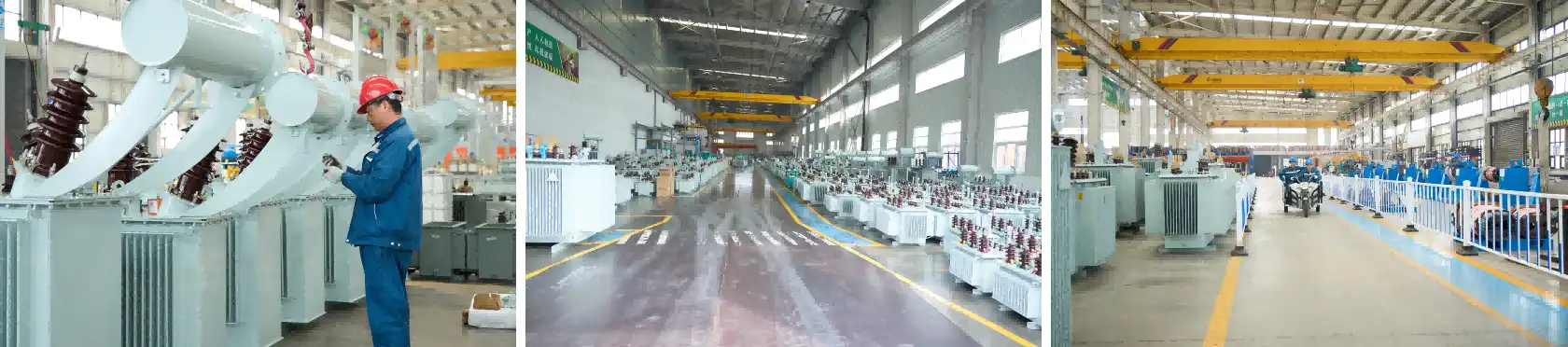
Authorised distributors have formal agreements with OEMs that protect warranties and offer technical support that independent resellers can't match. Prices that are significantly below market averages, a refusal to offer plant tours, or an inability to provide valid test results are all red flags. For big projects that need a lot of transformers, working directly with manufacturers like Lijie Electric—which has 500,000 square meters of production space and more than 160 engineering professionals—ensures a reliable supply chain and quick response times for customisation. By checking for CE, UL, and IEC certifications, you can be sure that a product meets international safety and performance standards. This protects buyers from the liability risks that come with buying low-quality equipment that might break down early or pose a safety risk.
For customs clearance, you need the right paperwork, like business bills, packing lists, certificates of origin, and certificates stating that the product meets standards. There are delays when there are mistakes in the paperwork or when there are disagreements about how to classify goods based on harmonised tariff codes. These risks are kept to a minimum by working with experienced freight forwarders who specialise in moving big electrical equipment. After delivery, thorough inspection procedures check the electrical safety, insulation resistance, winding resistance ratios, and oil dielectric strength before turning the power on. When delivery dates are coordinated with project milestones, expensive storage fees and rushed installation that lowers quality are avoided. Procurement goes from being a transactional task to a strategic skill that helps a project be finished on time and on budget when logistics management is done right.
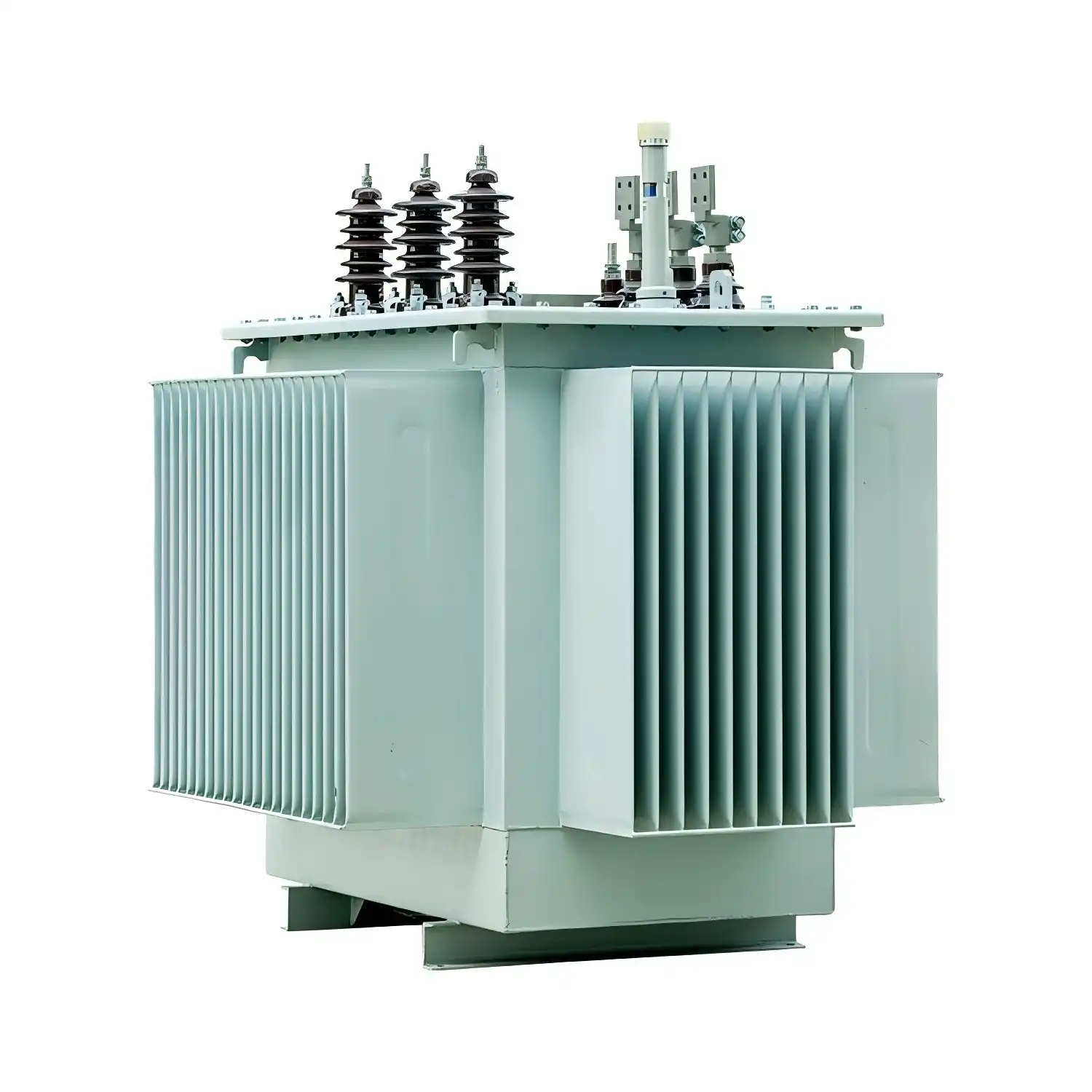
Adapting the specifications of a transformer to its actual use improves both performance and cost. When it comes to impedance voltage settings, buildings with mostly resistive loads need them more than buildings with mostly motor-heavy inductive loads. The S22 type three-phase full distribution transformer's adjustable tap range lets voltage be optimised for sites that constantly have too little or too much voltage. This lowers equipment stress and makes the power quality better. For coastal installations that are exposed to salt fog, choosing coatings that offer better corrosion protection on tanks and bushings can increase their service life by stopping rust from penetrating.
When you go above 1,000 meters, you have to change your altitude because the lower air density makes cooling less effective and lowers the dielectric strength. Overheating can be avoided by lowering the capacity by 0.5% for every 100 meters above this level. In the same way, places with very high or very low temperatures need to recalculate thermal performance. For example, installations in desert climates where the ambient temperature is above 40°C may need larger cooling fins or forced air circulation. To keep things from breaking during earthquakes, areas that are prone to them need stronger mounting structures and flexible bushing connections. By working with manufacturers early on in the design process, engineers can look at these factors and make changes that solve problems at the site without over-engineering, which keeps costs down and ensures long-term reliability.
Preparing the foundation is the first step in a proper installation of an S22 type three-phase full distribution transformer. The concrete pads must cure completely and provide level, stable support that can hold the transformer's weight plus dynamic loading while it is running. By placing the unit in the right location, you can ensure easy access for maintenance and provide sufficient airflow to dissipate heat. To prevent contacts from loosening and creating hotspots that may lead to failure, torque specifications for bushing connections must be checked with calibrated tools. Local electrical regulations require grounding systems to have resistance readings that demonstrate effective earth paths below 4 ohms.
Before turning the power on, insulation resistance is measured with a megohmmeter, coil resistance is measured to find turn-to-turn flaws, and turns ratio tests are done to make sure the tap position is correct. Dielectric breakdown voltage is measured by oil sampling. Readings below 30 kV mean that moisture is present and the oil needs to be filtered or replaced before it can be used again. Protective relaying needs to work with devices upstream and downstream to make sure that only certain devices trip when a problem occurs. When the motor is turned on with no load, the inrush current can be watched and listened for strange sound patterns that could mean the core is loosening or the windings are moving. Gradually adding load while keeping an eye on temperature rise confirms that the cooling system is working properly. Keeping track of all test results creates a standard for future diagnostic comparisons. This lets predictive maintenance methods find problems before they become catastrophic.
Even though S22 type three-phase full distribution transformer designs don't need as much maintenance as conservator designs, setting up regular inspection protocols makes assets last longer. Visual inspections are done once a year to check oil tanks for rust, bushing seals for leaks, and cooling fins for blockages. Infrared thermography finds temperature spikes that indicate poor connections or the early development of internal faults. Every three years, oil analysis checks the levels of dissolved gases. High hydrogen levels mean that arcing is happening, while high ethylene levels indicate that the oil is overheating. If the moisture level is above 35 ppm, the insulation breaks down faster, so oil filtration is necessary.
Monitoring loads with SCADA systems shows patterns that help with making decisions about operations. If you're consistently running close to your rated capacity, it means you need to either move loads around or add more capacity. Power quality meters pick up harmonics that make things age faster, which means that filters need to be installed or the associated equipment needs to be looked at. Monitoring temperature during times of high demand makes sure that the cooling system is working properly and finds de-rating needs before they become a problem. Condition-based maintenance, which responds to diagnostic indicators instead of set schedules, is the best way to spend money on maintenance because it puts resources where they are needed most. This data-driven approach, along with the S22's built-in dependability, makes it possible to achieve availability rates higher than 99.8%. This is very important for industrial processes where unplanned outages can cause huge losses in production and legal penalties.
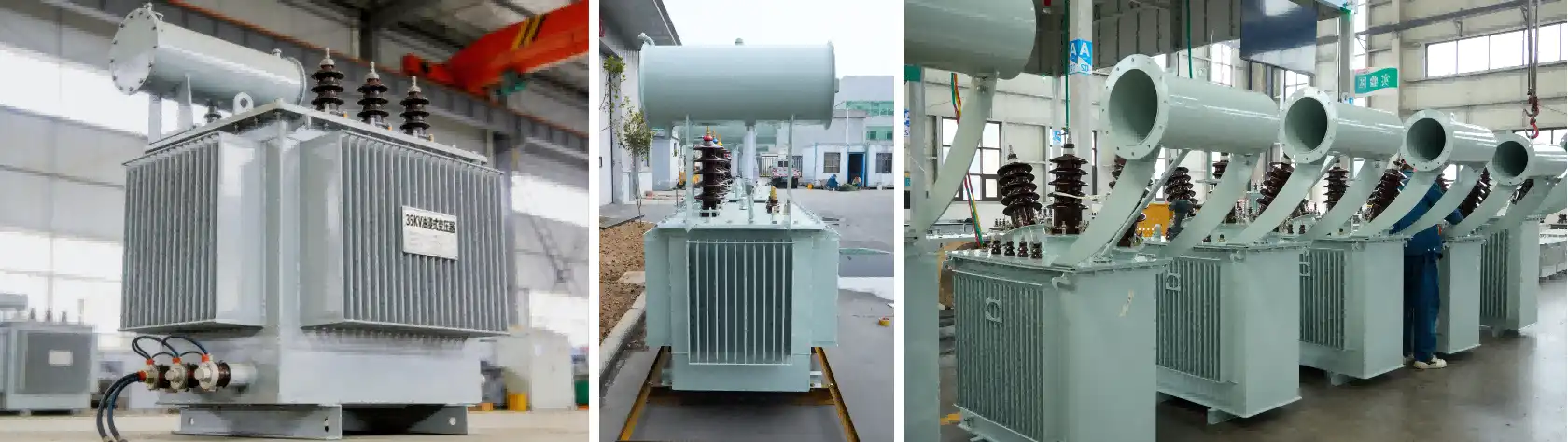
How well suppliers can handle large orders without affecting quality or delivery times is based on their production capacity. Manufacturers with more than one production line and a yearly output of more than 10,000 MVA show that they have the facilities and skills to support big projects. The qualifications of the engineering staff are important. Teams with PhDs and decades of experience designing transformers can find the best custom solutions that generic suppliers can't match. Customer examples from similar industries can help you figure out how good the after-sales support is, how quickly they can solve technology problems, and how reliable the partnership will be in the long run. When you visit a factory, you can get a first-hand look at how advanced the equipment is, how the quality control process works, and how skilled the workers are. This lets you see operational realities that marketing materials might hide.
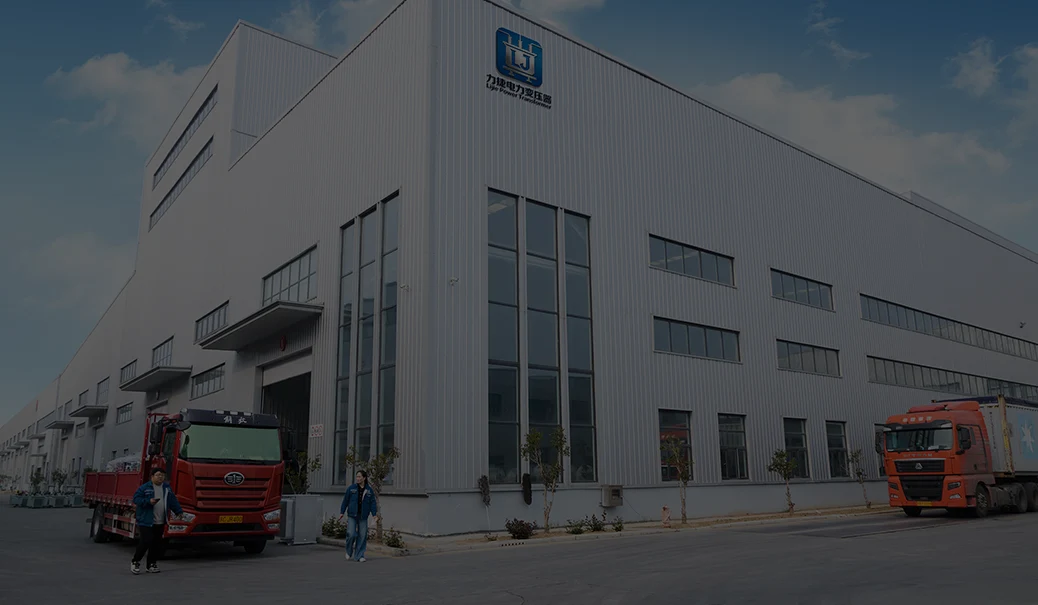
Lijie Electric is a great example of the kind of manufacturing quality and customer loyalty that procurement professionals look for in long-term partners. The company makes a wide range of products, from 35 kV distribution transformers to 500 kV ultra-high-voltage units, including the S22 type three-phase full distribution transformer. Its two main production bases are in Xuzhou and Nantong, each spanning 500,000 square meters. Lijie has more than 2,000 workers, and 160 of them are engineers with advanced degrees. This gives them the technical depth to handle complicated project needs and offer real customisation instead of small changes to standard designs.
Being named a National High-Tech Enterprise and a Specialised, Refined, and New "Little Giant" shows that the company consistently comes up with new ideas and does good work, as confirmed by independent government reviews. Certifications like CE, UL, and IEC standards compliance show that the product is suitable for global markets. ISO 9001:2015 and GB/T 27922-2021 after-sales service certifications show that the company is committed to supporting customers throughout the lifecycle of the product. Working on projects in Australia, Central Asia, Africa, and Southeast Asia as part of international projects shows that they can handle different regulatory settings and transportation problems. Lijie Electric is a reliable S22 type three-phase full distribution transformer supplier for procurement teams managing mission-critical infrastructure investments because they can make the transformers, have the technical know-how, and have done business successfully in other countries.
Changes in currencies affect the costs of foreign trade. Buyers of big items with long payment terms should think about hedging strategies. To enforce a warranty across borders, the contract must be very clear about who is responsible, how to arbitrate, and what needs to be fixed. Setting up local service partnerships fills in the support gap by allowing quick troubleshooting while taking advantage of the efficiency of international manufacturing. Hybrid approaches work well for projects with multiple installations in different regions. These methods involve getting standard units from other countries and quickly replacing them locally. The best strategy depends on the size of the project, how flexible the timeline is, and how much risk the organization is willing to take. However, more and more global procurement teams are finding that working with experienced international manufacturers who offer full support infrastructure is the best way to get the best price, quality, and dependability.
When choosing an S22 type three-phase full distribution transformer, you have to weigh the technical specs, the trustworthiness of the seller, and the cost over the product's lifetime. There are three main problems in industrial procurement: reliability, cost control, and operational continuity. The S22 solves these problems with its Level 1 energy efficiency, fully sealed, maintenance-free design, and 30-year lifespan. When engineering teams know about capacity matching, environmental adaptations, and the right way to commission equipment, they can make decisions that protect infrastructure investments with confidence. Aside from price, other things that are taken into account when choosing a supplier are the ability to manufacture, the validity of certifications, and the commitment to service. The tips in this article will help you make sure that your procurement goes smoothly, whether you're in charge of installing renewable energy, expanding heavy industries, or updating the utility grid. They will help you turn technical requirements into operational excellence and financial value that will last for decades.
If you place an S22 type three-phase full distribution transformer correctly and check on it regularly, it should last longer than 30 years under normal working conditions. The fully sealed curved tank stops oil from oxidising and water from getting in, which are the main ways that traditional designs break down. High-quality insulation paper and oxygen-free copper windings keep the temperature from dropping, even when the circuit is temporarily overloaded. The actual service life depends on the load profile, the environment, and the quality of maintenance, but field data from similar sealed designs shows that units can last 35 to 40 years before they need major repairs.
The S22 meets GB 20052-2024 Level 1 efficiency, which means that it has 15–25% less no-load losses than S13 models and over 40% less than S11 transformers. This means big practical savings: a 1,000 kVA unit that runs all the time saves about $3,500 a year on energy costs compared to S13 versions. When these savings are spread out over transformer fleets and 30-year lifespans, the return on investment (ROI) from efficiency gains is much higher than the original price premiums.
Customisation options include tap ranges that aren't standard, special connection groups, better seismic reinforcement, coatings for tropical climates, and changes to the altitude de-rating. Manufacturers like Lijie Electric have engineering teams that look at the needs of each site and find the best specifications. Custom units have longer lead times (2–4 weeks) than normal configurations, but for difficult uses, the improved performance and lower risk make this investment worth it. When manufacturers talk about requirements early on in the planning process, they can come up with cost-effective solutions that meet real needs without being too specific.
For 50 years, Lijie Electric has been making high-quality transformers. They can help you with your next industrial power project. Our S22 type three-phase full distribution transformers are fully certified by IEC, CE, and UL and are Level 1 energy efficient. They also don't need to be maintained. We offer unique solutions that meet the exact needs of your application, thanks to our 500,000 square meters of state-of-the-art production space and over 160 engineering pros. Our proven international project experience and quick technical support help procurement teams that are in charge of expanding utilities, installing renewable energy sources, or heavy industry projects. Get in touch with our expert team at lijieelectrical@gmail.com to talk about your unique needs and find out how our certified S22 transformers can give your system the dependability and efficiency it needs. As a reliable company that makes S22 type three-phase full distribution transformers, we are ready to help your project succeed from the very beginning, when you give us the specifications, until it has been running smoothly for decades.
1. International Electrotechnical Commission, "IEC 60076-1: Power Transformers – Part 1: General," Edition 3.0, 2011.
2. National Standards of the People's Republic of China, "GB 20052-2024: Minimum Allowable Values of Energy Efficiency and Energy Efficiency Grades for Three-Phase Distribution Transformers," 2024.
3. Institute of Electrical and Electronics Engineers, "IEEE C57.12.00: Standard for General Requirements for Liquid-Immersed Distribution, Power, and Regulating Transformers," 2015.
4. Electric Power Research Institute, "Guide for Life Extension and Condition Assessment of Oil-Filled Distribution Transformers," Technical Report 1021701, 2018.
5. Harlow, James H., "Electric Power Transformer Engineering, Third Edition," CRC Press, Boca Raton, 2017.
6. Asian Development Bank, "Technical Guidelines for Power Distribution Systems: Transformer Selection and Application," Infrastructure Development Publication Series, 2020.
YOU MAY LIKE
10%20type%2035kV%20transformer.webp)
18%20type%2035KV%20power%20transformer.webp)
11%20type%2035KV%20dry-immersed%20transformer_1778136495348.webp)

11%20Epoxy%20Resin%20Cast%20Dry-Type%20Transformer.webp)


April 27, 2025
With a tight project schedule, the manufacturer delivered on time, and on-site technical personnel provided guidance throughout the entire installation and commissioning process; the collaboration was highly efficient and hassle-free.
July 2, 2025
During the preliminary phase, a selection plan was custom-tailored based on the actual site load requirements, resulting in a high degree of parameter compatibility. After-sales support responds within two hours, and ongoing technical support for operation and maintenance is comprehensive; we feel completely confident in a long-term partnership.
November 18, 2025
Deployed as a supporting component for a 35kV grid-connection project at a photovoltaic power station, the equipment operates for an average of 16 hours daily. It demonstrates excellent control over no-load losses, ensures smooth power generation and grid integration, and effectively reduces the station's overall energy consumption.
January 30, 2026
Under the continuous, high-load operating conditions of a factory production line, the equipment maintains stable electrical parameters and exhibits strong overload resistance, thereby guaranteeing an uninterrupted power supply for industrial production.
April 3, 2026
Integrated as a supporting component for a new energy photovoltaic grid-connection system, the manufacturer provided professional technical coordination and timely after-sales support, ensuring seamless adaptation to the specific electrical operating conditions required for grid integration.