April 27, 2025
With a tight project schedule, the manufacturer delivered on time, and on-site technical personnel provided guidance throughout the entire installation and commissioning process; the collaboration was highly efficient and hassle-free.
Jul 17, 2026
The S11 type three-phase oil-immersed distribution transformer is the most important part of modern power distribution systems in utility networks, renewable energy installations, and factories. At its core, this device uses electromagnetic induction to change high-voltage electricity from primary distribution lines, which are usually at 6kV or 12kV, into usable secondary voltages. At the same time, the insulating oil around the device cools the internal parts and stops them from breaking down electrically. This guide talks about the technical, operational, and purchasing issues that electrical engineers, purchasing managers, and project coordinators need to think about when they need reliable voltage transformation equipment that can last 10 to 30 years under continuous load conditions.
If you are in charge of a steel plant that needs to handle heavy loads, a utility-scale solar integration project, or infrastructure development that needs IEC-compliant equipment, you need to know how these transformers work so that your power system meets its reliability goals and avoids costly downtime. We look at the working processes, care routines, and buying strategies that make the difference between installations that work well and ones that don't.
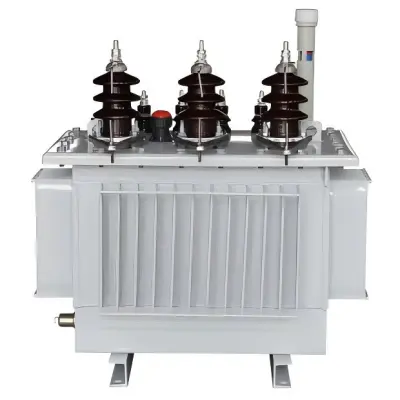
In order to understand how S11 type three-phase oil-immersed distribution transformers work, three-phase electricity comes into the transformer through high-voltage bushings that are linked to the primary winding. The primary winding has a silicon steel core that is wrapped around it. This core, which is made of S11 type three-phase oil-immersed distribution transformer series cold-rolled grain-oriented electrical steel, makes a closed magnetic circuit with very low hysteresis losses. When alternating current flows through the primary coils, it creates a magnetic flux that changes over time and goes through the core material. It then connects with the secondary winding, which is wrapped around the same magnetic path. Faraday's law of electromagnetic induction says that this changing flow causes voltage in the secondary coil that is equal to the number of turns between the primary and secondary windings. This allows for precise voltage changes even when the circuits are not touching each other.
The S11 type three-phase oil-immersed distribution transformer designation is a big step up in efficiency over older S9 designs because it uses high-permeability silicon steel, which cuts no-load losses by about 15 to 20 percent. This improvement directly answers complaints from utilities and businesses about wasted energy during off-peak hours, when transformers stay on but don't carry much load.
Mineral oil inside the covered rectangular tank does two very important things. As a dielectric medium, it keeps the breakdown strength above 30kV/2.5mm and prevents electricity from flowing between the windings and between live parts and the grounded tank structure. Because the oil is so good at moving heat, it naturally creates convection currents. The warmer oil rises from the hot core and winds to the tank walls, where corrugated radiator fins release thermal energy into the air. The cooler oil then falls back down to receive more heat.
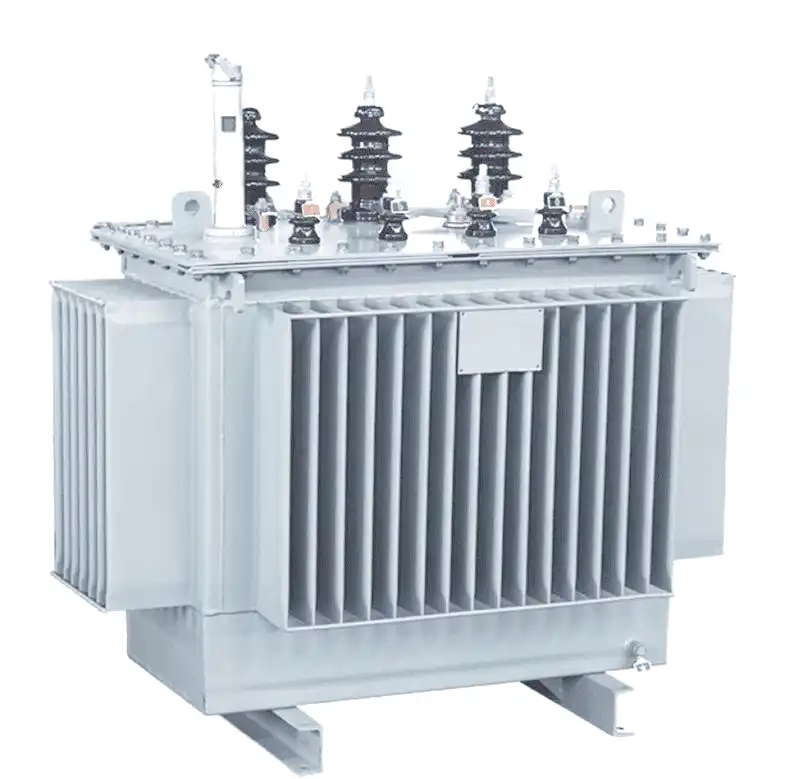
The fully sealed curved design gets rid of the standard conservator tank and silica gel breather system. This keeps water and oxygen from getting in, which breaks down oil and cellulose insulation. This hermetic sealing makes repair periods longer for S11 type three-phase oil-immersed distribution transformers, from 3–5 years for older designs to 15–20 years. This has a direct effect on the total cost of ownership for procurement teams that are looking at lifecycle costs.
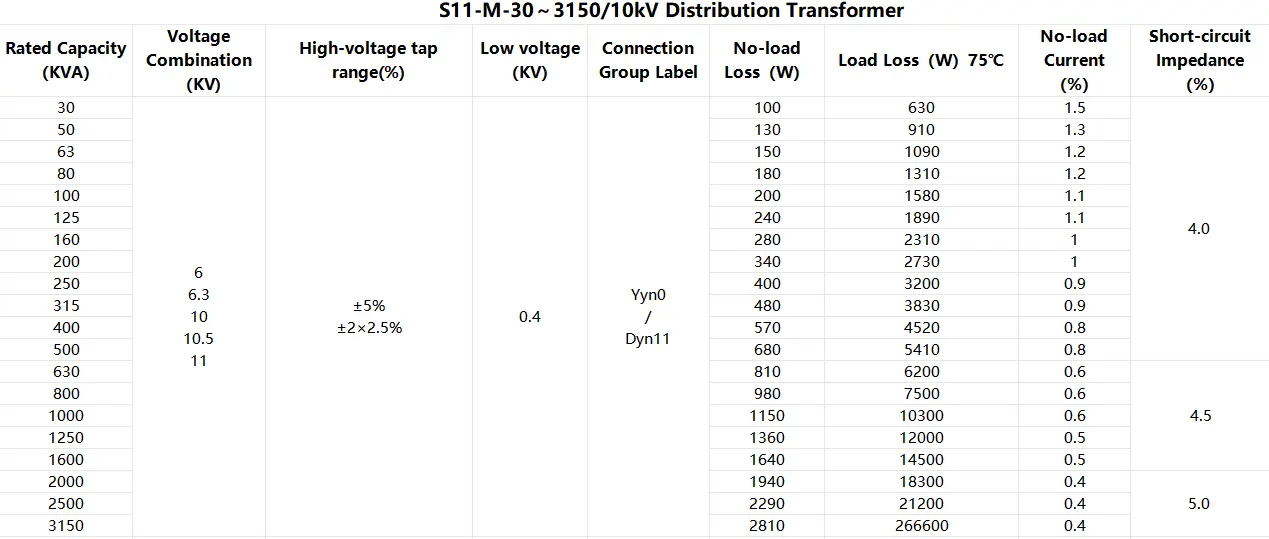
Off-circuit tap switches in S11 type three-phase oil-immersed distribution transformers change the effective turns ratio to account for changes in the input voltage. With the standard ±5% tap range and ±2×2.5% intermediate positions, technicians can keep the secondary voltage within ±2.5% of nominal values, even when the primary voltage changes, which can happen on long rural feeders or heavily loaded urban networks. During shutdowns, workers move the tap selector by hand to connect different main winding segments. This changes the voltage transformation ratio to fit the conditions of the local grid. This non-excitation regulating method, which needs short power cuts for setup, avoids the complexity and failure modes of on-load tap changers, making it more reliable over time in situations where load curves stay mostly stable.
The S11 type three-phase oil-immersed distribution transformer series has 20–30% less no-load losses than the S9 series because the core design has been improved, and quality electrical steel has been used. A 1000kVA S11 type three-phase oil-immersed distribution transformer usually has no-load losses of less than 1300W, while the same-sized S9 units have losses of 1700W. At today's utility electricity rates, this adds up to $15,000 to $25,000 in lower operating costs per transformer over a 20-year service life. This is a strong reason for procurement managers to weigh capital expenditure against lifecycle value.
Better design of the copper windings and less eddy current effects also lowers load losses. The mix makes S11 type three-phase oil-immersed distribution transformers a good choice when looking at energy efficiency standards for LEED-certified buildings, renewable energy project energy efficiency standards, or utility demand-side management programs that credit low-loss equipment.
In traditional designs, oil oxidation and moisture contamination happen because the tank is exposed to the air. The hermetically sealed corrugated tank keeps these things from happening. The cellulose paper insulation around the copper windings keeps its dielectric strength and mechanical integrity even after decades of temperature cycling because oxygen can't get through it. Field data from installations in coastal and humid tropical areas shows that S11 type three-phase oil-immersed distribution transformers can work for 15 years or more without oil treatment or replacement. This is longer than the 3 to 5 years that open-breathing transformers usually need oil reconditioning.
This durability is especially helpful for mining operations that are far away, offshore platform substations, and rural electrification projects, where getting to maintenance sites would cost a lot. When procurement teams look at the total cost of ownership, they should take into account that less upkeep means less labour, materials, and breaks for production.
The oil-immersed natural cooling (ONAN) method can handle constant rated loads without the need for forced ventilation or cooling systems outside the building. The curved tank surface has 40–60% more radiating area than flat-walled tanks of the same size. This keeps the top oil temperature rise below 55K at full load in 40°C outdoor conditions. This thermal cushion lets short-term overloads of up to 130% of nameplate capacity happen during peak demand times without shortening the life of the insulation. This is a very important feature for industrial buildings that have high-power processes that happen on and off, like arc furnaces or starting big motors.
Making things that meet IEC 60076 standards makes sure that they can be bought all over the world, and UL and CE certifications make it easier for projects to get approved in North America and Europe. The insulation system can handle 35kV power frequency voltage and 75kV lightning impulse voltages. This meets the requirements set by utilities for equipment that is placed on overhead power lines and could be affected by weather overvoltages. Buchholz switches and pressure relief devices protect against internal faults by automatically separating damaged units before they fail catastrophically. The sealed tank design naturally lowers the risk of fire compared to open-breathing types because it keeps the oil's surface from coming into contact with sources of burning.
Visual inspections should be done every three months to record the oil level in the sight glass, make sure the pressure gauge readings stay within normal limits, and look for oil seepage at the bases of gaskets or gasket surfaces. Infrared thermography is done once a year during times of high load to find hot spots that could mean broken connections, worn-out insulation, or blocked cooling paths before they fail. Vibration analysis finds loose core clamping or winding displacement caused by mechanical stresses that go through a fault.
The sealed design greatly extends the time between oil changes, but critical installations still need to be tested regularly. Every three to five years, a test called Dissolved Gas Analysis (DGA) can find the first signs of a problem by looking at specific gas patterns. For example, hydrogen and methane show partial release, while ethylene and acetylene show thermal breakdown. Breakdown voltage tests show that the dielectric strength stays above 30kV/2.5mm. To keep the insulation from breaking down, the moisture content should stay below 35ppm. If the acidity is less than 0.15 mg KOH/g, it means that oil oxidation is still under control. Many S11 type three-phase oil-immersed distribution transformers work for fifteen to twenty years before they need to be treated with oil.
Condition-based tracking makes it less likely that mission-critical apps will go down without warning. Real-time thermal profiling is possible with fibre optic sensors embedded in windings that monitor the temperature all the time. This allows for dynamic load management that makes the most of the capacity without speeding up ageing. Annual power factor testing measures the state of the insulation by measuring its capacitance and loss factors. This creates moving data that can predict when the insulation will fail years before it actually does.
When you work with authorised service centers, you can be sure that the technicians have the right training from the manufacturer to do diagnostics and repairs. Lijie Electric's global service network ensures quick response times for emergencies and planned maintenance support that keeps assets working longer and in line with warranties.
Dry-type transformers don't have the fire risk that comes with flammable liquids, and they can be installed indoors near occupied areas. However, they have a lower overload capacity and higher working temperatures that speed up the ageing of the insulation. The 150°C hot spot limit in dry designs is higher than the 98°C limit in oil-immersed units. This means that dry types are only expected to last 15–20 years, while properly kept S11 type three-phase oil-immersed distribution transformers can last 30 years or more. Dry-type units cost 30–40% more at first and take up more space because they need more room for air.
The S11 type three-phase oil-immersed distribution transformer that is submerged in oil works great in outdoor substations, dusty or corrosive industrial settings, and situations where speed is key. Dry-type transformers work well in building vault placements where fire safety rules don't allow oil-filled equipment, and their shorter replacement cycles work with the plans of building renovations.
To compare S11 type three-phase oil-immersed distribution transformers to other technologies, you have to look at their initial purchase price, installation costs, energy losses that are capitalised over the product's life, and maintenance costs. Depending on the specs, a 1000kVA S11 type three-phase oil-immersed distribution transformer costs between $12,000 and $18,000 FOB, while dry-type units of the same size cost between $16,000 and $24,000. Capitalised energy losses over 25 years at $0.08/kWh add $28,000 for S11 type three-phase oil-immersed distribution transformers compared to $35,000 for less efficient options; the lifetime cost benefit is more than $15,000, even though dry-type maintenance needs are lower.
This analysis works better in places where electricity costs a lot or where carbon pricing systems punish equipment that isn't using carbon efficiently. For renewable energy projects that want to get green financing or government incentives, S11 type three-phase oil-immersed distribution transformers may be necessary to meet program efficiency thresholds that allow them to get better funding terms.
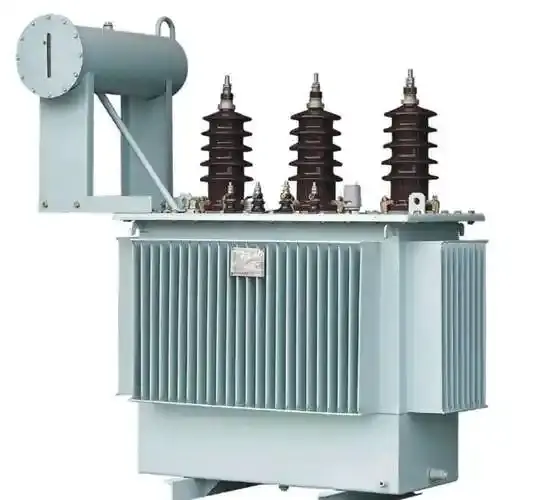
Setting electrical parameters is the first step in choosing the right S11 type three-phase oil-immersed distribution transformer. With the right voltage class safety margin, the primary voltage should meet the standards of the utility supply, which are usually 12.47kV for North American markets or 11kV for foreign markets. When deciding on capacity, it's important to look at both the current load and the growth expected over the next 10 years. At the same time, the system needs to be able to run efficiently at loads between 40 and 80% of its nameplate rate. Impedance voltage selection strikes a balance between the need to limit short-circuit current and the need to regulate voltage. Typical impedance voltage ranges from 4% for distribution uses to 6% for industrial setups that put fault current reduction first.
The connection group name affects how well the system grounds and how well it handles harmonics. The Dyn11 configuration is standard for utility applications because it has neutral point grounding options and stops triplen harmonics. When there are equal three-wire loads in industry, the Yyn0 setup works well. If you choose the wrong connection group, manufacturers can't change finished units without rewinding them all the way around, which causes costly delays.
Buying from well-known companies that have ISO 9001:2015 certification, IEC product compliance, and a history of on-time delivery lowers the risk of the project. Check that the facility's capacity specifications show that production capacity is higher than what is needed for the order. Lijie Electric's 500,000-square-meter manufacturing footprint and more than 2,000 employees support large-scale framework agreements with consistent quality across production batches. Ask for type test results from approved labs that show that the product meets the requirements for no-load loss, resistance voltage tolerances, and temperature rise limits. Suppliers who offer full warranties (usually for two years after the product is put into use) show that they are confident in the product's reliability.
Manufacturers that sell to foreign markets keep licenses that go beyond IEC compliance. CE marking lets goods come from the European Union, and UL listing meets North American electricity standards. Products going to be used in Australian projects need to be checked for compliance with Standards Australia. Using S11 type three-phase oil-immersed distribution transformer suppliers with a history of certification speeds up project approvals and lowers the risk of not following the rules.
S11 type three-phase oil-immersed distribution transformers with 1000kVA to 2000kVA of power weigh between 3,000 kg and 6,000 kg and need to be shipped in a special way that protects them from shock. When you need to ship more than 10 units, ocean freight lead times of 30 to 45 days are reasonable because of economies of scale. Air freight can meet urgent replacement needs, but at 5–10 times the cost of surface transport, it should only be used in emergencies.
Manufacturers who have exported goods before provide the right paperwork, like business invoices, packing lists, certificates of origin, and conformity statements, to avoid delays at customs. To make sure that delivery dates don't clash with building milestones, you need to know how long it will take to get the goods from the place where they were ordered (12–16 weeks for standard specs) to where they need to be (20–24 weeks for customised designs that need engineering changes).
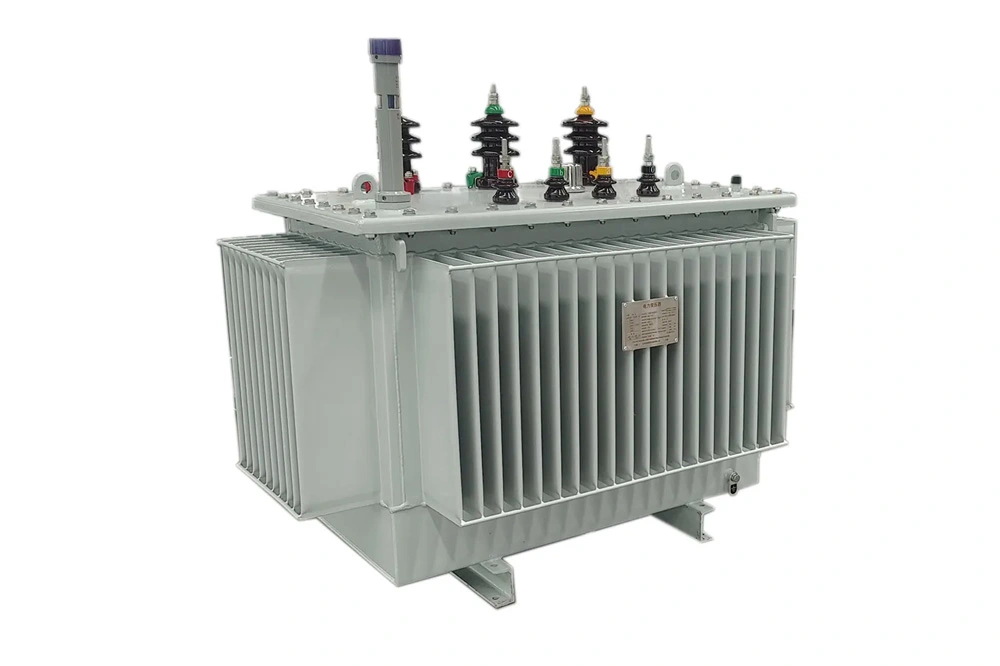
The S11 type three-phase oil-immersed distribution transformer changes voltage reliably in a wide range of settings, from utility substations to industrial plants and renewable energy projects. It is a stable technology that has been used in the field for a long time. Its working principle is electromagnetic induction in a sealed oil-cooled environment. It meets the needs of infrastructure projects for 20–30 year operating spans in terms of efficiency and service life. When comparing initial cost to lifecycle value, procurement decisions always favour S11 type three-phase oil-immersed distribution transformer designs when they are properly defined and come from qualified makers. When engineers and procurement teams understand the technical basics, upkeep needs, and source qualification standards outlined here, they can build power distribution infrastructure that meets performance goals while keeping the total cost of ownership as low as possible.
When properly cared for, S11 type three-phase oil-immersed distribution transformers usually have work lives of 30 to 35 years because the sealed tank design keeps oil from breaking down and wetness from getting in. Units that work in controlled environments and have their conditions checked regularly have operational histories that go back more than 40 years. Normal designs can only last 20 to 25 years because of the insulation breaking down from moisture in the air. The airtight seal gets rid of this problem.
The fully sealed corrugated tank doesn't need to have oil filtration or silica gel breathers replaced as often as open-breathing designs do. This saves 60–70% on maintenance costs over the life of the equipment. For important systems, oil testing should still be done every three to five years, but many S11 type three-phase oil-immersed distribution transformers work for fifteen to twenty years before they need to be treated with oil. This longer service interval cuts down on repair work, prices for supplies, and system downtime by a large amount.
The sealed oil-immersed design works accurately in temperatures ranging from -40°C to -25°C without any changes. For sites in the Arctic that are below -25°C, selecting low-temperature oil types keeps the dielectric properties and flow of fluids. Coastal and high-humidity areas benefit from the sealed construction, which stops salt fog and moisture from getting inside and rusting parts in open-breathing designs.
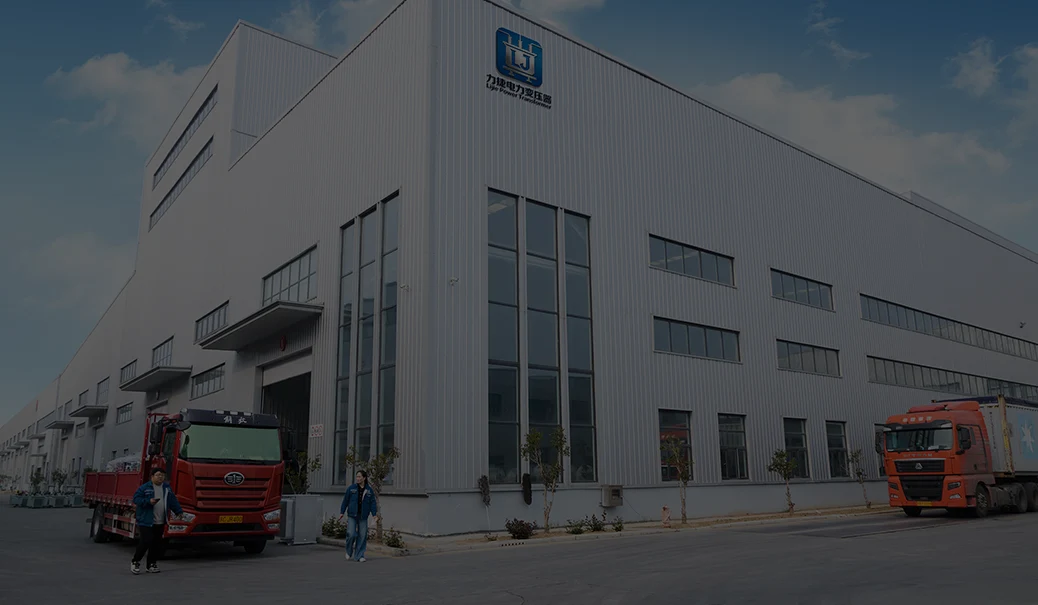
The Lijie Electric Power Technology Group makes a wide variety of S11 type three-phase oil-immersed distribution transformers with capacities ranging from 30kVA to 3150kVA. These transformers are designed to meet strict IEC, CE, and UL standards. Our Xuzhou and Nantong facilities, which are both ISO 9001:2015 qualified, cover 500,000 square meters and have dedicated production lines for both making quick prototypes and meeting large-volume framework deals. We provide custom S11 type three-phase oil-immersed distribution transformer solutions to national grid operators, renewable energy developers, industry makers, and EPC companies in over 20 countries. These solutions are made to fit the voltage, connection, and environmental needs of each project.
To talk about your needs for power distribution equipment, email our technical sales team at lijieelectrical@gmail.com. We offer detailed engineering specifications, factory acceptance testing coordination, and full after-sales support for as long as your equipment is in use, whether you need to replace a single unit or a whole substation with hundreds of transformers. You can look at our full line of products at lijie-electrical.com or get quotes for your future jobs there.
1. International Electrotechnical Commission. IEC 60076-1:2011 Power Transformers - Part 1: General. Geneva: IEC Publications, 2011.
2. McLaren, P.G. and Abdel-Salam, M. Transformer Engineering: Design, Technology, and Diagnostics. 2nd ed. Boca Raton: CRC Press, 2012.
3. Heathcote, Martin J. The J&P Transformer Book: A Practical Technology of the Power Transformer. 13th ed. Oxford: Newnes Press, 2007.
4. Kulkarni, S.V. and Khaparde, S.A. Transformer Engineering: Design and Practice. New York: Marcel Dekker Publishing, 2004.
5. Institute of Electrical and Electronics Engineers. IEEE C57.12.00-2015 Standard for General Requirements for Liquid-Immersed Distribution, Power, and Regulating Transformers. New York: IEEE Standards Association, 2015.
6. Harlow, James H. Electric Power Transformer Engineering. 3rd ed. Boca Raton: CRC Press, 2017.
YOU MAY LIKE
12%20type%20epoxy%20resin%20cast%20transformer.webp)


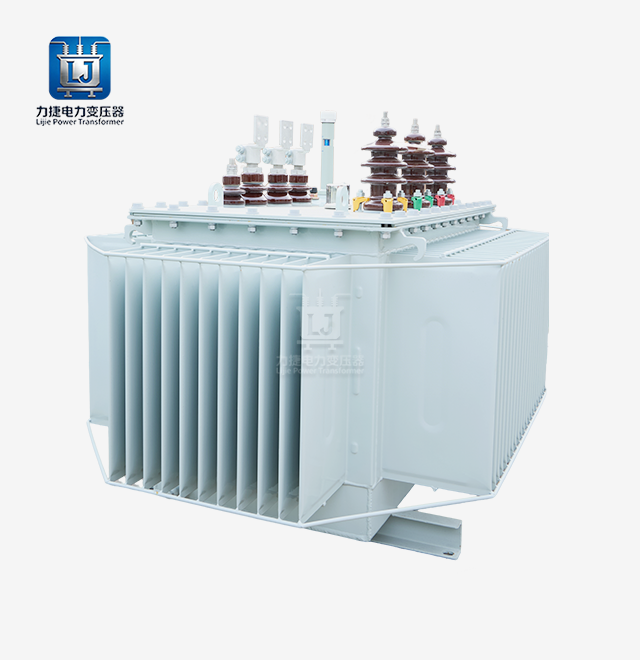


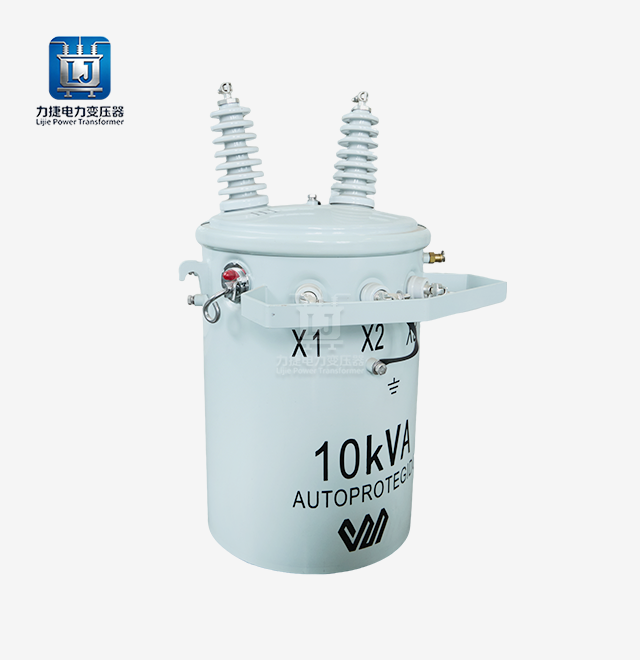
April 27, 2025
With a tight project schedule, the manufacturer delivered on time, and on-site technical personnel provided guidance throughout the entire installation and commissioning process; the collaboration was highly efficient and hassle-free.
July 2, 2025
During the preliminary phase, a selection plan was custom-tailored based on the actual site load requirements, resulting in a high degree of parameter compatibility. After-sales support responds within two hours, and ongoing technical support for operation and maintenance is comprehensive; we feel completely confident in a long-term partnership.
November 18, 2025
Deployed as a supporting component for a 35kV grid-connection project at a photovoltaic power station, the equipment operates for an average of 16 hours daily. It demonstrates excellent control over no-load losses, ensures smooth power generation and grid integration, and effectively reduces the station's overall energy consumption.
January 30, 2026
Under the continuous, high-load operating conditions of a factory production line, the equipment maintains stable electrical parameters and exhibits strong overload resistance, thereby guaranteeing an uninterrupted power supply for industrial production.
April 3, 2026
Integrated as a supporting component for a new energy photovoltaic grid-connection system, the manufacturer provided professional technical coordination and timely after-sales support, ensuring seamless adaptation to the specific electrical operating conditions required for grid integration.