April 27, 2025
With a tight project schedule, the manufacturer delivered on time, and on-site technical personnel provided guidance throughout the entire installation and commissioning process; the collaboration was highly efficient and hassle-free.
Jul 10, 2026
When procurement managers and electrical experts need to find solid power distribution equipment, it can be hard to find manufacturers that can meet both their technical and business needs. The SCZB10 type power transformer is a unique option made for situations where the voltage needs to be regulated all the time without any breaks in service. This transformer is a three-phase epoxy resin cast dry-type unit that can change the load tap and is made with foil windings. It meets important needs in urban infrastructure, industrial facilities, and renewable energy installations that can't risk voltage stability or fire safety.
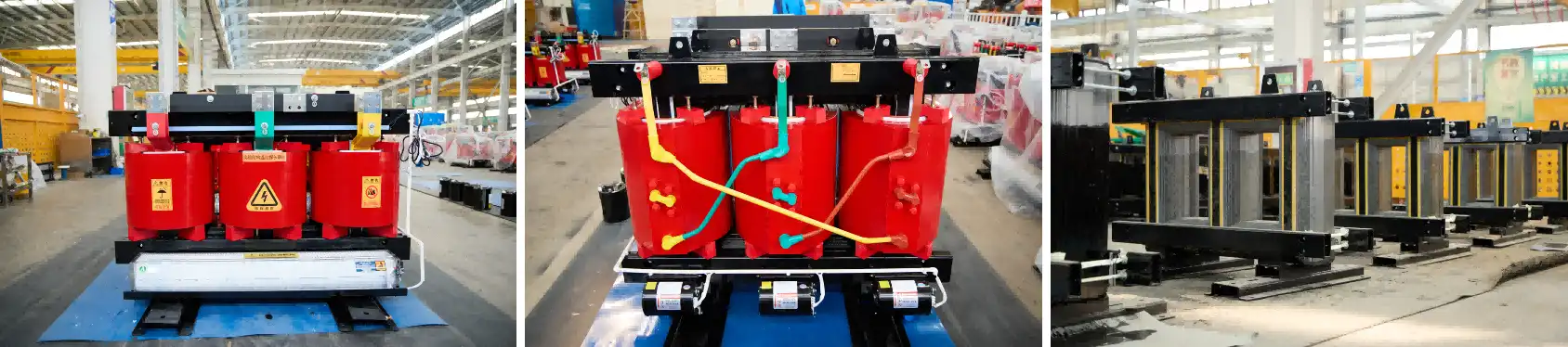
There's more to choosing the right power transformer than just looking at the specs. For the next twenty to thirty years, the choice will affect daily uptime, lifetime costs, and project timelines. We looked into the SCZB10 type power transformer in great detail to show its technical strengths and useful uses in power plants, green energy systems, and factories that make things. There are many benefits to buying directly from well-known Chinese makers, such as lower prices, the ability to make many changes, and compliance with foreign certification standards like IEC, CE, and UL. This content was created for buying managers, electrical engineers, project planners, and people who work in the supply chain who need reliable technical information to help them make smart choices about what to buy. When choosing tools for a solar farm distribution station or replacing transformers in a high-rise business building, it's important to know what on-load tap-changing dry-type transformers can and can't do.
The technical name "SCZB10 type power transformer" follows the rules set out in GB/T 10228. Each character in the name indicates a different design feature. There are three types of configurations shown: "S" for three-phase, "C" for epoxy resin cast, "Z" for on-load tap changer, "B" for foil winding technology, and "10" for the loss performance class meeting GB/T 10228-2015 Class 10 efficiency standards.
Engineers can figure out if something is suitable for a given application by understanding the basic technology factors. The 10kV ±4×2.5% voltage control range lets you change the voltage in nine different steps while keeping the full load running. This is very important when serving distribution networks that have big voltage changes. Short-circuit impedance values are set at 4% for units rated 100kVA to 630kVA and 6% for capacities of 800kVA and above. This limits fault currents properly while keeping good voltage control.
The wrapping design uses both high-voltage wires and low-voltage foils, which gives it great mechanical strength against electromagnetic forces that happen when there is a short circuit. This way of building structures makes it much less likely that the windings will bend during fault conditions. This increases the operating lifetime in harsh industrial settings. The epoxy resin cast insulation system has a thermal rating of Grade F or H, which means it will work reliably even when the temperature outside reaches 40°C.
When installing things in basements, business buildings, or protected substations, fire safety is the most important thing to think about. The self-extinguishing features of epoxy resin insulation get rid of the explosion risks that come with designs that are submerged in oil. Enclosure ratings of IP20 or IP23 protect against dust getting in and accidental touch with live parts. Because of these features, the plan works especially well for building infrastructure in cities where fire safety rules are very strict.
The capacity and lifespan of a transformer are directly affected by how well it cools. For normal rates, natural air cooling through optimal duct spacing lets heat escape without motorized ventilation. For higher capacity needs or limited installation areas, forced-air options are available. Since there is no insulation oil, there are no upkeep tasks that need to be done for oil testing, filtering, or meeting environmental standards for petroleum products.
When making a purchase choice, people often look at on-load tap-changing cast resin designs next to normal dry-type models or oil-immersed options. The SCZB10 type power transformer fills a unique need in the market, meeting specific operating requirements that support its high price.
When you look at the SCZB10 type power transformer next to standard cast plastic transformers (SCB10 types) that can't change taps, you can see the main difference: the SCZB10 type power transformer can regulate voltage more easily. To change the position of a tap on an SCB10 unit, it needs to be turned off. This means that planned breaks are needed whenever the grid voltage needs to be changed. This limitation works fine for utility networks that are stable, but it makes things hard to run in industrial parks, renewable energy facilities, or developing areas where the source voltage changes more than is reasonable. The on-load tap switch lets you optimize the voltage in real time, keeping the secondary voltage steady even when the primary voltage changes by up to 10%.
When compared to options that are submerged in oil, cast resin construction is clearly better for setups inside, in basements, and in other places that need to be safe from fire. Installing oil-filled units costs a lot more because they need extra storage systems, fire control equipment, and steps to make sure they don't harm the environment. Over a 25–30-year working life, regular maintenance times for oil testing, treatment, and renewal add to ongoing operating costs.
Total cost of ownership estimates are affected by how energy-efficient a building is. The Class 10 loss performance rating makes sure that both no-load losses and load losses meet strict efficiency standards. This means that the system will save measurable amounts of energy over decades of continued use. On average, a 1000kVA unit running at 70% load can pay for itself in 8 to 12 years, based on local power rates, through the energy savings compared to older efficiency classes.
The trade-off study should take into account factors that are unique to the application. For systems with more than 2500kVA of power, oil-immersed versions may be better because they better dissipate heat and cost less per kVA. On the other hand, on-load tap-changing cast resin designs offer better voltage stability and safety for places like urban substations, spread power integration points, and factories with sensitive processes.
When you buy things from other countries, you need to know how the price, delivery, and quality control systems work for factory-direct deals. The SCZB10 type power transformer prices are based on a model with many variables, such as the capacity rating, voltage class, specs for the tap-changer mechanism, enclosure requirements, and licensing standards.
Most of the time, bulk purchasing agreements offer price benefits based on volume. Orders that include more than one unit for a phased project rollout or framework deals that cover needs over a number of years often get 12–18% lower prices than orders that only include one unit. Customization needs like non-standard voltage ratios, special enclosure ratings, or better earthquake resistance standards may make the base price 8–15% higher, based on how hard the engineering is.
Lead times for normal catalog configurations are usually between 6 and 8 weeks, from the time the buy order is confirmed until the product is ready to leave the plant. This time includes getting the materials, making the product, checking it regularly, and getting it certified as quality. For custom-engineered solutions that don't fit into standard product lines, it takes an extra 10 to 14 weeks to validate the design, find the right materials, and follow the right testing procedures.
Factory direct supply gets rid of markups for distributors and gives customers direct access to engineering help, easier ways to communicate, and faster ways to get technical answers. This method works especially well for projects that need to be customized, need ongoing expert teamwork, or have multiple phases of deployment where it's important that all batches follow the same specifications.
Most warranties cover parts for 24 months after they are installed or 30 months after they are shipped, whichever comes first. Complete warranties should cover problems with the materials, the way they were made, and the performance factors, such as how much efficiency is lost, how fast the temperature rises, and how reliable the tap-changer's mechanics are. Making guarantee exclusions clearer when it comes to things like bad installation, not enough air flow, or using the product beyond its stated limits helps avoid confusion during the claim review process.
After-sales support skills have a big impact on which suppliers are chosen, especially when buying things from other countries. When manufacturers keep up regional service networks, offer technical paperwork in English, and offer remote diagnostic help, they lower the business risks that come with having suppliers that are far away. Setting clear communication rules, such as reaction times, spare parts availability, and field service assignment processes, protects procurement investments by setting up responsibility frameworks.
China's SCZB10 type power transformer production industry includes everything from small regional workshops to big companies with foreign licenses and full testing facilities. Systematic evaluation factors are needed to find producers with a history of success, the right certifications, and enough production capacity.
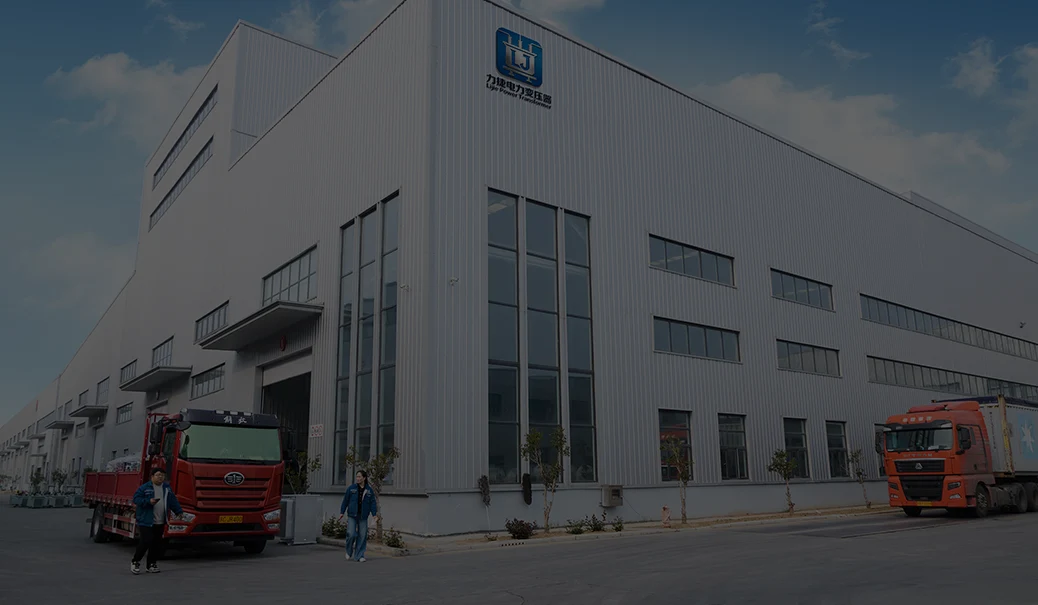
The 500,000-square-meter production bases that the Lijie Electric Power Technology Group runs in Xuzhou and Nantong are its two main manufacturing bases. With more than 2,000 workers, 160 of whom hold advanced degrees in engineering, and yearly sales of more than 5 billion RMB, the company has the size and technical depth needed for big projects. As a "Specialized, Refined, and New 'Little Giant'" business and a National High-Tech business, the company has been recognized by a third party as having the production and innovation skills to succeed.
A production capacity review should check to see if the maker can meet large-volume needs without sacrificing quality or delivery times. Facilities with vacuum casting systems, automatic wrapping machines, and full testing labs that measure partial discharge, test lightning impulses, and check temperature rise make sure that the products are reliable. Since testing can be done in-house, there is no need to rely on outside labs, which can cause project deadlines to slip.
Portfolios of certifications are concrete proof of quality control systems and product compliance. The ISO 9001:2015 certification shows that quality control is done in a planned way, and the IEC 60076-11 certification for dry-type transformers shows that they meet international standards for design and testing. CE marking shows that the product meets the rules of the European Union, and UL listing lets you sell it in North America. These approvals lower the technical risk and make it easier for foreign projects to accept equipment.
Customer examples from finished projects give you more useful information about a supplier's work than what's in the marketing materials. Successful deployments in green energy sites, industrial manufacturing facilities, and utility infrastructure projects show that the team knows how to use the technology and can get it done. Asking for contact information for past clients in related businesses or geographic areas lets you have due diligence talks that show how responsive the supplier is, how they solve problems, and how good their post-delivery support is.
Effective communication affects all parts of the buying process, from the original question to the help for commissioning. When manufacturers hire technical sales teams that speak English, answer technical questions in detail, and keep communication channels like email, videoconferencing, and instant messaging open, they build collaborative relationships that make it easier to refine specifications, process orders, and solve problems.
To get the most out of your investments in transformers, you need to plan proactive upkeep and performance tracking systems that keep the SCZB10 type power transformer working efficiently for longer. Maintenance needs are naturally lower with cast plastic construction than with oil-immersed options, but regular inspections are still necessary.
Visual checks should be done once a year to make sure the enclosure is solid, the air path is clean, and the outlet connections are tight. Having dust on the surfaces of windings makes them less effective at removing heat and could lead to tracking tracks across insulator surfaces. Cleaning with compressed air or vacuum extraction gets rid of contaminants without hurting epoxy resin surfaces. Thermographic studies find hot spots that could mean loose connections, uneven loads, or internal damage that needs to be fixed before it breaks.
The main mechanical part that needs regular maintenance is the on-load tap changing device. Manufacturers usually say that a check should happen every 100,000 processes or every five years, whichever comes first. During inspection processes, contact wear, lubrication of the drive system, and the accuracy of the position indicator are all checked. By replacing worn contacts before they break, you can avoid unexpected power cuts and damage to the tap winding sections.
Performance optimization includes more than just corrective upkeep. It also includes operating tactics that lower stress and make equipment last longer. Loading patterns that keep phase currents balanced, keep thermal cycling to a minimum, and avoid operating above the nameplate limit for long periods of time protect the integrity of the insulation system. Temperature monitoring systems that keep an eye on the core and winding temperatures allow for planned repair operations that happen during planned outages instead of being rushed to fix problems as they happen.
Harmonic distortion from non-linear loads like LED lights, variable frequency drives, and electronics makes the windings lose more power and heat up more. Power quality checks should be done on a regular basis to find ways to lower overall harmonic distortion levels and find ways to fix problems like passive filters or load redistribution. Keeping THD below 5% saves the life of the transformer and makes the whole system work better.
Future-proofing takes into account how grid needs will change and new technologies that will come out. Integration of smart grid features like remote tracking, automatic voltage regulation, and condition-based repair systems improves asset management and helps with grid modernization efforts. Choosing makers that offer retrofit options for tracking systems and communication links protects the long-term value of an investment as utility infrastructure improves.
When looking for a factory-direct provider for on-load tap-changing cast resin transformers, you need to weigh technical requirements, pricing, and the chance of forming a long-term relationship. The SCZB10 type power transformer design meets certain needs in applications where voltage stability, fire safety, and ongoing operation require extra features that aren't available in normal transformers. The success of procurement relies on carefully evaluating suppliers based on their manufacturing size, certification portfolios, customization options, and infrastructure for support after delivery. Knowing the technical differences between transformer designs, how different standard choices affect operations, and the total cost of ownership over many decades of service life protects the success of the project and the stability of operations.
Standard SCZB10 type power transformer designs can handle a 10kV main voltage and a tap adjustment range of ±4×2.5%, so they can work with voltages from 9.0kV to 11.0kV. For low-voltage distribution uses, secondary voltages usually include 0.4kV. However, unique secondary ratings can be made to meet specific needs. In normal catalog items, capacity values range from 100kVA to 2500kVA.
When the temperature and humidity are normal, natural air flow through well-designed ventilation pipes cools the building enough for standard ratings. For larger units or places where installation is limited, forced-air cooling may be used. This is done with fans that are controlled by a timer and turn on when the temperature of the windings goes above certain levels. The type of cooling is shown by the cooling class name, which can be AN (air natural) or AF (air driven).
Standard stock configurations usually take 6 to 8 weeks from the time an order is confirmed until the product is ready to leave the plant. Custom specs, such as voltage ratios that aren't standard, special containers, or better testing methods, add 10 to 14 weeks to the lead time. Setting up framework deals for projects that involve more than one unit can help get production schedules chosen and delivery lead times shortened.
Comprehensive warranty coverage usually lasts 24 months from the date of starting or 30 months from the date of shipment. It covers flaws in the material, the skills used in making, and performance factors. The warranty should make it clear what is covered for the tap-changer systems, including compliance with temperature rise, efficiency losses, and partial discharge levels. Claim conflicts can be avoided by making limits clearer when it comes to improper installation or operation beyond ratings.
Lijie Electric Power Technology Group has been making transformers for 40 years and can help you with your important power transfer projects. As a maker of the SCZB10 type power transformer, we can do a lot of different customizations, keep an eye on quality with the National Transformer Quality Supervision and Inspection Center, and offer full IEC/CE/UL certification portfolios that make foreign buying easier. We have manufacturing sites that cover 500,000 square meters, make more than 5 billion RMB a year, and have engineering teams with PhD and master's degrees. This gives us the size and technical depth that big infrastructure projects need. Our factory-direct supply model gets rid of markups for distributors and gives you specialized engineering help during the specification refinement, production, testing, and commissioning stages. You can email our technical sales team at lijieelectrical@gmail.com to talk about your special needs, get full technical datasheets, or set up a tour of our factories in Xuzhou or Nantong. Allow yourself to experience the quality control and dedication to partnerships that have made us a National High-Tech Enterprise and helped us build long-term supply partnerships with utility companies, EPC contractors, and industrial makers in 15 countries. Visit lijie-electrical.com to see all of our products and get access to expert tools that will help you make choices about what to buy.
1. GB/T 10228-2015, Cast Resin Dry-Type Power Transformers, Standardization Administration of China, 2015.
2. IEC 60076-11:2018, Power Transformers - Part 11: Dry-Type Transformers, International Electrotechnical Commission, 2018.
3. Zhang, W. and Liu, H., "On-Load Tap-Changing Technology for Medium-Voltage Distribution Transformers," Journal of Electrical Engineering and Technology, Vol. 14, No. 3, 2019.
4. National Electric Power Certification Center, "Quality Certification Standards for Distribution Transformers in Chinese Manufacturing," Technical Report Series, 2020.
5. Chen, S., "Comparative Life-Cycle Cost Analysis of Oil-Immersed and Cast Resin Distribution Transformers," IEEE Transactions on Power Delivery, Vol. 35, No. 4, 2020.
6. International Copper Association, "Energy Efficiency Standards and Loss Evaluation Methods for Distribution Transformers," Technical Guidance Document, 2021.
YOU MAY LIKE
10%20type%2035kV%20transformer.webp)

%20H15%20Series%20Oil-immersed%20Amorphous%20Alloy%20Transformer.webp)
12%20type%20epoxy%20resin%20cast%20transformer.webp)

April 27, 2025
With a tight project schedule, the manufacturer delivered on time, and on-site technical personnel provided guidance throughout the entire installation and commissioning process; the collaboration was highly efficient and hassle-free.
July 2, 2025
During the preliminary phase, a selection plan was custom-tailored based on the actual site load requirements, resulting in a high degree of parameter compatibility. After-sales support responds within two hours, and ongoing technical support for operation and maintenance is comprehensive; we feel completely confident in a long-term partnership.
November 18, 2025
Deployed as a supporting component for a 35kV grid-connection project at a photovoltaic power station, the equipment operates for an average of 16 hours daily. It demonstrates excellent control over no-load losses, ensures smooth power generation and grid integration, and effectively reduces the station's overall energy consumption.
January 30, 2026
Under the continuous, high-load operating conditions of a factory production line, the equipment maintains stable electrical parameters and exhibits strong overload resistance, thereby guaranteeing an uninterrupted power supply for industrial production.
April 3, 2026
Integrated as a supporting component for a new energy photovoltaic grid-connection system, the manufacturer provided professional technical coordination and timely after-sales support, ensuring seamless adaptation to the specific electrical operating conditions required for grid integration.