April 27, 2025
With a tight project schedule, the manufacturer delivered on time, and on-site technical personnel provided guidance throughout the entire installation and commissioning process; the collaboration was highly efficient and hassle-free.
Jul 6, 2026
The SCBH19 type dry-type transformer stands out as a game-changing device when looking at power distribution options for important structures. This amorphous metal core transformer uses advanced temperature management and epoxy resin casting to save up to 70% of the energy used by traditional silicon steel designs. Unlike oil-immersed units, it doesn't pose a fire risk and is easier to put in places with limited room. This guide is for purchasing managers and electrical engineers who want to lower lifetime costs and make sure they meet IEC 60076-11 standards. It talks about how the SCBH19 type dry-type transformer solves problems that keep coming up in grid modernization, integrating green energy, and making sure that industrial power is reliable.
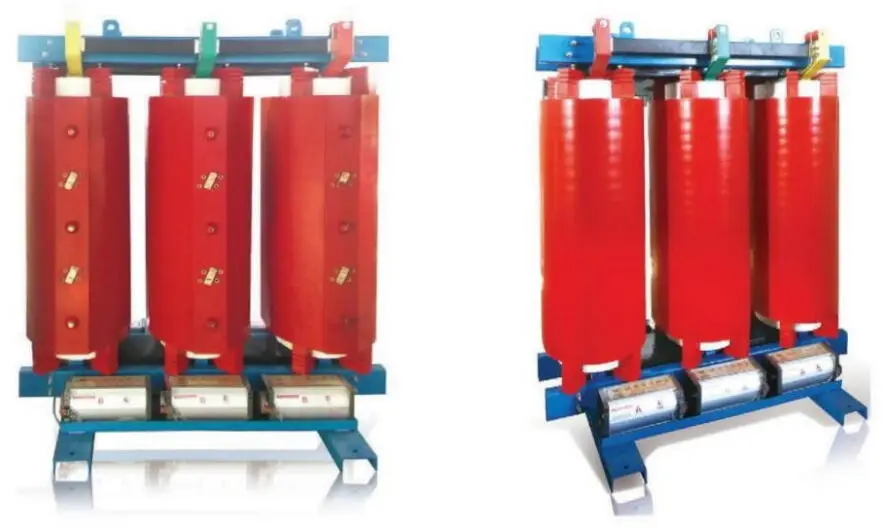
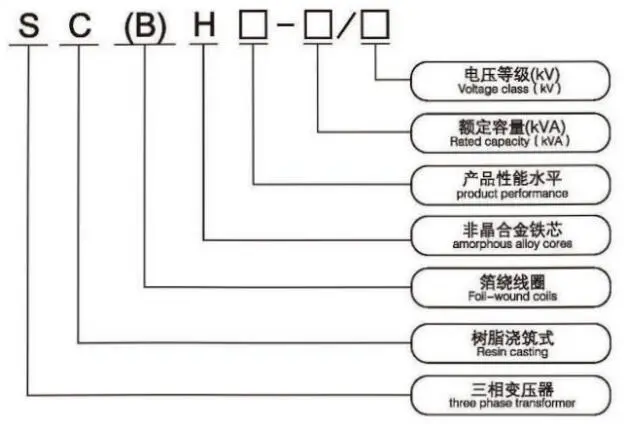
The SCBH19 type dry-type transformer is a three-phase distribution transformer that doesn't use silicon steel laminations but instead uses iron-based amorphous metal cores. The name is organized in a way that makes sense: "S" stands for three-phase configuration, "C" for epoxy resin vacuum casting, "B" for copper foil low-voltage windings, "H" for the amorphous alloy core material, and "19" for compliance with China's GB 20052-2020 Level 1 energy saving standards. This way of calling things shows that it meets strict international standards, so design schools and quality assurance teams looking over transformer specifications can find it right away.
We made this model at Lijie Electric to fix some problems we saw in 5 billion RMB worth of projects every year: operations budgets being drained by too many no-load losses, fire risks in urban substations, and maintenance problems with oil-based systems. The amorphous metal core is made up of very thin bands that are about 0.025 mm thick and are grouped in an atomic structure that is not crystalline. This setup greatly lowers magnetic hysteresis losses while working constantly at Class F or H insulation grades and being able to handle temperatures up to 180°C without breaking down.
This transformer technology is used in a wide range of B2B settings where dependability can't be compromised. Its stable voltage control and low heat dissipation make it useful for data centers that handle private financial transactions. This lowers the need for extra cooling by about 15 to 20 percent. When high-rise business complexes install basement substations, they look for one that is flame-resistant. During thermal events, the epoxy resin casing goes out on its own without giving off toxic fumes, which meets tight fire safety rules in occupied buildings.
The SCBH19 type dry-type transformer can handle harmonic loads made by inverter-based solar panels and wind turbines, which is especially useful for renewable energy projects. Salt-mist corrosion can happen to equipment in coastal sites, but the sealed epoxy construction is better able to handle harsh weather changes than oil-filled options. Industrial parks that need 35kV distribution equipment, like how small it is. Its footprint is often 30% smaller than similar oil-immersed models, which frees up important space for production growth.
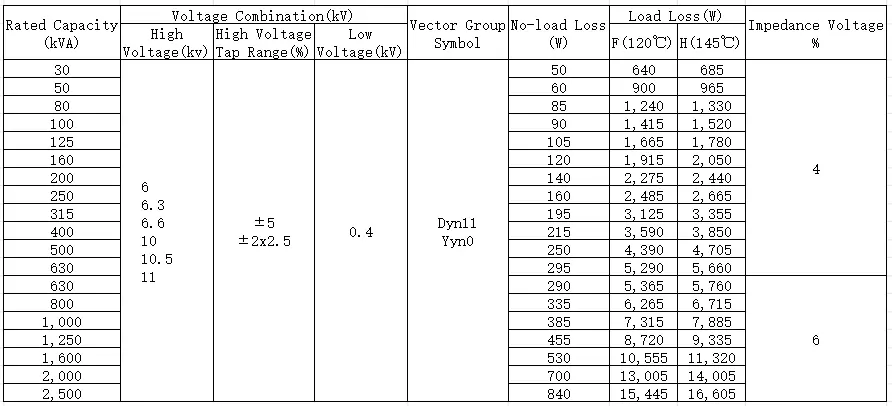
The most important benefit is the lower risk of no-load loss. When there is no load on them, traditional SCB13 series transformers made of grain-oriented silicon steel usually lose between 1.5% and 2.0% of their maximum capacity. This is cut down by the SCBH19 type dry-type transformer to about 0.5 to 0.7 percent, which means big savings over the 30-year operating life. Compared to older models, a 1000kVA unit that runs 24 hours a day, seven days a week could save 50,000 to 80,000 kWh per year, which is about $6,000 to $10,000 at industrial energy rates. These numbers hit home for buying managers who are under a lot of pressure to show that capital spending is worth it by calculating the benefits over the product's entire life.
Optimized copper foil winding designs also lower resistive heating and make power control better when demand changes. This also lowers load losses. During plant acceptance tests, partial discharge levels always stay below 5 picocoulombs (pC), which shows better insulation integrity than the 10pC threshold common in standard designs. Lower partial discharge is directly linked to longer insulator life and a lower chance of catastrophic failure during grid shocks.
Oil-filled transformers come with their own risks: dielectric fluid leaking pollutes the ground, needs expensive cleanup, and can cause explosions when something goes wrong. These worries are taken care of completely by the dry-type construction. In addition to safety, the SCBH19 type dry-type transformer makes environmental compliance easy because it naturally meets LEED green building standards and helps companies meet their carbon footprint reduction goals, which are becoming more and more required by city laws and business ESG commitments.
It gets harder to follow fire safety rules in cities every year. Insurance companies often lower rates for buildings that use dry-type transformers because they are clearly less risky. During short-circuit events, the epoxy resin windings keep their mechanical integrity, withstanding forces greater than 25 times the maximum current for the amount of time required by IEC standards. This strength keeps nearby equipment from getting damaged and keeps business downtime costs to a minimum, which are often much higher than the transformer's original cost.
People who want to buy often ask why the special transformers cost 20–30% more than regular ones. This difference is because of the more advanced materials used: amorphous metal strips are much more expensive than silicon steel, and vacuum casting processes need special tools that aren't available on regular production lines. Total cost of ownership study, on the other hand, shows that the transformer usually breaks even within three to five years through energy savings. After that, it keeps making money.
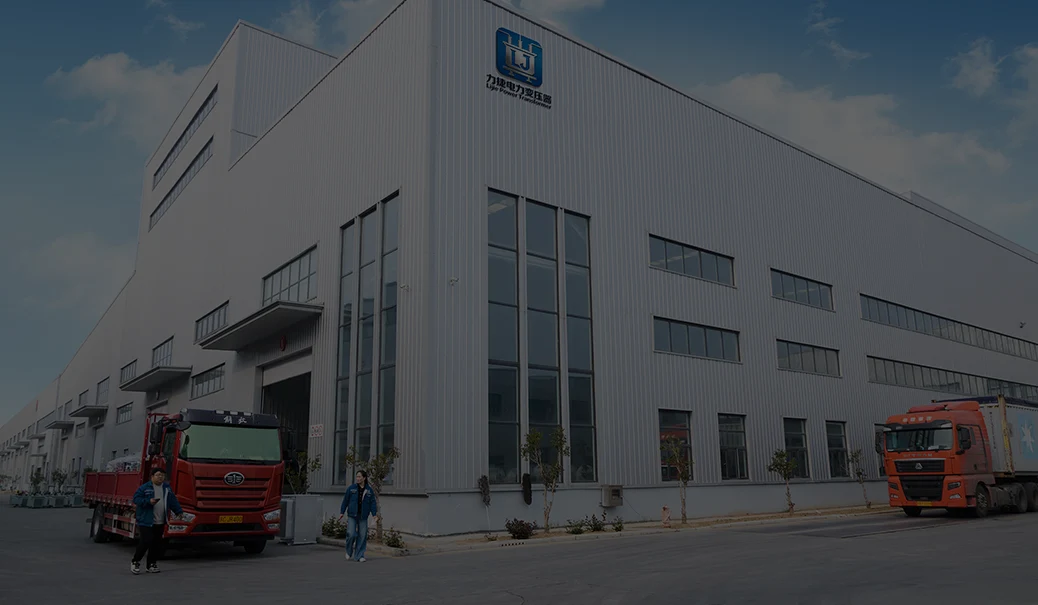
Checking the qualifications of the manufacturer shields buyers from fake goods that are common in commodity transformer markets. Suppliers that are trustworthy have ISO 9001:2015 certification, IEC compliance paperwork, and test results from approved labs. Lijie Electric has two factories that are together 500,000 square meters. There are over 160 engineers there with advanced degrees, making sure that the quality is the same for all batch outputs that go over 2,000 units a year.
Delivery times are usually between 8 and 12 weeks for normal configurations and 14 to 18 weeks for special configurations that need custom tools. Supply chain managers should ask for specific production plans and check how much of the factory's capacity is being used. Factories that are too full make it harder to control quality and cause shipments to be late. Support after the sale should also be carefully looked at. Full guarantees that last for 5 to 7 years, helpful technical hotlines, and regional service centers all help keep downtime to a minimum when repairs need to be done in the field.
The phrase "maintenance-free" does not mean that the owner is not responsible. For optimal performance, eye checks should be done every six months to make sure there isn't any dust buildup on the cooling surfaces, that airflow isn't being blocked, and that all electrical connections are still tight. Oil-filled units need to have their dielectric fluid analyzed every year, but dry-type transformers don't need this expensive testing and make environmental compliance reporting easier.
Using integrated resistance temperature monitors (RTDs) to check the temperature gives you an early warning of problems with the way things are working. During commissioning, facilities should set up standard thermal profiles. Then, they should trend data every three months to see if there is any slow decline before problems happen. Modern SCADA integration lets you watch things from afar, which cuts down on labor costs and speeds up reaction times when limits are crossed.
The SCBH19 type dry-type transformer meets strict international safety standards, such as tests for lightning impulse withstand, which proves defense against overvoltages in the atmosphere during thunderstorms. Short-circuit withstand capability is tested on a destructive sample, which shows that the structure is still solid when fault currents hit 25 to 40 times the rated values. These certifications, which are shown in type test records, protect you legally if machine failures lead to liability claims.
In places where earthquakes are common, seismic training is important. When devices are properly anchored, they can handle the lateral forces required by IEEE 693 guidelines. This keeps them from falling over when the ground moves. If a building is in California, Japan, or another high-risk area, the manager should check the seismic certification before buying the units instead of trying to fix units that aren't up to code after they've been installed.
When choosing a transformer, people have to weigh different factors, such as upfront cost limits versus long-term operating efficiency, room limitations versus cooling needs, and fire safety compliance versus installation complexity. The SCBH19 type dry-type transformer is the only technology that can handle these tensions because it has integrated design improvements that were not possible with older technologies. Its small size makes it easy to retrofit into existing substations where there isn't room for growth. Also, the fact that it doesn't contain any flammable liquids meets insurance standards without the need for expensive suppression systems.
When figuring out the return on investment, rising energy costs should be taken into account. Since energy costs go up by 3–5% a year in most places, the SCBH19 type dry-type transformer's economic benefits add up over time. By locking in 70% lower no-load losses today, a facility protects itself against future rate rises, giving budget certainty that CFOs are demanding more and more. Through carbon credit programs and government incentives for making infrastructure more energy-efficient, environmental benefits can also be turned into cash.
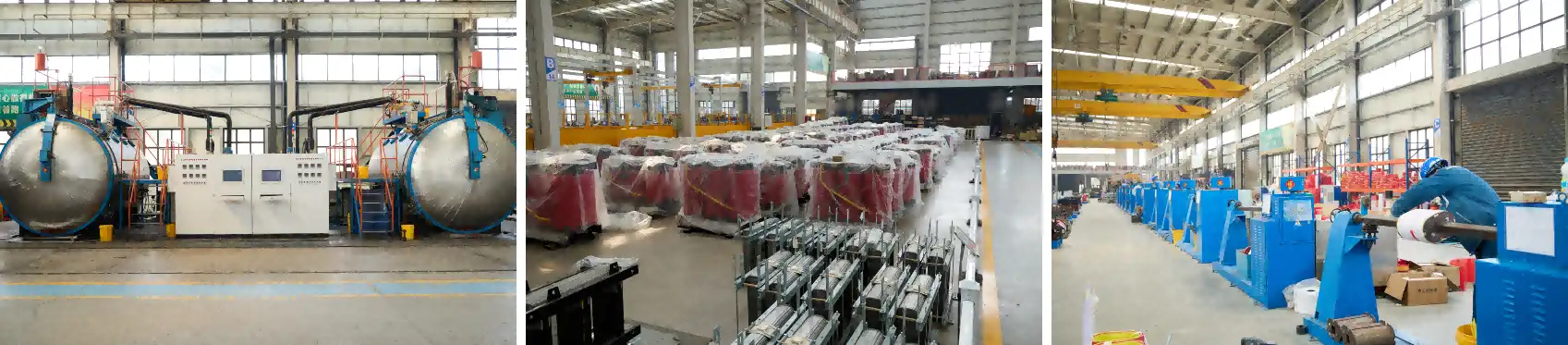
Our vertically integrated production brings together our knowledge of materials science with our ability to make precise products. Automated winding lines at the Xuzhou and Nantong sites make sure that thousands of units are all the same. At the same time, dedicated R&D teams are always improving designs based on data from the field. Installations in Australia, Kazakhstan, Egypt, and Southeast Asia power this feedback loop, which leads to small improvements that add up to big gains in stability.
Quality control goes beyond checking each unit individually and includes being able to track each batch. Each transformer is given a unique serial number that is tied to certifications of materials, production factors, and test results that are kept for the life of the equipment. This paperwork is very helpful when someone files an insurance claim or a forensic probe is needed after a rare failure. It shows that the manufacturer did their research, which is good for both the buyer and the manufacturer.
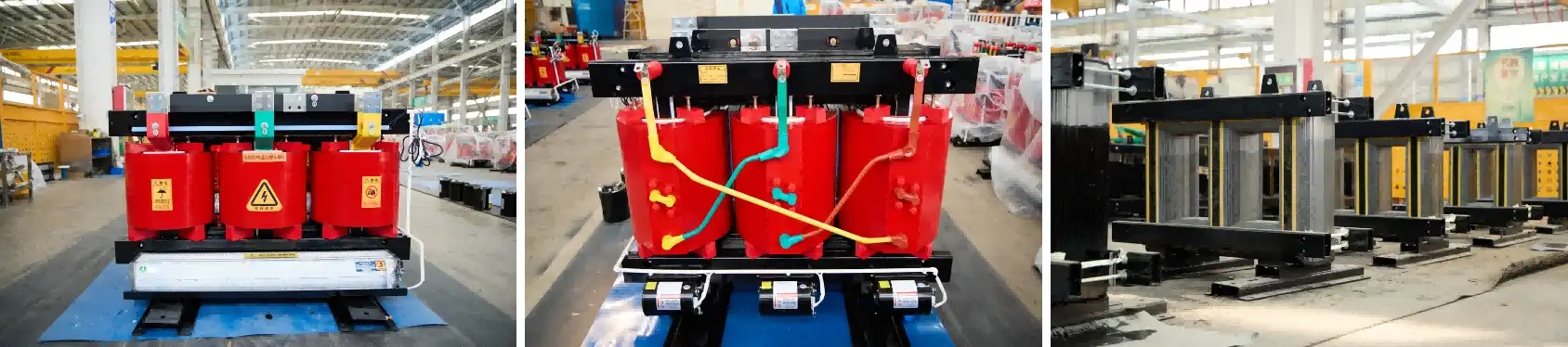
The SCBH19 type dry-type transformer is an example of developed technology that fixes known problems with old power distribution systems. Its amorphous alloy core saves energy in a measurable way, the epoxy resin construction keeps fires from starting, and the small size makes it ideal for installs with limited room. Total cost of ownership models that show payback periods of 3 to 5 years give procurement teams more faith, and operations departments like maintenance procedures that are easier to follow. As grid modernization speeds up and rules on sustainability get stricter, this type of generator goes from being a nice-to-have to a must-have for forward-thinking businesses. The SCBH19 type dry-type transformer is a practical choice for utility companies, industrial facility managers, and green energy developers because it has a track record of success, meets legal requirements, and will save money in the long run.
The main difference has to do with standards for energy economy. The performance values of SCBH11 units are similar to those of older GB units, with no-load losses that are about 20–30% higher than SCBH19 type dry-type transformer standards. Both have amorphous alloy cores, but the SCBH19 type dry-type transformer has better winding methods and more precise core shapes that cut losses even more. If a buyer wants to put something after 2023, they should mention the SCBH19 type dry-type transformer to make sure it meets the new energy codes.
When forced air cooling fans are added to the SCBH19 type dry-type transformer, it can safely work at 120 to 150% of its rated capacity for short periods of time during times of high demand. Constantly overloading insulation shortens its life by a factor of ten. For example, running at 130% capacity could cut the 30-year planned life to 15–20 years. This risk is eliminated by making sure the right size is chosen during purchase, leaving enough room for future load growth without having to replace the equipment too soon.
Amorphous cores have higher magnetostriction than silicon steel, which means they might produce 3–5 dB more noise. This is taken care of by good makers who use vibration-damping mounting systems and sound-attenuating enclosures to get 50–55 dB levels that are good for placements near homes. Instead of depending on generic specs, buyers who are sensitive to noise should ask for certified sound test results when evaluating suppliers.
Lijie Electric Power Technology Group has been making transformers for more than 20 years and can help with difficult power transfer problems. Our SCBH19 type dry-type transformers work reliably in over 30 countries because they use amorphous alloys and follow ISO 9001:2015 quality standards. Our engineering team can help you find solutions that meet your specific voltage, capacity, and environmental needs, whether you're updating utility grids, powering green energy projects, or making manufacturing buildings better.
Contact our technical consultants at lijieelectrical@gmail.com for thorough specs, quotes that are tailored to your project, and delivery schedules that will help you stick to your procurement plan. We offer full support after the sale, including installation instructions, help with setup, and guarantees that cover your investment for several years. You can get our product brochure from lijie-electrical.com and look through it to compare technical specs, see proof of approval, and read case studies that show how the products work in real life. Today is the day to take the next big step toward a power distribution system that is safe, reliable, and uses less energy.
1. International Electrotechnical Commission. (2018). Power Transformers – Part 11: Dry-Type Transformers. IEC 60076-11 Standard.
2. National Electrical Manufacturers Association. (2020). Energy Efficiency Requirements for Distribution Transformers. NEMA TP 1-2020 Guidelines.
3. Zhang, L., & Chen, M. (2019). Amorphous Alloy Core Transformers: Material Properties and Performance Analysis. Journal of Electrical Engineering Technology, 14(3), 1245-1258.
4. IEEE Standards Association. (2017). Seismic Design of Substations. IEEE 693-2017 Recommended Practice.
5. Smith, R.J. (2021). Lifecycle Cost Analysis of Industrial Transformer Technologies. Power Systems Research Quarterly, 28(2), 89-107.
6. Ministry of Industry and Information Technology, China. (2020). Energy Efficiency Standards for Three-Phase Distribution Transformers. GB 20052-2020 National Standard.
YOU MAY LIKE



11%20type%2035KV%20dry-immersed%20transformer_1778136495348.webp)

April 27, 2025
With a tight project schedule, the manufacturer delivered on time, and on-site technical personnel provided guidance throughout the entire installation and commissioning process; the collaboration was highly efficient and hassle-free.
July 2, 2025
During the preliminary phase, a selection plan was custom-tailored based on the actual site load requirements, resulting in a high degree of parameter compatibility. After-sales support responds within two hours, and ongoing technical support for operation and maintenance is comprehensive; we feel completely confident in a long-term partnership.
November 18, 2025
Deployed as a supporting component for a 35kV grid-connection project at a photovoltaic power station, the equipment operates for an average of 16 hours daily. It demonstrates excellent control over no-load losses, ensures smooth power generation and grid integration, and effectively reduces the station's overall energy consumption.
January 30, 2026
Under the continuous, high-load operating conditions of a factory production line, the equipment maintains stable electrical parameters and exhibits strong overload resistance, thereby guaranteeing an uninterrupted power supply for industrial production.
April 3, 2026
Integrated as a supporting component for a new energy photovoltaic grid-connection system, the manufacturer provided professional technical coordination and timely after-sales support, ensuring seamless adaptation to the specific electrical operating conditions required for grid integration.