April 27, 2025
With a tight project schedule, the manufacturer delivered on time, and on-site technical personnel provided guidance throughout the entire installation and commissioning process; the collaboration was highly efficient and hassle-free.
Jul 10, 2026
When your power infrastructure project needs to change voltages at 35kV in a way that is both very reliable and very energy-efficient, the SCBH15 type 35kV three-phase distribution transformer is the best way to go. This high-tech dry-type transformer uses an amorphous metal core and vacuum-cast epoxy resin windings to have 70–80% lower no-load losses than regular silicon steel units. This transformer is made for high-voltage distribution networks that need a straight step-down from 35kV to usage voltages. It meets GB/T 22072 and IEC 60076-11 standards and doesn't have the fire risks that come with oil-immersed designs.
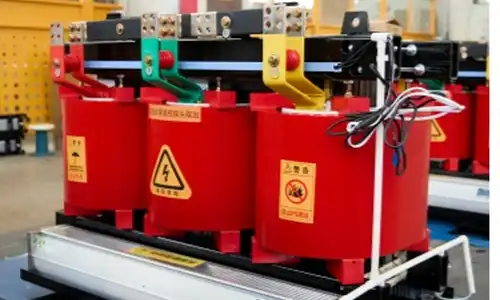
The SCBH15 series from Lijie Electric was designed to solve important problems that purchasing managers and electrical experts around the world are having. This unit is different from others because it uses an amorphous metal alloy ribbon core. The non-crystalline atomic structure of this core greatly lowers magnetic hysteresis losses. This makes the transformer very energy efficient, which directly leads to lower running costs over its 30-year design life.
The vacuum-cast epoxy resin technology completely surrounds the windings, making a structure that doesn't need any maintenance and can work in humidity levels up to 100% without losing any performance. This design gets rid of the need for regular oil sampling, filtering, and replacement processes that come with oil-immersed options and make their job harder for site managers.
This SCBH15 type 35kV three-phase distribution transformer can handle capacities between 630kVA and 2500kVA and has a high-voltage rating of 35kV. It is suitable for medium-sized industrial facilities and critical infrastructure installations. The insulation class is F or H, and the partial discharge levels are always less than 10pC during plant acceptance testing. This is a very important requirement for making sure the dielectric stays intact over time.
When the maximum load is applied, the temperature rise for Class F insulation stays below 100K. This means that it can be used safely even during times of high demand. When the unit is equipped with forced air cooling accessories, it can handle 120% of its maximum load. This gives it a lot of useful operational flexibility during power outages or planned maintenance windows.
The transformer has on-load or off-load tap switches with voltage adjustment ranges of ±2×2.5% or ±4×2.5%. This makes it possible to precisely make up for voltage drops that happen along long distribution lines. This feature is especially helpful for projects that bring electricity to rural areas and install renewable energy sources where the stability of the grid voltage changes a lot.
Even though the amorphous core is naturally magnetostrictive, the levels of acoustic noise are still surprisingly low. Lijie Electric keeps sound pressure levels below GB/T 1094.10 standards by using vibration-damping mounting bases and improved core clamping structures. At a one-meter distance and full load, these levels are usually less than 60dB.
The operational benefits of amorphous alloy dry-type transformers extend far beyond initial specifications. Let me show you how these benefits help our clients with problems they face every day.
Transformer losses lose a lot of energy, which is a big part of the lifecycle costs, especially for utility companies that are in charge of thousands of distribution assets. The amorphous metal core used in the SCBH15 type 35kV three-phase distribution transformer cuts down on no-load losses to about 0.2 to 0.3 percent of rated capacity, which is about a quarter of the loss profile of SCB10 series silicon steel transformers. For a 1600kVA machine that runs all the time, this means that more than 15,000 kWh of energy will be saved each year, which means that the higher initial investment will be paid for in three to five years.
The better winding design also reduces load losses, which are usually 30–40% lower than in similar oil-immersed units. This dual loss reduction has a big effect on the total cost of ownership calculations, especially in places like data centers and factories where transformers work close to their rated capacity all the time.
Because these SCBH15 type 35kV three-phase distribution transformers don't use any flammable insulating fluids, they are perfect for places where fire codes don't allow oil-filled equipment. Dry-type construction is naturally safe, which makes it a good choice for underground substations, high-rise business buildings, hospitals, airports, and subway systems. The UL 94 V0 flame rating for the epoxy resin insulation means that it goes out on its own within seconds of being removed from an ignition source.
Environmental benefits go beyond keeping people safe from fire. Oil-free operation gets rid of the risks of soil and groundwater contamination that make closing down a site more difficult and create long-term environmental liabilities. As environmental laws get stricter in North America and Europe, this point becomes more and more important.
In high-voltage transformers, magnetic forces can get so strong during fault situations that they can be very dangerous. The vacuum-cast resin winding structure makes a single piece of the assembly. The conductors stay mechanically attached even when they are put under loads more than 50 times their normal operating loads. This ability is proven by Lijie Electric through thorough short-circuit testing at approved third-party labs. This makes sure that every production batch meets the IEC 60076-5 standards for 25 cycles of estimated short-circuit current withstand.
The three-column or five-column core structure of the SCBH15 type 35kV three-phase distribution transformer spreads magnetic flux more evenly than shell-type designs, which lowers the amount of heating and mechanical stress that builds up in one area. Field reliability studies have shown that deformation of the windings is a direct cause of nearly 40% of early transformer failures. This design philosophy directly addresses these failure modes.
Compared to the SCB10 and SCB20 series transformers that came before it, the SCBH15 type 35kV three-phase distribution transformer is much more energy efficient while still being about the same price to buy. When energy prices and the expected length of service life are taken into account, the lifecycle cost advantage becomes very strong.
When compared to 35kV transformers that are submerged in oil, the dry-type SCBH15 doesn't need to be tested, filtered, or thrown away for upkeep. Facility managers like that the required size is smaller because there are fewer fire clearance lengths when flammable insulating fluids are not present.
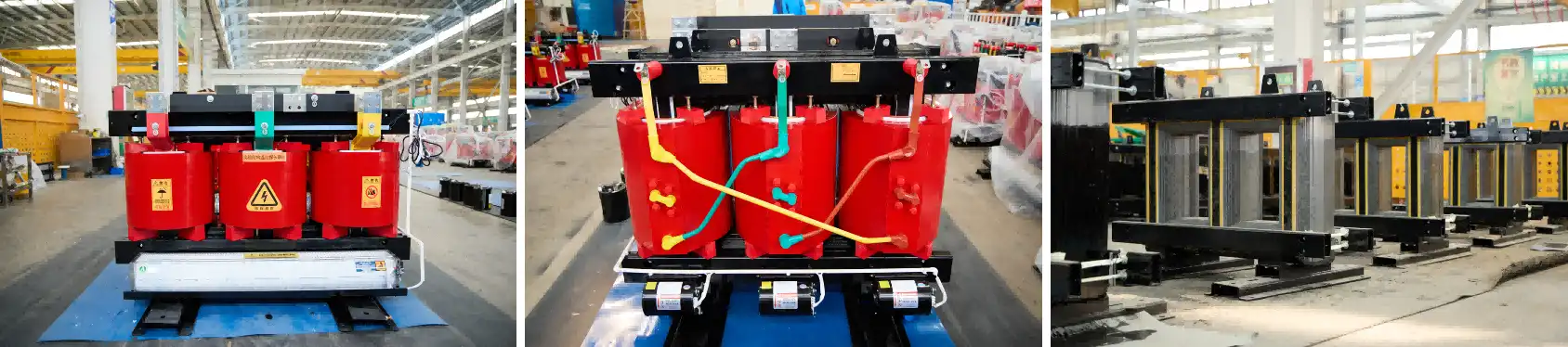
To pick the right generator model, you have to weigh the technical requirements against the needs of the project and the company's long-term goals. Here's how the SCBH15 type 35kV three-phase distribution transformer compares to other products on the market.
Instead of marketing claims, the SCBH15 series stands out through measured performance data. Independent testing at the National Transformer Quality Supervision and Inspection Center confirms that no-load losses are 75% less than SCB10 equivalents, and load losses are 35–40% less. These numbers have a direct effect on measures for power quality and energy bills, especially in places that charge demand fees or penalise power factors.
When the load changes, the voltage regulation characteristics are more stable than in older designs. Low-impedance windings and exact tap changer control keep the secondary voltage within ±3% no matter how much it is loaded, from 25% to 120% of its rated capacity.
Purchasing managers often only look at the initial cost of the purchase and forget about long-term costs that are much higher than the initial cost. An in-depth look at the economics of 25 years of operation shows that transformer technologies are very different.
Take a look at a 1600kVA system that is running at 70% of its maximum capacity and costs $0.12 per kWh for power. Compared to SCB10 alternatives, the SCBH15 type 35kV three-phase distribution transformer saves about $2,400 a year because it has lower losses. In present-value words, these savings add up to $60,000 over the life of the transformer, which is often three or more times the starting price premium.
When comparing economies, differences in maintenance costs add another layer. During their working lives, oil-immersed transformers need to have their dissolved gas levels analysed, their moisture levels checked, and their oil replaced on a regular basis. When added to the costs of downtime, these ongoing costs add up to about $8–12k per unit over 25 years. Because the SCBH15 doesn't need any upkeep, these costs are completely eliminated.
In different working settings, transformers need to have different features. To keep cooling costs low and power usage efficiency high, data centers focus on ultra-low losses. This goal is directly supported by the SCBH15's low heat output, which also gives it the fast reaction times needed for changing IT tasks.
Renewable energy systems, like wind farms and solar panels, can use the SCBH15 type 35kV three-phase distribution transformer's ability to handle power flow in both directions and voltage changes that come with irregular power sources. The flexible transformer design keeps working well even when it is loaded in a variety of ways, which is very important when renewable energy output changes every hour.
When building tunnels, subways, and underground power lines for cities, fire safety is the most important thing to think about. Because it is not flammable, the SCBH15 is often the only option that meets both strict building rules and electricity performance standards.
The current state of the market for amorphous metal transformers is a reflection of the cost of raw materials, the use of production capacity, and the way demand is distributed across regions. The prices of amorphous metal ribbon change depending on how much specialised production capacity is held by a small group of global suppliers. Because of this limitation, there are times when supplies are tight, especially when there is a lot of investment in infrastructure.
Framework agreements set standard specifications, pricing structures, and delivery schedules, which are very helpful for large infrastructure projects. Lijie Electric works together with EPC contractors and utility procurement departments to create unique solutions that meet the needs of each project while still taking advantage of economies of scale.
For international projects, strict compliance paperwork is needed. Along with CE and UL approvals, Lijie Electric keeps ISO 9001:2015 quality management certification. This makes sure that our goods meet the requirements of different regulatory frameworks in global markets. Our line of 35kV transformers has been certified by IEC 60076-11, which means they meet globally recognised standards for design and testing.
The ability to track a product starts with the certification of the raw materials and ends with the final factory acceptance testing. Each transformer comes with a lot of paperwork, like type test reports, routine test records, quality control inspection results, and detailed nameplate data. This set of documents makes project commissioning easier and meets the audit requirements set by utility interconnection agreements.
The standard guarantee for the SCBH15 type 35kV three-phase distribution transformer covers the product for 24 months from the date it was first used or 30 months from the date it was shipped from the plant, whichever comes first. This security shows that we trust the quality of the manufacturing process and the choice of materials. There are extended warranty programs for critical applications where the cost of downtime makes it worth taking on more risk.
Technical support is available for as long as the transformer is in use. In Asia, Africa, and emerging countries where Lijie goods are sold, our service network keeps a regional presence. With remote diagnostics, engineering staff can help with troubleshooting, performance optimisation, and figuring out what's wrong without having to go to the site right away. When on-site support is needed, our technicians can get there quickly with a full inventory of spare parts and specialised testing tools.
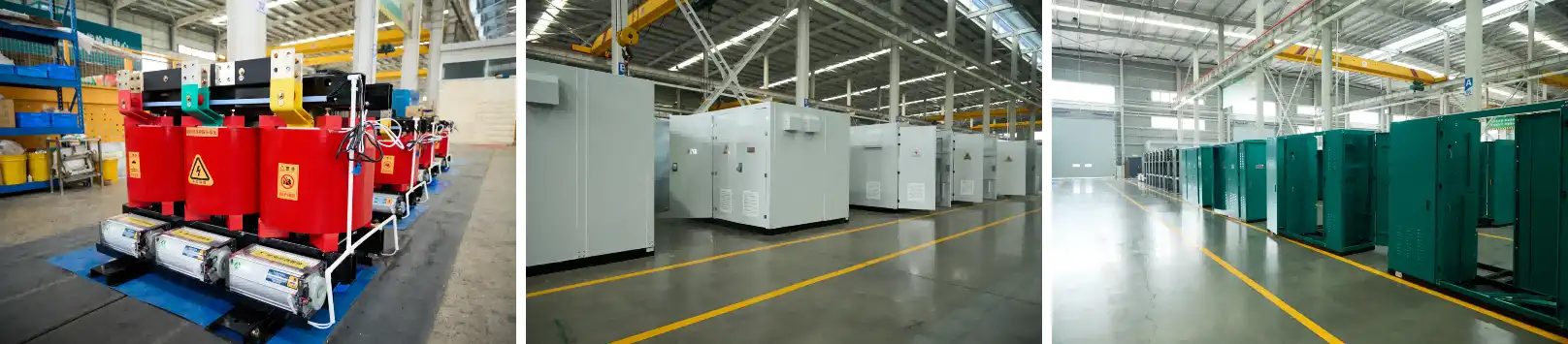
The first step in a proper installation is to check the site to make sure it has enough load-bearing capacity, opening measurements, and airflow paths. To keep working at its best, the SCBH15 requires at least 1.5 meters of space on the side where air comes in and 1 metre of space on the side where air goes out. Foundation pads must provide flat, vibration-proof mounting surfaces that can hold the transformer's full weight plus any dynamic loads that come up during a fault.
When making electrical connections, you need to pay close attention to the force requirements and how the contact area is prepared. When connecting cables or changing lines above, high-voltage terminations should use stress-reduction methods that are right for the installation environment. Low-voltage buswork has to be able to handle thermal expansion while also staying stable under the forces of a short circuit.
Monitoring key parameters of the SCBH15 type 35kV three-phase distribution transformer all the time lets you take action before small problems turn into forced outages. Monitoring temperature with built-in RTD sensors lets you know right away if there are any problems with the cooling system, the way the load is being distributed, or the insulation. These signals are combined with electrical data in modern digital relays to make full operating profiles.
The transformer's thermal time constant should be taken into account in load control plans. For units in this power range, this time constant is usually between 2 and 3 hours. This trait lets overloading happen temporarily during busy times, as long as there are enough breaks for cooling. Changes in the ambient temperature also affect the ability to load. When temperatures in the installation environment are higher than what was planned, derating factors are used.
Every five years, testing for partial discharge gives useful information about how the insulation system is holding up over time. This diagnostic method isn't exactly needed for dry-type transformers that are in safe settings, but it can help find problems quickly in places where there are harsh working conditions or other odd stress factors.
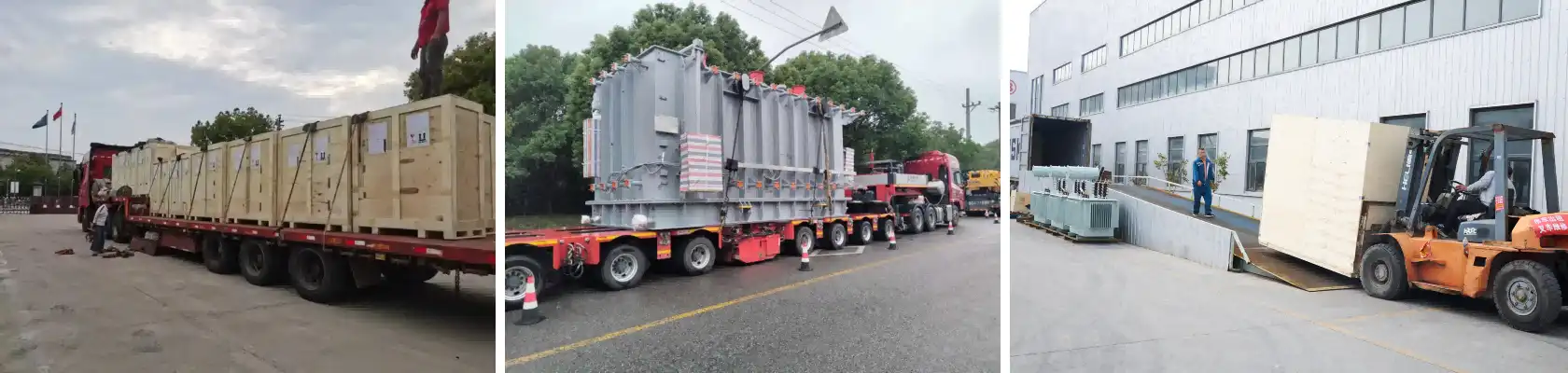
The SCBH15 type 35kV three-phase distribution transformer is a smart purchase for businesses that want to save energy, keep workers safe, and make sure their power distribution equipment will last for a long time. The amorphous alloy core technology saves money by reducing energy waste, and the dry-type construction gets rid of the fire and environmental risks that come with oil-filled equipment. Lijie Electric has a lot of experience, a lot of certifications, and a service network that has been used before. This makes us a reliable SCBH15 type 35kV three-phase distribution transformer manufacturer that can help you with your most difficult projects. This transformer platform gives buying teams the performance, safety, and cost benefits they're looking for when they need to replace old grid infrastructure, connect green generation assets, or power mission-critical facilities.
The higher price at first, usually 15–25% more than SCB10 series units, pays for itself in three to five years because it drastically cuts energy loss. No-load losses are cut by about 75% thanks to the amorphous core. This means that energy savings will continue for 30 years after the transformer is installed. The SCBH15 is clearly the more cost-effective option when considering the total cost of ownership, which includes energy costs, upkeep costs, and environmental compliance factors. This is especially true in situations where the machine is used a lot and for long periods of time.
The vacuum-cast epoxy resin insulation system is very resistant to high and low temperatures, moisture, dust, and corrosive atmospheres. In seaside areas with salty air, industrial settings with chemical vapours, and outdoor sites where the temperature can change from -40°C to +45°C, the units work well. The sealed winding structure stops contamination from getting in, which breaks down regular insulation systems. This keeps the dielectric integrity throughout the design service life without the need for preventative maintenance.
It is possible to make a lot of changes to Lijie Electric products, including changing voltage ratios, impedance values, tap changer setups, terminal arrangements, safety devices, and tracking systems. Our engineering team works with clients to make sure that designs are the best they can be for different operating conditions. For example, installations above 1000 meters may need altitude compensation, areas prone to earthquakes may need better seismic bracing, and areas with high ambient temperatures may need special cooling systems. Because it is so adaptable, amorphous metal technology can be easily added to a wide range of electrical systems while still providing the same high levels of performance.
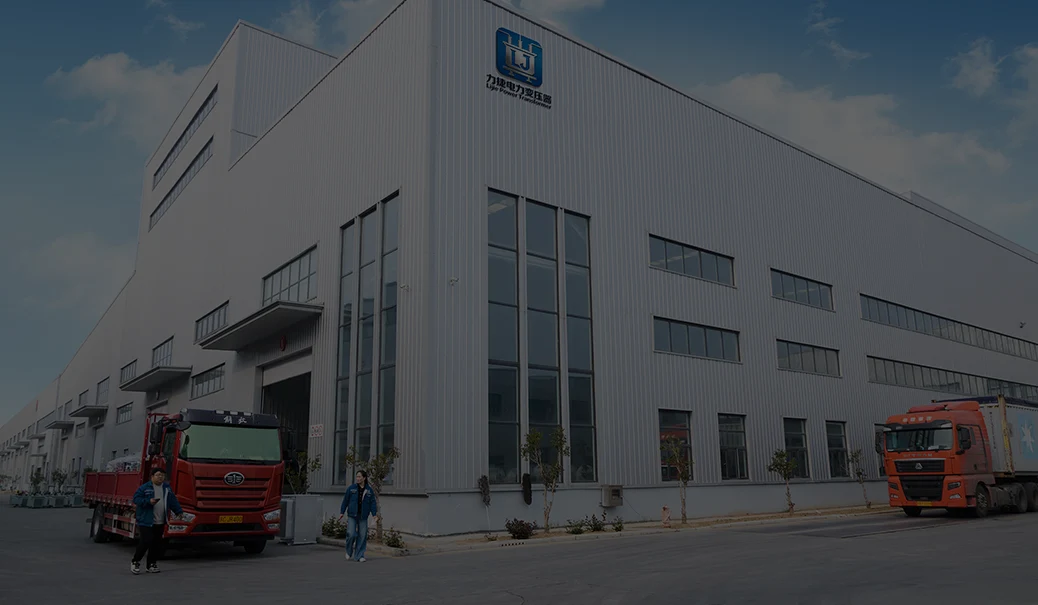
Every SCBH15 type 35kV three-phase distribution transformer that Lijie Electric sends out is made with over 20 years of experience in making transformers. We are dedicated to quality and dependability, as shown by our 500,000-square-meter production facilities, ISO 9001:2015 certification, and full IEC/CE/UL approvals. We are a reliable provider that works with utilities, industrial manufacturers, and EPC contractors in six countries. We know how hard it is to meet tight delivery dates, strict quality standards, and lower total costs. Our expert team is ready to talk about your unique needs and come up with custom solutions that are backed by the best warranty coverage in the business and quick after-sales support. Get in touch with us right away at lijieelectrical@gmail.com to find out how our SCBH15 series can make your power system more reliable while lowering its costs over its lifetime.
1. International Electrotechnical Commission. (2018). Power Transformers – Part 11: Dry-Type Transformers (IEC 60076-11:2018). Geneva: IEC Publications.
2. Zhang, M., & Wang, H. (2020). Amorphous Alloy Core Transformers: Design, Performance, and Economic Analysis. Journal of Electrical Engineering Technology, 15(3), 1245-1258.
3. National Standardization Administration of China. (2017). Three-Phase Amorphous Alloy Distribution Transformers (GB/T 22072-2017). Beijing: Standards Press of China.
4. Sullivan, R., & Peterson, K. (2019). Total Cost of Ownership Analysis for Medium-Voltage Distribution Transformers. IEEE Transactions on Power Delivery, 34(2), 789-801.
5. American National Standards Institute. (2021). Requirements for Liquid-Immersed and Dry-Type Distribution and Power Transformers (ANSI C57.12.00-2021). New York: IEEE Standards Association.
6. Martinez, J., & Thompson, L. (2022). Fire Safety Considerations in High-Voltage Dry-Type Transformer Installations. Electrical Safety Quarterly, 48(1), 33-47.
YOU MAY LIKE


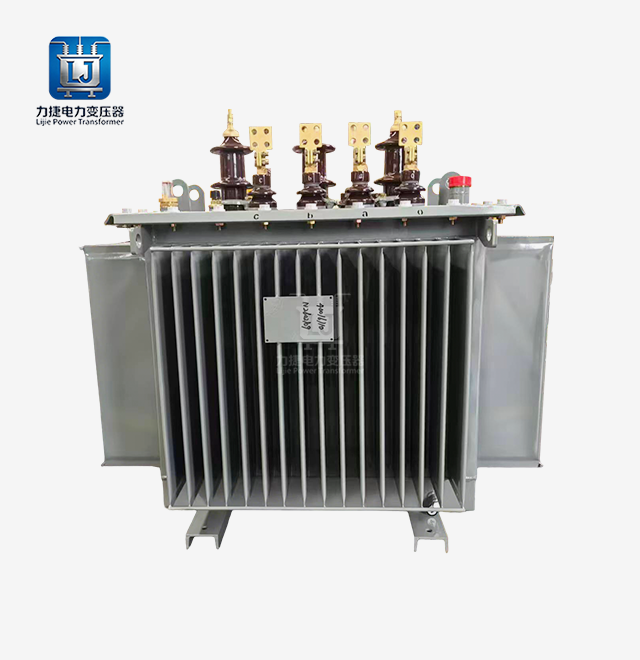
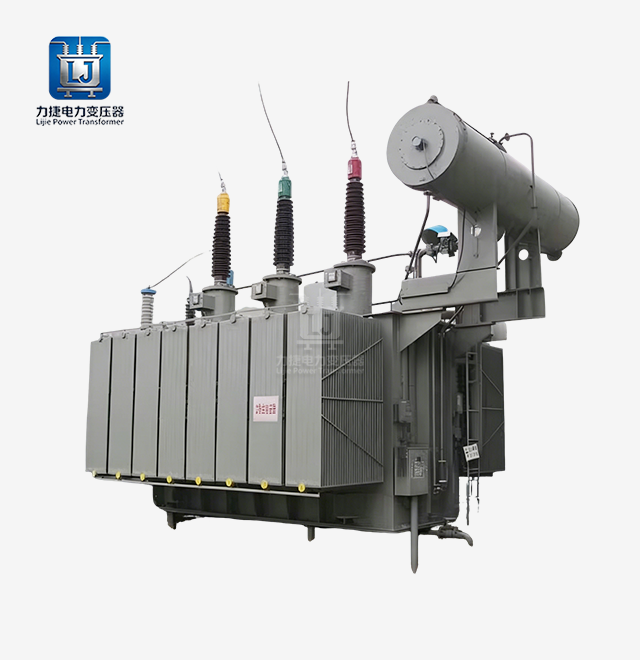


18%20type%20dry-type%20distribution%20transformer.webp)
12%20type%20epoxy%20resin%20cast%20transformer.webp)
April 27, 2025
With a tight project schedule, the manufacturer delivered on time, and on-site technical personnel provided guidance throughout the entire installation and commissioning process; the collaboration was highly efficient and hassle-free.
July 2, 2025
During the preliminary phase, a selection plan was custom-tailored based on the actual site load requirements, resulting in a high degree of parameter compatibility. After-sales support responds within two hours, and ongoing technical support for operation and maintenance is comprehensive; we feel completely confident in a long-term partnership.
November 18, 2025
Deployed as a supporting component for a 35kV grid-connection project at a photovoltaic power station, the equipment operates for an average of 16 hours daily. It demonstrates excellent control over no-load losses, ensures smooth power generation and grid integration, and effectively reduces the station's overall energy consumption.
January 30, 2026
Under the continuous, high-load operating conditions of a factory production line, the equipment maintains stable electrical parameters and exhibits strong overload resistance, thereby guaranteeing an uninterrupted power supply for industrial production.
April 3, 2026
Integrated as a supporting component for a new energy photovoltaic grid-connection system, the manufacturer provided professional technical coordination and timely after-sales support, ensuring seamless adaptation to the specific electrical operating conditions required for grid integration.