April 27, 2025
With a tight project schedule, the manufacturer delivered on time, and on-site technical personnel provided guidance throughout the entire installation and commissioning process; the collaboration was highly efficient and hassle-free.
Jul 27, 2026
The S(B)H15 oil-immersed transformer is very efficient thanks to its amorphous metal core, which cuts no-load losses by about 70% to 80% compared to regular silicon steel transformers. This S(B)H15 Series Oil-immersed Amorphous Alloy Transformer has a Level 1 energy efficiency rating, which means that power utilities and industrial facilities will save a lot of money and put out less carbon dioxide. Its disorganised atomic structure makes it easier to magnetise and demagnetise, which means less energy is wasted when it's not in use and better performance when the load changes.
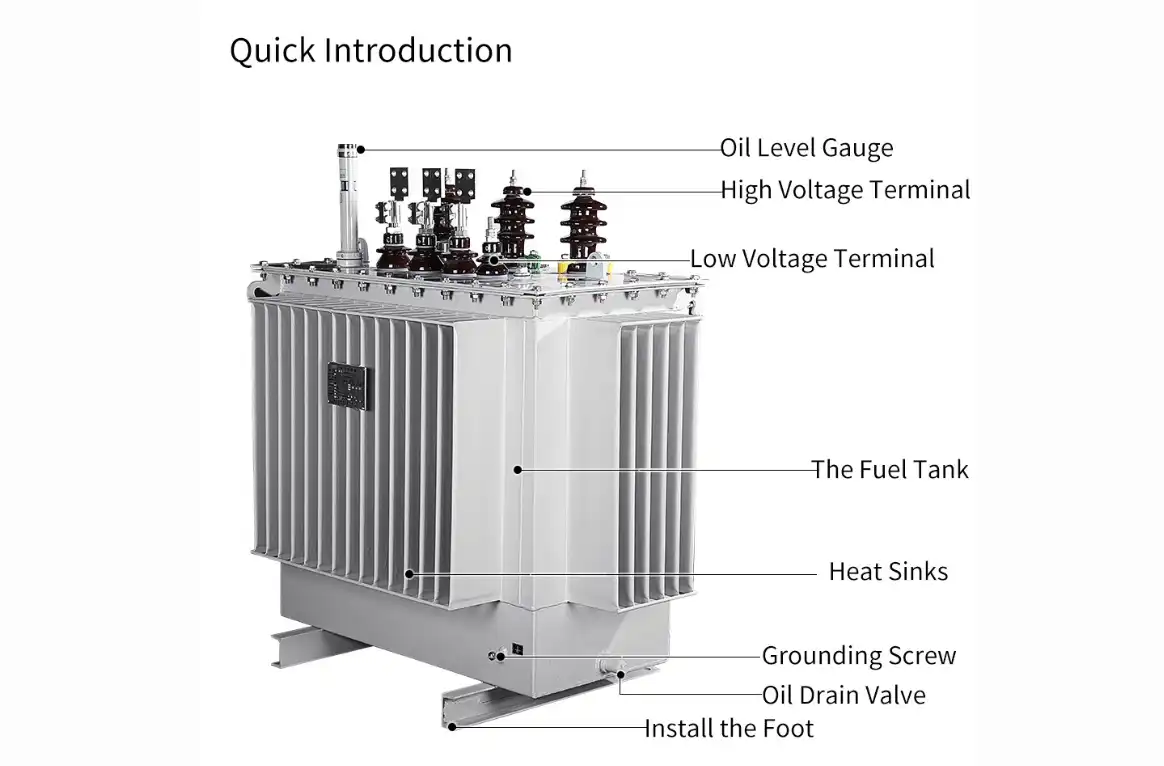
When purchasing managers and electrical engineers look at distribution equipment, efficiency is the most important thing that determines whether the business will make money or not, especially as energy costs rise. The amorphous alloy distribution transformer is a big change in the way core materials are made. It directly solves the problem of no-load energy usage, which has been a problem for a long time.
Cores made of traditional silicon steel have solid structures, which mean that the atoms are arranged in a certain way. In contrast, the S (B) H15 Series Oil-immersed Amorphous Alloy Transformer uses amorphous metal cores made through fast freeze-solidification processes, where atoms are not arranged in a regular way. This non-crystalline structure made up of elements like iron, silicon, and boron greatly lowers hysteresis losses during magnetisation cycles. The better ferromagnetic properties of the material make it easier to align the magnetic domains, and it takes less energy to create magnetic fields inside the core.
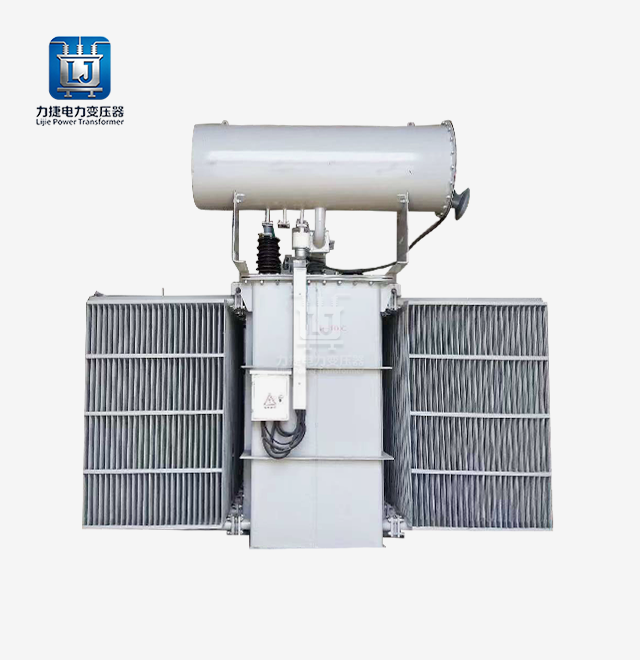
The transformer can handle voltages between 6kV and 12kV and has a power range of 30kVA to 2500kVA. It can handle both 50Hz and 60Hz frequencies, so it can meet the needs of different grids in different countries. The Dyn11 link group name makes sure that the phase relationships in three-phase systems are perfect, and the fully sealed oil-immersed self-cooling method keeps the thermal performance stable. The insulation system meets strict safety standards for utility-scale use, with a power frequency withstand voltage of AC-35kV and a shock withstand voltage of L1-75kV.
It doesn't matter how much load is being used; power delivery networks always lose power when transformers are turned on. This waste is mostly felt in rural power grids, urban substations during off-peak hours, and manufacturing sites that aren't very busy. By cutting no-load losses by 80%, S (B) H15 Series Oil-immersed Amorphous Alloy Transformer makes a real difference in improving energy efficiency. A 1000kVA unit that runs at low load for 6,000 hours a year can save up to 15,000 kWh compared to S11 series options. This means that over the transformer's many decades of service, it will save a lot of money.
When choosing delivery equipment, you have to weigh the initial investment against the costs of running it over its lifetime. The initial cost of amorphous alloy technology is higher, but the total cost of ownership shows strong benefits that appeal to procurement teams that are cost-conscious and organisations that care about the environment.
Due to its very low no-load loss, this feature saves money right away, and for an S (B) H15 Series Oil-immersed Amorphous Alloy Transformer, the reduced energy consumption directly translates into lower electricity bills, with payback periods typically ranging from three to five years depending on local utility rates and load profiles. Costs related to electricity make up most of a transformer's total costs, so using less energy directly increases profits. Depending on local energy rates and load patterns, payback times are usually between three and five years. After that, continuing to save money increases return on investment. The fully sealed, maintenance-free structure gets rid of the need for regular oil testing and replacing, which cuts down on running funds even more.
Carbon neutrality goals and environmental accountability are becoming more and more important in modern regulatory frameworks. The S (B) H15 Series Oil-immersed Amorphous Alloy Transformer has a low carbon footprint, which is in line with LEED certification standards for green industrial parks and ESG compliance requirements that help forward-thinking companies make purchasing choices. Every kilowatt-hour saved means less greenhouse gas emissions from making electricity. The stable shielding oil system reduces environmental impact and supports longer service life, which lowers the number of replacements needed and the materials used for those replacements.
Before we talk about the main benefits this equipment brings to business and utility users:
Ultra-low No-load Loss: The flexible ribbon core cuts down on idle energy use to almost nothing. This solves the major problem of wasted energy all the time in distribution networks where transformers are always on.
High Overload Capacity: Modern winding methods make the transformer very resistant to short circuits. This lets it handle surges that happen in places like factories where motors are starting up or where renewable energy is being used.
Low Temperature Rise and Noise: Better thermal stability makes insulation systems last longer, and new clamping structures reduce the magnetostriction noise that comes with amorphous metals, which makes installation easier in noisy places.
Maintenance-Free Design: The hermetically sealed corrugated tank design stops moisture from getting in and oxidation from happening. This means that the tank will work reliably for decades without needing any regular upkeep.
Together, these benefits solve production problems that power companies face when they have to manage large distribution networks and industrial owners who want to make predictable, low-maintenance investments in infrastructure. It lowers the total cost of ownership and helps meet stricter grid stability standards at the same time by using less energy and being easy to operate.
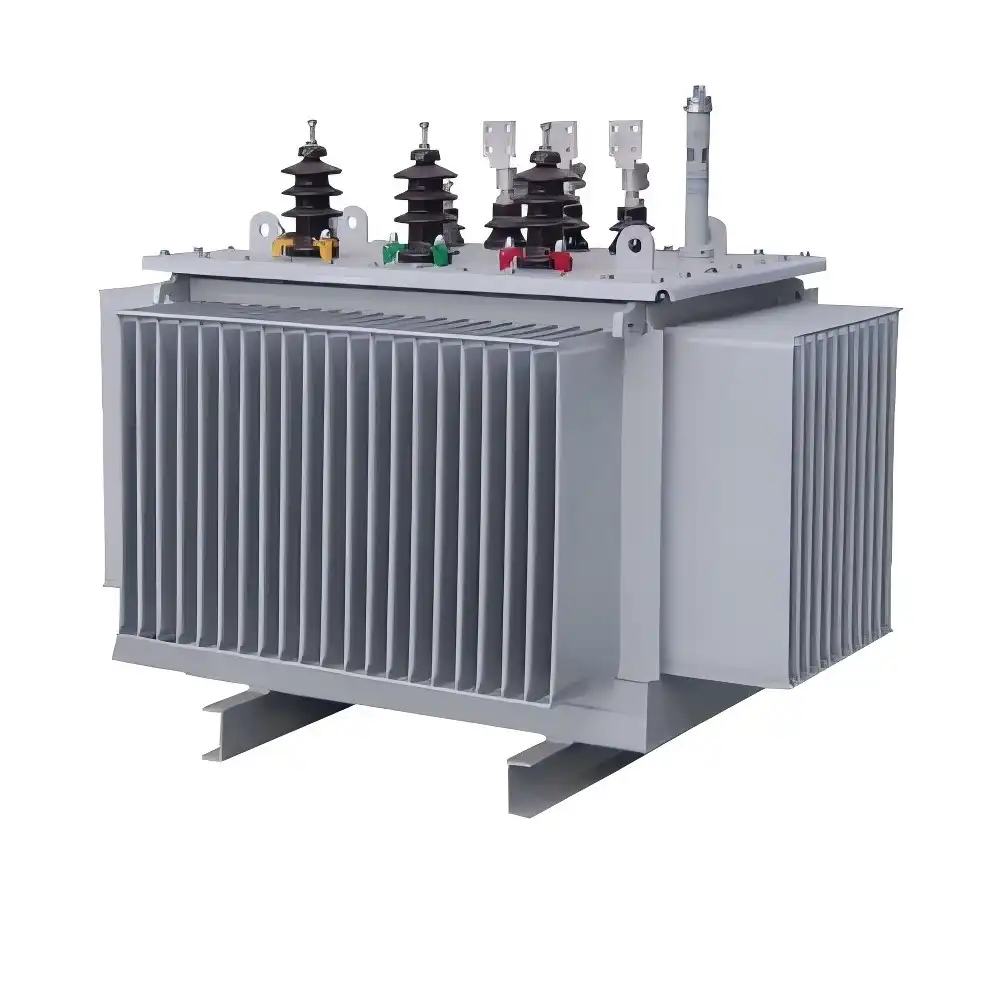
To choose the right equipment, you need to know how different technologies work in different operating settings. When compared to silicon steel oil-immersed models and dry-type options, the amorphous alloy oil-immersed design stands out.
For many years, grid infrastructure has been reliably powered by conventional S11 series transformers with grain-oriented silicon steel cores. But because they are made of crystals, they naturally lose more hysteresis with each magnetisation cycle. Even though silicon steel transformers are cheaper at first, they use more energy, and that cost keeps going up over time. Utilities that run thousands of distribution transformers know that small improvements in efficiency per unit add up to big savings across the whole system. The amorphous metal version has similar load loss performance while drastically lowering no-load losses. This makes it a clear winner for uses that need to run for long amounts of time without any load.
There are no fire risks with dry-type transformers because they don't use insulating oils, making them suitable for indoor installations where air quality and safety are paramount, while an S (B) H15 Series Oil-immersed Amorphous Alloy Transformer offers superior cooling efficiency and overload capacity, making it the preferred choice for outdoor substations, mining operations, and utility pole installations where long service life and environmental exposure are critical. They are also good for indoor setups where keeping the air safe is important. They work well in factory areas where temperatures are controlled, but they can't handle the heat when they are overloaded for a long time. Designs that are immersed in oil have better cooling efficiency, which lets them handle higher constant rates and more overloads. The liquid insulation has a high dielectric strength and allows for compact construction with the same power ratings. Oil-immersed technology has clear benefits for outdoor substations, mining operations, and utility pole mounting situations where long service life and exposure to the elements are important.
To find the true value, you have to look at how much energy the transformer will use over its typical 25–30-year operational life. When procurement managers only look at capital expenditures, they miss the most important cost factor. An in-depth analysis looks at things like energy costs, load factor patterns, maintenance costs, and replacement cycles. Case studies from rural electricity projects show that high no-load operation rates cut the time it takes to get the money back. Less heat stress makes devices last longer in urban networks with stable load curves. The quality and stability of transformer oil are very important for managing heat and insulating, so it's important to get the right specification to get the expected lifecycle benefits.
By matching the transformer's specs to its operational needs, you can get the best performance and value. Different uses have different problems that affect the order in which equipment is chosen.
When matching capacities, you should think about both the minimum load needs and the expected growth. Most distribution uses can be handled by the 30kVA to 2500kVA range. However, careful study of load curves and diversity factors is needed to avoid oversizing, which adds no-load losses needlessly. Ratings for voltage must match the grid infrastructure that is already in place. For example, 12kV is usually used for distribution networks, while 6kV is best for industrial plants. The non-excitation voltage control with ±5% or ±2×2.5% tap settings lets the system adapt to changing voltage conditions without turning off the power, which helps meet grid stability goals. When thinking about the environment, you should think about the warmest temperatures that can exist. Most standard designs can work outside in temperatures up to 40°C, but custom specifications can handle even harsher conditions.
Building relationships with skilled manufacturers guarantees consistent quality for both large purchases and ongoing project phases, and for an S (B) H15 Series Oil-immersed Amorphous Alloy Transformer, this means working with a supplier that maintains ISO 9001, IEC 60076, CE, and UL certifications, has proven production capacity for multi-unit orders, and provides full after-sales support including installation guidance, commissioning assistance, and long-term warranty coverage. When projects need multiple units to be supplied on time and in sync with each other, production ability is important. Following the rules set by ISO 9001, IEC 60076, GB/T 27922-2021, and regional standards like CE and UL makes sure that the quality of the products is checked and makes it easier for regulators to approve them. Project risks are lower when there is full after-sales support, such as installation instructions, help with commissioning, and warranty coverage. Long-term asset management planning is more secure when you know you can get replacement parts and expert help at any time during the operating life.
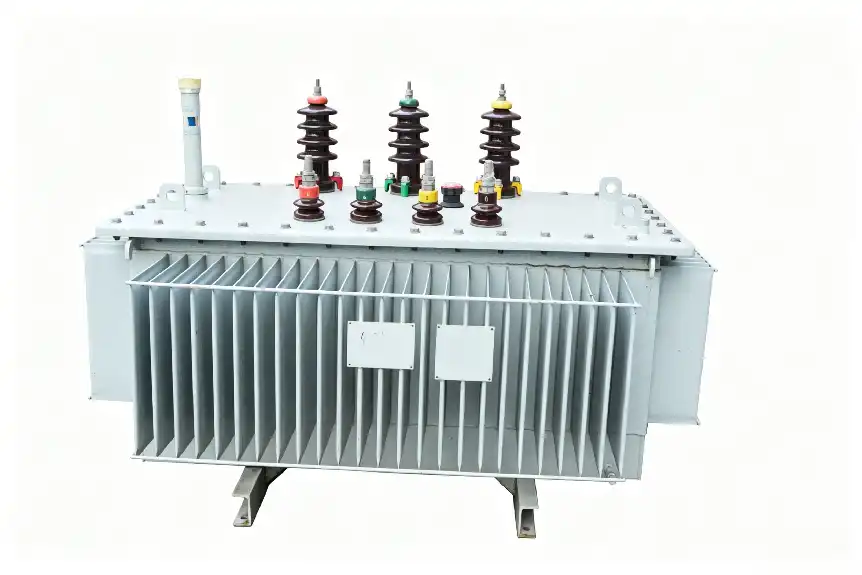
Environmental laws, new technologies, and changing grid designs are all forcing the power distribution business to change all the time. These trends will affect how equipment is specified and bought in the future.
Governments around the world are putting more and more strict rules on how energy-efficient electricity equipment must be. The U.S. Department of Energy changes the efficiency standards for distribution transformers every so often. Directives from the European Union set basic standards for performance that are in line with climate goals. Because of these rules, high-efficiency technologies have to be used, and amorphous alloy designs are now the standard for new installations instead of the more expensive alternatives. Regulatory incentives or penalties for utilities are based on system-wide efficiency metrics. This puts pressure on them to buy technologies that make measurable improvements.
Digital monitoring and control are built into modern distribution networks, which lets operators see what's going on in real time. Predictive maintenance plans work better with transformers that have sensors that measure temperature, load current, voltage levels, and dissolved gas. This data integration lets tools find the best loading patterns, spot problems before they happen, and make sure that efficiency performance stays high over the service life. Putting together naturally efficient amorphous alloy technology with smart tracking creates benefits that help grid modernisation efforts and programs to make things more reliable.
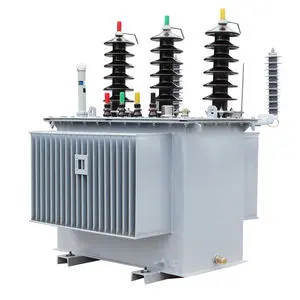
The S(B)H15 oil-immersed transformer is very efficient thanks to its amorphous alloy core technology, which cuts no-load losses by 70% to 80% compared to regular designs, and an S (B) H15 Series Oil-immersed Amorphous Alloy Transformer offers this efficiency across a range of ratings, making it the ideal choice for utility and industrial applications where energy savings and environmental compliance are top priorities. This Level 1 energy efficiency rating means that utility and industrial applications will save a lot of money and have less of an effect on the environment. The fully sealed, maintenance-free design, strong overload capacity, and quiet operation meet important purchase standards for dependability and long-term value. As rules get stricter and demands for sustainability grow, these changers set businesses up to make investments in infrastructure that will work in the future.
The main difference is in the core material and the magnetic qualities that come from it. Silicon steel cores have solid atomic shapes that make magnetisation cycles need more energy, which leads to higher hysteresis losses. The random arrangement of atoms in amorphous metal makes it easier for magnetic domains to line up, which cuts no-load losses by about 80%. This benefit in efficiency is most useful in situations where the load is low for a long time, since regular transformers lose energy all the time.
The fully sealed hermetic design gets rid of the need for regular maintenance that is needed for oil-immersed transformers. Advanced tank construction stops moisture from getting in and oxidation from happening, so oil doesn't need to be tested and replaced on a regular basis. This feature of not needing any upkeep lowers operating costs while maintaining reliable performance over the usual 25 to 30 year service life of distribution infrastructure.
Units made to IEC 60076 standards can be used all over the world, and CE and UL certifications make it easier to get them on the markets in Europe and North America. Following the rules of the ISO 9001:2015 quality management system guarantees consistent production methods, and following the rules of the GB/T 27922-2021 standard confirms complete after-sales service capabilities that are necessary for long-term asset support.
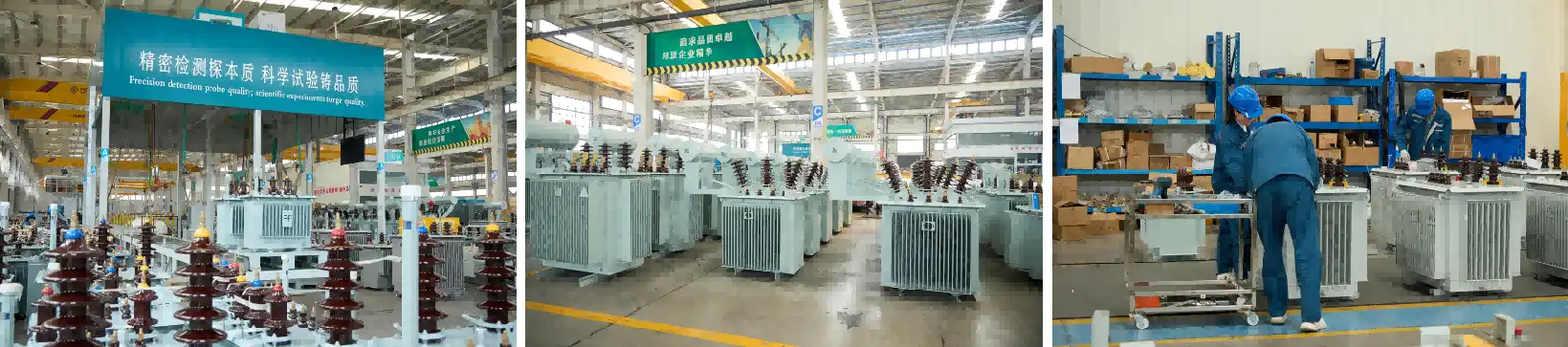
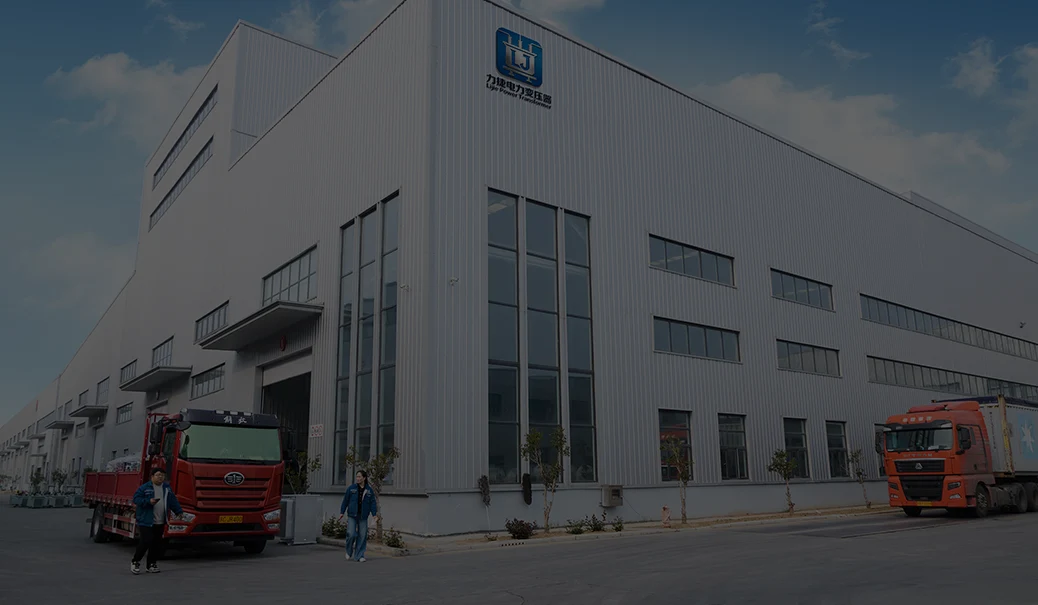
Lijie Electric makes high-quality amorphous alloy distribution transformers that are designed to work well and last a long time. Our 500,000-square-meter factories in Xuzhou and Nantong are home to more than 2,000 workers who work hard to support big building projects every year. We are a reliable supplier of S(B)H15 Series Oil-immersed Amorphous Alloy Transformer, and our ISO 9001, CE, UL, and IEC certifications make sure that the quality of every unit is the same. Our engineering team works with procurement managers and electrical engineers to come up with the best configurations for your needs and the conditions where they will be used. You can email lijieelectrical@gmail.com to talk about the details of your project, get technical datasheets, or look into big order discounts that will help you get advanced efficiency technology for your power infrastructure investments. You can find a lot of information about our products at lijie-electrical.com, which will help you make smart purchasing choices.
1. International Electrotechnical Commission. "IEC 60076 Series: Power Transformers - General Requirements and Performance Characteristics." Geneva: IEC Standards Publications, 2018.
2. Zhang, Wei and Liu, Hongming. "Amorphous Alloy Core Technology in Distribution Transformers: Efficiency Analysis and Field Performance Data." Journal of Electrical Engineering Technology, vol. 15, no. 3, 2020, pp. 1247-1259.
3. U.S. Department of Energy. "Energy Conservation Standards for Distribution Transformers: Final Rule and Technical Analysis." Federal Register, vol. 81, no. 89, 2016, pp. 28162-28301.
4. Chen, Guozhong et al. "Comparative Life Cycle Cost Analysis of Silicon Steel and Amorphous Alloy Distribution Transformers in Utility Applications." IEEE Transactions on Power Delivery, vol. 34, no. 2, 2019, pp. 781-790.
5. National Transformer Quality Supervision and Inspection Center. "Performance Testing Protocols and Certification Requirements for Oil-immersed Distribution Transformers." Beijing: China Electric Power Press, 2019.
6. European Commission Joint Research Centre. "Energy Efficiency Requirements for Power Distribution Equipment: Technical Standards and Implementation Guidelines." Publications Office of the European Union, 2021.
YOU MAY LIKE
12%20Series%20Dry%20Type%20Transformer.webp)

10%20type%20epoxy%20resin%20cast%20transformer.webp)


April 27, 2025
With a tight project schedule, the manufacturer delivered on time, and on-site technical personnel provided guidance throughout the entire installation and commissioning process; the collaboration was highly efficient and hassle-free.
July 2, 2025
During the preliminary phase, a selection plan was custom-tailored based on the actual site load requirements, resulting in a high degree of parameter compatibility. After-sales support responds within two hours, and ongoing technical support for operation and maintenance is comprehensive; we feel completely confident in a long-term partnership.
November 18, 2025
Deployed as a supporting component for a 35kV grid-connection project at a photovoltaic power station, the equipment operates for an average of 16 hours daily. It demonstrates excellent control over no-load losses, ensures smooth power generation and grid integration, and effectively reduces the station's overall energy consumption.
January 30, 2026
Under the continuous, high-load operating conditions of a factory production line, the equipment maintains stable electrical parameters and exhibits strong overload resistance, thereby guaranteeing an uninterrupted power supply for industrial production.
April 3, 2026
Integrated as a supporting component for a new energy photovoltaic grid-connection system, the manufacturer provided professional technical coordination and timely after-sales support, ensuring seamless adaptation to the specific electrical operating conditions required for grid integration.