April 27, 2025
With a tight project schedule, the manufacturer delivered on time, and on-site technical personnel provided guidance throughout the entire installation and commissioning process; the collaboration was highly efficient and hassle-free.
Jul 9, 2026
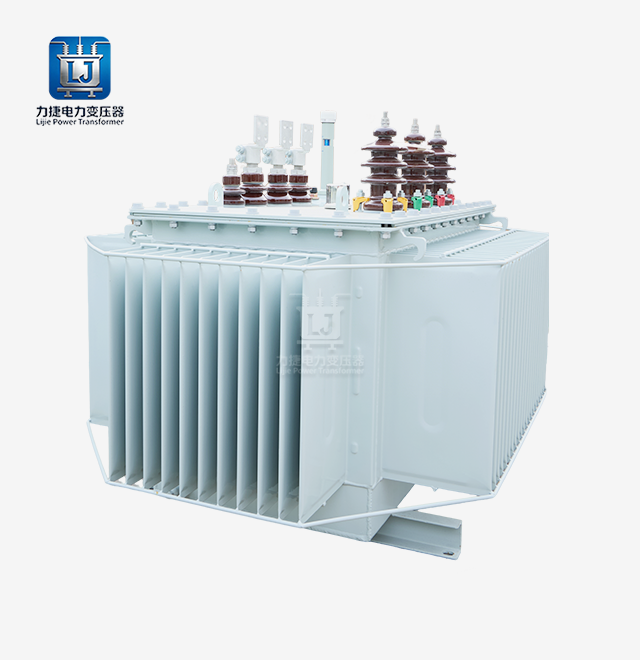
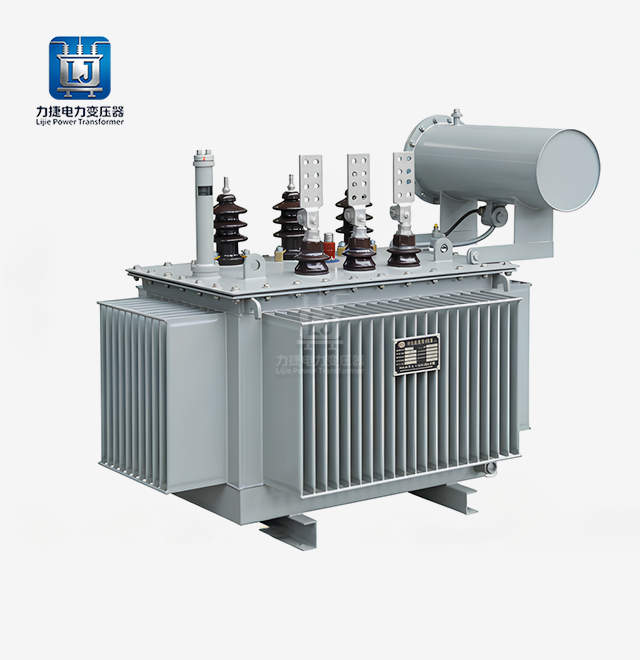
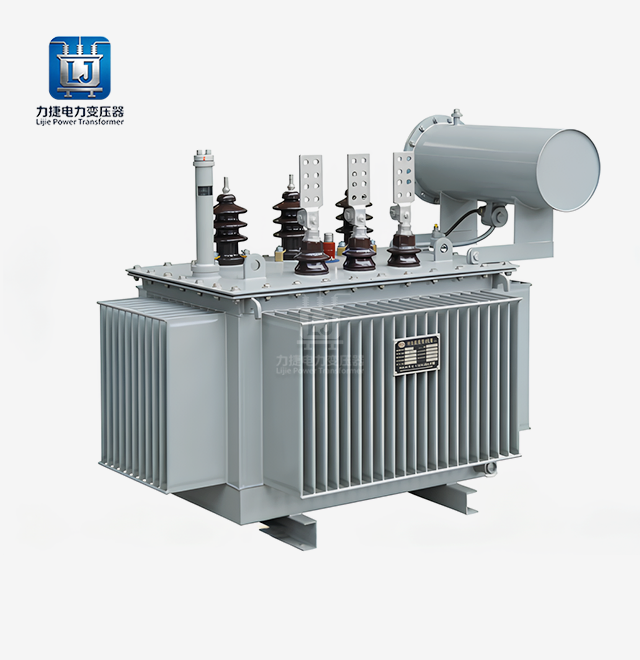
For power building projects, choosing the right distribution transformer means knowing a lot about both the technical specs and the supplier's abilities. It is an advanced solution designed for medium-voltage utility grids and tough industrial uses. The SC(B)12 type 35KV oil-immersed transformer is one example. This equipment is very energy efficient because it cuts no-load losses by about 20% compared to older S11 models while still maintaining strong thermal performance and dielectric integrity. Our detailed guide covers all the important decision factors that electrical engineers, purchasing managers, and project directors need to know in order to find reliable 35KV transformers for long-term use. These include design features, maintenance protocols, and best practices for procurement.
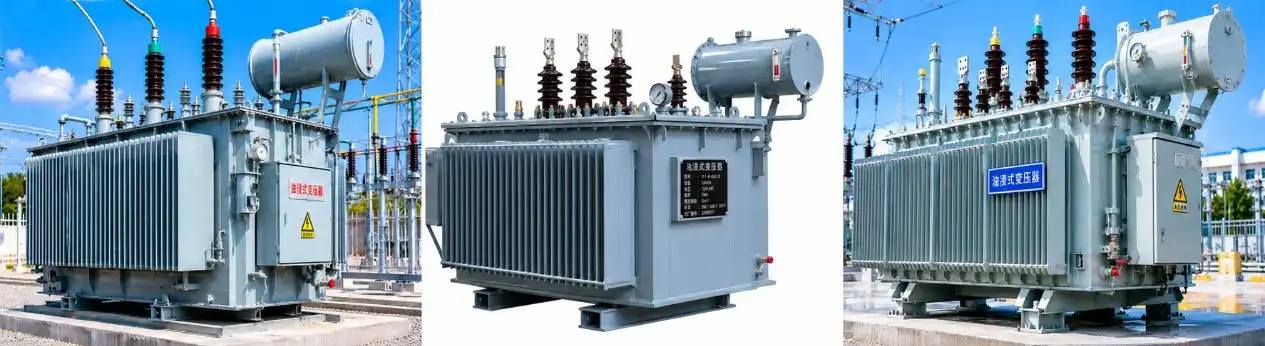
The high-voltage winding of the SC(B)12 type 35KV oil-immersed transformer uses high-quality copper conductors that are strengthened with chopped glass fibre felt to make the insulation stronger. We used world-class Heydrich vacuum casting equipment to make these windings under vacuum. This process gets rid of air pockets and lowers the partial discharge level to less than 5pC. This careful method stops internal arcing, which could damage insulation over time. The vacuum casting method makes sure that the epoxy goes into the winding structure evenly. This forms a strong barrier against heat stress and moisture entry. This level of manufacturing accuracy directly answers concerns that procurement teams have about the reliability of equipment that will be left to work alone in harsh industrial settings or remote substations.
For our low-voltage windings, we use high-quality foil wires that are wound on automatic box-winding machines that have hydraulic tension control, which saves energy. During the whole winding process, the foil winding system keeps its ±0.5mm detection accuracy. This makes sure that the layer spacing is always the same and that the conductors are in the best place. Modern argon arc welding technology joins foil pieces with little thermal effect, protecting the conductor's qualities while making strong electrical connections. This mix of automation and precision engineering gets rid of common flaws in windings that cause hot spots or failure before their time. This directly meets the reliability needs of power companies and manufacturers who can't have unexpected downtime.
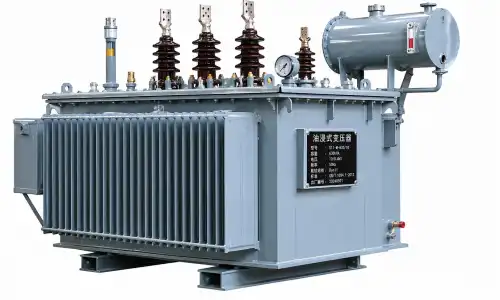
Lifecycle cost analysis makes it clear right away that S12 technology makes transformers more efficient when comparing generations. With the S12 series, there is about a 20% drop in no-load loss while load loss performance stays the same. This saves between 15,000 and 20,000 kWh of electricity a year for a typical 1000kVA unit that runs all the time. Over the course of 25 years, these savings more than make up for any initial price premium. This makes the S12 an economically sensible choice for procurement managers who are watching their budgets. The better economy also has less of an effect on the environment, which is becoming more and more important for utilities that are being watched closely by regulators over carbon emissions from grid operations.
In high-power situations where controlling temperature is important, oil-immersed transformers have clear advantages. The SC(B)12 type 35KV oil-immersed transformer, for example, uses mineral oil as an insulating and cooling medium, providing an insulating strength that is many orders of magnitude higher than that of air or plastic. This allows more compact designs to operate reliably at 35KV voltage levels. Concerns about fire risk are eliminated by dry-type transformers, but they typically require more installation space and experience higher temperature rises under the same load conditions. Our oil-immersed units feature multiple layers of anti-corrosion coatings that meet C4 or C5-M standards. This means they can be used in coastal sites where salty mist would quickly damage dry insulation systems. In the end, the choice between technologies comes down to the needs of the application. For example, oil-immersed designs are more cost-effective for outdoor utility substations and heavy industrial facilities that require the ability to handle sustained high loads.
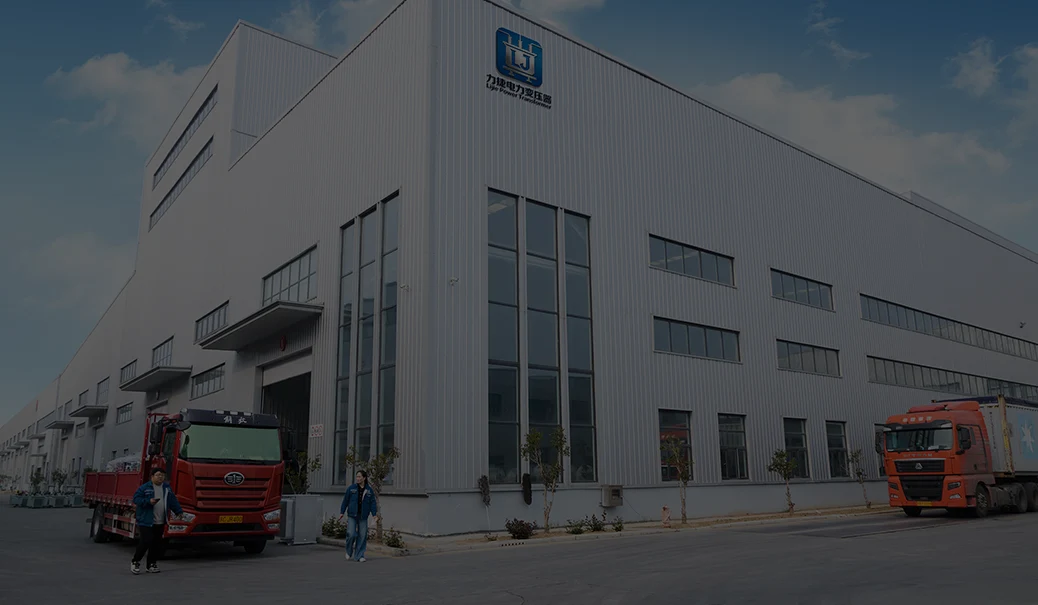
There are both large international companies with good reputations and small, specialised companies that offer reasonable prices and the ability to make transformers exactly how you want them. Large suppliers have a lot of certifications and service networks around the world, which are helpful when managing infrastructure projects in more than one country. But companies like Lijie Electric use ISO 9001:2015 quality management along with IEC and UL certifications. They also keep the flexibility and responsiveness that big manufacturers don't always offer. We can handle both standard catalogue sales and fully customised engineering solutions thanks to our 500,000-square-meter production facilities and more than 2,000 workers. Instead of just looking at how well-known a supplier's name is, buying teams should look at how much they can produce, how well they deliver, and how well they can help with engineering.
Setting up regular maintenance schedules for SC(B)12 type 35KV oil-immersed transformer extends their useful life and stops them from breaking down without warning, which could cause problems with operations. We suggest eye inspections every three months to check for oil leaks, damaged bushings, and seal integrity. An annual dissolved gas analysis (DGA) can find small problems before they get worse and cause catastrophic failures. Certain gas ratios can show signs of overheating, partial discharge, or cellulose degradation. Our hermetically sealed design means that you don't have to change the oil as often as you do with older units that have breathers. Under normal operating conditions, DGA monitoring is enough to check the oil condition throughout the transformer's lifetime. Monitoring temperature changes when the load changes can help find problems with the cooling system or internal blockages before they hurt thermal performance. These proactive steps lower the total cost of ownership while getting the most use out of the assets.
When an insulation system breaks down, it usually shows up as high partial discharge activity or lower breakdown voltage in oil tests. When DGA shows gas levels that aren't normal, especially acetylene levels that show arcing, the load must be lowered right away, and a full analysis must be done. Our high-voltage windings have vacuum-cast resin insulation that is better at resisting moisture absorption and thermal cycling than traditional paper-oil systems. However, environmental factors can still speed up the ageing process in units that aren't properly maintained. Insulation integrity is maintained by keeping the oil pure through proper closing and staying away from overload situations. Our technical support team helps customers figure out what test results mean and whether the action just needs simple load management or a full repair.
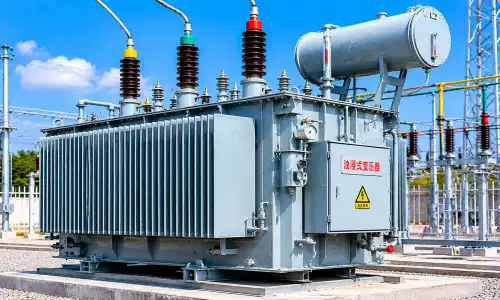
By getting detailed quotes from several suppliers, you can compare prices and find out about important differences in terms and scope. Purchasing managers should look at more than just unit prices. They should also look at the length of the guarantee, the availability of spare parts, delivery plans, and payment terms. In our standard quotes, we include information about the SC(B)12 type 35KV oil-immersed transformer grade, its vector groups, its cooling type, its safety devices, its certification compliance, and how it will be shipped. Knowing these details keeps bought tools from not meeting the needs of the job. Price changes are usually not just due to differences in margins, but also because of differences in core materials, conductor quality, or tank construction. Products that are cheaper but made with lower-quality materials are a waste of money because they break down early and need to be replaced every 10 to 15 years instead of lasting the expected 25 to 30 years.
Standard catalogue items can be used in a lot of different situations, but for building projects, the specs often need to be changed to fit the needs of the site or the operations. Lijie Electric has its own engineering teams that can customize SC(B)12 type 35KV oil-immersed transformer configurations by adjusting voltage ratios, impedance values, terminal configurations, and protection schemes to meet the needs of each project. Our automated winding tools and adaptable production methods allow us to fulfil unique orders without adding too much extra lead time. This ability to customize is especially useful for installations that use renewable energy and need to ensure that transformer parameters match inverter characteristics. It is also beneficial for industrial applications where harmonic-rich loads from variable-frequency drives are present. Early in the procurement process, detailed technical discussions help ensure that the delivered equipment meets actual installation requirements. This reduces the need for field modifications that could affect performance and reliability.
The 35KV voltage class is an important part of power distribution networks because it lowers voltages from transmission levels to levels that can be used by factories, shopping areas, and renewable energy sites. Depending on the needs of the application, our transformers successfully change 35KV or 20KV grid power to 400V distribution voltage or 10KV cable levels. Steel mills use these units to handle high-surge motor starts for rolling mills and arc furnaces. Mining operations depend on hermetically sealed designs that work reliably in dusty places where maintenance access is limited. Designs that can handle the harmonic errors and cyclic loading patterns that come with green energy are good for wind farms and solar systems. Because of this, the SC(B)12 platform can be used in a wide range of procurement situations across many industries.
Improvements in energy efficiency have a direct effect on the working economics of the SC(B)12 type 35KV oil-immersed transformer over its entire lifecycle. When compared to S11 technology, which works when electricity costs $0.10/kWh, our S12 efficiency level lowers yearly operating costs by about $2,000 to $3,000 per unit. These savings add up to $200,000 to $300,000 a year for a fleet of 100 transformers, which is a big enough return to justify making changes to the specifications when buying them. In addition to lowering energy costs, improvements in reliability also cut down on maintenance costs and stop businesses from losing money because of unplanned outages. Our vacuum-cast windings and airtight seals reduce the failure modes that commonly happen in units that are made in the old way. This means that assets are more available and cost less over their entire life. Procurement managers and financial experts who look at the total cost of ownership (TCO) instead of just the initial purchase price, like these measurable benefits.

To choose a trustworthy 35KV oil-immersed distribution transformer, you need to weigh the technical performance, the cost-effectiveness over the lifecycle, and the supplier's abilities. The SC(B)12 type 35KV oil-immersed transformer makes a real difference in how efficiently it works, thanks to its advanced core materials and precise manufacturing processes. It also keeps the reliability that power companies and business owners expect. Knowing the specifics of a product, how to maintain it, and the best ways to buy it can help you make smart decisions that meet the needs of both the current job and the long-term operation. Partnering with experienced makers that offer full tech support and global service capabilities ensures that the equipment works reliably for the many years that it is expected to last.
Compared to S11 technology, the S12 series gets about 20% less no-load losses, which greatly reduces running costs over a normal 20–25 year transformer lifetimes. This increase in efficiency is due to better magnetic circuit design and improved core materials. For continuous-duty uses, the energy savings usually cover the higher price within 5 to 7 years of operation. This makes S12 the most cost-effective choice for both new installs and replacements.
Our 35KV oil-immersed transformers have multiple layers of anti-corrosion coatings that meet international standards C4 or C5-M. This gives them strong protection against salt-mist ingress that is common in coastal installations. The hermetically sealed tank design keeps water from getting into the insulating oil, so the equipment's dielectric strength stays high over its lifetime. Because of these safety features, the units can be used in marine environments, on offshore platforms, and in coastal industrial facilities, where fast corrosion would quickly damage equipment that isn't protected.
The 35KV class is designed for sub-transmission uses, connecting high-voltage transmission networks to localised distribution networks. This voltage level works best for utility substations that serve business areas or industrial parks, renewable energy installations that connect to regional grids, and industrial parks or buildings that need to integrate on-site production. The 35KV rating gives enough voltage margin for power to be sent over medium-length distances while staying below the ultra-high-voltage levels that would need much more expensive equipment and specialised maintenance skills.
Lijie Electric Power Technology Group is ready to help you buy a 35KV transformer. They have years of experience making specialised products and are very good at what they do. Our 500,000-square-meter factories make a wide range of transformers that meet IEC, CE, and UL standards. They are backed by ISO 9001:2015 quality management and are known across the country as a "Specialized, Refined, and New 'Little Giant'" business. As a trusted maker of SC(B)12 type 35KV oil-immersed transformers, our technical teams work closely with customers to make sure that specs are met and that the transformers fit together perfectly, whether your project needs standard catalogue units or fully customised engineering solutions. Email our engineering experts at lijieelectrical@gmail.com to talk about your specific needs, get detailed quotes, or set up visits to the factory. We don't just sell transformers; we also offer complete solutions backed by quick service that protects your infrastructure investments for as long as they work.
1. IEEE Std C57.12.00-2015, "IEEE Standard for General Requirements for Liquid-Immersed Distribution, Power, and Regulating Transformers," Institute of Electrical and Electronics Engineers, New York.
2. IEC 60076-1:2011, "Power transformers – Part 1: General," International Electrotechnical Commission, Geneva, Switzerland.
3. Harlow, J.H., "Electric Power Transformer Engineering, Third Edition," CRC Press, Boca Raton, Florida, 2017.
4. Kulkarni, S.V. and Khaparde, S.A., "Transformer Engineering: Design, Technology, and Diagnostics, Second Edition," CRC Press, Taylor & Francis Group, 2013.
5. GB/T 6451-2015, "Three-phase oil-immersed power transformers 50 Hz, 10 kV to 110 kV," Standardization Administration of China, Beijing.
6. McNutt, W.J., "Insulation Systems for Power Transformers," IEEE Transactions on Electrical Insulation, Volume EI-17, Issue 4, August 1982.
YOU MAY LIKE



April 27, 2025
With a tight project schedule, the manufacturer delivered on time, and on-site technical personnel provided guidance throughout the entire installation and commissioning process; the collaboration was highly efficient and hassle-free.
July 2, 2025
During the preliminary phase, a selection plan was custom-tailored based on the actual site load requirements, resulting in a high degree of parameter compatibility. After-sales support responds within two hours, and ongoing technical support for operation and maintenance is comprehensive; we feel completely confident in a long-term partnership.
November 18, 2025
Deployed as a supporting component for a 35kV grid-connection project at a photovoltaic power station, the equipment operates for an average of 16 hours daily. It demonstrates excellent control over no-load losses, ensures smooth power generation and grid integration, and effectively reduces the station's overall energy consumption.
January 30, 2026
Under the continuous, high-load operating conditions of a factory production line, the equipment maintains stable electrical parameters and exhibits strong overload resistance, thereby guaranteeing an uninterrupted power supply for industrial production.
April 3, 2026
Integrated as a supporting component for a new energy photovoltaic grid-connection system, the manufacturer provided professional technical coordination and timely after-sales support, ensuring seamless adaptation to the specific electrical operating conditions required for grid integration.