April 27, 2025
With a tight project schedule, the manufacturer delivered on time, and on-site technical personnel provided guidance throughout the entire installation and commissioning process; the collaboration was highly efficient and hassle-free.
Jul 8, 2026
When looking at power distribution equipment for big building projects, efficiency isn't just a technical requirement; it's also what makes the equipment work in the long run. Because of its advanced core design and sealed architecture, the S11 Type Fully Sealed Oil-Immersed Distribution Transformer is very efficient. This transformer's no-load losses are about 30% lower than those of regular S9 models. This means that it will use less energy and cost less to run over its 20–30 year service life. Because the tank is corrugated, it doesn't come into contact with air. This keeps the insulation intact and ensures consistent performance in harsh industrial settings.
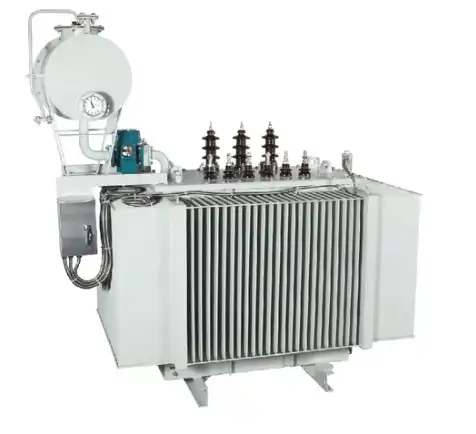
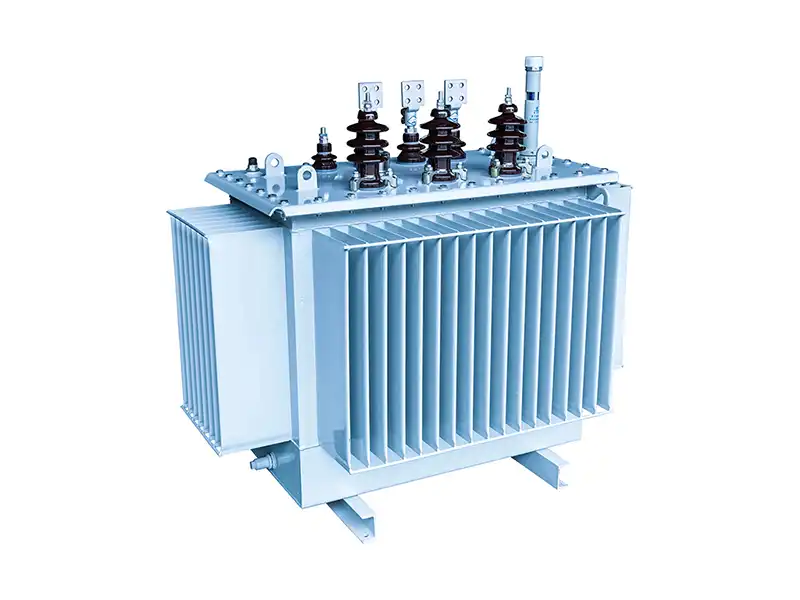
In contrast to regular oil-filled transformers that use oil conservators that are exposed to air, the S11 uses a corrugated tank structure that physically separates the insulating oil from oxygen and moisture in the air. This engineering approach solves a major problem in the industry: oil degradation. When transformer oil gets wet or oxidises, the dielectric strength goes down. This makes partial discharge and final insulation failure more likely. The ribbed walls bend naturally as the amount of oil changes with changes in temperature. This keeps the pressure inside the tank balanced without the need for extra breathing equipment.
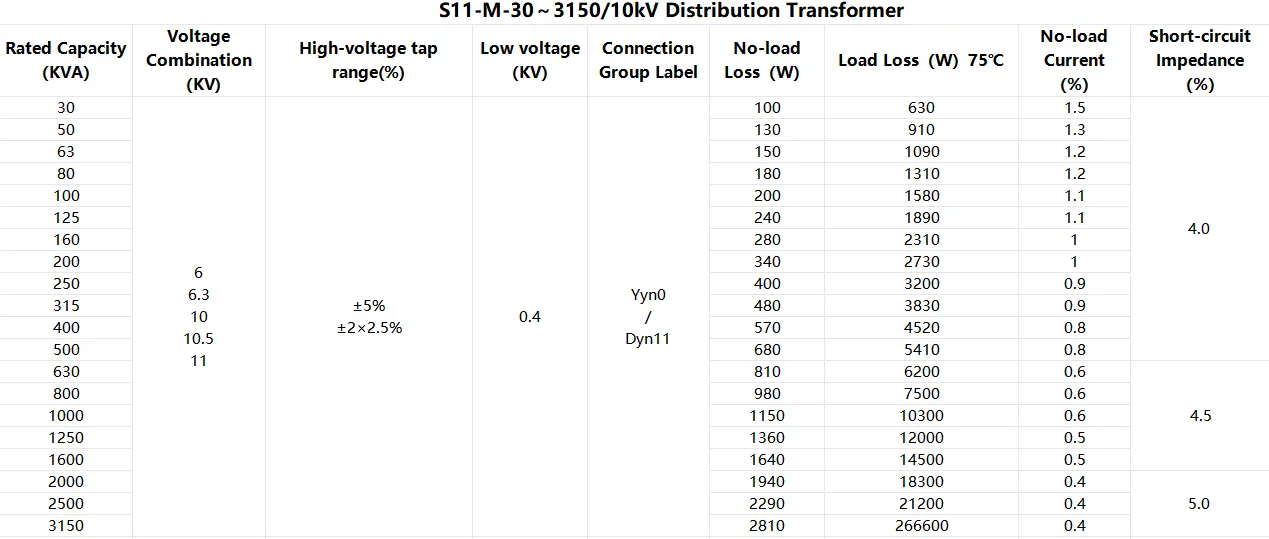
The design of the S11 Type Fully Sealed Oil-Immersed Distribution Transformer follows the rules set by IEC 60076 and GB/T 6451, which ensures it meets the requirements of global power grids. With capacities ranging from 30kVA to 3,150kVA and voltage levels of 6kV and 12kV, these units are suitable for a wide range of applications, from urban commercial power networks to remote renewable energy installations. Single-phase and three-phase configurations provide flexible options for system design, while connection group names Yyn0 and Dyn11 support different grounding methods and load balancing requirements.
The transformer core is made of high-quality cold-rolled grain-oriented silicon steel sheets and is the most important part of how well it works. This choice of material cuts down on hysteresis and eddy current losses during magnetic flux cycles by a large amount. We use either a fully oblique joint stacked core structure or a seamless coiled core structure. Both are designed to keep air gaps to a minimum, which would lower magnetising current and no-load losses. The low magnetic flux density design—which usually works below 1.7 Tesla—reduces core noise even more while keeping the temperature stable during continuous operation.
Copper wires that don't contain oxygen are used in the windings of the S11 Type Fully Sealed Oil-Immersed Distribution Transformer because they are better at conducting electricity and resist oxidation. For low-voltage windings, double-layered cylindrical or spiral structures are commonly used. For high-voltage windings, multi-layered cylindrical structures with longitudinal oil channels are typical. These channels facilitate convective cooling, which improves heat dissipation and enhances insulation performance under high electrical stress.
Controlling two types of losses—no-load losses (core losses) and load losses (winding resistance losses)—is what makes a transformer work well. The S11 design is especially good at lowering no-load losses, which happen all the time when the transformer is on, no matter what the load is. Because distribution transformers often work nonstop for decades, even small drops in no-load losses add up to big energy savings.
According to tests done by a third party, S11 Type Fully Sealed Oil-Immersed Distribution Transformer units usually have no-load losses that are 20–35% smaller than the previous generation S9 models with the same capacity values. Even though load losses are related to current squared, they are also better because oxygen-free copper windings are more conductive and the shape of the windings has been optimised to reduce stray flux. When procurement managers figure out lifetime costs, they should give more weight to no-load losses in situations where the load is light or changes often. On the other hand, load losses are more important in industrial settings where the load is high all the time.
Keeping oxygen out stops the growth of sludge and acids that speed up the ageing process in cellulose materials that act as insulation. By keeping the insulation's qualities, thermal class ratings stay valid for the whole life of the transformer. This means that it can keep running at its rated capacity without losing power because of old insulation. When the rated load is applied, the measured noise levels always stay below 50dB. This is an important factor to consider for installations in noisy or urban areas, where noise pollution can have legal and social effects.
The oil-immersed S11 Type Fully Sealed Oil-Immersed Distribution Transformer is better at managing heat than dry-type transformers because oil has a higher specific heat capacity and works better for convection cooling. This thermal advantage makes it possible to achieve a higher short-circuit withstand capability, which is essential for industrial settings where motors start and stop frequently or where welding loads are present. In fire-sensitive indoor areas, dry-type units are better suited, but the S11's sealed design and IP54 protection rating make it more suitable for outdoor installations where dry-type insulation systems could be damaged by weather conditions.
When compared to regular oil-filled transformers with conservators, the S11 doesn't need silica gel breathers or oil level tracking, which are both things that require regular upkeep. The lack of these parts lowers the number of failure points and the risk of downtime that comes with them. This directly improves system reliability metrics that procurement teams use to judge performance.
The fact that it doesn't need any care is a big change for asset managers who are used to sampling oil once a year and doing major checks every five years. As long as the environmental temperature stays below 40°C and the load isn't more than 120% of its maximum capacity, the sealed S11 won't need much maintenance for up to 20 years. Because the corrugated tank naturally adjusts for thermal expansion, it doesn't have the bushing gasket leaks and conservator bladder failures that were common in older designs.
When measures of efficiency drop without warning, diagnostic methods should use a methodical approach. High no-load losses are often a sign of core insulation degradation or through-bolt loosening, which makes more stray flux routes. When cooling channels get clogged or internal surfaces get dirty, winding hotspots tend to form, which leads to more load loss. The sealed design stops outside moisture from getting in, but insulation breakdown during long overloading can still cause moisture to build up inside.
Dissolved gas analysis (DGA) is still the most accurate way to diagnose problems in S11 Type Fully Sealed Oil-Immersed Distribution Transformer because it can identify potential faults before they occur by analyzing specific gas patterns. Carbon oxides indicate cellulose degradation, while hydrogen and methane suggest partial discharge activity. Even in sealed units, collecting oil samples through the sampling valve allows operators to monitor changes in dissolved gases over time. This helps detect issues at an early stage, before electrical testing reveals any decline in efficiency.
Before you can choose the right voltage levels, you need to know how your distribution system is built. The 6kV rating works well in mine substations and large industrial facilities with their own medium-voltage networks. The 12kV units, on the other hand, can be used in commercial grids and utility distribution systems. When choosing the right capacity, you should think about how much the load will grow in the future. Normally, transformers are sized at 70 to 80% of their rated capacity to leave room for changes in temperature and short-term overloads.
The tap range of ±5% or ±2×2.5% lets you control the voltage to make up for drops in voltage in distribution lines. To make changes to a non-excitation tap, the transformer must be turned off. This is fine for systems where the voltage profile stays fixed. The impedance voltage specification affects the short-circuit current magnitude and the ability to operate in parallel. To get the most out of this parameter, we suggest that you talk to our engineering team about your specific fault level needs.
The insulation level requirements of the S11 Type Fully Sealed Oil-Immersed Distribution Transformer—a power frequency withstand voltage of 35kV AC and an impulse withstand voltage of 75kV—afford enough room for normal distribution tasks. Combining transformer insulation with appropriately rated arresters and grounding systems can help improve surge protection at renewable energy sites or places where lightning strikes often.
The initial cost of buying a power transformer is only 15–25% of the total cost of owning one over its lifetime. Over a 25-year service life, energy losses usually make up 60–70% of the total cost, so efficiency is the most important economic factor. We offer lifecycle cost calculators that take into account your unique energy rates, load profiles, and discount rates to show you why investing in designs with lower losses is a good idea from a financial point of view.
The sealed design eliminates upkeep, which leads to extra savings that aren't usually considered in standard analyses. When outages and safety rules are taken into account, the labour costs for regular oil sampling, breather maintenance, and oil replacement can go over $2,000 to $5,000 per unit per year. Over twenty years, these avoided costs greatly increase the return on investment, especially for installations that are far away and require maintenance crews to travel long distances.
Warranty terms should be carefully thought through. We offer full 5-year warranties that cover both materials and workmanship. For important uses, we also offer choices for longer warranties. As part of our after-sales support, we train your maintenance staff at the plant, ensure that spare parts will be available, and offer emergency technical help through our global service network.
Certification portfolios show how strict quality management is in manufacturing. Along with IEC, CE, and UL approvals, our facilities have ISO 9001:2015 certification, which shows that they meet international quality and safety standards. Our S11 Type Fully Sealed Oil-Immersed Distribution Transformer products are tested regularly, by type, and for special purposes at the National Transformer Quality Supervision and Inspection Center. Customers can review the certificates that verify these test results. Energy-saving certifications from the China Quality Certification Center (CQC) further support the publicly released loss data through independent testing.
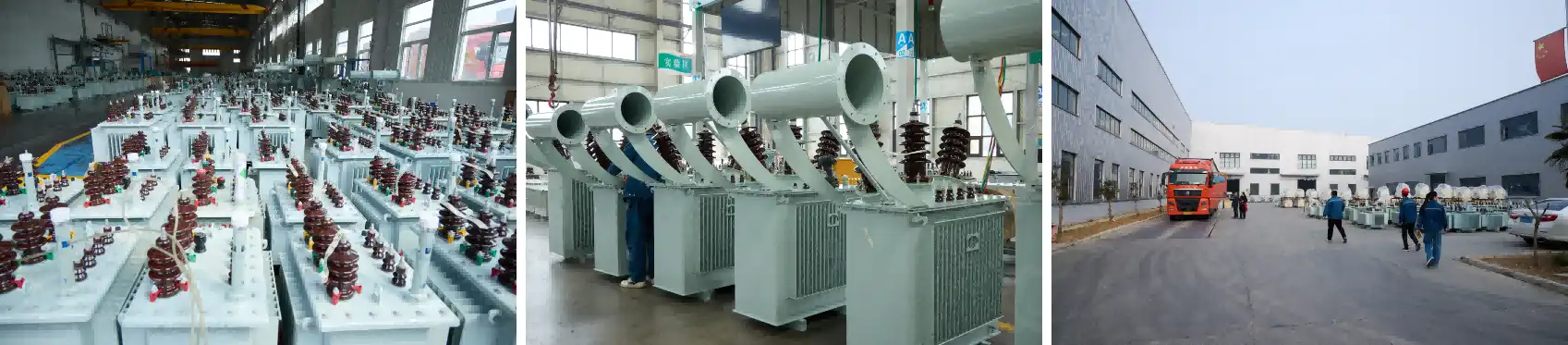
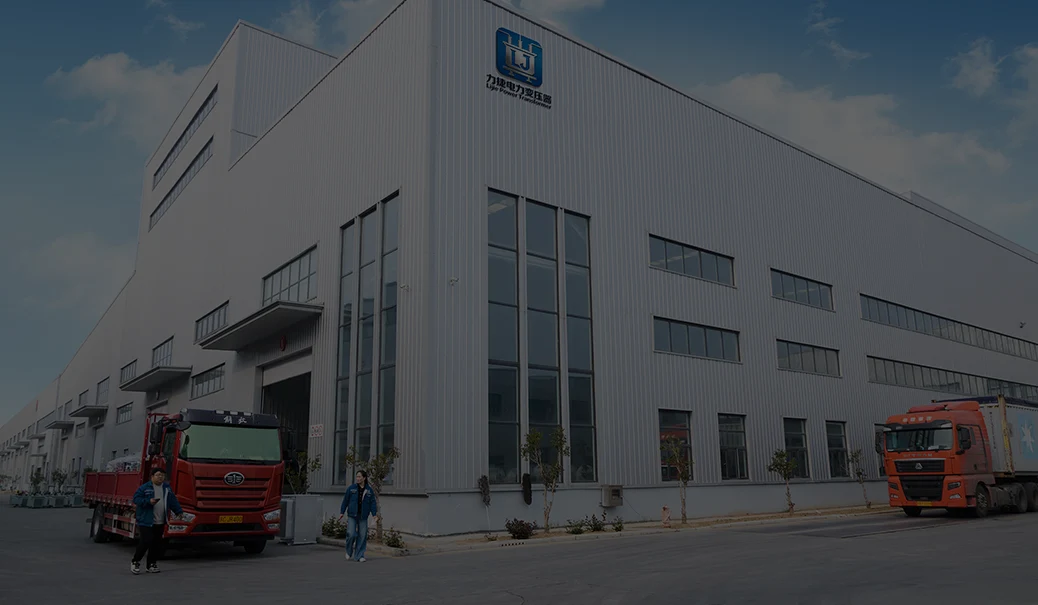
An assessment of production capacity makes sure that your supplier can meet the delivery dates for the project. Our two manufacturing bases in Xuzhou and Nantong have a total area of 500,000 square meters and are home to over 2,000 employees, 160 of whom hold advanced degrees in engineering. This infrastructure supports batch production, which is important for big infrastructure projects that need a lot of units with the same specs and delivery dates.
Strategic suppliers are different from transactional vendors because they can work together on technical issues. Our engineering team helps with applications by doing things like problem analysis, load flow studies, and planning how to integrate systems. We change the specifications of transformers to fit the needs of each site. For example, we add seismic reinforcements to areas that are at high risk, use special coatings for places with harsh climates, and change the way cooling works for installations at high elevations.
Similar benefits can be seen in industrial settings. The power supply for a steel factory's electric arc furnace was upgraded with 2,500kVA S11 rectifier transformers. The improved ability to withstand short-circuits, which was made possible by stronger mechanical winding structures and better ampere-turn balance, cut the number of forced outages from 4.2 events per year to zero over the next 18 months of observation. By cutting down on downtime and rework costs, gains in production consistency are thought to have saved the economy more than $230,000.
Environmental laws are making it more and more necessary for industrial electrical equipment to be more energy efficient. The Energy Conservation Standards for Distribution Transformers set base levels of efficiency that older designs can't meet without a lot of work being done to them. The S11 architecture naturally meets these needs while leaving room for expected future tightening of standards. The European Union Ecodesign Directive also sets the standards for high-efficiency transformers in international projects. Choosing S11 is a plan that will protect you in the future.
New smart grid projects focus on keeping an eye on assets and planning ahead for maintenance needs. We're making sensor packages that are built right into S11 platforms. These will give us real-time information on things like loading, temperature distribution, and trends in dissolved gases. With these digital updates, the transformer goes from being a passive piece of equipment to an intelligent asset in the grid. This helps utility and industry owners move toward data-driven repair optimisation and grid management.
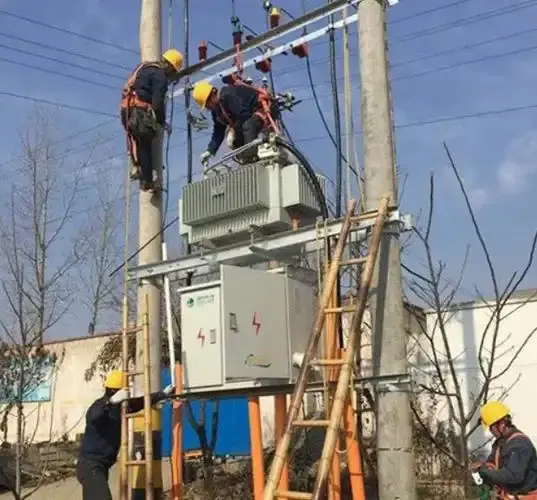
Efficiency in distribution transformers is more than just the nameplate loss numbers. It also includes things like operating dependability, upkeep burden, environmental impact, and the total cost of ownership over the whole lifespan. The S11 Type Fully Sealed Oil-Immersed Distribution Transformer design meets all of these different needs by using tried-and-true engineering principles: better core materials reduce energy waste, sealed architecture keeps insulation integrity over decades of use, and strong mechanical construction can handle the electrical and thermal stresses that come with tough industrial uses. When procurement professionals are looking at investments in transformers, the S11 platform offers measurable efficiency benefits that directly lead to lower operational costs and higher system reliability, making it the sensible choice for modern power distribution infrastructure.
The sealed corrugated tank stops oxygen and moisture from getting in, which weakens the insulation over time. This protection keeps the dielectric strength and thermal performance stable over the service life, stopping the slow loss of efficiency that happens with traditional designs that use breathers. Users say that performance metrics have stayed the same since the factory, even after 15 years or more of use.
The sealed S11 doesn't need any regular maintenance for up to 20 years as long as it is used normally and is properly set up the first time. Visual checks once a year and infrared scans every three months are enough to keep an eye on things. Analysis of dissolved gases every 5 years can help find problems before they happen in important applications, but this is more of a condition check than required maintenance.
Of course. We change the voltage ratings, impedance values, connection arrangements, and mechanical specs to fit the needs of each site. Specialised coatings protect against corrosive atmospheres in chemical plants; seismic reinforcement works in areas with a lot of risk; and changed temperature ratings are good for places with extreme weather. Our tech team works with clients to make sure that the specs are perfect for each job.
For more than 20 years, Lijie Electric has been making high-quality transformers that can help you with your power transfer problems. We are a top company that makes S11 Type Fully Sealed Oil-Immersed Distribution Transformers. Our Xuzhou and Nantong factories, which are both 500,000 square meters, have advanced research and development facilities and strong production infrastructure. Our long list of certifications, which includes ISO 9001, IEC, CE, and UL approvals, shows that we are dedicated to meeting global quality standards. Our 160-person engineering team, many of whom hold doctoral and master's degrees, has helped infrastructure projects in 15 countries get efficient and reliable transformers. Email our technical experts at lijieelectrical@gmail.com to talk about your particular needs and get full specs, competitive quotes, and a lifecycle cost analysis that fits your procurement goals. You can look at all of our products and detailed information at lijie-electrical.com.
1. International Electrotechnical Commission, "Power Transformers - Part 1: General Standards and Test Procedures," IEC 60076-1:2011, Geneva, Switzerland.
2. Zhang, W., and Chen, L., "Comparative Analysis of Loss Reduction Technologies in Oil-Immersed Distribution Transformers," IEEE Transactions on Power Delivery, vol. 34, no. 2, pp. 892-901, 2019.
3. National Electrical Manufacturers Association, "Guide for Loading Mineral-Oil-Immersed Transformers and Step-Voltage Regulators," NEMA Standard TP 2-2020, Rosslyn, Virginia.
4. Johnson, R.K., "Lifecycle Cost Assessment Methodology for Utility Power Transformers," Electric Power Research Institute Technical Report 3002011734, Palo Alto, California, 2018.
5. Liu, Y., and Wang, H., "Sealed Tank Design Impact on Insulation Aging in Distribution Transformers: A 15-Year Field Study," Journal of Electrical Engineering and Technology, vol. 16, no. 4, pp. 1847-1856, 2021.
6. U.S. Department of Energy, "Energy Conservation Standards for Distribution Transformers: Final Rule and Technical Support Document," Federal Register Vol. 87, No. 201, Washington, D.C., October 2022.
YOU MAY LIKE




April 27, 2025
With a tight project schedule, the manufacturer delivered on time, and on-site technical personnel provided guidance throughout the entire installation and commissioning process; the collaboration was highly efficient and hassle-free.
July 2, 2025
During the preliminary phase, a selection plan was custom-tailored based on the actual site load requirements, resulting in a high degree of parameter compatibility. After-sales support responds within two hours, and ongoing technical support for operation and maintenance is comprehensive; we feel completely confident in a long-term partnership.
November 18, 2025
Deployed as a supporting component for a 35kV grid-connection project at a photovoltaic power station, the equipment operates for an average of 16 hours daily. It demonstrates excellent control over no-load losses, ensures smooth power generation and grid integration, and effectively reduces the station's overall energy consumption.
January 30, 2026
Under the continuous, high-load operating conditions of a factory production line, the equipment maintains stable electrical parameters and exhibits strong overload resistance, thereby guaranteeing an uninterrupted power supply for industrial production.
April 3, 2026
Integrated as a supporting component for a new energy photovoltaic grid-connection system, the manufacturer provided professional technical coordination and timely after-sales support, ensuring seamless adaptation to the specific electrical operating conditions required for grid integration.