April 27, 2025
With a tight project schedule, the manufacturer delivered on time, and on-site technical personnel provided guidance throughout the entire installation and commissioning process; the collaboration was highly efficient and hassle-free.
Aug 13, 2026
As the link between high-voltage transmission systems and end-user distribution networks, an MV Transformer Supplier is an important part of today's power grid. Medium voltage transformers, which usually work in the 1kV to 35kV range, solve important problems like unstable power grids, energy loss during voltage change, and the difficulties of integrating green energy sources. These specialized suppliers make solutions that are specifically designed for a wide range of settings, from small installations in cities with limited space to mission-critical buildings like hospitals and data centers that need reliable power all the time.
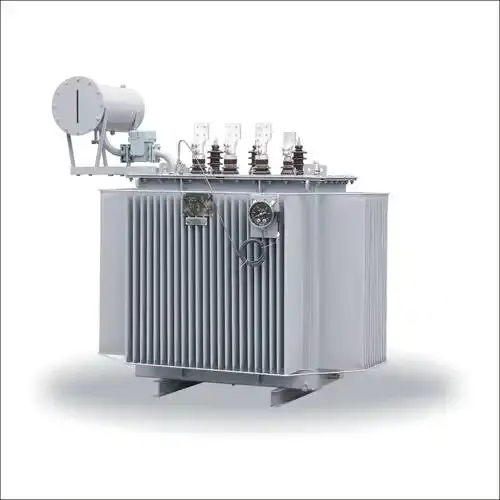
Medium voltage transformers are an important part of electrical distribution systems because they lower high transmission voltages to levels that can be used in businesses and factories. Their level of design sophistication has a direct effect on how well the grid works, how safe operations are, and how well the infrastructure works in the long term.
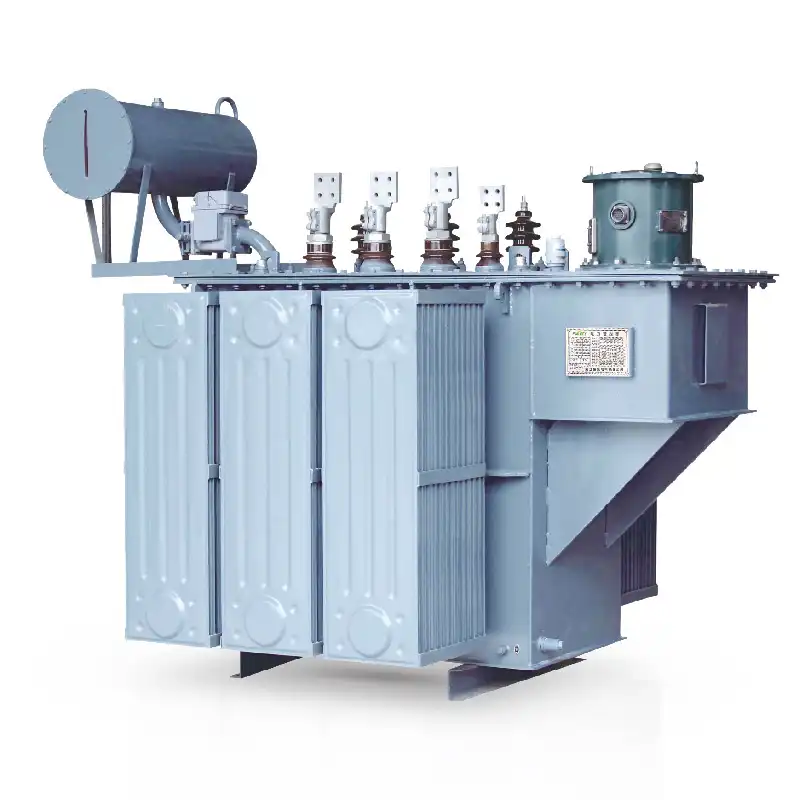
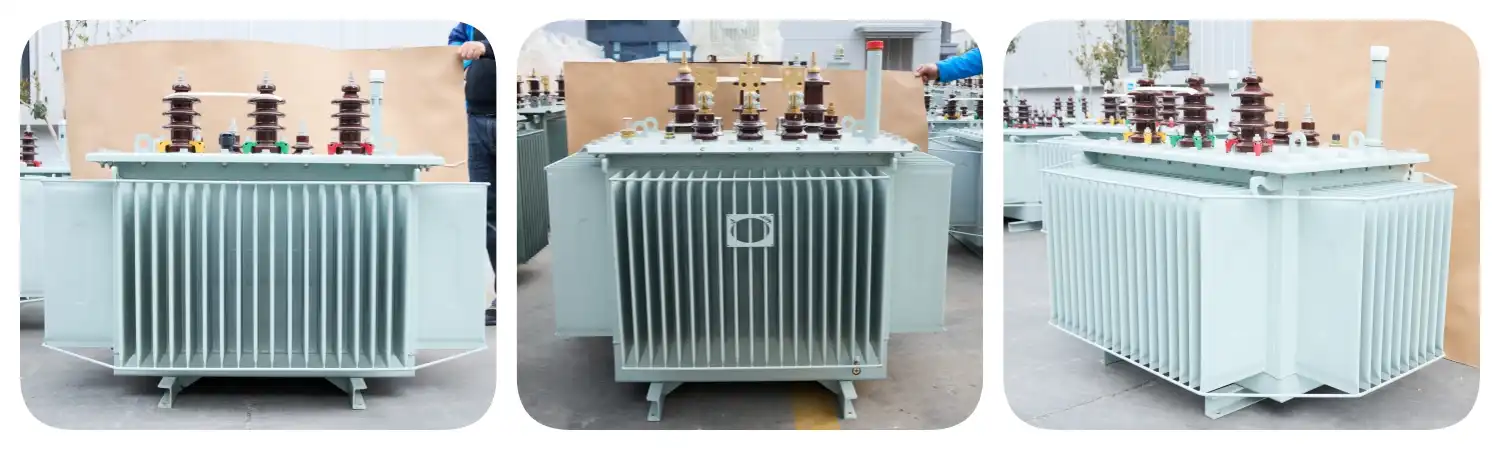
Cast resin transformers work great indoors, where fire safety is very important. Because they are solid, they don't pose the fire risk that comes with liquid dielectrics. This makes them perfect for hospitals, business buildings, and factories that have strict safety rules. As a reliable MV Transformer Supplier, manufacturers provide medium voltage cast resin transformer solutions that meet the safety and performance requirements of these applications. Outdoor utility uses mostly oil-immersed transformers because they are better at getting rid of heat and cheaper in higher capacity ranges. In power substations and industrial parks, these units can handle ongoing high loads very well. Pad-mounted transformers are small and can withstand the weather. They are perfect for underground distribution systems in home areas and urban infrastructure projects. Dry-type transformers are easier to maintain and better for the environment. This is especially important in green energy systems, where buying decisions are based on environmental concerns.
The choice of voltage class depends on the needs of the application. Ratings of 10kV, 20kV, and 35kV are suitable for various distribution network designs. It is important for insulation systems to be able to handle both practical pressures and short-term overvoltages. Basic Impulse Level (BIL) rates protect against lightning and switching surges. Natural air flow is one way to cool smaller units. For larger ones, forced-air or oil-forced-water systems are used. Over the 25–30-year planned life of the transformer, operating costs will be affected by energy efficiency measures, especially no-load and load losses. Modern units use low-loss core materials and optimized winding designs to meet strict energy efficiency standards. This lowers the total cost of ownership and helps the environment.
Quality assurance starts with checking the raw materials and continues through strict testing methods throughout the whole span of a product. International certifications like ISO 9001, IEC compliance, CE marking, and UL listings prove that the products are safe and that the manufacturing process is consistent. Technical documentation needs to include detailed instructions for putting together systems correctly and making sure they follow the rules. Project schedules stay on track when deliveries are coordinated on time. This is especially important for large-scale infrastructure projects that need batch deliveries. After-sales support includes overseeing the starting process, giving advice on upkeep, performing thermal imaging checks, and making sure that emergency extra parts are available. This helps keep operations running smoothly and extends the life of assets.
Getting ISO 9001:2015 certification shows that you manage quality in a planned way throughout all of your production steps. This makes sure that your output is consistent across large orders. Adhering to IEC guidelines ensures that systems can work together with systems from other countries and with different grid designs. UL approval lets you sell your products in North America, and CE marking proves that they meet European safety standards. Energy efficiency certifications back up claims about performance in terms of no-load losses and operational efficiency, which has a direct effect on lifecycle costs. Suppliers who meet the after-sales service standards set by GB/T 27922-2021 show that they are dedicated to continuing to help customers after the initial delivery.
For power utility uses, exact voltage ratio setups and resistance traits that meet grid stability standards are needed. For example, harmonic reduction and dynamic load reaction are two traits that are needed for renewable energy projects. Transformers in industrial manufacturing sites need to be able to handle high duty cycles, which include loads that change often and harmonic distortion from loads that aren't straight. Infrastructure projects benefit from small designs that make the best use of space while still meeting performance standards. Working with an experienced MV Transformer Supplier can provide additional value, as suppliers with in-house engineering teams can make design changes based on specific applications, delivering custom solutions that address site limitations and operating challenges.
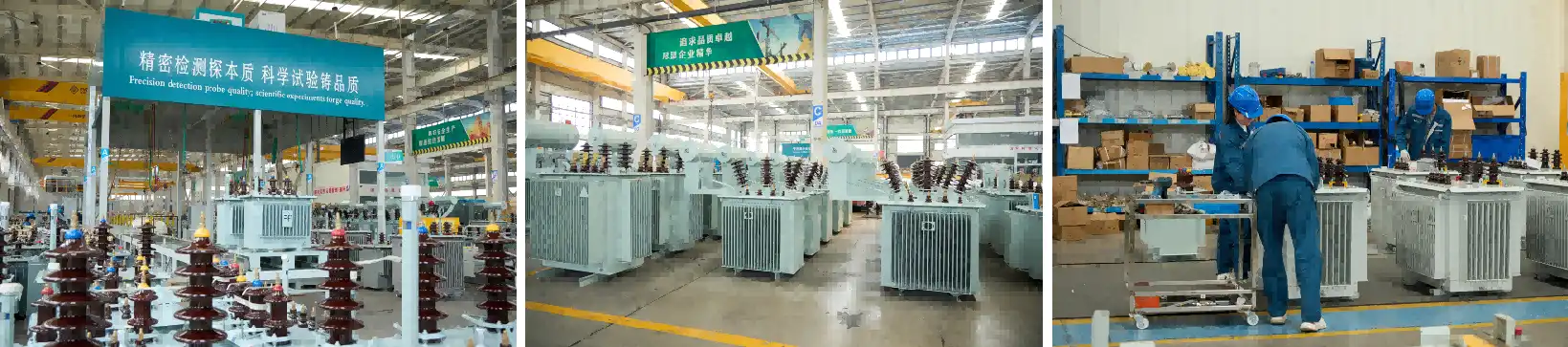
For large projects, sellers must show that they can consistently make batches of goods without changing the quality. The amount of work that a supplier does each year shows how big they are and how well they can handle multiple projects at the same time. Manufacturing plants that cover large areas and have specialized production lines show that infrastructure investment is helping to make transportation reliable. The number of employees and their level of technical knowledge, especially engineers with advanced degrees, show how well a company can solve complicated problems and come up with new ideas. Exporting goods to many different foreign markets over a long period of time shows that you are good at logistics and know how to deal with different legal environments. This lowers the risk of buying things abroad.
Lifecycle costs, such as energy losses, maintenance needs, and expected operational lifespan, must be taken into account along with unit pricing. When you order in bulk, you can often get better prices, which is especially helpful for building big infrastructure projects or making framework deals. Quote methods that are clear and include all cost factors allow for accurate budgeting and comparison. Payment terms that are flexible and foreign trade choices (FOB, CIF, DDP) can change how cash flow is managed and how landing costs are calculated. The length and terms of warranty coverage directly affect how risks are distributed and how much money might be spent in the future.
Superior providers set themselves apart by having a track record of success, offering a wide range of services, and constantly coming up with new ideas to meet the changing needs of the industry.
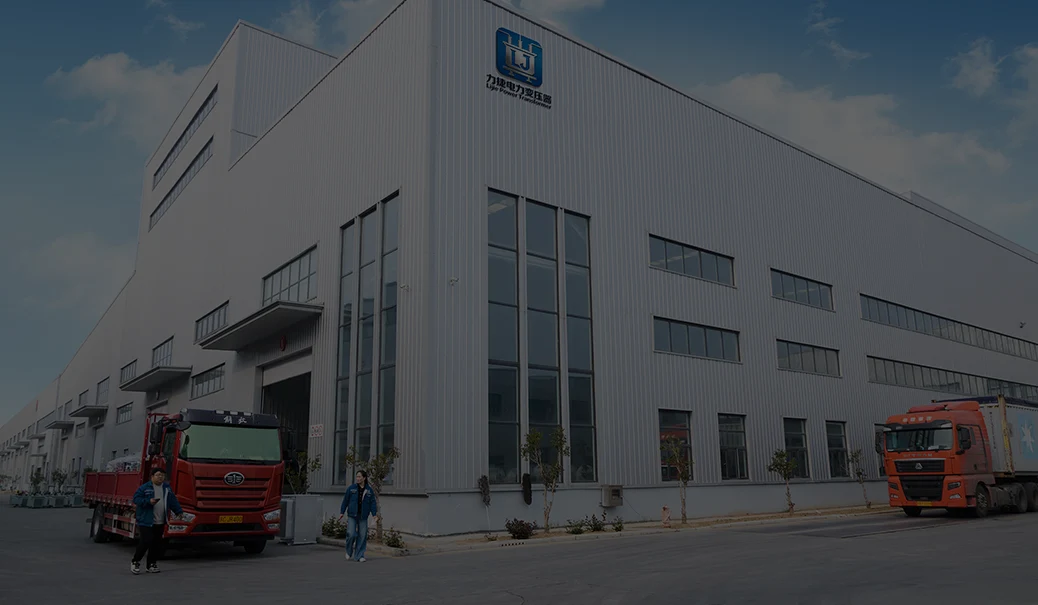
The Lijie Electric Power Technology Group has two main factories, one in Xuzhou and one in Nantong. Together, they cover 500,000 square meters of production space. This large-scale manufacturing capacity allows the company, as an experienced MV Transformer Supplier, to handle multiple large orders at the same time while maintaining consistent quality standards. More than 160 engineering and technical workers with graduate and master's degrees are among the over 2,000 employees who have extensive experience in transformer design, materials science, and application engineering. Annual sales exceeding 5 billion RMB demonstrate strong market recognition and customer satisfaction across a wide range of industries. Being recognized as a National High-Tech Enterprise and a Specialized, Refined, and New "Little Giant" enterprise highlights the company's innovation capabilities and technological leadership.
Ultra-high-voltage transformers with ratings of 500kV or more are available, as well as 35kV distribution units. This allows for single-source procurement, which makes managing vendors easier. Specialized types of transformers, like electric furnace transformers for making steel, rectifier transformers for electrochemical processes, and mining transformers for harsh conditions underground, show that engineers know how to design for specific uses. Infrastructure projects need to be able to set up quickly, so prefabricated substations and compact box-type transformers are used. Amorphous metal transformers are the most energy-efficient choice for uses that want to cut costs and be good for the environment.
The National Transformer Quality Supervision and Inspection Center and the Wuhan High Voltage Research Institute were able to test the transformers and find that they met the strict national standards. As a reliable MV Transformer Supplier, the company provides products backed by energy efficiency certification from the China Quality Certification Center (CQC) and PCCC product certification, supporting performance claims and ensuring that the transformers meet all regulatory requirements. IEC certification for 10kV and 35kV power transformers ensures compatibility with global applications and makes it easier to enter markets where international standards are required. Having a strong foothold in Australia, New Zealand, Southeast Asia, Central Asia, and Africa demonstrates the ability to operate effectively in diverse regulatory and working environments. This international experience helps them understand different grid conditions, adapt to various climates, and meet regional compliance requirements.
Strategic methods to buying things get the best value while lowering risks and making sure that the skills of the suppliers match the needs of the project.
Accurate quotes and clear communication are made possible by detailed technical specifications that include voltage ratings, capacity needs, environmental conditions, and any special features. Suppliers can come up with the best solutions by using site-specific information like height, temperature ranges, earthquake concerns, and space limitations. Expectations for delivery times and batch needs help suppliers make production plans and stick to reasonable delivery dates. It's important to be clear about what certifications are needed and how they will be tested so that the procedures for checking compliance are in line with quality assurance needs.
For international shipping to go smoothly, incoterms, customs paperwork, and freight transfer arrangements need to be carefully coordinated. Specifications and rules for handling containers make sure they are transported safely and avoid damage to their mechanics during loading, transport, and unloading. To avoid costly delays, on-site delivery times must match up with construction schedules and the availability of installation crews. Commissioning supervision by technical staff from the supplier makes sure that the installation was done correctly, tests the system's performance, and makes sure it is ready to go into service. The purchase cycle is complete when test results, operation instructions, and upkeep plans are handed over. This helps with long-term asset management.
The changes in industries caused by new technologies, the need to protect the environment, and the move to digital offer new chances to boost performance and make operations run more smoothly.
Transformers have IoT-enabled sensors built in that let you check things like temperature, load current, and oil quality in real time. Remote diagnostics find faults that are about to fail before they do, which lets maintenance plans plan ahead and reduces unplanned downtime. Data analytics platforms collect operational data from multiple transformer fleets, showing patterns in performance and ways to improve things. When you connect to larger smart grid systems, you can manage dynamic loads, use renewable energy, and improve grid stability. Customers can expect future operational improvements and efficiency gains from suppliers whose products are digitally ready and whose infrastructure supports connectivity.
When prefabricated substations are delivered as complete systems, they cut down on the time and money needed for on-site construction. Testing whole parts in the factory makes sure they work and are of good quality before they are shipped, which lowers the risks of launching in the field. Standardized modular designs let you add more units in parallel to increase capacity without having to make big changes to the infrastructure. Mobile transformer solutions help with short-term power needs during repairs, emergencies, or building projects. These new ideas meet the needs of the market for faster project completion and operating freedom in settings with changing power distribution.
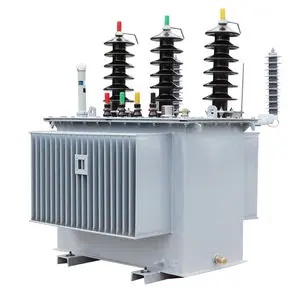
Choosing the right MV transformer supplier affects the long-term financial performance, operational efficiency, and reliability of the power network. A good procurement process strikes a balance between technical requirements, certification compliance, production capacity, clear pricing, and the chance of working together with suppliers. Leading makers set themselves apart by having proven technical skills, a wide range of products, foreign qualifications, and ongoing customer support after the sale. Sustainability, digitization, and the ability to deploy quickly are becoming more important in the business. Suppliers who are looking to the future and investing in innovation will get the most value. Thorough review of suppliers, strategic purchasing methods, and connection with organizational goals make sure that generator solutions meet the needs of the project at hand while also supporting long-term infrastructure robustness and practical excellence.
IEC compliance makes sure that international technical standards are followed, and ISO 9001:2015 shows that quality management is done in a planned way. The CE mark proves that the product meets European safety standards, and the UL mark proves that it meets the standards of the North American market. Energy economy ratings back up boasts about performance when it comes to operating costs. GB/T 27922-2021 certification shows a dedication to full service after the sale. Verification through official certification bodies and asking for real certificates instead of claims are two ways to make sure something is real.
Ask for technical datasheets with lots of information, like voltage ratings, capacity ranges, impedance characteristics, and environmental ratings. Get the tech teams from suppliers to talk about application-specific needs and possible customization needs. Look at examples of past projects that were done for similar purposes and show that you have the right experience. Ask for details about the testing options and quality control methods. When you go to a factory, you can see the production methods and quality control systems for yourself.
Commissioning supervision makes sure that the installation is done right and that the first operation works properly. Long-term dependability is supported by maintenance instructions that include suggested inspection times and methods. Services that use thermal imaging can find problems before they break down. Your investment is safe because of warranty management that covers manufacturing flaws and performance guarantees. Internal capabilities are built through training programs for operations and repair workers. Having emergency spare parts on hand cuts down on downtime caused by unplanned failures. Value goes beyond the original release and includes technical advice for fixing problems and making things work better.
Lijie Electric Power Technology Group stands ready to support your medium voltage transformer requirements with proven manufacturing excellence and comprehensive technical expertise. Our ISO 9001, CE, and UL-certified production facilities spanning 500,000 square meters deliver consistent quality across both standard and custom configurations. With a dedicated team of over 160 advanced-degree engineers and successful project completions across six continents, we understand the specific demands facing procurement managers, electrical engineers, and project directors in power utilities, renewable energy, and industrial manufacturing sectors. Whether you need ultra-high-voltage transformers, specialized industrial units, or compact prefabricated substations, our product portfolio addresses diverse applications, while our responsive team ensures delivery schedules align with your project timelines. Contact our team at lijieelectrical@gmail.com to discuss your specifications and receive a detailed quotation from a trusted MV transformer supplier and manufacturer. Visit lijie-electrical.com to explore our complete product range and discover how our solutions enhance power network reliability and operational efficiency.
1. IEEE Standards Association. (2019). IEEE Standard for General Requirements for Liquid-Immersed Distribution, Power, and Regulating Transformers. Institute of Electrical and Electronics Engineers.
2. International Electrotechnical Commission. (2021). IEC 60076 Series: Power Transformers - General Requirements and Test Procedures. IEC Central Office, Geneva.
3. Anderson, K.M. & Patterson, R.L. (2020). Medium Voltage Transformer Selection for Industrial Applications: A Comprehensive Guide. Power Systems Engineering Press.
4. National Electric Manufacturers Association. (2022). NEMA TP-2: Standard Efficiency Requirements for Distribution Transformers. NEMA Publications, Rosslyn, Virginia.
5. Zhang, L. & Martinez, J. (2021). Sustainable Practices in Transformer Manufacturing: Materials, Processes, and Lifecycle Management. Journal of Electrical Engineering and Technology, 16(4), 1847-1862.
6. Wilson, T.J., Kumar, S., & Chen, Y. (2023). Digital Transformation in Power Distribution Equipment: IoT Integration and Predictive Maintenance Strategies. International Conference on Smart Grid Technologies Proceedings, San Diego.
YOU MAY LIKE

H15%20type%20three-phase%20fully%20sealed%20distribution%20transformer.webp)

18%20type%2035KV%20power%20transformer.webp)
18%20type%20dry-type%20distribution%20transformer.webp)
12%20Series%20Dry%20Type%20Transformer.webp)
18%20type%20epoxy%20resin%20cast%20transformer.webp)
April 27, 2025
With a tight project schedule, the manufacturer delivered on time, and on-site technical personnel provided guidance throughout the entire installation and commissioning process; the collaboration was highly efficient and hassle-free.
July 2, 2025
During the preliminary phase, a selection plan was custom-tailored based on the actual site load requirements, resulting in a high degree of parameter compatibility. After-sales support responds within two hours, and ongoing technical support for operation and maintenance is comprehensive; we feel completely confident in a long-term partnership.
November 18, 2025
Deployed as a supporting component for a 35kV grid-connection project at a photovoltaic power station, the equipment operates for an average of 16 hours daily. It demonstrates excellent control over no-load losses, ensures smooth power generation and grid integration, and effectively reduces the station's overall energy consumption.
January 30, 2026
Under the continuous, high-load operating conditions of a factory production line, the equipment maintains stable electrical parameters and exhibits strong overload resistance, thereby guaranteeing an uninterrupted power supply for industrial production.
April 3, 2026
Integrated as a supporting component for a new energy photovoltaic grid-connection system, the manufacturer provided professional technical coordination and timely after-sales support, ensuring seamless adaptation to the specific electrical operating conditions required for grid integration.