April 27, 2025
With a tight project schedule, the manufacturer delivered on time, and on-site technical personnel provided guidance throughout the entire installation and commissioning process; the collaboration was highly efficient and hassle-free.
Aug 13, 2026
Choosing a trustworthy HV Transformer Supplier for substation projects depends on a number of important factors, including: a history of manufacturing with a large production capacity; compliance with international standards such as IEC, IEEE, ISO 9001, CE, and UL; a track record of delivering consistent product quality across large-scale projects; and full technical support throughout the transformer's operational lifetime. Reliable providers focus on using less energy, being able to customize their products to work with a range of voltages, and having clear after-sales service systems that reduce the risk of downtime and running costs over many years of use.
Substations are the most important parts of electrical transmission and distribution networks. They change voltage levels and make sure that power is delivered steadily over long distances. When they are used in these substations, high-voltage transformers have to work reliably for 20 to 30 years, often in harsh environments with changing loads. It's very hard for procurement managers, electrical engineers, and project directors to find transformers that not only meet strict technical requirements but also fit into tight budgets, meet delivery dates, and require little to no maintenance over time.
Bad grid failures, project delays, cost overruns, and safety risks can all happen if you choose the wrong supplier. On the other hand, working with a reliable provider lowers risks, lowers operating costs, and makes sure that the project goes smoothly. This piece talks about the most important traits of a reliable high-voltage transformer company. It gives buying workers a clear way to evaluate providers and make choices that protect their infrastructure investments.
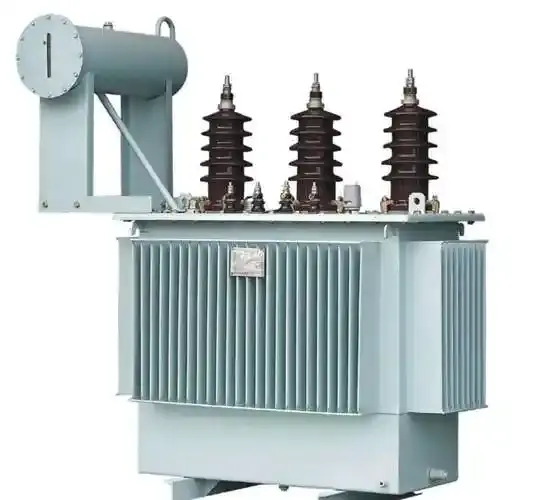
Providers of high-voltage transformers play many roles in the supply chain. Direct manufacturers plan, design, and make transformers themselves, which gives them more control over quality and customization. Authorized sellers and wholesalers help the market reach more people by managing supplies and providing regional support. Knowing these differences helps procurement teams find partners who are best for the size and technical needs of their projects.
The voltage ratings, insulation classes, and impedance characteristics must all match the design parameters for the substation exactly. When it comes to matching transformer specifications to application needs, reliable suppliers are very good at it. This is true for utility transmission networks that work at 500kV or higher, industrial facilities that need special rectifier transformers, and renewable energy installations that use power sources that don't always work.
Product durability starts with making sure that it meets IEC 60076 series standards, IEEE C57 guidelines, and local safety rules. Suppliers should be able to easily give type test reports, routine test certifications, and paperwork that shows they are following the rules for electromagnetic compatibility. This level of technical detail makes sure that transformers can handle voltage spikes, high temperatures, and extreme weather conditions for the whole time they are in use.
Getting ISO 9001:2015 certification means that all of the steps in the manufacturing process are managed in a systematic way to ensure quality. As an experienced HV Transformer Supplier, we follow strict quality management procedures, while the CE mark shows that the product meets European safety and environmental rules, and the UL mark shows that it meets North American electrical standards. IEC approval proves that a product meets performance standards that are known all over the world.
In addition to product approvals, sellers with enterprise-level qualifications like "National High-Tech Enterprise" rank or "Specialized, Refined, and New 'Little Giant'" titles show that they are committed to technological progress and being the star in their field. These awards show that the company is mature and dedicated to always getting better.
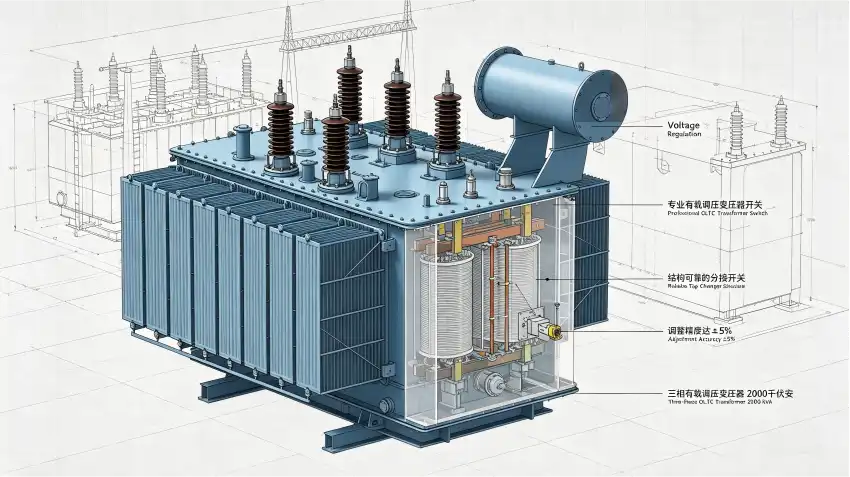
When working on big building projects, providers need to be able to supply transformers in regular batches without lowering the quality. Procurement teams should look at the size of the production plant, how much it can produce each year, and how skilled the workers are. Suppliers who have more than one factory with more than 300,000 square meters of space usually have the infrastructure to support large-scale deployments and multi-year framework agreements.
The strength of the technical staff is just as important. Companies that have more than 150 engineers with advanced degrees show that they have the R&D capabilities expected from a professional HV Transformer Supplier, enabling them to provide the customization and problem-solving required during complex installations. This human capital makes it possible to respond quickly to design changes and site-specific challenges that only happen at one location.
Transformer losses have a direct effect on long-term operating costs. Suppliers with amorphous metal core designs or advanced cooling systems cut down on both no-load and load losses, which saves a lot of energy. Instead of just looking at the original unit prices, procurement managers should compare efficiency scores and figure out the total cost of ownership.
These days, suppliers give accurate calculations of loss, efficiency curves for different load ranges, and assessments of environmental impact. This information lets us do accurate financial modeling, which shows that premium-efficiency transformers often have a better return on investment (ROI) even tho they cost more up front.
Full guarantee coverage for 24 to 36 months guards against problems with the way the product was made and failures before they should have happened. Reliable suppliers make it clear what their warranties cover, how long they will take to respond, and whether they have spare parts available. Schedules for preventative maintenance, emergency support hotlines, and technical training for client operations teams should all be part of service agreements.
Suppliers who have been certified to the GB/T 27922-2021 after-sales service system show that they have organized support methods. This standardization makes sure that the level of service is the same no matter where the project is located or how complicated it is.
The schedules for building substations don't leave much room for provider delays. By calling past clients and looking at their shipping records, you can find out how reliable a seller is when things get tough. Leading providers keep extra stock on hand, make their production plans open, and have built relationships with other transportation companies so they can meet tight deadlines.
Large orders can get lower per-unit costs thanks to volume discount structures and shipping options that use containers. For foreign EPC projects, it's important to work with an HV Transformer Supplier that has experience in export markets and knows how to handle customs paperwork, adapt to new international standards, and manage multi-modal shipping.
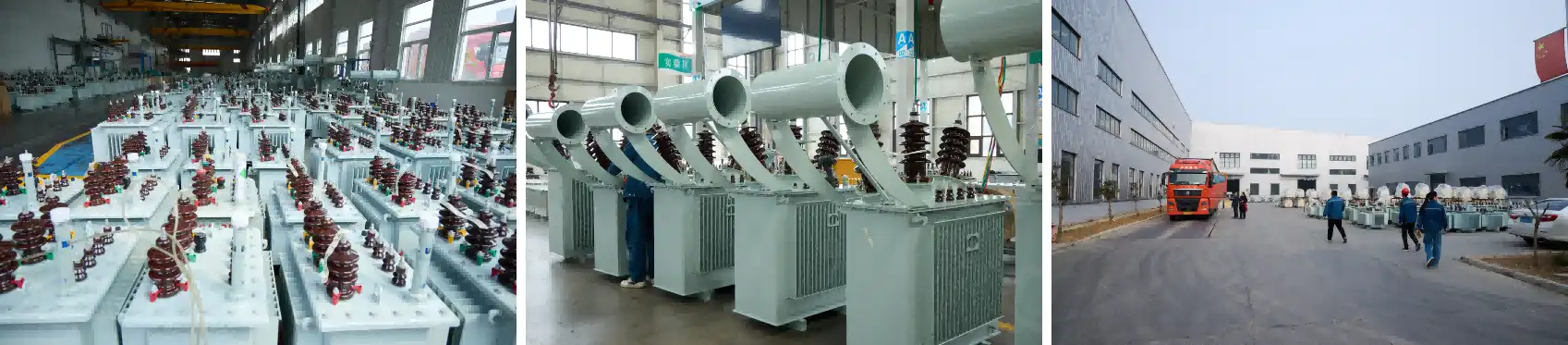
Working directly with makers, like those that run large R&D and production bases, can help with design, keeping costs clear, and working together on technical issues. Direct relationships make it easier to improve designs over time, work together on testing methods, and make long-term supply deals that keep prices stable.
Because they keep goods in multiple areas, offer local customer service, and group purchases for smaller projects, distributors add value. When procurement teams set up framework agreements with manufacturers and use distributor networks to get spare parts and emergency replacements, the two approaches work well together.
Utility transmission substations need an HV Transformer Supplier who knows how to work with ultra-high-voltage equipment rated at 500kV or more, with a focus on galvanic isolation and efficient long-distance transmission. In steel mills, mines, and chemical plants, for example, special transformers are needed that can handle large changes in load and harmonic distortions. These include electric furnace units and rectifier designs.
Using renewable energy presents its own set of problems. Offshore wind farms need transformers that can handle high humidity and salt levels, while solar fields need step-up transformers that are designed to handle changing loads. Suppliers who have worked with these different types of applications before can help with planning the project.
Siemens, ABB, Schneider, GE, Mitsubishi, and Hitachi are well-known brands that set the standard for innovation and dependability in their fields. Their large installed base gives performance data that spans decades, which lowers the risk of buying. But new providers from industrial hubs are competing more and more on price, speed of customization, and good customer service.
To properly evaluate new providers, you need to do a lot of research, such as facility surveys, trips to reference project sites, and staged test orders before committing to big amounts. Suppliers with more than 5 billion RMB in yearly sales and more than 2,000 employees can often match the production scale and quality systems of well-known names while still offering lower prices.
Structured maintenance protocols from a reliable HV Transformer Supplier make transformers last longer. These services include oil analysis, partial discharge testing, and regular thermal imaging inspections. When suppliers provide on-site training, they help client teams perform routine checks, identify early warning signs, and plan timely interventions to prevent unexpected failures.
Suppliers' documented repair records help predictive maintenance strategies work better, which lowers the number of unexpected outages. This proactive method fits with the goals of energy companies for dependability and the needs of manufacturing sites for output consistency.
Transformers are always safe to use as long as they follow the rules for IEC 60076 dielectric tests, IEEE C57.12.00 temperature rise limits, and local environmental laws. Regular plant acceptance tests, type tests at approved labs, and special tests for one-of-a-kind uses should all be done by suppliers.
Quality assurance includes more than just testing products. It also includes environmental management systems, health and safety programs for workers, and audits of the supply chain. Suppliers with comprehensive certifications show that their companies are committed to reducing risk.
Amorphous metal cores are becoming more popular because they save energy. Compared to traditional silicon steel designs, they cut no-load losses by up to 75%. As a reliable HV Transformer Supplier, we provide smart transformer solutions with built-in sensors and communication units that enable real-time tracking, predictive analytics, and grid optimization, which are features that utility companies are increasingly demanding as they upgrade their infrastructure.
After the pandemic, supply chain resilience became more important. Suppliers who keep multiple sources of raw materials, extra production lines, and strategic inventory buffers show that they are ready for the unknown future. Procurement teams should look at the business continuity plans and transparency of the supply chain of suppliers.
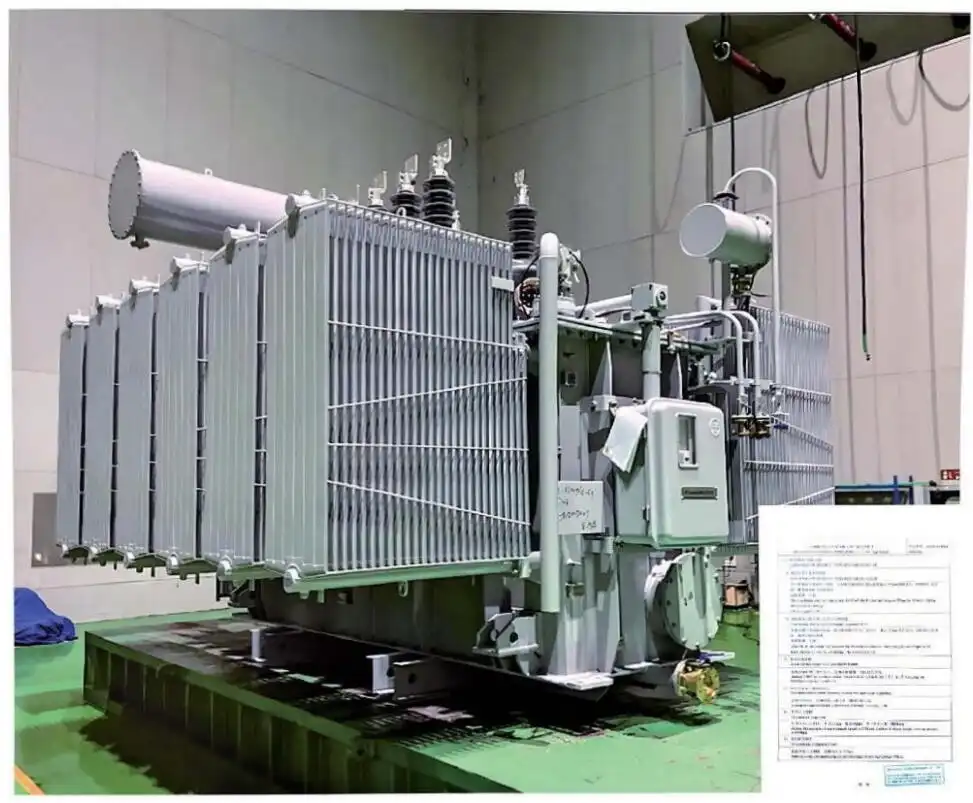
Long-term framework deals keep prices stable and give return customers priority when it comes to allocating production. These contracts usually include promises about the number of items to be delivered, delivery dates that span more than one year, and ways for the design to be changed. A lot of the time, payment plans include down payments, payments in stages based on manufacturing goals, and full payment when the job is finished.
Both sides are protected by clear wording in contracts that includes performance guarantees, penalties for delays, and ways to settle disagreements. Experienced suppliers work together on terms that are good for both sides instead of imposing strict rules.
Transformers are big, heavy items that need special shipping. Suppliers who have long-term transportation ties can quickly set up trailer trucks, heavy-lift cranes, and customs clearing. Smaller distribution transformers can be shipped in containers, but ultra-high-voltage units may need special shipping methods.
Lead times depend on the difficulty of the design and the production queue. Customized units may take 16 to 24 weeks to ship, while standard designs can be sent out in 8 to 12 weeks. Time-sensitive EPC companies value suppliers who offer fast production for pressing projects because they show practical flexibility.
Ongoing technical support includes software changes for smart transformers, advice on how to improve performance, and checks to see if the duration can be extended. When suppliers treat their relationships with clients like long-term partnerships instead of one-time transactions, they earn their customers' loyalty and word-of-mouth.
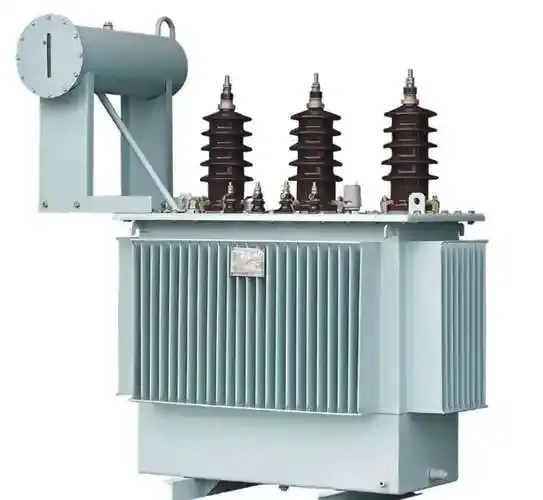
High-voltage transformer providers that you can trust stand out by the number of transformers they make, their technical knowledge, how strict their certifications are, and their dedication to customer service. Procurement professionals have to weigh immediate cost concerns against long-term performance, judging suppliers based on a wide range of factors such as production capacity, efficiency, innovation, quality assurance, delivery reliability, and support after the sale. Partnering with a reliable HV Transformer Supplier that has a history of reliability, follows global standards, and focuses on customer service protects infrastructure investments and guarantees substation dependability for decades.
Manufacturers design, engineer, and make transformers in-house, which lets them be more customized and keep a closer eye on quality. Distributors and dealers are examples of suppliers. They get their goods from makers and offer specific supplies and service, but they don't have as much design freedom. Working directly with manufacturers is helpful for big projects that need custom solutions.
Get test results from approved labs that are IEC, IEEE, CE, and UL copies. Use the databases of the issuing bodies to check the validity of certificates. Do surveys of facilities to see how quality control systems work. Checking references with past clients is a real-world way to show compliance.
Lengths of production lines, the difficulty of the specifications, the availability of raw materials, and the logistics of transporting them all affect lead times. Custom units take longer to ship than standard designs. Suppliers with more than one production base and store gaps can meet tight deadlines better than those with only one plant.
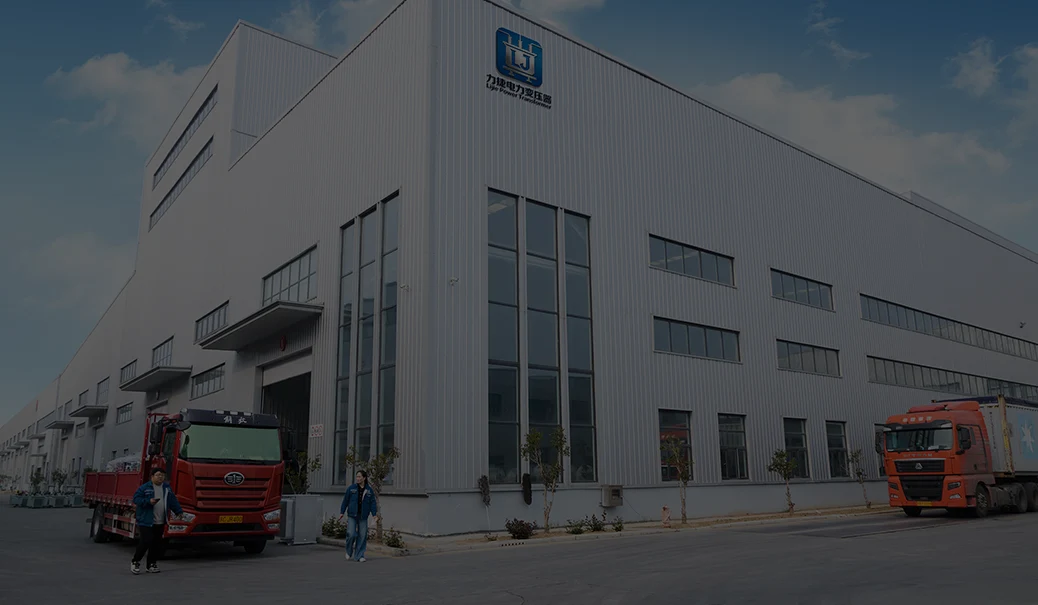
Lijie Electric Power Technology Group operates as a leading HV Transformer Supplier manufacturer with over 500,000 square meters of production facilities across two major bases in Xuzhou and Nantong, China. Our workforce exceeds 2,000 skilled professionals, including 160 engineers holding advanced degrees, supporting annual sales surpassing 5 billion RMB. We manufacture ultra-high-voltage transformers rated 500kV and above, alongside comprehensive ranges of dry-type, oil-immersed, amorphous alloy, and specialized transformers certified to ISO 9001:2015, IEC, CE, and UL standards.
Our products serve utility transmission networks, renewable energy installations, industrial complexes, and infrastructure projects across Australia, New Zealand, India, Southeast Asia, Central Asia, Africa, and beyond. We invite procurement managers and project directors to discuss your specific substation requirements with our technical team. Contact lijieelectrical@gmail.com to request detailed specifications, efficiency calculations, and customized quotations. Visit lijie-electrical.com to explore our full product portfolio and discover how our manufacturing excellence and service commitment support your power infrastructure goals.
1. Institute of Electrical and Electronics Engineers. (2019). IEEE Standard General Requirements for Liquid-Immersed Distribution, Power, and Regulating Transformers (IEEE C57.12.00-2015). IEEE Standards Association.
2. International Electrotechnical Commission. (2018). Power Transformers - Part 1: General (IEC 60076-1:2011+AMD1:2018). IEC Central Office, Geneva.
3. Heathcote, M. J. (2020). J & P Transformer Book: A Practical Technology of the Power Transformer (14th Edition). Elsevier Science & Technology.
4. U.S. Department of Energy. (2021). Energy Conservation Standards for Distribution Transformers: Final Rule. Federal Register, Office of Energy Efficiency and Renewable Energy.
5. Wang, Z., & Liu, Y. (2022). Reliability Assessment of High Voltage Transformer Manufacturing Processes in Modern Power Systems. Journal of Electrical Engineering & Technology, 17(4), 2145-2158.
6. National Electric Power Certification Center. (2020). Technical Specification for After-Sales Service System Evaluation of Power Transmission and Distribution Equipment (GB/T 27922-2021). China Electric Power Press.
YOU MAY LIKE
11%20type%2035KV%20dry-immersed%20transformer_1778136495348.webp)



%20Dry-type%20Distributing%20Transformer.webp)
April 27, 2025
With a tight project schedule, the manufacturer delivered on time, and on-site technical personnel provided guidance throughout the entire installation and commissioning process; the collaboration was highly efficient and hassle-free.
July 2, 2025
During the preliminary phase, a selection plan was custom-tailored based on the actual site load requirements, resulting in a high degree of parameter compatibility. After-sales support responds within two hours, and ongoing technical support for operation and maintenance is comprehensive; we feel completely confident in a long-term partnership.
November 18, 2025
Deployed as a supporting component for a 35kV grid-connection project at a photovoltaic power station, the equipment operates for an average of 16 hours daily. It demonstrates excellent control over no-load losses, ensures smooth power generation and grid integration, and effectively reduces the station's overall energy consumption.
January 30, 2026
Under the continuous, high-load operating conditions of a factory production line, the equipment maintains stable electrical parameters and exhibits strong overload resistance, thereby guaranteeing an uninterrupted power supply for industrial production.
April 3, 2026
Integrated as a supporting component for a new energy photovoltaic grid-connection system, the manufacturer provided professional technical coordination and timely after-sales support, ensuring seamless adaptation to the specific electrical operating conditions required for grid integration.