April 27, 2025
With a tight project schedule, the manufacturer delivered on time, and on-site technical personnel provided guidance throughout the entire installation and commissioning process; the collaboration was highly efficient and hassle-free.
Aug 13, 2026
Choosing a reliable distribution transformer supplier is fundamental to establishing resilient urban power networks. A qualified supplier provides transformers engineered for voltage stability, energy efficiency, and long-term operational reliability across residential, commercial, and industrial applications. The right partner combines certified manufacturing standards, customization capability, and responsive technical support to ensure uninterrupted power delivery in densely populated urban environments. As cities expand and power demands surge, collaborating with a trusted supplier becomes a strategic investment that safeguards grid performance and minimizes lifecycle costs for utility operators and infrastructure developers.
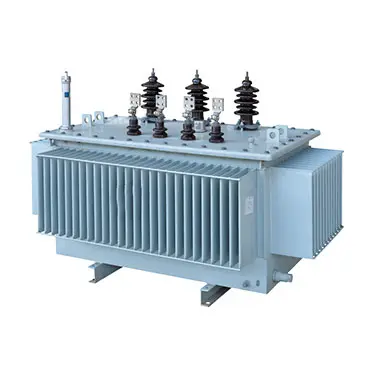
Distribution transformers are important parts of urban electrical systems because they lower high transmission voltages to safer, useful levels that power homes, businesses, and factories. Through electromagnetic induction, these transformers change medium-voltage electricity that comes in (usually between 11kV and 35kV) into low-voltage electricity that can be used by end users. This voltage conversion keeps energy losses to a minimum during distribution and keeps sensitive consumer electronics from getting damaged by too much voltage.
Pad-mount transformers and small substations that are designed for places with limited room are often used by urban networks. Pad-mount units have safe, hard-to-tamper-with enclosures that work great for underground cable systems that are common in cities. On the other hand, box-type substations combine transformers, switches, and meters into a single premade unit. This makes installation faster and smaller. Oil-immersed transformers are a cheap way to cool things down, while dry-type models don't pose a fire risk and can be used indoors in commercial complexes and tall buildings.
Transformers can only be used in certain urban situations if they meet certain requirements, such as voltage class, kVA rating, and insulation standards. Load control makes sure that the energy output stays the same even though demand changes throughout the day. Core construction and conductor materials that are efficient cut down on no-load and load losses, which has a direct effect on running costs over many years of service. When procurement professionals understand these technical parameters, they can match the performance of the transformer to the needs of the network. This keeps the voltage stable and improves the quality of the power for a wide range of urban loads.
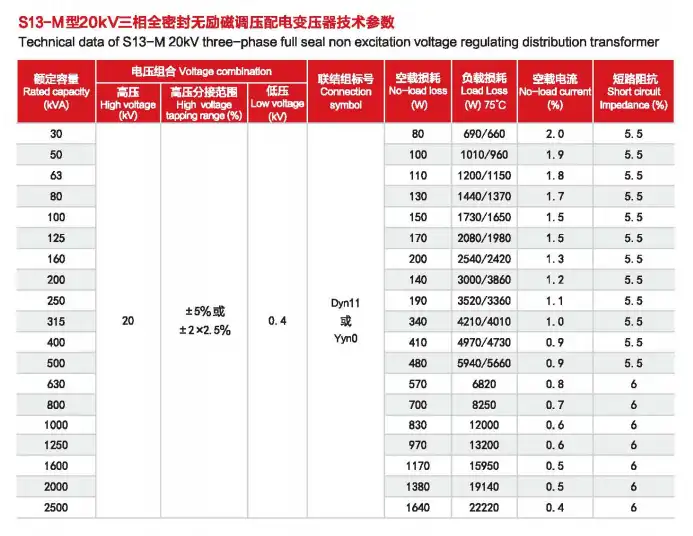
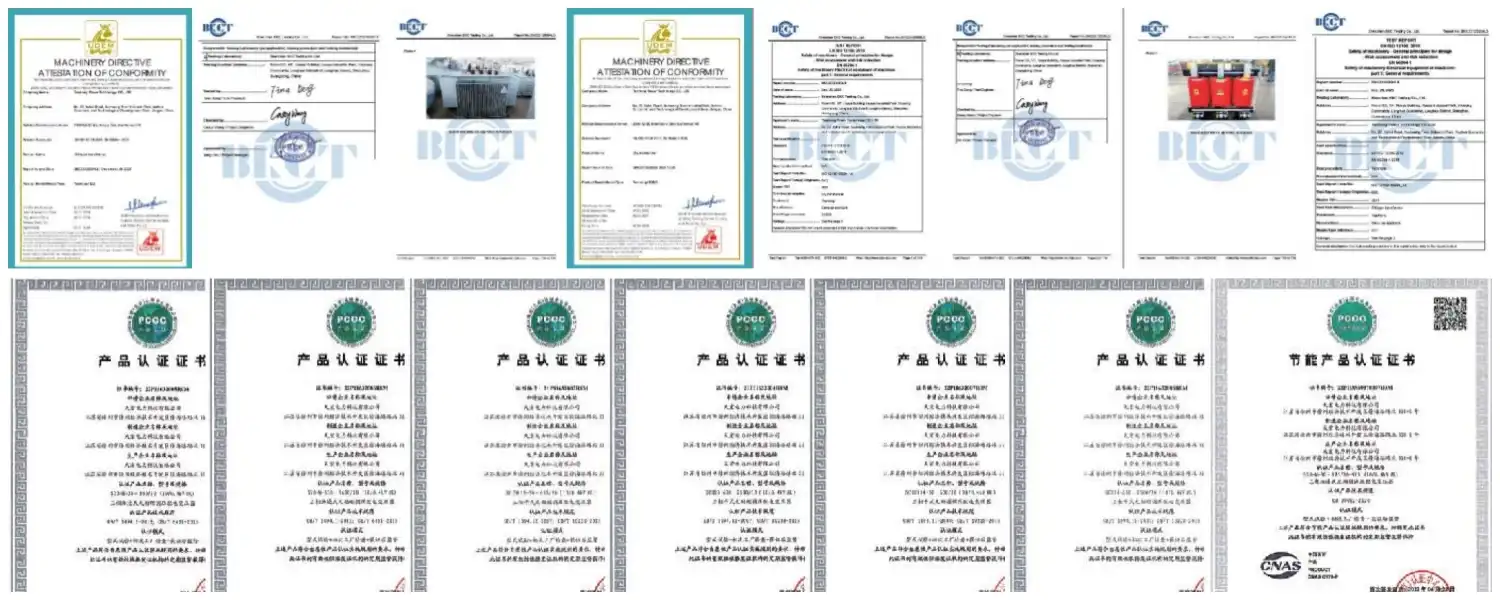
To find a good Distribution Transformer Supplier, you should first carefully look at their quality certifications and compliance qualifications. Look for ISO 9001:2015 certification, which shows that strict quality control standards are followed throughout the production process. IEC and IEEE compliance ensures that goods meet safety and performance standards set by foreign technical organisations. Suppliers with CE and UL certifications have passed independent tests for export markets. This lowers the regulatory risks for projects involving more than one country. Ask for proof that the product has been tested by reputable labs for regular, type, and special purposes to show that it works well in real-life situations.
The track record of a supplier shows how well they can deliver consistent quality and keep their end of the deal. To get an idea of how well past similar urban network projects have done, look at case studies and client examples. Warranty provisions that go beyond standard coverage show that you trust the product's durability and the manufacturer's responsibility. Look at the structures for after-sales service, such as the availability of expert help, spare parts, and maintenance training programs that keep equipment running smoothly and make it last longer.
Cost concerns and practical needs should be balanced in good procurement talks. Talk about bulk pricing structures that reward commitments to a large volume of work while keeping budgets stable for projects that are completed in stages. Make it clear what kinds of customisation are available and make sure the supplier can change transformer designs to fit specific site conditions or technical needs. Set delivery dates that are in line with the project's deadlines, and include extra time for testing, manufacturing, and shipping. Service-level agreements that spell out how long it will take for technical questions and emergencies to be answered protect network reliability and show that the supplier is committed to working with you beyond the initial transaction.
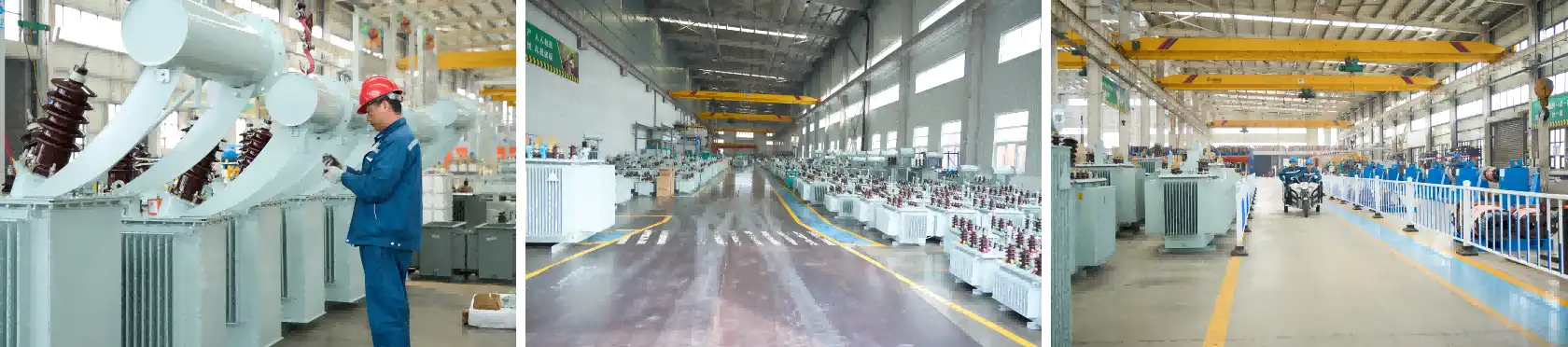
Leading Distribution Transformer Suppliers have built their names over decades of steady performance and new ideas. Well-known companies put a lot of money into research and development (R&D) centers and hire PhD and master's-level engineers to improve transformer technology. Companies with more than one production base show that they can grow and spread their production across different regions, which helps keep supply lines stable. Suppliers that are recognised as national high-tech enterprises or specialised industry leaders have been through rigorous evaluations that prove they are technically competent and run their businesses well.
Suppliers with a good reputation get certifications in areas like product safety, quality management, and environmental responsibility. In addition to ISO 9001, you should look for energy efficiency approvals from well-known groups like CQC, which make sure that national standards for energy saving are being met. Getting PCCC certification from national electric power authorities proves that it is ready to be connected to the grid. Getting business metrology qualification badges shows that suppliers can make accurate measurements, which is important for precision manufacturing. These layered certifications lower the risk of buying things and make the process of getting government approval easier across countries.
Progressive suppliers focus on transformer designs that use less energy, which lowers costs and has a smaller effect on the environment. When compared to regular silicon steel, amorphous alloy core materials cut no-load losses by up to 70%. This means that less energy is wasted when the load is low. Mineral oils are being replaced by biodegradable insulating fluids, which lowers the risk of polluting the environment. Advanced cooling systems improve heat management, which makes devices last longer and keep working well in hot urban environments. When suppliers add digital tracking features, it makes it possible for predictive maintenance plans to be used, which stop unexpected problems and get the most out of assets.
Changes in load, exposure to the environment, and harmonic distortion caused by non-linear loads are all things that can put a lot of stress on urban transformers. Insulation decline is still the most common type of failure, which is usually caused by moisture getting in or the material getting old. Overheating happens when there isn't enough airflow or when it's overloaded for too long, beyond the nameplate values. Using dissolved gas analysis (DGA) on oil-immersed units can find small problems through chemical fingerprints before they become big problems. Infrared thermography finds "hotspots" that show weak links or unusual losses, which lets you take action before they get worse.
Setting up regular check schedules that are in line with what the maker suggests stops problems from happening too soon. Visual checks are done every three months to make sure that the cooling systems, bushings, and protective relays are working properly. Testing the oil once a year checks the electrical strength and pollution levels to see when it needs to be filtered or replaced. Ultrasonic partial discharge monitoring finds weak spots in insulation before it breaks. Predictive maintenance technologies look at shaking patterns and sound leaks to guess when parts will break down and make the best use of maintenance resources. These proactive steps cut down on unplanned power outages that affect power delivery in cities.
Paying attention to loading trends and external factors is important for getting the most out of a transformer. Load sharing across multiple units keeps each transformer from working near its full capacity all the time. This lowers heat stress and increases the service life of the transformers. Putting in low-loss distribution boxes reduces voltage drops and makes the system work better overall. Adding extra cooling or improving air systems can increase summer capacity during times of high demand. When you work with experienced Distribution Transformer Suppliers, you can get access to retrofit options that add new materials or control systems to things that are already there. Technical advice can help you find ways to make things more efficient, which can lower your energy costs and keep you from having to buy new things too soon.
To buy a transformer successfully, you need to follow an organised process that starts with defining your needs in detail. Make detailed technical specifications that include voltage ratings, kVA capacity, environmental conditions, and the need to meet regulatory requirements. Send out requests for quotations (RFQs) to suppliers who have already been screened, asking them for both detailed technical proposals and commercial terms. Review entries based on a set of weighted factors that include price, shipping time, warranty coverage, and the ability to make changes. Before signing contracts, you should check the factory's manufacturing skills and quality control methods through audits or virtual reviews.
Specification validation is very important. To make sure performance meets project requirements, ask for sample test reports or watch factory acceptance testing. Coordinate logistics planning early on, taking into account the difficulties of transporting large pieces of equipment and the limited access that comes with installing things in cities. Set up clear communication rules that spell out how to get technical questions and project updates to the next level during the entire manufacturing process.
Partnerships with Distribution Transformer Suppliers that last for a long time have benefits that go beyond individual transactions. Multi-year building projects are supported by framework deals that guarantee stable prices and priority production capacity. Through collaborative technical studies, design improvements that lower costs or boost performance are found across all product versions. Joint training programs help your repair teams understand the finer points of your equipment and the best ways to service it. Sharing clear information about expected demand and project streams helps providers use their resources more effectively, which makes delivery more reliable.
Digital tools are being used more and more in modern buying to make working with suppliers and managing transactions easier. Online catalogues make it easy to get detailed product information like specs, licenses, and technical paperwork right away, which speeds up the screening process. Digital tools for checking suppliers combine information about their performance, their ability to pay, and their safety records into one screen that helps people make smart decisions. Electronic request management systems keep track of RFQs, compare bids automatically, and keep audit logs, which makes managing contracts easier. These technologies improve the efficiency of procurement while also making the whole sourcing lifecycle more open and accountable.
For cities to achieve reliable power distribution, they need to choose experienced Distribution Transformer Suppliers with the right combination of technical expertise, high-quality manufacturing capabilities, and responsive customer service. Voltage stability, energy efficiency, and network resilience are essential for modern urban power systems, and selecting the right Distribution Transformer Suppliers plays an important role in achieving these goals. To ensure successful procurement, it is necessary to understand transformer specifications, evaluate supplier qualifications, and implement proactive maintenance strategies. Professional Distribution Transformer Suppliers can provide reliable transformer solutions, customized designs, and technical support that help utilities maintain stable power networks. Structured evaluation systems, strong partnerships with Distribution Transformer Suppliers, and digital tools that improve procurement efficiency and transparency all contribute to better decision-making. As urban electricity demands continue to evolve, cooperating with advanced Distribution Transformer Suppliers that focus on innovation, quality control, and long-term service support provides lasting value through improved performance and continuous operational improvements. Choosing reliable Distribution Transformer Suppliers enables cities to build safer, smarter, and more sustainable power distribution infrastructure.
For foreign projects, give priority to providers who can show a wide range of quality standards, such as ISO 9001, IEC compliance, and CE or UL marks. Check the dependability of delivery by looking at case studies and client references from similar urban network projects. Check the warranty terms and after-sales service to make sure you can get technical help and replacement parts for as long as the transformer works. Being able to customise is important for dealing with site limitations or technology requirements that are common in urban areas. Distribution Transformer Suppliers who are committed to long-term partnerships rather than transactional relationships will communicate clearly and be ready to work together on technology improvements.
The voltage stays stable in distribution transformers because they use precise electromagnetic induction to lower transmission voltages to levels that end users can handle. Load regulation systems keep voltage from dropping or rising too much, which could damage sensitive equipment, even though demand changes throughout the day. When the load changes, voltage drops are kept to a minimum by using high-quality core materials and conductor designs. When transformers are the right size for their predicted peak demands, they work at their most efficient, so their performance doesn't drop during times of high demand that are common in urban networks.
Reliable providers often offer customisation services that make transformer designs fit specific technology needs and site limitations. You can change the voltage ratios, get enclosures that are made for harsh environments, get better harmonic filtering for non-linear loads, and get small designs that are good for setups with limited room. Suppliers with strong engineering teams can work together to make design changes that solve specific problems, like making the product more resistant to earthquakes or floods or making it work with renewable energy systems. When customisation needs are talked about early on in the buying process, providers can come up with the best solutions that balance performance needs with cost concerns.
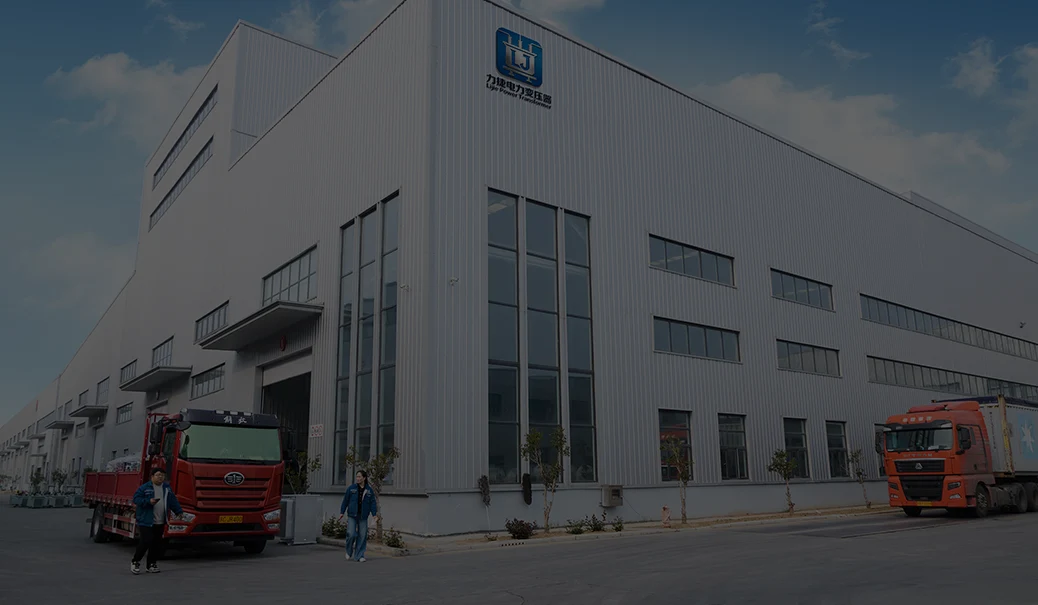
The Lijie Electric Power Technology Group is ready to help you with your urban network projects by providing complete transformer solutions that are designed to be reliable and efficient. Our factories in Xuzhou and Nantong cover 500,000 square meters and make a wide range of distribution transformers for voltages below 35kV. These include oil-immersed units, dry-type models, amorphous metal transformers, and small substations designed for use in cities. Our products are certified by ISO 9001:2015, CE, UL, and IEC, which means they meet the high-quality standards that power companies and EPC contractors around the world expect. Our engineering team, which is made up of more than 160 professionals with doctoral and master's degrees, can customise solutions to meet specific voltage needs, room limitations, and weather conditions. Our team can be reached at lijieelectrical@gmail.com by procurement managers looking for a Distribution Transformer Supplier with a track record of producing high-quality products and quick customer service after the sale. Visit lijie-electrical.com to see our full range of products and detailed information on how our solutions improve power stability in residential areas, business buildings, and industrial sites. Let's work together on your next project to make transformers that are both excellent in their function and valuable over their entire life.
1. International Electrotechnical Commission. (2021). Power Transformers - Part 1: General Requirements and Test Methods. IEC 60076-1:2021 Standard.
2. Institute of Electrical and Electronics Engineers. (2020). IEEE Standard for Distribution Transformers and Pad-Mounted Equipment. IEEE C57.12.00-2020.
3. U.S. Department of Energy. (2022). Energy Efficiency Standards for Distribution Transformers: Technical Support Document. Office of Energy Efficiency and Renewable Energy.
4. National Electric Manufacturers Association. (2023). NEMA Standards Publication TP 1: Guide for Determining Energy Efficiency for Distribution Transformers.
5. Electric Power Research Institute. (2021). Urban Distribution Network Planning and Transformer Selection Guidelines. EPRI Technical Report 3002021456.
6. Wang, J., & Chen, L. (2023). Advanced Materials and Efficiency Optimization in Modern Distribution Transformers. Journal of Electrical Engineering Technology, 18(4), 1247-1265.
YOU MAY LIKE
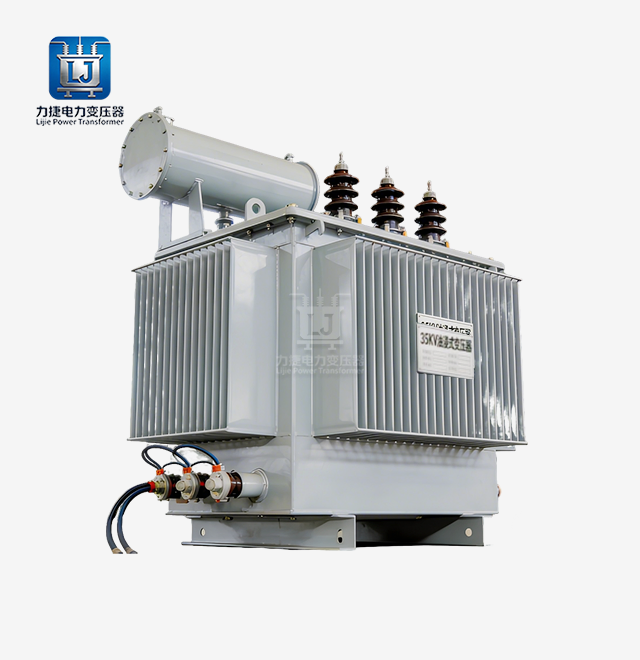
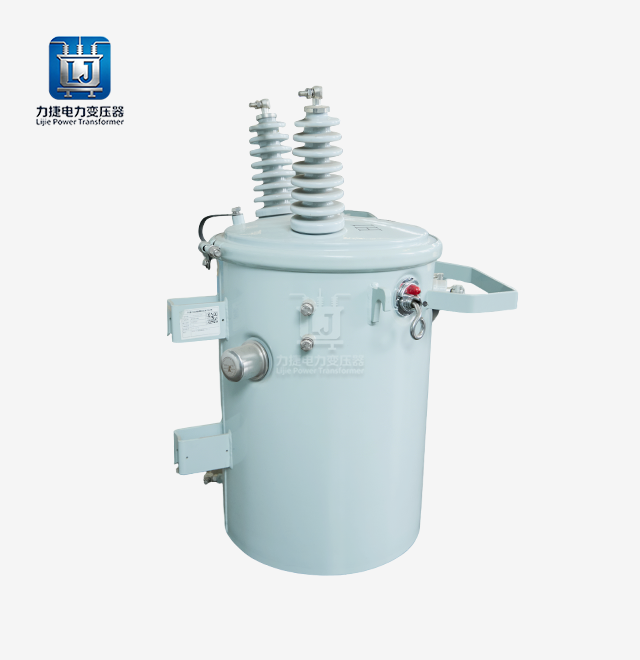
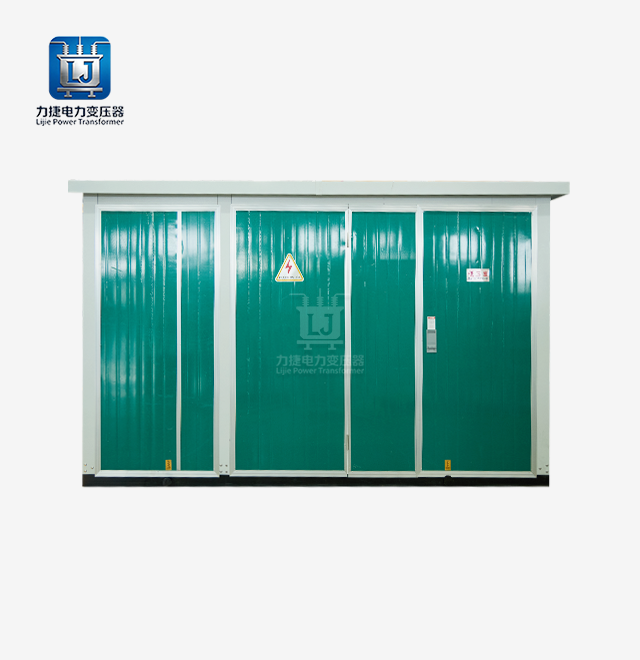
H15%20type%20three-phase%20fully%20sealed%20distribution%20transformer.webp)
10%20type%20dry-type%20distribution%20transformer.webp)


April 27, 2025
With a tight project schedule, the manufacturer delivered on time, and on-site technical personnel provided guidance throughout the entire installation and commissioning process; the collaboration was highly efficient and hassle-free.
July 2, 2025
During the preliminary phase, a selection plan was custom-tailored based on the actual site load requirements, resulting in a high degree of parameter compatibility. After-sales support responds within two hours, and ongoing technical support for operation and maintenance is comprehensive; we feel completely confident in a long-term partnership.
November 18, 2025
Deployed as a supporting component for a 35kV grid-connection project at a photovoltaic power station, the equipment operates for an average of 16 hours daily. It demonstrates excellent control over no-load losses, ensures smooth power generation and grid integration, and effectively reduces the station's overall energy consumption.
January 30, 2026
Under the continuous, high-load operating conditions of a factory production line, the equipment maintains stable electrical parameters and exhibits strong overload resistance, thereby guaranteeing an uninterrupted power supply for industrial production.
April 3, 2026
Integrated as a supporting component for a new energy photovoltaic grid-connection system, the manufacturer provided professional technical coordination and timely after-sales support, ensuring seamless adaptation to the specific electrical operating conditions required for grid integration.