April 27, 2025
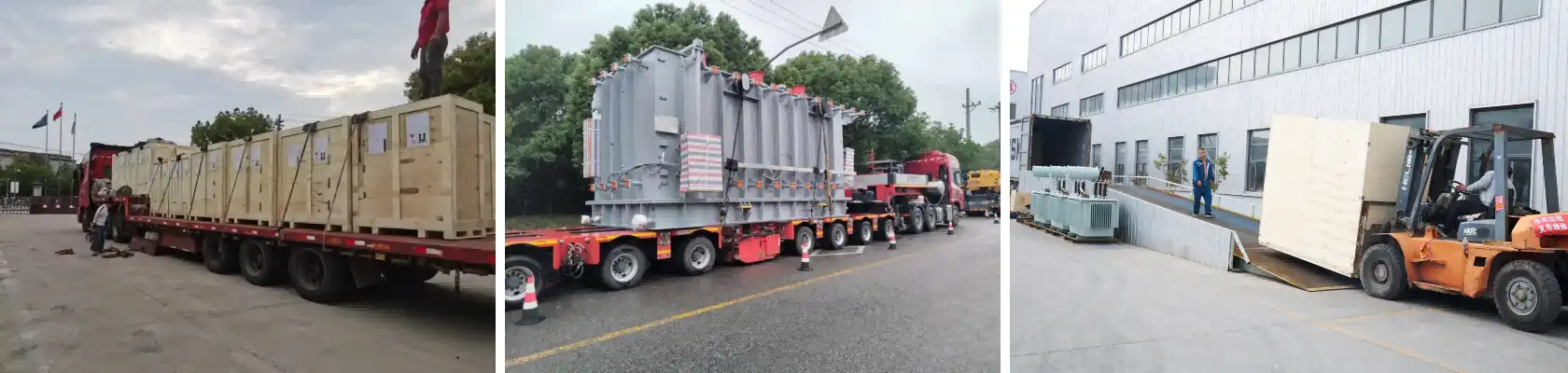
With a tight project schedule, the manufacturer delivered on time, and on-site technical personnel provided guidance throughout the entire installation and commissioning process; the collaboration was highly efficient and hassle-free.
Aug 16, 2026
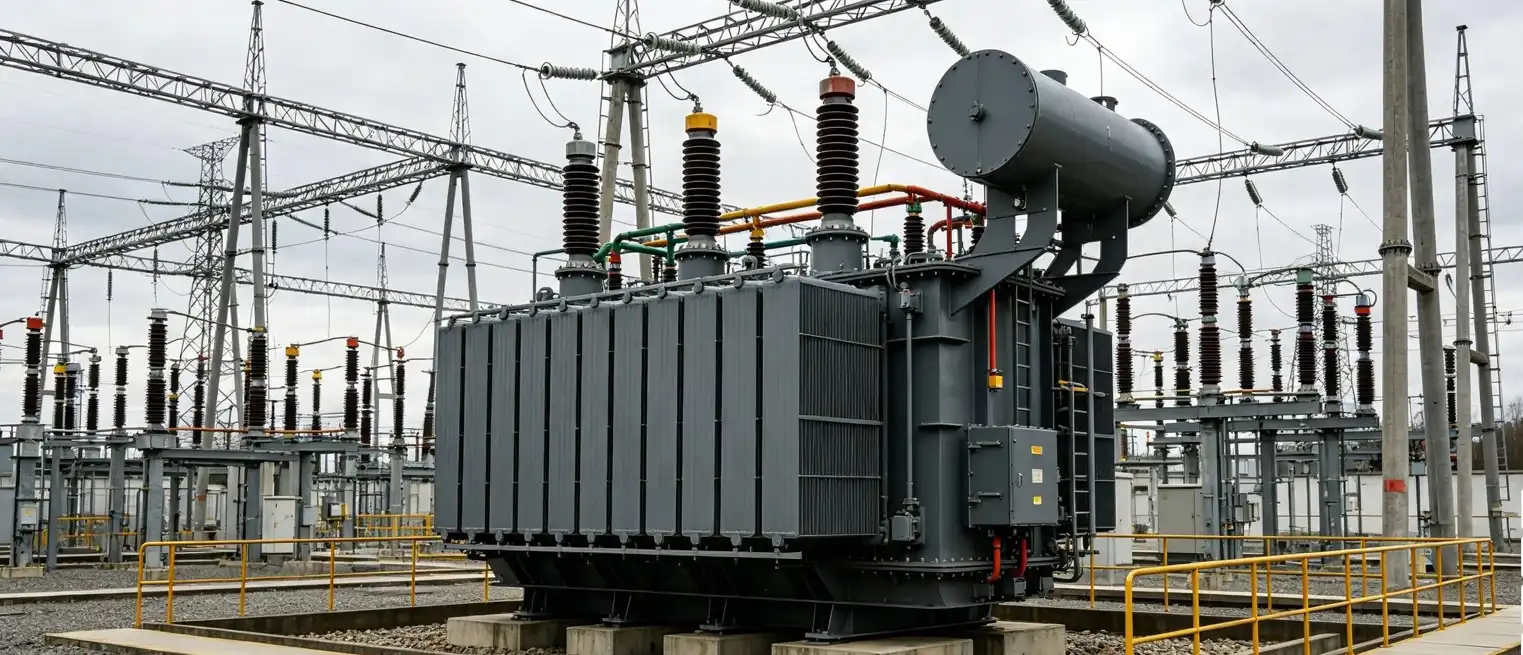
Modern electrical grids depend entirely on power transformers to function. These high-capacity electromagnetic devices convert voltage levels across transmission and distribution networks, enabling electricity to travel hundreds of miles with minimal loss. Without power transformers bridging generation plants and end users, energy infrastructure would face catastrophic inefficiencies, voltage instability, and the inability to integrate renewable resources at scale. Their role extends beyond simple voltage conversion—they ensure grid resilience, economic viability of long-distance transmission, and the technical foundation for electrification across industries.
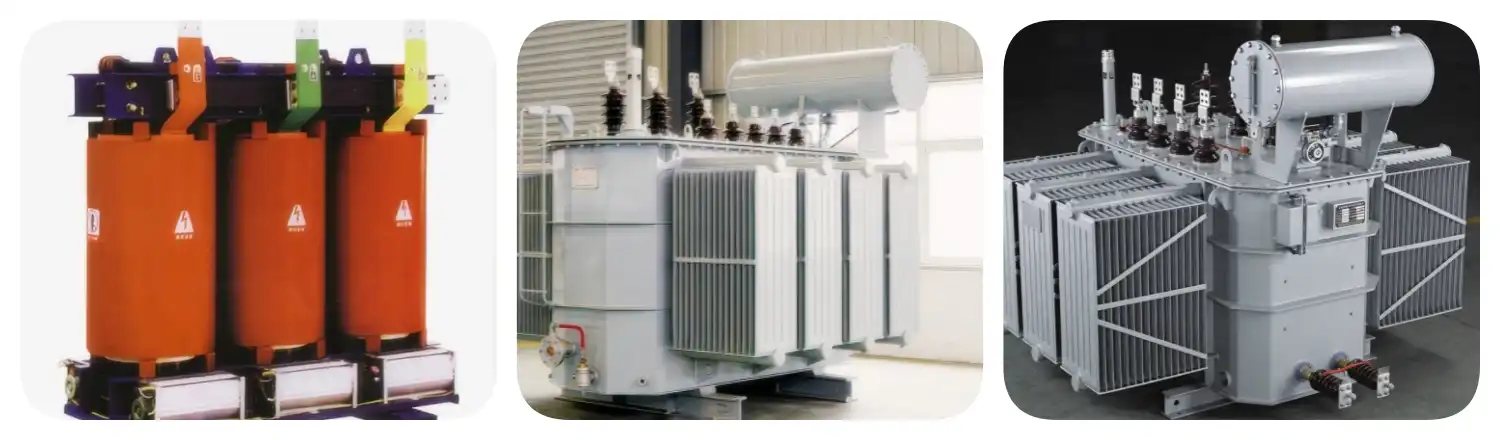
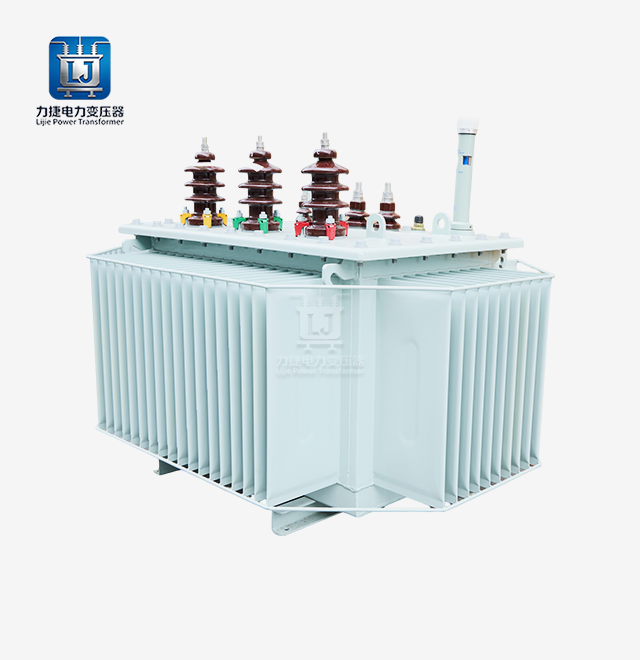
A Power Transformer is a static electromagnetic device that moves electricity between circuits by induction. It does this by mostly increasing or decreasing voltage without changing frequency. These units usually work at voltages higher than 33kV, and they are designed to be as efficient as possible when they are fully loaded. Power Transformers, as opposed to distribution transformers, are used in places where stable, high-capacity energy transfer is essential, such as utility substations, production facilities, and industrial buildings.
The business world knows a number of different transformer designs based on voltage classes, cooling methods, and insulation systems. Oil-immersed transformers are used in most transmission networks because they are better at getting rid of heat and have been proven to work reliably in outdoor substations. On the other hand, dry-type transformers are used in factories inside, where fire safety rules don't allow liquid dielectrics. High-voltage models with ratings between 110kV and 500kV are used for long-distance transmission, while medium-voltage units are used for distribution in industrial parks and renewable energy facilities. Each design takes into account different operating limits, such as temperature ranges, harmonic content, load profiles, and ease of servicing access.
When engineers specify transformers, they look at three performance metrics in particular: how well they use energy, how well they handle heat, and how well their insulation holds up. Eddy current losses are kept to a minimum by core laminations, and impedance and load-carrying ability are balanced by winding designs. Hot spots don't shorten the life of insulation because of cooling systems like natural convection, forced air, or directed oil flow. Modern designs include online tracking features that let you check the levels of dissolved gases, spinning temperatures, and bushing conditions in real time. When paired with strict care plans, these improvements make things last longer than 30 years.
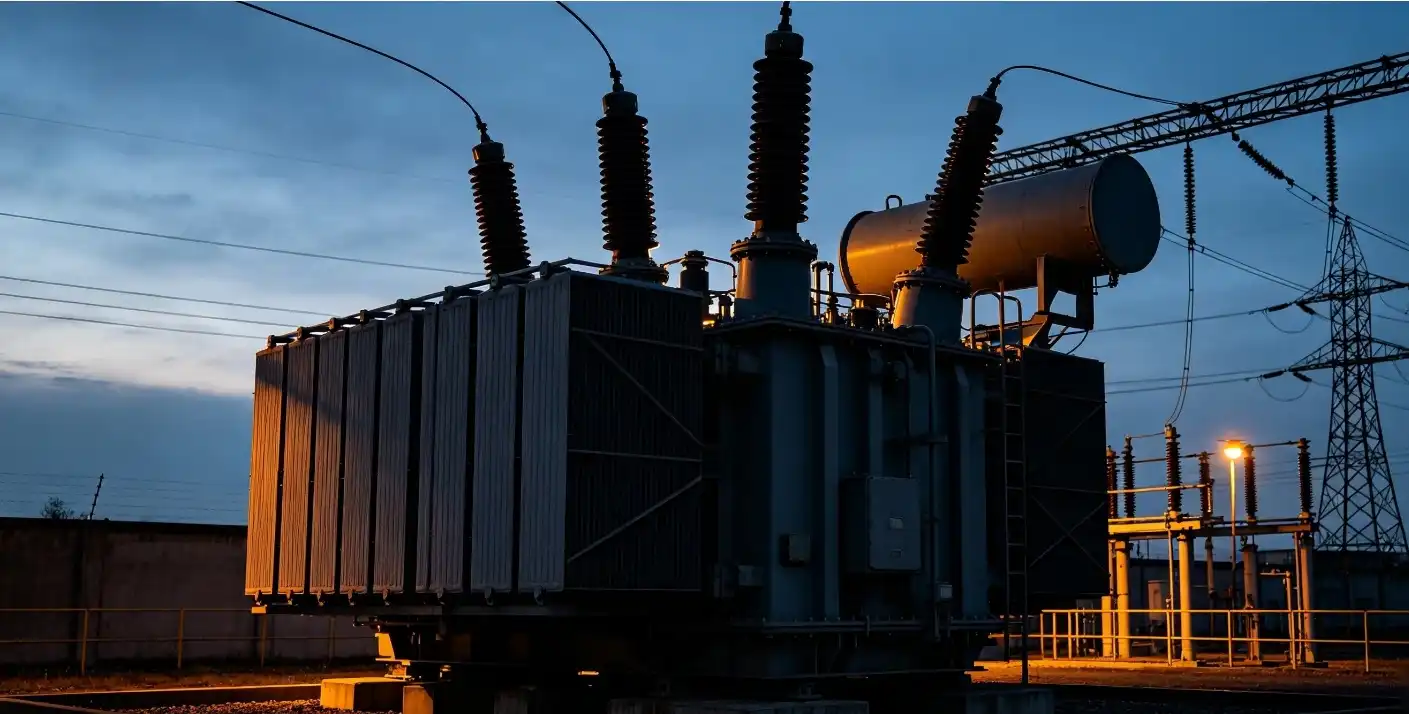
Sending low-voltage electricity over long distances is impossible because of the huge resistive losses that are proportional to the square of the current. Power Transformers lower transmission current by raising the output voltage of generators to very high levels—sometimes reaching 765kV. This lowers I²R losses and the size of the conductors that need to be used. Every interconnected grid is based on this economic principle, which lets hydroelectric dams, nuclear power plants, and wind farms hundreds of miles away power urban load centers.
As green energy sources take the place of traditional baseload plants, modern grids are facing changes that have never been seen before. Voltage control is a feature of Power Transformers with on-load tap changers, which can automatically change the turns ratios to keep bus voltages fixed even when supply and demand change. This voltage control keeps equipment from breaking, lowers the flow of reactive power, and keeps the frequency stable across regions that are connected. Industrial sites that use electric arc furnaces or big motor drives depend on transformers to protect the grid from sudden changes in load that would cause voltage drops otherwise.
Power from solar farms and wind farms is generated at middle voltage levels that can't be used with transportation networks. Specialized step-up transformers fill in this gap. They usually have harmonic filtering and advanced insulation systems built in to deal with the unique electrical fingerprints of production that uses inverters. Offshore wind projects use small, weatherproof units that can handle mechanical stress and salt fog. As renewable capacity grows—the Department of Energy predicts that it will make up half of U.S. generation by 2035—transformer technology directly affects how much clean energy gets to people.
Transformers that are more than just voltage converters are needed for next-generation electrical systems. Models with sensors send real-time operating data to control centers. This lets predictive maintenance programs find early signs of failure weeks before they become major problems. When compared to time-based repair plans, this intelligence layer cuts down on unplanned outages by 40%. Transformer tracking is used by distribution automation systems to improve volt-VAR control, which makes the whole service area more energy efficient.
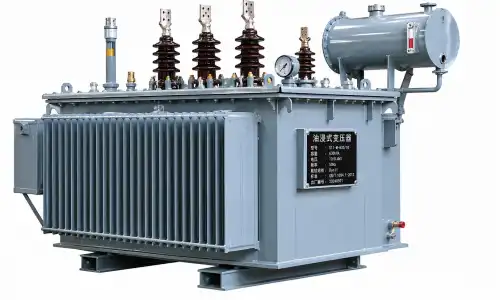
Over many decades of work, transformer efficiency has a direct effect on practical economics. Load losses go up as the circuit current goes up, but no-load losses stay the same as long as the unit is turned on because the core is magnetized. When grain-oriented silicon steel and optimized winding geometries are used in high-efficiency designs, total losses are less than 0.3% at rated capacity. A 100MVA transformer that is used at 70% of its full capacity wastes energy equal to millions of dollars in electricity costs over its 30-year life. More and more, procurement specifications require energy efficiency certifications, knowing that the extra costs paid at first are covered by lower losses within five years.
The best way to check the health of a generator is still to use dissolved gas measurement. Hydrocarbon gases dissolved in insulating oil show partial discharge activity, overheating, and cellulose degradation a long time before the device stops working. Moisture getting in is the main reason why things break down early. Dielectric tests can find it, and breather systems and vapor-phase drying can control it. Bushings need to be tested for power factor on a regular basis to find cracks or contamination. When facilities do thorough checks every five years and oil sampling once a year, the average time between failures is over 35 years.
Mineral oil-soaked cellulose paper has been used as insulation for a hundred years, but new discoveries in material science have made other options available. Thermally improved kraft paper raises its temperature ratings by 20°C, which immediately means that it can hold more or last longer. Synthetic ester fluids are better at handling wetness and breaking down naturally, which makes them appealing for setups that care about the environment. Cast resin dry-type transformers don't use any liquid dielectrics at all, so they have slightly higher losses but are completely safe for use indoors. Choosing the right material has a big impact on the total cost of ownership because it balances the cost of purchase with the amount of maintenance and replacements that need to be done.
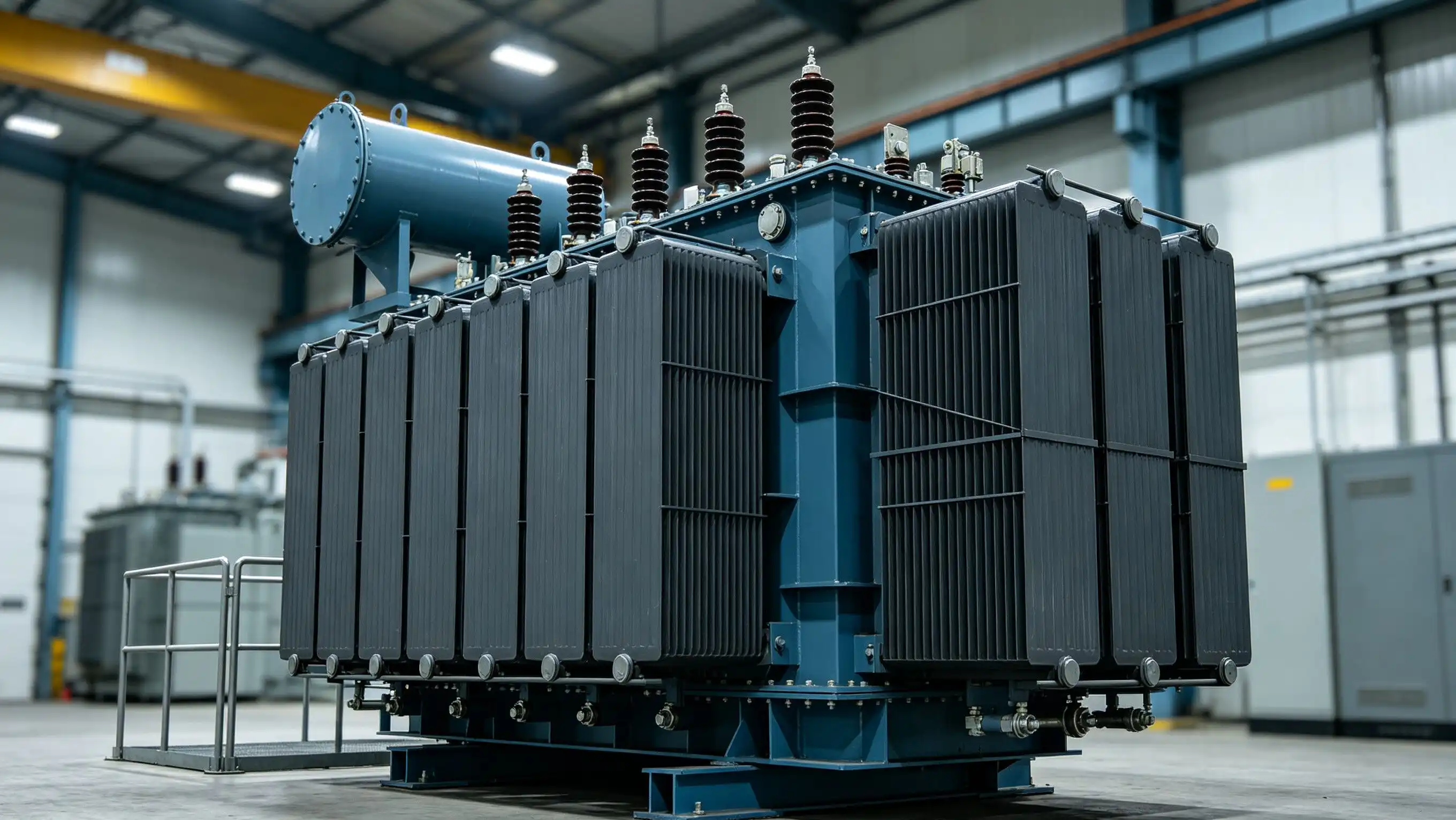
To find transformers for large-scale utility projects, you have to carefully evaluate suppliers on technical, financial, and practical grounds. A supplier's manufacturing ability shows whether they can supply 50 identical units in a short amount of time without lowering the quality. Test facilities that meet IEC 60076 standards make sure that type tests accurately predict how things will work in the field. Stability in the financial world is important because transformer projects take years to complete, so providers must be able to stay in business through economic downturns. Site references from similar projects show how providers handle problems in the field, warranty claims, and changes to the plan.
Autotransformers are cheaper and more efficient than two-winding versions when the voltage change ratio is small, like when connecting 230kV to 138kV. They don't have galvanic isolation, tho, so they can't be used for ground fault protection or harmonic isolation. The difference between shell-type and core-type design affects the building's size and ability to withstand earthquakes. When procurement teams choose a design, they need to make sure it meets the needs of the application. For example, a mining operation that wants to prioritize durability and extra capacity will make different trade-offs than a utility that wants to maximize first cost and efficiency.
The unit price is only one part of the overall cost. A transformer that costs 15% less than competitors but has 0.5% higher losses will cost more in energy costs over seven years, canceling out any savings. The terms of the warranty are very important. Does coverage include losses from unplanned power cuts, or is it just replacement of the broken unit? Lead times affect project plans; for example, a late generator delivery can keep building teams from working and keep the business from making money for months. Procurement managers with a lot of experience weigh these factors by calculating the net present value over the expected service life.
Standard store items rarely meet the needs of large building projects. Custom Power Transformer standards cover requirements such as operating at high altitudes, in earthquake-prone areas, or under extremely hot or cold temperatures. The layout of the terminals must match the layout of the substation buses. Harmonic resonance studies and specific impedance values may be needed for renewable energy applications. International certifications like IEC, CE, and UL allow you to sell your products worldwide. Local utility acceptance testing protocols add requirements that are specific to each project. Compared with rigid catalog sellers, suppliers that demonstrate flexible engineering capabilities and experience working with various regulatory systems can help reduce project risks.
Transformer commissioning, maintenance training, and the ability to respond quickly to emergencies are what set capable suppliers apart from transactional ones. Installations that aren't in the home markets of the suppliers need either local service networks or response protocols that are very clear. How long a failure lasts depends on how many spare parts are available. These parts include joints, tap switches, and cooling fans. Throughout the lifecycle of an asset, technical help for practical troubleshooting and coordination of security relays is worth it. Service level agreements, parts inventory promises, and escalation processes should all be made clear in the procurement specs.
Continuous efficiency gains are driven by regulatory pressure and the economy of utility. Amorphous metal cores cut no-load losses by 70% compared to silicon steel, but they are only useful in distribution applications where transformers are lightly loaded because the materials are more expensive. Once only found in research labs, superconducting windings are getting close to being commercially viable for substations in cities where limited room justifies higher prices. For every 0.1% increase in the efficiency of a group of big transformers, megawatts of extra capacity can be used to handle growing loads without having to build new power plants.
Sensors and machine learning algorithms turn transformers from simple parts to smart assets for the power grid. Acoustic emission monitors can pick up on partial discharge more accurately than dissolved gas analysis. Monitoring the temperature of fiber optics finds hot spots in the windings, which lets dynamic loading techniques be used to get the most out of the capacity. Cloud-based analytics platforms collect data from tens of thousands of units and find patterns of failure that can't be seen at the asset level. Utility companies that use these systems say that catastrophic failures have dropped by 50% and that grid reliability metrics have also gone up as a result.
Mineral oil generators are becoming more and more limited by rules because hydrocarbons have an effect on the environment. Vegetable-based and manufactured ester fluids are biodegradable and have higher flash points, which means they don't need to be contained as much. Following the ideas of the circular economy, manufacturers make products that can be taken apart, and their parts reused at the end of their useful lives. Noise pollution limits are getting stricter in private areas, which has led to the creation of very quiet cooling systems and core designs. Transparency in a company's carbon impact, from the extraction of raw materials to the use of energy in manufacturing, affects purchasing choices as companies work toward their net-zero goals.
To stay ahead in the market, well-known companies put a lot of money into digitalization and materials science. New suppliers from markets where transmission infrastructure is growing quickly are competing with incumbents on price and delivery speed. Partnerships between companies that make transformers and companies that work on green energy speed up the development of grid-forming inverters and mixed transformer-inverter systems. When industries merge, they become bigger and have more means for advanced research and development. On the other hand, specialized makers serve niche markets that need their own special skills. Procurement professionals can benefit from keeping an eye on changes in technology and maintaining relationships with a variety of suppliers.
Power Transformers are still an important part of modern energy infrastructure because they connect energy production and use across huge networks, making it possible to add renewable energy sources and update the grid. Their success affects the cost of transportation, the security of the grid, and the ability to carry out long-term electrification projects. Making decisions about purchases that balance technical requirements, lifecycle costs, supplier capabilities, and new technologies has a direct effect on the success of the project and the reliability of operations. As power grids move toward decentralized generation and digitalized operations, transformers must also improve by becoming more efficient, smart, and environmentally friendly without sacrificing the basic dependability that businesses and utilities need.
A properly designed transformer should work consistently for 25 to 40 years with regular maintenance that includes oil sampling once a year and tracking of dissolved gas analysis. How long the unit lasts depends a lot on how it is thermally loaded, how well it controls moisture, and whether it is repeatedly overloaded or has through-fault currents. Temperature makes insulation age much faster, so maintaining the purity of the cooling system and managing the load are very important for life.
The phase shift between the high-voltage and low-voltage windings is shown by the vector group designation, which is usually written as Dyn11 or YNd11. When running multiple transformers simultaneously, this setup is very important because incorrect vector groups cause circulating currents that lower capacity and cause losses. Harmonic transmission and neutral grounding techniques in distribution systems are also changed by the vector group.
Manufacturers rate transformers based on certain atmospheric temperatures, usually 30°C for units that are filled with liquid. When you work in hotter places, the thermal gradient that can be used for cooling is lessened, which could mean that you need to lower your capacity to keep hot spots from getting too hot for the insulation. On the other hand, cold places may temporarily allow overloading. When you go above 1,000 meters, the air density drops, which makes cooling less efficient and requires more derating.
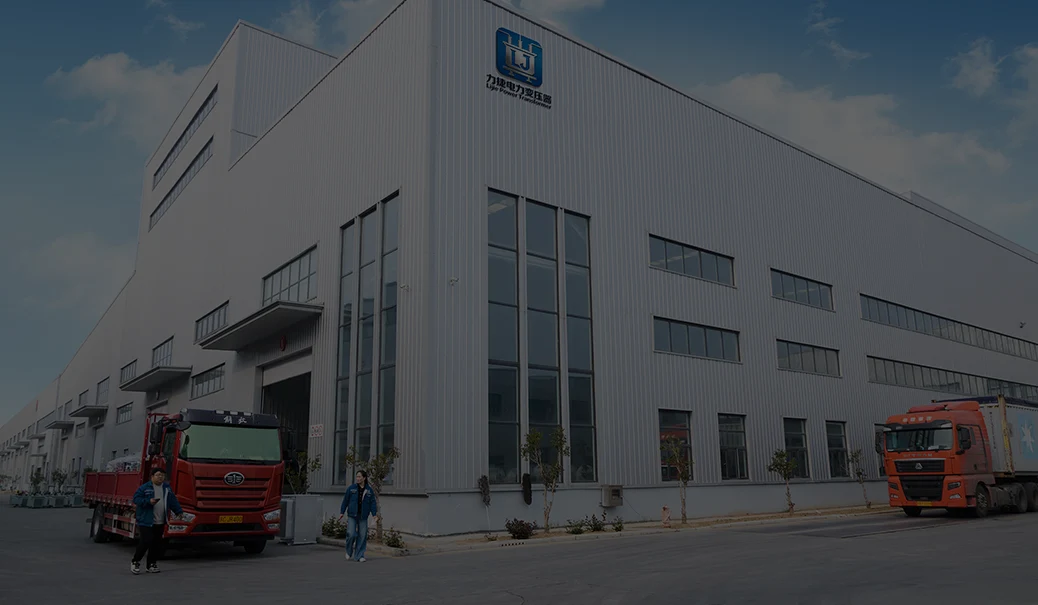
Lijie Electric has been making high-quality products for 30 years and serves utility, green energy, and commercial users all over the world. Our 500,000-square-meter ISO 9001:2015-certified factories in Xuzhou and Nantong make transformers with values from 10kV for distribution to 500kV for transmission. We offer custom solutions that meet the strictest requirements thanks to our IEC, CE, and UL certifications and over 160 engineers with advanced degrees. Our technical team works closely with procurement professionals and engineering firms to make sure that performance, delivery schedules, and lifecycle value are all optimized. This is true whether you need mining transformers for harsh environments, prefabricated substations for renewable projects, or ultra-high-voltage units for transmission networks. As a reliable Power Transformer maker with projects in six countries, we invite you to experience our focus on quality and full support after the sale. You can talk to us about your needs by emailing lijieelectrical@gmail.com or going to lijie-electrical.com.
1. Barnes, M. (2021). Transformer Engineering: Design, Technology, and Diagnostics, Third Edition. CRC Press.
2. Harlow, J.H. (2022). Electric Power Transformer Engineering, Fourth Edition. CRC Press.
3. IEEE Power & Energy Society. (2020). IEEE Guide for Loading Mineral-Oil-Immersed Transformers and Step-Voltage Regulators (IEEE Std C57.91-2020).
4. International Electrotechnical Commission. (2018). Power Transformers—Part 1: General (IEC 60076-1:2018).
5. Kulkarni, S.V. & Khaparde, S.A. (2019). Transformer Engineering: Design, Technology, and Diagnostics, Second Edition. Taylor & Francis.
6. U.S. Department of Energy. (2022). Transformers and Grid Modernization: A Technology Assessment. Office of Electricity Technical Report Series.
YOU MAY LIKE

18%20type%20dry-type%20distribution%20transformer.webp)

%20Dry-type%20Distributing%20Transformer.webp)

April 27, 2025
With a tight project schedule, the manufacturer delivered on time, and on-site technical personnel provided guidance throughout the entire installation and commissioning process; the collaboration was highly efficient and hassle-free.
July 2, 2025
During the preliminary phase, a selection plan was custom-tailored based on the actual site load requirements, resulting in a high degree of parameter compatibility. After-sales support responds within two hours, and ongoing technical support for operation and maintenance is comprehensive; we feel completely confident in a long-term partnership.
November 18, 2025
Deployed as a supporting component for a 35kV grid-connection project at a photovoltaic power station, the equipment operates for an average of 16 hours daily. It demonstrates excellent control over no-load losses, ensures smooth power generation and grid integration, and effectively reduces the station's overall energy consumption.
January 30, 2026
Under the continuous, high-load operating conditions of a factory production line, the equipment maintains stable electrical parameters and exhibits strong overload resistance, thereby guaranteeing an uninterrupted power supply for industrial production.
April 3, 2026
Integrated as a supporting component for a new energy photovoltaic grid-connection system, the manufacturer provided professional technical coordination and timely after-sales support, ensuring seamless adaptation to the specific electrical operating conditions required for grid integration.