April 27, 2025
With a tight project schedule, the manufacturer delivered on time, and on-site technical personnel provided guidance throughout the entire installation and commissioning process; the collaboration was highly efficient and hassle-free.
Aug 8, 2026
When power utilities, renewable energy developers, and industrial manufacturers evaluate transformer solutions for high-capacity power distribution systems, the choice of an oil-immersed transformer supplier becomes a strategic decision that influences operational reliability for decades. An oil-immersed transformer supplier specializes in designing, manufacturing, and distributing liquid-filled power equipment where core and windings are submerged in insulating oil. This configuration addresses critical industry challenges including thermal management in high-capacity grids, dielectric failure in demanding environments, and the imperative for 30-plus-year operational reliability. These suppliers translate complex engineering specifications into grid-ready solutions that maintain stable voltage regulation while withstanding localized overheating and transient overvoltages through advanced fluid-based cooling systems.
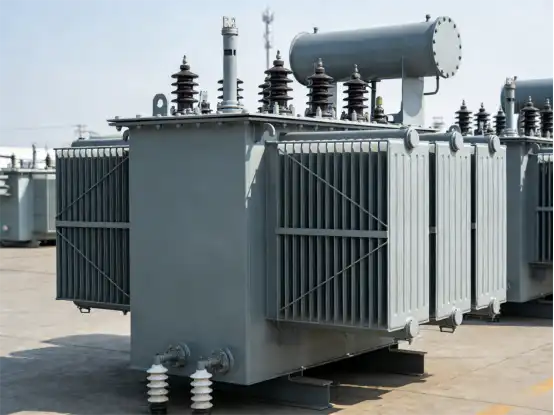
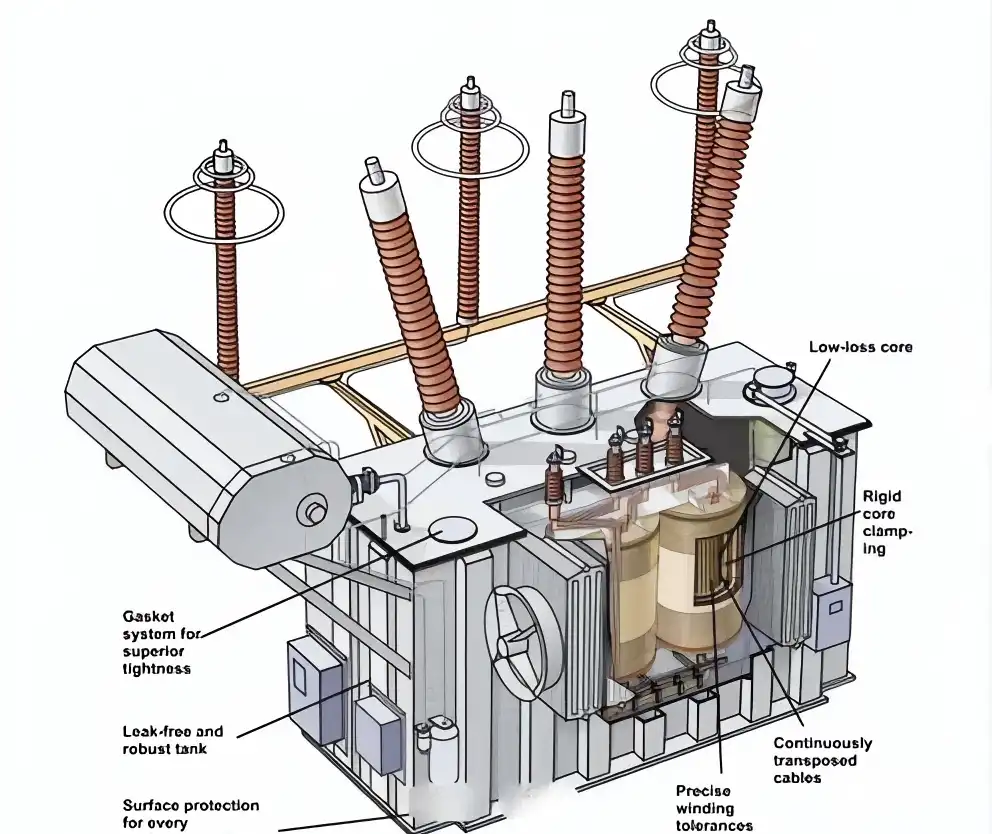
In Oil-Immersed Transformers, mineral or manufactured oils are used to cool the transformer and keep the electricity from leaking out. The oil moves around naturally through convection, which takes heat away from the core and windings. Because they can be used for two different things at once, these units are very useful in high-capacity settings where heat dissipation directly impacts performance and longevity.
In tough situations, it's easy to see the changes between units that are filled with liquid and those that are dry. When there is a constant high load, Oil-Immersed Transformers work best because the oil absorbs heat better than air. Dry-type transformers don't have to worry about environmental containment, but they are usually used in lower-capacity situations where their small cooling capacity is enough. When the right maintenance steps are taken, the working lifespan often goes beyond thirty years. This makes the initial investment more valuable when looking at the total costs over the whole lifetime.
For high-capacity power transfer, you need tools that can handle long-term electrical stress without breaking down. When it comes to dielectric strength, oil-based insulation systems are better than solid insulation materials. This means that similar voltage ratings can be achieved in smaller forms. It is even more reliable because transformer oil can fix itself after small electrical shocks. This means that the damage isn't permanent. The costs of maintenance stay the same because checking the oil condition early on lets you know when problems start to happen, so you can fix them before they get worse.
Making decisions about what to buy starts with clearly defining what the system needs. Voltage ratings, load profiles, ambient operating conditions, and physical installation limitations must all match what the supplier can do. We've found that the best partners keep design options open so they can meet non-standard needs without affecting delivery times. For instance, installations near the coast need better protection against corrosion, and installations in mines need tanks that are built to handle shaking and mechanical stress.
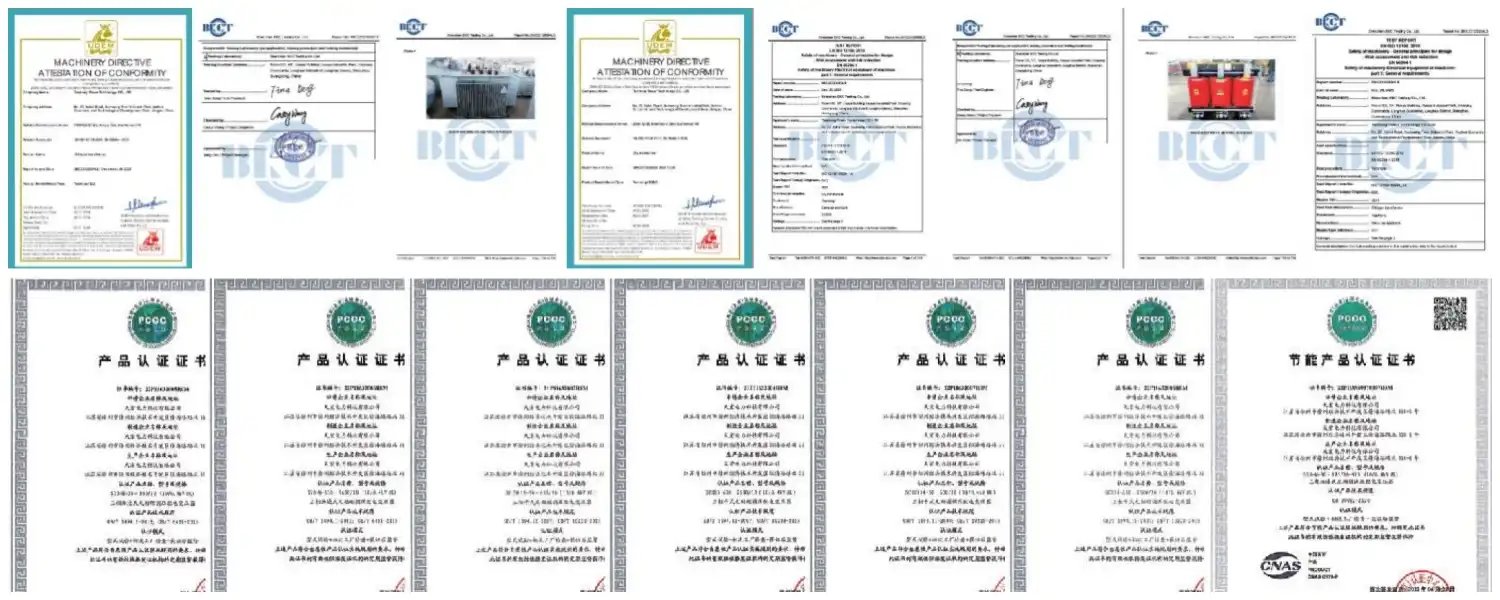
The process of evaluating suppliers is based on international norms. Check more than just ISO 9001 approval. Make sure the product meets IEC 60076 standards for power transformers and IEEE C57 series standards that are popular in North American markets. CE marking proves that a product meets European safety standards, while UL approval makes it possible to meet certain U.S. energy requirements. These licenses are more than just pieces of paper; they back up testing methods, material requirements, and quality control systems in production that have a direct effect on how reliable something is in the field.
Large-scale projects can't wait for Oil-Immersed Transformer Supplier delays. Use the size of the building, the number of workers, and the sophistication of the tools to figure out how much can be produced. A supplier with 500,000 square meters of industrial space and separate production lines for different types of transformers shows that they can handle both batch accuracy and running multiple projects at the same time. Sales of more than a few billion RMB a year are another sign of reliability. This means that supply chains are well-established and the company is financially stable enough to handle changes in the market.
Your relationship with your transformer supplier goes far beyond just getting equipment. Support that covers everything includes installation advice, help with setup, training for operators, and quick troubleshooting when operating questions come up. We appreciate suppliers who give us dedicated technical contacts to keep the project running smoothly and who keep spare parts for important parts in stock. Long-term framework deals work best when service excellence is shown during the first jobs.
How well transformer oil works directly impacts how reliable and long-lasting equipment is. The dielectric strength of oil tells you how well it can handle electrical stress without breaking down. For new oil, this strength is usually above 30 kV. The amount of moisture must stay below 10 parts per million because water makes shielding much less effective and speeds up the ageing process. Acidity levels show oxidation products that eat away at internal parts; values below 0.03 mg KOH per gram of oil are fine.
Because different types of faults produce different gas patterns, dissolved gas analysis (DGA) has become the gold standard for state tracking. Ethylene and methane are made by thermal cracks, and hydrogen is made by partial release. We suggest that critical transformers be DGA tested once a year and units that are showing changes on a regular basis. During regular maintenance windows, like every three years for stable units and once a year for equipment that works in tough environments, dielectric breakdown testing and moisture analysis should be done.
Oil gradually breaks down due to oxidation, pollution, and heat stress. When regular tests show that the dielectric strength is dropping below 25 kV, the acidity is rising above 0.05 mg KOH/g, or the moisture level is above 15 ppm, action needs to be taken. When problems are caught early, modern filtering and regeneration systems can fix the oil's qualities, which saves money and extends its useful life. When pollution levels are too high for filtering or when the oil has been used for 20 to 25 years, it is time to change it completely.
Insulation life is cut in half every 10°C above its rated temperature when it is used in temperatures that are too high. Some of the root causes are bad cooling system design, clogged radiators, broken pumps in forced-circulation systems, or conditions of sustained overload. With modern thermal imaging, hot spots can be found during regular checks, before they break down. When choosing equipment for harsh climates, ambient temperature correction factors must be used. For example, a transformer rated for 40°C ambient needs to be downrated or given more cooling when it is installed in a place where summer temperatures regularly rise above that level.
When gaskets, welds, and bushing seals break down, oil can leak out, putting the environment at risk and lowering the insulation level. A proper placement includes a backup containment system that can hold the full amount of oil and water for fighting fires. Since Lijie Electric has been making things for decades, we've gotten better at welding and choosing seal materials to reduce the chance of leaks. Before equipment leaves the factory, it is checked for hermetic integrity by tank pressure testing during production. This is standard practice for manufacturers who care about quality.
Insulation made of cellulose breaks down due to oxidation, hydrolysis, and heat stress. By causing localised warmth and chemical byproducts, partial discharge speeds up this process. Online tracking tools for partial discharge find patterns of activity that show weak insulation, so repairs can be made before a catastrophic failure. Oil-Immersed Transformer Suppliers who do partial discharge testing during type testing show that they want to know how equipment works when it is under stress. Special tests like these, done at places like the Wuhan High Voltage Research Institute, give information that tells you the difference between high-end providers and those who only offer minimum-compliance goods.
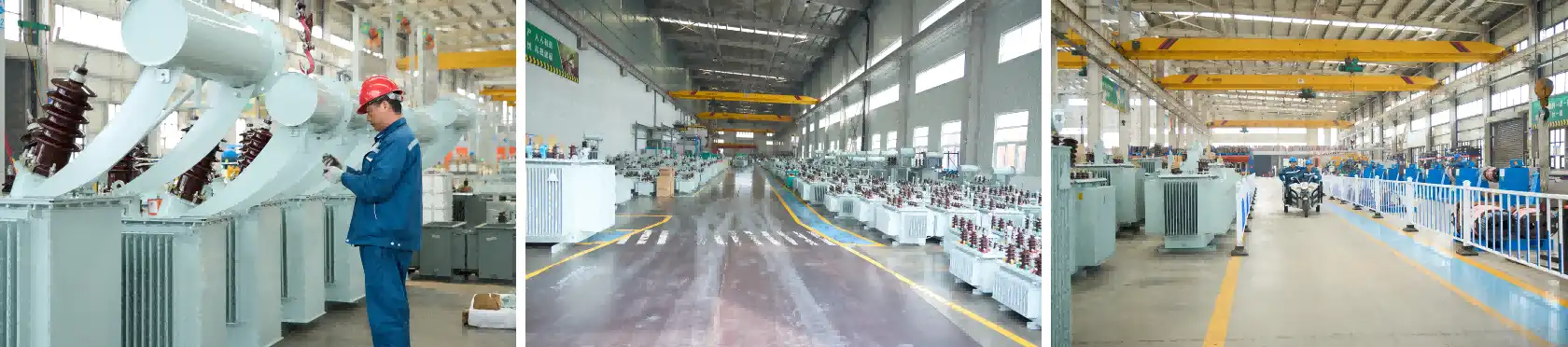
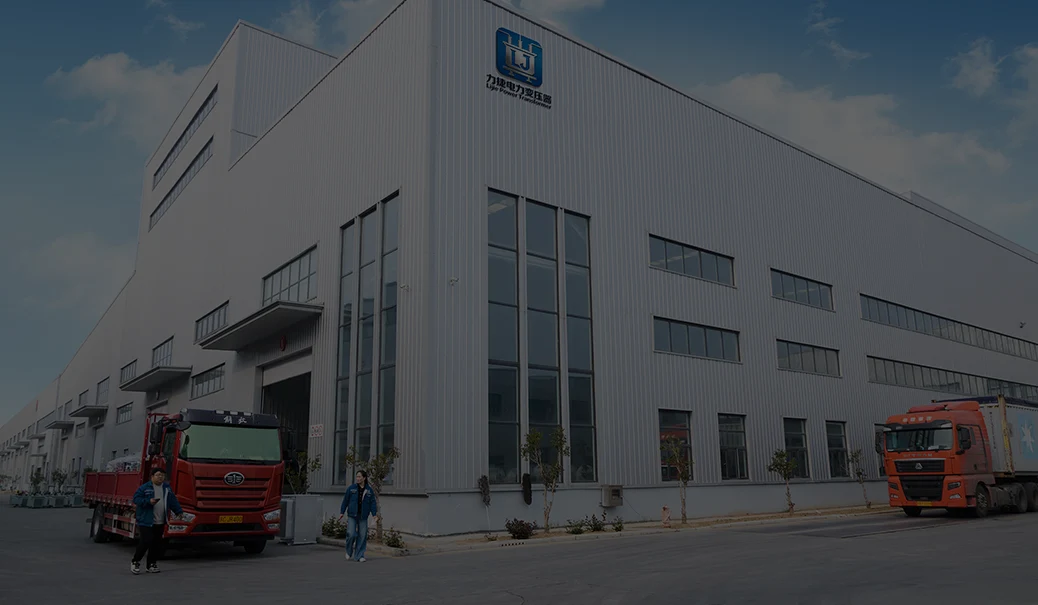
There are well-known companies that make transformers and have a history of working with power utilities, green energy projects, and industrial uses. Shipping prices and lead times affect the economy of a project, so where the factory is located is important. Suppliers with more than one production base can spread out their work and lower the risk of late deliveries. Lijie Electric has two large factories in Xuzhou and Nantong that cover 500,000 square meters and employ more than 2,000 people, including 160 engineers with advanced degrees. This size lets ultra-high-voltage units with ratings of 500 kV or more be made at the same time as special transformers for mines, electric furnaces, and rectifier uses.
Because tools, testing, and documentation are already made, standard designs can be delivered faster and cost less per unit. When standard configurations don't work for a system, custom engineering comes in handy. Oil-Immersed Transformer Suppliers can change the core design, change the cooling capacity, add non-standard bushings, or work with odd mounting arrangements, which sets them apart from those who only sell catalogue products. We're very good at customising solutions for a wide range of uses, from small substations for urban distribution projects to mining transformers made to work in explosive environments and with heavy loads.
Recent improvements in the way core steel is made cut no-load losses by 20 to 30 percent compared to older materials. It is possible for a higher original investment to be justified when lifecycle costs are properly calculated. This is because low-loss designs directly lower operating costs over decades of service. Amorphous alloy transformers are the most efficient ones yet, but they are also the most expensive and mechanically fragile, so they need to be carefully considered before they are used. Environmental laws are starting to favour ester-based insulating fluids over mineral oil in sensitive areas. Suppliers who offer these alternatives lower the risk of projects that are close to water sources or inside buildings.
To find the best partner for Oil-Immersed Transformers, you need to look at their technical skills, quality control, delivery reliability, and long-term support. The best results in procurement happen when buyers clearly describe system needs, check seller certifications and production capacity, and set up clear ways for technical teams to communicate and work together. Knowing the specifications for transformer oil, the upkeep needs, and the most common operational problems lets you have a more informed conversation with Oil-Immersed Transformer Suppliers. As power distribution systems get bigger and more complicated, working with experienced, certified manufacturers becomes more and more important for the success of projects and the reliability of operations.
An annual Dissolved Gas Analysis checks the state of most systems on a regular basis. Important equipment that handles important loads should be tested every six months, while less important equipment can be tested every 18 months after stable trending data has been collected. At least once every three years, you should test the dielectric strength and the moisture content. You should also do extra tests after bad weather, close faults, or practical problems.
Getting certified in the ISO 9001 Quality Management System sets basic rules for manufacturing. Conformity to IEC 60076 standards shows that a transformer meets international standards, while conformity to IEEE C57 standards is important for projects in North America. Independent testing labs, like CESI, KEMA, or officially recognised testing laboratories, certifying a product's performance through witnessed testing, back up claims of performance. CE and UL marks let you get into certain markets. What kinds of approvals show that an Oil-Immersed Transformer Supplier is reliable?
Absolutely. Customisation is what sets experienced makers apart from basic assemblers. Explosion-proof design and vibration resistance are needed for mining transformers. Transformers for electric furnaces need to have resistance requirements that can handle high inrush currents. Better short-circuit withstand and voltage regulation properties help renewable energy applications. Suppliers with a good reputation keep engineering teams that can optimise designs for specific uses while also meeting project delivery deadlines.
For decades, Lijie Electric has been making high-quality transformers that can be used in large-scale power distribution projects. Our production facilities are ISO 9001, CE, and UL certified, and they make ultra-high-voltage transformers with ratings of 500 kV and higher, as well as a wide range of specialised units for use in utilities, renewable energy, and industry. We offer unique solutions that meet your specific voltage, energy, and environmental needs. Our engineering team of 160 graduate and master's degree holders is here to help.
The National Transformer Quality Supervision and Inspection Center and the Wuhan High Voltage Research Institute have approved our normal, type, and special testing procedures for making Oil-Immersed Transformers. We keep up a production capacity that exceeds 5 billion RMB in annual sales, which guarantees on-time delivery for large-scale project needs. Email our team at lijieelectrical@gmail.com to talk about your buying needs and get detailed technical proposals from an Oil-Immersed Transformer Supplier and manufacturer that cares about the success of your project.
1. International Electrotechnical Commission. IEC 60076-1: Power Transformers - Part 1: General. Geneva: IEC, 2011.
2. IEEE Power and Energy Society. IEEE Std C57.12.00: IEEE Standard for General Requirements for Liquid-Immersed Distribution, Power, and Regulating Transformers. New York: IEEE, 2015.
3. Heathcote, Martin J. The J & P Transformer Book: A Practical Technology of the Power Transformer. 13th ed. Oxford: Newnes, 2007.
4. Kulkarni, S.V., and S.A. Khaparde. Transformer Engineering: Design, Technology, and Diagnostics. 2nd ed. Boca Raton: CRC Press, 2013.
5. Harlow, James H., ed. Electric Power Transformer Engineering. 3rd ed. Boca Raton: CRC Press, 2017.
6. National Electrical Manufacturers Association. NEMA TR 1: Transformers, Regulators, and Reactors. Rosslyn: NEMA, 2018.
YOU MAY LIKE
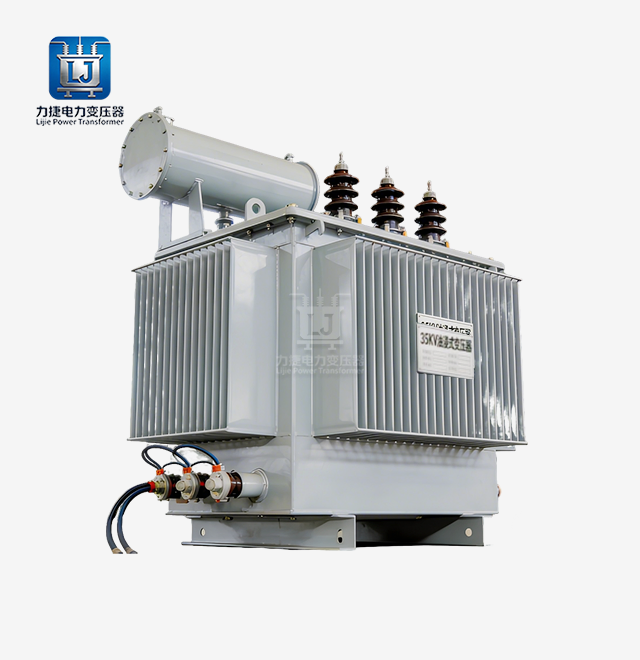

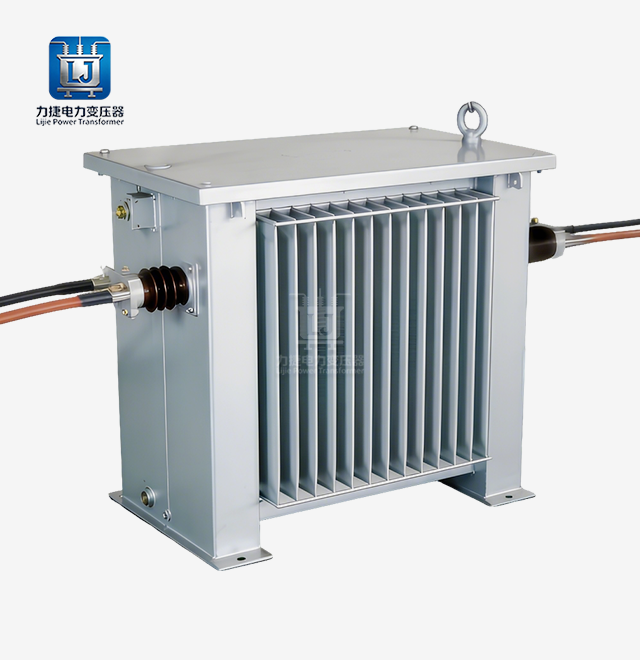
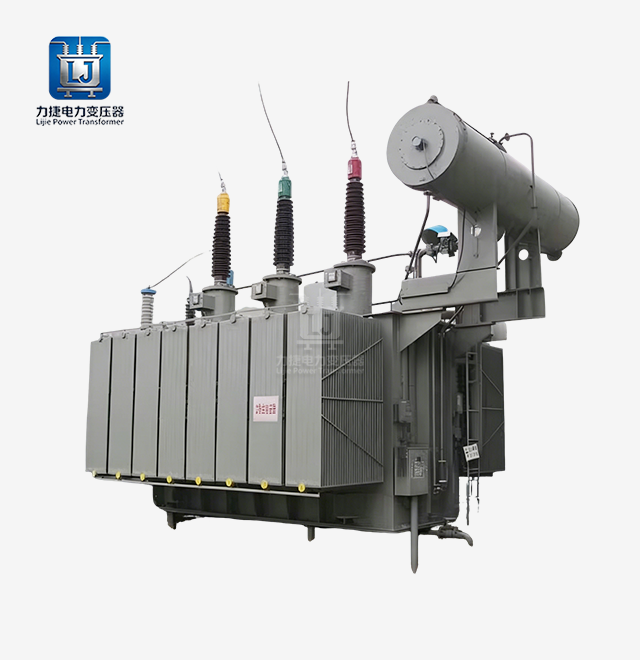

H15%20type%20three-phase%20fully%20sealed%20distribution%20transformer.webp)

14%20Epoxy%20Resin%20Dry%20Type%20Transformer.webp)
April 27, 2025
With a tight project schedule, the manufacturer delivered on time, and on-site technical personnel provided guidance throughout the entire installation and commissioning process; the collaboration was highly efficient and hassle-free.
July 2, 2025
During the preliminary phase, a selection plan was custom-tailored based on the actual site load requirements, resulting in a high degree of parameter compatibility. After-sales support responds within two hours, and ongoing technical support for operation and maintenance is comprehensive; we feel completely confident in a long-term partnership.
November 18, 2025
Deployed as a supporting component for a 35kV grid-connection project at a photovoltaic power station, the equipment operates for an average of 16 hours daily. It demonstrates excellent control over no-load losses, ensures smooth power generation and grid integration, and effectively reduces the station's overall energy consumption.
January 30, 2026
Under the continuous, high-load operating conditions of a factory production line, the equipment maintains stable electrical parameters and exhibits strong overload resistance, thereby guaranteeing an uninterrupted power supply for industrial production.
April 3, 2026
Integrated as a supporting component for a new energy photovoltaic grid-connection system, the manufacturer provided professional technical coordination and timely after-sales support, ensuring seamless adaptation to the specific electrical operating conditions required for grid integration.