April 27, 2025
With a tight project schedule, the manufacturer delivered on time, and on-site technical personnel provided guidance throughout the entire installation and commissioning process; the collaboration was highly efficient and hassle-free.
Jul 20, 2026
The S(B)H15 type three-phase fully sealed distribution transformer stands out as a game-changing way to save energy when looking at updates or new installs for power infrastructure. This high-tech equipment uses amorphous alloy core technology inside an oil tank that is tightly sealed, which gets rid of the need for a conservator and stops water from getting in. This transformer is made to work with voltages from 6kV to 12kV and has outputs from 30kVA to 2500kVA. It has Level 1 energy efficiency rates and cuts no-load losses by about 80% compared to regular silicon steel units. The fully sealed design means that it doesn't need to be maintained for decades. This makes it very useful for remote sites, renewable energy facilities, and urban substations where dependability and controlling lifecycle costs are very important.
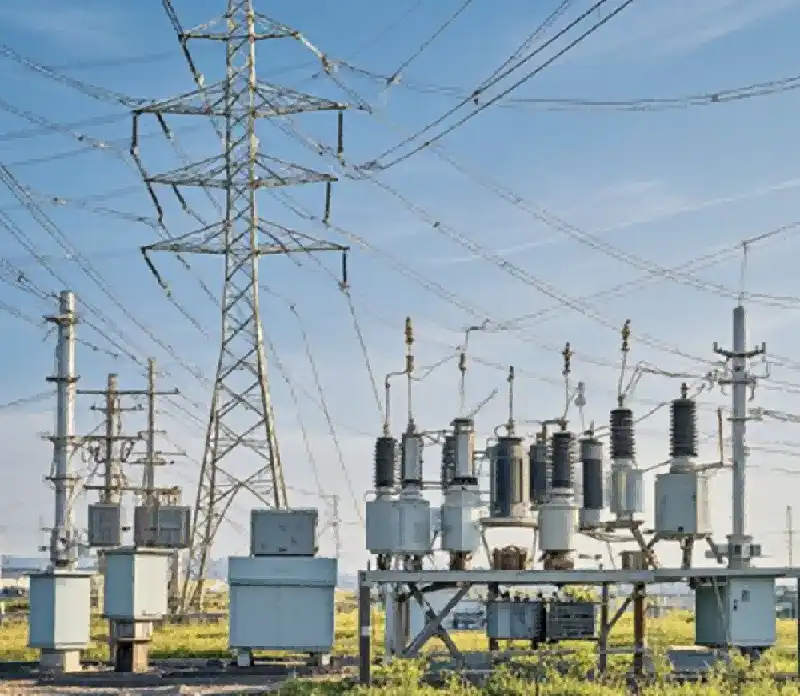
The flexible metal core material of this S(B)H15 type three-phase fully sealed distribution transformer is what makes it unique. Amorphous alloys have an ordered atomic structure, which is different from traditional crystalline silicon steel. This is achieved through fast solidification methods. Because of the way the molecules are arranged, the material can become magnetic and then lose its magnetic properties with very little energy loss. This directly leads to lower operating costs. The main ingredients, which are mostly iron, silicon, and boron, make the core very magnetic while still being strong and resistant to rust.
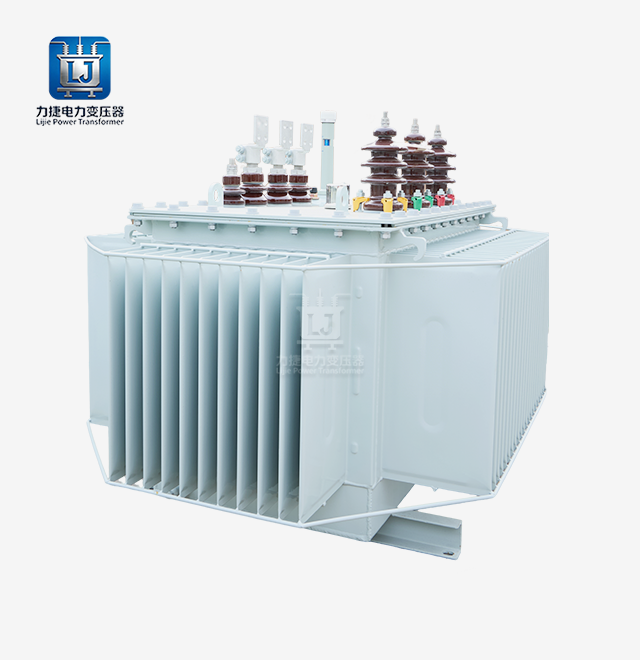
The term "fully sealed" refers to the corrugated design of the oil tank, which allows for thermal expansion without needing air contact from the outside. This way of engineering gets rid of the conservator tank that was in older models. This keeps oil from oxidising and moisture from getting into the insulation, which usually happens over time and makes it less effective. For procurement managers who care about the total cost of ownership, this feature can easily extend the service life beyond 30 years.
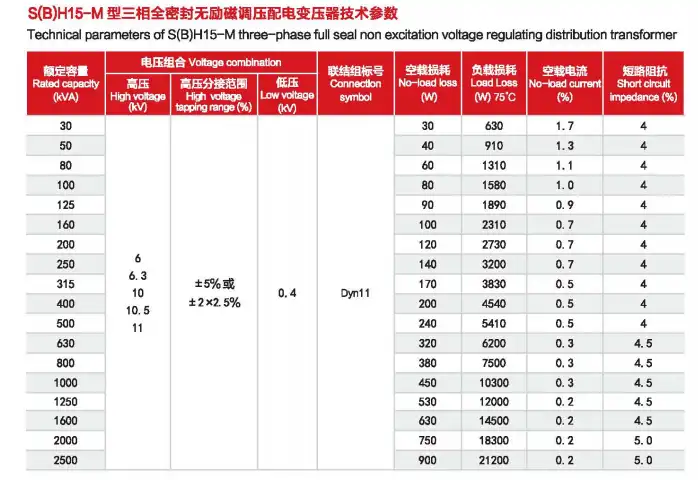
Our engineering team has tested these units in a variety of different operating conditions. The S(B)H15 type three-phase fully sealed distribution transformer can work at both 50Hz and 60Hz, which is compatible with international grid standards. Connection group names always go to Dyn11, which is better at reducing harmonics, which is very important in industrial settings with changing frequency drives and nonlinear loads. For certain grid compatibility needs, the Yyn0 configuration is still available.
Non-excitation tap changers with ±5% or ±2×2.5% adjustment ranges control the voltage. This lets field technicians get the best performance during commissioning without having to go through expensive de-energization cycles during operation. Power frequency withstand voltage ratings of AC-35kV and impulse withstand voltage ratings of L1-75kV make sure that the insulation is up to strict standards. This means that the system will work reliably even when lightning strikes or switching surges happen.
With oil-immersed self-cooling, you don't need forced air systems, so you use less energy and don't have to do as much upkeep. This passive cooling method works best for outdoor sites where the temperature stays below 40℃, but it can also be tailored to fit conditions that are more extreme.
When you look at lifecycle performance metrics, you can see how useful these S(B)H15 type three-phase fully sealed distribution transformers are. Environmental pollutants, such as dust particles, industrial pollutants, and salt spray from the coast, can't get into the system because it is hermetically sealed. This built-in resistance gets rid of the need for regular repair processes that come with open-conservator designs. Testing and filtering the oil takes time and money.
When three-phase power is sent through these units, the voltage is very stable, even when the loads aren't balanced, which often happens in mixed industrial and business settings. The low-impedance windings keep the voltage drop to a minimum during times of high demand. This keeps equipment from breaking down and production from stopping. At the National Transformer Quality Supervision and Inspection Center, quality control tests show that partial discharge levels are usually less than 100pC. This means that the insulation will last for a long time.
Pay close attention to the acoustic sound. The advanced core clamping structures reduce the magnetostriction effects that come with amorphous alloys. This keeps the noise levels low enough that they can be used in schools, hospitals, and homes. With this feature, installation sites can be found in places other than standard manufacturing zones.
Real-world examples show how useful this technology is in a lot of different areas. The very low no-load losses are very helpful for renewable energy installations, especially solar farms and wind power facilities. When there isn't much power being produced, the S(B)H15 type three-phase fully sealed distribution transformer works in standby mode, which means that traditional units keep using a lot of energy. This waste is cut down by 70–80% by the amorphous alloy core, which directly improves the project's costs and helps grid energy-saving efforts.
These models have been chosen as the best ones by utility companies like State Grid and Southern Power Grid for their energy-saving transformer replacement programs. The mix of Level 1 efficiency scores and proven durability meets legal requirements and reduces transmission losses across distribution networks in a way that can be measured.
Mining activities, oil extraction facilities, and big manufacturing plants that are far away from cities can be difficult to reach for services. The fully sealed, maintenance-free design takes away the hassle of having to schedule regular visits from technicians. The transformer keeps working effectively, even in environments with a lot of dust or corrosion. This keeps output going.
Urban infrastructure projects, like business parks and commercial buildings, need to be small and run quietly. Because the tanks are sealed, they can be put in places with limited space without needing separate equipment rooms or a lot of air systems. Developers of real estate like that the costs of civil engineering are lower, and projects can be finished faster.
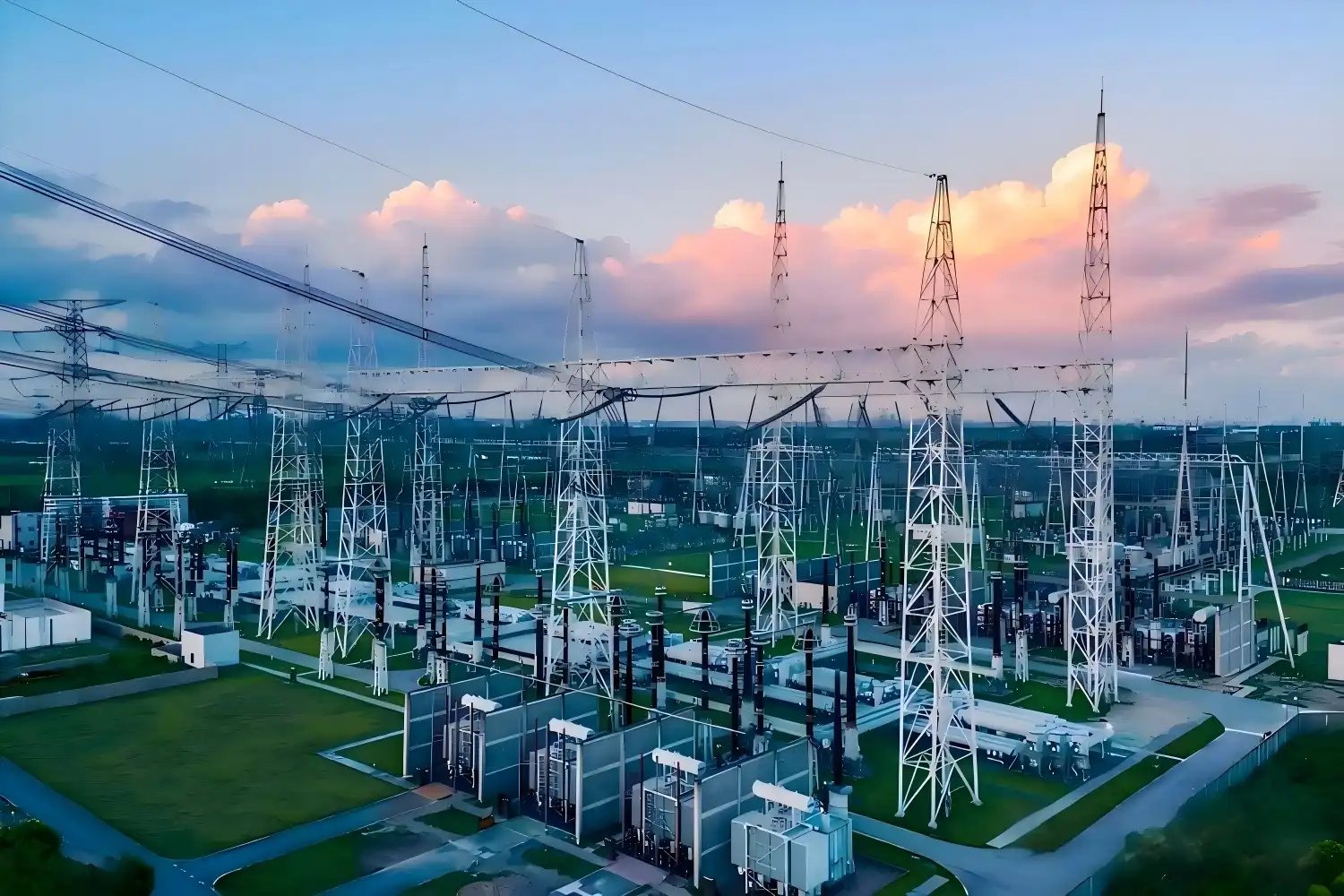
The performance difference between the S(B)H15 type three-phase fully sealed distribution transformer and regular S9 or S11 series transformers is clear from the efficiency measurements. When there is no load on a traditional silicon steel core unit, it loses about 1.5% to 2.0% of its rated capacity. With the amorphous alloy design, this number drops to about 0.3% to 0.5%. For mid-capacity systems, this difference means hundreds of thousands of kilowatt-hours of energy saved over 20 years of use.
The amorphous design also has better load loss characteristics because the winding configurations are better and the core materials are better. Because the amorphous ribbons are very permeable, engineers can reduce the cross-sectional areas of the cores without affecting performance. This makes the units lighter, which makes them easier to transport and set up.
In some indoor situations, dry-type transformers are better for fire safety than oil-immersed types, but they are less efficient. The S(B)H15 type three-phase fully sealed distribution transformer's liquid insulation medium has better heat dissipation and dielectric strength, which lets more power fit into smaller spaces. In terms of environmental fit, the fully sealed oil-immersed method actually has lower long-term environmental risks than dry-type units, which can get dirty on the outside and need to be cleaned every so often.
When making choices about what to buy, transformers should have features that meet specific operating needs. The energy efficiency of the S(B)H15 type three-phase fully sealed distribution transformer is best for projects that want to keep lifecycle costs as low as possible. This is especially true in continuous-duty applications where the transformer rarely runs with no load. The extra cost of amorphous alloy technology usually pays for itself in three to five years by saving money on energy costs.
Conventional transformers may work for projects with limited funds and irregular load patterns, but when figuring out the total cost, it's important to take into account how often they need to be maintained and how long they are expected to last. The fully sealed design gets rid of the costs of oil sampling, filtering, and testing that build up over decades with regular conservator units.
The environment has a big effect on the selection criteria. The hermetic closing and corrosion-resistant materials that make up this transformer line are needed in coastal sites, chemical processing plants, and places where the temperature changes a lot. When it comes to choosing equipment, sites with stable access to repair staff and controlled indoor settings give you more options.
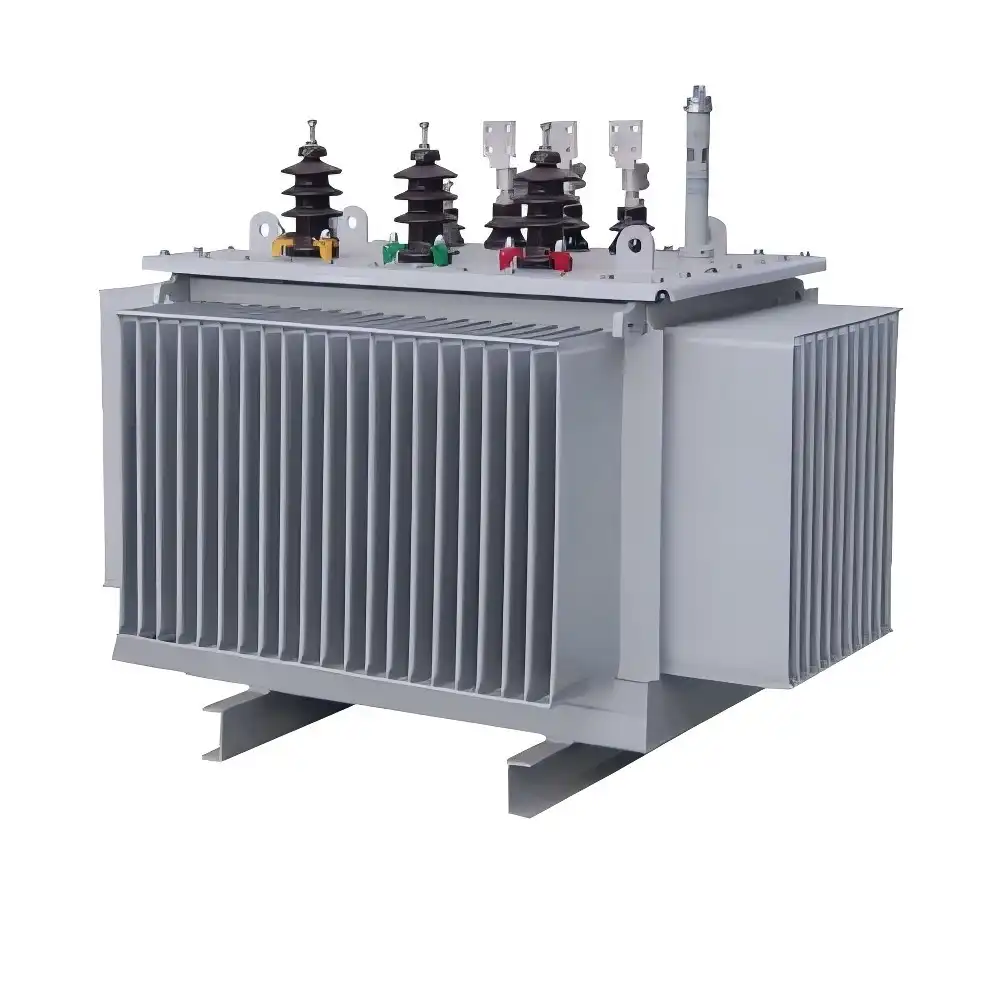
To get these specialised S(B)H15 type three-phase fully sealed distribution transformers, you need to work with manufacturers who have the right international certifications. Getting certified as an ISO 9001:2015 quality management system shows that a company is dedicated to using uniform production methods. IEC 60076 compliance makes sure that goods meet worldwide standards for electrical safety and performance, which makes them easier to sell in markets around the world.
Look for providers that can test everything, including regular, type, and special tests that have been approved by reputable organisations. Manufacturers who work with groups like the National Transformer Quality Supervision and Inspection Center and high-voltage research institutes can back up what they say about their products. Energy efficiency certifications from groups like the China Quality Certification Centre (CQC) give you even more confidence in the performance standards.
For big projects that need batch deliveries, supply chain stability is very important. Manufacturing plants that have a lot of room for production—ideally more than 500,000 square meters—and that have specialised engineering teams can stick to delivery dates without lowering the quality of their products. This is especially important for EPC workers who are working on several projects at once and have to meet tight deadlines.
The price of S(B)H15 type three-phase fully sealed distribution transformers is based on both the cost of the raw materials and the unique ways they have to be made. Amorphous ribbons cost more to make than silicon steel, but this difference goes down as more ribbons are made. Capacity rating has a big effect on unit prices, and bigger systems tend to be cheaper because of economies of scale. A 1000kVA unit usually has a better cost-per-kVA ratio than a group of smaller units with the same capacity.
Negotiating for bulk purchases can bring a lot of benefits, not just lower unit prices. For framework deals that cover more than one project phase, suppliers often offer better payment terms, longer warranty coverage, and priority production schedule. These setups also make it easier for technical people to work together, since voltage ratings, tap configurations, and mechanical measurements can be changed to fit the needs of each place.
When planning, transportation arrangements should be given a lot of thought. The fully sealed design makes the transformer lighter than transformers with conservators, which could lower the cost of shipping. But because amorphous alloy cores need to be handled in a certain way, they need to be shipped with skilled freight partners who know how to move electrical equipment. Find out if the prices given include delivery to the job site, clearing customs for international shipments, and any supervision that may be needed during installation.
Full warranty coverage shows that the manufacturer trusts the product's dependability. Standard warranties usually last between 2 and 5 years, but some high-end brands offer longer warranties that cover core components for up to 10 years. Carefully read the guarantee terms, especially the parts that don't cover things like bad weather, overloading, or not properly preparing the site.
Because the S(B)H15 type three-phase fully sealed distribution transformer is sealed, it doesn't need as much regular maintenance. However, infrared thermography inspections can find problems before they break down. Reliable providers give customers access to technical support teams that can do remote diagnostics as well as full operating instructions and troubleshooting tips. This is very helpful when handling sites that are spread out in different places.
Long-term running costs are affected by how easy it is to get replacement parts and do repair work in the field. When manufacturers keep parts and service centers in different areas, they can respond quickly to problems that come up out of the blue, which reduces downtime. Even though sealed transformers are very reliable, having support channels set up gives mission-critical applications peace of mind.
The S(B)H15 type three-phase fully sealed distribution transformer is a mature, field-proven solution that meets the needs of both saving energy and being reliable in operation. Ultra-low losses, hermetic sealing that doesn't need to be maintained, and strong construction make this product very valuable in utility, industrial, and renewable energy settings. Even though this technology costs more up front than regular transformers, it is much more cost-effective over its lifetime. This is especially true as energy costs continue to rise and environmental regulations become stricter. Carefully choosing a supplier, carefully going over the technical specifications, and making sure they meet the unique needs of the project all lead to a successful launch and years of reliable service.
When installed and used correctly, S(B)H15 type three-phase fully sealed distribution transformers often have service lives of more than 30 years. Insulation moisture pollution and oil oxidation are the two main ways that regular transformers wear out, but the fully sealed design stops both of them. During this long service period, regular infrared inspections and simple visual checks should be enough to keep an eye on things.
The airtight construction works great in tough conditions like coastal areas with a lot of humidity, dusty industrial sites, and places where the temperature changes a lot. The curved tank can expand and contract with temperature changes without letting air in, and the strong covering doesn't rust. The sealed design is good for high-altitude locations because it stops problems with partial discharge caused by low air pressure. Extreme temperatures above and below the standard 40℃ can be accommodated by customisation options.
There are a lot of ways to customise the voltage ratings, capacity choices, tap configurations, and connection groups so that they fit the exact needs of the project. Engineers can ask for different impedance values, different termination arrangements, and mechanical changes to fit the specifics of the installation. Customised needs can be met by manufacturers who have a lot of engineering resources and the ability to change how they make things without affecting IEC or national standards.
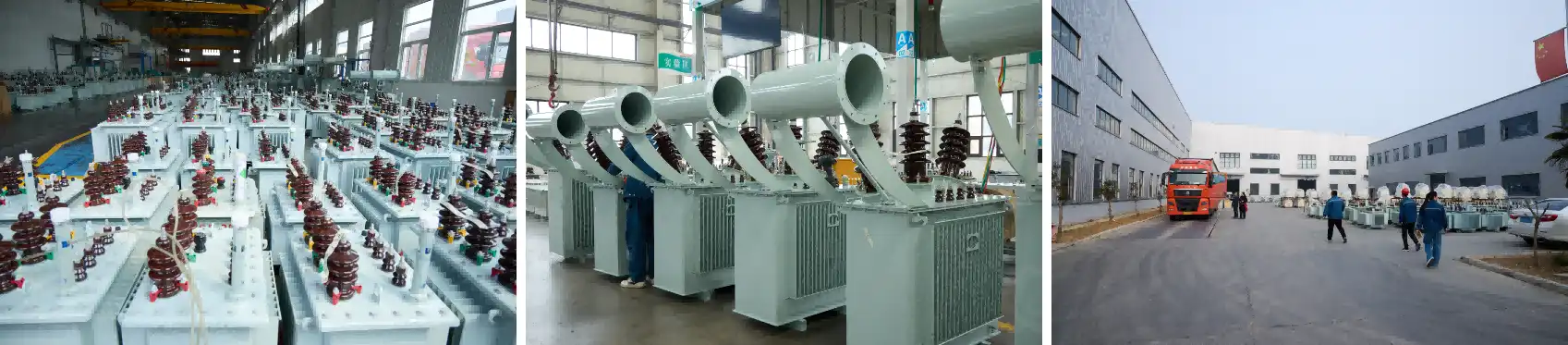
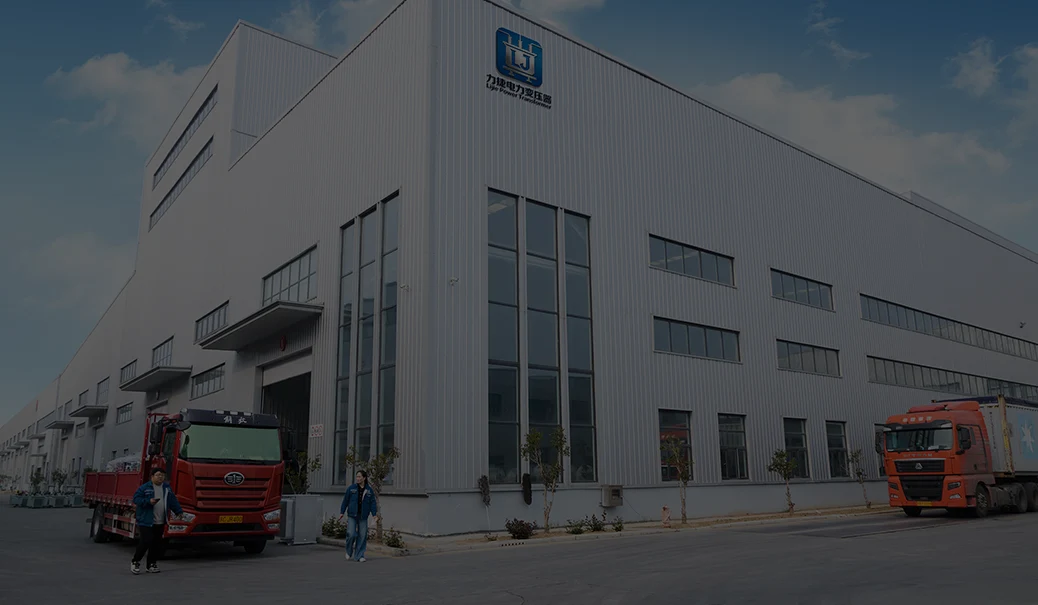
We at Lijie Electric can help you with your power distribution projects by making certified S(B)H15 type three-phase fully sealed distribution transformers in our 500,000-square-meter factories in Xuzhou and Nantong. Our engineering team, which is made up of more than 160 professionals with advanced degrees, can help you choose the best transformer for your needs. We keep a lot of certifications, like ISO 9001:2015, CE, UL, and IEC approval, which makes sure that we can offer goods reliably around the world. Email our experienced transformer supplier team at lijieelectrical@gmail.com to talk about your project needs, get cheap quotes, and ask for full specs. You can see our full line of products at lijie-electrical.com and learn how our dedication to quality and customer satisfaction can help your building investments.
1. Chen, W., & Liu, X. (2021). Amorphous Alloy Distribution Transformers: How They Work and What They Can Be Used For. China Electric Power Press is based in Beijing.
2. International Commission for Electrotechnical Standards. (2018). Part 1 of IEC 60076-1 is about power transformers in general. Geneva: Publications of the IEC.
3. Smith, R. T., and Johnson, M. A. (2020). Engineering for Distribution Transformers: Design, Use, and Upkeep. McGraw-Hill Education in New York.
4. Wang, S., Zhang, Y., & Li, H. (2022). A study of how energy-efficient amorphous alloy transformers are in green energy sources. IEEE Transactions on Power Delivery, 37(4), 2845–2853.
5. The U.S. Department of Energy. (2019). Final Rule on Energy Conservation Standards for Distribution Transformers. The DOE's Office of Energy Efficiency and Renewable Energy is in Washington, DC.
6. Zhou, T., and Kumar, P. (2023). A look at the lifecycle costs of sealed distribution transformers used in power plants. 145: 108–119 in the International Journal of Electrical Power & Energy Systems.
YOU MAY LIKE


14%20Epoxy%20Resin%20Dry%20Type%20Transformer.webp)

April 27, 2025
With a tight project schedule, the manufacturer delivered on time, and on-site technical personnel provided guidance throughout the entire installation and commissioning process; the collaboration was highly efficient and hassle-free.
July 2, 2025
During the preliminary phase, a selection plan was custom-tailored based on the actual site load requirements, resulting in a high degree of parameter compatibility. After-sales support responds within two hours, and ongoing technical support for operation and maintenance is comprehensive; we feel completely confident in a long-term partnership.
November 18, 2025
Deployed as a supporting component for a 35kV grid-connection project at a photovoltaic power station, the equipment operates for an average of 16 hours daily. It demonstrates excellent control over no-load losses, ensures smooth power generation and grid integration, and effectively reduces the station's overall energy consumption.
January 30, 2026
Under the continuous, high-load operating conditions of a factory production line, the equipment maintains stable electrical parameters and exhibits strong overload resistance, thereby guaranteeing an uninterrupted power supply for industrial production.
April 3, 2026
Integrated as a supporting component for a new energy photovoltaic grid-connection system, the manufacturer provided professional technical coordination and timely after-sales support, ensuring seamless adaptation to the specific electrical operating conditions required for grid integration.