April 27, 2025
With a tight project schedule, the manufacturer delivered on time, and on-site technical personnel provided guidance throughout the entire installation and commissioning process; the collaboration was highly efficient and hassle-free.
Jul 18, 2026
When you choose the S13 type single-phase distribution transformer, you'll save money on energy costs, get more reliable service, and lower your overall lifecycle costs. This new oil-immersed unit cuts no-load losses by about 25–30% compared to older S11 types. This lowers the total cost of ownership and the amount of energy wasted each year. Its fully sealed corrugated tank design means that it doesn't need regular upkeep, and its noise levels of less than 45dB meet strict standards for residential and business installations in cities. The S13 type single-phase distribution transformer is a tried-and-true option for procurement managers, electrical engineers, and project leaders looking at distribution equipment for infrastructure projects, renewable energy, utilities, or manufacturing and industrial projects. It offers a good balance between technical performance and long-term financial and environmental benefits.
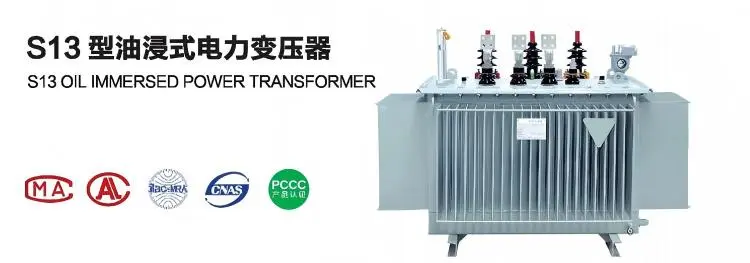
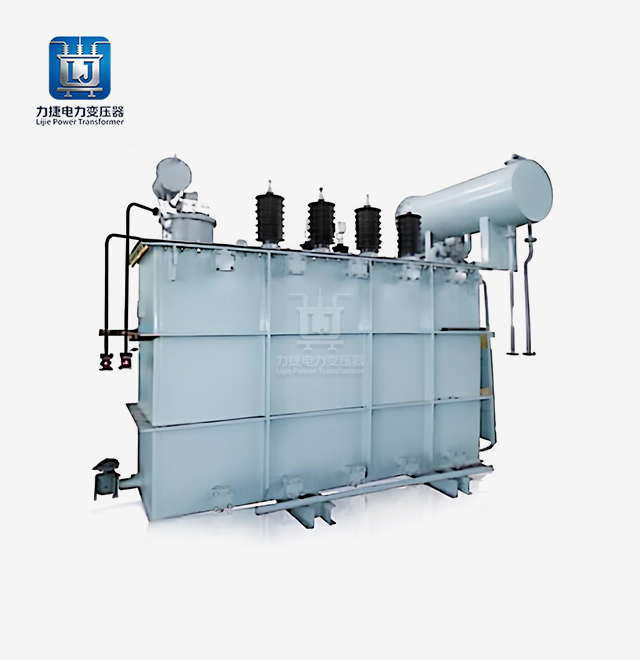
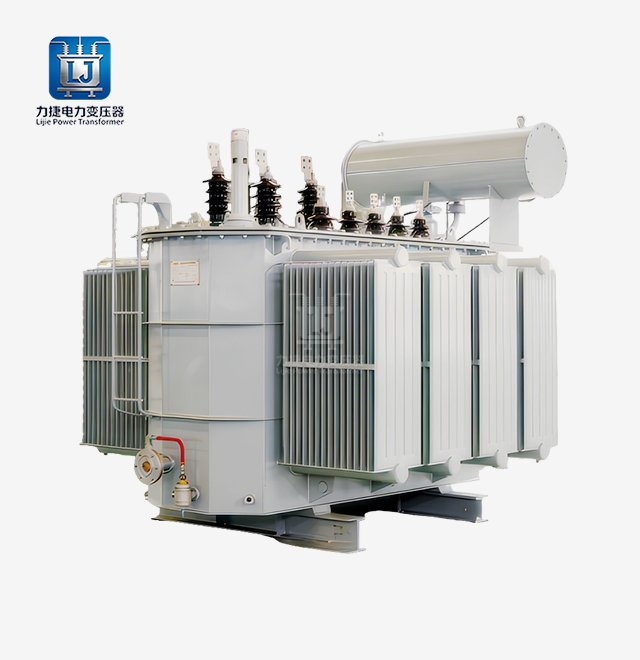
The S13 type single-phase distribution transformer is a step forward from older types of power equipment. At its core is a wound core structure made of cold-rolled grain-oriented silicon steel that is very permeable. This choice of material directly fixes the problems with older laminated core designs by cutting down on hysteresis and eddy current losses that use up energy even when the device is not in use. All-copper windings improve conductivity and heat management, and vacuum-filled transformer oil improves heat absorption and dielectric strength. The corrugated oil tank can handle changes in temperature because it expands and contracts. It can do this without the need for conservator tanks or breather systems. Engineers like this integration because it makes installation easier, lowers the footprint, and cuts down on the number of possible leak places that could damage the insulation over many years of use.
Levels of voltage between 6kV and 12kV are standard for distribution networks in North America and other countries. The 30–3150kVA capacity range is wide enough to handle a wide range of uses, from small domestic feeds to large commercial loads. Voltage regulation without excitation and tap ranges of ±5% or ±2 2.5% let field changes make up for line voltage drop without turning off the machine. Connection group names Yyn0 or Dyn11 allow for both single-phase and three-phase setups. Dyn11 offers better harmonic suppression and neutral grounding stability, which are very important in current power quality settings. The oil-immersed self-cooling method works reliably outside in temperatures up to 40°C, and insulation levels rated at AC-35kV power frequency withstand voltage and L1-75kV impulse withstand voltage protect against transient overvoltages that can happen in areas prone to lightning or during switching operations.
Energy efficiency comes from reducing two main types of losses: no-load losses, which happen all the time when the transformer is on, and load losses, which are proportional to the flow of current. The S13 type single-phase distribution transformer has a huge drop in no-load loss thanks to an improved magnetic circuit design that makes the core magnetisation needs much lower. When there isn't much traffic, like at night or on the weekends in residential areas or commercial buildings, these savings add up quickly. Copper wires with low resistance and a tight coil design that lowers leakage inductance help lower load losses. When procurement professionals look at the total lifetime costs, they know that the money saved on energy over 20 to 30 years of use often covers the initial equipment costs. This is especially true in situations where the equipment is used for longer hours each year or where the utility rates are more favourable.
From S9 to S11 to S13, there have been small changes in the core materials and the accuracy of the manufacturing. A lot of old equipment still uses S9 transformers, which have no-load losses that are about 50% higher than S13 type single-phase distribution transformer units with the same capacity. The S11 models made some small changes, but they still used a laminated core design, which is not as good as the wound core method. The difference in the cost of electricity is a very important factor when deciding whether to replace something or install something new. With a 10-cent-per-kWh rate and 8,000 hours of use a year, a 500kVA transformer can pay for its S13 type single-phase distribution transformer premiums in three to five years through lower losses. Besides saving energy, S13 type single-phase distribution transformers make about 20% less noise than S11 models. This helps communities that live near schools, hospitals, or living areas where noise pollution causes complaints and regulatory scrutiny.
Single-phase S13 type single-phase distribution transformers work well with distributed loads, which means that power needs are spread out along long main lines instead of being centralised at substations. This topology is good for projects that bring electricity to rural areas, installations that are placed on poles to serve farms, and backup networks in cities with single-phase laterals. Three-phase designs focus power supply at fewer places, which lowers the cost of the conductors and makes safety coordination easier, but they need to be able to handle more short-circuits. When procurement teams look at these options, they look at things like load density, geographic spread, fault current levels, and how the business will grow in the future. Single-phase units are more modular, so if a transformer fails, it only affects a few customers. It's also easier to keep track of inventory when you have fewer SKU variants. Three-phase systems naturally balance the phases, which lowers the neutral current and losses that come with it in power distribution networks that have a lot of motor loads or power electronics.
Oil-immersed self-cooling uses the principles of natural convection to work. The heat generated in the windings moves to the oil and flows through the corrugated tank fins, giving off heat to the air around it. This passive method gets rid of the noise and need for pump upkeep that comes with forced-cooling systems. Even when the load is full and the temperature outside is at its highest, the thermal design makes sure that the hot spots in the windings stay within the limits of the insulation class. Engineers who look at thermal performance data agree that having enough thermal gaps stops insulation from wearing out faster, which is a main cause of failure in transformers that are overloaded or don't have enough air flow. The fully sealed design stops both moisture and oxidation, which weaken the oil's dielectric qualities and speed up the breakdown of the insulator.
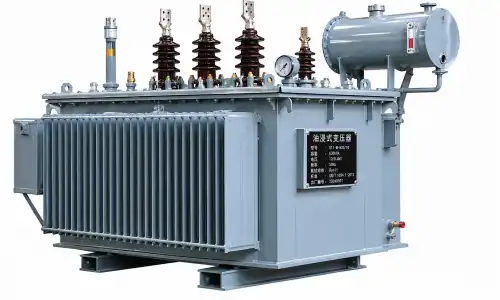
Capacity selection is based on accurate predictions of load. When you underestimate, the system gets too hot and doesn't last as long, and when you overestimate, the capital costs go up and the no-load losses go up. Electrical engineers and procurement managers work together to look at data on peak demand, diversity factors, and expected growth paths. The choice of voltage level is based on the structure of the grid. 6kV systems are most common in small urban networks, while 12kV systems allow for longer feeder spans in suburbs and country areas. The tap range options are based on worst-case voltage drop calculations at the circuit's edges. This makes sure that end users get power within the ANSI C84.1 tolerance bands, even when solar and wind resources are being used in ways that change the generation and loading patterns more often.
Insulation systems decide how reliable a piece of equipment is when it is under mechanical, electrical, and thermal stress. The S13 type single-phase distribution transformer design includes strict dielectric testing methods. Power frequency withstand tests show that the design can handle long-term stress, and impulse tests imitate lightning strikes and switching spikes. Buyers make sure that manufacturers use partial discharge measurements to find flaws inside the product that can't be seen during regular inspections. Environmental factors like altitude, which affects how well cooling works, extreme temperatures, which put stress on materials, and seismic activity, which requires special mounting, all play a role in specification decisions. For projects near the coast, corrosion-resistant tank coatings are important, and for installations near salt spray or industrial pollutants, longer external insulation creepage distances are needed.
Catalogue items that are all the same can be used for many things, but custom solutions are often needed for complicated projects. Custom voltage ratios can handle voltages that aren't common for the generation or load, impedance changes make it easier for fault currents to work with upstream safety devices, and special mounting configurations work with installs that don't have a lot of room. OEM relationships give you access to engineering help while you're making specifications, factory witness testing to make sure they're compliant before they're shipped, and documentation packages that meet the needs of the relevant authority. When you commit to a large order, you can get better prices and faster delivery, which is very important for big jobs with tight plans. When writing framework agreements, procurement teams discuss terms that cover things like technical cooperation, quality assurance processes, the availability of extra parts, and guarantee provisions that go beyond what is normally covered by a business.
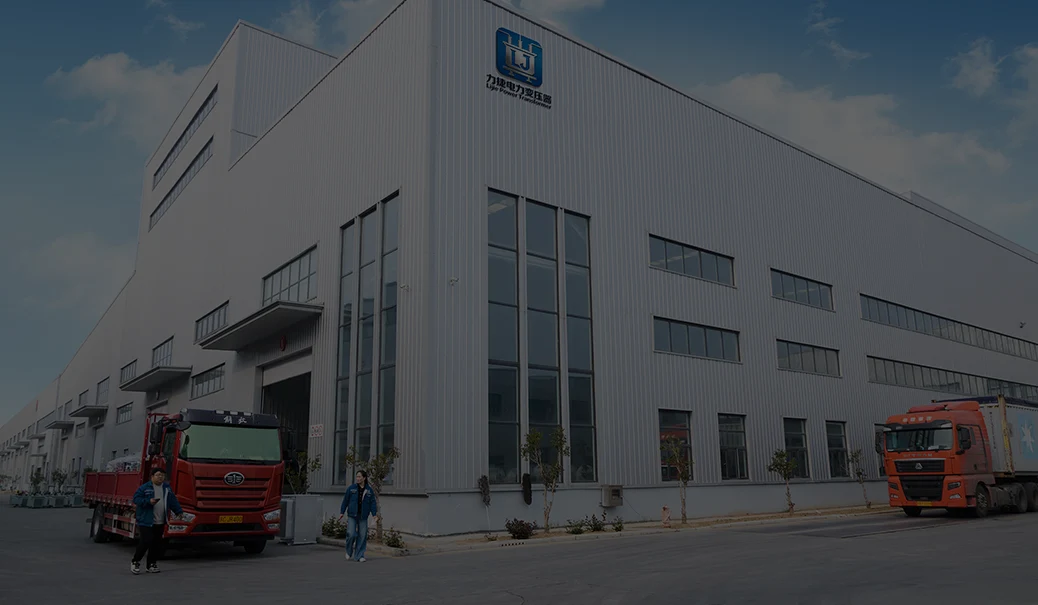
Verification of approval is the first step in qualifying a supplier. Quality management systems like ISO 9001:2015 make sure that production methods are always the same, and product approvals like IEC 60076, CE marking, and UL listing show that products meet international safety and performance standards. At Lijie Electric, our two factories, which together cover 500,000 square meters, and their more than 2,000 workers, including 160 engineers with doctoral and master's degrees, show the size needed for reliable mass production. Being named a National High-Tech Enterprise and a Jiangsu Province Quality-Trusted Enterprise shows that the government trusts our business to run honestly. When buyers check the credentials of a supplier, they look at factory audit reports, customer references from projects like the supplier's, and test reports from independent labs like the National Transformer Quality Supervision and Inspection Center.
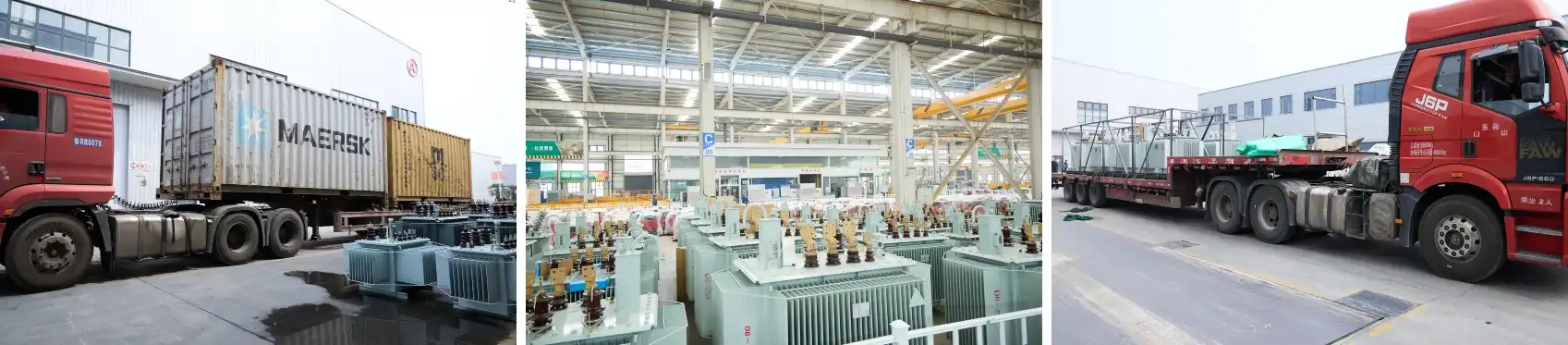
The price of a transformer includes the cost of the materials used to make it (mostly copper and electrical steel), as well as the costs of making it and getting it certified. As more items are ordered, unit prices go down because the fixed costs of engineering and tools are spread out over more items. Delivery times vary: catalogue items usually ship within 4 to 6 weeks, but custom orders take 10 to 14 weeks to accommodate design approval and the purchase of specialised materials. Clear Incoterms are set by project managers who are in charge of coordinating site readiness and construction milestones. These terms spell out who is responsible for freight, insurance, import duties, and terminal handling charges. When shipping goods across international waters, they need strong packing that can withstand shocks, vibrations, and humidity. Suppliers who offer installation supervision services lower the risk of commissioning by making sure that the right connections are made, the oil level is checked, and preliminary energisation tests are done to make sure the machine is ready for service.
Full guarantees usually cover flaws in the materials and poor workmanship for 18 to 24 months after the product is put into use or 24 to 36 months after it is shipped, and for an S13 type single-phase distribution transformer, this warranty period is especially important because the transformer is often installed in remote or outdoor locations where access for repairs is limited, and reliability is paramount. Contracts for purchases spell out what can be done (repair, replacement, or credit) and what can't be done (damage from improper installation, electrical problems coming from outside the unit, or use beyond its rated limits). After-sales help includes expert hotlines for fixing problems, dispatching field service for finding faults, and training programs that teach utility workers how to do inspections and diagnostic tests. Maintaining parts inventories by suppliers allows for quick responses to broken parts, reducing downtime costs that, in critical infrastructure applications, often go beyond the value of replacing the equipment.
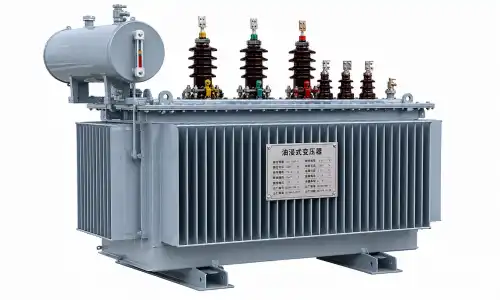
Residential areas, shopping centers, and office buildings in cities need power that is stable and doesn't harm the earth too much. Low no-load losses mean that you save electricity all year long. This is especially helpful in places where transformers stay on all the time, even when the load changes. Noise levels below 45dB keep basement distribution rooms next to occupied areas from being disturbed. Small sizes work well with the limited space that is common in high-density projects. There is a lot of distortion in modern buildings caused by varying frequency drives, LED lights, and power electronics, but Dyn11 connection groups do a great job of blocking harmonics. As part of green building efforts and carbon reduction goals, municipal officials who review building permits are making energy-efficient transformers more and more of a requirement.
Every year, distribution equipment is used for longer hours in industrial parks, factories, and other manufacturing businesses. Low-loss transformer designs work best in places like steel mills, chemical plants, and data centers that are open 24 hours a day, seven days a week. Balanced three-phase loads, which are common in applications with a lot of motors, use Dyn11's grounding performance to lower neutral currents and the I²R losses that come with them. The fully sealed design can handle tough industrial atmospheres like airborne particles, chemical vapours, and temperature changes that make less durable designs age faster. Scheduled downtime for oil sampling and breather service is eliminated by maintenance-free operation. This keeps production going, which is important for the economy of manufacturing.
Photovoltaic panels and wind turbines change the way power moves through distribution networks, which can be hard for equipment that was made to serve loads in only one direction. The low excitation current and optimised impedance characteristics of S13 type single-phase distribution transformers help keep the grid stable when generation changes. When old S9 and S11 units are replaced as part of rural grid modernisation projects, line losses go down. This helps utilities make more money and meet government efficiency standards. Outdoor pole-mounted setups send power to faraway loads like streetlights, traffic lights, and phone lines. The sealed tank can withstand the weather and doesn't need to be serviced often over decades of use. These uses show how flexible the S13 type single-phase distribution transformer is in adapting to new power system designs that include distributed energy resources.
When you choose the S13 type single-phase distribution transformer, you'll be meeting three important procurement priorities: technical performance meeting strict power quality standards, energy efficiency lowering operational costs, and proven reliability extending asset lifespans. The improvements in engineering that come with sealed tanks, all-copper windings, and wound core construction can be measured by looking at the overall cost of the project and how well it works with the power grid. The S13 type single-phase distribution transformer is a strong base for modern electrical infrastructure needs, whether they are used in residential networks in cities, industrial facilities, or renewable energy projects. It also supports environmental sustainability goals that are becoming more important to businesses and the government.
S13 units have advanced wound core technology that uses high-permeability silicon steel to cut no-load losses by 25–30% compared to S11 transformers. This efficiency gain adds up over a long period of time, especially in situations where the power is always on and the loads change, which is common in residential and commercial distribution.
The evaluation process starts with a look at the load, including the highest demand, the voltage levels, and the duty cycles. When low noise, long-term service without maintenance, and top performance under light loads are all important, S13 type single-phase distribution transformer models do their best. The S13's features are most useful for projects that need to run 24 hours a day, are in noisy areas, or have to meet utility energy efficiency standards.
Standard guarantees cover material flaws and workmanlike failures for 18 to 24 months after the product is put into service. Technical advice, outdoor help for troubleshooting, and the availability of extra parts are all part of comprehensive support. Lijie Electric offers these services with the backing of ISO 9001:2015 certification and GB/T 27922-2021 after-sales service system compliance, which guarantees a long-term partnership after the equipment is delivered.
Lijie Electric is ready to help you buy a distribution transformer. They have experience with over 2,000 installations around the world, so they can do it right. As a maker of S13 type single-phase distribution transformers, we can make them exactly how you want them, and we have strict quality control that is backed up by testing at the National Transformer Quality Supervision and Inspection Center. We also have certifications that cover IEC, CE, and UL standards. Email our engineering team at lijieelectrical@gmail.com to talk about your voltage needs, capacity requirements, and delivery dates. We offer full quotes, technical documentation, and project advice services to make sure that the transformer you choose meets all of your performance needs and your budget. You can look at our whole line of products at lijie-electrical.com and learn how our 500,000-square-meter manufacturing facility provides reliability on a large scale for power utilities, renewable energy developers, and industrial clients in North America and around the world.
1. Institute of Electrical and Electronics Engineers, "IEEE Standard for General Requirements for Liquid-Immersed Distribution, Power, and Regulating Transformers," IEEE C57.12.00-2015, New York, 2015.
2. International Electrotechnical Commission, "Power Transformers – Part 1: General," IEC 60076-1:2011, Geneva, Switzerland, 2011.
3. U.S. Department of Energy, "Energy Conservation Program: Energy Conservation Standards for Distribution Transformers," Federal Register Vol. 78, No. 71, April 2013.
4. National Electrical Manufacturers Association, "Guide for Loading Mineral-Oil-Immersed Transformers and Step-Voltage Regulators," ANSI/IEEE C57.91-2011, Rosslyn, Virginia, 2011.
5. Electric Power Research Institute, "Transformer Life Extension Through Improved Diagnostics and Maintenance Techniques," EPRI Technical Report 1019523, Palo Alto, California, 2009.
6. China Electrical Equipment Industry Association, "Technical Specification for Oil-Immersed Power Transformers," GB/T 6451-2015, Beijing, China Standards Press, 2015.
YOU MAY LIKE


11%20type%2035KV%20dry-immersed%20transformer_1778136495348.webp)



April 27, 2025
With a tight project schedule, the manufacturer delivered on time, and on-site technical personnel provided guidance throughout the entire installation and commissioning process; the collaboration was highly efficient and hassle-free.
July 2, 2025
During the preliminary phase, a selection plan was custom-tailored based on the actual site load requirements, resulting in a high degree of parameter compatibility. After-sales support responds within two hours, and ongoing technical support for operation and maintenance is comprehensive; we feel completely confident in a long-term partnership.
November 18, 2025
Deployed as a supporting component for a 35kV grid-connection project at a photovoltaic power station, the equipment operates for an average of 16 hours daily. It demonstrates excellent control over no-load losses, ensures smooth power generation and grid integration, and effectively reduces the station's overall energy consumption.
January 30, 2026
Under the continuous, high-load operating conditions of a factory production line, the equipment maintains stable electrical parameters and exhibits strong overload resistance, thereby guaranteeing an uninterrupted power supply for industrial production.
April 3, 2026
Integrated as a supporting component for a new energy photovoltaic grid-connection system, the manufacturer provided professional technical coordination and timely after-sales support, ensuring seamless adaptation to the specific electrical operating conditions required for grid integration.