April 27, 2025
With a tight project schedule, the manufacturer delivered on time, and on-site technical personnel provided guidance throughout the entire installation and commissioning process; the collaboration was highly efficient and hassle-free.
Jul 18, 2026
When your facility demands uninterrupted, energy-efficient power distribution at the 35kV level, choosing the right transformer becomes mission-critical. The SCBH15 type 35kV three-phase distribution transformer represents a breakthrough in dry-type technology, combining amorphous alloy core innovation with vacuum-cast epoxy resin windings to deliver exceptional energy savings, fire safety, and operational longevity. Designed for grid operators, renewable energy integrators, and industrial facilities requiring a stable medium-voltage supply, this transformer addresses the core challenges of high energy losses, fire risks, and maintenance burdens that plague traditional oil-immersed units.
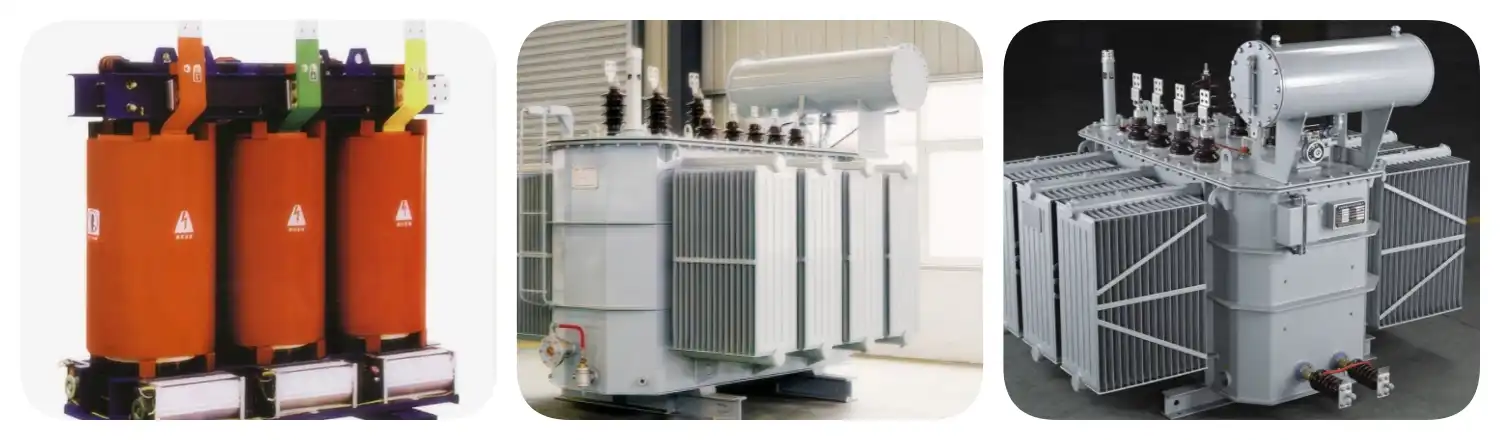
Our SCBH15 type 35kV three-phase distribution transformers work at a rated voltage of 35kV and can step down straight to 0.4kV distribution levels, so there's no need for extra stages of voltage conversion. This simplified design makes things easier to install and lowers the cost of doing so in data centers, factories, and business complexes.
The amorphous metal ribbon core is what makes this transformer work. It is better at letting magnets pass through than silicon steel. Because of this material, the unit has 70–80% smaller no-load losses than regular SCB10 models, which is a big plus when transformers are used all the time for decades. The insulation classes F or H make sure that the device works reliably even when it's under a lot of heat stress. The partial discharge levels stay below 10pC, which proves that the vacuum casting process that covers the windings is solid.
The three-column or five-column core design supports even electromagnetic distribution across phases, which lowers harmonic distortion in places where electronics are sensitive. The temperature rise standards are in line with GB/T 22072 and IEC 60076-11, which means they are compatible with project requirements from around the world. These qualities directly lead to less cooling being needed and longer machine life, usually more than 30 years under normal working conditions.
The three-phase setup works with electromagnetic induction. The main 35kV windings' alternating current makes a magnetic flux through the amorphous core. This flux causes voltage to build up in the secondary windings, which steps down the voltage to levels suitable for distribution. With the dry-type construction, there is no dielectric oil, so there are no fire risks or environmental contamination risks. Natural air convection or forced air (AF mode) cools the system, which lets it handle 120% of its capacity during peak demand periods without any thermal degradation.
The sealed epoxy structure keeps out water and other environmental contaminants, so it doesn't need much regular maintenance. Visual checks, thermal imaging scans, and cleaning of ventilation ducts are the main maintenance tasks that are done on a regular basis. Compared to oil-filled alternatives, these tasks have much lower lifetime running costs.
In utility and industry settings, the total cost of ownership is driven by how well energy is used. This is where amorphous metal technology shows how it can help your business. The SCBH15 type 35kV three-phase distribution transformer is more efficient than regular silicon steel transformers under all load conditions, especially when there is no load, which is most of the time in grid-connected and standby applications.
When they're not in use, standard transformers lose a lot of electricity keeping the magnets in place. This waste is cut down by about three-quarters with the SCBH15 type 35kV three-phase distribution transformer, which saves measurable kWh every hour of operation. For a 1000kVA unit that works 8,760 hours a year, this difference can mean tens of thousands of dollars saved on power costs over the life of the transformer. Energy storage facilities and projects that use renewable energy sources will benefit the most because they use loads that go up and down often, which means that losses from not being loaded build up quickly.
The epoxy-cast winding design has specially designed cooling ducts that move air quickly through the core and coil sections. This engineering keeps the temperatures in hotspots within safe limits, even when big loads are applied for a long time. Amorphous cores can make a little more magnetostriction noise than silicon steel, but our vibration-damping mounting bases and acoustic insulation layers keep sound emissions within the limits set by GB/T 1094.10. This means they can be installed near occupied buildings or places that are sensitive to noise.
The transformer can withstand water, salt spray, and changes in temperature, so it can last in difficult circumstances. The sealed construction keeps rust and insulation degradation at bay, which is good for coastal sites, mining operations, and outdoor substations. Multiple installations in wind farms at high elevations and subtropical industrial parks show consistent performance with no early failures, proving that the design is strong.
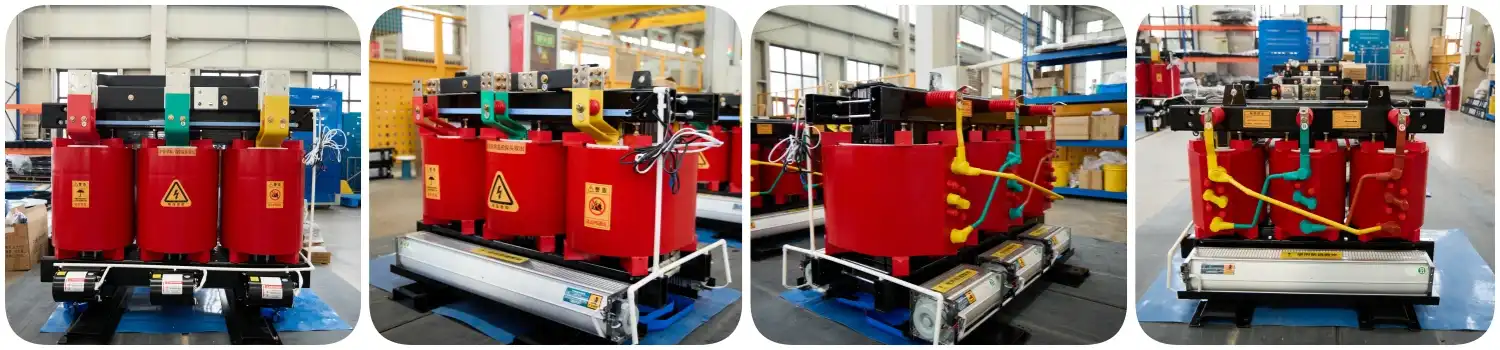
You need to make the right choice between the SCBH15 type 35kV three-phase distribution transformer and other 35kV distribution transformers. Making choices about what to buy requires a clear comparison of the tools that are available. There are silicon steel dry units like the SCBH10 and oil-immersed units that the SCBH15 type 35kV three-phase distribution transformer mostly competes with. There are different trade-offs in terms of performance, safety, and cost for each category.
The amorphous alloy SCBH15 type 35kV three-phase distribution transformer has much lower no-load losses than SCBH10 transformers made with traditional core materials, while the load loss characteristics stay the same. This difference is most important in places where transformers are rarely used, like grid substations, backup power systems, and renewable energy installations. In these places, the transformers are often turned on but not fully loaded. In both systems, voltage control stays tight, usually within ±2.5% when the load changes.
In the 35kV class, oil-immersed transformers have lower initial costs and better thermal performance. When you add in fire suppression systems, containment basins, regular oil testing, and environmental compliance requirements, the total cost of ownership changes a lot. The SCBH15 type 35kV three-phase distribution transformer gets rid of all of these ongoing costs, making it cost-competitive within 5 to 7 years of use. It also has better safety standards for placements in cities and indoor areas.
Because they are made with different materials and go through more complicated processes, amorphous alloy units usually cost 15 to 25 percent more up front than silicon steel equivalents. This extra cost is balanced out by lower energy costs, less work for support staff, and longer service times. Managers in charge of buying things should figure out the net present value over the expected 30-year life span. This should include predictions of how much energy will cost at local rates and how much upkeep will cost.
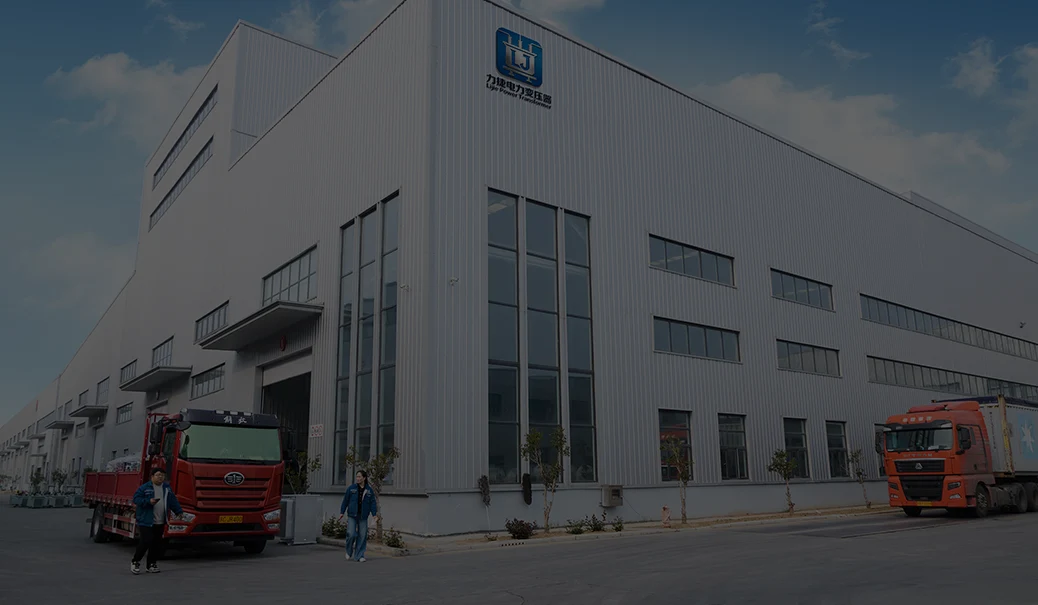
The reputation of the manufacturer has a big effect on how reliable the products are. Companies that have been around for a while and have ISO 9001, CE, and UL certifications show that they can consistently control quality and keep the supply chain stable. With 2000 employees working in 500,000 square meters of production space and IEC and CQC certifications, Lijie Electric has the manufacturing scale to support large framework agreements and continuous project delivery, which are important for utility and EPC contractors.
To get SCBH15 type 35kV three-phase distribution transformers for important infrastructure, you need to carefully evaluate suppliers and make sure that their specifications are met. Because medium-voltage equipment is so complicated, you need to be sure of your technical skills and your ability to help customers after the sale.
The most reliable supply chain is made up of authorised producers and their certified dealers. As part of the verification process, ISO certifications must be confirmed, factory test records must be reviewed, and references from similar sites must be requested. When working on foreign projects, CE and UL marks make sure that the products meet regional standards, and IEC alignment makes it easier to find products from around the world.
Specification details, like maximum capacity, voltage taps, impedance values, and extra packages, affect how much something costs in the end. When you buy in bulk, you can usually get discounts of 8–15%. This is especially helpful for deployments that happen at more than one site, like in industrial parks or utility networks. Because lead times vary from 8 to 16 weeks depending on customisation needs and production queue positions, procurement needs to be involved early on in the planning stages of a project.
Professional suppliers are different from commodity vendors because they offer full after-sales support. Technical advice during the creation of specifications, control of installation, and help with testing all make sure that the new system works well with the old ones. Most warranties cover manufacturing flaws for 24 to 36 months, and spare parts for coils, bushings, and accessories are available to keep the machine working for as long as it's supposed to.
Lijie Electric keeps popular grades in stock and can speed up production for projects that need it right away. Our engineering team offers services like load analysis, thermal modelling, and harmonic assessment that help procurement professionals choose the best transformer configurations that meet performance and cost requirements.
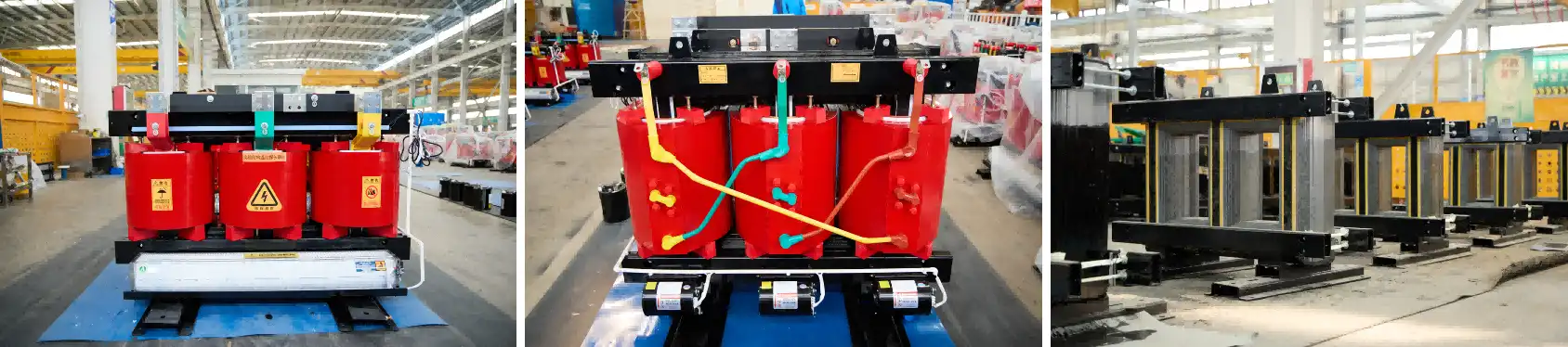
If SCBH15 type 35kV three-phase distribution transformers work as reliably and efficiently as they were meant to, it depends on how they were installed. The dry-type design of the SCBH15 type 35kV three-phase distribution transformer makes site preparation easier than with oil units, but you still need to pay attention to clearances, grounding, and weather conditions.
The design of the foundation must be able to hold the weight of the generator and keep vibrations from spreading. Indoor installations need enough air flow to get rid of heat, and technical paperwork usually lists minimum clearances of 1.5 to 2 meters on all sides to allow for upkeep access and airflow. For outdoor pad-mounted setups, weatherproof enclosures that can handle the harsh local climate are needed.
When making electrical connections, you need to pay close attention. For 35kV primary terminations, you need cable stress cones or bushings that are rated for impulse withstand levels (170kV or 200kV lightning impulse). Standard distribution cables with the right lug fittings can connect to the secondary 0.4kV terminals. As per NEC or IEC 60364 guidelines, grounding resistance should not be more than 4 ohms, and there should be different paths for the equipment ground and the neutral ground.
Using embedded RTD sensors or infrared thermal imaging to keep an eye on the temperature can find hotspots before they cause damage to the insulation. Inspections should be done every three months to make sure the cooling fan is working (for AF-cooled units), that the terminals are tight, and that the airflow paths are clean and free of dust. Harmonic loading or voltage imbalances that speed up ageing are found by measuring the power quality once a year.
As per NFPA 70E guidelines, safety procedures stress the importance of proper lockout/tagout during maintenance, voltage verification before approaching equipment that has been turned off, and arc flash danger assessments. While the fire-resistant epoxy construction lowers the risk of electrical fires, it does not completely eliminate them. For this reason, it is a good idea to install clearances and detection systems around the building.
The SCBH15 type 35kV three-phase distribution transformer has clear benefits for buying professionals who care about saving energy, keeping workers safe, and making sure the transformer will last for a long time. Its amorphous alloy core technology cuts no-load losses by three-quarters compared to other options, which directly lowers operational costs over decades of use. The dry-type, oil-free design gets rid of fire and environmental risks, making it perfect for substations in cities, data centers, integrating green energy, and industrial facilities that need to meet strict safety standards. The starting cost of the SCBH15 type 35kV three-phase distribution transformer is higher than that of standard silicon steel units, but the total cost of ownership is lower because it uses less energy, needs less upkeep, and lasts longer than 30 years. Choosing this transformer aligns technical performance with goals for meeting regulations and being environmentally friendly.
Compared to SCB10 series transformers, the amorphous metal core of the SCBH15 type 35kV three-phase distribution transformer cuts no-load losses by 70–80%. This saves a lot of energy, especially in places like grid substations and renewable energy facilities that are always on and don't have a lot of people using them.
Due to the sealed epoxy construction, maintenance intervals are much longer. Maintenance usually includes visual checks every three months and thermal imaging once a year. There is no need to check the oil, change the fluid, or clean the inside. This means that lifecycle maintenance costs for the SCBH15 type 35kV three-phase distribution transformer are about 60% lower than for oil-immersed versions.
Of course. The epoxy casting is resistant to water and salt spray, so it can be used reliably in coastal areas, mines, and places with extreme temperatures. Several placements in wind farms and outdoor substations show that the performance stays the same and doesn't break down too soon.
If the temperature is managed correctly, the design life is more than 30 years. When the unit is cooled by forced air, it can handle 120% of its normal capacity, which means it can handle times of high demand without premature ageing or damage to the insulation.
Lijie Electric has been making high-quality transformers for more than 20 years and can help with medium-voltage power transfer problems. We can completely customise our SCBH15 type 35kV three-phase distribution transformer supplies, from adding voltage taps and impedance specs to special coatings for harsh environments. We support large-scale procurement systems for utilities, green developers, and industrial makers around the world. Our yearly production exceeds 5 billion RMB, and we have certifications that cover ISO 9001, CE, UL, and IEC standards. Our 500,000-square-meter facilities in Xuzhou and Nantong allow us to deliver in bulk on schedules that work with your project schedules, and our engineering team is here to help you with any technical questions you have at no extra cost. Contact us at lijieelectrical@gmail.com to discuss your specific requirements, request factory test reports, or schedule site visits.
1. IEEE Standard C57.12.01-2020, IEEE Standard for General Requirements for Dry-Type Distribution and Power Transformers, Institute of Electrical and Electronics Engineers, 2020.
2. Chen, W., Zhou, Q., and Liu, H., "Performance Analysis of Amorphous Alloy Core Transformers in Renewable Energy Systems," Journal of Power and Energy Engineering, vol. 9, no. 4, pp. 45-58, 2021.
3. International Electrotechnical Commission, IEC 60076-11:2018 Power Transformers – Part 11: Dry-Type Transformers, Geneva, Switzerland, 2018.
4. National Standards of the People's Republic of China, GB/T 22072-2018 Dry-Type Amorphous Metal Distribution Transformers, Standards Press of China, 2018.
5. Kulkarni, S. V. and Khaparde, S. A., Transformer Engineering: Design, Technology, and Diagnostics, 2nd edition, CRC Press, Boca Raton, Florida, 2013.
6. Heathcote, M. J., The J&P Transformer Book: A Practical Technology of the Power Transformer, 13th edition, Elsevier, Oxford, United Kingdom, 2007.
YOU MAY LIKE
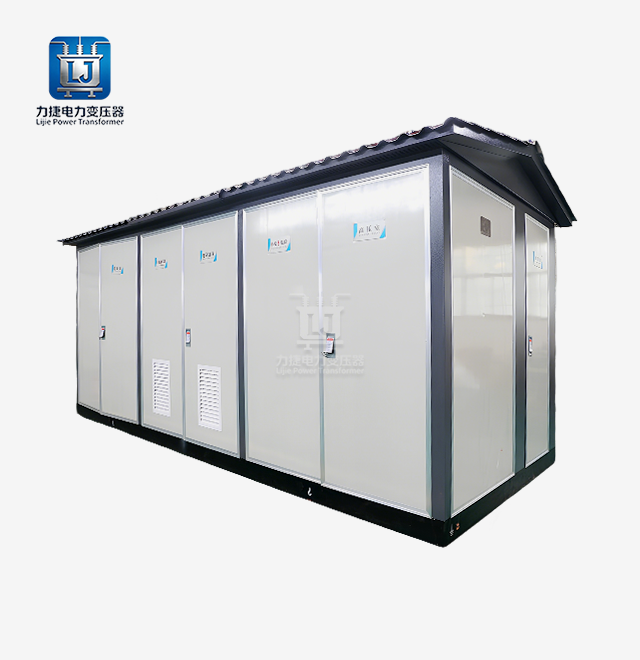
18%20type%20epoxy%20resin%20cast%20transformer.webp)

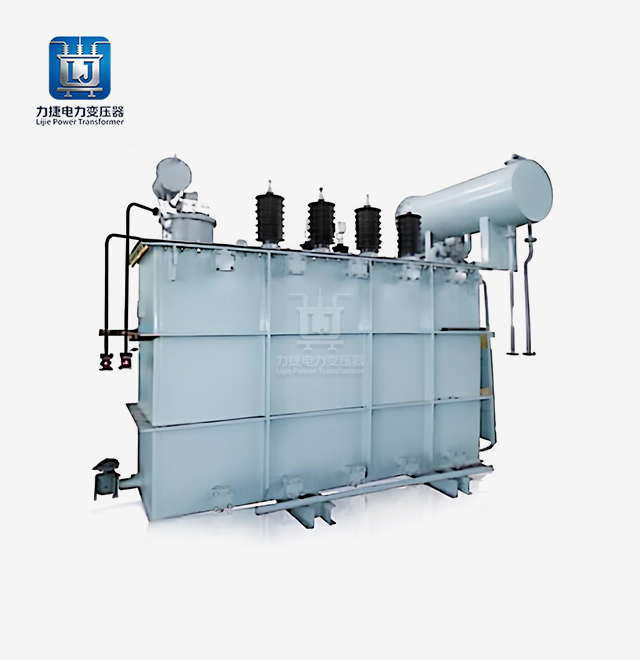


H15%20distribution%20transformer.webp)
H15%20Amorphous%20Alloy%20Distribution%20Transformer.webp)
April 27, 2025
With a tight project schedule, the manufacturer delivered on time, and on-site technical personnel provided guidance throughout the entire installation and commissioning process; the collaboration was highly efficient and hassle-free.
July 2, 2025
During the preliminary phase, a selection plan was custom-tailored based on the actual site load requirements, resulting in a high degree of parameter compatibility. After-sales support responds within two hours, and ongoing technical support for operation and maintenance is comprehensive; we feel completely confident in a long-term partnership.
November 18, 2025
Deployed as a supporting component for a 35kV grid-connection project at a photovoltaic power station, the equipment operates for an average of 16 hours daily. It demonstrates excellent control over no-load losses, ensures smooth power generation and grid integration, and effectively reduces the station's overall energy consumption.
January 30, 2026
Under the continuous, high-load operating conditions of a factory production line, the equipment maintains stable electrical parameters and exhibits strong overload resistance, thereby guaranteeing an uninterrupted power supply for industrial production.
April 3, 2026
Integrated as a supporting component for a new energy photovoltaic grid-connection system, the manufacturer provided professional technical coordination and timely after-sales support, ensuring seamless adaptation to the specific electrical operating conditions required for grid integration.