April 27, 2025
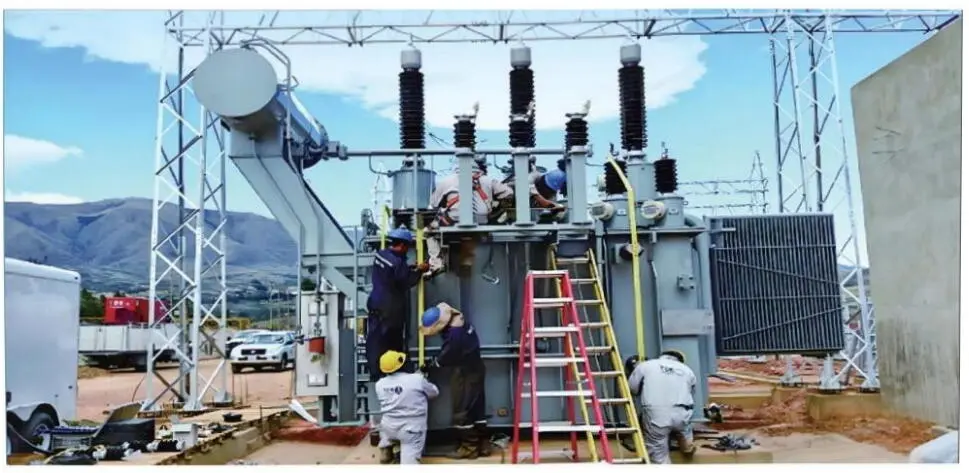
With a tight project schedule, the manufacturer delivered on time, and on-site technical personnel provided guidance throughout the entire installation and commissioning process; the collaboration was highly efficient and hassle-free.
Jul 19, 2026
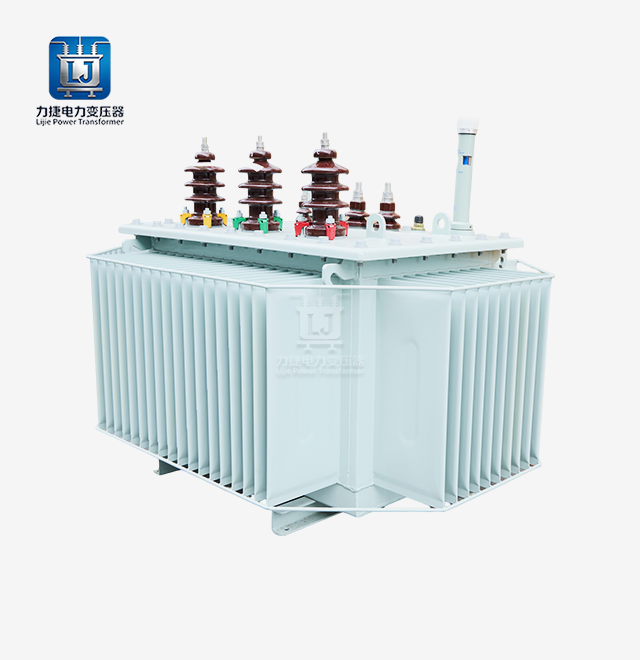
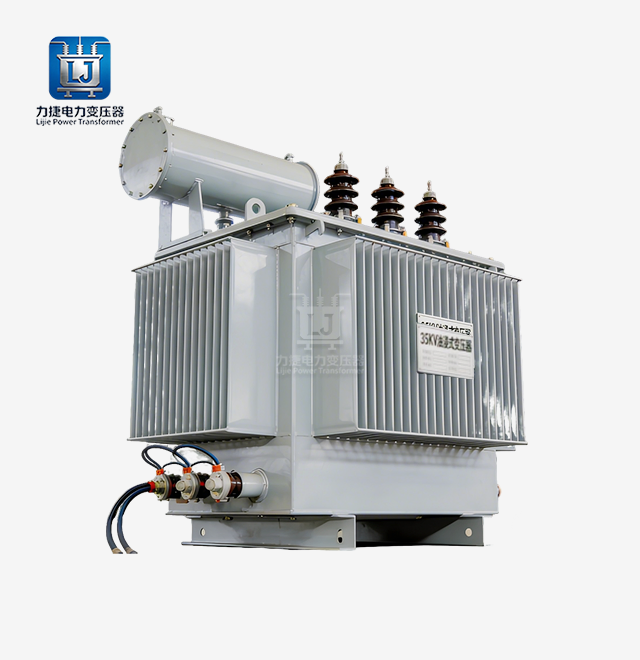
When operating large-scale substations and industrial power facilities, choosing the right transformer technology can make or break your operational efficiency. A 6300kVA~120000kVA dual-winding transformer with NVTC represents a specialized solution designed to deliver stable voltage regulation without requiring load interruption. These units integrate No-Voltage Tap Changer mechanisms, providing reliable voltage adjustments through off-load tap changing that reduces mechanical complexity while maintaining robust performance across demanding power distribution environments.
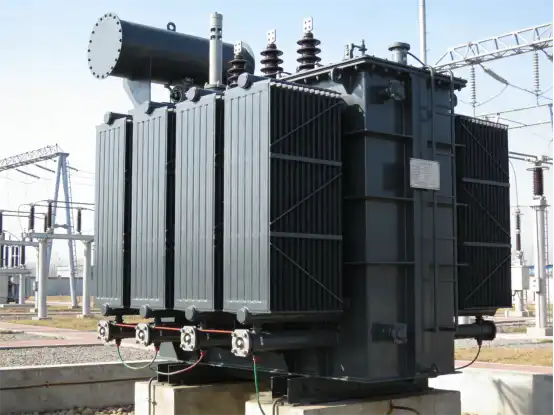
Dual-winding transformers have two separate windings, called main and secondary. This lets voltage change levels in transmission and distribution networks. When compared to single-winding autotransformers, dual-winding designs completely separate the electricity between circuits. This makes complicated grid systems safer and more flexible. This setup lets you control the voltage on each wire separately, which makes it perfect for substations that need to handle more than one voltage class at the same time.
On-Load Tap Changers and No-Voltage Tap Changers work in different ways. NVTC says that the transformer must be turned off before the taps can be adjusted. This changes the turns ratio, which in turn changes the output voltage. This method gets rid of complicated switching devices that wear out quickly, which greatly lowers the cost of upkeep. Under load, automatic voltage regulation is achieved by keeping an eye on the grid and planning tap adjustments for planned outages or times when demand is low. The system works well with power lines that have big changes in voltage and big changes in load, giving you control over both regulating voltage and adjusting capacity. This feature lowers losses when the load is low, which makes the system more energy-efficient overall.
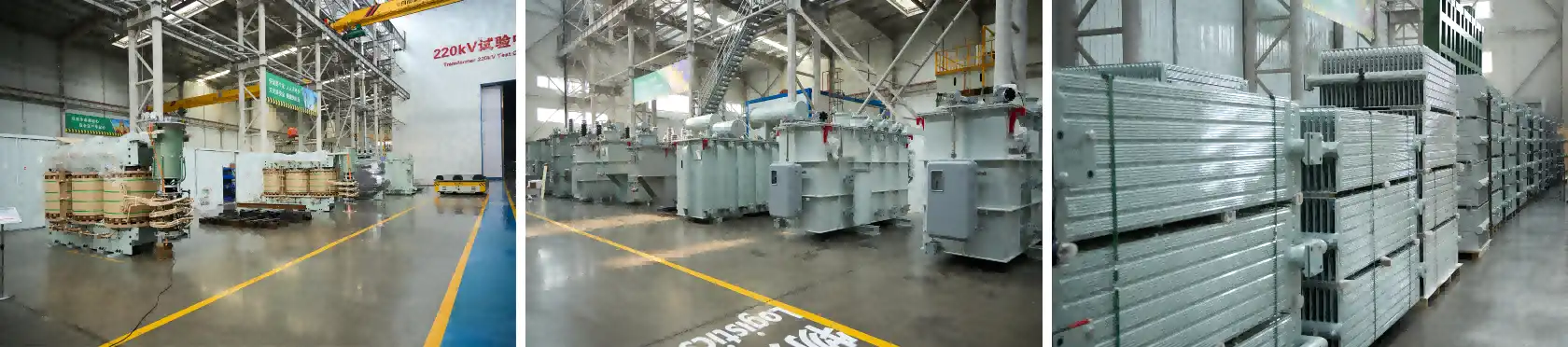
These transformers have high-quality silicon steel cores that are not oriented and high-purity copper windings that are oxygen-free. This reduces eddy current losses and increases the efficiency of energy transfer. Standard 50Hz and 60Hz systems can be used with the rated frequencies, and insulation classes go up to 220kV for high-voltage uses. Different cooling methods are used for ONAN and ONAF setups to meet the needs of thermal control from 6300kVA to 120000kVA. To make the best core, coil, body, lead, and tank designs, our engineers use Toshiba's analysis tools along with their own calculation programs. The National Transformer Quality Supervision and Inspection Center has successfully completed all routine type examinations and short-circuit withstand tests on the SSZ11-40000/110 model. This shows that it has the mechanical strength to withstand short-circuit forces and low partial discharge levels usually below 100pC.
The most important benefit is high dependability. NVTC-equipped transformers get rid of the mechanical wear spots that are common in OLTC systems. This makes them last longer than 30 years under normal conditions. Because the simplified architecture for changing taps keeps parts from wearing out as quickly, maintenance intervals get a lot longer. Precise voltage control that reduces resistance losses during the gearbox makes energy use more efficient. The design's tough construction works well in harsh industrial settings where constant loads and environmental stress make equipment last less long.
Stability is what these units are, and a 6300kVA~120000kVA dual-winding transformer with NVTC delivers this stability through robust core construction, efficient cooling systems, and precise tap-changing mechanisms that maintain voltage within tight tolerances even under fluctuating load conditions. Our goods are cost-effective because they have lower lifecycle costs, reliable because they have been through thorough testing, and eco-friendly because they use less energy. They work well in power plants, substations, and big factories, like petroleum buildings.
Installations of renewable energy are a growing field of use. Step-up transformers connect generation assets to high-voltage transmission networks. This is needed for large solar farms and wind power plants. NVTC units change the power needed and don't require much upkeep in remote areas where technicians can't easily get to them.
Heavy industrial complexes, like smelting plants, mines, and chemical refineries, need transformers that can handle high loads all the time. The simpler NVTC design makes the system reliable in places where dust, extreme temperatures, and vibrations can damage equipment.
NVTC technology helps utility substations in regional transmission hubs when changes in voltage are in line with regular demand trends instead of changes that happen in real time. In these cases, manual or planned tap changes are enough. This is why NVTC is better than more complicated options because it is more reliable and costs less.
As part of regular maintenance, oil samples are taken on a regular basis to check the levels of dissolved gases and make sure there has been no internal overheating or arcing. Infrared thermography of bushings can find hotspots that show connections that aren't tight or insulation that is wearing down. Every year, insulation resistance tests make sure that the dielectric is still good. These steps are in line with ISO 9001 quality management standards and IEC licensing requirements. They help workers get the most out of their equipment and keep it running as much as possible. Good maintenance practices lower the total cost of ownership by making equipment last longer and avoiding expensive repairs in an emergency.
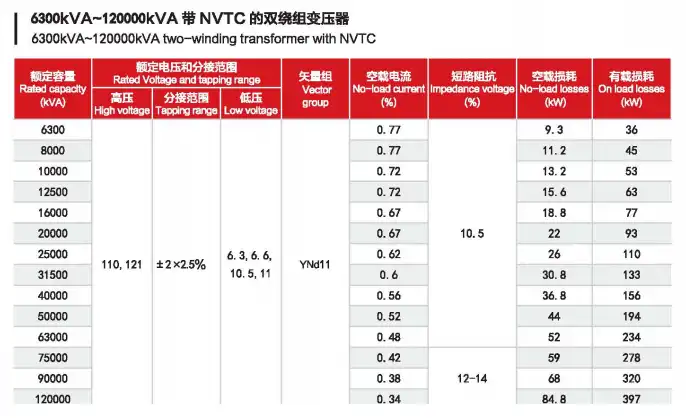
The choice of capacity has a direct effect on how efficiently operations run. 6300kVA units with less power work best in distribution substations that serve regional grids or medium-sized industrial facilities. Because they take up less space and cost less to build, they are good for places where load growth is expected to be slow. When operating between 50% and 75% of rated capacity, efficiency is at its highest. This means that both no-load and load losses are at their lowest.
Transmission substations, large power plants, and industrial complexes that need a lot of power use 120000kVA transformers with a higher capacity. When these units are used more often, they can handle heavy loads more easily. Their design allows for future potential growth without having to replace transformers, which protects long-term investments in infrastructure.
The cost of acquisition goes up with capacity, but the price per kVA goes down as capacity goes up because of economies of scale in manufacturing. Lifecycle costs include things like lost energy, repairs, and replacements in the end. When compared to OLTC options, NVTC technology lowers upkeep costs, which shortens payback times.
Less energy loss adds up to more energy saved. Temperature rise tests make sure that the cooling system can handle the highest loads, which means that claims of efficiency can be tested in real life. To figure out ROI, you have to look at current load profiles, expected growth, and changes in energy costs. Managers in charge of buying things should think about whether the lower initial costs of smaller units are worth the risk of future capacity issues or whether buying bigger tools will be more valuable in the long run.
Several things need to be looked at in order to match the capability of the transformer with the operating needs, and for a 6300kVA~120000kVA dual-winding transformer with NVTC, this includes evaluating the current load profile, future expansion plans, available space at the substation, and the required short-circuit withstand capability to ensure safe operation during grid disturbances. Current load demands set the baseline requirements, while future scalability factors take into account the growth of the grid or the expansion of industry. Substations may have space limitations that limit the size of actual transformers, favouring smaller designs. Safety during grid faults is ensured by short-circuit resistance capability checked through structural analysis. This is a key factor for both capacity ranges. NVTC suitability ratings are based on matching the need for voltage control with the expected stability of the grid.
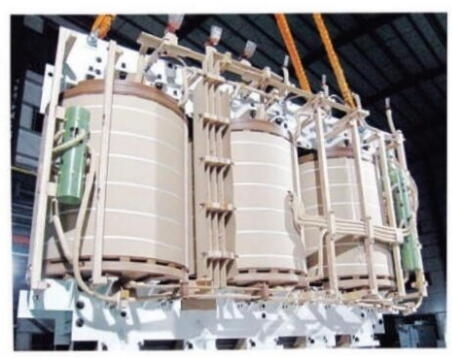
Performance traits are determined by differences in core construction. NVTC transformers have strong tank designs that hold simple tap-changing mechanisms that can only be reached when the power is turned off. Traditional OLTC transformers have a lot of complicated parts inside the tank, like diverter switches and transition resistors. This makes the number of parts inside the tank higher and increases the number of possible failure causes. When it comes to NVTC units, the winding configurations put mechanical strength and thermal stability ahead of swapping versatility.
Methods for regulating voltage bring out the main difference. OLTC allows constant changes in real time while the grid is under load, which makes it perfect for grids where voltage changes quickly. NVTC lets you make changes on a set schedule during planned downtime. This works for stable grids that only need to be tuned occasionally or seasonally. This trade-off between operational flexibility and mechanical simplicity determines which uses are best.
NVTC is more efficient because it doesn't have the shift costs that come with OLTC. Measures of no-load loss confirm that core losses are very low, and measures of load loss show that copper winding efficiency is higher than the guaranteed values. The benefits of maintenance can be measured by less downtime, less inventory of spare parts, and longer service intervals. Specialised insulation and core grounding protect against harmonic distortion effects that happen a lot in industrial settings.
These perks save money in a way that can be measured. During Factory Acceptance Testing, dissolved gas analysis makes sure that there are no manufacturing flaws that could affect reliability. Lightning Impulse and Applied Voltage tests, which are part of dielectric tests, make sure that insulation is properly installed according to IEC 60076 and IEEE C57.12.00 standards. This guarantees that the insulation will work for a long time.
The cheaper design of NVTC units means that their prices are usually lower than those of OLTC units with the same capacity, and for a 6300kVA~120000kVA dual-winding transformer with NVTC, this cost advantage makes it an attractive choice for projects where voltage regulation is needed only during planned outages or where the grid is relatively stable and does not require frequent dynamic adjustments. Suppliers are mostly made by companies that focus on making strong, reliable designs for the utility and industry markets. Knowing these trade-offs between costs and benefits helps you make smart sourcing choices that balance the initial investment with ongoing costs and operational needs.
To find high-capacity power transformers, you have to carefully evaluate potential suppliers. Find manufacturers that are certified by the ISO 9001:2015 Quality Management System and have enterprise metrology qualifications. IEC 60076 product certification proves that a product meets global technical standards, while CE and UL certifications show that it meets international safety standards. Performance claims are more likely to be true if products have been checked by recognised national inspection centers to make sure they passed routine, type, and special tests.
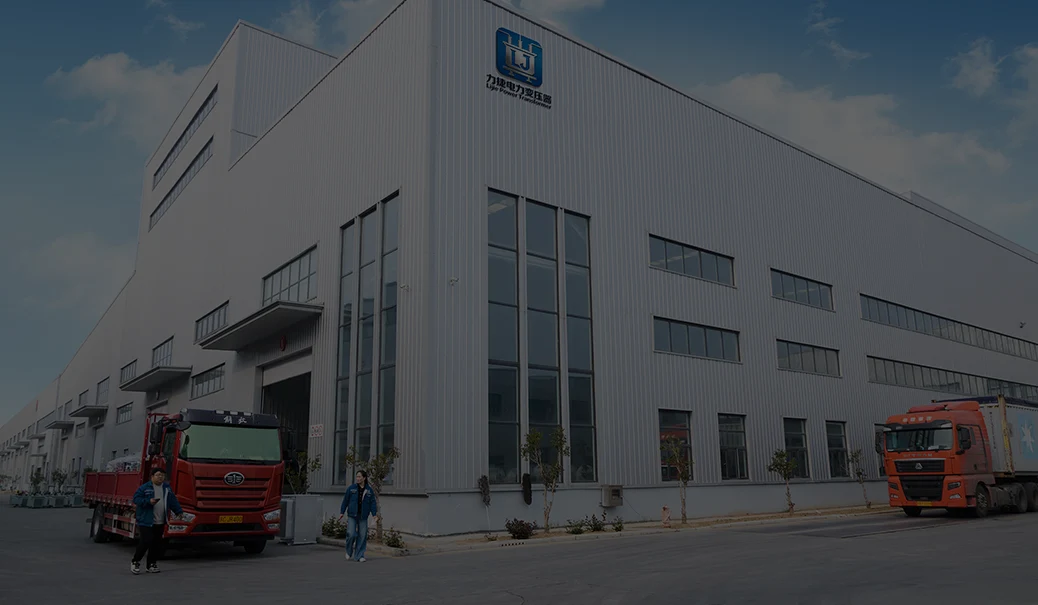
The ability to make things is important. Scale is needed for consistent quality and reliable delivery, as shown by factories that are bigger than 500,000 square meters and make enough each year to bring in billions of dollars. Over 160 engineers on engineering teams with advanced degrees show the technical depth needed for customisation and problem-solving.
Customisation takes into account the different voltage levels, cooling needs, and weather variables that each project's place has. Specifications should be very exact and include things like voltage ratio, impedance values, preferred cooling methods, bushing setups, and how to connect extra equipment. Due to cycles for custom engineering, getting materials, manufacturing, and quality testing, procurement times are usually between 20 and 36 weeks.
Communication methods used in buying make working together easier. Accurate quotes are made faster when load profiles, installation limitations, and government rules are clearly written down. Asking for Factory Acceptance Test procedures and chances to watch them in action makes things clear and boosts confidence in the quality of the delivered equipment.
To move big transformers, you need special heavy-lifting tools and to plan your route ahead of time. Suppliers who offer integrated logistics support make it easier to coordinate. When comparing quotes from suppliers, it's important to look at more than just the unit price. You should also look at the testing procedures, guarantee terms, after-sales service promises, and availability of spare parts.
To get good terms, you have to show that you can handle a lot of work and are interested in a long-term relationship. Framework deals for multi-year purchases protect prices and make sure that production schedules are prioritised. Checking a supplier's financial health and project references makes sure they can handle big orders quickly.
To choose the right transformer technology, you have to weigh the scientific performance, lifecycle costs, and operating needs, and a 6300kVA~120000kVA dual-winding transformer with NVTC offers a compelling balance of reliability, simplicity, and cost-effectiveness for applications where voltage adjustments can be scheduled during maintenance windows rather than performed in real time. NVTC technology in dual-winding transformers makes them more reliable, makes upkeep easier, and lowers the cost of controlling voltage in substations and industrial facilities where regular tap adjustments meet practical needs. Their strong design lets them work in harsh conditions and reduces the chance of failure over many years of use. Knowing how to choose the right capacity, the technical differences between new and old designs, and the best ways to buy things gives engineers and managers the power to make smart purchasing choices that protect long-term infrastructure investments and improve grid performance.
For stable power lines, NVTC makes them more reliable and lowers the cost of upkeep. The lack of complicated working parts removes the mechanical wear that comes with switching on and off often, lowering the risk of failure and increasing the service life. Grids that don't need to change the power very often will gain the most from NVTC's simpler design.
Lead times will be between 20 and 36 weeks because of special building needs and the time it takes to get materials. The amount of customisation and volume makes manufacturing more difficult. Critical path delays can be avoided by planning procurement schedules well before the project's start date.
Upgrading is usually not a good idea because NVTC and OLTC systems have very different tank designs and internal winding tap setups. If you choose the right technology for changing taps when you buy the tools, you won't have to pay for expensive changes or replacements too soon.
Adding advanced dual-winding transformers with NVTC technology to your center infrastructure will set your facility up for decades of reliable operation. Lijie Electric is ready to help you with your buying needs because they have a lot of engineering knowledge, have two large production bases that cover 500,000 square meters, and have quality certifications like ISO 9001:2015, CE, UL, and IEC standards compliance. If you're looking for a reliable 6300kVA~120000kVA dual-winding transformer with NVTC, we can make options that fit your voltage needs, load profiles, and weather conditions. Our technical team uses advanced analysis tools and their own custom-made formula programs to make sure that every part, from the core to the coils, works at its best and meets the highest standards of performance. Email our experts at lijieelectrical@gmail.com to talk about the needs of your project and get thorough quotes. You can look at our full line of products at lijie-electrical.com and learn how our commitment to stability, economy, reliability, and the environment creates real value for power plants, substations, and businesses around the world.
1. IEEE Standards Association. (2011). IEEE Standard for General Requirements for Liquid-Immersed Distribution, Power, and Regulating Transformers, IEEE C57.12.00-2010.
2. International Electrotechnical Commission. (2011). Power Transformers – Part 1: General, IEC 60076-1 Ed. 3.0.
3. McLaren, P. G., & Mustaphi, K. (1990). Transformer Tap Changer Monitoring and Control. IEEE Transactions on Power Delivery, 5(3), 1452-1458.
4. Harlow, J. H. (Ed.). (2012). Electric Power Transformer Engineering (3rd ed.). CRC Press.
5. Kulkarni, S. V., & Khaparde, S. A. (2013). Transformer Engineering: Design, Technology, and Diagnostics (2nd ed.). CRC Press.
6. Zhang, L., Wu, G., & Wang, Z. (2018). Reliability Analysis of Power Transformers Based on Voltage Regulation Methods. Electric Power Systems Research, 162, 45-53.
YOU MAY LIKE
H15%20distribution%20transformer.webp)


14%20Epoxy%20Resin%20Dry%20Type%20Transformer.webp)


April 27, 2025
With a tight project schedule, the manufacturer delivered on time, and on-site technical personnel provided guidance throughout the entire installation and commissioning process; the collaboration was highly efficient and hassle-free.
July 2, 2025
During the preliminary phase, a selection plan was custom-tailored based on the actual site load requirements, resulting in a high degree of parameter compatibility. After-sales support responds within two hours, and ongoing technical support for operation and maintenance is comprehensive; we feel completely confident in a long-term partnership.
November 18, 2025
Deployed as a supporting component for a 35kV grid-connection project at a photovoltaic power station, the equipment operates for an average of 16 hours daily. It demonstrates excellent control over no-load losses, ensures smooth power generation and grid integration, and effectively reduces the station's overall energy consumption.
January 30, 2026
Under the continuous, high-load operating conditions of a factory production line, the equipment maintains stable electrical parameters and exhibits strong overload resistance, thereby guaranteeing an uninterrupted power supply for industrial production.
April 3, 2026
Integrated as a supporting component for a new energy photovoltaic grid-connection system, the manufacturer provided professional technical coordination and timely after-sales support, ensuring seamless adaptation to the specific electrical operating conditions required for grid integration.