April 27, 2025
With a tight project schedule, the manufacturer delivered on time, and on-site technical personnel provided guidance throughout the entire installation and commissioning process; the collaboration was highly efficient and hassle-free.
Aug 8, 2026
Power distribution reliability hinges on the strategic partnership between end users and their chosen Distribution Transformer Supplier. These suppliers act as critical enablers, delivering equipment that maintains consistent voltage regulation, minimizes energy losses, and ensures uninterrupted operation across industrial, utility, and renewable energy applications. A reliable supplier provides more than hardware—they bring quality assurance, rigorous testing protocols, timely delivery schedules, and technical support that collectively reduce downtime risks. When transformers meet IEC and ISO standards and are backed by responsive service teams, power systems achieve the stability necessary for long-term operational success.
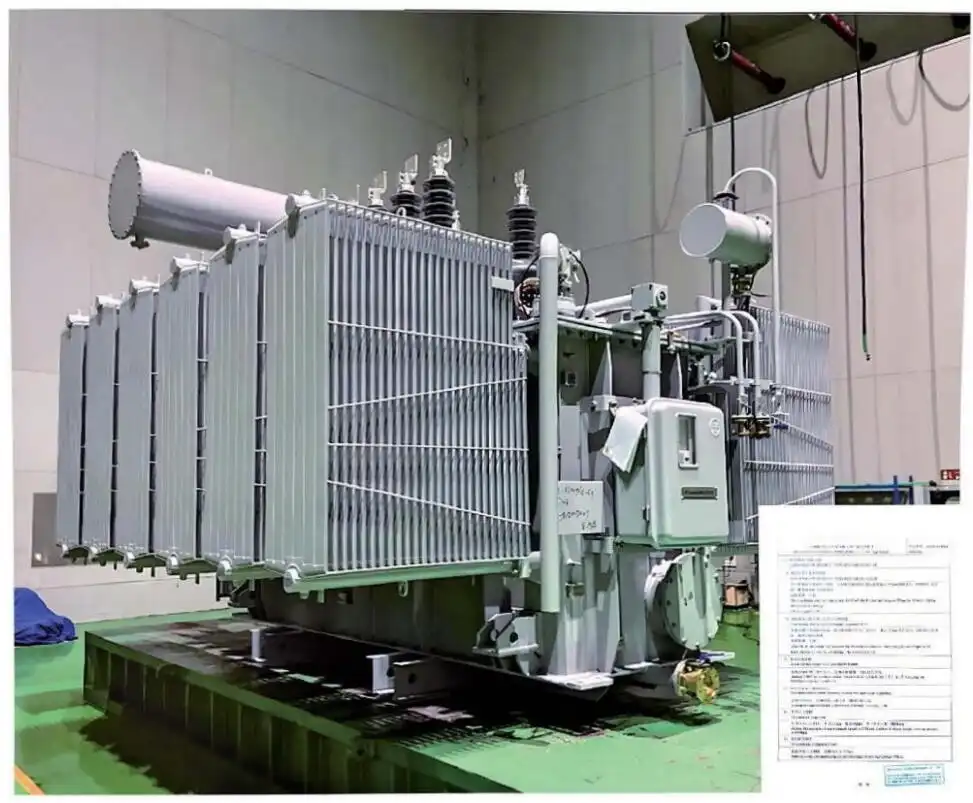
Every successful power infrastructure project starts with reliable transformers from partners that can be trusted. Transmission lines are held together by distribution transformers, which lower high voltages to levels that homes, businesses, and factories can use. But even the most advanced transformer design won't work if you don't have a provider who knows about logistics, compliance, customization, and help after the sale.
This article talks about how Distribution Transformer Suppliers have a direct effect on the reliability of power distribution. We look at how to classify suppliers, how to control quality, how to buy things, and new market trends. This book has useful information for procurement managers, electrical engineers, and project directors that will help them choose vendors, negotiate contracts, and build long-lasting partnerships. Understanding what your suppliers can do can help you avoid costly outages and make equipment last longer, whether you're in charge of utility-scale grid expansions or industrial manufacturing facilities.
Distribution Transformer Suppliers act as a go-between for manufacturers and end users, handling things like sourcing, logistics, making sure that certification rules are followed, and providing technical support. Their duties go far beyond just selling products again.
There are three main types of suppliers: authorized global marketers, regional partners, and local providers. Global wholesalers usually work with big names and have a lot of products, but they might need more time to customize orders. While regional partners offer a wide range of products and services, local providers are better at responding quickly and making sure they meet domestic standards.
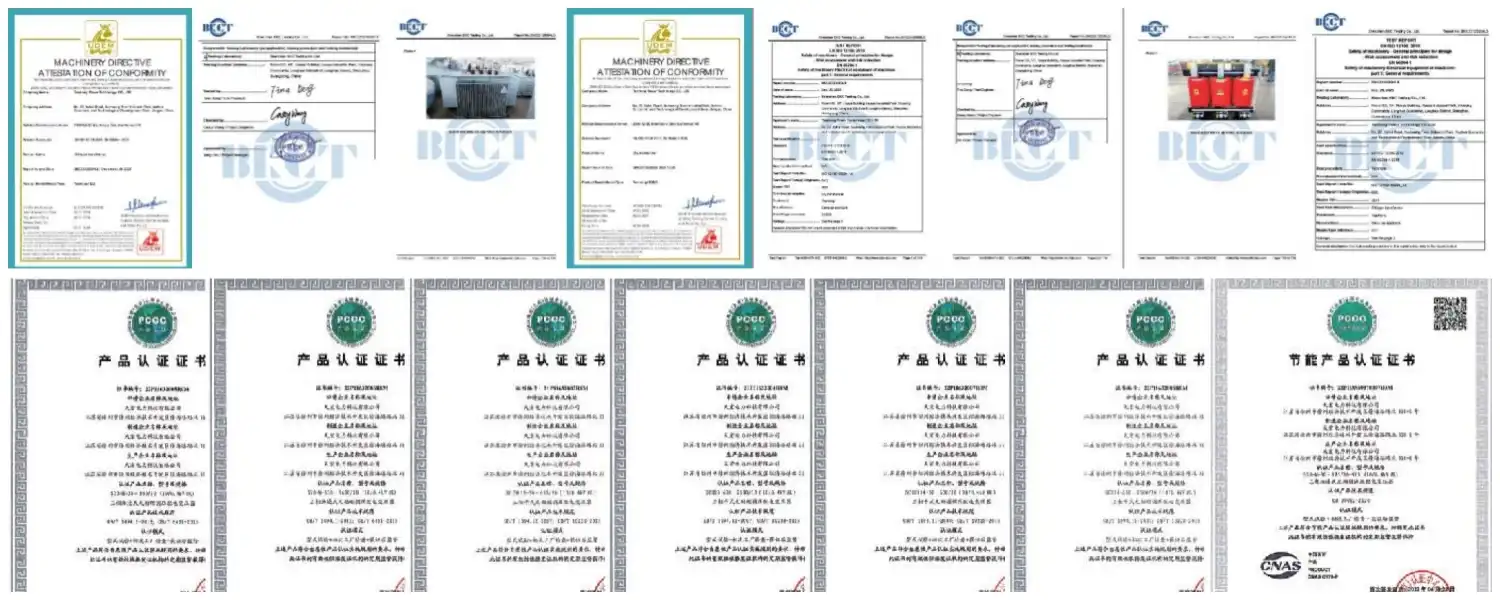
Certifications like ISO 9001, IEC 60076, CE, and UL show that a supplier is serious about quality management systems and making sure products are safe. These qualifications let purchasing teams know that transformers have been through regular, type-specific, and special testing procedures, which lowers the chance of problems in the field. We always check to see if our suppliers' certifications are still valid, since expired certificates can mean that quality control has been weakened.
Suppliers who are good at what they do, especially an experienced Distribution Transformer Supplier, optimize supply lines to cut down on wait times without lowering quality. They keep strategic amounts of supplies, work closely with factories, and use cutting-edge logistics systems to track packages in real time. If a supplier has more than one warehouse or regional distribution center, they can respond faster to urgent orders, which is especially helpful when projects are behind schedule or equipment breaks down.
Knowing the difference between global and local suppliers helps procurement managers choose vendors in a way that fits with the schedule of the project. Local suppliers can usually turn around standard models faster and make contact easier, while global suppliers have more technical tools and can make more changes. The choice depends on the size of the project, the available budget, and the rules and regulations.
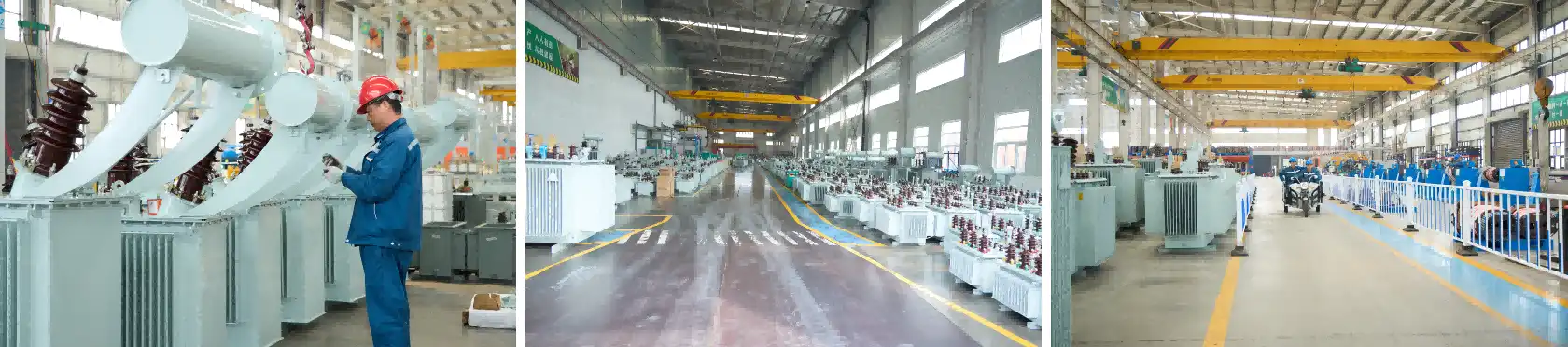
Power blackouts, project delays, and higher lifetime costs are all caused by inconsistent transformer supply or low-quality equipment. Reliable providers lower these risks by enforcing strict quality standards, coming up with new technologies, and managing risks proactively.
Top suppliers use quality control processes with multiple steps, starting with inspecting the raw materials and ending with testing the final assembly. As part of their regular maintenance, transformers are put through dielectric tests, temperature rise tests, measures of no-load and load loss, and shock voltage tests. These tests, which are done in approved labs, make sure that equipment works as it should and can handle the pressures of use for many years.
Consistency is important for big projects that need hundreds of units, so testing goes on all the time during production batches. We've seen that providers who work with national testing centers, like the National Transformer Quality Supervision and Inspection Center, show better levels of trustworthiness. Their products break down less often in the field, which cuts down on unplanned maintenance and downtime.
Modern providers buy smart transformers with Internet of Things (IoT) monitors that let them check the load level, temperature, and insulation health in real time. These gadgets send information to main management systems, which helps utilities and building managers see problems coming before they happen. Predictive maintenance plans make transformers last longer and make the best use of repair schedules, which lowers the total cost of ownership.
High-tech materials are also important. When compared to regular silicon steel, amorphous metal cores cut no-load losses by up to 70%. This is a huge benefit for green energy projects where efficiency directly affects return on investment. When suppliers use these new technologies, they help their customers meet strict rules about saving energy and meeting sustainability goals.
Supply chain problems, like not having enough raw materials or problems with international politics, can delay projects. Reliable providers keep lines of contact open and give regular updates on the state of production, shipping plans, and possible delays. They use a variety of sourcing strategies to avoid having a single point of failure and keep extra supplies of important parts in case something goes wrong.
Extra services like longer warranties, on-site commissioning help, and technical training make things even more reliable. A professional Distribution Transformer Supplier can also provide technical hotlines that are open 24 hours a day, seven days a week, along with quick-response field service teams, ensuring that clients know problems will be fixed quickly and operations will keep running as smoothly as possible.
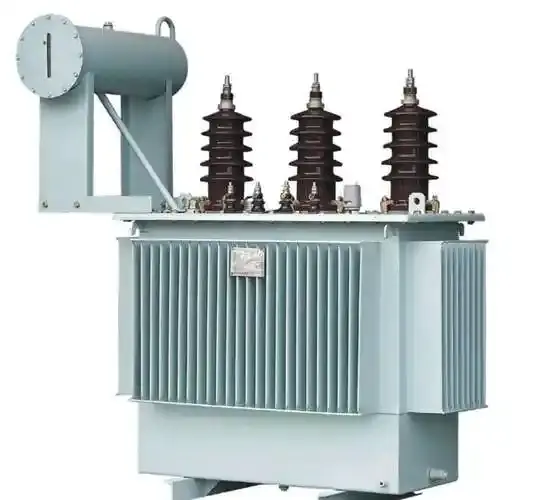
To choose the right supplier, you need to look at more than just the unit price. Managers of procurement have to look at things like warranty terms, shipping efficiency, the ability to make changes, and the quality of the service.
Being competitive on price is still important, but the cost over the life of an item often exceeds the price paid for it at first. Transformers that lose less energy save money over time because they use less electricity. Warranty terms of two to five years show that the source is sure the goods will last. Shorter warranties could mean that the quality of the product was not as high or that it was not tested as thoroughly.
Lead times are very different. Standard distribution transformers with ratings of 35kV or less may be sent out in four to eight weeks, but custom models with very high voltages can take up to six months. By knowing these dates, project managers can make sure that buying plans don't clash with building schedules, which would cause costly delays.
Working directly with makers gives you more control over customization and could save you money, but you usually have to place bigger orders and wait longer between negotiations. Suppliers make it easier to get a wide range of products quickly and efficiently, and they also combine transportation. They also know how to deal with regulatory issues in different markets, which is helpful for EPC contractors who are in charge of international projects.
Big companies like Siemens, ABB, Schneider Electric, and Eaton control the market for high-voltage transformers. They have decades of building experience and large service networks. When it comes to complicated projects that need advanced technical help and full licenses, these names really shine.
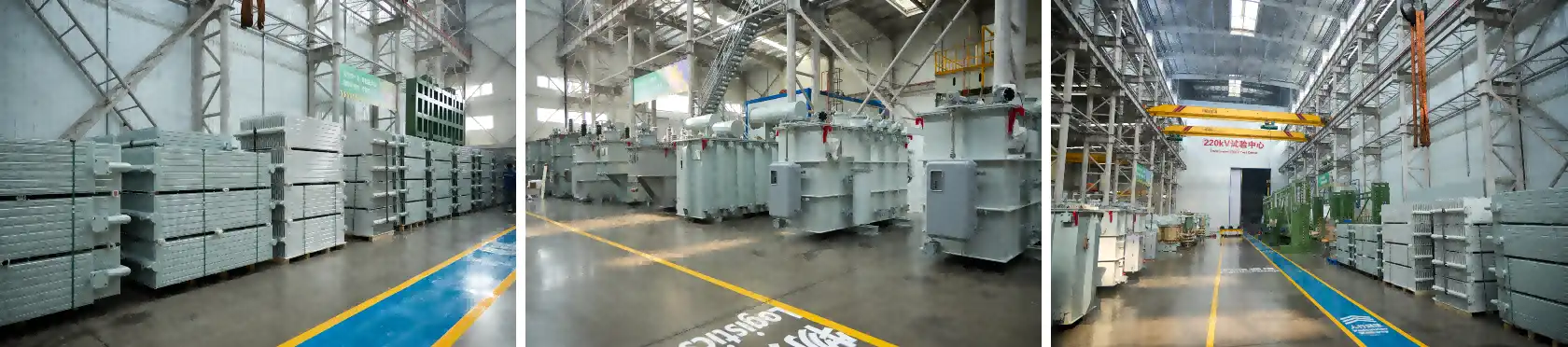
Competitive prices and quick production scaling are available from mid-tier suppliers, such as specialized Asian manufacturers. Lijie Electric Power Technology Group is a good example of this type of company. It has two factories that cover 500,000 square meters and make more than 5 billion RMB in sales every year. We sell ultra-high-voltage transformers with ratings of 500kV or more, as well as different types of dry, oil-immersed, and amorphous metal models. All of the units go through strict testing procedures and have ISO 9001:2015, CE, UL, and IEC certifications. This makes sure that the quality is the same across big amounts.
Feedback from current clients about how well a supplier is doing in the real world is very helpful. Reviews that stress on-time delivery, quick technical support, and long-term dependability are signs of reliable partners. On the other hand, concerns about inconsistent quality or bad customer service after the sale should be a red flag.
Buyers are protected from financial risk when they negotiate good payment terms with a reliable Distribution Transformer Supplier, such as a letter of credit or staged payments tied to delivery goals. Minimum order amounts can affect project budgets, so clarifying these requirements early helps prevent unexpected issues during the procurement process. Volume deals for large purchases can save costs, but they shouldn't compromise product quality. Before signing major contracts, buyers should request sample testing reports and third-party inspection certificates.
Clear communication and thorough planning are the first steps to effective procurement. Following organized steps cuts down on mistakes, speeds up delivery, and builds the basis for long-term relationships.
To begin, you should send in detailed technical specifications that include voltage ratings, capacity needs, environmental conditions, and standards for compliance. Ask for official quotes that break down the price per unit, shipping costs, inspection fees, and guarantee coverage. Compare prices from different suppliers to get the best deals.
Set clear delivery goals and ask providers to send production progress reports after contracts are signed. Knowing your shipping options—whether it's by sea freight to save money or by air freight for urgent deliveries—helps you balance project deadlines and budgets. We work closely with our transportation partners to make sure that transformers get to their destination on time and without damage.
Long-term framework deals are good for both sides because they ensure a certain number of orders and keep prices stable. Usually, these contracts have terms for planned deliveries, quality control procedures, and fines for not following through. We set up agreements so that payment milestones are in line with the stages of the project: the first deposit is due when the order is placed, payments are made as the product is manufactured, and the final payment is due when the project is fully operational.
When you work on a big project, you can get volume discounts without lowering the quality. Suppliers like it when they know how many orders they will be getting, so they may lower unit prices, offer longer contracts, or give away free expert services. But make sure that the manufacturing quality of bulk orders is the same for all batches. For random examples from each production run, ask for inspection records.
Set up single points of contact on both sides to make talking to each other easier. All stakeholders are kept up to date through regular video conferences, site visits, and collaborative project management platforms. Having direct access to the engineering teams of suppliers speeds up fixing and cuts down on downtime when technical problems arise during installation or operation.

The way power is distributed is changing quickly because of the rise of digitalization, smart grid integration, and the use of more green energy. In the next few years, the market will be led by Distribution Transformer Suppliers who can keep up with these changes.
Smart grids are being used by utilities all over the world, and they need transformers that have sensors, communication modules, and the ability to be controlled from a distance. These devices allow for problem monitoring, load balancing in real time, and automatic switching during downtime. When suppliers buy IoT systems and data analytics tools, they place themselves as strategic partners instead of just sellers of tools.
To get power from spread inverters and raise the voltage for grid transfer, solar farms and wind parks need special step-up transformers. These transformers have to deal with the short-term overvoltages and vibrations that come with renewable energy systems. These problems can be solved well by suppliers who offer K-factor rated transformers and smart circuit monitoring options.
Demand for transformers that use biodegradable insulating fluids and recyclable materials is also driven by commitments to sustainability. Amorphous alloy bodies and eco-friendly cooling systems make the machines more efficient while also being better for the earth. More and more, purchasing managers are giving more weight to suppliers who can show real changes in sustainability.
Artificial intelligence improves supply chain management by predicting changes in demand, finding bottlenecks, and automatically restocking shelves. When suppliers use logistics platforms powered by AI, lead times are cut, delivery accuracy is improved, and transparency is raised. Blockchain technology is also becoming a way to check where products come from and make sure they meet international standards.
Align your supply relationships with solutions that will work in the future by giving priority to partners who spend in research and development, keep their production levels flexible, and show they are dedicated to always getting better. Check out suppliers to see how well they can adapt their products to new uses, like data centers with a lot of harmonic distortion or charging stations for electric cars.
You can get reliable and new transformer solutions if you buy from authorized and certified suppliers like Siemens, ABB, Schneider Electric, and specialized manufacturers like Lijie Electric. Over 160 engineering and technical professionals with advanced degrees work for our company. This lets us handle complicated customization requests and offer ongoing technical support. We bring world knowledge to every project because our goods have been sent to Australia, New Zealand, India, Vietnam, Malaysia, Kazakhstan, Egypt, and Kenya.
Distribution Transformer Suppliers have a big impact on how reliable power distribution is by making sure quality, coming up with new technologies, and providing quick service. When purchasing managers carefully check the credentials of suppliers, negotiate good terms, and build partnerships with other businesses, their companies are set up for operational success. When you know about source classifications, approval standards, and new market trends, you can make smart decisions that balance keeping costs low with long-term performance.
As the power industry moves toward smart grids, incorporating green energy, and predictive maintenance, it needs providers who can adapt to new technologies. Organisations get the reliable and efficient generator solutions they need for modern infrastructure by focusing on partners with a history of success, full certifications, and a dedication to constant growth.
Check for the ISO 9001:2015 Quality Management System certification. This shows that the quality control processes are structured. IEC 60076 compliance makes sure that transformers meet safety and performance guidelines for electricity around the world. The CE and UL marks show that a product is safe for sale in Europe and North America. Also, make sure that the suppliers you're considering have energy-efficiency certifications from reputable organisations and keep up-to-date testing records from approved labs.
Longer lead times make projects more likely to be late, especially when unexpected equipment breaks down and needs to be replaced right away. When suppliers have well-planned production plans and regional warehouses, lead times are cut down. This means that systems can be put into service faster and backup systems don't have to take as much load at once. Planning purchases based on accurate lead time estimates stops delays that affect larger project milestones.
Local suppliers can respond faster to standard goods, make contact easier because they don't have to deal with time zone issues, and know more about the rules that need to be followed in their area. They usually have better ties with installation workers and utility operators, which makes coordinating projects go more smoothly. But global wholesalers offer a wider range of products and more expert support for more complicated customization needs.
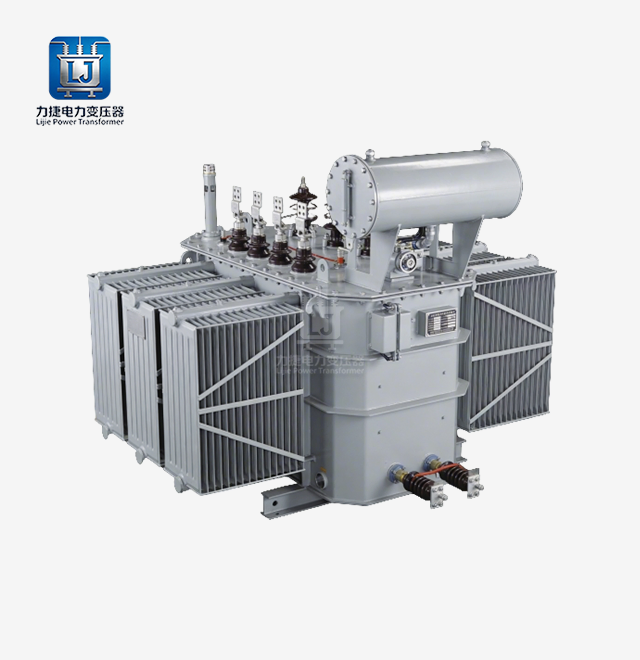
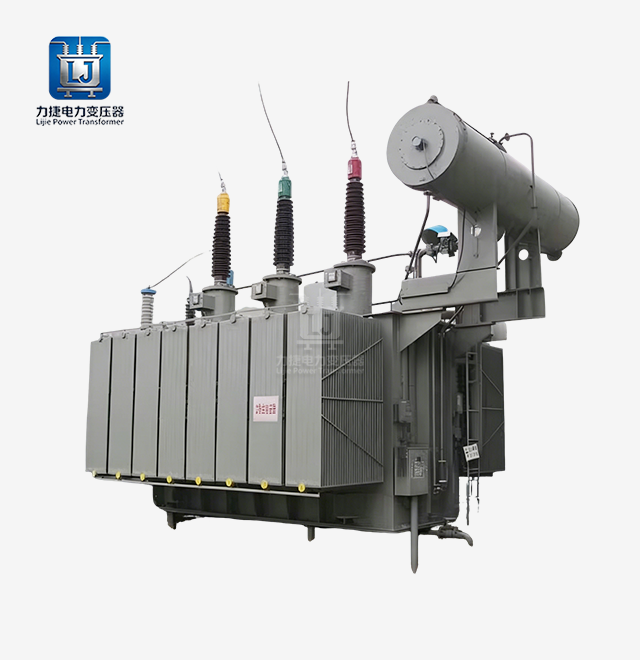
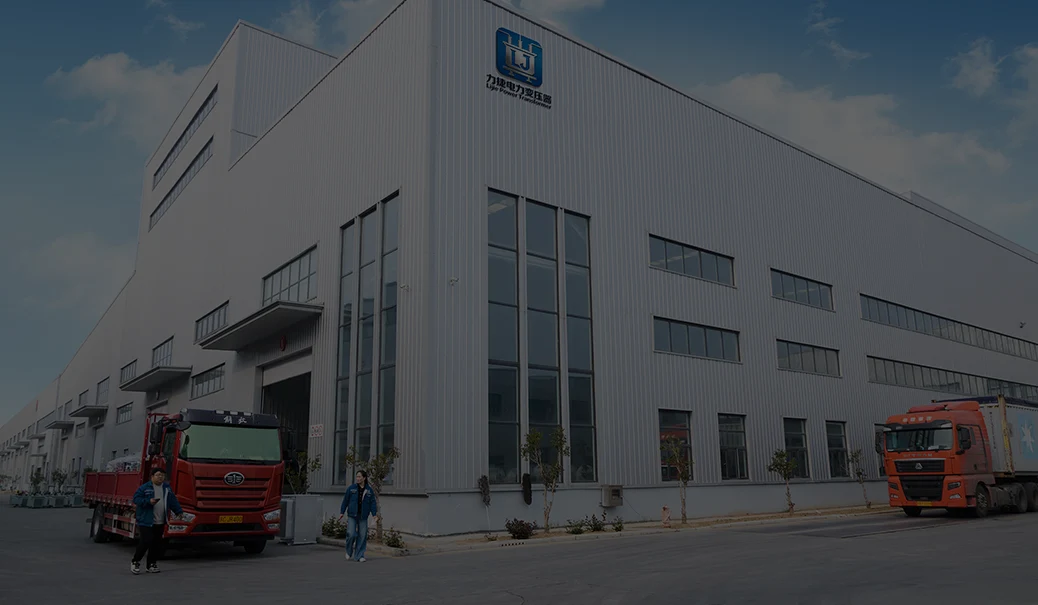
To change your power distribution system, you need a manufacturing partner who is both good at engineering and efficient when it comes to delivery. Lijie Electric Power Technology Group has two advanced production bases that cover 500,000 square meters. They have more than 2,000 skilled workers, including more than 160 engineers with master's and doctoral degrees. We have a wide range of products, including ultra-high-voltage transformers with ratings of 500kV or more, 35kV distribution transformers, dry-type units, amorphous alloy models, and special tools for mining, furnaces, and rectifiers.
The National Transformer Quality Supervision and Inspection Center puts all of our transformers through a lot of tests. They all pass, and they are certified by ISO 9001:2015, CE, UL, and IEC. We meet the strict needs of utilities, renewable energy developers, industrial manufacturers, and EPC contractors around the world by consistently delivering high-quality large batches. Our experience exporting to Australia, New Zealand, Southeast Asia, Central Asia, and Africa shows that we can work with a wide range of regulatory environments.
You can talk to our expert team about your project by emailing lijieelectrical@gmail.com or going to lijie-electrical.com. Our unique transformer solutions, low prices, and full after-sales service will make sure that your power distribution systems work reliably for decades. Let us help you build the things that will make growth possible.
1. IEEE Standard C57.12.00-2015, "IEEE Standard for General Requirements for Liquid-Immersed Distribution, Power, and Regulating Transformers," Institute of Electrical and Electronics Engineers, 2015.
2. International Electrotechnical Commission, "IEC 60076-1:2011 Power Transformers – Part 1: General," Geneva, Switzerland, 2011.
3. U.S. Department of Energy, "Transformer Efficiency Standards and Testing Protocols for Commercial and Industrial Applications," Washington, DC, 2020.
4. Zhang, L., and Chen, M., "Impact of Supply Chain Management on Power Distribution Reliability: A Case Study Analysis," Journal of Energy Engineering, vol. 146, no. 3, 2020.
5. Smith, R., and Patel, K., "Smart Grid Integration and IoT-Enabled Transformer Technologies: Future Trends in Power Distribution," Renewable Energy Systems Review, vol. 58, 2021.
6. National Electrical Manufacturers Association, "NEMA TP 1-2019: Guide for Determining Energy Efficiency for Distribution Transformers," Rosslyn, Virginia, 2019.
YOU MAY LIKE



11%20type%2035KV%20dry-immersed%20transformer_1778136495348.webp)
April 27, 2025
With a tight project schedule, the manufacturer delivered on time, and on-site technical personnel provided guidance throughout the entire installation and commissioning process; the collaboration was highly efficient and hassle-free.
July 2, 2025
During the preliminary phase, a selection plan was custom-tailored based on the actual site load requirements, resulting in a high degree of parameter compatibility. After-sales support responds within two hours, and ongoing technical support for operation and maintenance is comprehensive; we feel completely confident in a long-term partnership.
November 18, 2025
Deployed as a supporting component for a 35kV grid-connection project at a photovoltaic power station, the equipment operates for an average of 16 hours daily. It demonstrates excellent control over no-load losses, ensures smooth power generation and grid integration, and effectively reduces the station's overall energy consumption.
January 30, 2026
Under the continuous, high-load operating conditions of a factory production line, the equipment maintains stable electrical parameters and exhibits strong overload resistance, thereby guaranteeing an uninterrupted power supply for industrial production.
April 3, 2026
Integrated as a supporting component for a new energy photovoltaic grid-connection system, the manufacturer provided professional technical coordination and timely after-sales support, ensuring seamless adaptation to the specific electrical operating conditions required for grid integration.