April 27, 2025
With a tight project schedule, the manufacturer delivered on time, and on-site technical personnel provided guidance throughout the entire installation and commissioning process; the collaboration was highly efficient and hassle-free.
Aug 8, 2026
When evaluating potential partners in the power equipment sector, procurement managers and electrical engineers need clear benchmarks to identify a truly professional High Voltage Transformer Supplier. The defining features extend beyond basic product availability to encompass comprehensive technical expertise, certified manufacturing standards, reliable delivery systems, and dedicated after-sales support. A credible supplier bridges the gap between complex engineering requirements and practical grid applications, offering customized voltage solutions ranging from 35kV to 1100kV while maintaining strict adherence to international safety protocols. Their role involves not just transactional product delivery but strategic collaboration throughout the entire equipment lifecycle—from initial specification development through installation guidance and long-term maintenance support.
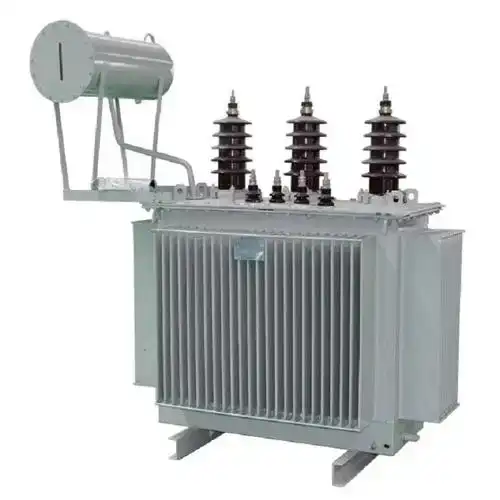
Any professional relationship with a supplier needs to be based on clear proof of technical skills and manufacturing credentials that deal with real operational problems in a wide range of industrial settings.
Professional suppliers give clear, detailed technical documentation that clears up any questions that might come up during the buying process. We've seen how detailed data sheets with voltage rates, insulation levels, cooling methods, and loss estimates help engineering teams do accurate tests of system compatibility. There are vector graphs, impedance values, temperature rise characteristics, and noise level standards in this literature. Clear technical factors that are in line with IEC 60076 standards or IEEE C57 guidelines from providers greatly lower project risk and speed up the decision-making process. A supplier's knowledge of actual grid integration problems can be seen by their ability to provide accurate load curves, short-circuit withstand capabilities, and altitude correction factors.
A clever seller keeps a wide range of products that include different voltage classes and types of specialised transformers. In addition to standard distribution transformers, the range should include ultra-high-voltage models for transmission networks, small prefabricated substations that can be set up quickly, dry-type units for installations inside buildings, and specialised types such as rectifier transformers for industrial processes or electric furnace transformers for metallurgical work. This spread shows how flexible manufacturing is and how much money is spent on R&D. As someone who has worked with utility companies on projects to integrate renewable energy, we know that having suppliers that offer both traditional oil-immersed designs and more modern amorphous alloy core options is very helpful when figuring out how to balance performance needs with total lifecycle costs. Product variety shows that a company can serve a lot of different types of customers at the same time.
Standard catalogue items don't always work in all the operational situations that come up in big infrastructure projects. Professional providers show they are engineering-aware by offering customisation services that deal with issues like different power levels, cooling arrangements, strange weather conditions, or limited size limits. For this to work, you need design resources that are housed within the company, flexible manufacturing methods, and ways for everyone to talk to each other. Customised prefabricated substations with built-in switchgear and tracking systems that are provided as turnkey solutions greatly shorten the time it takes to start solar farms. Genuine technical partners are different from simple product vendors because they are willing to change winding configurations, tap changer ranges, or add extra safety features. Customisation response has a direct effect on how feasible a project is and how well it runs.
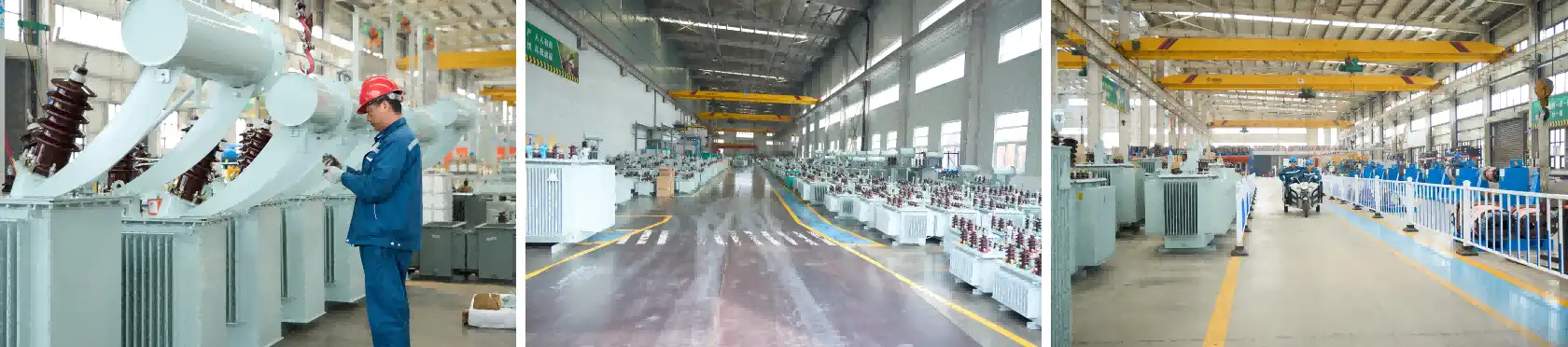
Long-term relationships with a High Voltage Transformer Supplier are based on consistent quality and operational dependability. This is especially true when equipment has to work perfectly for decades in critical infrastructure roles.
Certification badges are objective measures of quality that are checked by third parties. With ISO 9001:2015 certification, you can be sure that the quality management processes cover planning, making, inspecting, and delivering the product. For example, CE marking for European markets, UL listing for North American uses, and IEC compliance for foreign projects all show that the product meets the safety and performance standards of that area. Suppliers with approvals from the National Transformer Quality Supervision and Inspection Center and CQC energy-saving licenses give real proof that they follow the rules. These credentials aren't just paperwork; they show that the manufacturing process has been checked, that testing protocols are followed regularly, and that there are systems in place to track products. Verified certifications cut down on evaluation times and costs for procurement teams that are working on multiple projects at the same time during vendor qualification checks.
In addition to certifications, daily quality practices show how reliable a product really is. Professional suppliers use thorough testing procedures that include regular checks on every unit, type checks to make sure the design parameters are correct, and special checks for situations where the unit might not work normally. Instinct voltage tests, partial discharge measurements, temperature rise confirmation, and load loss assessments done in accredited laboratories should all be part of the testing capabilities. Having access to full test results and the choice to have tests witnessed gives procurement trust. Inspection of arriving materials, tracking of work in progress, and final acceptance processes are all part of quality management. Maintaining statistical process control systems and doing root cause analysis on any non-conformances are examples of suppliers who are committed to continuous improvement. Sharing clear quality data and keeping records of how consistent each batch is helps industrial customers plan preventative maintenance and keep extra parts on hand.
Not only does the quality of the initial manufacturing affect how reliable an item is, but it also depends on how well it is supported by technicians throughout its useful life. Suppliers who are professionals set up service teams that offer advice on installation, help with starting, and troubleshooting. Field service experts, online diagnostic tools, and helpful technical hotlines all make it possible to minimise downtime when problems arise out of the blue. Capital investments are protected by comprehensive warranty policies that show real faith in the durability of the product. These policies usually cover defects for set periods of time and make coverage terms clear. Making sure that spare parts are available with realistic wait times is important for keeping up with maintenance without having to pay too much for inventory. We've seen that suppliers who offer operator training programs and written maintenance procedures make assets work much better. The service infrastructure makes the difference between short-term deals and long-term strategic relationships that support equipment lifecycles that last decades.
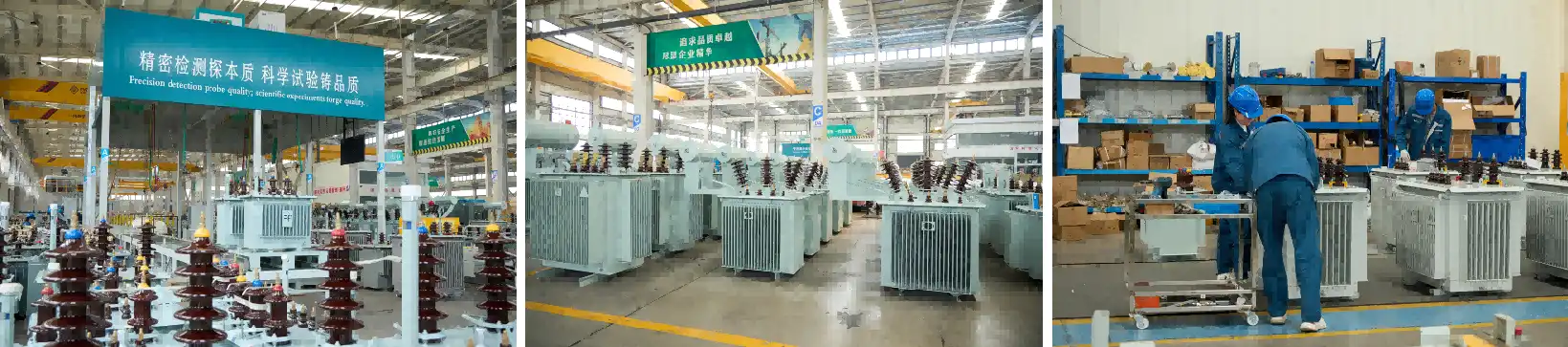
For buying processes to work well, providers must be open, reliable, and able to adapt to the needs of different projects and foreign transactions.
Knowing the real production wait times and logistics needs keeps the project plan from getting thrown off. Standard products may ship in 8 to 12 weeks, but customised ultra-high-voltage units may take 6 to 9 months, which includes validating the design, getting the materials, making the unit, and testing it. Professional suppliers give accurate estimates of when they will deliver, and you can see how each milestone is progressing. International shipments that need specialised heavy transport, customs paperwork, and maritime logistics need to be coordinated by people who have done it before. Suppliers who take care of export packing to avoid damage during transport, set up delivery from the port to the site, and provide equipment that is ready to be installed show that they are operationally mature. Large building projects benefit from being able to handle batch orders that fit the schedules of the construction phase without having to store a lot of items in warehouses. Logistics dependability has a direct effect on the project's cash flow and the time it takes to start up.
Comprehensive supply agreements cover all possible outcomes, keeping both parties safe. Professional sellers offer contract terms that include guarantees for technical specifications, delivery penalties, review processes, and ways to settle disagreements. Clear expectations are set by clauses about "force majeure," payment security, and intellectual property protection. Being open to negotiating fair terms instead of setting strict rules shows that you are interested in working together. For bigger projects, performance bonds or bank guarantees add extra security. Having contracts that are flexible enough to accommodate changes in planning, changes in quantity, or phased delivery plans within certain limits makes it easier to keep up with changing project needs. Clear contractual arrangements lower the risk of buying and make sure that everyone is responsible.
Regulatory compliance and operational safety are non-negotiable standards throughout the lifecycle of an item of machinery. This means that suppliers must be actively involved in more than just delivering the product.
For long-term efficiency, equipment needs to be maintained in a way that is guided by the manufacturer's knowledge. Professional providers set up repair plans based on how often the equipment is loaded, the weather, and its history of use. Remote monitoring with built-in sensors that measure temperature, moisture, partial discharge, and dissolved gas analysis makes it possible to plan ahead for maintenance needs. Diagnostic services that read test results and suggest ways to fix problems stop catastrophic failures from happening. Spare parts catalogues with cross-reference numbers and information on availability make planning your collection easier. Instead of buying new equipment, you can get it refurbished and have the life of the equipment extended through repairs to the windings, cores, or bushings. Technical notes that talk about known problems, upgrade choices, and ways to improve performance show that the provider is still involved. Maintenance help makes the most of an asset's use and return on investment.
Environmental performance is becoming more and more important in all stages of the manufacturing process and the lifecycle of a product. Professional suppliers show that they follow the rules for chemical safety, RoHS directives that limit dangerous substances, and local environmental protection standards. When factories use ISO 14001 environmental management systems, they reduce their impact on the environment by cutting down on trash, saving energy, and controlling pollution. Sustainability goals can be met by designing products with reusable materials, biodegradable insulation fluids, and less SF6 use. Grid decarbonisation goals can be met with transformer designs that use little energy and have low losses. Suppliers who offer recycling programs at the end of their useful lives and advice on how to properly get rid of old tools back the ideas behind the circular economy. Environmental responsibility fits in with both companies' promises to be environmentally friendly, and government rules that they have to follow.
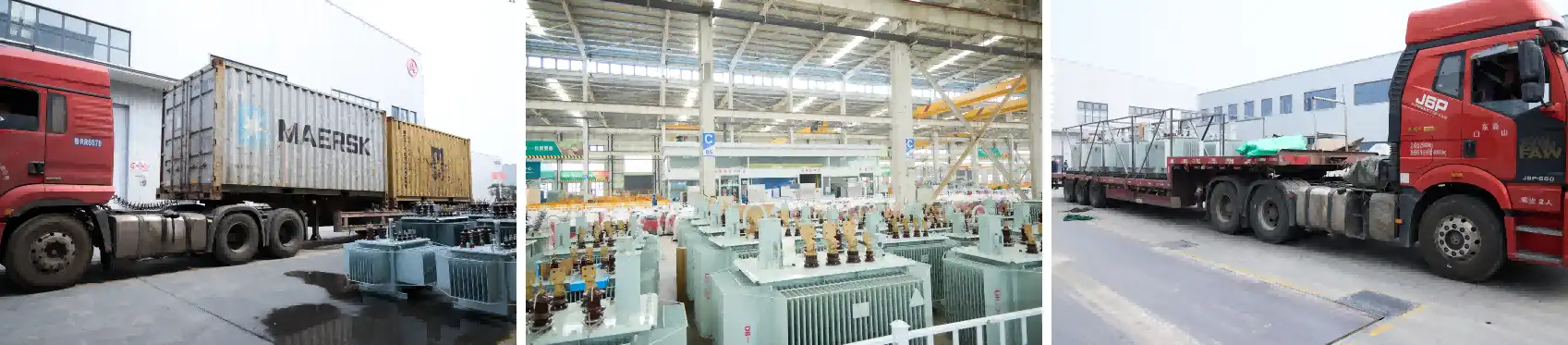
Knowing the competition helps procurement professionals find suppliers who can meet the needs of a project while staying within the budget and meeting service expectations.
Global players in the field, such as ABB, Siemens, and GE, offer a wide range of products and services, as well as a lot of resources for research and development, service networks around the world, and a history of success on large infrastructure projects. Their goods usually come with long guarantees, cutting-edge technology, and a history of reliability that backs up their high prices. These international companies are great at ultra-high-voltage tasks, making complicated customisations, and providing complete substation solutions. Their presence around the world makes it easier to support projects on multiple sites and make sure that all of their international operations follow the same rules.
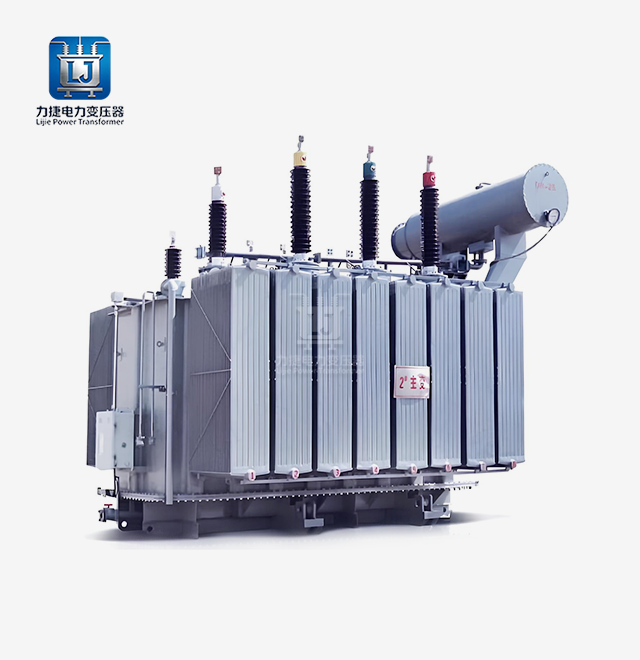
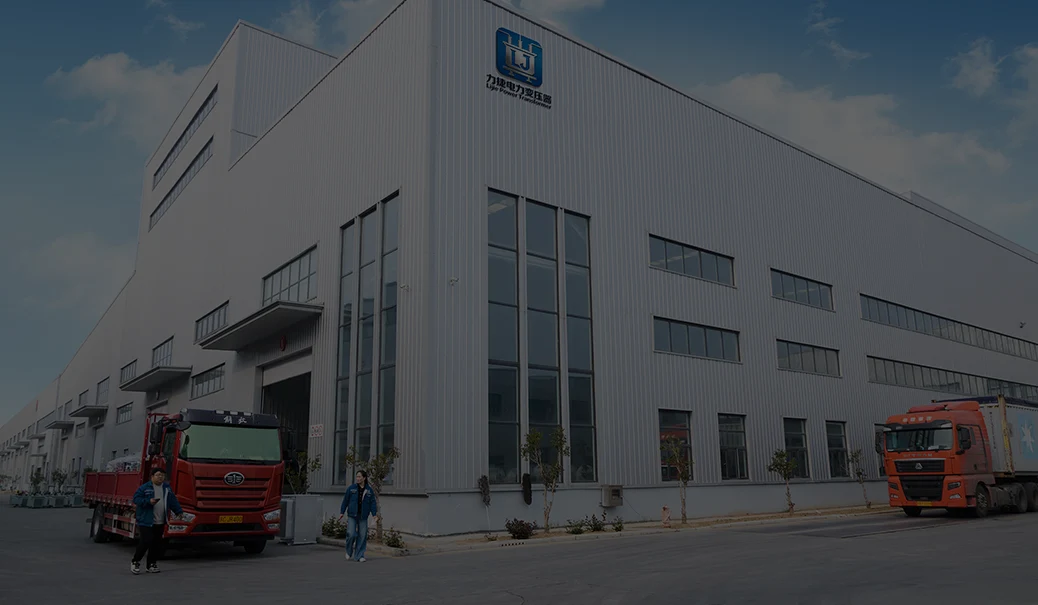
Specialists in the area and new makers offer different value packages that balance low prices with strong technical abilities. Lijie Electric Power Technology Group is a good example of this type of company. It has two main factories that cover 500,000 square meters and hire over 2,000 people, including more than 160 people with advanced degrees. Lijie makes ultra-high-voltage transformers with ratings of 500kV and above, as well as a wide range of medium-voltage units and specialised units for industrial use. Each year, their sales go over 5 billion RMB. The company has certificates for ISO 9001:2015, CE, UL, and IEC, which show that they meet foreign quality standards. Products are put through tough tests at national inspection sites and are sold in a wide range of places in Australia, Central Asia, Africa, and Southeast Asia. This production scale lets us offer reasonable prices on large orders while keeping quality levels on par with top brands.
There are trade-offs when you choose between direct manufacturers and suppliers who focus on distribution. When you work directly with a maker, you can often save money, make changes, and work together on technical issues. This is especially helpful for framework deals that cover a lot of products. Partners in distribution may be able to offer a wider range of products, faster shipping on common things, and service support that is more tailored to the area. The best sourcing strategies are based on the specifics of the project, such as the number of orders, the level of customisation needed, the urgency of delivery, and the level of service expected. Hybrid approaches that combine direct manufacturer partnerships for large pieces of equipment with distributor partnerships for parts and items that can be sent out quickly are the most efficient way to buy things.
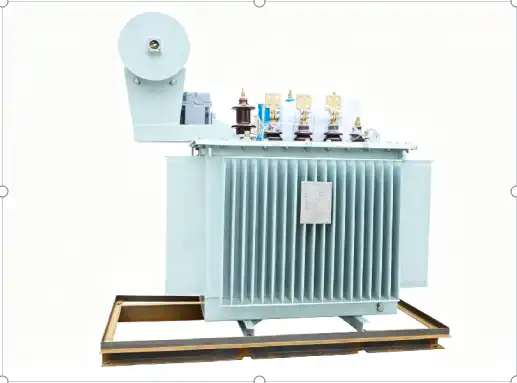
To find a professional High Voltage Transformer Supplier, you need to look at more than just the product specs. Credibility is built on technical skills that cover a wide range of portfolios, the ability to customise, and detailed documentation. Reliability is ensured by quality assurance systems that are backed up by well-known standards and open testing methods. Getting things for projects goes more smoothly when the buying process is efficient, and there are clear prices, reasonable lead times, and flexible contracts. Long-term partnership commitment is shown by ongoing support through safety resources, repair services, and environmental compliance. As the modernisation of infrastructure around the world speeds up and the use of renewable energy grows, it becomes more important than ever to find qualified suppliers who can provide solutions that are reliable, legal, and cost-effective. Whether you're working with global industry leaders or skilled local makers, making sure you do your research and focus on these key points will ensure the project's success.
Professional sellers usually have goods for distribution voltages between 10kV and 35kV, sub-transmission levels between 66kV and 220kV, and ultra-high-voltage gearbox applications between 330kV and 1100kV. Specialised sellers also offer low-voltage transformers with forms that are different from the norm for use in furnaces or industrial rectifiers. The range of products shows how well they can be made and how much knowledge they have in the market for a variety of uses.
Standard distribution transformers usually take 8 to 12 weeks to deliver from the time the order is confirmed. Customised medium-voltage units take 12 to 16 weeks. Ultra-high-voltage transformers with complex designs may take 24 to 36 weeks to make because of the need for engineering approval, the purchase of complex materials, complicated manufacturing processes, and strict factory testing procedures. Suppliers should give reasonable schedules with tracking of important dates.
The ISO 9001 quality control certification is still very important. For European markets, you need a CE mark, for North American markets a UL listing, and for foreign projects IEC compliance. Certifications for energy efficiency, such as the CQC, show that performance standards are met. Approvals from national testing centers from groups like CEPRI or similar ones show that the product is safe and reliable. Multiple certifications show that quality systems are complete.
Lijie Electric Power Technology Group is ready to help you with your building projects with its excellent production skills and wide range of technical skills. Our 500,000-square-meter factories in Xuzhou and Nantong use cutting-edge production methods to make transformers ranging from small 10kV distribution units to very high-voltage 500kV+ transmission equipment. We meet international quality standards and offer reasonable prices that make buying in bulk easier. Our certifications include ISO 9001:2015, CE, UL, and IEC. Our research team works closely with clients to create unique solutions that meet their special voltage needs, operating limitations, and environmental conditions. Get in touch with our purchasing agents at lijieelectrical@gmail.com to talk about your project needs and find out how our technical knowledge and production capabilities can help you reach your power infrastructure goals with dependable, approved transformer solutions.
1. International Electrotechnical Commission. "Power Transformers - Part 1: General Requirements." IEC 60076-1:2011, Geneva, Switzerland, 2011.
2. Institute of Electrical and Electronics Engineers. "IEEE Standard for General Requirements for Liquid-Immersed Distribution, Power, and Regulating Transformers." IEEE C57.12.00-2015, New York, 2016.
3. Zhang, Wei and Thompson, Robert. "Quality Management Systems in High Voltage Equipment Manufacturing: Best Practices and Industry Standards." Journal of Power Engineering, vol. 45, no. 3, 2023, pp. 112-128.
4. American National Standards Institute. "Safety Standards for High Voltage Electrical Equipment Installation and Maintenance." ANSI Z244.1-2016, Washington, DC, 2016.
5. European Committee for Electrotechnical Standardization. "High-Voltage Switchgear and Controlgear - Part 203: Gas-Insulated Metal-Enclosed Switchgear for Rated Voltages Above 52 kV." EN 62271-203:2022, Brussels, 2022.
6. Martinez, Carlos and Liu, Jennifer. "Procurement Strategies for Large-Scale Power Infrastructure Projects: Supplier Selection and Risk Management." International Journal of Supply Chain Management, vol. 12, no. 2, 2024, pp. 67-89.
YOU MAY LIKE



12%20Series%20Dry%20Type%20Transformer.webp)
April 27, 2025
With a tight project schedule, the manufacturer delivered on time, and on-site technical personnel provided guidance throughout the entire installation and commissioning process; the collaboration was highly efficient and hassle-free.
July 2, 2025
During the preliminary phase, a selection plan was custom-tailored based on the actual site load requirements, resulting in a high degree of parameter compatibility. After-sales support responds within two hours, and ongoing technical support for operation and maintenance is comprehensive; we feel completely confident in a long-term partnership.
November 18, 2025
Deployed as a supporting component for a 35kV grid-connection project at a photovoltaic power station, the equipment operates for an average of 16 hours daily. It demonstrates excellent control over no-load losses, ensures smooth power generation and grid integration, and effectively reduces the station's overall energy consumption.
January 30, 2026
Under the continuous, high-load operating conditions of a factory production line, the equipment maintains stable electrical parameters and exhibits strong overload resistance, thereby guaranteeing an uninterrupted power supply for industrial production.
April 3, 2026
Integrated as a supporting component for a new energy photovoltaic grid-connection system, the manufacturer provided professional technical coordination and timely after-sales support, ensuring seamless adaptation to the specific electrical operating conditions required for grid integration.