April 27, 2025
With a tight project schedule, the manufacturer delivered on time, and on-site technical personnel provided guidance throughout the entire installation and commissioning process; the collaboration was highly efficient and hassle-free.
Aug 2, 2026
A Power Transformer Supplier serves as the backbone of large-scale energy infrastructure by engineering, manufacturing, and delivering high-voltage electromagnetic devices critical for voltage regulation and power distribution. These specialized entities address industry challenges including grid instability, transmission efficiency losses, and renewable energy integration complexities. Through meticulous design optimization focused on reducing core losses and enhancing operational reliability, a Power Transformer Supplier ensures continuous uptime for utilities and industrial operations while managing total cost of ownership across demanding project lifecycles.
The most important part of modern energy infrastructure is the power transformer, which steps up the voltage for safe long-distance transfer and steps it down for safe delivery to end users. Choosing the right source partner is often what makes the difference between a project that goes well and one that has problems like delays, poor quality, or going over budget. Electrical engineers and procurement managers know that these choices have consequences—transformers last for decades, and sometimes even 30 years or more—and any problems with quality or service last for the whole life of a project.
We know how important this relationship is when it comes to handling multimillion-dollar infrastructure projects. Whether you're in charge of expanding the national grid, installing renewable energy, or upgrading an industrial building, it's important to know how a skilled supplier can help you reach your goals. This detailed guide looks at the role of the supplier throughout the project, the most important evaluation criteria, ways to lower risks, the best ways to buy things, and new industry trends that will affect future energy needs.
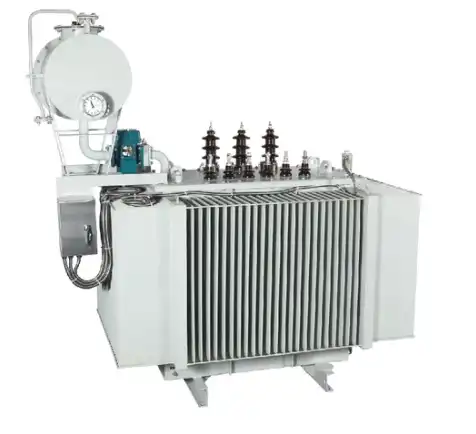
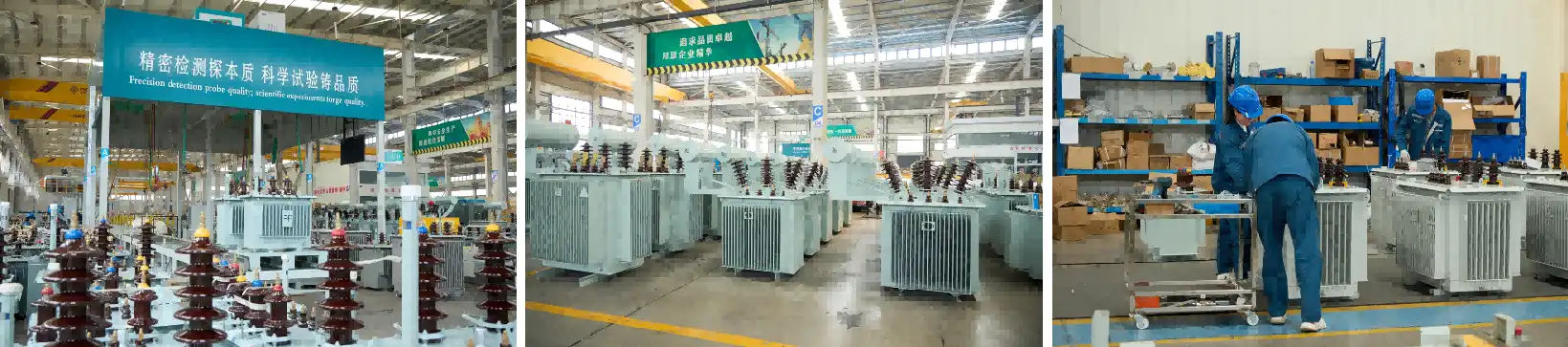
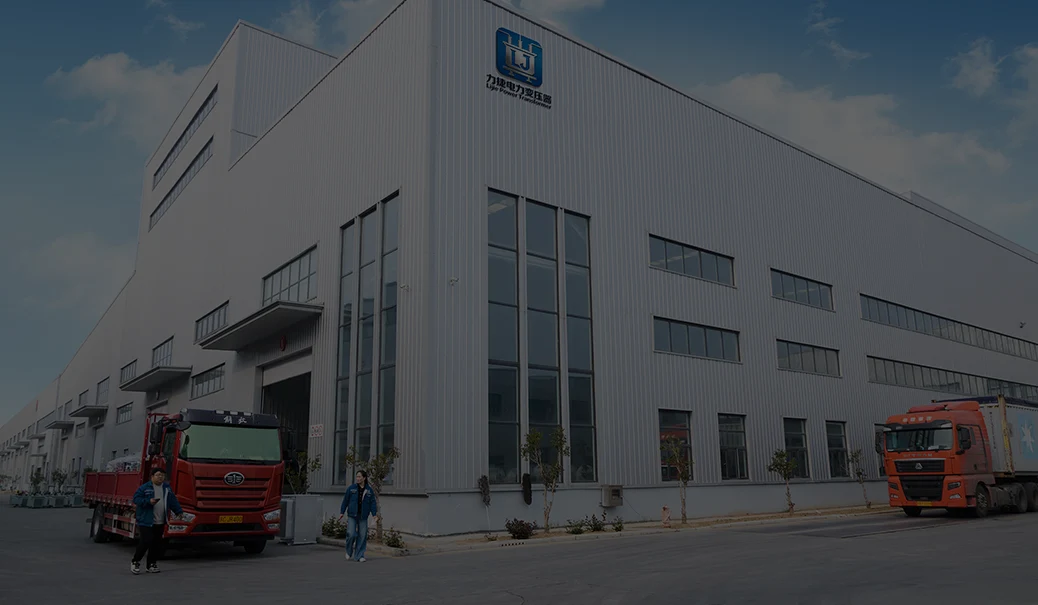
Power Transformer Suppliers are one of a kind in the energy ecosystem. Instead of just storing and sending equipment, these companies use their engineering skills, quality assurance processes, and knowledge of compliance to make solutions that fit the needs of each infrastructure. This all-around method is shown by Lijie Electric's two manufacturing bases, which cover a total area of 500,000 square meters and house both production facilities and research and development teams to make sure that new technology is quickly turned into reliable hardware.
It's not as clear what the difference is between makers and suppliers, especially among companies with advanced licenses. If a Power Transformer Supplier has its own technical team, it can change the specs of a transformer to fit exact voltage levels, capacity needs, and environmental conditions. This feature comes in handy when normal catalogue items can't solve specific site problems or meet performance standards.
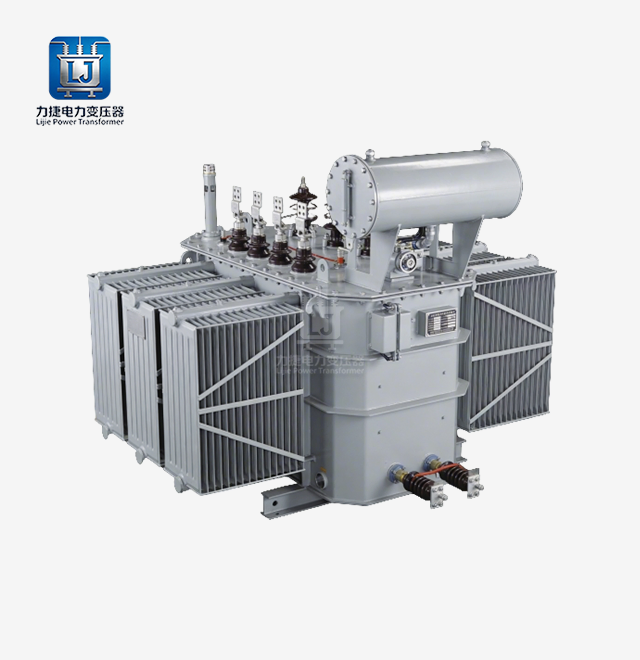
Different types of transformers are needed for different types of energy building projects. For ultra-high-voltage uses rated at 500kV or more, oil-immersed transformers have been shown to be reliable and work well in high-voltage transfer situations. Their strong construction can handle the rough conditions that come with outdoor installations in a variety of climates.
Dry-type transformers are better in places where fire safety is important or where environmental rules don't allow oil-filled equipment. These units are made for indoor installations, renewable energy facilities, and small substations that need to have smaller footprints because of limited space. Their sealed construction cuts down on maintenance needs while still meeting performance standards.
Speciality transformers, like electric burner transformers, rectifier transformers, and mine transformers, are used in specific industries where the electrical needs are specific. Steel plants need transformers that can handle huge short-circuit forces, and mines need equipment that can handle heavy loads all the time in remote areas where service is hard to come by.
Quality control goes beyond making sure that products are made precisely; it also includes thorough testing that makes sure they work in real-life situations. The National Transformer Quality Supervision and Inspection Center and the Wuhan High Voltage Research Institute test our products on a regular basis and also do tests that are specific to their type. Before units are sent to project sites, these procedures check their electrical properties, thermal performance, material strength, and insulation integrity.
International certification compliance is a reliable way to show that equipment meets standards that are known all over the world. IEC (International Electrotechnical Commission) certification makes sure that a product works with foreign project requirements. This is especially important for EPC workers who work in more than one country. CE certification shows that the product meets European safety standards, while UL approval meets the needs of the North American market. The ISO 9001:2015 Quality Management System certification we maintain controls every step of the process, from getting the raw materials to the final inspection. This makes sure that the quality of large batches of products is always the same.
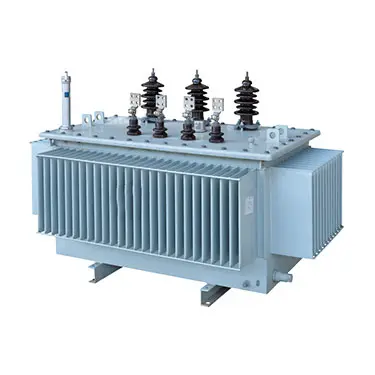
Technical requirements that are easy to understand are the first step to a successful purchase. The most important thing to know is the voltage class, which tells you whether you need 10kV or 35kV distribution transformers for local networks or 110kV, 220kV or 500kV transmission transformers for connecting to the grid. The transformer's power handling capacity is based on the capacity requirements, which are measured in megavolt-amperes (MVA). This has a direct effect on both unit cost and operational efficiency.
As energy costs rise and environmental rules get stricter, rates of efficiency become more important. Compared to regular silicon steel designs, amorphous alloy transformers are more efficient, cutting no-load losses by 60–70%. Over the course of 20 years, these improvements in efficiency will save a lot of power, making up for the higher cost of the tools at the start. More and more, procurement teams look at total lifecycle costs instead of just upfront prices.
Customisation needs come up because of limitations and operating needs that are unique to the place. Because altitude changes how well insulation and cooling work, sites above 1000 meters need to be designed differently. Extremes in ambient temperature call for better cooling systems or better insulation materials. In seismic zones, structures need to be stronger and special fastening methods need to be used. If a Power Transformer Supplier can handle these changes without adding too much to the lead time, that shows they have a lot of engineering knowledge and manufacturing flexibility.
A methodical approach is needed to balance many decision factors. Quality is the most important thing to think about—if a generator fails during operation, it can cause the grid to become unstable, production to stop, and expensive emergency replacements to be needed. Objective quality signs can be found by looking at supplier certifications, asking for third-party test results, and auditing the facility. Our many awards, such as being named a "National High-Tech Enterprise" and a "Specialised, Refined, and New 'Little Giant'" enterprise, show that we consistently meet high-quality standards that have been confirmed by outside authorities.
Cost analysis looks at more than just unit prices. It also looks at things like energy efficiency, expected lifespan, and upkeep needs. Over its useful life, a transformer that costs 15% less but uses 10% more energy each year ends up being the more expensive choice. In the same way, equipment that needs to be serviced more often or has a shorter guarantee period raises the total cost of ownership through service contracts and downtime costs.
Large-scale building improvements often depend on how well they can be delivered. For grid expansion projects, dozens or even hundreds of transformers may need to be delivered in a planned order that matches up with construction milestones. These deadlines can't be met by Power Transformer Suppliers who don't have enough production capacity or batch stability. Our manufacturing capacity lets us handle large orders without lowering the quality of each unit or making lead times too long. This is what helps us make more than 5 billion RMB in sales every year.
There are both global companies with histories that go back hundreds of years and specialised regional producers that offer competitive options. Global brands have a wide range of products, well-established service networks, and well-known names that make it easier for stakeholders to give their support. Their presence in many markets gives customers peace of mind about long-term access to parts and technical support.
Regional manufacturers often offer better value because they have lower prices, faster response times, and more ways to customise their products. Being close to each other geographically lowers shipping costs and travel times and makes it easier to talk to people from different languages and time zones. Companies like Lijie Electric take advantage of the best of both worlds by following international licensing rules and offering services that meet both global quality standards and local customer needs. Our ability to serve international projects while keeping costs low is shown by the fact that we export to Australia, New Zealand, India, Southeast Asia, Central Asia, and Africa.
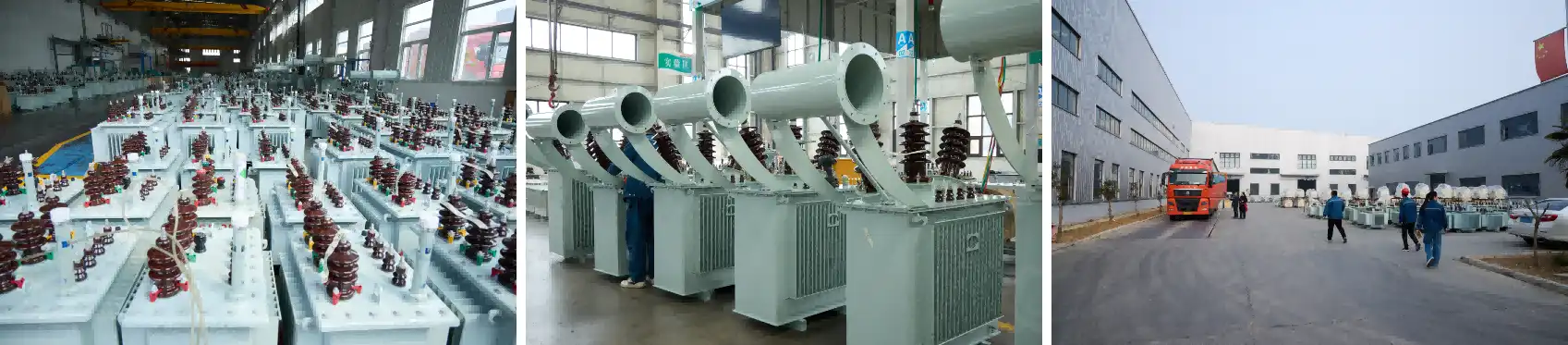
Massive transformers pose tricky shipping problems because of their size, weight, and fragility when transporting. Heavy-haul transportation is needed to move a 500kV transformer, which can weigh more than 400 tonnes and needs route surveys, infrastructure upgrades, and traffic coordination. Logistics-savvy Power Transformer Suppliers handle all of these issues by finding the best shipping routes, planning permits, and setting up special tools for loading, transporting, and placing at the site.
Minimum order amounts that are flexible can be changed to fit project schedules and budgets. Building new infrastructure usually happens in steps, as funding becomes available or as the project hits new milestones. Project managers can match the buying of equipment with the actual deployment schedules when Power Transformer Suppliers are willing to work with smaller initial orders and framework agreements for later phases. This gives you more options, which cuts down on storage costs and capital that is stuck in inventory.
Custom manufacturing lets you meet the specific needs of a project that standard catalogue products can't. For a wind farm near the coast to work, the transformers need to be better at protecting against rust. In order to mine in the Arctic, you need equipment that can handle very cold temperatures. Transformers that are designed for harmonic loads or frequent cycling are needed in industrial facilities with certain electrical needs. Our range includes everything from ultra-high-voltage gearbox equipment to specialised industrial transformers. This shows how flexible our designs are, as we've learned to handle a wide range of uses in many different industries.
Supplying equipment is only one part of a supplier's value. Often, professional support services are just as important to the success of a project. Talks before installation make sure that the foundation is properly prepared, that there are enough clearances, and that any extra systems are properly integrated. Installation advice stops mistakes that cost a lot of money from happening during the connecting, positioning, and starting up stages. Our team of more than 160 engineers with graduate and master's degrees gives customers more skills, which is especially helpful when project teams come across new equipment configurations or site conditions.
Maintenance services and teaching on how to use tools properly make it last longer and work better. Preventive maintenance programs find problems before they get worse and cause crashes, which cuts down on unnecessary downtime. Diagnostic testing finds problems with the insulation, the cooling system, or mechanical wear that needs to be fixed. Through training programs, knowledge is passed on to customer maintenance teams. This builds internal skills for routine tasks while keeping suppliers available for more complicated tasks.
Warranty coverage and helpful customer service protect your money and give you peace of mind when you're using the product. Long-term guarantees that cover both materials and work show that the seller is confident in the quality of the product. Just as important, service networks that are fast and can quickly send out field workers to fix problems keep downtime to a minimum. We keep our after-sales service systems up to date and approved according to GB/T 27922-2021 standards. This shows that we are serious about customer support by writing down processes and measuring performance.
Volume purchasing can be a good way to save money on purchases when working on big infrastructure projects. When you place a bulk order, the cost per unit usually goes down because Power Transformer Suppliers can spread fixed engineering costs over bigger production amounts and get better deals on materials. To get these benefits, you need to carefully plan your order time, delivery schedule, and payment terms so that they work with your project's cash flow and storage needs.
By asking for full technical specifications and detailed quotes, you get rid of the confusion that leads to change orders and disputes. Quoted prices are based on accurate information that includes voltage ratings, capacity levels, cooling methods, insulation types, tap changer configurations, protection features, and environmental ratings. To avoid gaps in the scope, be clear about the testing methods, inspection procedures, paperwork files, and packing needs. Include delivery places, time limits, and any site access issues that could affect plans for transportation.
The terms of payment make sure that financial responsibilities are met in line with project deadlines and the delivery of tools. Standard terms include making a deposit when the order is confirmed, making progress payments based on manufacturing milestones, and making the final payment when the product is successfully commissioned. Large framework deals may include promises to buy a certain amount, price increases based on product prices, and cancellation terms that protect both parties. By negotiating terms that are in line with how the project will be financed, cash flow problems can be avoided, and Power Transformer Suppliers can be sure they will be paid, which helps with planning production.
When standard products can't meet specific technical needs or site limitations, custom transformers are needed. Transformers for renewable energy systems often need to be specially designed to handle the inverter harmonics and sudden changes in load that come with solar and wind power. Equipment made for non-sinusoidal currents and voltage distortion is needed in industrial processes that use rectifier loads or electric arc furnaces. Retrofitting existing buildings is hard because the spaces aren't always the right size or set up for connections.
The customisation process starts with detailed requirements documentation that lists all the performance goals, environmental factors, and integration needs. Early on, work with source engineering teams to look over the project's viability, find possible design problems, and improve specs together. This kind of conversation often leads to new ideas for how to reach goals more quickly or cheaply than the original ideas. Our technical expertise in oil-immersed, dry-type, and amorphous alloy technologies lets us come up with creative solutions to problems that standard product sellers can't.
When planning logistics for custom tools, longer wait times and special handling are needed. Custom designs usually add 4 to 8 weeks to the manufacturing process while engineering teams make detailed drawings, get special materials, and test the products to make sure they work right. For oversized loads, transportation plans may need custom crating, special loading equipment, or route surveys. By including these longer deadlines from the start of a project, you can avoid critical path delays and hasty decisions that could hurt quality or safety.
The addition of digital tracking systems to transformer designs is a big step forward in the ability to control assets. Sensors built into transformer units constantly check the temperature, wetness, dissolved gas concentrations, and partial discharge activity. These are important signs of how well the equipment is working and if any problems are starting to show up. Data streams sent to control centers allow predictive maintenance strategies that plan actions based on the system's current state instead of set schedules. This lowers the risk of failure while optimising maintenance costs.
Power electronics in smart transformers allow for voltage regulation, harmonic filtering, and reactive power compensation that passive transformers can't do. These features are especially useful in grids that use a lot of green energy and need to actively control voltage stability and power quality. Due to higher prices, smart transformers are currently only used in a few specific situations. However, as power electronics technology improves and component costs fall, more market groups will start to use them.
Environmental laws and companies' promises to be more environmentally friendly are having a bigger impact on the designs of transformers. Mineral oil isn't as good for the earth as biodegradable insulation fluids made from natural esters, but they work just as well or better electrically. Amorphous alloy core materials greatly lower no-load losses, which means that less electricity is used and fewer carbon emissions are released over the life of the equipment. Design-for-disassembly concepts and recyclable materials help protect the earth when something is no longer needed.
As global standards for energy saving continue to get stricter, older generator designs will no longer work. New rules in many places require levels of efficiency that were once thought to be high-end requirements. These standards encourage new ideas in core materials, winding designs, and cooling systems. They also open up new market opportunities for companies that invest in engineering that is focused on efficiency. Our goods can meet changing rules in both domestic and foreign markets thanks to their approval by the China Quality approval Center for energy saving compliance.
Recent problems in the global supply chain have shown where weaknesses can be found in large transportation networks and areas with a lot of production. As a result, transformer makers expanded their networks of suppliers, kept more important parts in stock, and moved production to different regions to better serve big markets nearby. These changes make the supply chain more reliable, but they also raise the cost of carrying inventory and may require more than one investment in infrastructure.
As supply lines get used to the new normal, lead time management becomes more and more important. The global commodity markets and production capacity limits affect the availability of raw materials for electrical steel, copper conductors, and insulation materials. Customers can be less affected by changes in supply if Power Transformer Suppliers keep good ties with material makers and keep strategic inventories on hand. Our two main production bases are vertically integrated, which gives us supply security that rivals who only do assembly can't match. This is especially important for projects that need to know for sure when they will be delivered.
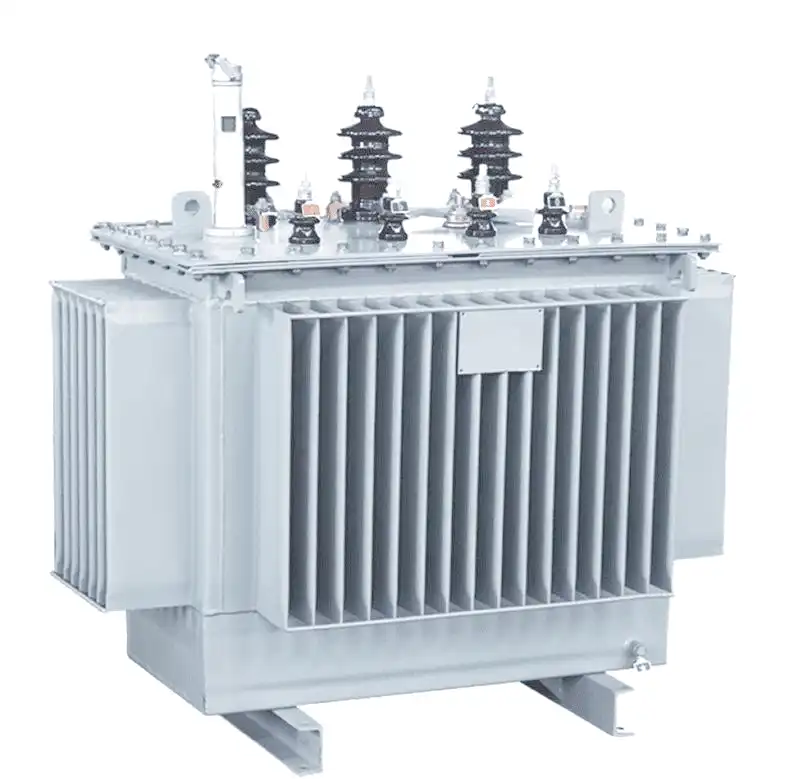
Large energy infrastructure projects need partnerships with Power Transformer Suppliers that go beyond just buying tools. These partnerships need to include technical work together, quality control, logistics coordination, and support throughout the product's lifetime. The right Power Transformer Supplier not only provides goods, but also skills like technical knowledge, manufacturing capacity, certification compliance, and service commitment that have a direct effect on how the project turns out. By looking at providers' quality, cost, shipping, and service all at once, you can be sure that they meet the needs of the project and your risk tolerance. As grid modernisation speeds up and more renewable energy is added, choosing the right Power Transformer Supplier becomes even more important for the performance and reliability of infrastructure.
Ask for copies of the most recent certifications, such as ISO 9001 quality management, IEC product certifications, and area certifications for your market, such as CE or UL. Use the certificate numbers to check these directly with the organisations that issued them and ask for current third-party test reports from well-known labs. When it's possible, do facility audits where you look over quality control procedures, testing equipment, and production records. To prove claims about performance, check examples from recent projects that were similar.
Standard catalogue transformers usually ship between 8 and 16 weeks, but this depends on how big and complicated they are. Total wait times go up to 12–24 weeks when custom designs are added. This is because building and getting special materials takes an extra 4–8 weeks. It could take 6 to 9 months for very large gearbox transformers or designs that are very specific. Bulk orders are given priority when it comes to ordering, but delays may happen if production capacity calls for sequential batching instead of parallel manufacturing.
Reputable Power Transformer Suppliers oversee the installation process to make sure that the right steps are taken during positioning, connection, and the first power-up. Many offer full commissioning services that include testing, making adjustments, and writing up information. Ongoing maintenance support can include anything from teaching customer teams how to do simple tasks to sending field service workers to do regular checks and diagnostic tests. Emergency reaction skills cut down on downtime when problems come up out of the blue.
Choosing a reliable Power Transformer Supplier is key to making sure that your energy infrastructure project meets its goals for performance, dependability, and cost. Lijie Electric has more than 40 years of engineering experience and can make more than 5 billion RMB a year. They provide transformer solutions that utilities, renewable energy developers, and industrial facilities on six continents trust. Our many certifications, such as ISO 9001:2015, IEC, CE, and UL, prove that we meet quality standards. Our 500,000-square-meter factory area also makes sure that we can meet the needs of big projects. Whether you need ultra-high-voltage transmission equipment, small distribution substations, or specialised industrial transformers, our engineering team works closely with you to make sure that the products work well and last a long time. Get in touch with lijieelectrical@gmail.com right away to talk about your project needs and get a detailed technical proposal that fits your infrastructure goals. Visit lijie-electrical.com to see all of our products and learn why top procurement teams choose Lijie Electric as their Power Transformer Supplier of choice.
1. IEEE Standards Association. (2019). IEEE Standard for General Requirements for Liquid-Immersed Distribution, Power, and Regulating Transformers. Institute of Electrical and Electronics Engineers.
2. International Electrotechnical Commission. (2021). Power Transformers - Part 1: General Requirements and Test Methods. IEC Standard Publication 60076-1.
3. U.S. Department of Energy. (2020). Energy Efficiency Standards for Distribution Transformers: Technical Support Document. Office of Energy Efficiency and Renewable Energy.
4. Electricity Advisory Committee. (2018). Transformers and Grid Resilience: Critical Infrastructure Challenges. U.S. Department of Energy Federal Advisory Committee Report.
5. Harlow, J.H. (2017). Electric Power Transformer Engineering: Third Edition. CRC Press, Taylor & Francis Group.
6. World Bank Group. (2021). Technical Standards for Power Sector Infrastructure: A Comparative Analysis of International Requirements. Energy Sector Management Assistance Program Technical Report.
YOU MAY LIKE




April 27, 2025
With a tight project schedule, the manufacturer delivered on time, and on-site technical personnel provided guidance throughout the entire installation and commissioning process; the collaboration was highly efficient and hassle-free.
July 2, 2025
During the preliminary phase, a selection plan was custom-tailored based on the actual site load requirements, resulting in a high degree of parameter compatibility. After-sales support responds within two hours, and ongoing technical support for operation and maintenance is comprehensive; we feel completely confident in a long-term partnership.
November 18, 2025
Deployed as a supporting component for a 35kV grid-connection project at a photovoltaic power station, the equipment operates for an average of 16 hours daily. It demonstrates excellent control over no-load losses, ensures smooth power generation and grid integration, and effectively reduces the station's overall energy consumption.
January 30, 2026
Under the continuous, high-load operating conditions of a factory production line, the equipment maintains stable electrical parameters and exhibits strong overload resistance, thereby guaranteeing an uninterrupted power supply for industrial production.
April 3, 2026
Integrated as a supporting component for a new energy photovoltaic grid-connection system, the manufacturer provided professional technical coordination and timely after-sales support, ensuring seamless adaptation to the specific electrical operating conditions required for grid integration.