April 27, 2025
With a tight project schedule, the manufacturer delivered on time, and on-site technical personnel provided guidance throughout the entire installation and commissioning process; the collaboration was highly efficient and hassle-free.
Aug 2, 2026
A Power Transformer Supplier serves as a specialized engineering and distribution partner, delivering high-voltage electromagnetic induction devices essential for efficient electrical energy transfer within utility infrastructures. These suppliers address critical challenges such as grid instability, long-distance transmission inefficiency, and renewable energy integration by providing transformers optimized for voltage transformation, low core losses, and extended operational lifespans. Through advanced design, rigorous certification compliance, and comprehensive after-sales support, trusted suppliers enable utilities, industrial facilities, and EPC contractors to maintain continuous uptime while controlling total cost of ownership across demanding application environments.
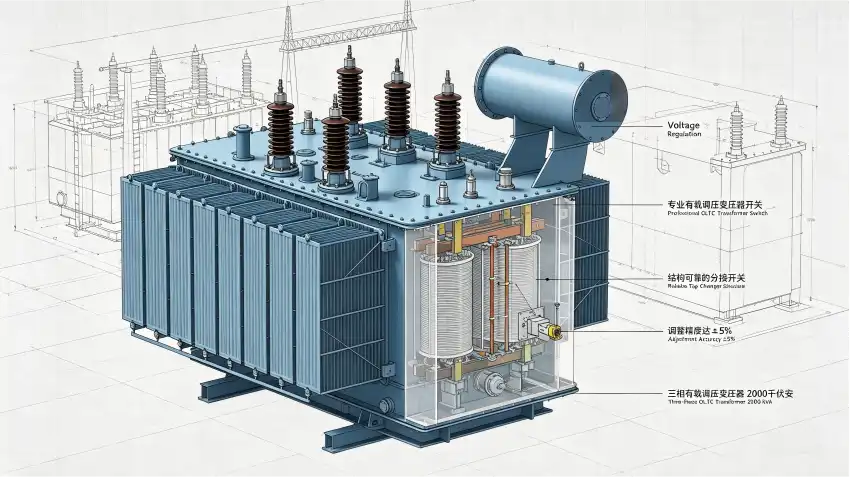
Many procurement professionals only look at producing capacity when they look at the energy delivery chain. They don't realise how important transformer supply partners are. We see these Power Transformer Suppliers as very important because they connect the raw materials that factories make with the complicated needs of today's utility infrastructures. Competent suppliers do more than just deliver equipment; they also offer technical advice, customisations that are made to fit specific needs, and logistical coordination that has a direct effect on the success rates of projects.
Manufacturers focus on production numbers and standard specs. Suppliers, on the other hand, add value by knowing about regional grid needs, problems with voltage control, and installation restrictions that are unique to each site. This difference is important because off-the-shelf options are rarely used in utility projects. Working with national grid operators and renewable energy developers has taught us that suppliers who put money into engineering support teams always do a better job on projects that need voltage levels from low-voltage units for distribution to very high-voltage systems with 500kV.
Professional suppliers keep technical teams that can look at load profiles, harmonic distortion levels, and environmental stressors that can affect how well a transformer works. During the planning process, these groups work with electrical experts to make sure that the standards are the best they can be in terms of stability and energy economy. This kind of consultation lowers the chance of specification mismatches, which can cause things to break down early or work less efficiently. Our engineering staff, which includes more than 160 professionals with advanced degrees, regularly helps clients choose the right core materials, insulating fluids, and cooling systems for their specific needs.
Utility purchase managers are always under pressure to keep costs low while also meeting standards for dependability. Suppliers who are qualified lower the risks of buying things by keeping qualifications like ISO 9001:2015, IEC compliance, CE marking, and UL titles that prove consistent manufacturing. They also give clear records of type testing, routine testing results, and quality control processes carried out at approved facilities. This framework for verification gives procurement teams peace of mind when making long-term framework agreements or working on large project orders that need consistent performance across hundreds of units.
In order to choose the right supply partner, you need to carefully look at many factors. Before committing to a supplier relationship, we suggest that procurement teams set up structured assessment frameworks that look at technical skills, delivery reliability, certification portfolios, and how quickly a Power Transformer Supplier can respond to service requests.
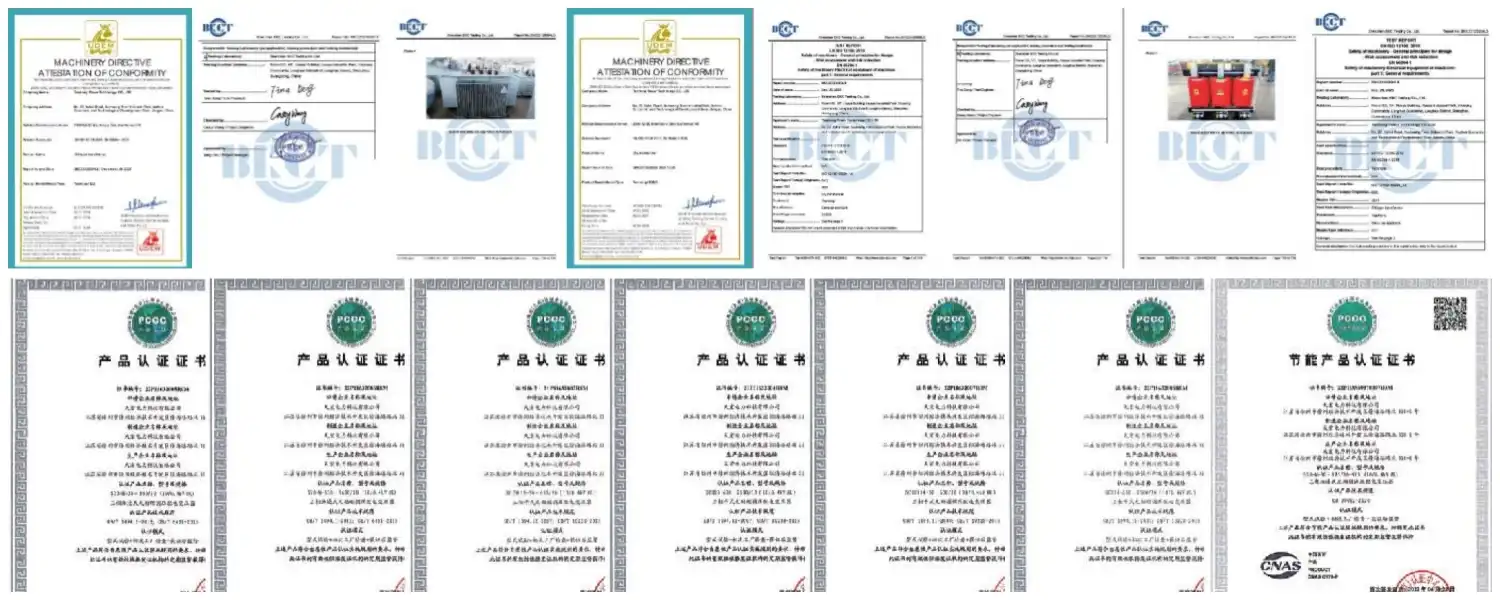
International certificates are one of the most important ways to screen people. IEC approval shows that a company follows internationally recognised technical standards for designing and testing transformers, while ISO 9001:2015 recognition shows that they have well-established quality management systems. The CE mark shows that it meets European safety standards, and the UL mark shows that it is safe for use in North American markets. Suppliers with these credentials have usually spent money on testing tools, process documentation, and third-party audits to make sure that the quality of their products is always the same. The National Transformer Quality Supervision and Inspection Center and the Wuhan High Voltage Research Institute test our transformers as part of these thorough certification frameworks.
For high-efficiency utility solutions to work, they often need special designs that take into account things like power levels, impedance values, cooling methods, or environmental protections. Check to see if potential sellers have their own research and development departments that can make changes without affecting supply times. When adding transformers to green energy systems, where inverter harmonics, load changes, and the need for a small size necessitate specific designs, technical flexibility is very useful. Suppliers with dedicated research and development centers that can make prototypes can quickly change designs, do thermal modelling, and use accelerated life testing to confirm performance.
Infrastructure projects have tight schedules, and delays in delivering transformers can lead to expensive schedule slips. Check out suppliers based on how much they can produce, how well they manage their inventory, and how often they've delivered on time in the past. Large projects that need dozens or hundreds of units benefit from suppliers who keep large manufacturing footprints. Our company runs two factories that cover a total area of 500,000 square meters. These factories allow for consistent batch production and extra capacity that keeps projects on schedule in case of unexpected demand spikes or supply problems with parts.
Transformers are investments that last for decades, and the costs of upkeep, spare parts, and expert troubleshooting all have a direct effect on the total cost of ownership over that time. Well-known providers write down their service routines, keep spare parts on hand, and send out field service engineers to help with setup and regular maintenance. We got GB/T 27922-2021 certification for our after-sales service systems, which means we have structured support processes that lower the risk of downtime and increase the life of our products by helping them last longer through preventive maintenance.
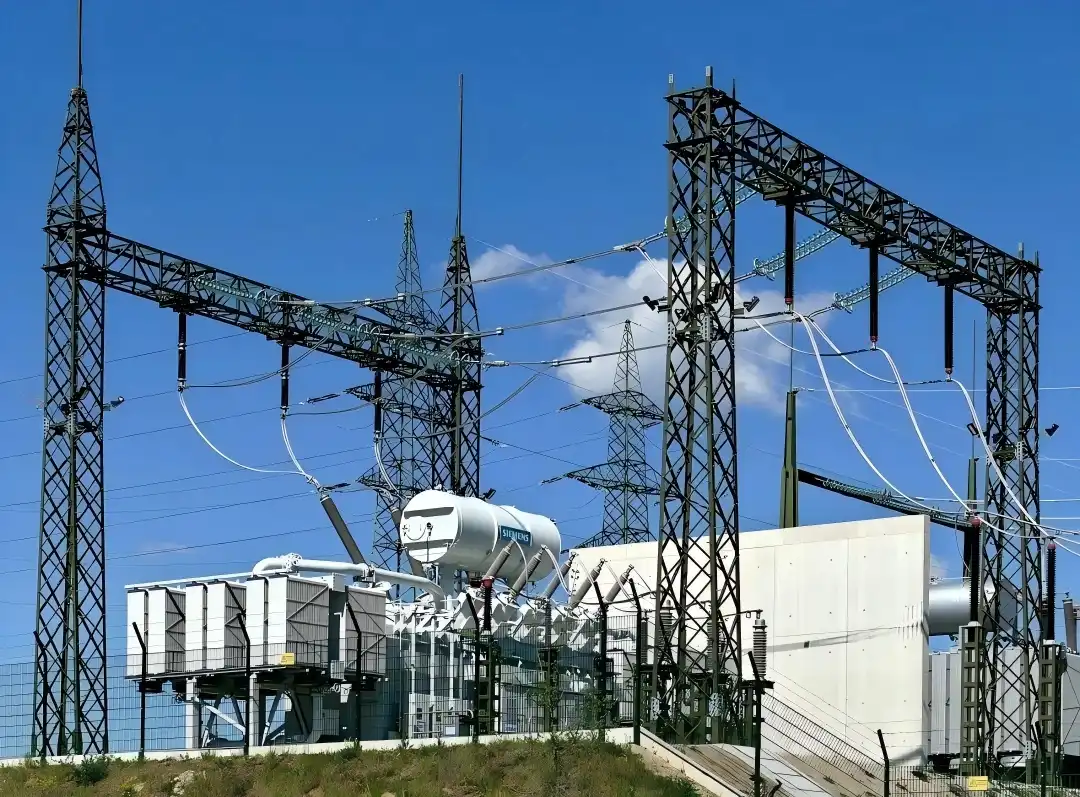
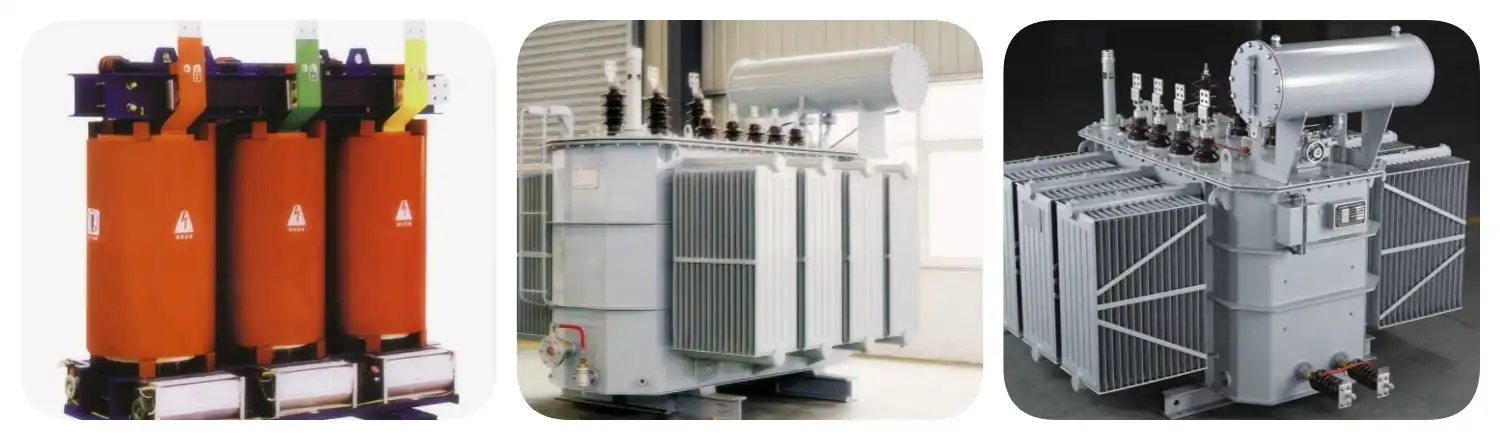
Different transformer technologies are used by modern utility systems. Each one is best for a certain purpose and efficiency goal. Knowing about these variations helps procurement teams match the skills of tools with the needs of operations and select the appropriate Power Transformer Supplier for their technology stack.
Transmission and primary distribution applications mostly use oil-immersed designs because they are better at keeping cool and resisting voltage breakdown. Mineral oil or synthetic ester fluids are used as both a cooler and an insulator in these units. This lets them be made small enough to be used in 110kV, 220kV, and 500kV systems. No-load losses are cut down by a lot with modern core materials like grain-oriented silicon steel. Utilities that run transmission networks use oil-immersed transformers because they have been proven to be reliable over 30 years of use. We can make products with any voltage level, including ultra-high-voltage units that are designed to be stable on the grid and have low loss rates, which directly lowers the cost of sending power across regional networks.
Dry designs use solid insulation systems that are made of epoxy resin or cast coils. This gets rid of the fire and environmental risks that come with using insulating fluids. These transformers work well in indoor locations, substations in cities, and places where strict environmental rules apply. In the past, dry-type units could only handle lower voltages. Now, they can handle up to 35kV and have efficiency ratings that are close to those of oil-immersed units. Renewable energy facilities often choose dry-type transformers for solar and wind farms that are hard to get to for upkeep and where fire safety worries drive site planning. Our dry-type line includes both air-natural and air-forced cooling options that are best for different load rates and altitudes.
When compared to regular silicon steel cores, amorphous metal cores are much more efficient, cutting no-load losses by 70–80%. These savings directly lead to lower energy use over many decades of operation. This makes amorphous transformers financially appealing, even though they cost more at first. Distribution utilities that are trying to meet strict efficiency standards are calling for more and more designs for both residential and commercial distribution networks. When there are long periods of low load, where no-load losses make up most of the transformer's energy use, the return on investment happens faster. We make amorphous metal units that get Tier 1 energy efficiency scores, which help utilities meet their goals to reduce carbon emissions and cut costs.
Specialised designs are needed for industrial uses, like electric furnace transformers that can handle very high current densities, rectifier transformers that provide DC output for electrochemical processes, and mine transformers that are made to work on the go and in difficult conditions. Each version has features that are specific to its use, like better ability to handle short-circuits, unique tap arrangements, or toughened housings. EPC contractors working on building projects overseas like it when sellers offer full lines of specialised products that make it easier to source goods while following the same quality standards and coordinating deliveries.
There are both well-known multinational companies and specialised regional makers that make transformers around the world. Each has its own benefits that depend on the needs of the project and the goals of the Power Transformer Suppliers involved in the bidding process.
Companies like ABB, Siemens, GE, and Schneider Electric have large global presences thanks to their standardised product bases and vast service networks. These groups usually work on large-scale projects for utilities that need to be coordinated across multiple countries and have complex guarantee systems. Their prices are based on name fees and the costs of doing business around the world. Regional providers like Lijie Electric Technology Group offer competitive options by mixing high-level technical know-how with quick customisation and reasonable prices for projects that want to maximise value without lowering quality standards.
More and more, choices about what to buy are based on total lifetime costs instead of just the initial purchase price. Lower no-load and load losses, which build up over decades of service, directly affect running costs when energy economy is high. Maintenance costs and substitute risks are affected by how reliable something is. Value comparisons can be done accurately if suppliers show clear price systems that break down base costs, efficiency premiums, customisation fees, and guarantee terms. Our business strategy focuses on lifecycle value by creating designs that are as efficient as possible and offering full service packages that cut down on unexpected costs throughout the life of the product.
For big infrastructure projects, delivery schedules need to be coordinated so that transformers arrive at the right time for construction milestones. Check out providers based on how well they can handle batch production, transportation partnerships, and strategies for keeping inventory on hand. For projects that involve more than one substation, it's best to work with suppliers who can keep specifications the same across multiple production runs while also being able to make reasonable schedule changes. Our factories can make enough to support sales of more than 5 billion RMB every year, so they can handle big framework deals while still being able to adapt to the needs of individual projects.
As part of the due research process for buying something, references should be checked with current customers who use similar apps. Industry honours like "National High-Tech Enterprise" status, provincial quality awards, and "Specialised, Refined, and New 'Little Giant'" status show that the company consistently performs well and invests in new ideas. Over the past few decades, we've successfully deployed our services in both local and foreign markets, such as Australia, Southeast Asia, Central Asia, and Africa. This shows that we can work in a wide range of regulatory and operational environments.
Structured processes are needed for efficient procurement, which include creating technical specifications, evaluating Power Transformer Suppliers, negotiating contracts, and coordinating deliveries.
Requests for quotations that work give suppliers all the technical information they need, such as voltage levels, capacity ratings, impedance needs, cooling methods, environmental conditions, testing standards, and certification needs. Include information specific to the spot, like its height, temperature ranges, seismic zones, and any traffic issues that might affect the size limits. Clear specifications make it possible to compare quotes accurately and cut down on quote variations. Our sales teams often help customers improve specifications to get the best performance while keeping costs low by making value engineering suggestions based on a lot of experience with real-world applications.
Long-term relationships with suppliers are good for both parties because they guarantee volume, keep prices stable, and help with planning capacity. Framework agreements that set minimum requirements for specifications, pricing, delivery protocols, and performance guarantees keep project portfolios stable over a number of years. Include rules about how to make changes to the design, get extra parts, get help from technical support, and file a guarantee claim. Our dedication to contract integrity, which has been recognised with awards at the local level, guarantees open execution and teamwork in fixing problems throughout the agreement's terms.
Depending on the voltage class, the level of customisation, and the status of the production queue, making a standard transformer usually takes eight to sixteen weeks. Designs with very high voltage and other special features may last twenty weeks or longer. Make sure that your procurement schedules are accurate, and keep in touch with your suppliers on a daily basis about output goals. Coordinate shipping methods based on their size limitations. For smaller units, containerised transport is an option. For big transformers, break-bulk shipping is an option. For faraway project sites, multimodal solutions are available. To keep site delays to a minimum, our logistics planning teams handle export paperwork, shipping insurance, and delivery schedules.
Different regulatory frameworks, grid codes, and import certification requirements must be taken into account in international projects. Hire suppliers who have experience in the markets you want to reach, hold the right certifications, and know how to follow local rules. Check to see if the proposed transformers meet standards like IEEE, IEC, ANSI, or local requirements. Ask for certified test results, material certifications, and quality records to back up your regulatory applications. Our wide range of certifications, which includes IEC, CE, and UL badges, makes it easier to get projects approved internationally and makes sure that all of our equipment meets strict safety and performance standards.
Choosing the right Power Transformer Supplier has a big effect on how well a utility system works, how reliable it is, and how much it costs over its whole time. Procurement teams set their companies up for long-term infrastructure success by giving priority to suppliers with strong technical skills, full certifications, track records of on-time delivery, and flexible service frameworks. Lijie Electric Technology Group shows these traits by having advanced production facilities, a lot of technical resources, a portfolio of international certifications, and a clear dedication to customer success in a wide range of global markets. Our unified approach includes designs that are optimised for efficiency, adjustable customisation, and full after-sales support. This covers all utility transformer needs, from distribution networks to ultra-high-voltage transmission systems.
Reliable Power Transformer Suppliers with a good reputation have ISO 9001:2015 quality management certification, which shows that they have frameworks for systematic process controls and continuous improvement. IEC compliance means that the design, testing, and performance of the transformers are in line with international technical standards. UL certification shows that the product is safe for use in North America, while CE marking shows that it meets European safety standards. More certifications back up claims of quality, stability, and performance even more.
Guarantees of efficiency come from testing methods that have been checked and are done at approved sites. Suppliers should give official test results that show no-load losses, load losses, and estimates of efficiency at certain load points. Core materials, conductor sizes, and the designs of cooling systems all have a direct effect on how efficient something works. Reliable providers use type testing to make sure designs are correct and routine testing to make sure output units work as expected. They keep records of all tests so that they can be used for warranty claims and to meet regulatory requirements.
Lengths of time needed for production depend on how complicated the customisation is, how long it takes to get materials, and how long the testing process takes. Standard designs with well-established supply lines tend to ship faster than specialised units that need unique parts. The length of time needed to make something depends on the voltage class. For example, making and checking ultra-high-voltage transformers takes longer. Geographic issues, the need for export paperwork, and the choice of shipping method all affect the total delivery time from placing an order to arriving at the site.
Lijie Electric Technology Group stands ready to support your utility infrastructure projects by providing high-efficiency transformer solutions that are built to last and save you money. As a leading Power Transformer Supplier, our Xuzhou and Nantong factories, which cover 500,000 square meters, make a wide range of products, from distribution transformers to 500kV ultra-high-voltage systems. Our quality systems are certified by ISO 9001:2015, IEC, CE, and UL, which are the strictest worldwide standards. Over 160 engineering professionals offer technical advice, help with customisation, and application engineering that makes specifications work best for your needs. You can email us at lijieelectrical@gmail.com to talk about your project needs, get competitive quotes, or ask for full technical specs. Find out how our advanced technology, track record of reliability, and quick service can turn buying transformers into a strategic advantage for your energy operations.
1. IEEE Standards Association. (2020). IEEE C57.12.00-2015: Standard for General Requirements for Liquid-Immersed Distribution, Power, and Regulating Transformers. Institute of Electrical and Electronics Engineers.
2. International Electrotechnical Commission. (2018). IEC 60076-1: Power Transformers – Part 1: General Requirements. IEC Central Office, Geneva.
3. National Institute of Standards and Technology. (2019). Energy Efficiency Standards for Distribution Transformers: Technical Analysis and Compliance Framework. U.S. Department of Energy.
4. Kulkarni, S. V., & Khaparde, S. A. (2017). Transformer Engineering: Design, Technology, and Diagnostics (Second Edition). CRC Press, Boca Raton.
5. Heathcote, M. J. (2019). J & P Transformer Book: A Practical Technology of the Power Transformer (Fourteenth Edition). Elsevier Science & Technology, Oxford.
6. American National Standards Institute. (2021). ANSI C57.12.01-2020: Standard for General Requirements for Dry-Type Distribution and Power Transformers. National Electrical Manufacturers Association, Rosslyn.
YOU MAY LIKE





April 27, 2025
With a tight project schedule, the manufacturer delivered on time, and on-site technical personnel provided guidance throughout the entire installation and commissioning process; the collaboration was highly efficient and hassle-free.
July 2, 2025
During the preliminary phase, a selection plan was custom-tailored based on the actual site load requirements, resulting in a high degree of parameter compatibility. After-sales support responds within two hours, and ongoing technical support for operation and maintenance is comprehensive; we feel completely confident in a long-term partnership.
November 18, 2025
Deployed as a supporting component for a 35kV grid-connection project at a photovoltaic power station, the equipment operates for an average of 16 hours daily. It demonstrates excellent control over no-load losses, ensures smooth power generation and grid integration, and effectively reduces the station's overall energy consumption.
January 30, 2026
Under the continuous, high-load operating conditions of a factory production line, the equipment maintains stable electrical parameters and exhibits strong overload resistance, thereby guaranteeing an uninterrupted power supply for industrial production.
April 3, 2026
Integrated as a supporting component for a new energy photovoltaic grid-connection system, the manufacturer provided professional technical coordination and timely after-sales support, ensuring seamless adaptation to the specific electrical operating conditions required for grid integration.