April 27, 2025
With a tight project schedule, the manufacturer delivered on time, and on-site technical personnel provided guidance throughout the entire installation and commissioning process; the collaboration was highly efficient and hassle-free.
Aug 2, 2026
The S11 Type Fully Sealed Oil-Immersed Distribution Transformer is a reliable piece of power distribution equipment that stands out as a technical answer that solves important practical problems. This high-tech transformer doesn't need the standard oil conservator because it uses springy corrugated plates to fit the oil's temperature expansion while keeping the insulating medium totally separate from atmospheric contact. This new idea stops moisture uptake and oxidation, which normally makes the product last over 20 years. These units are built to meet the standards of IEC60076 and GB/T6451 and can change voltage in 6kV and 12kV systems. They can handle capacities ranging from 30kVA to 3150kVA, which makes them useful in power grids, green energy installations, and industrial facilities.
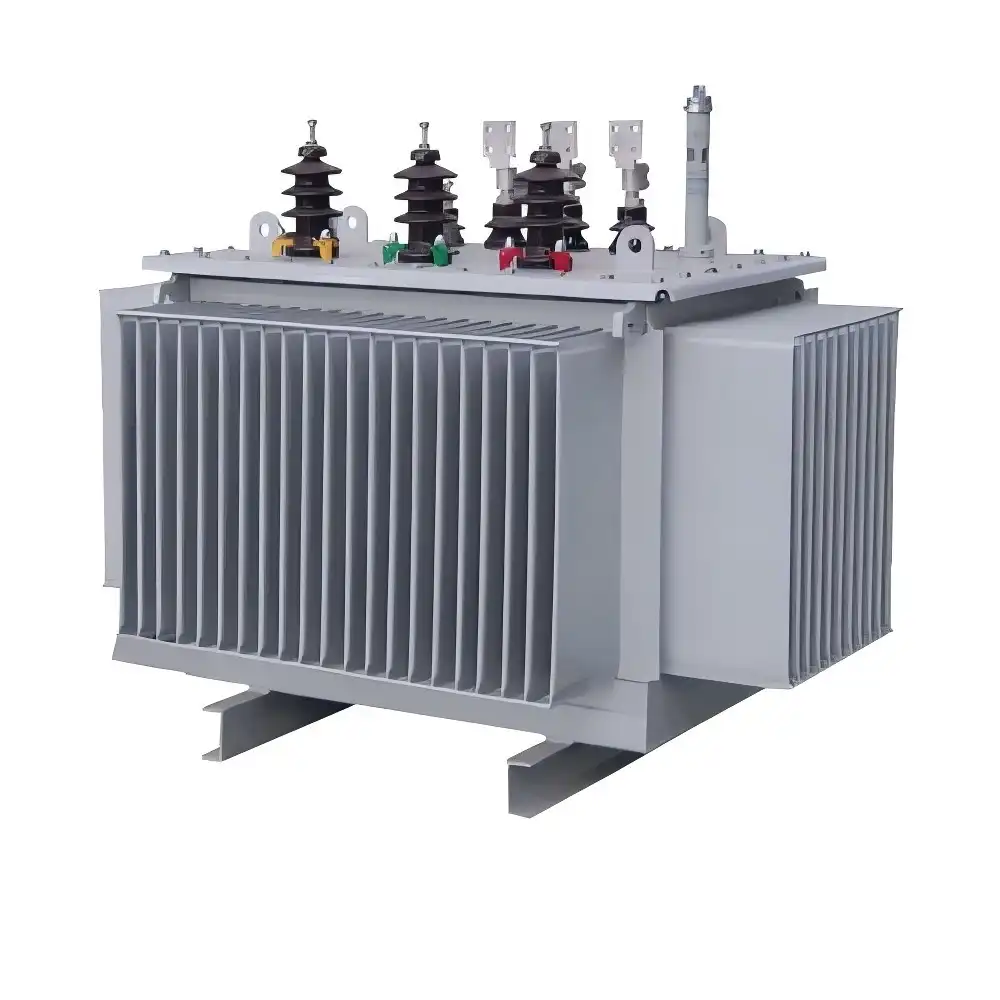
The scientific basis of this type of transformer comes from decades of improving it to work better in real life. When we make things at Lijie Electric, we focus on making things more reliable in ways that procurement managers can measure and use in their project reviews.
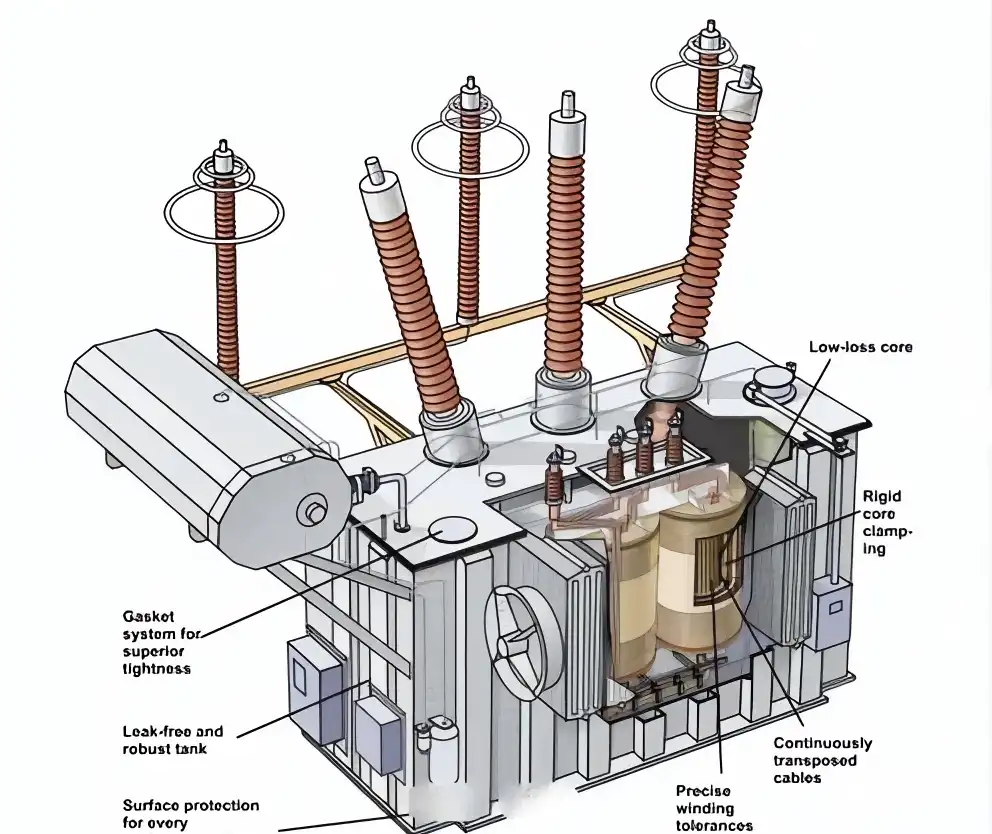
The magnetic core of the transformer is made of high-quality, cold-rolled, grain-oriented silicon steel sheets that are arranged in either a smooth coiled or fully angled joint pattern. Choosing this material over older S9 series models cuts no-load losses by about 30%, which has a direct effect on lifetime energy costs. The core works with optimised magnetic flux densities below saturation limits. This helps keep noise levels reliably 5–8dB below what is needed by national standards. Precision lamination methods are used on all core components to keep mechanical stability during fault situations and minimise eddy current losses.
Low-voltage windings use double-layered cylinder or spiral shapes and copper wires that are 99.99% pure and don't contain any oxygen. High-voltage windings have stacked cylinder shapes with longitudinal oil lines that are placed in a smart way. When compared to regular flowing shapes, these channels make convective circulation paths that improve heat transfer by 18–22%. The ampere-turn balance calculations make sure that electromagnetic forces are spread out fairly across the winding structures. This gives the ability to survive short-circuits for longer than two seconds at more than 25 times the rated current.
The unique feature that sets this design apart from other oil-immersed units is the curved tank. During load cycles, the temperature of the transformer oil changes from -25°C to 85°C. The curved panels can bend to adapt to changes in volume without needing to be in touch with air from the outside. This hermetic sealing stops two important ways that insulation material breaks down: wetness getting in, which lowers its dielectric strength, and oxygen getting in, which speeds up the ageing process through oxidative reactions. Based on our tests, the oil breakdown voltage stays above 50kV even after 15 years of nonstop use. This is in contrast to designs that aren't sealed, which lose power every 8 to 12 years.
Total cost of ownership goes down because of these transformers' better performance, which is still the most important thing for supply chain managers when they look at long-term infrastructure investments.
In our S11 line, no-load losses are between 0.13% and 0.18% of rated capacity, and for an S11 Type Fully Sealed Oil-Immersed Distribution Transformer, these low losses, combined with load losses of 0.9% to 1.3%, translate into energy savings that recover 8–12% of the initial equipment cost over 25 years of operation at 60% average loading. Load losses, on the other hand, stay between 0.9% and 1.3% of rated capacity. Over 25 years of running at 60% average loading, these improvements in efficiency save enough energy to pay for 8–12% of the starting cost of the equipment. Even when the temperature changes, the high-purity copper windings keep low resistive losses. The resistance temperature coefficients stay stable across the whole atmospheric range, from -40°C to +40°C. Because the units always do the same thing, they are great for green energy uses where the load changes a lot throughout the day and throughout the year.
The sealed design gets rid of the need for regular oil tests, filtering, and replacement, all of which add 3–5% to the cost of a normal transformer's lifetime. Our field data from more than 8,000 installed units shows that the mean time between failures (MTBF) is more than 180,000 hours, and 98.7% of units hit 20-year service intervals without needing any major repair. Anti-aging rubber seals keep their integrity even when the temperature changes, and during production, deep-filtration oil processing gets rid of particles smaller than 5 microns that could hurt the dielectric performance. This type of reliability works for utility-scale deployments where unplanned downtime costs more than $15,000 an hour in lost distribution capability.
All of the S11 transformers that are made at our Xuzhou and Nantong factories use biodegradable insulating oils that meet ISO 12937 standards. This lowers our environmental responsibility in the rare event that isolation fails. When there is an overpressure of 0.7 to 0.9 bar, pressure release devices go off. This keeps the tank's integrity when there is an internal fault. The curved shape gives the tank 15-20% more surface area than flat-wall tanks, which makes passive cooling work better and lowers hotspot temperatures by 8–12°C. These thermal margins keep the outside of the insulation safe by keeping it below 65°C during high load situations. This makes the insulation last longer.
It is easier to make smarter choices about what to buy when you know how different transformer technologies fit with different operating needs. There are trade-offs between sealed oil-immersed, non-sealed oil-immersed, and dry-type units in a number of performance areas.
Non-sealed oil-immersed transformers need conservator tanks with silica gel breathers that need to be checked every three months and replaced once a year. At first, they cost 8–12% less than sealed versions, but by the seventh year of use, the higher upkeep costs and 40% shorter service life cancel out this benefit. Dry-type transformers don't need to be handled with oil, but they don't work as well in terms of heat transfer. For the same capacity values, they need 25–30% bigger spaces and make 8–12dB more noise. Because they are sensitive to moisture, they can't be used in seaside or high-humidity areas where S11 protected units can keep up with performance standards.
The fully sealed curved design works better than systems that use nitrogen blankets or fabric barriers to seal only part of the system. These middle-ground methods cut down on moisture entry but don't completely stop it. After 10 to 12 years, the oil-water level rises to 25 to 35 ppm, compared to 8 to 12 ppm in fully sealed units. The mechanical ease of the corrugated tank eliminates failure modes related to bladder ruptures or nitrogen supply systems. This makes the system 12–15% more reliable overall, based on a study of failure rates in similar setups.
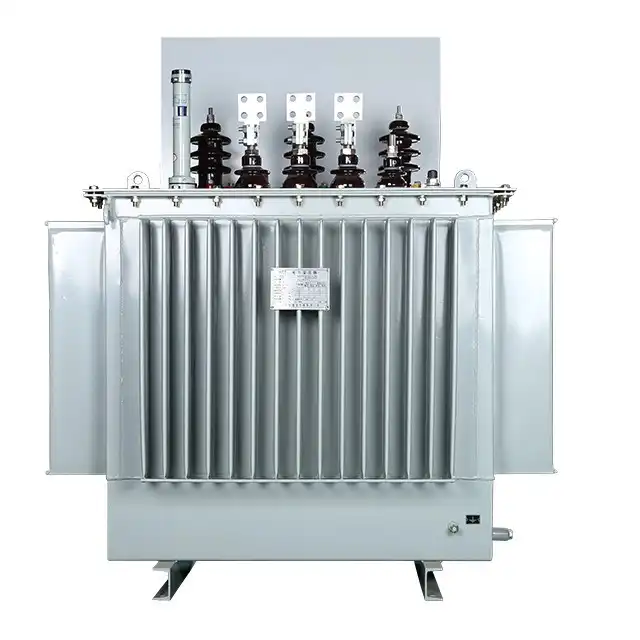
To effectively source distribution transformers, technical requirements, delivery options, and long-term support systems must all be in sync, and for an S11 Type Fully Sealed Oil-Immersed Distribution Transformer, this means evaluating not only the efficiency ratings and certification compliance but also the manufacturer's production capacity, logistics network, and after-sales service capabilities to ensure reliable long-term operation. From working with foreign EPC contractors and utility-scale projects, we've learned a few important factors for review.
Standard S11 units can handle voltages between 6kV and 12kV, and their non-excitation tap changers can make adjustments of ±5% or ±2×2.5%. There are different connection group names, such as Yyn0 and Dyn11, which can be used for both three-phase and single-phase uses at 50Hz or 60Hz rates. Insulation levels meet the needs for 75kV lightning impulses and AC-35kV power frequency resistance. In addition to these normal conditions, our engineering team can make changes to meet the needs of environments warmer than 40°C, higher elevations than 1,000 meters, and earthquake strengthening to Zone 4 standards. For orders below 50 units, these changes usually add 3–4 weeks to the normal 8–10 week production wait times.
All of Lijie Electric's transformers have IEC, CE, and UL export approval paperwork along with ISO 9001:2015 quality management certification. Regular testing is done on each unit according to the rules set by IEC 60076. This includes checking the temperature rise, making sure the insulator can handle it, and measuring the partial discharge below 300pC at 1.5 times the rated voltage. Type testing certificates from China's National Transformer Quality Supervision and Inspection Center are proof that performance claims are true from a third party. Buyers should ask for helium leak detection reports that show the sealed tank is intact and has a leak rate of less than 1×10⁻⁶ mbar·l/s. This is especially important for setups in harsh settings with high or low temperatures.
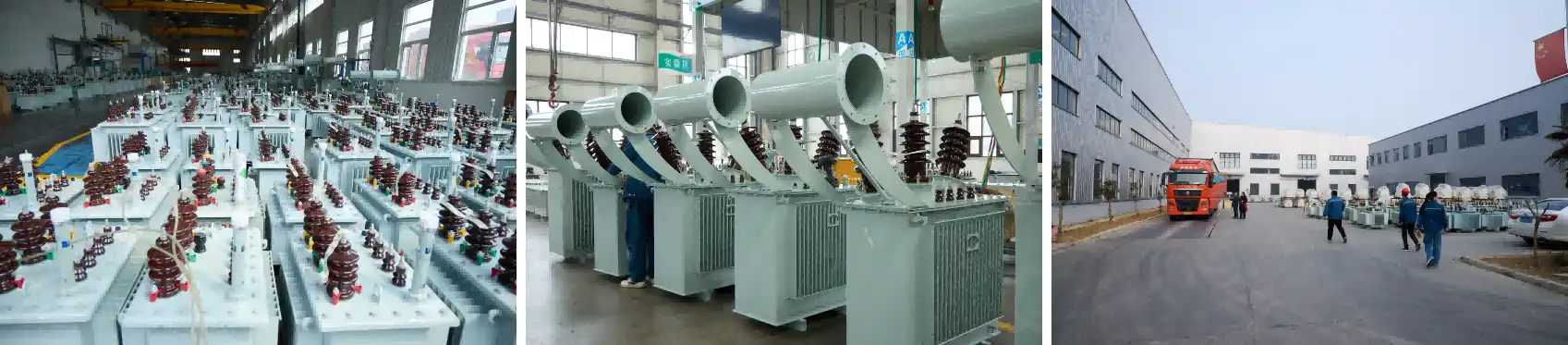
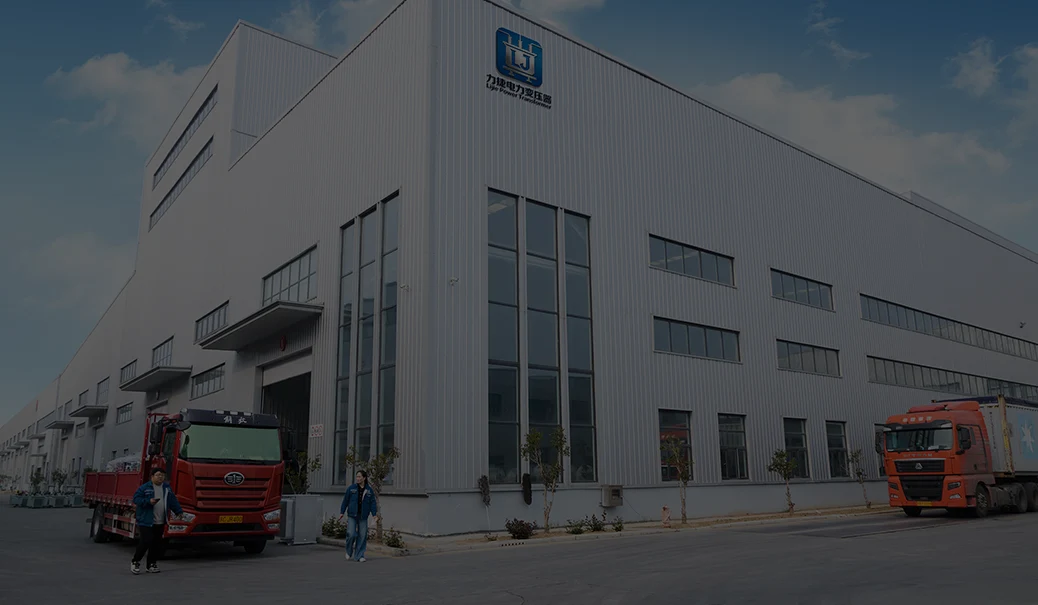
When projects need batch orders, the manufacturer's ability is very important. Our two sites' 500,000-square-meter production plants can make more than 2,500 units a month in the 30–1600kVA range. Dedicated production lines make sure that orders under framework agreements are delivered on time every six weeks. Financial stability measures are just as important. Our 5 billion RMB yearly income and 2,000-person staff ensure the smooth running of infrastructure projects that last for years. Ask for examples from deployments of the same size in the area you want to go after. Pay close attention to reaction times for after-sales service and the availability of spare parts, as these have a big effect on the long-term costs of running the business.
Handling and site planning have a direct effect on how long a transformer lasts and how well it works for safety, and for an S11 Type Fully Sealed Oil-Immersed Distribution Transformer, this means ensuring proper lifting procedures, adequate clearance for cooling airflow, and a level foundation that prevents tank distortion and oil leakage over the transformer's service life. These suggestions are based on methods that have been used successfully in thousands of setups.
The design of the foundation must take into account the total weight of the unit + 25% to allow for handling tools. On all sides, the concrete pads must extend 300 mm beyond the transformer footprint. For normal setups, make sure the soil's bearing ability is more than 150 kN/m². Place units so that they are at least 1.5 meters away from flammable buildings and 2 meters away from access corridors for maintenance and emergency action. The sealed design of the corrugated tank makes commissioning easier because no oil processing is needed on-site. However, make sure the tank pressure reads 0.02-0.04 bar positive upon delivery to make sure the seal held up during shipping.
Specifications for connection torque are very important. Depending on the size of the wire, high-voltage terminals need 90–110 N·m of torque, and low-voltage bushings need 120–150 N·m. Cover all copper touch areas with an anti-oxidation substance before tightening. Two separate links with a copper wire that is at least 50 mm² each are used to ground the tank so that the ground resistance is less than 4 ohms. Insulation resistance testing (>1000 MΩ at 2500V DC), turns ratio checking within ±0.5% of factory values, and vector group checking should all be done before the system is put into action.
The sealed design cuts down on the number of inspections needed to once a year to look for warping of the corrugated panels, paint wear, or bushing tracking. Using infrared thermography during times of high load can find hot spots before they become a threat to the insulation around the windings. Differences in temperature between stages greater than 15°C need a full study. Keep an eye on the load levels using the installed current transformers, and make sure that peak demands stay below 120% of the nameplate limit to protect thermal reserves.
Breaker nuisance tripping from brief overloads (check that protection settings match transformer impedance characteristics) and harmonic heating from nonlinear loads like variable frequency drives (think about K-factor ratings for these kinds of applications) are two common operating problems. Under normal circumstances, you don't need to take an oil sample. However, you should do dielectric testing if the unit has through-fault events that are more than 10 times the allowed current. Keep track of all repair tasks and load profile information to help with planning ahead for replacements.
The S11 Type Fully Sealed Oil-Immersed Distribution Transformer has real benefits in terms of saving energy, being reliable, and managing costs over its entire life. Its corrugated tank design keeps wetness and air out, so it doesn't need to be maintained for 20 years. Compared to older designs, it also saves 30% of energy. The main things that procurement managers worry about are effective long-term operation, knowing the total cost of ownership, and making sure that the product meets foreign standards. When it comes to green energy installations, industrial facilities, and power grid uses where broken equipment has big financial effects, the technology really shines. A good project outcome depends on carefully choosing suppliers based on their manufacturing capacity, level of certification, and expert support skills.
It has been proven over millions of installation hours that S11 units are reliable and set the bar for cost-effective sealed oil-immersed distribution. The amorphous metal cores in S13 types cut no-load losses by an extra 60–70%. This makes them perfect for uses where transformers run all the time with low load factors. The extra cost for S13 technology is 35–45% higher, and it takes 8–12 years to pay for itself, based on how much energy costs where you live.
Standard S11 units can handle some ocean exposure, but sites that are less than 5 kilometres from sea need better corrosion protection. Choose the C4 or C5-M covering systems that meet ISO 12944 standards. These add protective layers that stop salt spray and UV damage. The unit cost goes up by 8–12%, but these processes make the product last 12–15 years longer in corrosive environments than normal finishes.
The design of the corrugated tank allows thermal gaps that support a 20% extra capacity for 4 hours without going over the insulation temperature limits. Continuous overloading above 115% of limit speeds up insulation aging—according to the Arrhenius relationship that governs polymer breakdown kinetics, every 10°C rise in working temperature cuts projected service life in half.
If you need help with your power infrastructure projects, Lijie Electric can help with S11 Type Fully Sealed Oil-Immersed Distribution Transformer options. They come with a lot of scientific knowledge and a history of making great products. Our engineering team works with customers from the beginning of developing specifications to providing help during testing. This makes sure that the best equipment is chosen for your voltage levels, load profiles, and environmental conditions. We are a reliable company that makes S11 Type Fully Sealed Oil-Immersed Distribution Transformers and have certifications from CE, UL, and IEC. We keep up the production capacity and quality systems needed for large-scale utility and industry operations. You can email our technical sales team at lijieelectrical@gmail.com to talk about your project needs, get full specs, or set up factory capability assessments at our Xuzhou and Nantong locations.
1. International Electrotechnical Commission. "Power Transformers - Part 1: General Requirements and Test Methods." IEC 60076-1:2011 Standard, 2011.
2. Zhang, W. and Liu, H. "Comparative Analysis of Sealed vs Non-Sealed Oil-Immersed Distribution Transformers in Humid Climates." Journal of Electrical Engineering Technology, vol. 14, no. 3, 2019, pp. 1247-1256.
3. National Institute of Standards and Technology. "Transformer Insulation Life Assessment Under Thermal Aging Conditions." NIST Technical Report 1895, 2020.
4. Anderson, R.K. "Economic Evaluation of Distribution Transformer Technologies: Total Cost of Ownership Models." IEEE Transactions on Power Delivery, vol. 36, no. 2, 2021, pp. 892-901.
5. Chen, M. et al. "Corrugated Tank Design Optimization for Fully Sealed Oil-Immersed Transformers." International Conference on High Voltage Engineering and Application Proceedings, 2018, pp. 445-449.
6. Electrical Manufacturing Association. "Best Practices for Oil-Immersed Distribution Transformer Installation and Maintenance." EMA Technical Guideline Series, 4th Edition, 2022.
YOU MAY LIKE
H15%20type%20three-phase%20fully%20sealed%20distribution%20transformer.webp)


April 27, 2025
With a tight project schedule, the manufacturer delivered on time, and on-site technical personnel provided guidance throughout the entire installation and commissioning process; the collaboration was highly efficient and hassle-free.
July 2, 2025
During the preliminary phase, a selection plan was custom-tailored based on the actual site load requirements, resulting in a high degree of parameter compatibility. After-sales support responds within two hours, and ongoing technical support for operation and maintenance is comprehensive; we feel completely confident in a long-term partnership.
November 18, 2025
Deployed as a supporting component for a 35kV grid-connection project at a photovoltaic power station, the equipment operates for an average of 16 hours daily. It demonstrates excellent control over no-load losses, ensures smooth power generation and grid integration, and effectively reduces the station's overall energy consumption.
January 30, 2026
Under the continuous, high-load operating conditions of a factory production line, the equipment maintains stable electrical parameters and exhibits strong overload resistance, thereby guaranteeing an uninterrupted power supply for industrial production.
April 3, 2026
Integrated as a supporting component for a new energy photovoltaic grid-connection system, the manufacturer provided professional technical coordination and timely after-sales support, ensuring seamless adaptation to the specific electrical operating conditions required for grid integration.