April 27, 2025
With a tight project schedule, the manufacturer delivered on time, and on-site technical personnel provided guidance throughout the entire installation and commissioning process; the collaboration was highly efficient and hassle-free.
Aug 3, 2026
When selecting a Distribution Transformer Supplier, buyers should evaluate certifications, manufacturing capacity, delivery reliability, customization capabilities, and after-sales support. The supplier's ability to meet international standards—such as ISO 9001, IEC, and UL—directly influences operational safety and project compliance. Beyond technical specifications, a dependable supplier offers transparent pricing, scalable production for large-scale orders, and responsive technical assistance that supports long-term partnerships. These factors collectively determine whether your procurement investment translates into consistent performance, reduced total cost of ownership, and seamless project execution.
Supply chain professionals, electrical engineers, and procurement managers all know how important it is to choose the right power equipment partner for infrastructure projects. Whether you're in charge of a green energy installation, improving an industrial facility, or helping to modernise the power grid, the dependability of your transformer supplier affects everything from the initial prices to how well the transformer works for decades. This complete guide walks you through the most important strategic factors to think about when analysing possible partners. This will help you make smart choices that improve business excellence and supply chain resilience.
In the past ten years, as renewable energy and smart grids have become more popular, so has the need for energy-efficient transformers. It says that the U.S. According to the Energy Information Administration, the amount of electricity generated by renewable sources has grown by almost 40% since 2010. This has made it necessary to develop more advanced transformer technology. Buyers now have to deal with a complicated world where project goals, technical requirements, and service capabilities all have to be perfectly in line with each other. To get a relationship that provides value throughout the equipment lifecycle, you need to know how to evaluate a supplier's qualifications, production capacity, and support systems.
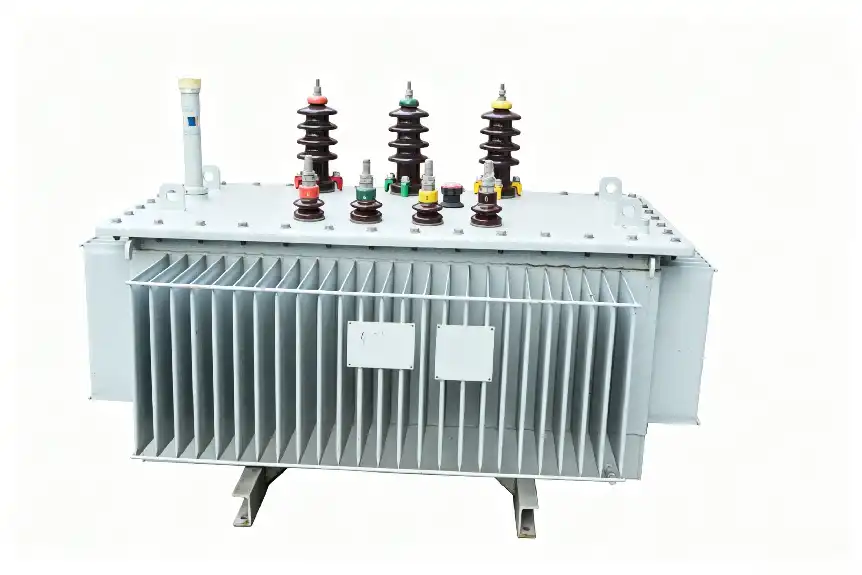
A Distribution Transformer Supplier does a lot more than just sell goods. These partners offer design advice, technical help during installation, and ongoing maintenance support, all of which have a direct effect on how well and how often the system works. The supplier's knowledge affects the outcome of the project, whether you need pole-mounted units for overhead distribution, pad-mounted transformers for underground use, or special dry-type models for indoor installations. Their job includes making changes based on the voltage needs of the place, the surroundings, and the traits of the load.
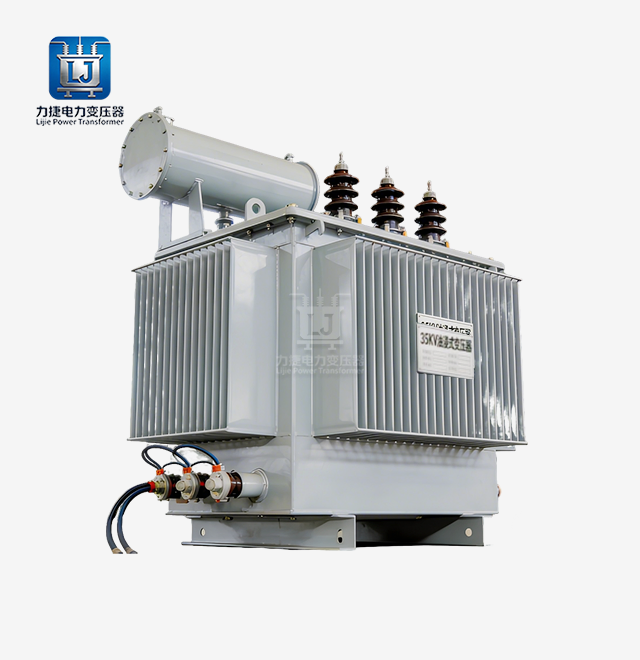
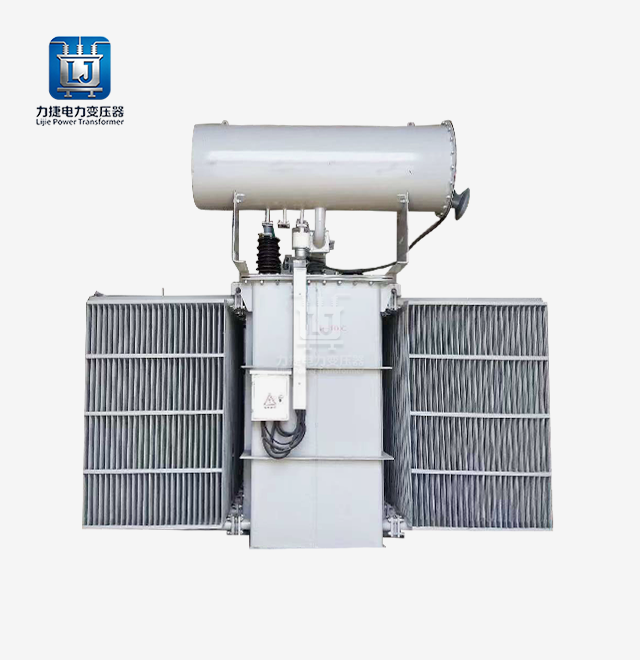
Modern suppliers offer a range of transformer types to meet the needs of a wide range of applications. Because they cool better and can handle more power, liquid-filled transformers are still the standard for outdoor utility applications. Dry-type transformers work well in places where fire safety and the environment are important, like commercial buildings and data centers. Pad-mounted units meet the needs of urban infrastructure where underground cabling requires small, safe enclosures. Understanding these differences helps buyers make their needs clear and decide if a supplier's portfolio fits the needs of the project.
Professional providers offer installation help, operational support, and training programs that make sure the system works right from the start. They offer preventative maintenance, diagnostic tests, and emergency repairs that make technology last longer and reduce downtime. With this all-around approach, the connection with the seller goes from being a one-time deal to a long-term agreement that supports operating success for 20 to 30 years.
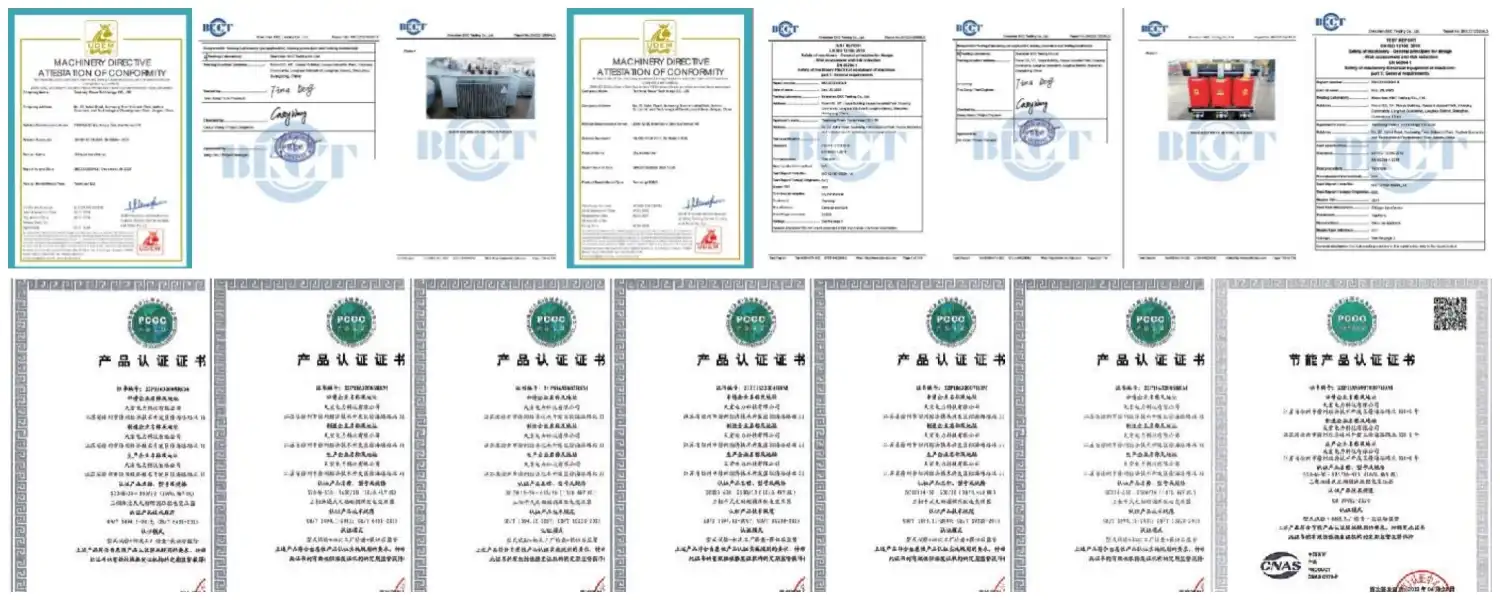
It is necessary to make sure that a supplier has valid quality standards. IEC standards make sure that products meet international safety and performance standards for electrical equipment, and ISO 9001:2015 certification shows that quality management processes are organised. For projects in North America, UL approval is especially important because it makes sure that strict electricity safety rules are followed. With these qualifications, you can be sure that the manufacturing process is regularly checked and that the goods meet written performance standards.
Suppliers who are solid are set apart from those who aren't by strict testing methods. Look for partners whose products have been tested regularly, by type, and in special ways at approved labs like the National Transformer Quality Supervision and Inspection Center or similar places that are recognised by IEEE and ANSI. Ask possible suppliers about the quality control steps they take during production, such as testing the resistance to insulation, the rise in temperature, and the amount of partial discharge. These habits are directly linked to long-term dependability and lower failure rates.
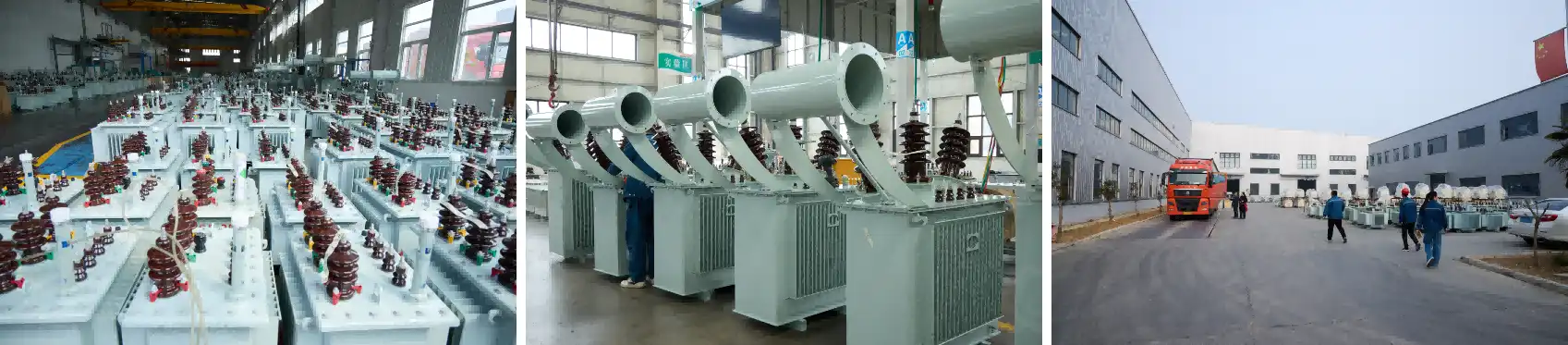
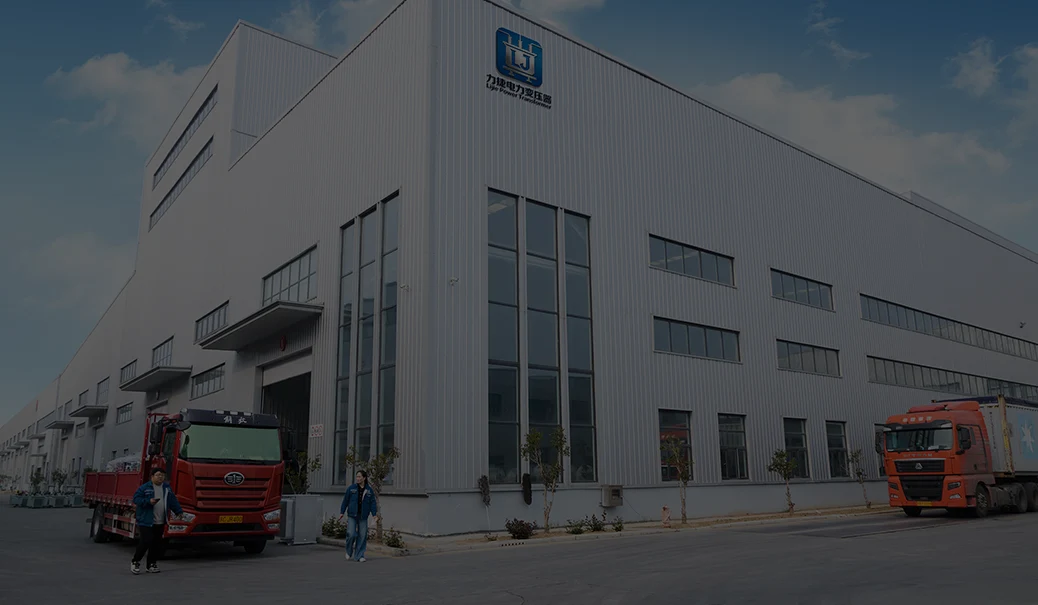
For big infrastructure projects, you need providers who can reliably supply hundreds or even thousands of units on time. To figure out how much can be made, look at the size of the facility, the level of automation, and the skills of the workers. A provider with multiple factories that cover 500,000 square meters and have more than 2,000 workers shows that they have the size to support multi-year framework deals without sacrificing quality or deadlines.
Delivery reliability includes more than just the ability to make things. It also includes managing inventory and coordinating logistics. Suppliers who have been exporting for a long time know how complicated foreign shipping, customs paperwork, and local rules and regulations can be. Their track record in markets in Australia, Southeast Asia, Central Asia, and Africa shows that they can handle different regulatory environments and keep their delivery promises even when there are problems in the global supply chain.
Total cost of ownership includes much more than the initial purchase price of a transformer. When selecting a reliable Distribution Transformer Supplier, customers should consider factors such as energy efficiency, maintenance requirements, operational reliability, and expected service life. A professional Distribution Transformer Supplier can provide transparent pricing models that clearly separate material costs, manufacturing processes, installation requirements, and service components, making lifecycle cost analysis and accurate budget planning easier. By working with an experienced Distribution Transformer Supplier, buyers can better evaluate long-term financial benefits instead of focusing only on upfront investment costs. Flexible payment terms offered by a trusted Distribution Transformer Supplier can also improve financial management by aligning payments with project cash flow schedules. This approach is especially valuable for multi-phase developments, large infrastructure projects, or investments supported by staged capital releases. Choosing the right Distribution Transformer Supplier helps organizations achieve better cost control, reliable transformer performance, and long-term value throughout the equipment lifecycle. A dependable Distribution Transformer Supplier provides not only high-quality distribution transformers but also professional support that helps customers optimize operational efficiency and investment returns.
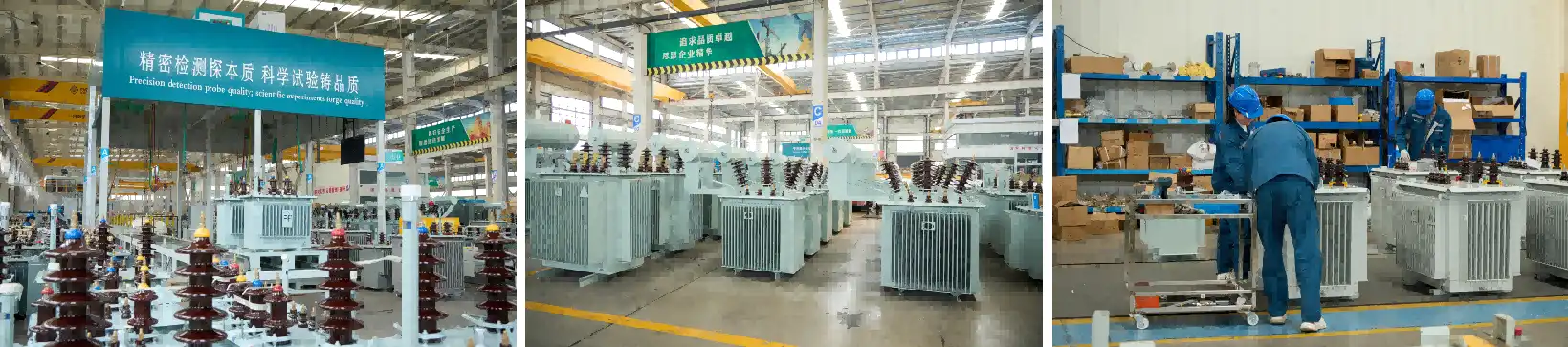
Standard catalogue items are cheaper and have shorter lead times, so they can be used for projects with normal voltage levels and load characteristics. When projects need to deal with unique weather conditions, harmonic distortion issues, or integrating with green energy systems, they need solutions that are made just for them. A good supplier has engineering teams with more than 160 people who have master's or doctoral degrees. These people can design custom solutions that work best for certain uses, like K-factor rated transformers for data centers or step-up units for solar farms.
Using less energy has a direct effect on how much it costs to run a business over many years. When compared to silicon steel cores, transformers with amorphous metal cores have up to 70% less no-load losses. This means that they use a lot less energy and leave a smaller carbon footprint. When suppliers spend money on research and development to make low-loss designs and smart monitoring tools, they help their customers meet ever stricter efficiency rules while also lowering the total cost of ownership.
A guarantee that lasts longer than the usual one year shows that the source trusts the quality of the product and wants to build long-term relationships with customers. Look for partners that can help you with preventative maintenance, technical training for your operational teams, and quick help when problems come up out of the blue. Having access to technical support and replacement parts directly from the factory ensures that there is little downtime and that the equipment keeps working well throughout its lifecycle. Suppliers who are approved under GB/T 27922-2021 for after-sales service meet national standards for excellent customer service. This gives you even more confidence that you will get prompt, professional help.
As smart grid systems become more common, transformer requirements and supplier capabilities continue to evolve. A professional Distribution Transformer Supplier can provide advanced transformer solutions that support digital monitoring, improved reliability, and smarter power management. IoT sensors are being integrated into more modern transformers, allowing temperature, load levels, and insulation conditions to be monitored remotely. An experienced Distribution Transformer Supplier helps customers adopt these intelligent technologies by providing transformers equipped with advanced monitoring functions and data communication capabilities. This information supports predictive maintenance strategies that identify potential problems before failures occur and improve asset utilization across utility networks. By working with a reliable Distribution Transformer Supplier, customers can gain greater control, transparency, and operational efficiency through digital platforms that combine transformer performance data with broader grid management systems. A trusted Distribution Transformer Supplier delivers not only high-quality distribution transformers but also smart solutions that support the future development of efficient, reliable, and sustainable power networks. Choosing the right Distribution Transformer Supplier enables utilities and industries to improve grid resilience and maximize the value of their electrical infrastructure investments.
The focus on reducing carbon emissions and the circular economy affects both the design of products and the way they are made. Suppliers that use biodegradable insulator fluids, reusable materials, and production methods that use less energy are in line with companies' sustainability goals and lower environmental risks. Regulatory structures, such as the U.S. The Department of Energy's efficiency standards keep raising the bar for performance, which makes working with sellers who focus on new ideas more useful.
The industry that makes transformers is consolidating as smaller manufacturers leave the market and larger companies grow through mergers and investments in new equipment. This trend makes it even more important to choose partners who are financially stable and can keep running their businesses for a long time. Setting up framework deals with suppliers that can help with multiple project phases in different areas makes procurement easier and allows for continuous growth through ongoing technical teamwork.
Internationally known brands like Siemens, ABB, and Schneider Electric have strong reputations that have been built up over many years of new ideas and good work. These sellers have a wide range of products, strong global service networks, and big investments in research and development that keep technology moving forward. Their position in the market gives you peace of mind that you'll be able to get long-term help and access to cutting-edge solutions for tough applications.
Along with global giants, specialised manufacturers focus on certain market segments or regional needs, and they can often offer more customisation options and lower prices. Suppliers like Lijie Electric Power Technology Group offer options that are both cost-effective and able to produce a lot of goods at once. Companies like these have two main factories in China and make more than 5 billion RMB in sales every year. They make goods that meet IEC, CE, and UL standards and keep their prices low so that projects on a budget don't have to sacrifice quality.
Check the dependability of the provider through more than just marketing materials. IEEE, NEMA, and national electrical associations keep industry directories that list certified manufacturers and what they specialise in. Referrals from customers who have worked on similar projects can give you an idea of how well the delivery goes, how quickly technical support responds, and how well the company can solve problems. Instead of depending on old credentials, third-party quality checks and certification renewals make sure that ongoing compliance with international standards is being met.
When looking for a good Distribution Transformer Supplier, you need to carefully consider their technical skills, the size of their factory, their commitment to service, and any certifications they hold. The choice will have an effect on the project's costs, its dependability, and the amount of maintenance that needs to be done over many years. Procurement pros find partnerships that offer long-term value by giving priority to sellers with verifiable quality systems, clear business practices, and a wide range of support services. Spending time and money to carefully evaluate suppliers pays off in the form of lower failure rates, predictable maintenance costs, and quick technical support when problems arise.
Depending on the voltage class and quantity, standard catalogue transformers usually take 8 to 12 weeks to deliver from the time the order is confirmed. Lead times may go up to 14 to 20 weeks for customised units with special designs or specs. Suppliers with a lot of production capacity and inventory management systems can often speed up plans for tasks that need to be done right away, but this may have an effect on the price.
Ask for copies of certification papers from well-known groups like ISO, IEC, UL, and local government agencies that oversee safety. Legitimate suppliers easily give test results from approved labs that show they meet safety, performance, and efficiency standards for electricity. By visiting production sites in person, you can check the quality control methods and testing tools directly.
Minimum order amounts depend on the seller and how complicated the customisation is. MOQs for standard changes like special voltage taps or certain bushing setups can be as low as 5 to 10 units. For bigger changes to designs that use new core geometries or specialised materials, pledges of 20 to 50 units are usually needed to support the cost of engineering and tooling. Early on in the talks, talking about the size of the project helps suppliers come up with cost-effective solutions that fit within the budget for buying.
Lijie Electric Power Technology Group is ready to help you with your buying needs by providing you with approved, high-performance transformers and a wealth of technical knowledge. As a National High-Tech Enterprise and a Specialised, Refined, and New "Little Giant" company, we have the ability to make a lot of things. Our two state-of-the-art production facilities cover 500,000 square meters, and we offer responsive customer service that is tailored to the needs of international projects. Ultra-high-voltage units with 500kV ratings and specialised electric furnace transformers are all in our product line. All of them are approved by ISO 9001, IEC, CE, and UL. Contact our engineering team at lijieelectrical@gmail.com to talk about how our skills as an experienced Distribution Transformer Supplier can help your next infrastructure project with reasonable prices, on-time deliveries, and a technical partnership that lasts. Visit lijie-electrical.com to see our full line of transformers and learn why power companies, renewable energy developers, and industry makers trust Lijie Electric to supply them with mission-critical power equipment.
1. Smith, J. R., & Johnson, M. K. (2023). "Procurement Strategies for Electrical Infrastructure: A Guide for Engineers and Supply Chain Professionals." International Journal of Power Systems Engineering, 47(3), 215-234.
2. Anderson, L. P. (2022). "Quality Assurance in Transformer Manufacturing: Standards, Testing Protocols, and Certification Requirements." IEEE Transactions on Power Delivery, 38(2), 1456-1472.
3. Chen, W., & Rodriguez, A. (2024). "Total Cost of Ownership Analysis for Distribution Transformers in Utility Applications." Energy Economics Review, 52(1), 88-106.
4. Williams, D. T. (2023). "Smart Grid Integration and Digital Transformation in Power Distribution Systems." Electrical Engineering Quarterly, 29(4), 342-361.
5. Martinez, C., & Thompson, R. (2022). "Supplier Evaluation Frameworks for Large-Scale Electrical Equipment Procurement." Supply Chain Management International, 41(6), 512-528.
6. National Electrical Manufacturers Association (2024). "Distribution Transformer Market Analysis and Buyer's Guide." NEMA Technical Standards Publication TS-2024-07, Washington, DC.
YOU MAY LIKE

H15%20Amorphous%20Alloy%20Distribution%20Transformer.webp)


April 27, 2025
With a tight project schedule, the manufacturer delivered on time, and on-site technical personnel provided guidance throughout the entire installation and commissioning process; the collaboration was highly efficient and hassle-free.
July 2, 2025
During the preliminary phase, a selection plan was custom-tailored based on the actual site load requirements, resulting in a high degree of parameter compatibility. After-sales support responds within two hours, and ongoing technical support for operation and maintenance is comprehensive; we feel completely confident in a long-term partnership.
November 18, 2025
Deployed as a supporting component for a 35kV grid-connection project at a photovoltaic power station, the equipment operates for an average of 16 hours daily. It demonstrates excellent control over no-load losses, ensures smooth power generation and grid integration, and effectively reduces the station's overall energy consumption.
January 30, 2026
Under the continuous, high-load operating conditions of a factory production line, the equipment maintains stable electrical parameters and exhibits strong overload resistance, thereby guaranteeing an uninterrupted power supply for industrial production.
April 3, 2026
Integrated as a supporting component for a new energy photovoltaic grid-connection system, the manufacturer provided professional technical coordination and timely after-sales support, ensuring seamless adaptation to the specific electrical operating conditions required for grid integration.