April 27, 2025
With a tight project schedule, the manufacturer delivered on time, and on-site technical personnel provided guidance throughout the entire installation and commissioning process; the collaboration was highly efficient and hassle-free.
Jul 27, 2026
If you properly maintain an S13 type three-phase distribution transformer, it will work reliably for decades, cost less over its lifetime, and not break down when you least expect it. This fully sealed, oil-immersed transformer needs regular checks on the quality of the oil, the resistance of the insulation, the use of thermal imaging, and the stability of the bushings and safety devices. The S13 type three-phase distribution transformer series can go longer between major repairs than past models because it has a corrugated tank shape and a high-permeability silicon steel core. Knowing these upkeep needs helps project leaders, procurement managers, and electrical engineers protect their infrastructure investments and get the most out of the transformer's 25–30-year life in terms of energy efficiency and security of operation.
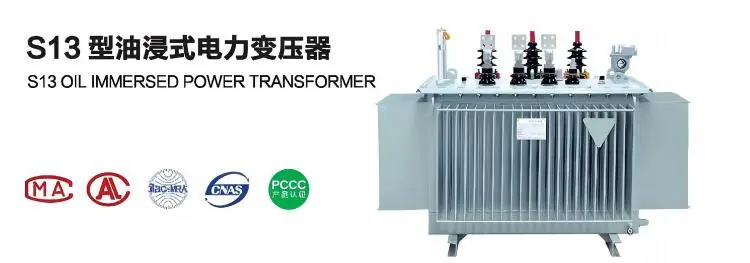
The S13 type three-phase distribution transformer is a big step forward in the science of distribution equipment. This oil-immersed unit was built to meet the requirements of IEC60076 and GB/T10228. It uses cold-rolled grain-oriented silicon steel sheets that are very magnetically permeable. When compared to the old S11 series, the core structure cuts no-load losses by about 25–30%. This directly leads to lower energy use and lower operating costs over time.
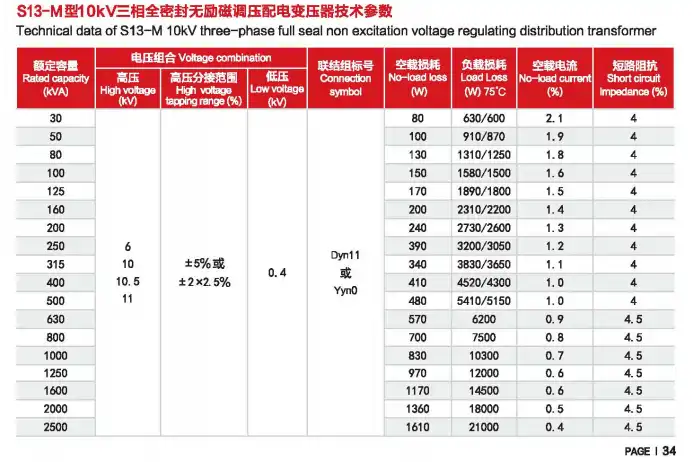
Our way of making things uses all-copper windings that are wrapped around a carefully bonded body. The voltage control method uses non-excitation tap changing with a range of ±5% or ±2×2.5%. This lets workers change the output voltage even when the unit is turned off. The power ranges from 30 kVA to 3,150 kVA, and the voltage ranges from 6kV to 12kV. The frequency ranges from 50Hz to 60Hz. Different configurations of connection groups, such as Dyn11 and Yyno, make it possible for power delivery networks to be flexible in places like factories, green energy installations, and city building projects.
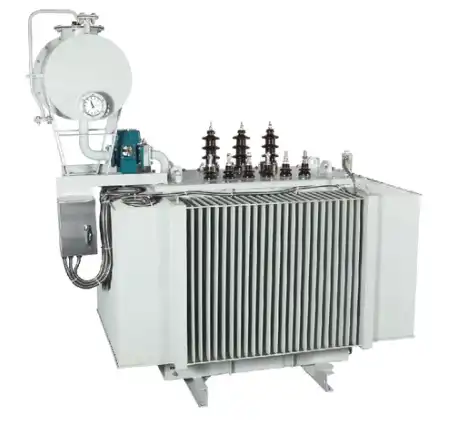
The fully sealed curved oil tank design gets rid of the need for conservator tanks and breathing systems. This makes it much harder for moisture to get in and for insulation oil to go bad. This sealed design keeps the oil clean throughout the S13 type three-phase distribution transformer's lifetime, which increases efficiency and extends the time between repair visits. The power frequency withstand voltage can reach AC 35 kV, and the impulse withstand voltage can reach L1-75kV. This provides strong protection against lightning hits and switching spikes.
Noise levels are 3 to 5 decibels lower on average than industry standards. This is a big plus for sites near homes or sensitive industrial processes. The oil-immersed self-cooling method works in temperatures up to 40°C, but it can also be customised to work in tougher environments. These performance qualities help solve problems that power companies and factories often have, like wasting too much energy, needing to be maintained often, and being easily damaged by external factors.
In the real world, S13 type three-phase distribution transformers are worn down by a number of different factors. Extreme changes in temperature cause the oil and solid insulation to go through a thermal cycle, which weakens the dielectric strength over time. Even though the sealed tank design makes humidity entry less likely, it can still happen if the joints aren't sealed properly or if the gasket breaks down over time. When dust builds up on the outside of something, it makes it harder for heat to escape, which can lead to hotspots that age insulation faster.
Another important risk factor is being overloaded. When the load demand is higher than the stated capacity, even for a short time, the temperatures of the windings rise above what was intended. The heat stress breaks down the cellulose covering around the copper wires, letting water and furan compounds into the oil. Unstable voltage from grid disturbances or nonlinear loads causes harmonic currents that make core losses worse and make more heat. By keeping an eye on these working stresses, repair teams can step in before small problems turn into major failures.
Even transformers that are well-made get old over time. Even though the corrugated tank doesn't have any breathing systems, it still uses rubber seals that get harder over time. When you switch the contacts on a tap changer many times, they get pitted, which raises the resistance of the contacts. Protective devices like thermometers and pressure release valves need to be calibrated on a regular basis to make sure they give correct results. When regular maintenance plans are pushed back because of a lack of money or people, these slow degradation processes get worse. Oil that is contaminated by water, dissolved gases, and particles builds up and isn't noticed until the protection breaks down. When procurement workers and building managers know about these failure modes, they can set up maintenance plans for the S13 type three-phase distribution transformer that meet both cost-cutting and reliability needs.
Scheduled visual checks are the first step in setting up a full repair program for the S13 type three-phase distribution transformer. Maintenance workers should look closely at the weld seams and gasket contacts on the outside of the corrugated tank for oil spots that could mean there is a leak. Bushings need to be checked for cracks, discolouration, or tracking marks that show porcelain is breaking down or surfaces are dirty. There should be no signs of the pressure release valve opening, and the oil level gauge should show that the tank is full.
Thermographic screening is a great way to find problems inside a building early on. Infrared cameras find hotspots on connection terminals, bushings, and tank walls. These spots show that connections are weak or insulation is failing in one area. When you compare thermal patterns to standard readings taken during launching, you can see trends of slow degradation. For important installs, these non-invasive checks should be done every three months; for less demanding uses, they should be done once a year. Detailed records should be kept to track performance over the unit's lifetime.
A megohmmeter is used to test the insulation resistance of windings to make sure they are solid against ground and between phases. If the measurements are below the manufacturer's recommended levels, it means that there is moisture contamination or insulation degradation that needs to be looked into right away. Measurements of winding resistance show that the resistance is the same across all stages and can help find shorted turns or bad tap switch contacts. Testing the S13 type three-phase distribution transformer's turns ratio makes sure that the voltage change meets the design requirements at all tap positions.
Predictive maintenance is based on analysing the quality of the oil, and for an S13 type three-phase distribution transformer, this includes annual laboratory testing of dielectric strength, moisture content, pH, interfacial tension, and dissolved gas levels to detect early signs of arcing, thermal decomposition, or insulation degradation before they lead to failure. Dielectric strength, moisture content, pH, interfacial tension, and dissolved gas amounts are all measured in the lab. High amounts of acetylene or ethylene fumes in the tank mean that there is arcing or thermal decomposition going on. When the moisture level is above 20 parts per million, the shielding doesn't work as well. These oil diagnostic services should be done once a year, and more often for units that are working in odd ways or are getting close to 15 to 20 years of service.
Even in designs that don't use electricity, tap switch devices need to be checked and cleaned from time to time. Contact surfaces should be checked for cracking or carbon buildup, and mechanical connections should be made sure they are aligned correctly and work smoothly. Connection points on bushings need to be regularly tightened to the torque values stated by the maker. This stops resistive heating from happening at joints that are too loose.
Calibration of protective devices makes sure that tracking and alarm features work correctly. Temperature markers should be checked against instruments that have been calibrated, and pressure release valves should be checked to make sure they are set correctly. Monitoring vibrations can find loose core laminations or coil movement, but this is usually only useful for bigger units. Because the S13 type three-phase distribution transformer is protected, a scheduled oil change doesn't happen very often, but it may be needed after 15 to 20 years or when testing shows that the oil is breaking down in a way that can't be fixed. By following these mechanical repair steps, you can keep both the generator and the equipment below it from breaking down.
Maintenance that is done right has a direct effect on energy-saving measures for the S13 type three-phase distribution transformer. A well-kept unit always meets its initial no-load loss requirements, which are often 30–40% lower than S11 units that have been modified. Filtering or replacing the oil on a regular basis keeps the dielectric strength above 30 kV. This keeps the partial discharge activity low, which would otherwise cause more losses. Localised warming that lowers efficiency and shortens service life can be avoided by using thermography to find hotspots and fixing them right away.
The accuracy of voltage control goes up when the contacts on the tap switch stay clean and are set up correctly. This accuracy cuts down on voltage changes that make motors less efficient and electrical equipment stop working in factories. Case studies from power companies show that planned repair programs for the S13 type three-phase distribution transformer cut down on unplanned power outages by 60–70% and increase the life of transformers by 5–10 years, past the normal replacement cycle. When spread out over big transformer fleets used in green energy substations or industrial buildings, these improvements in reliability save a lot of money over time.
Modern repair methods use IoT-enabled devices to constantly check the temperature of the oil, the amount of dissolved gas, and the activity of the partial discharge. These systems send data in real time to centralised tracking platforms. This lets maintenance teams plan for problems weeks or months before they happen. Data analytics find slow performance loss that can't be seen during regular human checks. This lets maintenance teams plan their work for planned downtime instead of having to respond to emergency problems.
Differentiated care strategies take into account the fact that oil-filled transformers, like the S13 type three-phase distribution transformer series, need different repair methods than dry units. Although the sealed tank design limits exposure to the outside world, it requires strict control of the oil quality. Remote tracking is especially helpful for transformers that are placed in distributed renewable energy systems or in remote industrial sites where it's hard to do regular checks by hand. Global industrial clients who use these innovations get the most uptime while carefully lowering maintenance costs by serving based on condition instead of time.
Working together with approved manufacturers for the S13 type three-phase distribution transformer is a key factor in how well long-term upkeep works. Certified makers who offer full after-sales help give expert advice that is specific to the working area. Warranty management programs protect the initial investment and make sure that you can get legitimate new parts that were made to the original specs. When big infrastructure projects sign bulk buy deals, they often include good service terms and priority technical help.
Custom engineering solutions are made to meet the specific needs of applications that involve big industrial processes or integrating green energy sources. Technical teams from suppliers help with site-specific issues like correcting for altitude, strengthening for earthquakes, or harmonic filtering needs. This collaborative method during the procurement phase stops upkeep problems in the future that could have been caused by wrong specifications or mistakes in installation.
To make repair programs work, they need people who are taught and know how S13 type three-phase distribution transformers work. Leading makers teach their employees how to do inspections, read diagnostic tests, and fix problems both in the classroom and through hands-on training. This sharing of information makes sure that facility maintenance teams can easily do routine jobs while also knowing when they need factory-trained experts.
The mean time to fix during unexpected failures is directly affected by the supply of spare parts. Keeping enough bushings, seals, protective devices, and tap changer parts in stock and building ties with providers can help keep downtime to a minimum. Service reaction times are very important for industrial processes where production stops when a transformer goes out. When procurement managers and project leaders look at the total cost of ownership over many years, they like agreements that spell out guaranteed reaction times and field service capabilities. These agreements provide operating continuity security that they value.
When S13 type three-phase distribution transformers are maintained properly, they protect infrastructure investments and provide stable, efficient power distribution for many years. Routine visual checks, full oil analyses, electrical tests, and service of protective devices keep expensive breakdowns from happening and increase the life of an asset. Modern tracking technologies allow for proactive repair plans that make the best use of resources and increase uptime. Maintenance programs can meet their goals for reliability and efficiency in a wide range of workplace settings by working with experienced manufacturers who offer expert support, training, and quick service.
The S13 type three-phase distribution transformer series has a fully sealed curved tank that doesn't need any conservator systems. This makes oil pollution much less likely. Compared to S11 units with breathing systems, this design extends the life of the oil and lowers the amount of upkeep needed for moisture. But checking the quality of the gaskets and the seals becomes a more important part of upkeep.
Most systems can be monitored well with an annual oil test. Units that are in tough settings, have a lot of load cycles, or are getting close to 15 years of service should be analysed every six months. For important uses like power sources in hospitals or data centers, dissolved gas analysis should be done every three months to find problems early.
Service lives of 30 to 35 years are common thanks to strict repair plans. Key things are to handle oil properly, keep loads within the nameplate limits, and fix problems as soon as they are found. Some well-kept units in good settings last longer than 40 years, but at that age, it's usually more cost-effective to replace them with newer, more efficient models.
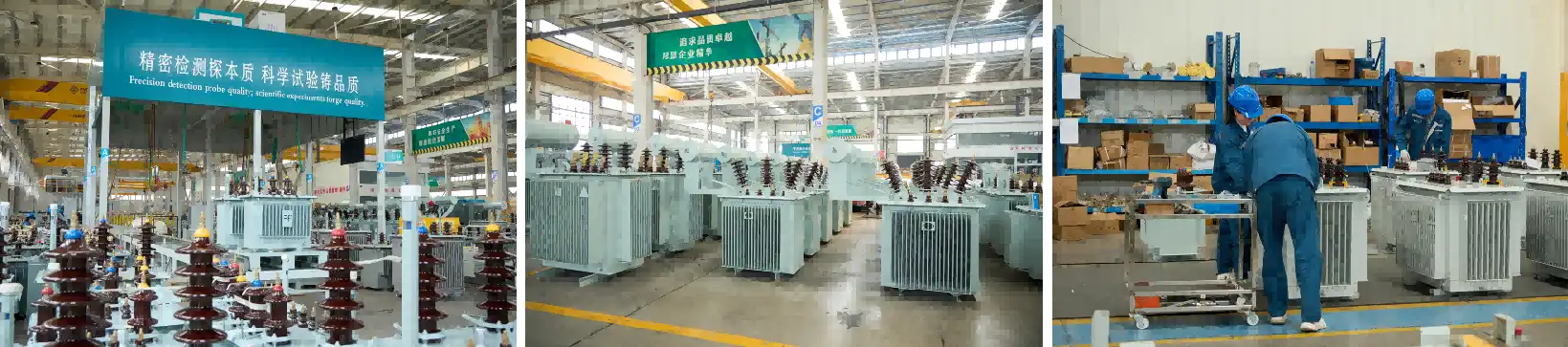
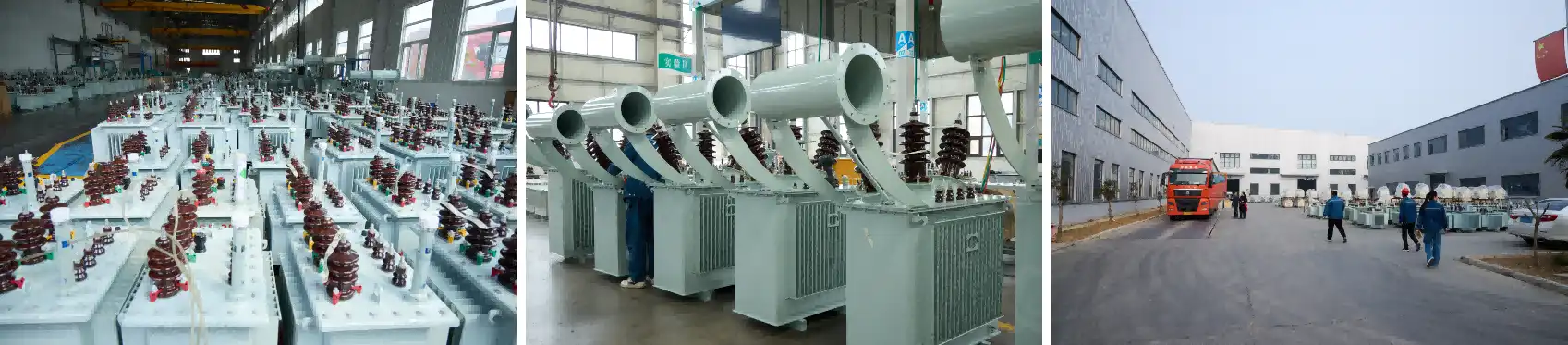
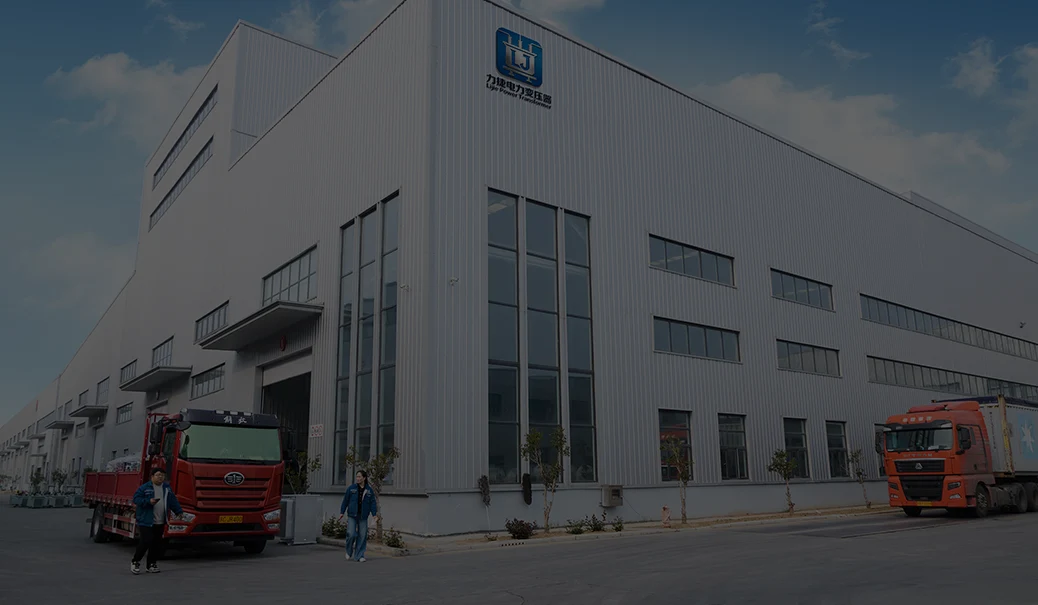
When you need an S13 type three-phase distribution transformer, you can trust Lijie Electric. They use modern tech and offer full lifecycle support. Our 500,000-square-meter factories in Xuzhou and Nantong are home to more than 160 engineers with graduate and master's degrees who are committed to making transformers better. The National Transformer Quality Supervision and Inspection Center certifies that each unit goes through strict testing methods. This makes sure that it fits IEC, CE, and UL standards for foreign purchase.
We help procurement managers and electrical engineers through the whole ownership cycle, from creating custom specifications to factory acceptance testing to field setup and ongoing maintenance advice. Our quality control systems are certified by both ISO 9001:2015 and GB/T 27922-2021 for after-sales service. Our expert teams can provide you with reliable, cost-effective transformer systems and quick service, whether you need a large order for a green energy project or a custom solution for an industrial facility.
Email our technical experts at lijieelectrical@gmail.com to talk about the specifics of your idea. We help procurement teams make smart choices by giving them thorough technical documentation, lifetime cost analysis, and support with planning for upkeep. You can look at our whole product line at lijie-electrical.com and learn why power companies, industrial makers, and EPC contractors in six countries choose Lijie Electric as their first choice for mission-critical power distribution equipment.
1. IEEE Standard C57.106-2015. IEEE Guide for Acceptance and Maintenance of Insulating Mineral Oil in Electrical Equipment. Institute of Electrical and Electronics Engineers, 2015.
2. International Electrotechnical Commission. IEC 60076-7: Power Transformers – Part 7: Loading Guide for Mineral-Oil-Immersed Power Transformers. Geneva: IEC, 2018.
3. Zhang, L., and Wang, M. "Predictive Maintenance Strategies for Oil-Immersed Distribution Transformers Based on Dissolved Gas Analysis." Electric Power Systems Research, vol. 195, 2021, pp. 107-118.
4. National Electrical Manufacturers Association. NEMA TR 1-2018: Transformers, Regulators, and Reactors. Rosslyn, VA: NEMA, 2018.
5. Heathcote, M. J. The J&P Transformer Book: A Practical Technology of the Power Transformer. 13th ed., Newnes, 2007.
6. Du, Y., et al. "Thermal Aging Characteristics and Life Assessment of Oil-Immersed Power Transformers." IEEE Transactions on Dielectrics and Electrical Insulation, vol. 25, no. 3, 2018, pp. 1098-1107.
YOU MAY LIKE
12%20Series%20Dry%20Type%20Transformer.webp)




April 27, 2025
With a tight project schedule, the manufacturer delivered on time, and on-site technical personnel provided guidance throughout the entire installation and commissioning process; the collaboration was highly efficient and hassle-free.
July 2, 2025
During the preliminary phase, a selection plan was custom-tailored based on the actual site load requirements, resulting in a high degree of parameter compatibility. After-sales support responds within two hours, and ongoing technical support for operation and maintenance is comprehensive; we feel completely confident in a long-term partnership.
November 18, 2025
Deployed as a supporting component for a 35kV grid-connection project at a photovoltaic power station, the equipment operates for an average of 16 hours daily. It demonstrates excellent control over no-load losses, ensures smooth power generation and grid integration, and effectively reduces the station's overall energy consumption.
January 30, 2026
Under the continuous, high-load operating conditions of a factory production line, the equipment maintains stable electrical parameters and exhibits strong overload resistance, thereby guaranteeing an uninterrupted power supply for industrial production.
April 3, 2026
Integrated as a supporting component for a new energy photovoltaic grid-connection system, the manufacturer provided professional technical coordination and timely after-sales support, ensuring seamless adaptation to the specific electrical operating conditions required for grid integration.