April 27, 2025
With a tight project schedule, the manufacturer delivered on time, and on-site technical personnel provided guidance throughout the entire installation and commissioning process; the collaboration was highly efficient and hassle-free.
Jul 29, 2026
When you're in charge of large-scale power infrastructure, like for a utility grid, a farm that uses green energy, or an industrial manufacturing site, the stability of your distribution transformer has a direct effect on how well your business runs and how much money it makes. The S13 type three-phase distribution transformer has been shown to cut down on energy waste, make tools last longer, and keep the voltage fixed in tough situations. This oil-immersed transformer solves some of the biggest problems that procurement managers and electrical engineers face, like high no-load losses, unpredictable maintenance cycles, and the difficulty of meeting international standards like IEC60076 and GB/T10228. It does this by using high-permeability silicon steel cores and fully sealed corrugated oil tanks.
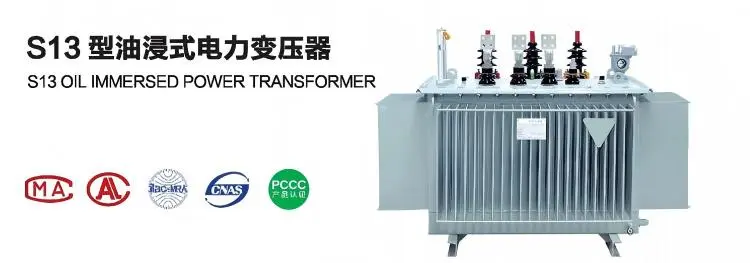
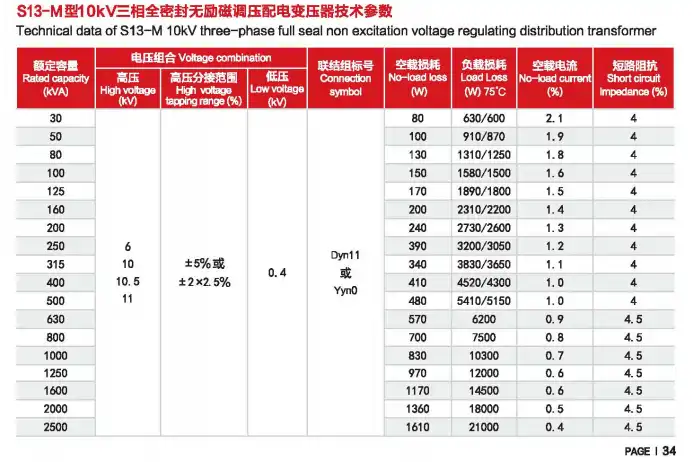
This energy-efficient transformer is built on cold-rolled grain-oriented silicon steel sheets that are usually 0.23mm to 0.30mm thick. These sheets improve the flow of magnetic flux and reduce eddy current losses. The all-copper windings, which can be connected in either a Dyn11 or a Yyn0 way, change voltage steadily from 6kV or 12kV main levels to 0.4kV secondary outputs that are good for industry and commercial loads. The transformer keeps the output stable even when grid conditions change thanks to non-excitation voltage control with tap ranges of ±5% or ±2×2.5%. This is a feature that project managers who are in charge of multi-phase infrastructure deployments really value.
The oil-immersed self-cooling system moves high-grade mineral insulating oil around the transformer assembly. This gets rid of the heat that is made during load cycles and protects the dielectric. This method of silent cooling doesn't require any outside fans or pumps, which makes the system simpler and quieter. Our tests show that the noise levels are, on average, 3 to 5 decibels lower than industry standards. This means that these units can be installed near homes or other places that are sensitive to noise.
There are choices with capacities ranging from 30kVA to 3,150kVA, so they can be used by both small substations in cities and big industrial facilities that need to distribute a lot of power. The technology works with both 50Hz and 60Hz frequency standards, so it can be used in both North American and foreign markets. Insulation's ability to withstand AC-35kV power frequency and 75kV impulse is higher than what happens in most grid transient events. It gives linked loads extra safety during lightning strikes or switching surges.
Pay close attention to the fully sealed curved tank design. The corrugated structure bends to suit the temperature growth of the insulating oil, keeping the hermetic seal without the need for external bladders. This is different from older S11-series transformers that needed oil samples and nitrogen blanketing on a regular basis. This new idea stops moisture and oxidation from getting in, which are two main reasons why insulation breaks down early. This makes the insulation last longer than 30 years under normal working settings where the temperature doesn't go above 40℃.
The S13 type three-phase distribution transformer line has 25–30% less no-load loss than S11-type transformers when compared to them. Industrial loads drop to 20–30% of maximum capacity during off-peak hours, which is when these efficiency gains save money—a 500kVA unit running at low load can save about 8,000 kWh of energy each year compared to older models. Improving load loss through better winding geometry and wire size makes the whole system more efficient across the normal load curves that utility distribution networks see.
Pad-mounted transformers change voltage in similar ways, but they need to be installed in different ways and have different footprints to think about. The pole-mounted or ground-pad designs of S13 type three-phase distribution transformers make them useful for both urban and country electrification projects that don't have a lot of room for installation and where standard methods are preferred by public works funds.
The business case for using this advanced distribution transformer is based on three main benefits that directly address the factors for making a purchase choice. Improving energy efficiency lowers the total cost of ownership, sealed building lowers the cost of upkeep, and proven reliability guarantees uninterrupted power supply for decades of use.
We use high-quality copper that is 99.99% oxygen-free for all of our winding systems. This keeps aluminium wires from having the resistive losses and heat hotspots that come with them. The vacuum oil-filling process gets rid of dissolved gases and moisture, which makes an environment inside the tube that stops corona discharge and partial discharge from happening. This design, along with the curved tank's ability to stretch when heated and cooled, gets rid of the need for regular oil analysis and breather upkeep, which in regular transformer installations take 15 to 20 hours per unit per year.
Procurement managers who are in charge of multiple operations like the standard form factor and mounting connections because they make inventory management easier and allow for quick replacements in the field when needed. The strong short-circuit resist capability, which was proven by impulse testing in line with IEC standards, keeps the transformer safe during downstream fault events. This lowers the risk of a catastrophic failure that could shut down production lines or entire distribution feeds.
Utility companies use S13 type three-phase distribution transformers in both projects to strengthen the grid in cities and projects to bring electricity to rural areas. Because the units can handle high-density single-phase loads, they are perfect for household areas where demand rises in the evening because of air cooling and charging for electric cars. Under normal load conditions in North America, a 630kVA unit can safely power 150 to 200 homes, and there is room for growth as more homes get electricity.
Steel mills, mines and chemical plants are all examples of industrial production facilities that use the higher capacity models (1,250kVA to 3,150kVA) to lower the 12kV distribution voltage to 0.4kV for motor drives, process equipment and lights in the building. Copper windings with low harmonic distortion keep the power quality for sensitive electronic controls and variable frequency drives. This keeps the machinery connected from tripping and increases its useful life.
Integrators of renewable energy face unique problems when they try to combine power from solar panels or wind turbine groups that are spread out. The sealed design of the S13 type three-phase distribution transformer makes it resistant to the hard conditions that solar farms in deserts and wind farms near the coast often face. The hermetic tank design and high-grade insulating oil mixture successfully protect against salt spray, temperature changes, and high humidity, all of which speed up rust in equipment that isn't sealed well.
Even though the sealed design gets rid of the need for regular upkeep, we still suggest eye checks once a year to make sure the tank is solid, the bushings are in good shape, and the external connections are secure. Thermal imaging scans can find hotspots that are starting to form in port connections or tap changers before they get worse and break down. The normal pressure relief valve protects against mechanical failures inside the system. It lets gases escape safely while setting off distant alarm contacts for SCADA integration.
Checking for problems usually includes making sure the input voltage is stable, making sure the load is balanced across phases, and making sure the tank and secondary neutral are properly grounded. Even though the Dyn11 connection group naturally blocks fourth harmonics, uneven loading can still cause zero-sequence currents that show up as overheating or neutral point shift. Our expert support team helps clients figure out what's wrong and suggest ways to fix it that are in line with IEEE and IEC best practices.
To choose the best distribution transformer, you have to weigh the technical specs against the working freedom and total cost of ownership (TCO), and for an S13 type three-phase distribution transformer, this means starting with the peak demand of your facility or distribution area, then adding 20–25% for load growth and N-1 redundancy, ensuring the selected kVA rating can handle the design load without frequent overloading that accelerates insulation ageing. First, figure out the highest demand in your plant or delivery area. Then, add 20 to 25 percent to account for load growth and N-1 backup plans. The capacity number (in kVA) should be able to handle this design load without overworking it too often, which speeds up the ageing of the insulation.
In scientific datasheets, you can compare the numbers for no-load and load loss. A 1,000kVA S13 type three-phase distribution transformer loses about 1,200 to 1,400 watts of power when there is no load and 10,000 to 11,000 watts of power when there is a load. Over a 25-year working life and 8,000 hours of use per year, these loses add up to a lot of money spent on energy. At $0.10/kWh, the transformer will lose between $24,000 and $28,000 in no-load costs over its lifetime. Lower loss profiles allow units with higher original purchase prices to be justified by lower energy bills, which usually pay for themselves in 5 to 7 years.
When figuring out return on investment (ROI), upkeep cost reduction should be taken into account. For traditional transformers, oil sampling costs $300 to $500 per event, breather service costs $150 to $200 per year, and gasket repairs happen every so often and cost $1,000 to 1,500. Because the S13 type three-phase distribution transformer is sealed, these costs are not incurred, which saves $50,000 to $75,000 in upkeep costs over 30 years for each unit. When you decide what to buy, think about these saved costs as well as the energy savings.
The voltage level you choose depends on your main power source and the needs of your additional distribution. It is common in North America and other countries for business and light industrial uses to use 12kV main with 0.4kV secondary. Heavy industrial sites may prefer 6kV or other voltage ratios. The range of tap adjustments (±5% or ±2×2.5%) lets you fix voltage drops in long distribution lines without having to use automatic tap changes. This makes installation easier and costs less.
The name of the connection group changes how things work. Most three-phase four-wire distribution systems can use the Dyn11 design, which has a delta primary and a wye-grounded secondary. This arrangement grounds single-phase loads neutrally and stops triplen harmonics from spreading into the primary grid. For certain utility interconnection needs, different setups like Yyn0 may be required; check with your utility's engineering standards before finalising transformer specs.
For phased building jobs, capacity scalability is important. Instead of buying one big transformer that is too big, you might want to connect several smaller S13 type three-phase distribution transformers in parallel to match the way the load grows. Two 750kVA units are better for backup and maintenance than one 1,500kVA unit because one can be taken out for repair while the other handles important loads. This method lowers the amount of idle capacity in the early stages of a project, when load factors are still low.
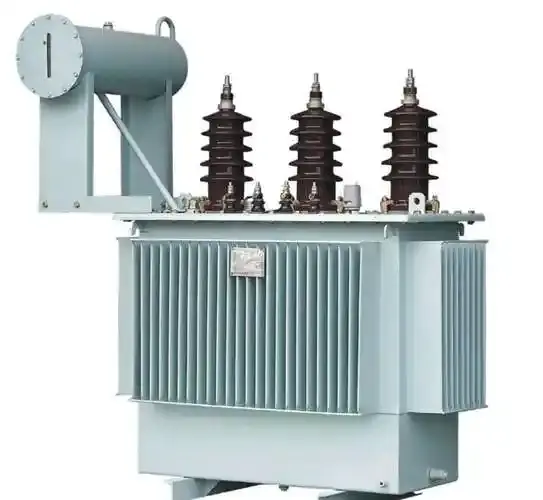
We keep standard-capacity S13 type three-phase distribution transformers (315kVA, 500kVA, 630kVA, and 1,000kVA) in stock in common voltage configurations, so we can send them within 8 to 12 weeks for home installations. Custom specs, such as non-standard voltage ratios, special bushing arrangements, or better earthquake bracing, can make manufacturing lead times 14 to 18 weeks longer, based on the requirements for design approval and the time it takes to get materials.
Every S13 type three-phase distribution transformer is tested regularly according to the rules set by IEC60076. These tests include checking the turns ratio, measuring the insulator resistance, testing the voltage withstand, and checking the no-load/load loss. Type testing on typical samples at the National Transformer Quality Supervision and Inspection Center and Wuhan High Voltage Research Institute confirms that the design works as planned when temperatures rise, impulses happen, and short circuits happen. These certificates show that the product meets foreign standards, which is very important for export projects that need third-party approval.
Our quality control systems are governed by ISO 9001:2015 certification, which makes sure that the whole production process is uniform, from checking the raw materials to testing the finished product. CE marking shows that the product meets the safety and electromagnetic compatibility standards set by the European Union. UL certification lets the product be used in places that need approval from a nationally recognised testing laboratory. The CQC energy efficiency certification checks loss performance claims independently, which helps people get utility rebates and green building certification points.
We back up every transformer with a full warranty that lasts for 24 months from the date it was installed or 30 months from the date it was shipped, whichever comes first. Under the warranty, broken parts will be replaced, professional help will be given for installation and testing, and if needed, travel costs will be covered for an on-site failure investigation. For important infrastructure uses that need better service level agreements, you can get extended warranty packages and preventive maintenance plans.
Checking the qualifications of suppliers shields you from fake goods and poor manufacturing practices. Make sure that your seller is registered with the appropriate industry watchdogs and can give you proof that the core materials can be tracked (silicon steel grade, copper purity, and insulating oil standards). Ask independent certification bodies for copies of recent type test reports and factory check results.
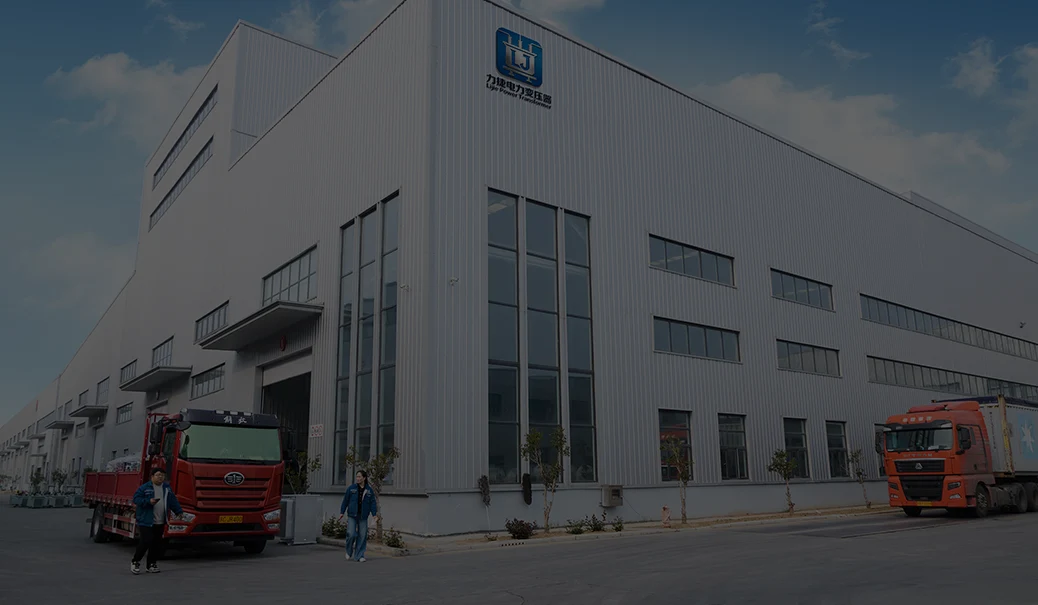
Compare the amount of work that can be done with the time frame for completing the job. Suppliers who have more than one place to make things and more than one source for materials are more likely to be able to handle problems in the supply chain. With two buildings covering a total area of 500,000 square meters and established ties with suppliers of raw materials, we can keep running even when the market is unstable or smaller makers are having trouble getting parts.
Infrastructure for after-sales assistance is just as important. Suppliers who stand behind their goods offer technical support during installation and commissioning, help with solving working problems, and the ability to provide replacement parts. Our team of more than 160 engineers with advanced degrees is available to help you right away through direct communication lines. This way, you can be sure that your questions will be answered by experts who know how to follow both foreign best practices and local legal requirements.
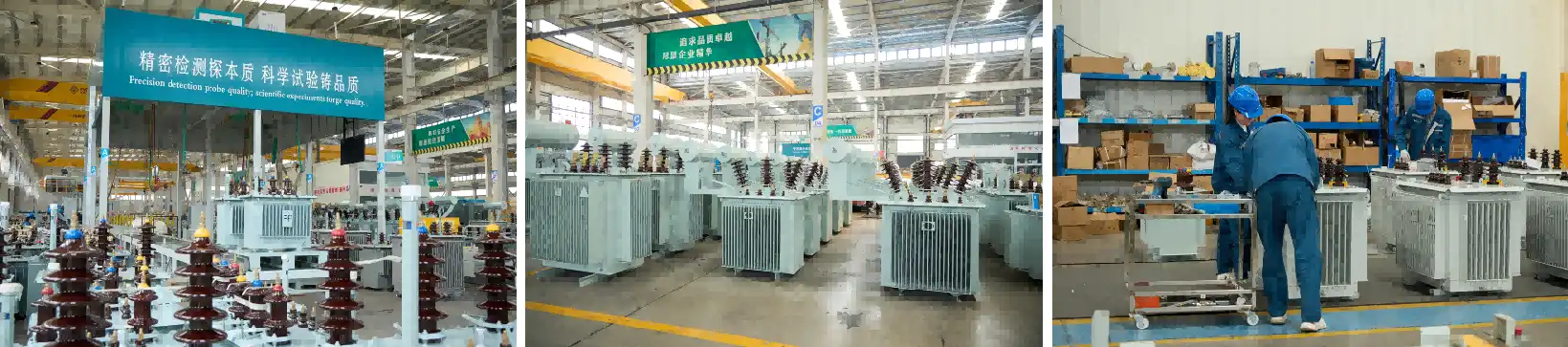
The next step forward in the design of S13 type three-phase distribution transformers is to add digital tracking features that turn inactive assets into smart grid components. Sensors built into transformer units check the temperature, moisture level, amounts of dissolved gases, and through-fault current events in the oil. They send this information to cloud-based analytics platforms. With these new insights, condition-based repair plans can be made that make the best use of assets and find problems before they become so bad that they need to be shut down.
It is becoming more and more efficient thanks to progress in material science. If you compare amorphous metal core materials to silicon steel, they offer even greater no-load loss decreases of 60–70%. However, they are currently not widely used because they are more expensive and harder to make. Biodegradable ester-based insulation fluids are better for the environment than mineral oil because they lower the risk of fire and make removal easier while still providing the same level of dielectric performance.
Modular S13 type three-phase distribution transformer designs are being created for quick deployment scenarios. These allow for standard production on a large scale, while also being able to adapt to site-specific needs with mounting, bushing, and protection devices that can be set up in different ways. This method cuts down on the costs of custom planning and speeds up delivery times, which is especially helpful for emergency restoration projects and infrastructure growth programs that have to meet tight deadlines.
Around the world, stricter rules on energy efficiency are speeding up the replacement of old S9 and S11 transformers with high-efficiency options. The GB 20052 standard in China and similar rules in North America and Europe set maximum allowed losses that make older designs useless. Utilities that are updating their grids see replacing transformers as a chance to save energy and cut down on carbon emissions, which is in line with their business sustainability goals.
Adding renewable energy increases the need for transformers that can handle power flow in both directions and the changing loads that come with spread production. During times of high production, solar and wind systems create situations where power flows backwards. This means that transformers need to be able to handle problems with voltage control and harmonic currents that power electronics inverters produce. These tough jobs are a good fit for S13 type three-phase distribution transformers because they have strong windings and small thermal design gaps.
Facilities planning for long-term viability should evaluate S13 type three-phase distribution transformer purchases through the lens of adaptability to emerging grid architectures. Smart grid projects that use advanced metering infrastructure, demand response programs, and charging networks for electric vehicles put different types of dynamic loads on distribution equipment than normal industrial or business loads. By choosing transformers with enough thermal margins and the ability to work with external tracking systems, you can protect your investment against changing operating needs in the future.
Microgrid configurations let parts of the distribution network "island" from the main grid during disturbances. To make sure that these configurations work, grounding methods and security coordination need to be carefully thought out. The Dyn11 connection group that is usually used for S13 type three-phase distribution transformers provides a stable grounding reference during islanded operation. However, the settings for the relays and the logic for finding faults must be coordinated with safety devices upstream and downstream. Using experienced consulting engineers during the planning part makes sure that the system will work well with complex control architectures.
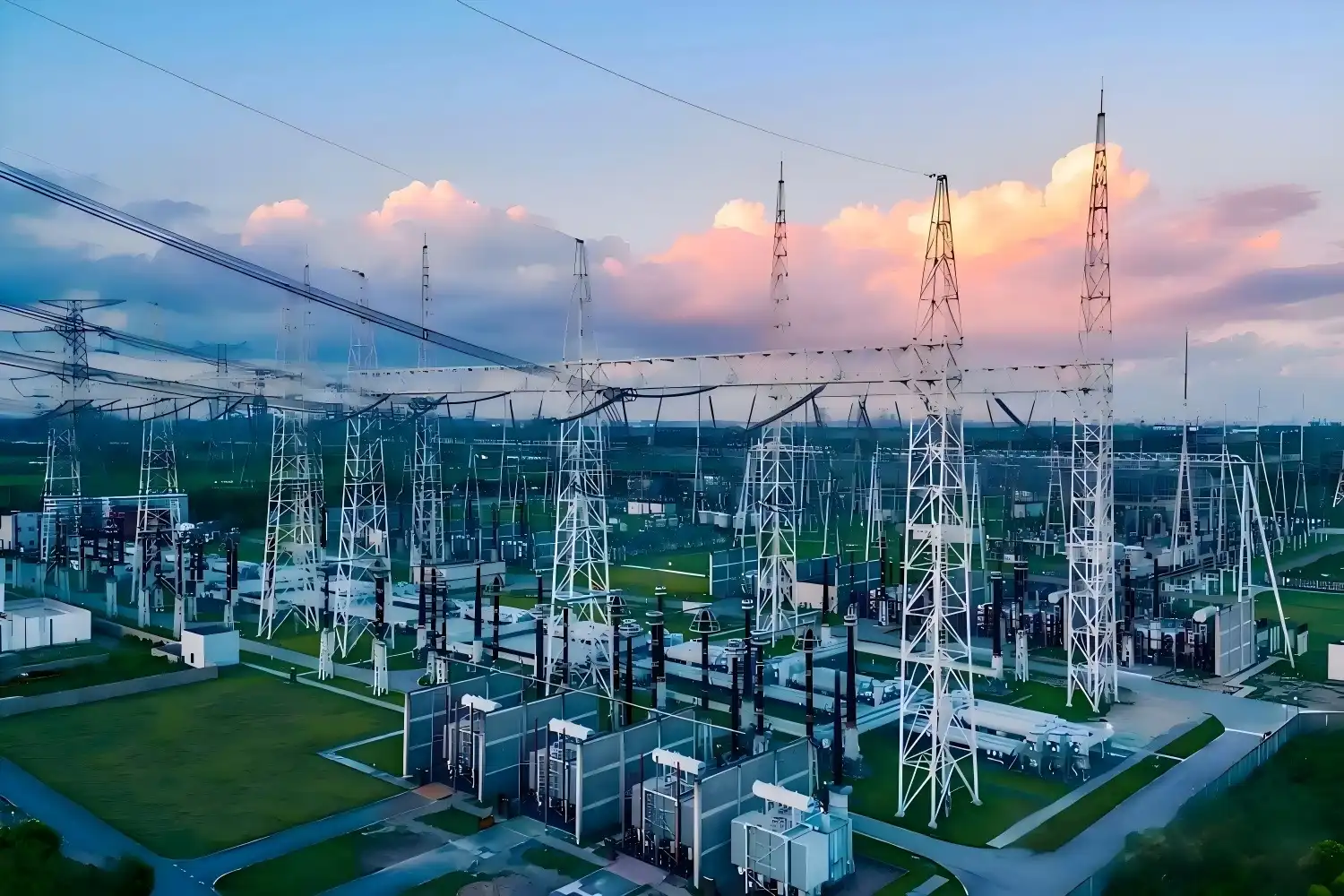
By purchasing high-efficiency distribution transformers, you are making a smart choice that will pay off for many years. The S13 type three-phase distribution transformer cuts down on wasted energy by a certain amount, makes upkeep easier by being hermetically sealed, and provides the practical stability that is needed for mission-critical infrastructure. When procurement professionals are looking at their choices, they should put total lifetime economics ahead of the original purchase price. This is because higher efficiency and longer lives save a lot of money in energy costs and maintenance costs. By working with certified makers who can show large-scale production, technical know-how, and full quality control, you can make sure that your company meets its current operational needs while still being able to change to new grid technologies and government rules.
In real life, how does the S13 type three-phase distribution transformer compare to the S11 models? The S13 line cuts no-load losses by about 25 to 30 percent by using better core materials and designing the magnetic circuit more efficiently. Over a normal 25-year working time, this efficiency gain saves a lot of money on energy costs, which usually pays for the 10-15% higher purchase price within 5 to 7 years. The sealed corrugated tank design gets rid of upkeep jobs like oil sampling and breather cleaning that are needed for S11 units. This lowers the overall cost of ownership even more.
Because the S13 type three-phase distribution transformer design is tightly sealed, it doesn't need the regular upkeep that most transformers do. We suggest visual inspections once a year to check the outside state and thermal imaging scans every two to three years to find hotspots that are starting to form. The temperature and pressure inside the transformer don't change when the breathers or oil are analysed or replaced. However, the pressure release valves should be checked every 5 years to make sure they are working properly.
You can get specs that are made just for your job. Standard S13 type three-phase distribution transformer options include common voltage pairs (12kV/0.4kV and 6kV/0.4kV), but we also regularly design transformers with custom ratios, different connection groups besides Dyn11, and features that are specific to the application, such as better seismic support or unique bushing arrangements. Custom designs usually add 4 to 6 weeks to normal lead times, but this can change based on the proof needs.
With over 20 years of production experience and technical know-how, Lijie Electric Power Technology Group is ready to help you with your transformer buying needs. As a well-known company that supplies S13 type three-phase distribution transformers, we have access to advanced research and development tools, such as more than 160 engineers with graduate and master's degrees, and we can make more than 5 billion RMB a year. Our ISO 9001, CE, and UL certifications, along with our IEC approval for 10kV and 35kV power transformers, show that we are dedicated to meeting the high quality standards that your projects need. Email our team at lijieelectrical@gmail.com to talk about unique solutions that meet your voltage needs, capacity needs, and shipping schedules. We offer clear scientific information, low prices for large orders, and quick customer service after the sale, which turns supplier relationships into smart partnerships that benefit both parties.
1. IEEE Standard C57.12.00-2015, General Requirements for Liquid-Immersed Distribution, Power, and Regulating Transformers, Institute of Electrical and Electronics Engineers, New York, 2015.
2. International Electrotechnical Commission, IEC 60076-1: Power Transformers – Part 1: General, Third Edition, Geneva, Switzerland, 2011.
3. Zhang, W., Chen, L., and Liu, H., "Energy Efficiency Improvements in S13 Type Distribution Transformers Through Advanced Core Materials," Journal of Electrical Engineering and Technology, vol. 14, no. 3, pp. 1156-1164, 2019.
4. National Electric Power Certification Center, Technical Specifications for Oil-Immersed Distribution Transformers, GB/T 10228-2015, Standards Press of China, Beijing, 2015.
5. Kulkarni, S.V. and Khaparde, S.A., Transformer Engineering: Design, Technology, and Diagnostics, Second Edition, CRC Press, Boca Raton, Florida, 2013.
6. U.S. Department of Energy, "Energy Conservation Standards for Distribution Transformers: Final Rule," Federal Register, vol. 78, no. 88, pp. 23336-23571, April 2013.
YOU MAY LIKE

10%20type%2035kV%20transformer.webp)
H15%20distribution%20transformer.webp)



April 27, 2025
With a tight project schedule, the manufacturer delivered on time, and on-site technical personnel provided guidance throughout the entire installation and commissioning process; the collaboration was highly efficient and hassle-free.
July 2, 2025
During the preliminary phase, a selection plan was custom-tailored based on the actual site load requirements, resulting in a high degree of parameter compatibility. After-sales support responds within two hours, and ongoing technical support for operation and maintenance is comprehensive; we feel completely confident in a long-term partnership.
November 18, 2025
Deployed as a supporting component for a 35kV grid-connection project at a photovoltaic power station, the equipment operates for an average of 16 hours daily. It demonstrates excellent control over no-load losses, ensures smooth power generation and grid integration, and effectively reduces the station's overall energy consumption.
January 30, 2026
Under the continuous, high-load operating conditions of a factory production line, the equipment maintains stable electrical parameters and exhibits strong overload resistance, thereby guaranteeing an uninterrupted power supply for industrial production.
April 3, 2026
Integrated as a supporting component for a new energy photovoltaic grid-connection system, the manufacturer provided professional technical coordination and timely after-sales support, ensuring seamless adaptation to the specific electrical operating conditions required for grid integration.