April 27, 2025
With a tight project schedule, the manufacturer delivered on time, and on-site technical personnel provided guidance throughout the entire installation and commissioning process; the collaboration was highly efficient and hassle-free.
Aug 3, 2026
If you don't choose the right distribution transformer, your project will either not work reliably for decades or will have to deal with expensive downtime and upkeep issues. The S11 Type Fully Sealed Oil-Immersed Distribution Transformer solves the most important problems that procurement managers and electrical engineers are having right now: it has a longer useful life, requires less upkeep, and uses less energy. This fully sealed design keeps oil from coming into contact with airborne pollutants. It also stops moisture and rust from getting in, which normally weaken insulation. Large-scale building projects, renewable energy sites, and industry facilities that need uninterrupted power distribution can use this technology, which is a tried-and-true solution that strikes a good balance between initial investment and cost-effectiveness over the long term.
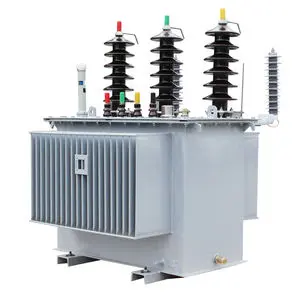
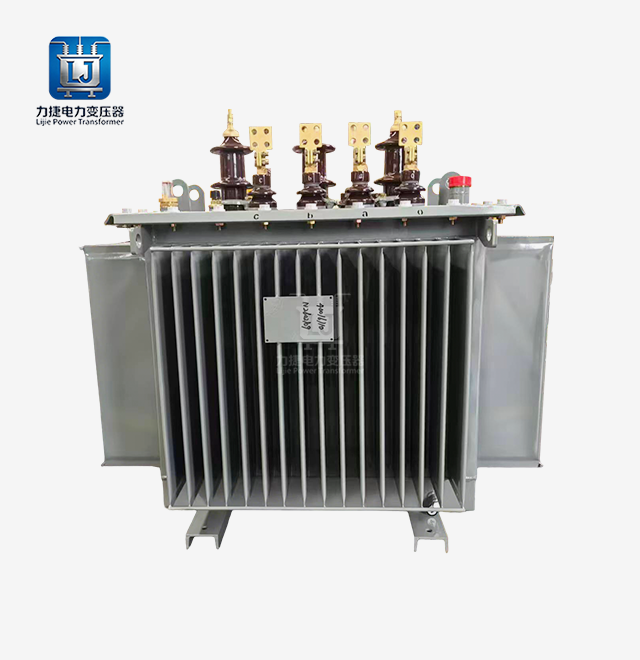
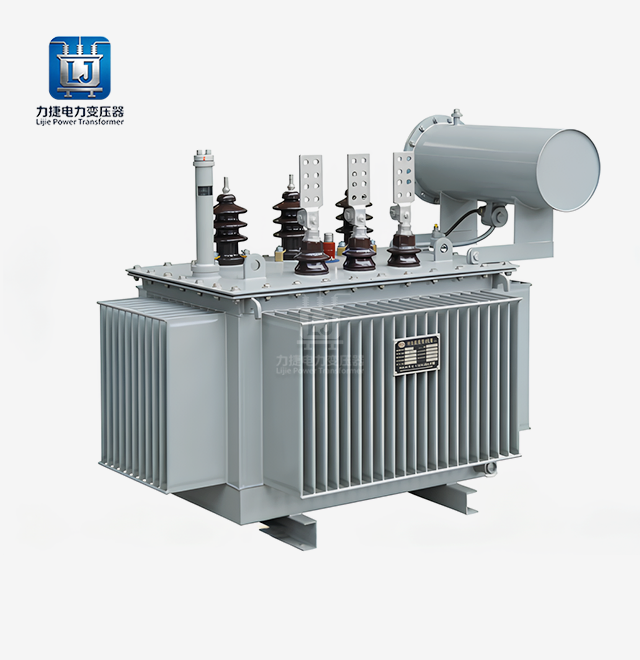
The unique feature of this equipment is its curved tank design, which takes the place of standard conservator systems. When the temperature of transformer oil goes up and down, it expands and shrinks. The metal fins naturally bend to handle these changes in volume. This gets rid of the need for an oil reservoir that is open to the air, making a fully protected space that keeps the oil's quality throughout the unit's useful life.
Insulating oil in oil-immersed transformers does two things: it keeps high-voltage parts from touching each other electrically, and it gets rid of heat from core losses. In the S11 design, lengthwise oil lines run through the twisting structure. These create convective cooling paths that move heat to the outside of the corrugated tank very effectively. The bigger surface area of the tank sends heat into the air around it without the need for external fans or pumps. This keeps the tank at a safe temperature even when it's under constant load.
All of the units are made to meet the requirements of IEC 60076 and have both CE certification for use in Europe and UL approval for use in North America. Around the world, distribution networks use voltages of 6kV and 12kV, and power values of 30kVA to 3150kVA can handle everything from small factories to utility substations. Different types of connections are available, such as Dyn11 for three-phase systems and Yyno for specific grid needs. Non-excitation tap switches let you change the voltage by ±5%.
The fully sealed design makes operating dependability better in a way that can be measured, and for an S11 Type Fully Sealed Oil-Immersed Distribution Transformer, the elimination of moisture ingress from the atmosphere ensures that insulation resistance remains above 1000 megohms for 15 years in coastal environments, compared to 200–400 megohms for conservator-type units under the same conditions, directly translating into fewer failures and lower replacement costs. We get rid of the main reason why dielectric breakdown happens in regular transformers by stopping moisture from the air from getting into the oil. Field data from coastal sites shows that sealed units keep their insulation resistance above 1000 megohms for 15 years, while models with conservators only keep theirs at 200 to 400 megohms in the same climate. This directly means fewer failures and fewer replacements needed right away.
These care perks can be measured and have an effect on your total cost of ownership:
These benefits are especially useful for green energy sites that are far away and where sending repair crews would cost a lot and be hard to organise. The effect on money is clear when you look at lifetime costs: the initial purchase price may be 10-15% higher than regular designs, but the money saved on oil processing costs and service calls usually pays for itself in 4 to 6 years of use.
Compared to older S9 series transformers, the high-quality cold-rolled grain-oriented silicon steel core cuts no-load losses by about 30%. This is better because the smooth coiled core design keeps magnetic flux from leaking out at the joints. Over the course of 25 years, these improvements in efficiency will save thousands of megawatt-hours of energy and lead to lower carbon emissions. These are important numbers for both practical budgets and environmental compliance reports.
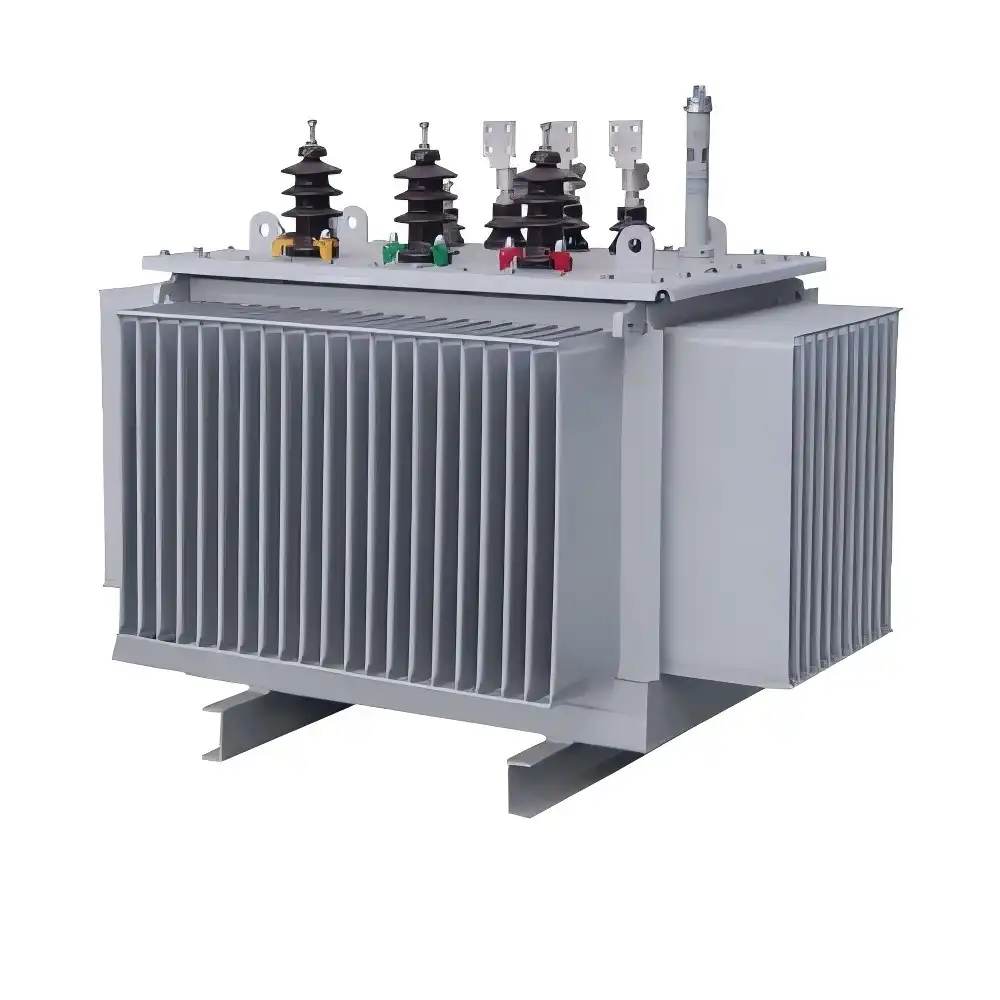
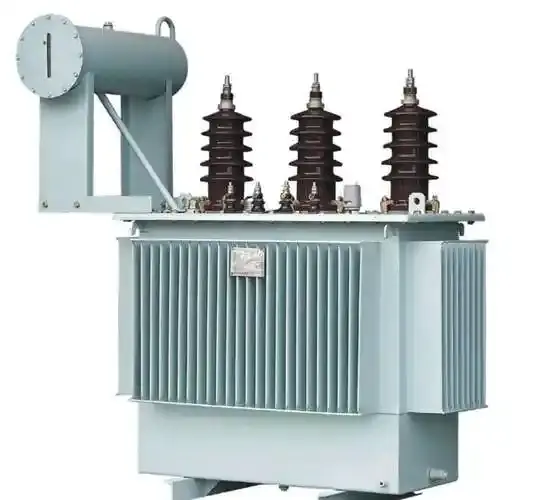
In traditional oil-immersed transformers, an expansion tank is placed outside the main body and linked to it by pipes. This oil conservator device lets the oil amount change, but the oil surface is exposed to air that has been filtered through silica gel breathers. Over time, air and moisture get into the oil even when it is filtered, which makes it less protective. This weakness is completely removed by the S11 Type Fully Sealed Oil-Immersed Distribution Transformer, which creates a tightly sealed space that keeps oil pure forever.
When it comes to care, dry-type transformers don't need oil, but they come with some other problems as well. In most systems above 500kVA, they need forced-air ventilation, which uses more energy and makes noise. Compared to oil-cooled systems, solid insulation can't handle as much overload because it can't hold as much heat. If you need high reliability and the ability to handle temporary overloads during demand spikes in industry and utility uses, oil-immersed technology is the best choice.
When figuring out the total costs of owning, don't just look at the buying price. Dry-type units usually cost 40–60% more at first, but they don't need to be oiled. Oil transformers with conservators may seem cheaper at first, but they cost more to maintain over time. The S11 is the perfect compromise between a modest original investment and low ongoing costs. A thorough cost estimate for a 1000kVA unit over 25 years shows that the sealed oil-immersed design will cost 15-20% less than either option when energy losses, maintenance labour, and replacement parts are taken into account.
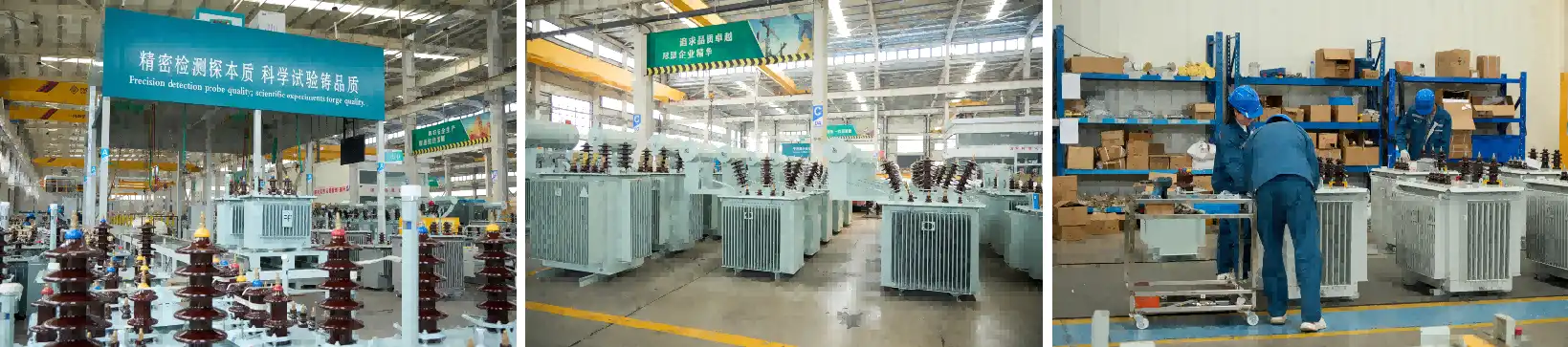
To find a trusted seller, you need to look at many aspects of their organisational capabilities. Scale is important in manufacturing. Plants that make less than 500 units a year often don't have the process stability needed for large sales. Check for ISO 9001:2015 approval, which means that the company has a method for managing quality, and make sure that they have in-house testing labs that can do routine, type, and special tests according to IEC standards. References from suppliers for finished projects in your business can help you figure out how well they deliver and how quickly they respond to technical support requests.
Standard catalogue units with popular specs (1000kVA, Dyn11, 12kV) usually ship 6 to 8 weeks after the order is confirmed. Lead times are extended to 10–14 weeks for custom configurations that need special tap setups or higher amounts of insulation. Prices go up with capacity rating: 30–50kVA units cost around $3,000–4,500, 500kVA models cost between $15,000 and $22,000, and 2000kVA transformers can cost up to $50,000–70,000, based on the specs and certifications needed. Orders of 10 or more units qualify for volume savings of 8 to 12%, and framework deals for multi-year projects offer even more price stability.
Features need to be customised for each working system, and for an S11 Type Fully Sealed Oil-Immersed Distribution Transformer, this means offering stronger anti-corrosion coatings for coastal sites, specific grounding configurations for hazardous locations like mines, and dual-voltage secondary windings for renewable energy projects that need to accommodate both plant auxiliary loads and grid export requirements. To keep corrugated fins safe from salt spray, sites near the coast need stronger anti-corrosion finishes that meet C4 or C5-M durability standards. For worker safety in dangerous places like mines, specific grounding setups are needed. Dual-voltage secondary windings are often needed for renewable energy projects so that they can handle both plant extra loads and grid export needs. Reputable makers have engineering teams that can change standard designs to meet the needs of these unique applications while still meeting safety standards.
The sealed design reduces the need for upkeep, but eye checks should be done on a regular basis to make sure the system keeps working well. Every three months, you should check to see if the curved fins are still in good shape, see if there are any oil leaks around the bushing seals, and make sure the temperature monitor works properly. Every year, thermographic scans look for hot spots that could mean loose connections or internal problems before they get worse and cause failures. These simple steps take technicians much less time than the oil tests and breather care that is needed for traditional designs.
Before putting new systems into service, dielectric testing should be done to make sure the insulation is solid. For one minute, 35kV AC is used in power frequency withstand voltage tests to make sure the transformer can safely handle overvoltage transients. With 75kV peak bursts, lightning impulse tests imitate a hit. Measurements of the transformer's turns ratio confirm that the windings are set up correctly, and measurements of the insulation resistance set standard values for tracking changes over time. Following the rules set out in IEC 60076, these acceptance tests give proof that the equipment is ready and provide data that can be used for future condition checks.
Temperature spikes of more than 10°C above the rated values indicate poor cooling performance or unusual loading conditions that need to be looked into. Ultrasonic tracking shows partial discharge activity, which means the insulation is breaking down and could cause a catastrophic failure if not fixed. Changes in the sound signature, like more buzzing or humming, often happen before mechanical problems with core laminations or winding locking structures. By using condition-based tracking to pick up on these early warning signs, planned repairs can be made before emergency failures stop operations.
There are real benefits to using the S11 Type Fully Sealed Oil-Immersed Distribution Transformer for businesses that want long-term dependability and low costs. Its curved tank design gets rid of the constant upkeep that comes with regular conservator systems while keeping the better thermal performance and extra capacity that come with oil-cooled technology. This tried-and-true technology provides the best mix of initial investment and lifecycle value for utility companies that are in charge of distributed grid infrastructure, industrial plant managers who need to make sure that production runs smoothly all the time, and renewable energy developers who are building remote installations. Better energy efficiency, longer service intervals, and strong construction all work together to meet the main buying needs of electrical engineers and supply chain workers in today's tough power distribution applications.
The main difference is how each system handles changes in oil amount. There is air room above the oil surface in conservator systems' external expansion tanks, so they need to be breathed and serviced regularly. Fully sealed units have movable corrugated tank walls that change size when the temperature changes. This makes a completely sealed space that keeps oil from getting contaminated.
Yes, the sealed building does a great job of keeping out outside contaminants. For the longest life against salt spray and humidity, units placed near the coast should have coatings that are more resistant to rust (C4 or C5-M standards). This style has worked well in a wide range of settings, from tropical ones to cold ones with big changes in temperature.
As long as everything works normally, the protected design only needs to be inspected visually and thermally once a year. This is different from transformers with conservators that need to have their oil amounts, breather conditions, and gasket strength checked every three months. Over the 25–30 years that the equipment is in use, the lower number of inspections immediately leads to lower upkeep labour costs.
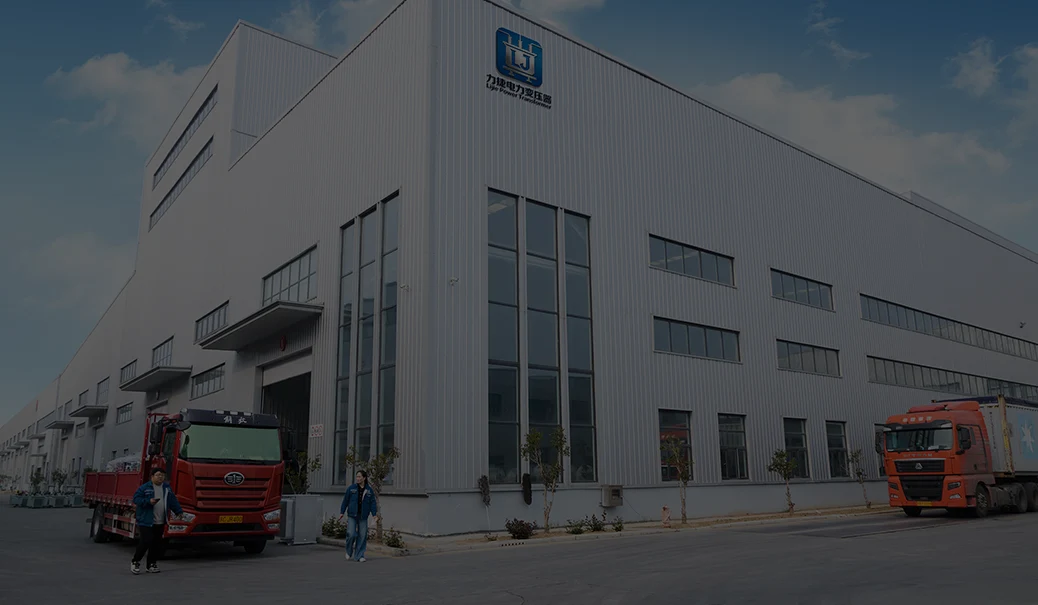
Lijie Electric has two state-of-the-art factories that together cover 500,000 square meters and can make more than 10,000 pieces of all of our transformers every year. Our S11 Type Fully Sealed Oil-Immersed Distribution Transformer supplier can quickly make changes for voltage levels from 6kV to 12kV and capacity values from 30kVA to 3150kVA. All of our products are made using quality systems that are ISO 9001:2015, CE, and UL approved. Our engineering team, which is made up of more than 160 professionals with advanced degrees, offers full technical support from developing the initial specifications to completion and ongoing service. Email our experts at lijieelectrical@gmail.com to talk about your project needs and get full quotes for both standard catalogue models and configurations that are made to fit your exact application.
1. International Electrotechnical Commission. Power Transformers – Part 1: General Requirements. IEC 60076-1:2011.
2. Zhang, Wei and Liu, Jianhua. Comparative Analysis of Sealed Transformer Designs for Distribution Networks. Journal of Electrical Engineering Technology, 2019.
3. National Electric Power Certification Center. Technical Specifications for Oil-Immersed Distribution Transformers. NEPCC Standards Publication, 2020.
4. Johnson, Robert. Lifecycle Cost Assessment of Distribution Transformer Technologies. IEEE Transactions on Power Delivery, 2018.
5. Chen, Ming. Advanced Cooling Systems in Modern Oil-Immersed Transformers. Transformer Engineering Quarterly, 2021.
6. American Society for Testing and Materials. Standard Practice for Evaluation of Transformer Insulation Systems. ASTM D6180-15.
YOU MAY LIKE
11%20Epoxy%20Resin%20Cast%20Dry-Type%20Transformer.webp)




April 27, 2025
With a tight project schedule, the manufacturer delivered on time, and on-site technical personnel provided guidance throughout the entire installation and commissioning process; the collaboration was highly efficient and hassle-free.
July 2, 2025
During the preliminary phase, a selection plan was custom-tailored based on the actual site load requirements, resulting in a high degree of parameter compatibility. After-sales support responds within two hours, and ongoing technical support for operation and maintenance is comprehensive; we feel completely confident in a long-term partnership.
November 18, 2025
Deployed as a supporting component for a 35kV grid-connection project at a photovoltaic power station, the equipment operates for an average of 16 hours daily. It demonstrates excellent control over no-load losses, ensures smooth power generation and grid integration, and effectively reduces the station's overall energy consumption.
January 30, 2026
Under the continuous, high-load operating conditions of a factory production line, the equipment maintains stable electrical parameters and exhibits strong overload resistance, thereby guaranteeing an uninterrupted power supply for industrial production.
April 3, 2026
Integrated as a supporting component for a new energy photovoltaic grid-connection system, the manufacturer provided professional technical coordination and timely after-sales support, ensuring seamless adaptation to the specific electrical operating conditions required for grid integration.