April 27, 2025
With a tight project schedule, the manufacturer delivered on time, and on-site technical personnel provided guidance throughout the entire installation and commissioning process; the collaboration was highly efficient and hassle-free.
Aug 3, 2026
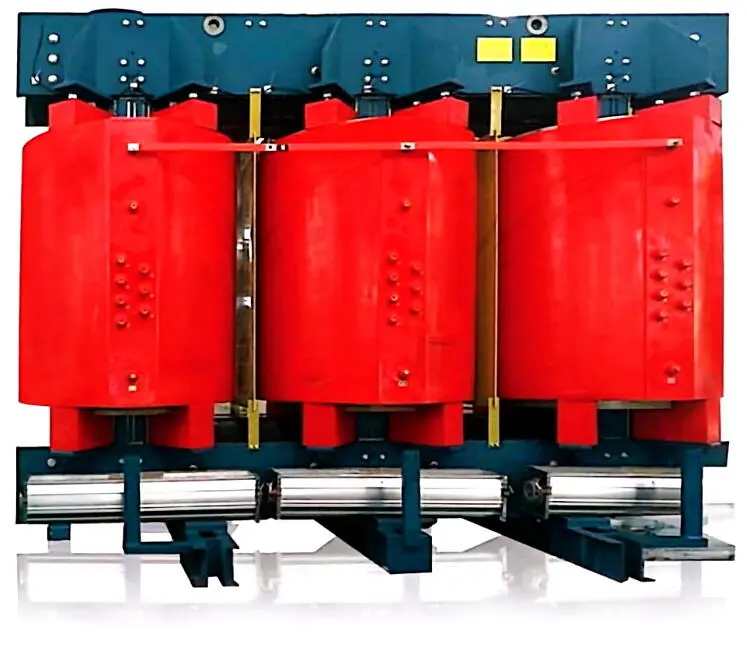
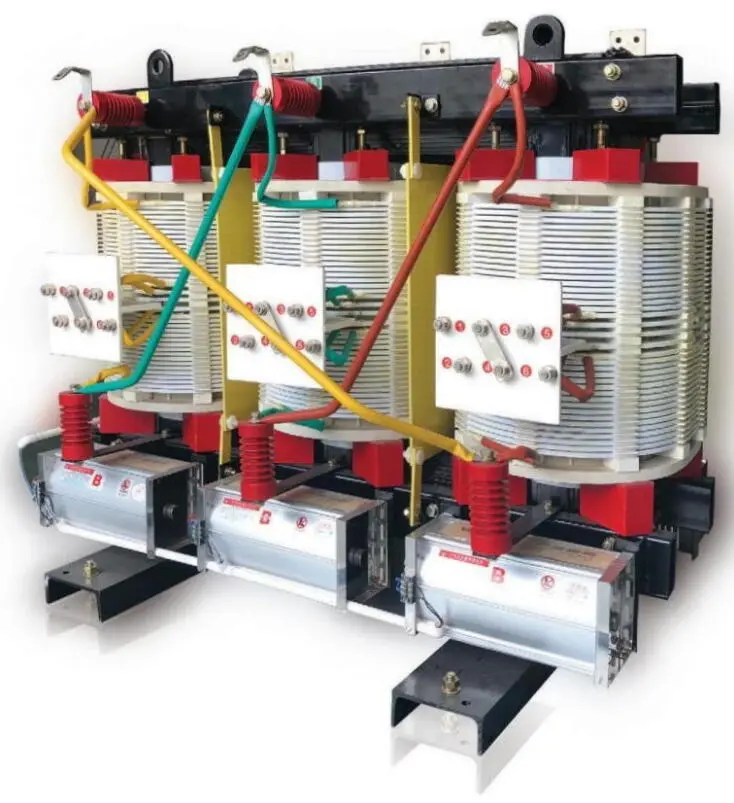
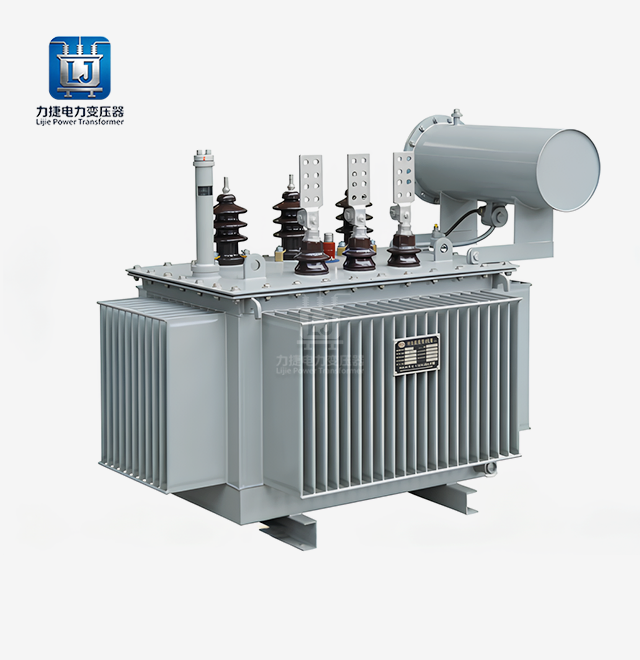
In situations where high voltage stability, high safety standards, and continuous operation dependability are important, the SCZB10 type power transformer is a high-performance option perfect for those situations. This equipment solves important problems in modern industrial power distribution. It is a three-phase epoxy resin cast dry-type transformer that can change taps while the load is on it and is made of foil windings. The SCZB10 type power transformer stands out because it can automatically adjust the voltage without stopping service. This makes it perfect for dealing with voltage changes in green energy installations and meeting strict fire safety standards in urban infrastructure. This high-tech cast resin transformer meets Class 10 loss performance standards and has a strong short-circuit withstand capability. It is an essential tool for power companies, manufacturing facilities, and large-scale building projects that need stable, cost-effective solutions.
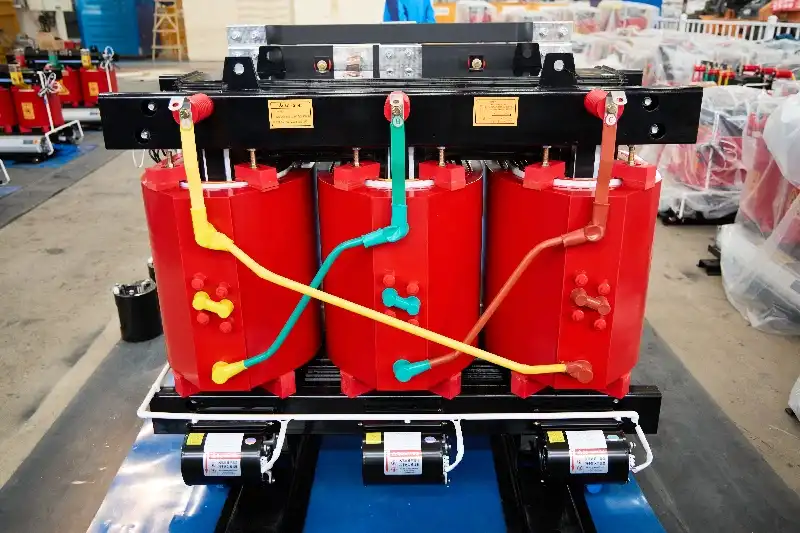
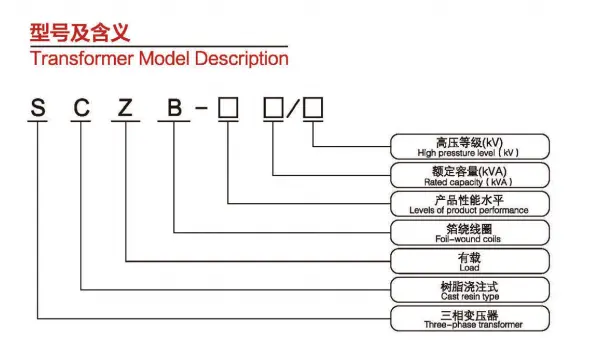
The name SCZB10 type power transformer comes from the GB/T 10228 national standard. The "S" stands for three-phase operation, the "C" for epoxy resin cast construction, the "Z" for on-load tap changer functionality, the "B" for foil winding technology, and the "10" for the loss performance class. There are real benefits to this technical setup over traditional transformer designs, especially in places where reliable power quality is essential.
Cast resin transformers have better protection than standard oil-immersed designs because they are encased in epoxy resin. According to GB/T 10228-2015, the SCZB10 type power transformer strictly follows the Class 10 loss standards. This makes sure that it uses the least amount of energy possible throughout its entire life. High-quality cold-rolled grain-oriented silicon steel laminations are used in the core to keep no-load losses as low as possible while increasing magnetic flux density. This choice of materials has a direct effect on the total cost of ownership because it lowers the amount of energy used over many years of service.
The voltage control range is 10kV ±4×2.5%, which lets the voltage be changed smoothly between nine different tap points while the transformer is still on and under load. This on-load tap changer device gets rid of the downtime that comes with making voltage adjustments. It keeps the output constant even when grid conditions change or load profiles change during working cycles.
The dual-winding setup combines high-voltage wire windings with low-voltage foil windings. This is a design choice that greatly improves the mechanical strength against electromagnetic forces that are created when there is a fault. Short-circuit impedance values are set at 4% for units 100 to 630 kVA and 6% for units 800 kVA and above. This gives the best mix between accurate voltage control and fault current limits.
When there is a short circuit, the foil winding structure spreads electromagnetic forces more evenly across the winding body than wire-wound systems. Independent tests show that foil windings that are properly made can survive dynamic forces that are more than 25 times normal working conditions without deforming or losing their insulation. This resilience directly leads to less frequent maintenance and longer service intervals, which allays the worries of procurement managers about the trustworthiness over the whole lifespan.
Transformers used in modern factories need to work the same way in all kinds of situations while keeping practical risks to a minimum. The SCZB10 type power transformer design meets these needs by having a few technical improvements that make it different from regular distribution transformers.
The flame-retardant qualities of epoxy resin cast construction are classed under insulation grades F or H. The resin mixture goes out on its own within seconds of removing the spark, so there are no longer any of the terrible risks of fire spreading that come with mineral oil-filled transformers. Because of this, cast resin units are very useful for installing in business complexes, high-rise buildings, and enclosed areas where fire control resources might be hard to get to.
The solid shielding system gets rid of the chances of oil leaks, dirt contamination, and groundwater pollution, which is in line with North American environmental laws that are becoming stricter. Facilities that want to get LEED certification or meet other environmental standards find that choosing dry-type transformers helps them meet their sustainability goals while still keeping the electrical system running as it should.
For indoor installs, standard enclosures meet IP20 protection grades. IP23 versions are offered for semi-exposed areas where dust might collect or where moisture might be present sometimes. The epoxy resin matrix has very good hydrophobic qualities, so it keeps its dielectric strength even in places where the relative humidity is higher than 95%. This resistance to moisture is very important for sites near the coast, in underground vaults, or in hot areas where oil-immersed transformers might lose their insulation more quickly.
Installations in the field in a range of climate zones show that the system works reliably from -25°C to +45°C, with no downsizing needed below 1000 meters elevation. For projects at higher elevations, thermal performance research is needed to take into account the fact that air cooling is less effective at higher elevations, which usually means a 0.5% drop in capacity for every 100 meters above the standard reference.
SCZB10 type power transformer keeps noise levels below 55 dB(A) at full load for units up to 1600 kVA by using precise core assembly methods that include special clamping systems and vibration-damping materials. This level of acoustic control complies with strict noise regulations in mixed-use developments and noise-sensitive environments such as schools, hospitals, and data centers. The quantified noise data also helps support vendor evaluation when writing specifications for installations near residential areas or busy workspaces.
Because these cast plastic units are naturally safe, don't harm the environment, and improve sound quality, they are the best choice for situations where regular oil-filled transformers pose too many operating risks or make it hard to follow regulations.
When purchasing, teams know where cast resin transformers with on-load tap changer give the best value, so they can make sure that the equipment specs match the needs of the project and the budget.
The small size and high safety rating of dry-type transformers make them ideal for high-rise buildings, shopping centers, and mixed-use projects. When you put something in the basement, you don't have to pay for the expensive fire suppression systems, storage structures, and vents that are needed for oil-filled equipment. The on-load tap changer handles the big changes in voltage that happen in urban distribution networks during times of high demand. This stops undervoltage situations that could harm sensitive building systems or stop tenants from working.
The SCZB10 type power transformer is commonly used in rapidly growing cities where many new residents are quickly entering the job market, and where the ability to adjust voltage helps electrical equipment last longer by allowing utilities to delay costly grid capacity upgrades. When the SCZB10 type power transformer is selected with an appropriate tap range, it can accommodate modest increases in load for about 5 to 7 years before reaching its capacity limits. This flexibility helps planners better time infrastructure investments and optimize long-term power system expansion.
Voltage changes because of irregular generation trends and changes in the power factor caused by wind farms and solar plants. Automatic voltage regulation in transformers actively accounts for these changes, keeping the distribution voltage within legal limits (±5% in most North American countries) even when production levels change quickly. This feature is especially useful for distributed generation projects that need to get permission from utility regulatory authorities to join the power grid.
Integrators of energy storage systems use these transformers in grid-tied situations where the charging and draining of batteries cause big changes in the power on the local distribution network. The ability to continuously regulate voltage stops voltage-related trip events that would otherwise stop processes that make money or hurt the performance of the battery management system.
Heavy-duty cycles, such as frequent motor starting transients, rectifier loads, and electric arc furnace operation, are put on the electrical infrastructure in steel mills, chemical processing plants, and mining operations. The strong mechanical design can handle repeated electromagnetic stresses, and the ability to regulate keeps motor terminal voltages stable during startup inrush periods, which keeps motor safety switches from tripping for no reason.
Facilities operating with SCZB10 type power transformers cannot handle the downtime required for regular tap changer changes. Being able to adjust voltage levels while the system is running helps improve process efficiency and extend equipment lifespan without stopping production. When the source voltage remains within the labeled tolerance bands, manufacturing engineers have observed measurable reductions in motor winding failures and drive system issues.
To make procurement choices, rival technologies must be objectively evaluated to make sure that specs are met and investment suggestions are backed up by stakeholders. The examples below show differences in performance that are important for industry use.
Standard cast resin transformers without tap changers need to be adjusted by hand, and the load must be interrupted in order to do so. This makes them less useful for situations where the grid conditions change or the load profile changes. The extra money spent on being able to change the on-load tap of the SCZB10 type power transformer usually pays for itself in 24 to 36 months because of less downtime and longer equipment life in installations that are sensitive to voltage.
Units that don't have the foil winding construction (designation "B") are less able to handle short-circuits and may need to be replaced after serious fault events that properly built foil-wound units would survive without damage. When figuring out what specs to use for setups with high fault current levels or poor upstream protection coordination, lifecycle cost analysis should take this different level of reliability into account.
The SCZB8 series is the earlier generation's loss standard. Compared to Class 10 designs, it has 15-20% higher no-load and load losses. This difference in efficiency leads to big differences in running costs over a normal 25-year service life. At industrial power rates of $0.10/kWh, a 1000 kVA unit running at 75% of its normal load adds up to $45,000 to $60,000 more in energy costs with SCZB8 losses compared to SCZB10 performance levels.
While the SCZB12 series is slightly more efficient than Class 10 designs, it comes with a higher price tag, which means payback times that are longer than usual for most industrial uses. To find out if ultra-low-loss standards provide positive net present value for their specific situation, procurement teams should ask for thorough lifecycle cost estimates that include real utility rate structures and realistic load profiles.
When you first buy an SCZB10 type power transformer, an oil-filled transformer, it usually costs 15 to 25 percent less than a similar cast plastic unit. This advantage doesn't seem as big when you add up the costs of installing fire control systems, containment buildings, oil testing on a regular basis, and paperwork for environmental compliance. Facilities whose insurance rates are affected by the risk of fire may save a lot of money in the long run by using dry-type specs, even though the equipment costs more to buy.
Maintenance times are very different for each technology. Oil-immersed units need to have their oil analyzed and sampled once a year, their filters or gaskets inspected on a regular basis, and dirty fluids thrown away at some point. With cast resin transformers, these tasks are no longer needed. Typical upkeep includes visual checks once a year, thermal imaging scans, and OLTC contact wear checks every 5 to 7 years. Over the usual service life of an industrial unit, the time saved on maintenance adds up to $8,000 to $15,000.
To buy transformers successfully, you need to find a balance between technical performance standards, price limits, shipping schedules, and the ability to provide long-term assistance. The following outline shows how to effectively work with suppliers and create specifications.
The specs for buying something must include the maximum capacity (in kVA), the main and secondary voltage levels, the type of connection (delta-wye or wye-wye), the impedance tolerance, the insulation class, and the maximum temperature rise. For uses with loads that create harmonics, K-factor values or certain harmonic reduction features are needed to keep the transformer from failing too soon due to too many winding eddy current losses.
Height, extreme temperatures, seismic zone designations, and sound levels are some of the most important external factors that affect design details and industrial testing needs. Specifications should clearly list relevant standards (IEC 60076-11, ANSI C57.12.01, GB/T 10228) to set minimum standards for performance and testing procedures.
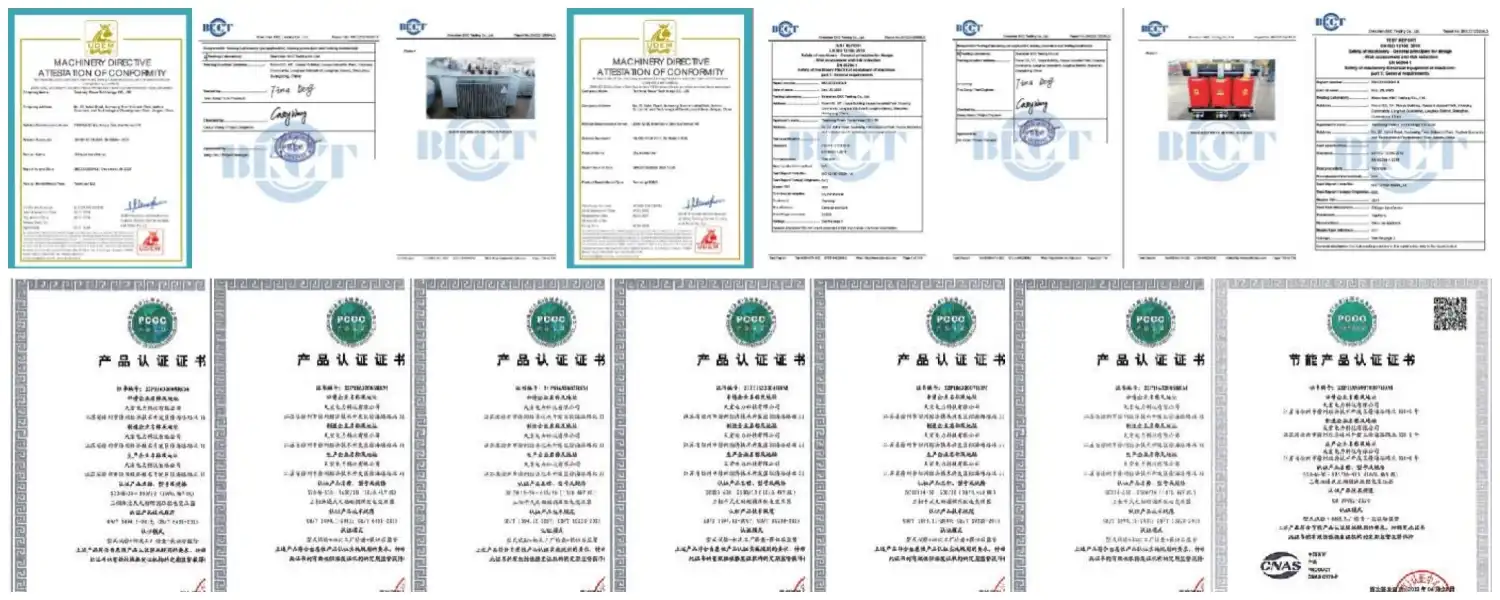
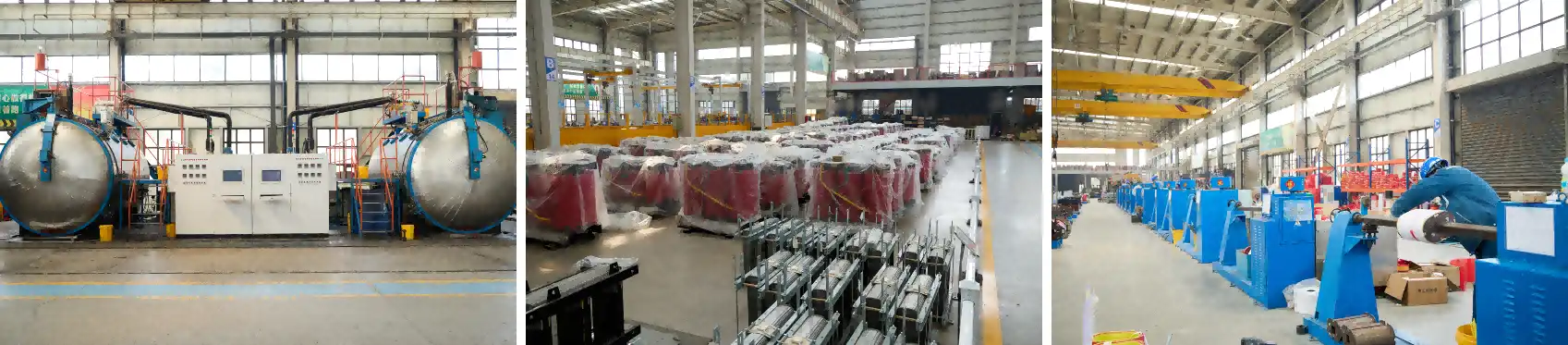
Manufacturers of SCZB10 type power transformer who are qualified show that they have ISO 9001 certification, keep in-house testing labs that can perform routine and type tests according to relevant standards, and provide proof of systems that work well in similar situations. When you visit a factory, you can learn about the methods for controlling production quality, tracking materials, and the skills of the technical staff that affect how reliable a product will be in the long run.
How well a supplier can meet project delivery dates rests on how fast they can make things, how well they handle their inventory, and how many orders they still have to fill. For big infrastructure projects that need a lot of identical units, suppliers who can make enough of them can deliver the tools in a way that fits with construction goals. During the part of evaluating competitors, purchasing managers should check manufacturing lead times and ask for firm delivery promises.
SCZB10 type power transformer systems in North America usually need to be UL-listed or CSA-certified to meet building codes and be accepted by insurance companies. IEC compliance, CE marks, or approvals relevant to the country may be needed for export projects. Early on in the vendor selection process, procurement specifications must make it clear what certifications are required, because aftermarket certification efforts cause significant delays and extra costs.
Quality assurance programs that include tests for partial discharge (below 10 pC at 1.44 μm), lightning impulse, temperature rise, and short-circuit withstand give manufacturers faith that their products will be made the same way every time they make them. Buyers should ask for approved test results and, for large orders, think about having testing done at the plant by a third party.
Standard warranty terms cover material flaws and poor production techniques for 18 to 24 months after the product is commissioned or 24 to 30 months after it is shipped. Options for extended warranties that cover everything for 5 years are a great way to lower your risk for setups that are far away or where getting new parts is hard.
Response time for technical help, supply of spare parts, and field service skills all affect the ability to keep operations going when unexpected equipment problems happen. When comparing prices, suppliers with regional service centers, stocked extra parts for important parts (like OLTC mechanisms and temperature tracking systems), and technical hotlines that are open 24 hours a day, seven days a week, provide real value that supports small price premiums.
Performance, reliability, and lifecycle costs are all improved by matching the features of a transformer to the needs of an application. The next decision structure talks about important specification factors.
To choose the right capacity, you need to think about the linked load, the demand factors, the power factor characteristics, and the growth that you expect over the planning period. Undersized units constantly work near their temperature limits, which speeds up the aging of the insulation and raises the chance of failure. Oversized standards lose money and work less efficiently because they have bad no-load loss proportions when they are lightly loaded.
Transformers are usually sized so that they can handle 80 to 90% of their maximum average demand. This gives them a thermal cushion for short-term overloads and extra loads that don't need to be replaced too soon. For projects with clear steps of growth, installing several smaller units in stages may be more cost-effective than installing a single big transformer. This makes the system more efficient at low loads and provides backup power.
Standard tap ranges of ±4×2.5% (nine places covering ±10% total adjustment) are enough to handle the normal changes in distribution voltage that happen in North American utility systems. For installations that get their power from very weak lines or that serve loads that are very sensitive to voltage changes, you may need bigger tap ranges (±6×2.5% or ±8×1.25% configurations), which can be made to order.
Tap development periods find a balance between the accuracy of control and the complexity of the OLTC mechanism. For most industry uses, coarser tap steps (2.5% increments) are fine. But for more precise manufacturing or sensitive analytical equipment, smaller steps (1.25% or 1.67% increments) may be needed to keep voltage control tight.
Natural air cooling (AN rating) is a safe way to control the temperature inside most buildings as long as there is enough air flow. Forced air cooling (AF rating) raises capacity by 25–33% by using fans to help remove heat. This lets setups with limited room have smaller physical footprints or higher power densities. When you use forced cooling, you have to make sure that you have access to extra power and that any moving parts are properly maintained on a regular basis.
Temperature tracking systems with ambient monitors, core temperature sensors, winding RTDs, and temperature sensors send data to remote monitoring platforms. This lets repair plans be planned ahead of time, and problems with temperature be found quickly. Integrating with building management systems or SCADA networks gives practical insight that helps plan maintenance based on facts.
Cast resin transformers that can change the load tap offer mature, tried-and-true technology that provides real benefits for industrial power distribution applications that value safety, dependability, and voltage quality. The SCZB10 type power transformer design meets the unique needs of the utility, renewable energy, industrial, and infrastructure sectors when it comes to buying. It does this by providing optimal efficiency, strong construction, and operating versatility. To get the most value, good specs combine technical performance needs with environmental compatibility, legal compliance, and lifecycle economics. When projects hire qualified suppliers with proven production skills, thorough testing procedures, and strong support infrastructure, they are more likely to be implemented successfully and run successfully for a long time.
On-load tap changers let you change the voltage ratio while the transformer stays on and provides load. This means that there are no service breaks needed by off-circuit or de-energized tap changers. This feature keeps important loads powered up all the time while adjusting to changing grid conditions or load needs. The switching mechanism has transition impedances and carefully sequenced contacts that keep the circuit open during tap transitions and stop harm from arcing. This ability to regulate voltage without interruption is very useful for industries that run continuous processes or serve important sites.
Cast plastic construction gets rid of the need to sample oil, filter it, change gaskets, and eventually get rid of the fluid that comes with oil-filled designs. OLTC mechanisms are checked every 5 to 7 years, and visual checks are done once a year to see if dust has gathered. Thermal imaging scans are also done to look for hot spots that could mean loose connections or odd loading. This lessened maintenance load lowers lifetime costs and makes facilities management easier for businesses that don't have a lot of electricity maintenance experts on staff. When units are properly kept, they can last for 30 years without needing major component repairs.
The on-load voltage control feature especially handles the voltage changes that come with solar and wind power. As the weather changes, so does the output from green sources. To keep the distribution voltage within legal limits, the transformer automatically changes the tap positions. This keeps grid code violations from happening and makes sure that the interconnection agreement is followed. This active voltage control lets more renewable energy be used on distribution lines without having to spend a lot of money on expensive changes to the grid.
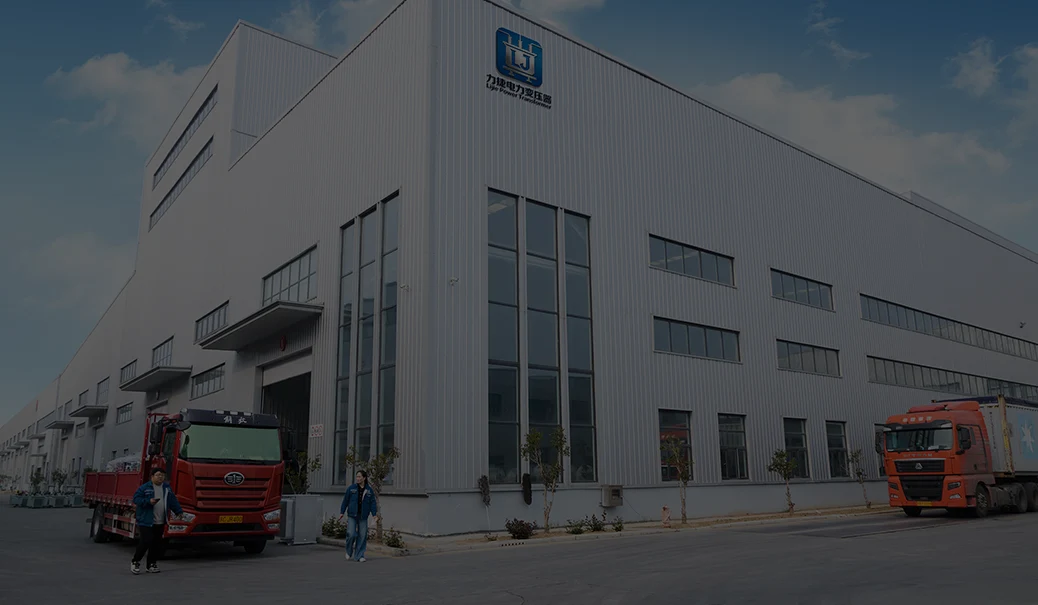
For businesses that need high-performance cast resin transformers, Lijie Electric Power Technology Group offers full technical support, custom manufacturing, and trusted supply partnerships. Our factories, which cover 500,000 square meters and are located in Xuzhou and Nantong, make all the transformers that are needed for global markets and meet the standards for IEC, UL, and CE approval. With more than 160 engineers working for us and more than 5 billion RMB in yearly production capacity, we have the technical depth and industrial scale to handle large-scale projects while keeping quality high and delivering on time. As a certified maker of SCZB10 type power transformers, we can give you custom voltage ratings, unique testing procedures, and a lot of scientific information to back up your purchase requirements. Email our engineering team at lijieelectrical@gmail.com to talk about your project needs and get full specs that are made to fit your operational setting.
1. Institute of Electrical and Electronics Engineers. (2019). IEEE Standard for Dry-Type Distribution and Power Transformers. IEEE C57.12.01-2015, Revision of IEEE C57.12.01-2005.
2. International Electrotechnical Commission. (2017). Power Transformers - Part 11: Dry-Type Transformers. IEC 60076-11:2018, Edition 2.0.
3. National Electrical Manufacturers Association. (2016). Standard for Cast Coil Dry-Type Transformers. NEMA ST 1-2016, Revision of NEMA ST 1-2006.
4. Standardization Administration of China. (2015). Power Transformers - Part 10: Determination of Sound Levels. GB/T 10228-2015, National Standard of the People's Republic of China.
5. Canadian Standards Association. (2018). Distribution, Power, and Regulating Transformers. CSA C88-18, Tenth Edition.
6. American Society for Testing and Materials. (2020). Standard Test Methods for Electrical Resistivity of Manufactured Carbon and Graphite Articles at Room Temperature. ASTM D4496-13, Reapproved 2020.
YOU MAY LIKE

%20H15%20Series%20Oil-immersed%20Amorphous%20Alloy%20Transformer.webp)


H15%20type%20three-phase%20fully%20sealed%20distribution%20transformer.webp)
April 27, 2025
With a tight project schedule, the manufacturer delivered on time, and on-site technical personnel provided guidance throughout the entire installation and commissioning process; the collaboration was highly efficient and hassle-free.
July 2, 2025
During the preliminary phase, a selection plan was custom-tailored based on the actual site load requirements, resulting in a high degree of parameter compatibility. After-sales support responds within two hours, and ongoing technical support for operation and maintenance is comprehensive; we feel completely confident in a long-term partnership.
November 18, 2025
Deployed as a supporting component for a 35kV grid-connection project at a photovoltaic power station, the equipment operates for an average of 16 hours daily. It demonstrates excellent control over no-load losses, ensures smooth power generation and grid integration, and effectively reduces the station's overall energy consumption.
January 30, 2026
Under the continuous, high-load operating conditions of a factory production line, the equipment maintains stable electrical parameters and exhibits strong overload resistance, thereby guaranteeing an uninterrupted power supply for industrial production.
April 3, 2026
Integrated as a supporting component for a new energy photovoltaic grid-connection system, the manufacturer provided professional technical coordination and timely after-sales support, ensuring seamless adaptation to the specific electrical operating conditions required for grid integration.