April 27, 2025
With a tight project schedule, the manufacturer delivered on time, and on-site technical personnel provided guidance throughout the entire installation and commissioning process; the collaboration was highly efficient and hassle-free.
Aug 4, 2026
It is very important for businesses and factories that need consistent power quality, safety, and energy savings to find a reliable Distribution Transformer Supplier. These companies not only sell important power conversion equipment, but they also make sure that it meets international standards like IEC, ANSI, and UL, and they can make changes to fit the needs of each load. An experienced supplier acts as a link between manufacturers and end-users by providing transformers that improve energy efficiency, lower running costs, and support sustainability goals in a wide range of settings, from manufacturing plants to renewable energy parks.
It's not enough for a Distribution Transformer Supplier to just send equipment when it comes to powering business buildings, factories, or renewable energy installations. These companies are important business partners because they know how changing power affects both short-term and long-term costs and how well operations run.
Manufacturers mostly think about how to make things and how to come up with new designs. But suppliers focus on making sure that the specifications of each transformer are right for each client's specific working conditions. Before suggesting solutions, we look at things like the temperature, the load, the amount of harmonic distortion, and the limitations of the installation. This ability to be customized is especially useful when normal catalog items can't solve certain problems, like installations at high altitudes or in harsh climates.
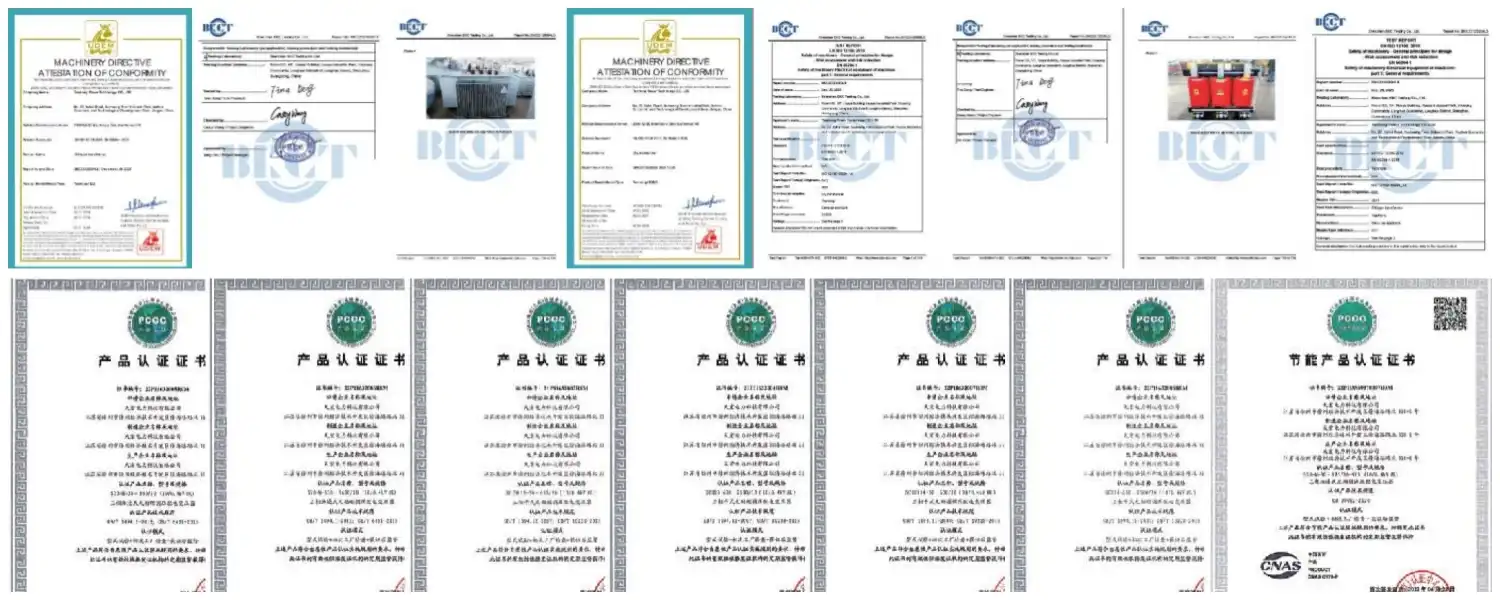
Transformers that use less energy have to pass strict tests set by groups like the American National Standards Institute and the International Electrotechnical Commission. For insurance and legal reasons, our power sector clients need transformers that are certified to IEC 60076 standards. On the other hand, our industrial buyers often need UL-listed equipment. Suppliers with complete portfolios of certifications reduce procurement risks and speed up the time it takes to approve a project.
Lead times are very different depending on how complicated the transformer is, how it needs to be customized, and when it needs to be made. Customers can better manage their delivery expectations when they work with a reliable Distribution Transformer Supplier that gives them accurate manufacturing timelines and professional project management. Standard 500 kVA pad-mounted units can be sent out in six to eight weeks. However, it can take sixteen to twenty weeks for engineers to design, build, test, and inspect specialized rectifier transformers for mining uses. A Distribution Transformer Supplier with a lot of experience and contacts with many different factories can offer faster turnaround times, more flexible production, and better inventory management. Working with a professional Distribution Transformer Supplier can help keep projects on track, avoid costly downtime, and make sure that the transformer equipment arrives on time for installation. For complicated power distribution projects, a reliable Distribution Transformer Supplier can also offer custom solutions, technical help, and coordination of the supply chain. Customers can make projects more efficient, keep operations running smoothly, and get better long-term value from their transformer investments if they choose the right Distribution Transformer Supplier.
In order to choose the right types of transformers, you need to know how each design works in different situations. Making the wrong choice can cause things to break down early, waste a lot of energy, and require expensive repairs.
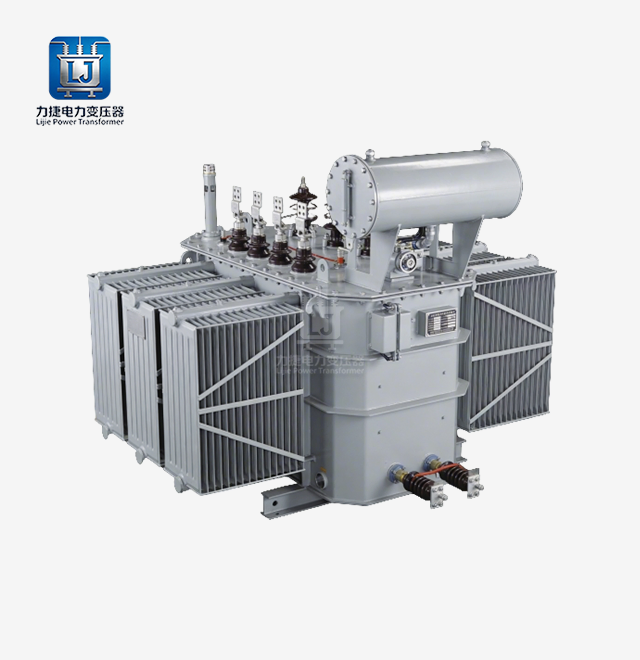
In urban commercial areas where underground wiring is required and looks are important, pad-mounted transformers are the norm. These units make safe enclosures that can't be opened, which are great for shopping malls, office parks, and housing projects. For industrial facilities and factories in rural areas where overhead distribution is possible, pole-mounted transformers are still a good value.
Dry-type transformers are becoming more popular in data centers and indoor industry settings because they don't have the fire risks that oil-filled units do. Since they can handle harmonic distortion, they can be used in places with changing frequency drives and nonlinear loads.
In distribution uses, voltage ratings usually fall between 600V and 35kV. The transformer's capacity, measured in kVA, tells you how much load it can handle. Ratings for energy efficiency are becoming more important as the cost of energy goes up. When used at full load, modern transformers that are 98.5% efficient or higher can save facilities tens of thousands of dollars a year compared to older types that are only 96% efficient.
Temperature rise specifications, which are given in degrees Celsius above room temperature, show how well a transformer gets rid of heat. Units that rise less in temperature run cooler, which increases the life of the insulation and lowers the number of failures. In tough industrial settings, we've seen that transformers that are 10 to 15 degrees cooler can last five to seven years longer.
Compared to silicon steel cores, amorphous alloy core materials cut no-load losses by 70%. This makes them perfect for transformers that are lightly loaded and stay on all the time. This technology is especially useful for renewable energy sites like solar farms and wind parks, where the load on transformers changes all the time.
IoT sensors built into smart transformers let you check the oil temperature, load current, and partial discharge activity in real time. A professional Distribution Transformer Supplier can offer high-tech smart transformer solutions that include digital monitoring technologies to make tools more reliable and operations run more smoothly. Customers can get intelligent transformers with features that help with predictive maintenance and finding possible problems before they become major failures if they work with an experienced Distribution Transformer Supplier. Facility managers can schedule repairs for planned outages with this predictive maintenance feature instead of having to deal with sudden failures that stop production and raise operational costs. A trustworthy Distribution Transformer Supplier can also help with data analysis, monitoring systems, and long-term plans for managing assets. Businesses can make their power systems more stable, lower the risk of downtime, and get the most out of their transformer equipment by choosing a reliable Distribution Transformer Supplier. Smarter, more efficient, and more reliable power distribution networks can be built with the help of a new Distribution Transformer Supplier.
To choose a provider wisely, you need to carefully look at a lot of different factors that have a direct effect on the project's outcomes and its long-term costs.
First, write down exact details about the load, such as peak demand, power factor, and harmonic content. The needs of a steel mill with electric arc furnaces are very different from those of a business building with LED lighting and HVAC systems. Suppliers who know how to look at load profiles can suggest transformer specs that keep them from being too big while still making sure they have enough capacity margins.
The environment has a big impact on the choice of equipment. Coastal sites need coatings that don't rust and sealed termination rooms. For places above 1,000 meters, where the air density is lower, derating formulas or better cooling systems are needed to make up for it.
Quality certifications are objective proof of the ability to make something. ISO 9001:2015 certification shows a dedication to consistent quality management, and product-specific certifications like CQC energy-saving verification back up claims of performance. Instead of just relying on type test certificates, we give more weight to suppliers who do regular testing at accredited labs.
Lifecycle costs are also considered when figuring out cost-effectiveness. A transformer with 98% efficiency costs more up front than one with 96% efficiency, but within three to five years, the extra cost is usually paid for by the savings in energy use. Total cost of ownership estimates from suppliers help procurement teams make the case for buying more efficient equipment.
Because they ship goods all over the world, global suppliers may have longer wait times and higher prices, but they may offer a wider range of products and better technical support. Regional suppliers can usually send items faster and allow for more customization, but they might not be able to handle large orders.
Direct manufacturers don't add markups for distributors and offer engineering help, but they usually need larger minimum order quantities. Distributors keep popular configurations in stock so they can ship right away. They can also combine orders from more than one manufacturer, but they do charge extra for this service.
To successfully procure something, you need to carefully plan the order details, how you will communicate with the supplier, and the terms of the contract that protect both sides' interests.
Minimum order amounts depend on the goods and the supplier. Standard pad-mounted transformers may only need a one-unit MOQ, but custom designs usually need five or more units to cover the cost of engineering them. Framework deals lock in prices and delivery times for multiple shipments over long periods of time, which is helpful for buyers who are planning big projects.
If a provider can customize their products, it means they can meet specific needs like non-standard dimensions, special voltage taps, or seismic certification. We keep engineering teams that can change standard designs to fit specific needs without having to do full custom development. This cuts down on both cost and wait time.
Production schedules depend on how complicated the transformers are and how busy the factory is. It usually takes 10 to 14 weeks from the time an order is confirmed until the plant finishes making oil-immersed distribution transformers with a rating of less than 2,500 kVA. Dry-type units can often ship faster—sometimes in as little as six to eight weeks—because they are easier to make.
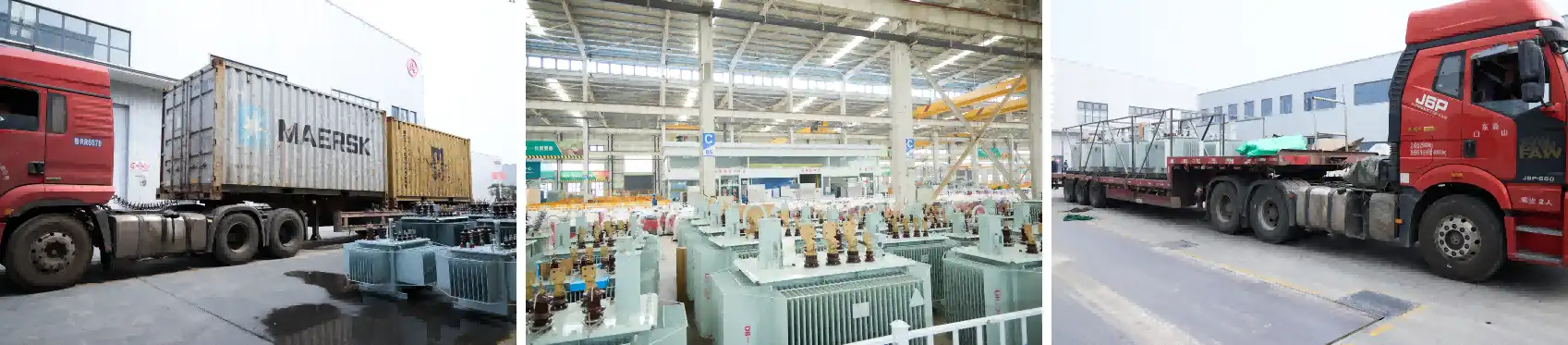
For ocean freight from Asian manufacturing hubs to North American ports, international shipping adds four to six weeks. This is on top of the time needed for customs clearance and inland transportation. Customers can handle international logistics with the help of a dependable Distribution Transformer Supplier that gives them accurate delivery schedules, full shipping paperwork, and professional export support. When buyers work with an experienced Distribution Transformer Supplier, they can make better plans for transportation, avoid delays that were not expected, and better organize installation activities. When making project schedules, procurement teams should take these transportation timelines into account, especially for installations that have set dates for turning on. A professional Distribution Transformer Supplier knows how important it is to deliver on time and can help customers with things like planning their inventory, coordinating the supply chain, and keeping track of their shipments. Picking a reliable Distribution Transformer Supplier will help make sure that the transformer equipment shows up on time, which lowers project risks and makes commissioning go more smoothly. A Distribution Transformer Supplier with a lot of experience not only sells high-quality distribution transformers but also offers reliable logistics solutions that help the whole project go more smoothly.
As a general rule, you pay 30% of the total amount when you accept the order, 60% before shipment, and 10% when the job is finished. For bigger orders, you might be able to get better terms, like lines of credit or longer payment terms. Both buyers and sellers are protected by clear payment goals that are linked to events that can be checked for delivery and testing.
Most warranties cover the product for 18 to 24 months after it is first used or 24 to 30 months after it is shipped, whichever comes first. Comprehensive warranties cover flaws in materials, workmanship, and manufacturing, but not damage caused by bad installation or use. By making sure everything is set up correctly from the start, suppliers who offer technical support during installation and commissioning cut down on warranty claims.
There are both well-known international companies and specialized manufacturers in the global market. Each has its own benefits for different types of projects and business needs.
ABB, Siemens, and Schneider Electric have built their names over many years by coming up with new ideas and making sure their products are always of high quality. Their global service networks offer technical help in your area, even for items made in other countries. These names usually have higher prices, but they come with a lot of testing information, a long warranty, and a history of reliability in serious situations.
With goods that meet ANSI and UL standards, Eaton and GE put a lot of effort into the North American market. Their transformer lines focus on features like lower noise levels for installations in cities and higher short-circuit strength for industry settings where motors start up a lot.
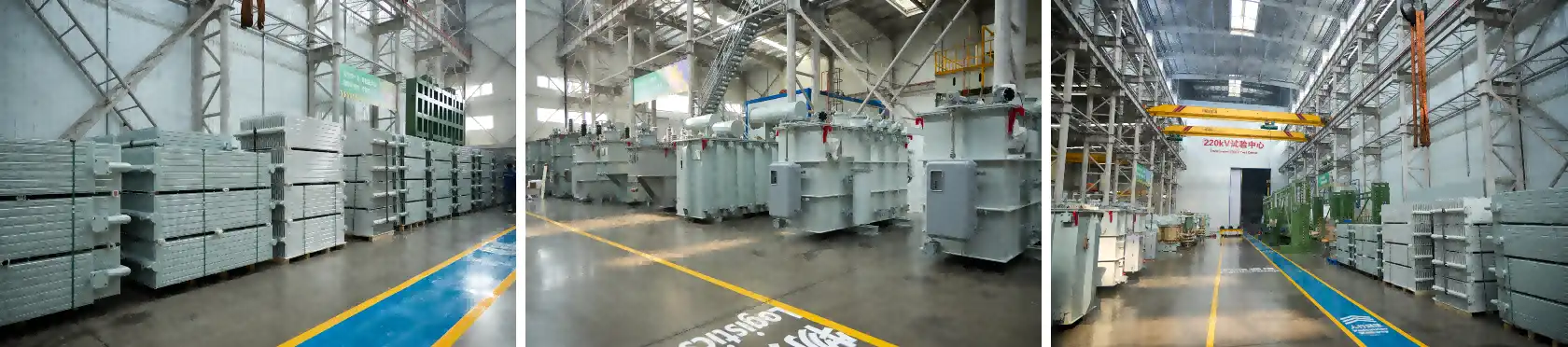
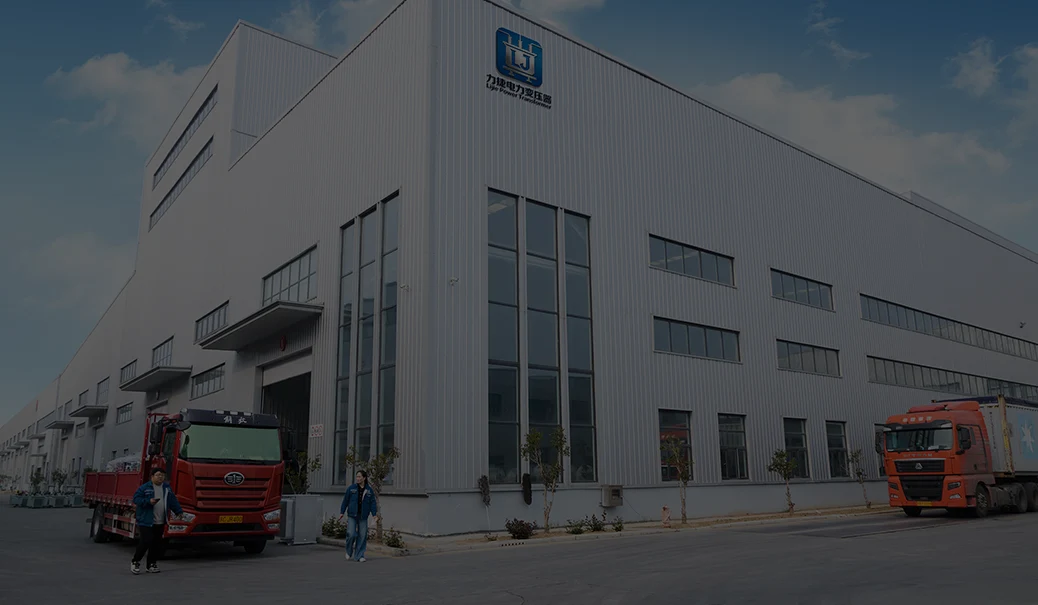
Mid-sized companies like Lijie Electric offer reasonable prices, a lot of production capacity, and a lot of professional know-how. Our factories in Xuzhou and Nantong cover 500,000 square meters and make transformers with full IEC, CE, and UL standards. They can handle voltages from 10kV to 500kV. Our annual sales of more than 5 billion RMB show that we can handle big projects while still being able to adapt our solutions to fit specific needs.
We've given distribution transformers to projects in Southeast Asia that use renewable energy, to Central Asia to improve power utilities, and to East Africa for industrial uses. This experience in different countries gives us information about different grid conditions and regulatory environments that help us make new products.
In addition to what the company says on the marketing materials, buyers should look at factory audit reports, watch tests being done at approved labs, and ask for examples of similar projects that have been done in the past. Suppliers who are open about their quality control processes, such as inspecting arriving materials, testing while they are being made, and final routine tests, show that they are committed to consistent performance.
Getting awards and badges from the industry adds to the credibility. Our titles as a National High-Tech company and a Specialized, Refined, and New "Little Giant" company show that we are good at coming up with new ideas and making things.
For years after installation, choosing the right Distribution Transformer Supplier affects how much energy costs, how reliable the system is, and how long the job takes. To be good at procurement, you need to know the technical details that match your load needs, be able to evaluate suppliers based on objective quality and delivery factors, and be able to set clear contractual terms that protect your interests. Transformers that are certified to meet international standards for energy efficiency save money and help reach sustainability goals. Long-term success depends on working with experienced suppliers who put compliance, customization, and quick service at the top of their list of priorities. This is true whether you need standard pad-mounted units for commercial developments or custom solutions for unique industrial processes.
Give more weight to suppliers who have ISO 9001:2015 quality management certification and product-specific approvals like UL listing, IEC 60076 compliance, and CQC energy efficiency certification. These credentials show that the ways products are made are in line with international standards and that the products work as promised in strict testing circumstances.
Transformers from a standard catalog that have common voltage ratings and capacities usually ship in six to ten weeks. For custom designs that need special voltage taps, custom dimensions, or extra features, it may take 14 to 20 weeks to fit in engineering, testing prototypes, and production schedules.
Ratings for energy efficiency directly affect how much it will cost to run a business for 20 to 30 years. Transformers with lower core and winding losses use less energy, and good construction means they don't need as much maintenance. When the load is normal, the right size keeps the efficiency from going down.
Lijie Electric stands ready to support your commercial and industrial power distribution needs with transformers engineered for efficiency, reliability, and longevity. As an established manufacturer, we control quality from raw materials through final testing, ensuring consistency across large-volume orders. Our product range includes oil-immersed, dry-type, amorphous alloy, and prefabricated substation solutions up to 35kV, all certified to ISO 9001, IEC, CE, and UL standards. Contact our technical team at lijieelectrical@gmail.com to discuss your specific requirements and receive detailed specifications tailored to your application.
1. Institute of Electrical and Electronics Engineers. (2019). IEEE Standard for General Requirements for Liquid-Immersed Distribution, Power, and Regulating Transformers. IEEE C57.12.00-2019.
2. International Electrotechnical Commission. (2021). Power Transformers – Part 1: General. IEC 60076-1:2021.
3. U.S. Department of Energy. (2022). Energy Conservation Program: Energy Conservation Standards for Distribution Transformers. Federal Register, Vol. 87, No. 78.
4. National Electrical Manufacturers Association. (2020). Guide for Determining Energy Efficiency for Distribution Transformers. NEMA TP-1-2020.
5. American National Standards Institute. (2018). Standard Requirements for Pad-Mounted, Compartmental-Type, Self-Cooled, Three-Phase Distribution Transformers. ANSI C57.12.29-2018.
6. Electric Power Research Institute. (2023). Technical Guidelines for Distribution Transformer Procurement and Lifecycle Management. EPRI Report 3002025640.
YOU MAY LIKE
10%20type%20epoxy%20resin%20cast%20transformer.webp)
10%20type%20dry-type%20distribution%20transformer.webp)
18%20type%2035KV%20power%20transformer.webp)
14%20Epoxy%20Resin%20Dry%20Type%20Transformer.webp)

11%20Epoxy%20Resin%20Cast%20Dry-Type%20Transformer.webp)

April 27, 2025
With a tight project schedule, the manufacturer delivered on time, and on-site technical personnel provided guidance throughout the entire installation and commissioning process; the collaboration was highly efficient and hassle-free.
July 2, 2025
During the preliminary phase, a selection plan was custom-tailored based on the actual site load requirements, resulting in a high degree of parameter compatibility. After-sales support responds within two hours, and ongoing technical support for operation and maintenance is comprehensive; we feel completely confident in a long-term partnership.
November 18, 2025
Deployed as a supporting component for a 35kV grid-connection project at a photovoltaic power station, the equipment operates for an average of 16 hours daily. It demonstrates excellent control over no-load losses, ensures smooth power generation and grid integration, and effectively reduces the station's overall energy consumption.
January 30, 2026
Under the continuous, high-load operating conditions of a factory production line, the equipment maintains stable electrical parameters and exhibits strong overload resistance, thereby guaranteeing an uninterrupted power supply for industrial production.
April 3, 2026
Integrated as a supporting component for a new energy photovoltaic grid-connection system, the manufacturer provided professional technical coordination and timely after-sales support, ensuring seamless adaptation to the specific electrical operating conditions required for grid integration.