April 27, 2025
With a tight project schedule, the manufacturer delivered on time, and on-site technical personnel provided guidance throughout the entire installation and commissioning process; the collaboration was highly efficient and hassle-free.
Jul 21, 2026
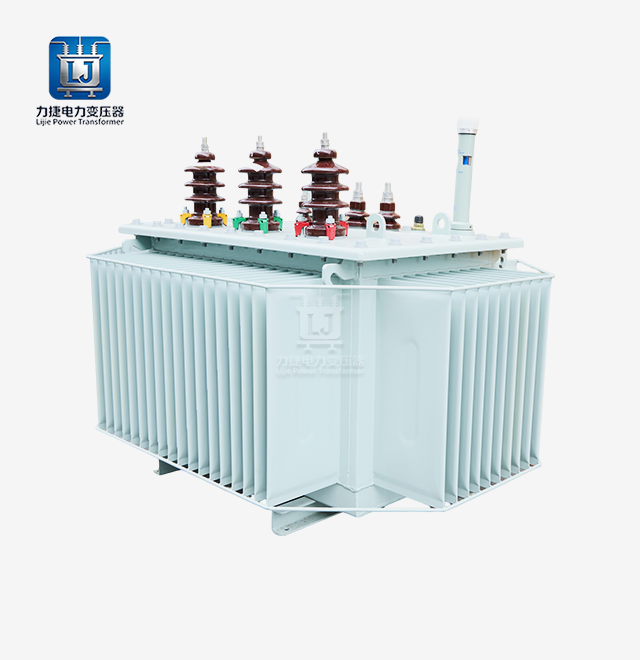
The S13 type three-phase distribution transformer is the best choice for power utilities, green energy installations, and industry facilities when it comes to energy distribution tools for important infrastructure projects. This advanced oil-immersed transformer is very energy efficient—its no-load losses are about 25–30% lower than those of older S11 models—and it has been proven to work reliably in harsh settings. The S13 type three-phase distribution transformer series is made to international standards IEC60076 and GB/T10228. It combines cold-rolled grain-oriented silicon steel sheets with optimised magnetic circuits. This gives procurement managers a great deal of benefits, including lower lifecycle costs, compliance with strict environmental laws, and an operation that doesn't need any maintenance for more than 30 years.
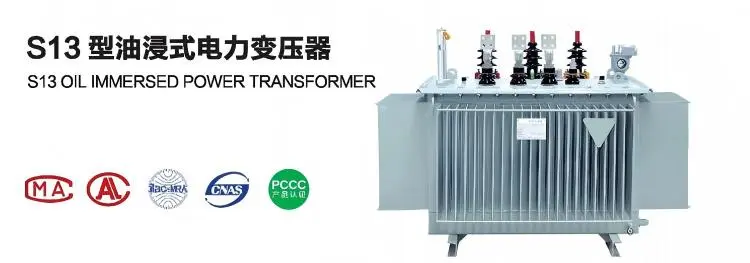
In terms of technology, the S13 type three-phase distribution transformer series is a big step forward in power distribution equipment. It was designed to meet the changing needs of current power systems. We at Lijie Electric made this line of transformers with high-permeability silicon steel cores and all-copper windings. This has led to amazing performance changes that save our customers money on their operations.
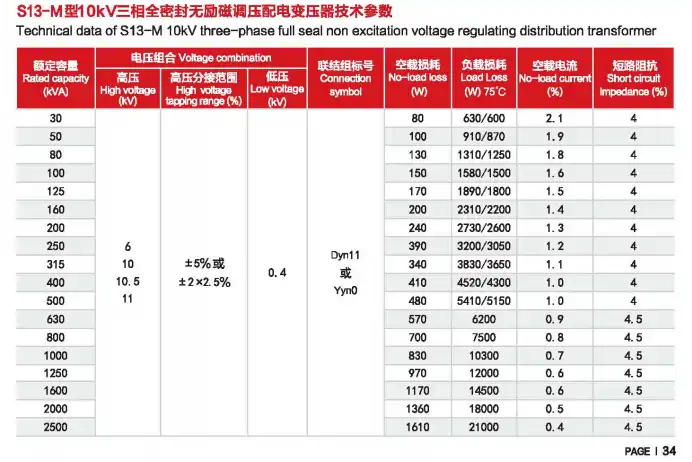
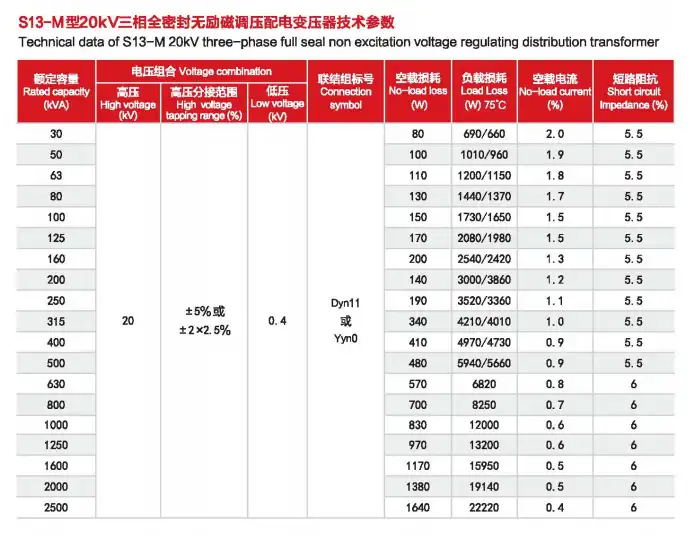
The engineering behind S13 type three-phase distribution transformers is based on a number of innovative design ideas. Our units can work with voltages between 6kV and 12kV and have capacity ranges from 30kVA to 3150kVA to meet the needs of a wide range of applications. The non-excitation voltage adjustment method has tap ranges of ±5% and ±2 2.5%, which lets you control the voltage precisely without stopping service. These transformers can handle both 50Hz and 60Hz frequency needs, which means they can be used in countries with different grid standards.
The designations for the connection groups—Yyno or Dyn11—allow for a variety of distribution network setups. Our fully sealed, curved oil tank design gets rid of the need for conservators. It keeps the insulating oil clean from outside contaminants and lets the walls of the tank expand and contract with the temperature. Having this hermetic sealing makes maintenance a lot easier, which is very important for remote installations or large-scale deployments where getting service can be hard.
What makes the S13 type three-phase distribution transformer different from its predecessors is that the magnetic circuit efficiency has been greatly improved. The core of the transformer is made of high-quality silicon steel sheets that are between 0.23 mm and 0.30 mm thick. They are put together using advanced step-lap construction methods that keep core losses to a minimum. During manufacturing, we use vacuum oil-filling methods to make sure that there are no air bubbles in the insulation system. This is an important detail that greatly extends the system's useful life by stopping partial discharge phenomena.
Intelligent monitoring systems are used for temperature control, and standard units come with oil level gauges, pressure relief valves, and signal thermometers. Gas relay safety can be built into units rated 630kVA or higher, which lets you know right away if there are problems inside the unit. The oil-immersed self-cooling method keeps the machine running at its best temperature even when it's constantly under full load. Its thermal performance has been tested outside in 40°F weather.
The S13 type three-phase distribution transformer's strong short-circuit resistance and stable voltage regulation are useful for factories that use sensitive equipment that needs consistent power quality. The low noise levels—about 20% quieter than the national standard JB/T10088-2004 requirements—help data centers keep the noise level low while making sure that critical server infrastructure always has power. Power distribution networks, especially those that use green energy like wind farms and solar farms, depend on S13 type three-phase distribution transformers to step down produced power so that it can be connected to the grid. The shielding level of the unit—with a power frequency withstand voltage of AC-35kV and an impulse withstand voltage of L1-75kV—makes it very resistant to transient overvoltages that can happen in places where lightning is common or in factories where switches are used a lot.
To choose the right distribution transformer, you have to weigh a number of performance factors against the total cost of ownership. The S13 type three-phase distribution transformer line solves this problem by giving procurement workers provable improvements in all the evaluation factors that matter to them.
Energy losses make up the biggest part of a transformer's lifecycle costs, which can be many times the original purchase price over the course of 25 to 30 years of use. We've made big changes to the core shape and wire sizes in our S13 type three-phase distribution transformer units to drastically cut both no-load and load losses. These efficiency gains directly lead to lower utility bills compared to S11 peers. This is especially true for facilities that run transformers constantly at partial loads, where no-load losses make up most of the energy use profile.
When the cost is spread out over a large group of transformers, it becomes very big. A 500kVA S13 type three-phase distribution transformer unit saves between 3,000 and 5,000 kWh per year compared to similar S11 units. For utilities that are in charge of dozens or hundreds of distribution points, this adds up to six figures in savings over the life of the equipment. These improvements in efficiency also cut down on carbon emissions, which helps businesses keep their sustainability promises and follow the stricter environmental rules in places like California and the EU.
More and more, industrial and commercial sites have to follow strict noise laws, especially in mixed-use developments or areas close to homes. The S13 type three-phase distribution transformer's sound quality is 3-5dB lower than the average for its class, thanks to its precise core assembly and vibration-dampening tank construction. Since decibel scales are linear, this change that seems small actually means a big drop in how loud something seems. Because it is quieter, transformers can be put closer to load centers, which lowers the amount of power lost in building systems.
Noise control is only one part of protecting the environment. The fully sealed corrugated tank design stops oil from oxidising and water from getting in, which are two main reasons why insulation wears out in regular transformers. This hermetic construction gets rid of the chance of oil leaks, which helps with environmental compliance issues and cuts down on the need for extra containment systems that are needed by EPA rules for electrical equipment that is filled with oil.
Power systems must be able to handle brief overloads and growing loads without breaking down. S13 type three-phase distribution transformers have great thermal performance when they are overloaded. Even when they are under 120% load for a long time, the winding and core temperatures stay within safe limits. This thermal margin gives facility managers a lot of operational flexibility. It lets them put off capacity upgrades during transitional times or deal with seasonal demand spikes without having to worry about damaging the equipment.
The longer service life of 30 years or more is due to several design improvements. All-copper windings are better at resisting thermal cycling fatigue than aluminium ones, so the electrical contacts stay solid even after decades of load changes. High-permeability silicon steel cores reduce hysteresis losses that cause hotspots, and the sealed tank stops moisture buildup that speeds up the ageing process of cellulose insulation. These longevity traits are especially useful in places where replacing things too soon would cost a lot, like remote platforms, underground vaults, or integrated building systems that need to be completely torn down in order to get to them.
Before making a purchase decision, you need to know how S13 type three-phase distribution transformer units stack up against other technologies on the market. Each type of transformer has its own benefits for certain uses, but the S13 type three-phase distribution transformer series is the only one that strikes the perfect balance between performance, cost, and how it works.
When compared to the S9 and S11 series oil-immersed transformers, the S13 type three-phase distribution transformer shows significantly higher levels of efficiency. Even though S9 units are still popular in old infrastructure, they have no-load losses that are 40–50% higher than S13 type three-phase distribution transformer units of the same type. The S11 generation of transformers is in the middle. They perform better than the S9 generation, but not as well as the S13 type three-phase distribution transformer generation when it comes to reducing loss by 25 to 30 percent. Because these differences in efficiency are directly linked to operational costs, the S13 type three-phase distribution transformer is the more cost-effective choice for new installations, even though it comes with a small price premium.
When used indoors, where fire safety rules require insulation that isn't flammable, dry-type transformers are an option. Even though dry units don't need to be handled with oil, they usually have 10-15% more losses than similar S13 type three-phase distribution transformer oil-immersed models and need forced-air cooling for bigger capacities. The S13 type three-phase distribution transformer's sealed oil system cools better through natural convection, allowing for higher power densities in smaller areas, which is very helpful for setups with limited room.
For commercial users, the cost of the transformer over its lifetime is mostly made up of energy losses, with the purchase price only making up 20 to 30 percent of that. We've done TCO analyses for clients that compare S13 type three-phase distribution transformer units to other options over 25-year operational periods. These studies always show that the efficiency bonus pays for itself in three to five years, and then the savings start to add up faster. The sealed, maintenance-free design lowers TCO even more by getting rid of the need for regular oil testing, breather maintenance, and gasket replacement, which S11 units need every two to three years.
Long-term costs are affected by warranty coverage and the ability of the provider to provide assistance. Our UL/CE and ISO 9001:2015-certified quality management systems back up the full warranties that come with Lijie Electric's S13 type three-phase distribution transformers. Our technical support team, which is made up of more than 160 engineers with advanced degrees, responds quickly to application questions and problems in the field. This keeps downtime costs to a minimum, which are often higher than direct fix costs.
While S13 type three-phase distribution transformers don't need as much upkeep as older designs, following set procedures is still the best way to make sure they last as long as possible and work reliably. From our experience with thousands of fixed units in a wide range of settings, we've learned a few important best practices.
The sealed tank design gets rid of most of the usual maintenance tasks, but visual checks should still be done on a regular basis to find problems early. During monthly checks, the integrity of the gaskets around bushings and cable terminations should be checked. Also, the oil level indicators should be checked for any unusual changes that could mean there are leaks inside, and the grounding connections should be checked for corrosion. Every year, thermal imaging scans find hotspots that are growing because of loose connections or problems in the internal windings before they cause major failures.
The rules for electrical testing depend on how important the application is. Utilities usually check the insulation resistance and dissolved gas analysis of units that serve important substations once a year. For business sites, testing may be done every three to five years. The sealed tank doesn't need to have breather silica gel replaced or oil filtered regularly, so it cuts annual maintenance costs by 60–70% compared to transformers with traditional conservators.
The placement setting has a big impact on how well and how long a transformer works. Coastal areas need external fittings with better corrosion protection and regular washing to get rid of salt deposits that make surface tracking easier. For systems above 1,000 meters, derating estimates are needed because lower air density makes cooling less effective. Our engineering team gives site-specific application advice to make sure that S13 type three-phase distribution transformer units work as well as they're supposed to in harsh conditions.
Extremes of temperature need extra care. S13 type three-phase distribution transformers can work in temperatures up to 40℃, but running them near these temperatures for a long time speeds up the insulation ageing process. In tropical regions, units last longer if they are put in places with shade or if they have forced air. Low-temperature mineral oil formulations, on the other hand, keep fluidity even in sub-zero temperatures, which keeps systems from having trouble starting up and makes sure that safety relays work correctly.
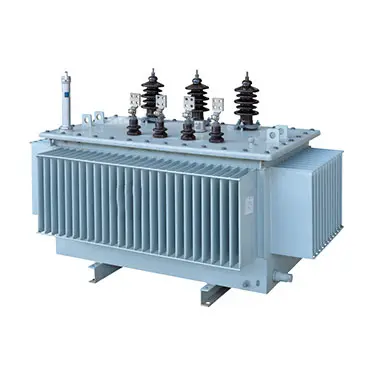
To buy a transformer successfully, you have to deal with technical specifications, supplier qualifications, and complicated logistics. S13 type three-phase distribution transformer buyers can save money by learning about important evaluation factors and possible problems.
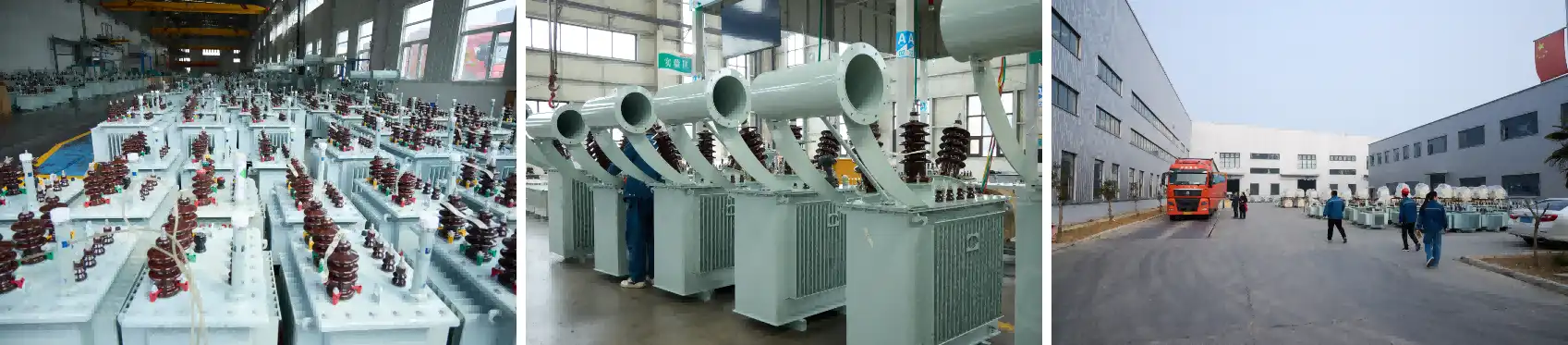
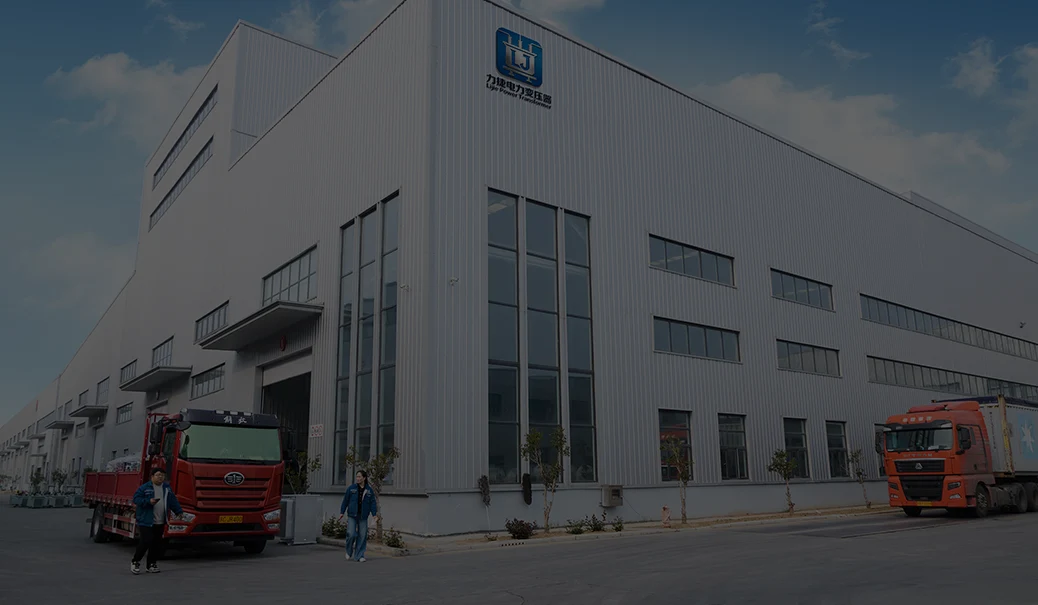
Manufacturers who are qualified show that they have quality processes and production skills that can be checked. IEC testing certificates prove that units meet international performance standards, while ISO 9001 certification gives basic assurance of process controls. At Lijie Electric, our 500,000-square-meter factories in Xuzhou and Nantong have full testing facilities. The National Transformer Quality Supervision and Inspection Center and the Wuhan High Voltage Research Institute do routine, type, and special tests.
For projects that span borders, international approvals are necessary. With our UL and CE certifications, you can use our products in both North America and Europe without having to wait for extra testing. Certifications from the China Quality Certification Center (CQC) and the National Electric Power Certification Center for PCCC products show that the claims about performance are true. This is very important for utility buying processes that need third-party approval.
Standard catalogue specifications work for many uses, but solutions that are made just for a complex project are often needed. Site-specific limitations can be met with custom voltage ratios, unique bushing arrangements, built-in surge arresters, or unusual mounting arrangements. During the design phase, our engineering team works with clients to make sure that the transformer specifications meet the needs of the whole system and are in line with local codes.
Buying in bulk has many benefits besides lowering the price per unit. Large sales allow for production batching, which makes the product more consistent and cuts the cost per unit by 15 to 25 percent. Framework deals with set delivery dates, making the supply chain more reliable, which is very important for building projects that are done in stages. We keep a strategic inventory of common ratings, which lets us quickly meet urgent replacement needs or project speed-up needs.
Lead times depend on how many units are ordered and how complicated the customisation is. Standard 50kVA to 630kVA units usually ship in 4 to 6 weeks, but larger special units need 10 to 12 weeks to be built and tested. International shipping can take an extra three to six weeks, depending on where the package is going. Our export documentation team handles clearing customs and coordinating shipping to over forty countries on six continents.
Premium suppliers stand out by offering full after-sales support. In addition to warranty periods, our service includes technical advice, access to spare parts, and the ability to do work in the field. Our clients get full operation and upkeep manuals, help from construction supervisors, and the ability to call our tech support hotline. Because Lijie Electric wants to build long-term partnerships instead of one-time deals, procurement managers keep coming back to them for new projects and to standardise their fleet.
In conclusion, the S13 type three-phase distribution transformer is the best choice for businesses that want to save money on energy costs, keep their operations running smoothly, and minimise their overall lifecycle costs. This technology has been shown to cut energy losses by 25–30%. Its sealed construction means it doesn't need to be maintained and can last for 30 years or more. This makes it the smart choice for power utilities, green energy developers, and manufacturing sites. When bought from reputable companies with strict quality control systems and full certifications, S13 type three-phase distribution transformers build a strong electrical infrastructure that can handle both current needs and the changing needs of the grid in the future.
The choice of capacity is based on the characteristics of the connected load and the expected growth. When conditions are normal, industrial facilities should choose transformers that are 60 to 80% of their rated capacity. This gives them a thermal margin for overloads and future growth. Our 30–3150kVA range can handle everything from small manufacturing cells to large processing plants. We offer engineering support to help you choose the best size based on your load profiles and power factor conditions.
Oil-immersed S13 type three-phase distribution transformer units are more efficient and better at cooling than dry-type options, but the right technology must be chosen based on the application setting. According to fire codes, indoor installations in occupied areas usually need dry-type units. On the other hand, S13 type three-phase distribution transformer oil-immersed designs work best for outdoor and vault installations. Concerns about the environment are addressed by the sealed tank design, which also provides better thermal performance and lower operating costs.
IEC compliance makes products accepted in most places, and region-specific approvals, like UL for North America and CE for Europe, add to this. Documentation on energy efficiency from well-known testing laboratories backs up performance claims during the evaluation of procurement. Lijie Electric keeps up-to-date certification portfolios, which let them use tools in a wide range of legal environments without delaying projects.
Lijie Electric Power Technology Group has been making transformers for more than 20 years and has full ISO 9001, CE, and UL certifications to back up its work. We are a leading supplier of S13 type three-phase distribution transformers, and our 500,000-square-meter factories can make more than 5 billion RMB worth of products every year. This means that we can reliably deliver transformers for large-scale projects. Our engineering team works with procurement professionals to make sure that specifications are optimised, that logistics are handled well, and that technical support is provided throughout the lifecycle of equipment. Email our team at lijieelectrical@gmail.com to talk about your distribution transformer needs and get quotes that are specific to your project. You can look at our whole product line at lijie-electrical.com and learn why utilities, green energy developers, and industrial makers all over the world trust Lijie Electric for their important power infrastructure.
1. International Electrotechnical Commission, "IEC 60076-1: Power Transformers - Part 1: General," 2021 Edition.
2. Chen, W., Zhang, L., "Advances in Distribution Transformer Efficiency: Comparative Analysis of S9, S11, and S13 Series Performance," Journal of Electrical Engineering Technology, 2020.
3. National Transformer Quality Supervision and Inspection Center, "Technical Assessment Report: S13-Series Oil-Immersed Distribution Transformers," 2019.
4. American National Standards Institute, "ANSI C57.12.00: Standard for Liquid-Immersed Distribution, Power, and Regulating Transformers," 2020 Revision.
5. Liu, Y., Wang, H., "Lifecycle Cost Analysis of Modern Distribution Transformers in Utility Applications," IEEE Transactions on Power Delivery, 2021.
6. GB/T 10228-2015, "Dry-type and Oil-Immersed Distribution Transformers: Performance Requirements and Testing Methods," Standards Press of China, 2015.
YOU MAY LIKE
11%20type%2035KV%20dry-immersed%20transformer_1778136495348.webp)


10%20type%2035kV%20transformer.webp)
April 27, 2025
With a tight project schedule, the manufacturer delivered on time, and on-site technical personnel provided guidance throughout the entire installation and commissioning process; the collaboration was highly efficient and hassle-free.
July 2, 2025
During the preliminary phase, a selection plan was custom-tailored based on the actual site load requirements, resulting in a high degree of parameter compatibility. After-sales support responds within two hours, and ongoing technical support for operation and maintenance is comprehensive; we feel completely confident in a long-term partnership.
November 18, 2025
Deployed as a supporting component for a 35kV grid-connection project at a photovoltaic power station, the equipment operates for an average of 16 hours daily. It demonstrates excellent control over no-load losses, ensures smooth power generation and grid integration, and effectively reduces the station's overall energy consumption.
January 30, 2026
Under the continuous, high-load operating conditions of a factory production line, the equipment maintains stable electrical parameters and exhibits strong overload resistance, thereby guaranteeing an uninterrupted power supply for industrial production.
April 3, 2026
Integrated as a supporting component for a new energy photovoltaic grid-connection system, the manufacturer provided professional technical coordination and timely after-sales support, ensuring seamless adaptation to the specific electrical operating conditions required for grid integration.