April 27, 2025
With a tight project schedule, the manufacturer delivered on time, and on-site technical personnel provided guidance throughout the entire installation and commissioning process; the collaboration was highly efficient and hassle-free.
Jul 11, 2026
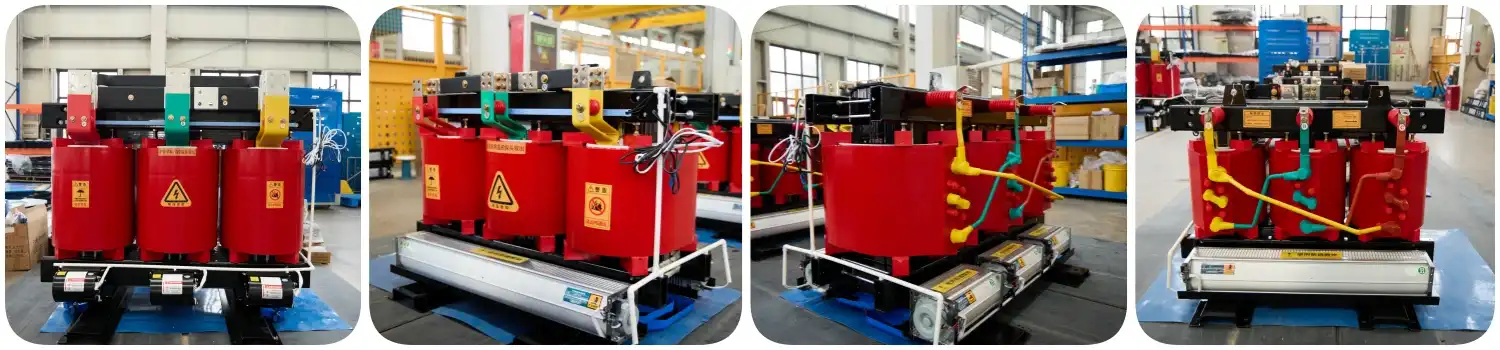
The SCZB10 type power transformer is a tried-and-true choice for business buildings that need to distribute power in a way that is safe, reliable, and effective. This three-phase epoxy resin cast dry-type transformer has a foil winding design and the ability to change the load tap. It also has fire safety, automatic voltage regulation, and stable operation. This transformer is important for modern business infrastructure because it handles voltage changes without interrupting service. It was made for places with strict power quality and safety requirements, like data centers, industrial facilities, and high-rise buildings in cities.
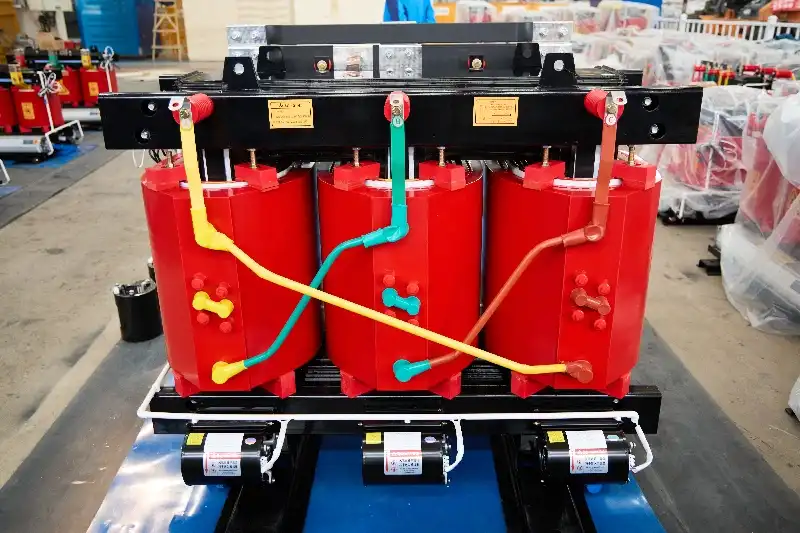
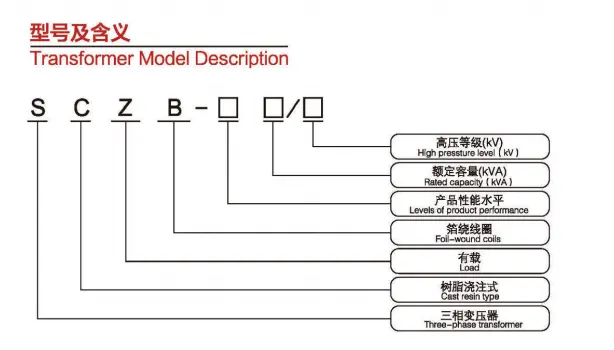
The model number shows important design details. "S" stands for three-phase design, "C" for epoxy resin cast construction, "Z" for on-load tap changer integration, "B" for foil winding technology, and "10" for Class 10 loss performance in GB/T 10228 standards. This SCZB10 type power transformer setup saves energy by using cold-rolled grain-oriented silicon steel sheets to make improved magnetic circuits. Compared to other designs, this one has a lot less no-load losses.
Loss performance meets GB/T 10228-2015 Class 10 standards, which means it works well under a range of load situations. The voltage control range of 10kV±4±2.5% lets the range be changed without stopping when the load is on, which fixes grid instability that is common in business areas in cities. Short-circuit resistance values of 4% for units rated 100kVA to 630kVA and 6% for 800kVA and above protect against faults while keeping the voltage fixed during normal operations.
When you combine high-voltage wire winding with low-voltage foil winding, you get great short-circuit withstand capability, which is a very important thing for procurement managers to think about when they are looking at long-term stability. The foil winding method evenly spreads electromagnetic forces during fault events, which stops the mechanical damage that normally leads to early failure in older designs. If you keep your systems in good shape, Grade F or H insulation classes inside the flame-retardant epoxy resin coating will not be affected by water, dust, or chemicals, so they will keep working for longer than 30 years.
Enclosure protection grades of IP20 or IP23 can be used in a range of installation settings, from electrical rooms with temperature control to semi-exposed substations. This flexibility cuts down on the cost of preparing the spot while still meeting the safety standards needed by business building codes. Due to its ability to put out itself, epoxy glue completely eliminates the risk of fire spreading, allowing installations in basements where oil-based options would be illegal due to fire safety concerns.
When elevator banks, HVAC systems, and lights cause unstable load swings throughout the day, this SCZB10 type power transformer technology helps commercial buildings. The on-load tap changer makes up for power drops during peak demand without stopping service. This keeps the comfort system running and protects sensitive electronics. Life-safety systems in healthcare facilities depend on voltage control that doesn't stop. The quality of the power directly affects how well patients are cared for.
These SCZB10 type power transformers are used by data centers to keep the power levels that servers need. This keeps equipment from overworking and increases the life of the gear. The lack of dangerous insulating oil is in line with methods for putting out data center fires. This makes following NFPA guidelines easier and lowers insurance rates. When choosing tools for mission-critical sites, procurement teams like that it is reliable and reduces risk at the same time.
With a dry-type building, you don't have to do upkeep tasks like oil sampling, fluid containment, and leak repair, which use up resources with liquid-filled units. The main things that are checked every year are how the cooling fan works, how worn the OLTC contacts are, and how the epoxy surfaces look for signs of tracking or discoloration. Thermal imaging scans find hotspots before they cause insulation to break down. This lets repair plans be planned ahead of time, which cuts down on unplanned downtime.
During commissioning, temperature rise testing shows that the cooling system works well and that the thermal endurance numbers are correct. During acceptance testing, partial discharge readings below 10pC at 1.44 μm can be used to guess how long the insulation will last. This gives quality assurance teams a way to measure how reliable something is. These simple confirmation steps cut down on the time needed for starting compared to oil-immersed options that need more complex fluid processing and degassing steps.
Even though SCB10 transformers use the same cast resin technology, they don't have on-load voltage control, so when the power goes out, you have to make changes by hand. This limitation is a problem in commercial buildings where power outages make it hard to run businesses and keep tenants happy. The SCZB10 type power transformer's automatic control keeps the voltage at the right level even when the grid changes. This keeps equipment further down the line safe from stress cycles that shorten its life and make repair more expensive.
Compared to the SCZB9 series that came before it, the "10" series has better loss performance thanks to better core materials and winding geometry. 15-20% less energy use means big operational savings over 20-year lifecycles, which, based on power rates and load factors, will cover higher initial capital costs within 5–7 years. When purchasing managers look at the total cost of ownership, they always find that this performance level gives the best return on investment for business systems that are used all the time.
Different types of transformers have different levels of overloading ability. Because foil windings are strong mechanically, SCZB10 type power transformer units can handle short-term overloads like when the motor starts up or when a load is added, without any heat damage. This makes it less necessary to oversize, which lets you choose a capacity that is more cost-effective while still leaving enough room for future growth.
Mineral oil leaks can pollute the environment, but dry-type building doesn't do that. This makes planning for site cleanup easier and lowers long-term liability exposure. Buildings that want to get LEED approval or other sustainability awards benefit from epoxy resin designs because they don't use dangerous materials and use less cooling energy. The lack of extra oil pumps and cooling systems cuts down on parasitic energy losses even more.
Noise levels stay below 50 to 60dB, based on the capacity grades. This is made possible by using precise core clamping and vibration isolation mounting. This sound performance lets installations happen in areas that are already filled without bothering building renters. This gets rid of the need for special transformer vaults that take up rentable space. When planning mixed-use projects, where every square meter counts for money, real estate developers like how space-efficient it is.
When you buy in bulk, you can get savings that make the project more affordable for portfolio owners who manage more than one property. Framework contracts with certified makers set stable prices for multi-year growth projects, which protects budget security even when commodity prices change. Longer guarantee terms—often 5–10 years for business use—shift risk from owners to makers, which lowers the amount of money that needs to be saved in case equipment needs to be replaced.
Lifecycle cost modeling takes into account things like saved energy, less work for upkeep staff, and lower costs for following environmental rules. When electricity experts choose SCZB10 type power transformer technology for installations that cover dozens of buildings on a campus, the total amount of money saved over the life of the equipment is millions of dollars. When discussing a contract with a supplier, supply chain managers can show these analyses to show that they are using advanced buying methods, which earns the supplier's respect and leads to competitive concessions.
The prices of transformers are based on the changing prices of raw materials like copper, silicon steel, and epoxy resins. Strategic buyers keep an eye on these indices to make sure they place their orders at the best times for prices, which can save them 10-15% by making the market aware of the situation. Costs per kVA are affected by capacity rates in a way that is not straightforward. Larger SCZB10 type power transformer units usually offer better economies of scale, but they take longer to make because they are more complicated.
Because of the need for customization, lead times for the SCZB10 type power transformer are longer than for regular setups. Projects that need non-standard voltage taps, special ending arrangements, or a better ability to withstand earthquakes should expect production times of 12 to 16 weeks from the time the order is placed. There are choices for faster delivery that cost more, but these extra costs can be avoided by planning ahead for buying so that it works with building plans. When purchasing managers work with project schedulers six months before the installation dates, deliveries are always on time, and there are no extra fees.
Orders that are legally binding list the voltage class, capacity rating, impedance values, tap switch setup, termination style, and any standards that must be met (IEC 60076-11, UL listing, CE marking). Giving full specs up front keeps projects on schedule by avoiding delays in production caused by calls for more information. When electrical experts and buying teams work together to create SCZB10 type power transformer specifications, they can avoid misunderstandings that could result in the delivery of the wrong equipment.
There should be clear pass/fail criteria written into contracts for standard tests (like winding resistance, voltage ratio, and polarity), type tests (like temperature rise and lightning impulse), and special tests (like short-circuit withstand and earthquake qualification). Seeing these tests in person lets quality assurance teams directly check the quality of the product before it is shipped. This way, there are no mistakes in the field that would slow down commissioning. Manufacturers with a good reputation let customers check their products because they see it as a way to stand out in a market where fake goods make buyers less confident.
Long-term relationships with OEM-certified sellers are good for more than just one purchase. When demand is high, and spot buyers have to wait in long lines, preferred customers can use production capacity. By working together on technical issues, makers can learn how customers' needs change over time. This lets them make product improvements that lead to overall better SCZB10 type power transformer performance over time.
The level of after-sales help varies a lot between suppliers, which can affect how long problems last when they happen in the field. When manufacturers keep trained techs in regional service centers, reaction times are cut down, and business interruption costs go down, which are much higher than the cost of buying the equipment. When reviewing suppliers, people in charge of buying things should look into more than just the product specs. They should also look into the service network infrastructure, the availability of spare parts, and how quickly the expert hotline responds.
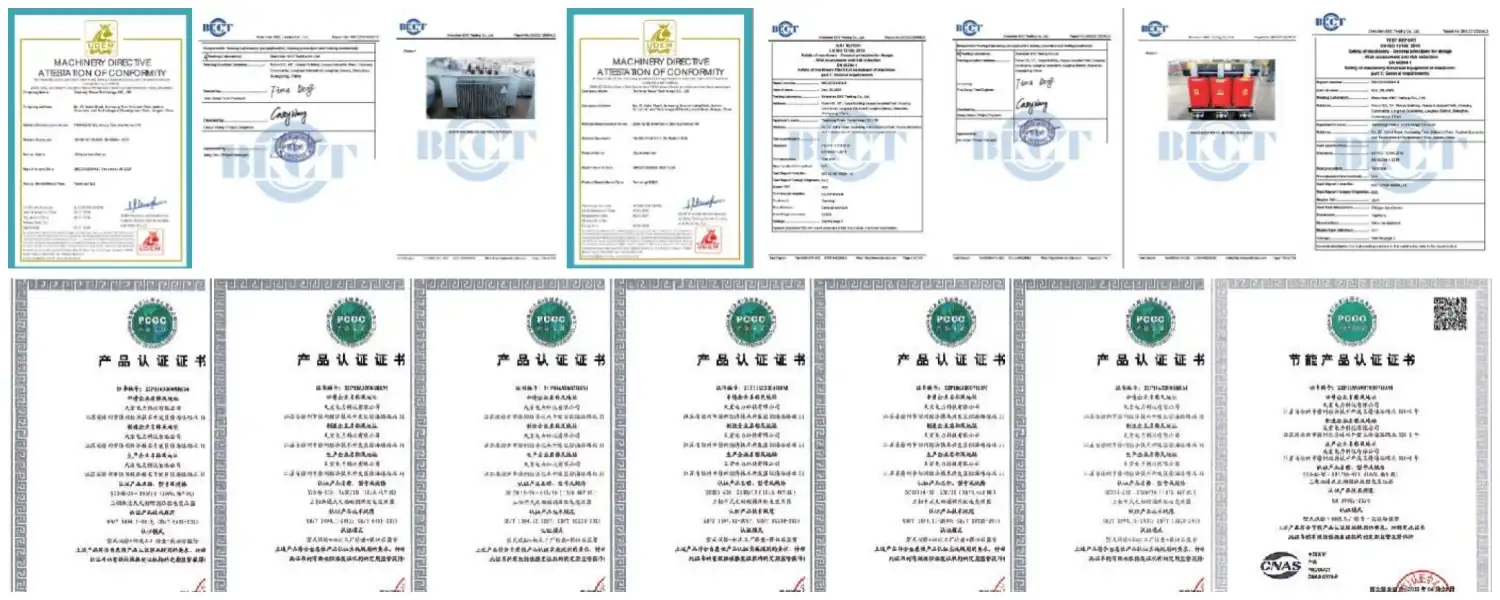
ISO 9001:2015 approval shows that quality management is being done in a planned way, but buying teams should look at the results of surveillance audits to see how strict compliance is being kept up. IEC 60076-11 certification for dry-type distribution transformers proves that the design meets international standards. This is very important for foreign companies that need their equipment to be the same in all of their global operations. UL and CE markings allow operation in the North American and European markets, respectively. This makes planning easier for businesses that work in more than one legal area.
Reports from third-party testing laboratories from recognized institutions give manufacturers' claims extra support. Buyers should ask for full test records instead of summary certificates, and they should compare the recorded values to the performance parameters that were promised. Differences between marketing books and test data show quality issues that can predict SCZB10 type power transformer reliability issues in the field, which helps people make smart decisions about which suppliers to choose.
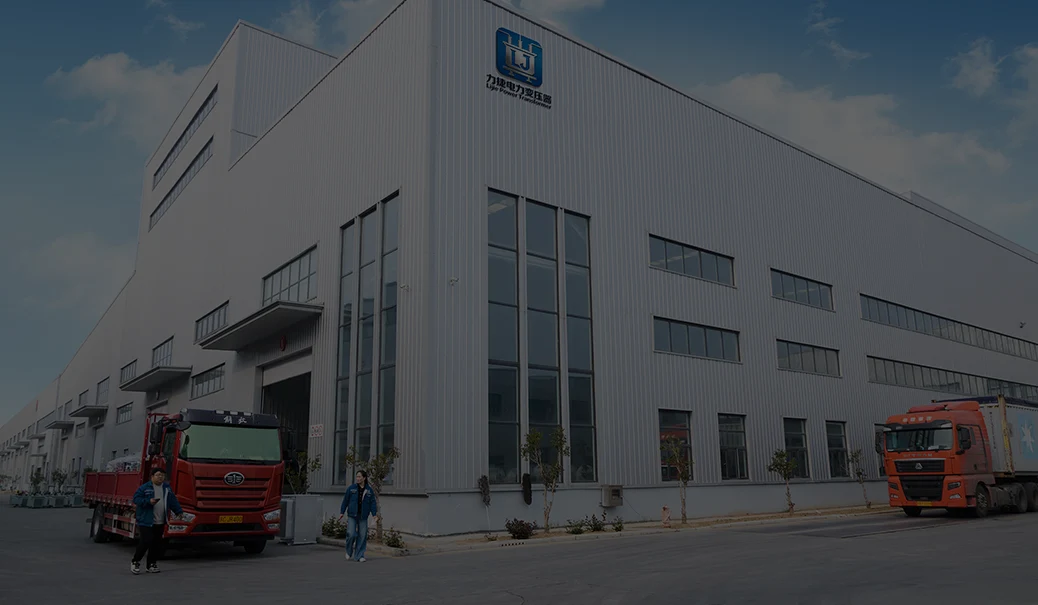
The scale of production affects how consistent batches are and how reliable deliveries are. Manufacturers with more than one plant that covers more than 500,000 square meters, like Lijie Electric's Xuzhou and Nantong plants, keep separate production lines for each type of transformer to make sure that the process runs smoothly and that workers know what they're doing. This size allows for big framework deals that need hundreds of SCZB10 type power transformer units to be supplied over the course of several years without causing capacity issues that mess up project schedules.
The skills of engineering staff show how well they can come up with new ideas and solve technological problems. Companies with more than 160 graduate and master 's-level engineers show they are dedicated to constantly improving their products and providing customization support, including the design and optimization of equipment such as the SCZB10 type power transformer. When procurement requirements call for non-standard methods to deal with specific site conditions, having access to skilled expert resources is key to meeting project goals without sacrificing quality.
Talking to current buyers directly gives you a clear picture of how well a provider is doing. Questions should be asked about how well the company sticks to its shipping schedule, how quickly it answers technical questions during installation, how well it handles insurance claims, and how reliable the product is in the long run based on real-world use. Patterns that show up in multiple sources show strengths or flaws that aren't always clear in marketing materials.
Project files that show relevant experience in similar applications help buyers trust that the provider can do what they say they can do. Manufacturers who work with national grid companies, green energy developers, and large industry sites have to show that they can meet high standards for quality and dependability. This operational track record lowers the risk of buying the SCZB10 type power transformer from this seller compared to suppliers who haven't shown success in similar situations.
Transformers are now used as data sources instead of inactive parts in the next generation of smart grids. Modern SCZB10 type power transformer units have RS485 transmission ports that let temperatures, voltages, load currents, and the position of the OLTC be monitored from afar. This telemetry works with building management systems, so site managers can see the overall health and performance trends of the electricity infrastructure.
When predictive analytics are used on practical data from transformers, they find patterns of wear and tear before they break. Machine learning algorithms can find small changes in temperature profiles or partial discharge activity that happen before insulation breaks. This lets them take preventative actions that stop expensive emergency repairs from being needed. When building owners use these features, they can lower their upkeep costs and increase their uptime. This gives them a competitive edge in business real estate markets where keeping tenants depends on services that work well.
Transformer technology is improving around the world because of stricter rules on the economy. In the United States, DOE efficiency standards and in Europe, the Ecodesign Directive set base performance levels that get rid of old designs from the market. By selecting current-generation SCZB10 type power transformers, procurement teams protect sites against regulatory obsolescence and avoid having to replace equipment too soon, which can mess up capital planning.
As companies try to reach their net-zero goals, their promises to reduce carbon emissions affect the tools they buy. Low-loss SCZB10 type power transformer designs help reach sustainable goals by saving energy, which is shown in environmental reporting systems. Purchasing managers are looking at suppliers' environmental practices, along with how well their products work, more and more. They like it when makers show lifecycle responsibility, from where they get their raw materials to how they recycle their old products.
Managing the ambient temperature has a big effect on how long a transformer lasts. Putting in cooling fans with variable speed drives improves airflow based on real-life loading conditions instead of worst-case scenarios. This cuts down on energy use while keeping thermal margins the same. Regular thermal imaging scans create maps of how temperatures are distributed, showing where cooling problems or uneven loads need to be fixed.
Load analysis helps with choices about how to best use a facility's extra space when it grows. Load factors that have always been below 60% in the past suggest that adding more SCZB10 type power transformers might not be necessary. This would save money on capital costs without affecting efficiency. On the other hand, running close to rated capacity too often means that the equipment is too small, which speeds up its age and means it needs to be replaced before it breaks down and stops activities. These choices are based on data and aim to get the most use out of assets while keeping lifetime costs low.
The SCZB10 type power transformer is an example of well-developed technology that solves long-standing problems in business building power distribution, such as unstable voltage, worries about fire safety, and a high maintenance burden. Its on-load regulation, dry-type construction, and strong mechanical design give it operating benefits that directly lead to lower lifetime costs and higher reliability. When looking at choices for big projects, procurement workers should know the technical specs, do full assessments of suppliers, and set up buy deals that take advantage of volume discounts while still guaranteeing quality. As business buildings add smart tracking systems and try to be more environmentally friendly, this SCZB10 type power transformer technology changes to adapt by connecting to the internet and making the most of energy efficiency. This will protect infrastructure investments for a long time to come.
In business settings, units that are well taken care of typically last 30 years or more. The epoxy resin insulator system is better at resisting water and chemicals breaking down than standard varnish-treated designs. Also, since there is no oil, there are no worries about the fluid breaking down. Regular checks that focus on the cooling system's function and the state of the OLTC contacts make sure that parts wear out in a predictable way, so they can be replaced before they break.
With a dry building, you don't have to do things like sampling fluids, checking for leaks, and processing oil, which use up resources when equipment is filled with liquid. Visual checks, thermal scans, and checking the OLTC's operation are all part of annual maintenance. These jobs require a lot fewer specialized tools and technical training. Compared to oil-immersed options in most business installs, this simplicity cuts maintenance costs by 40 to 60% over the life of the product.
Manufacturers often work with unique voltage ratios, tap setups, and capacity ratings as long as they don't go beyond the limits of the design family. For non-standard needs, a technical review is needed to make sure that the mechanical and thermal performance stays within validated limits. This could add 2 to 4 weeks to the wait time. Giving clear specs early on in the procurement process lets suppliers confirm that the work is possible and make the necessary changes to production plans.
Lijie Electric Power Technology Group has been making things for decades and can help businesses build projects that need reliable SCZB10 type power transformer options. Our 500,000-square-meter ISO 9001:2015-certified factories in Xuzhou and Nantong make transformers that meet IEC, CE, and UL standards and are used all over the world. As a well-known company that makes SCZB10 type power transformers with more than 160 engineers, we offer customization help and expert advice throughout the buying process. Framework price deals and specialized account management help buyers who buy in bulk make sure that multi-site developments are delivered on time. Our network of quick support services after the sale will protect your infrastructure investments. Contact lijieelectrical@gmail.com to talk about your needs and get reasonable quotes that come with full guarantee coverage. You can look at our full line of transformers at lijie-electrical.com and learn why top companies trust Lijie Electric for mission-critical power distribution equipment.
1. Institute of Electrical and Electronics Engineers (IEEE). IEEE Standard for Dry-Type Transformers: C57.12.01-2020. New York: IEEE Press, 2020.
2. International Electrotechnical Commission. IEC 60076-11: Power Transformers - Part 11: Dry-Type Transformers. Geneva: IEC Publications, 2018.
3. Zhang, Wei and Liu, Jianhua. Advanced Materials and Design Optimization in Modern Dry-Type Power Transformers. Beijing: China Electric Power Press, 2019.
4. National Electrical Manufacturers Association. NEMA Standards Publication TP 1-2020: Guide for Determining Energy Efficiency of Distribution Transformers. Rosslyn: NEMA, 2020.
5. Patterson, Robert L. Commercial Building Electrical Systems: Design and Specification Guide. Boston: McGraw-Hill Professional, 2021.
6. American National Standards Institute. ANSI/UL 1561: Standard for Dry-Type General Purpose and Power Transformers. Northbrook: Underwriters Laboratories, 2019.
YOU MAY LIKE



18%20type%2035KV%20power%20transformer.webp)


April 27, 2025
With a tight project schedule, the manufacturer delivered on time, and on-site technical personnel provided guidance throughout the entire installation and commissioning process; the collaboration was highly efficient and hassle-free.
July 2, 2025
During the preliminary phase, a selection plan was custom-tailored based on the actual site load requirements, resulting in a high degree of parameter compatibility. After-sales support responds within two hours, and ongoing technical support for operation and maintenance is comprehensive; we feel completely confident in a long-term partnership.
November 18, 2025
Deployed as a supporting component for a 35kV grid-connection project at a photovoltaic power station, the equipment operates for an average of 16 hours daily. It demonstrates excellent control over no-load losses, ensures smooth power generation and grid integration, and effectively reduces the station's overall energy consumption.
January 30, 2026
Under the continuous, high-load operating conditions of a factory production line, the equipment maintains stable electrical parameters and exhibits strong overload resistance, thereby guaranteeing an uninterrupted power supply for industrial production.
April 3, 2026
Integrated as a supporting component for a new energy photovoltaic grid-connection system, the manufacturer provided professional technical coordination and timely after-sales support, ensuring seamless adaptation to the specific electrical operating conditions required for grid integration.