April 27, 2025
With a tight project schedule, the manufacturer delivered on time, and on-site technical personnel provided guidance throughout the entire installation and commissioning process; the collaboration was highly efficient and hassle-free.
Jul 17, 2026
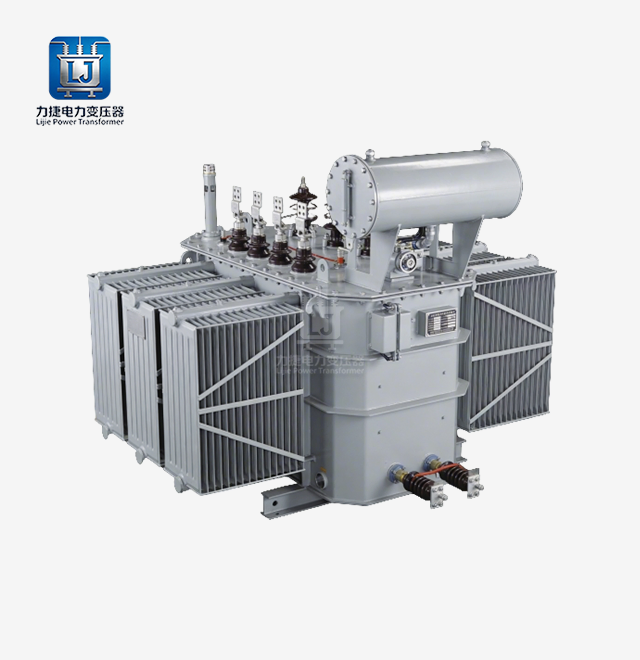
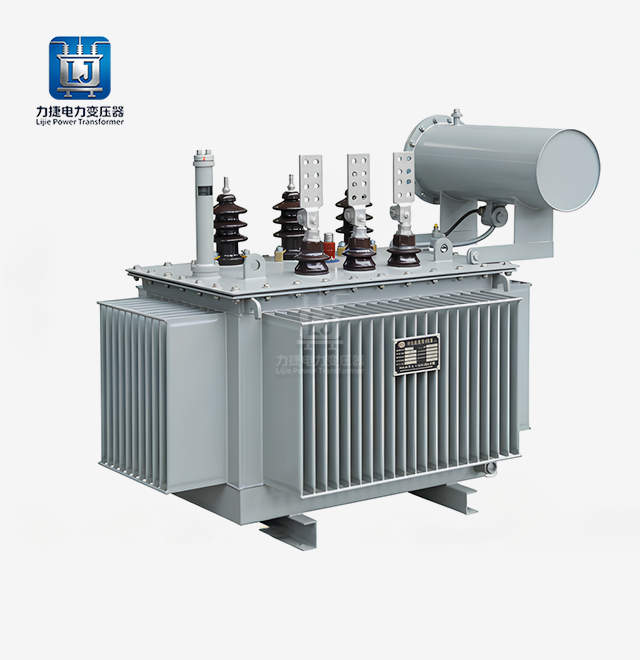
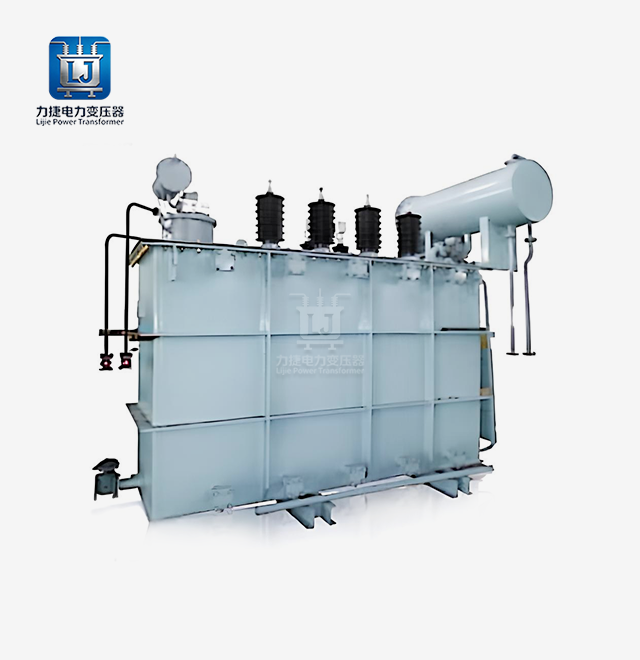
The S22 type 35KV oil-immersed power transformer is the best way to make sure that power is distributed safely in harsh industrial settings. It was designed to have very little loss, last a long time, and be very reliable. This brand-new equipment meets all GB 20052-2020 Grade 1 energy efficiency standards and solves important industry problems by using new materials and optimising the structure. It is perfect for 35kV distribution network trunk lines, large-scale renewable energy installations, and core industrial parks where power quality must not be compromised.
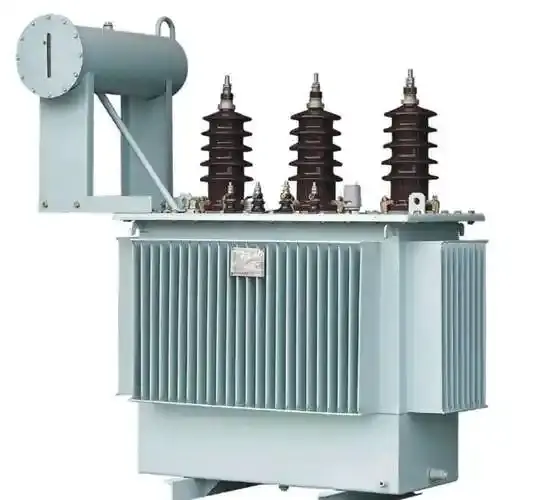
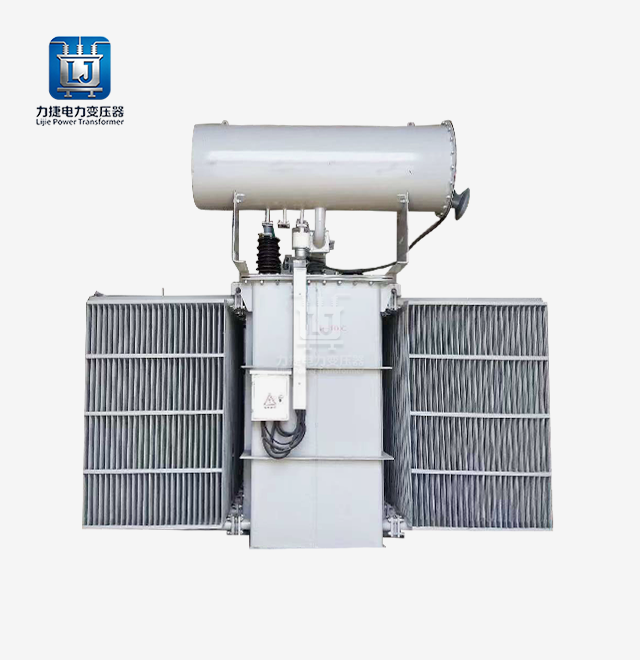
The S22 type 35KV oil-immersed power transformer is a big step forward in the technology used to distribute medium-voltage power. The S22 model is different from past ones because it uses more advanced engineering to meet the strict needs of current grid systems and industrial processes. This machine's main part is made of high-permeability cold-rolled grain-oriented silicon steel sheets that have been laser-scribed. Compared to older designs, these sheets have a lot less magnetic loss. The fully sealed corrugated tank design keeps transformer oil away from oxygen and moisture in the air. This keeps insulation from wearing out too quickly and gets rid of the maintenance problems that come with traditional breath-type systems.
The capacity range is from 630KVA to 31,500KVA, which covers medium to large-scale power needs and allows for customised special abilities for different load situations. This gives buying teams the freedom to choose equipment that is perfectly matched to the needs of the project, without having to spend too much on capacity that isn't needed or risk installing things that are too small.
With a high voltage side rating at 35kV±2±2.5% through no-excitation voltage control and a low voltage side available at 10kV, 6kV, or 0.4kV, the S22 type 35kV oil-immersed power transformer offers versatile voltage combinations. Most industrial and utility applications can be handled by the standard configurations of 35kV/10kV and 35kV/0.4kV. If necessary, the tap range can be extended to ±3±2.5% for tighter voltage control.
Compared to air-cooled options, oil-immersion technology is better at both cooling and insulating. Mineral oil does two things: it keeps the electricity from breaking down by acting as a dielectric medium, and it moves heat away from the windings and the core. This basic design principle lets the system keep running with heavy loads without heating up and damaging itself.
In connection group configurations, Dyn11 is the best choice, but Yd11 can be used in some situations. The Dyn11 configuration is very good at blocking harmonic interference, which makes it perfect for nonlinear loads like frequency converters and charging stations for electric vehicles, where power quality can drop quickly. This group of connections has a stable neutral line power source that makes sure the three-phase distribution is even when the loads aren't evenly spread out.
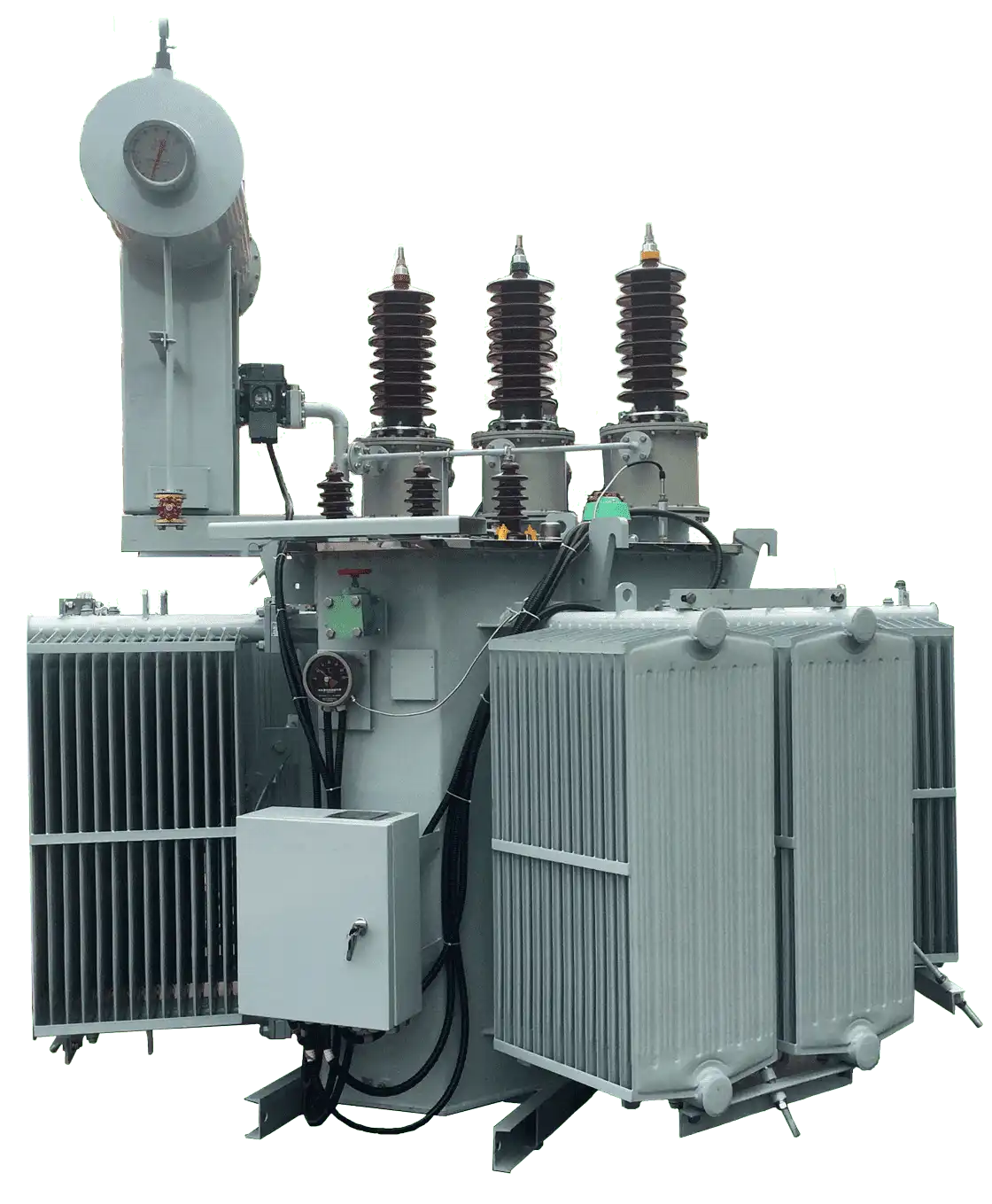
The S22 type 35KV oil-immersed power transformer is different from other goods on the market because it has better performance across key operational factors. As an example, a normal 1000KVA unit has a no-load loss of 800W and a load loss of 7200W at maximum current. No-load loss is 10% less than it was with the S20 that came before it, and load loss is 4% less. Compared to the older S11 type, the no-load loss reduction is an impressive 43%, which means that each transformer saves more than 2,200kWh of electricity each year. Over the course of a normal 30-year operational lifetime, these efficiency gains save a lot of money and leave a smaller carbon impact. These are factors that are becoming more important in procurement choices as companies try to meet their decarbonisation goals.
The way cooling works changes depending on the volume needs. Oil-immersed self-cooling (ONAN) works well with units ranging from 500KVA to 2,500KVA because it uses natural airflow inside the curved tank. Oil-immersed air cooling (OFAF) makes it 45% more efficient at getting rid of heat when the load is high for installations with a rating of 3,150KVA or more. This tiered approach makes the most of both low-cost capital and high-efficiency operations across the whole range of capacities.
The H+ class insulation system can handle temperatures up to 200℃ and keeps the partial discharge level at ≤2pC. This means that the insulation will last longer than 35 years in normal use. This longer lifespan directly addresses the concerns of procurement teams about the total cost of ownership and planning for replacements. The temperature rise limits for the winding are ≤65K, and for the top oil layer, they are ≤55K. These meet the standards of GB/T 1094.2 and leave enough room to handle brief overloads and high temperatures without the risk of failure.
Premium equipment is different from standard offerings because it can handle harsh environments. The S22 type 35KV oil-immersed power transformer is rated IP67 for oil tank sealing and C5-M for corrosion protection, so it can be used in tough outdoor settings like polluted industrial zones, high-altitude sites up to 3,000 meters, and seaside areas with a lot of salt spray. This level of protection reduces the risks of corrosion and moisture ingress, which can affect equipment reliability and safety in outdoor installations.
Short-circuit impedance is carefully kept at 6.5% with a 10% error, which is in line with GB/T 1094.5 norms. The strong construction can handle 2.5 times the maximum short-circuit current for 2 seconds, protecting against fault situations that would damage less durable equipment. During grid outages, this mechanical strength saves investments made by utilities and businesses.
To make smart equipment choices, you need to know how the different options compare in terms of performance. The S22 type 35KV oil-immersed power transformer has the best technology in its class right now, but how does it stack up against other options?
Even though the S11 series is still widely used, it is based on an older design philosophy that puts initial cost ahead of lifecycle value. Because the S22 cuts no-load loss by 43%, the economic equation changes in a big way. Because of no-load losses, an S11 transformer uses about 3,860 kWh more each year than a similar S22 unit. At normal industrial energy rates, this difference pays for itself in three to five years and lowers carbon emissions for the rest of the system's useful life.
Procurement decisions must balance these factors against the needs of the specific project. Indoor substations inside buildings may require dry-type equipment even if it means less performance. Outdoor utility sites and industrial facilities that put efficiency, dependability, and lifetime cost at the top of their list of priorities strongly prefer advanced oil-immersed designs like the S22.
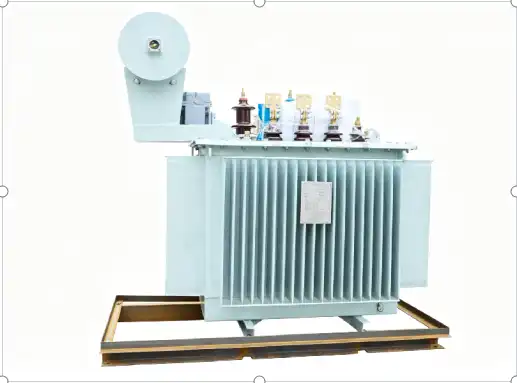
Choosing the right technical specifications is not enough for a successful procurement. Working with manufacturers who have proven skills, certifications, and support systems in place guarantees the success of the S22 type 35KV oil-immersed power transformer project from the time the order is placed until decades after it has been running.
Certification compliance checks the quality of the manufacturing process and the performance of the product. To get into the European market, you need to get certifications like ISO 9001:2015 quality management system registration, IEC 60076 international standard compliance, and CE marking. For projects that involve international standards, UL listing shows that the product meets North American safety standards. Certifications from reputable groups should show that the products are energy-efficient, and they should pass regular, type-specific, and special tests by national transformer quality control centers.
For big projects that need a steady supply, manufacturing scale and technical know-how are very important. Facilities with a lot of production capacity—both in terms of the size of the building and the number of engineers working there—can handle large orders of S22 type 35KV oil-immersed power transformer without sacrificing quality or time. Investing in research and development shows that a company wants to keep making things better and giving customers the option to customize standard products to fit their needs.
Prices for this type of transformer depend on its capacity rating, any extra features that you choose, the certification requirements, and the number of units you order. Lead times range from 8 to 16 weeks from the time an order is confirmed, depending on how complicated the specifications are and how busy the production line is. Framework agreements for multi-year projects often get better prices and more flexible scheduling, and they make it easier to plan your budget because you know exactly how much the project will cost.
The warranty should last for 24 to 36 months after the product is put into service or 30 months after it was shipped, whichever comes first. After-sales support that includes technical advice, spare parts availability, and the ability to do service work in the field protects an investment in equipment throughout its useful life. Stable supply chains and easy access to domestic stock lower project risk compared to long-distance foreign shipping, which comes with transportation uncertainties.
Regular repair keeps machinery reliable and increases its useful life. The S22 type 35KV oil-immersed power transformer's fully sealed design means that the breathing gear doesn't need to be maintained, and there is less chance of oil exposure, but it still needs to be inspected and tested on a regular basis.
Dielectric tests, such as lightning impulse withstand (BIL) and power-frequency voltage tests, make sure that the insulation is still good. When it comes to high voltage, equipment has to be able to handle 70kV power frequency for one minute and 170kV peak lightning impulse. For 10kV low voltage side tests, 42kV power frequency tolerance is needed for one minute. When these tests are done during commissioning and on a regular basis while the system is running, they find insulation degradation before it fails.
By measuring breakdown voltage (BDV) and dissolved gas analysis (DGA), oil quality analysis of the S22 type 35KV oil-immersed power transformer can identify internal arcing or moisture contamination. DGA patterns reveal early signs of faults such as overheating, partial discharge, or arcing, allowing corrective actions to be taken before they lead to major failures. BDV testing ensures that the dielectric strength of the transformer oil remains high enough to maintain safe operation. Annual testing trend data can help determine the optimal timing for maintenance.
Checking the temperature rise at full load makes sure that the thermal performance stays within the design limits. The rise in temperature of the winding should not go above 65K, and the temperature of the top oil layer should not go above 55K. Using thermal imaging while the machine is running can find hotspots that indicate circulation issues or winding wear and tear.
Visual checks of the tank's condition, the integrity of the bushings, and the functionality of the accessories of the S22 type 35KV oil-immersed power transformer should all be part of regular inspection schedules. The corrugated tank system is guaranteed to have no leaks by using 24-hour pressure holds at 0.05MPa to test the integrity of the seals. Every year, oil samples are taken and analysed, and testing is done more often in the first few years or after changes in the load profile. This keeps quality standards high. During times of high demand, thermographic surveys find heating patterns that do not make sense. Acoustic monitoring can find problems with core vibration or loose parts before they cause mechanical damage.
Environmental factors have a big effect on how long equipment lasts. The C5-M's resistance to rust and IP67 sealing offer good protection, but the external surfaces should be cleaned regularly to keep them free of electrical dirt that could lead to tracking or flashover. Taking care of the plants around outdoor setups makes sure there is enough air flow and keeps moisture from sticking to tank surfaces.
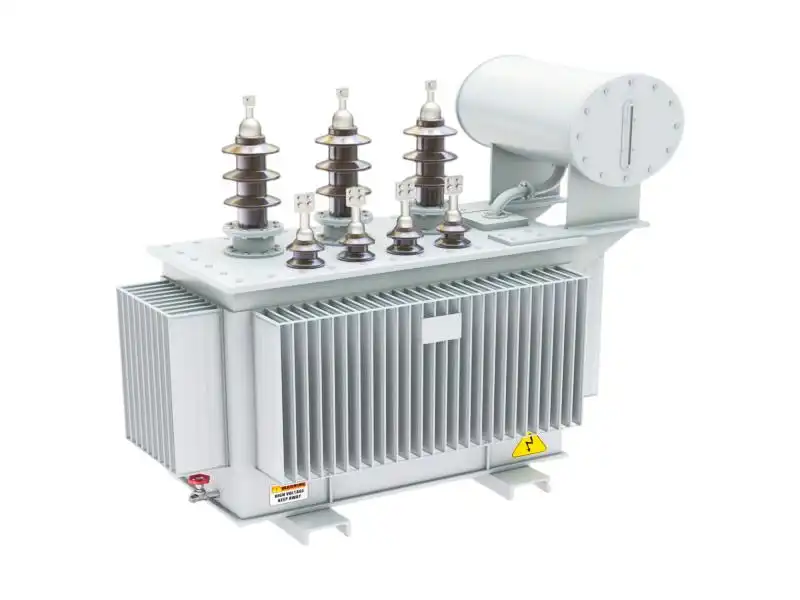
Utility companies, developers of renewable energy, manufacturers of industrial goods, and infrastructure projects that need reliable medium-voltage power distribution can all benefit from the S22 type 35KV oil-immersed power transformer. It meets procurement priorities for technical performance, lifecycle cost, and operational flexibility with its Grade 1 energy efficiency, insulation life of 35 years or more, environmental resilience, and low acoustic emissions. Meeting foreign standards like IEC, CE, and UL makes it easier to use all over the world, and it can handle a wide range of voltages and capacities, from 630KVA to 31,500KVA. For businesses that care about how reliable their equipment is, how much it costs to run, and how much it costs to own, the S22 is the best technology on the market right now, backed by a manufacturing history and a full support network.
Several advances in engineering have led to better stability. The S22 type 35KV oil-immersed power transformer's fully sealed corrugated tank design stops oil oxidation and moisture from getting into the transformer, which weakens the insulation. Insulation of the H+ class that is rated to 200°C gives you a large thermal margin above standard working temperatures. Laser-cut grain-oriented silicon steel lowers magnetostriction, which means that windings are less likely to vibrate and be stressed mechanically. The Dyn11 link group naturally fights against harmonic distortion caused by nonlinear loads, keeping the power quality stable in tough situations.
Customisation options cover a wide range of factors, such as different capacity ratings between standard sizes, wider tap ranges for voltage control, unique bushing configurations, and better environmental protection. The way cables are connected, the specs for the cooling system, and how tracking equipment is integrated can all be changed to fit the needs of the project. Manufacturing companies with strong engineering teams can make changes to standard designs while still following certification rules and honouring warranties.
Compared to breath-type transformers, which need regular desiccant refill and oil filtering, sealed tank designs require a lot less upkeep. Under normal working conditions, an annual visual check and oil test should be enough. Major inspections happen every 5 to 7 years instead of every 3 to 5 years, as they did with older technology. This lowers the cost of lifecycle maintenance while increasing availability.
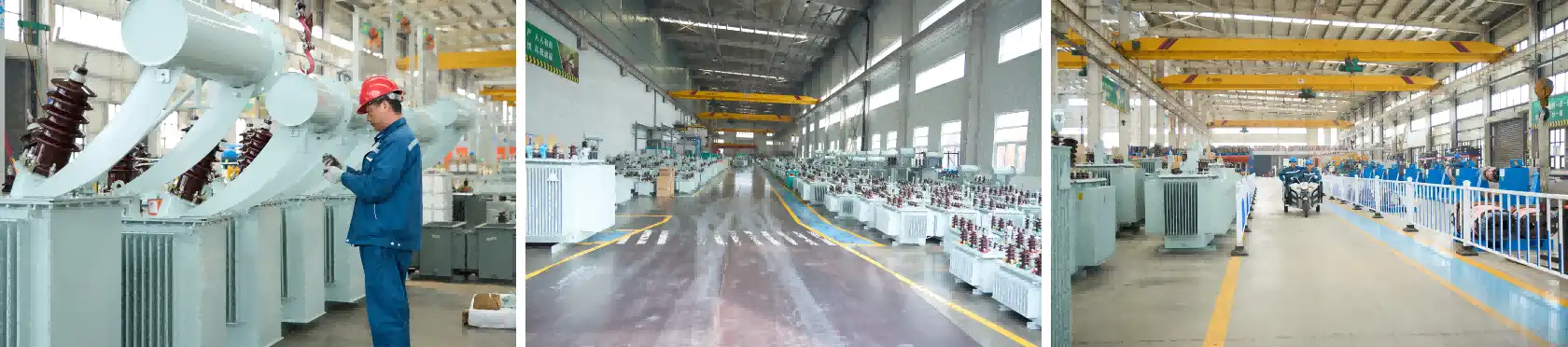
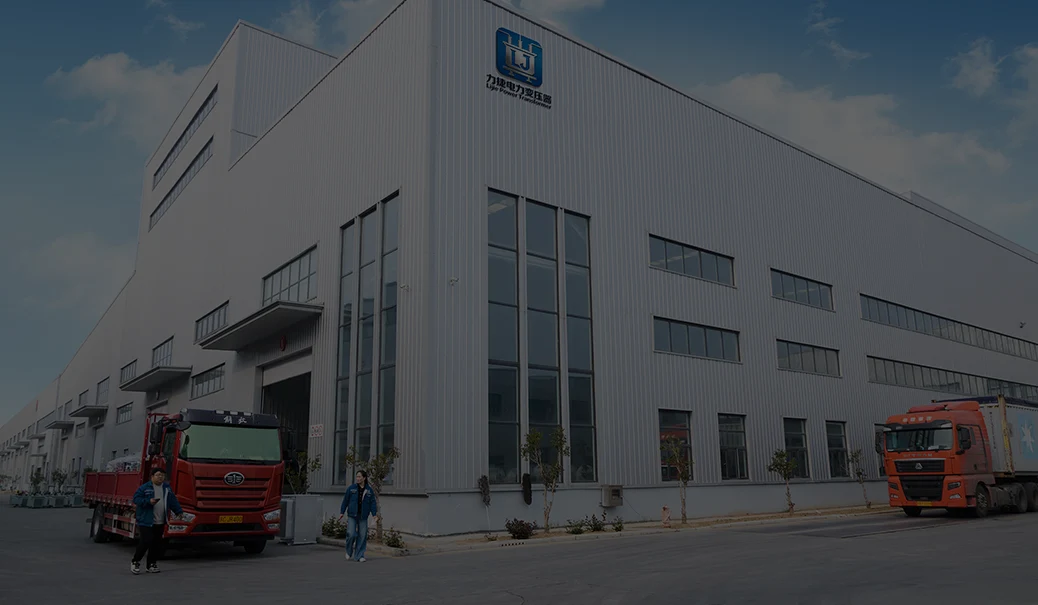
The Lijie Electric Power Technology Group has been making specialised products for more than twenty years and can help you with your medium-voltage power distribution projects. We have two R&D and production facilities in Xuzhou and Nantong that cover a total area of 500,000 square meters. We do all of our own core manufacturing and final testing. Our S22 type 35KV oil-immersed power transformer supplier qualifications include ISO 9001:2015, IEC, CE, and UL approvals, which make sure that we meet all national and foreign standards. With more than 160 engineers with advanced degrees and the ability to support large-scale EPC projects every year, we provide consistent quality for all orders, from single units to framework agreements. Please email our technical team at lijieelectrical@gmail.com to talk about your specific needs for voltage regulation, capacity requirements, and delivery schedules. We offer full technical documentation, lifecycle cost analysis, and customisation choices for industry, utility, and green energy uses in North America and around the world.
1. International Electrotechnical Commission. (2011). Power Transformers - Part 1: General Requirements. IEC 60076-1 Standard.
2. Chen, W., & Liu, X. (2021). Energy Efficiency Improvement Technologies in Oil-Immersed Power Transformers. Journal of Electrical Engineering Technology, 16(4), 1823-1835.
3. National Standards of the People's Republic of China. (2020). Energy Efficiency and Energy Efficiency Grades for Three-Phase Distribution Transformers. GB 20052-2020.
4. Heathcote, M. J. (2017). J & P Transformer Book: A Practical Technology of the Power Transformer (14th ed.). Oxford: Newnes Publications.
5. Singh, J., & Sood, Y. R. (2019). Condition Monitoring and Diagnostic Methods for Life Assessment of Power Transformers. IEEE Transactions on Dielectrics and Electrical Insulation, 26(2), 451-465.
6. Abu-Elanien, A. E., & Salama, M. M. (2018). Asset Management Techniques for Transformers: A Review. Electric Power Systems Research, 147, 109-119.
YOU MAY LIKE



April 27, 2025
With a tight project schedule, the manufacturer delivered on time, and on-site technical personnel provided guidance throughout the entire installation and commissioning process; the collaboration was highly efficient and hassle-free.
July 2, 2025
During the preliminary phase, a selection plan was custom-tailored based on the actual site load requirements, resulting in a high degree of parameter compatibility. After-sales support responds within two hours, and ongoing technical support for operation and maintenance is comprehensive; we feel completely confident in a long-term partnership.
November 18, 2025
Deployed as a supporting component for a 35kV grid-connection project at a photovoltaic power station, the equipment operates for an average of 16 hours daily. It demonstrates excellent control over no-load losses, ensures smooth power generation and grid integration, and effectively reduces the station's overall energy consumption.
January 30, 2026
Under the continuous, high-load operating conditions of a factory production line, the equipment maintains stable electrical parameters and exhibits strong overload resistance, thereby guaranteeing an uninterrupted power supply for industrial production.
April 3, 2026
Integrated as a supporting component for a new energy photovoltaic grid-connection system, the manufacturer provided professional technical coordination and timely after-sales support, ensuring seamless adaptation to the specific electrical operating conditions required for grid integration.