April 27, 2025
With a tight project schedule, the manufacturer delivered on time, and on-site technical personnel provided guidance throughout the entire installation and commissioning process; the collaboration was highly efficient and hassle-free.
Aug 1, 2026
A High Voltage Transformer Supplier represents a specialized industrial partner responsible for designing, engineering, and manufacturing electromagnetic induction devices that step voltage levels up or down within transmission networks. These suppliers address critical industry challenges, including reducing line losses over extended distances, ensuring grid stability through reactive power management, and preventing equipment failure caused by insulation breakdown. They deliver the foundational infrastructure for utility substations, renewable energy integration, and heavy industrial power systems, ensuring electricity flows safely and efficiently from generation sources to end-user networks while meeting rigorous international regulatory and safety standards.
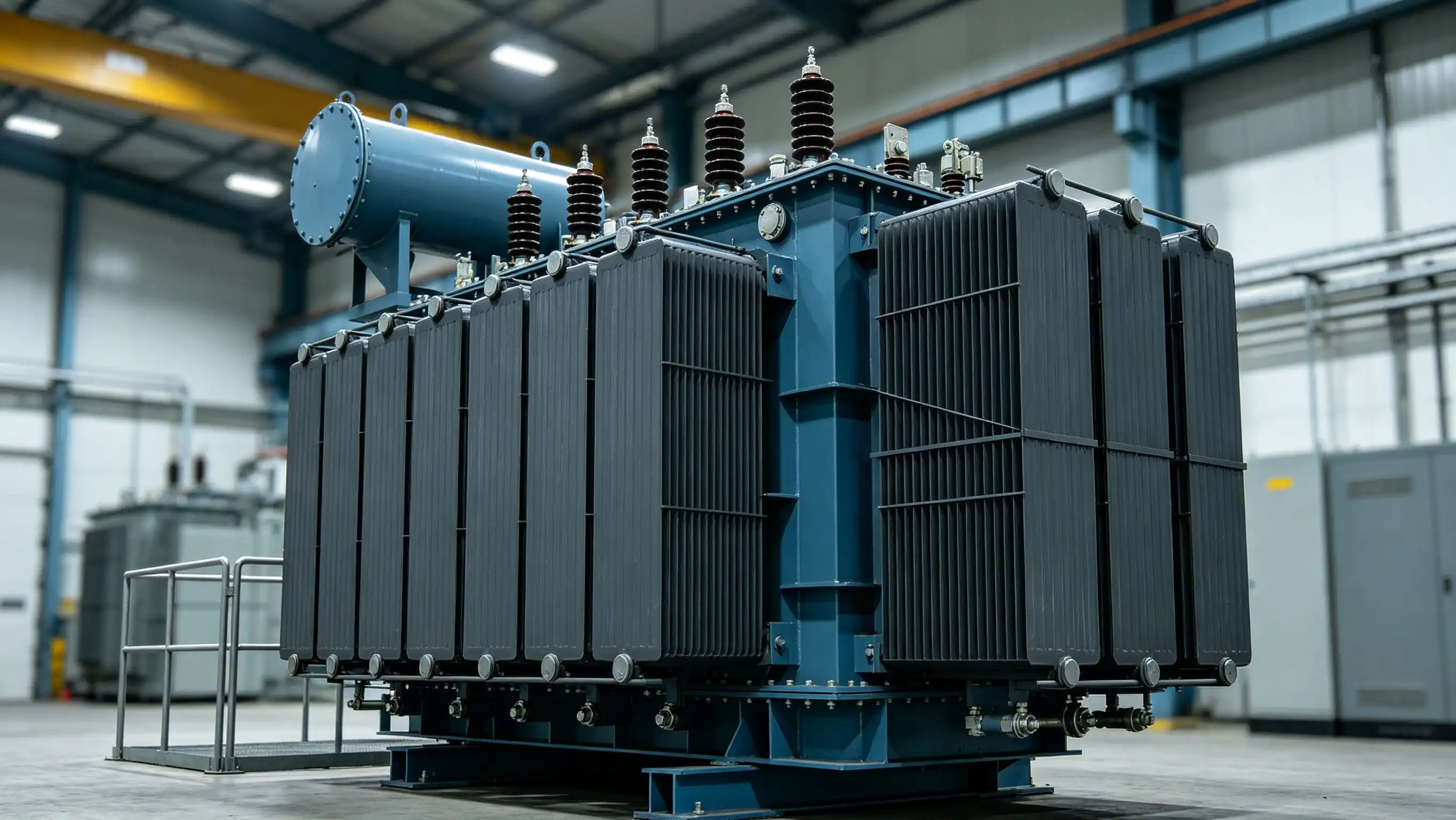
Power transmission infrastructure depends fundamentally on reliable high-voltage transformers to maintain grid stability and industrial productivity. As electrical engineers and procurement managers navigate increasingly complex energy landscapes—from renewable integration to aging grid modernization—the selection of a dependable transformer partner becomes a strategic business decision rather than merely a purchasing transaction. We understand that your projects demand more than just compliant equipment; you need a supplier who appreciates the operational realities of multi-year asset lifecycles, bulk delivery schedules, and the financial implications of unplanned downtime.
This guide addresses the practical concerns facing today's utility operators, industrial plant managers, and EPC project leads. Whether you're specifying transformers for a 500kV transmission project, evaluating energy-efficient solutions for solar farm integration, or sourcing mining transformers that withstand harsh environmental conditions, the information here helps you make informed decisions. We'll explore technical fundamentals, compliance requirements, supplier evaluation criteria, and emerging technologies that enhance both safety and operational efficiency across power transmission systems.
In electrical grids, High Voltage Transformers change the voltage at nodes. They do this by stepping voltages up for safe long-distance transmission or down for safe distribution and end-use applications. The way it works is based on electromagnetic induction between the primary and secondary windings that are wound around a magnetic core. This lets power flow without a direct electrical connection. In most cases, voltage levels run from 35kV in regional distribution networks to 500kV or higher in ultra-high-voltage transmission corridors. For each use, technical standards must be carefully matched to grid characteristics.
When choosing a High Voltage Transformer, there are a number of technical factors that affect how well the system works and how reliable it is in the long run. Rated capacity, which is given in MVA, tells you how much power the High Voltage Transformer can continuously handle without getting too hot. The link between the main and secondary windings is shown by the voltage ratio, which is usually given for both no-load and full-load situations. The percentage of impedance affects the amount of short-circuit current and how well the system's protections work together. Over the 20–30 years that the High Voltage Transformer is in use, its running costs are based on its efficiency scores, especially at partial loads. The way temperatures rise is affected by the cooling method and the type of insulation. This, in turn, affects the atmospheric temperature derating and the load capacity.
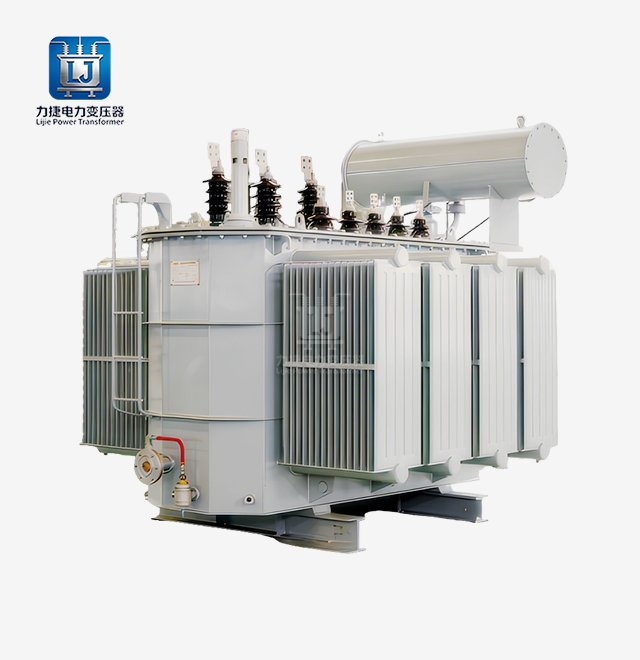
Mineral or synthetic insulating oil is used in oil-immersed High Voltage Transformers to cool them down and keep the electricity safe. This makes them good for outdoor installations and high-capacity uses where heat removal is important. Because they work well with heat and are cost-effective at higher rates, these units are the most common type in utility substations and big industrial sites. Dry-type High Voltage Transformers use solid insulation and air cooling systems, which make them safer in case of fire and easier to install in tunnels, buildings, and other environmentally sensitive areas where oil containment is a concern.
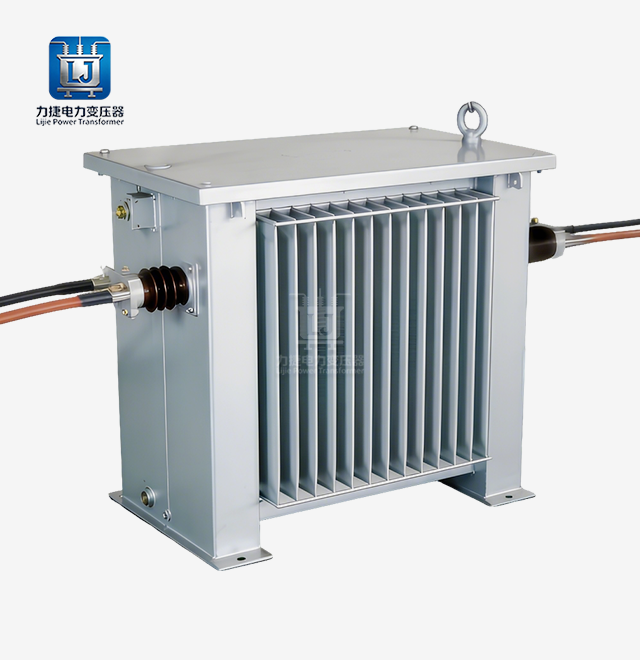
Power High Voltage Transformers move large amounts of energy between power plants and regional grids. They do this by working at transmission voltages. For commercial and residential users, distribution High Voltage Transformers lower voltages to levels that can be used. Special-purpose High Voltage Transformers meet specific needs in different industries. For example, electric furnace High Voltage Transformers provide the high currents needed to make steel, rectifier High Voltage Transformers provide DC power for electrochemical processes, and mining High Voltage Transformers are made to work safely in underground areas that could explode. Instead of depending on general specs, buying teams can better match the capabilities of tools to real practical needs when they understand these differences.
Power quality factors like voltage control, harmonic distortion, and reactive power balance are all directly affected by High Voltage Transformers. When the load changes throughout the day, well-designed units keep the voltage within safe ranges. This keeps downstream equipment from breaking and output from stopping. Tap changers let you change the voltage without stopping service. This lets you adjust for changes in yearly load and voltage drops in long distribution lines. The characteristics of High Voltage Transformer impedance determine how fault currents flow through the network. This has an impact on the design of the protection scheme and the ratings of all the equipment in the substation.
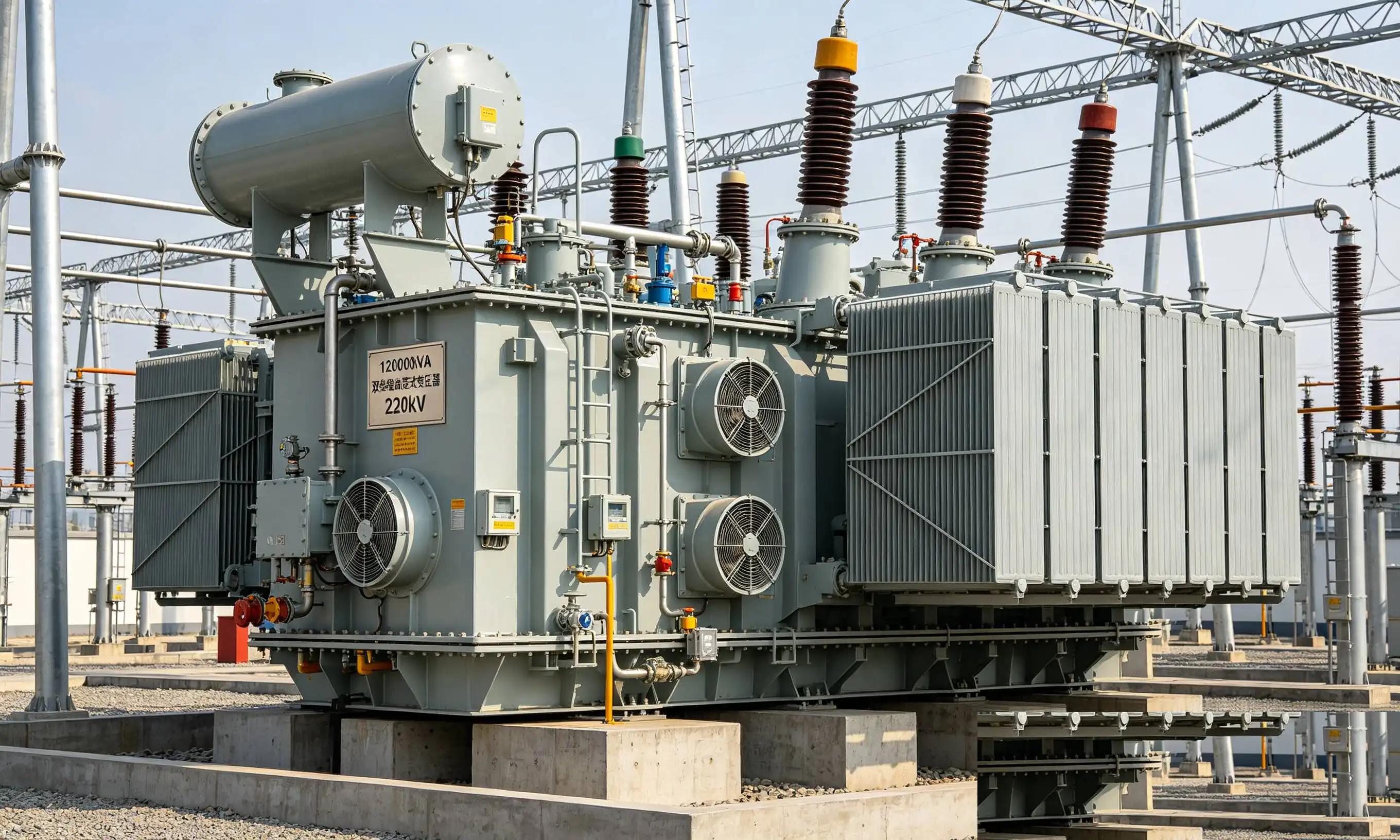
Meeting safety standards that are known and accepted around the world is an absolute must for buying and using High Voltage Transformers. Power High Voltage Transformers used all over North America must meet performance requirements, testing procedures, and application rules set out in the IEEE C57 series of standards. IEC 60076 standards set global standards for designing, making, and testing High Voltage Transformers. This makes it easier to buy things across borders and makes sure that safety standards are met. ANSI standards cover a wide range of application areas, such as the accuracy of meters, best practices for loading, and upkeep processes. Meeting these standards keeps people safe, keeps equipment from breaking, and meets the insurance and government rules that guide utility and industrial activities.
Maintenance programs that work well combine regular checks with technologies that keep an eye on things all the time to find problems as they happen before they break down. Visual inspections are done once a month or every three months to check for oil leaks, damaged bushings, working cooling systems, and structural integrity. Through dissolved gas analysis, dielectric strength testing, and acidity measurements, oil samples and lab analysis show that insulation is breaking down, water is getting in, and there is contamination. Thermographic studies find hot spots that are likely to fail soon because of loose connections, circulating currents, or cooling system blocks.
Advanced tracking systems show important factors like winding temperature, top oil temperature, load current, and bushing capacitance in real time. Online partial discharge tracking finds problems with insulation before they become catastrophic. This lets planned fixes happen during planned breaks instead of emergency repairs. Dissolved gas monitors keep looking at oil samples for fault gases and sound alarms when amounts rise above certain levels. With these technologies, repair plans are no longer based on times, but on conditions. This makes assets last longer and cuts down on unexpected downtime.
Overheating is the most common reason why High Voltage Transformers fail before they should. This can be caused by too much load, problems with the cooling system, or harmonic currents that raise coil losses. Insulation systems don't get damaged by heat when the ambient temperature is lowered, the load is cycled, and the cooling system is properly maintained. High Voltage Transformers work within their design limits even during times of high demand or emergencies by keeping an eye on loading patterns and working together with system operators.
Insulation slowly breaks down due to thermal ageing, moisture contamination, and buildup of electrical stress. To stop this from happening, make sure to follow the right oil processing plans, keep the valve seals in good shape, and avoid long-term overloading that speeds up ageing. When dissolved gas analysis or power factor testing shows that insulation is getting worse, it needs to be reconditioned or replaced right away to avoid major failures that damage nearby equipment and cause long power blackouts. Setting clear guidelines for intervention based on test results and talking to service providers with a lot of experience can help asset managers balance the costs of upkeep against the risks of failure.
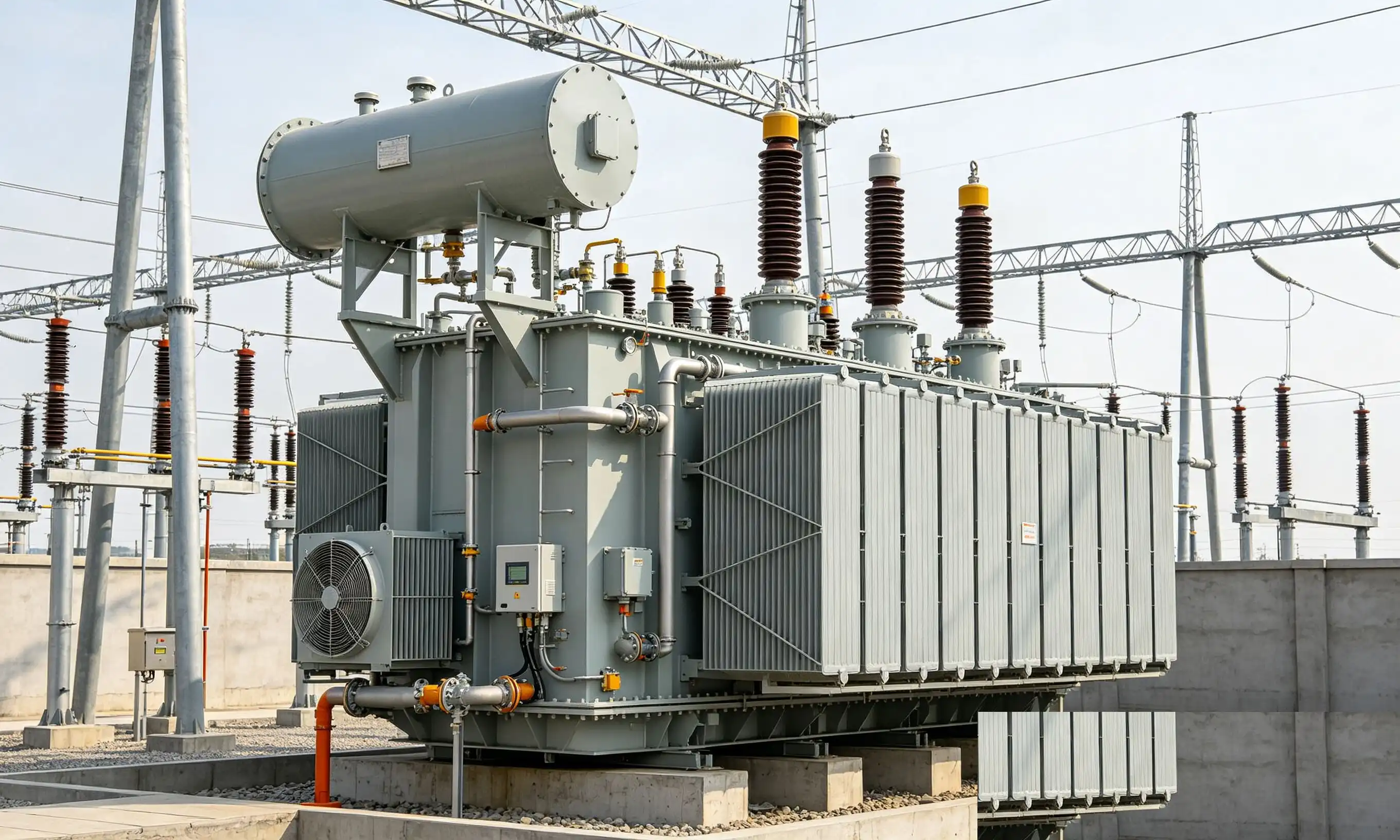
There are many things to think about when choosing a High Voltage Transformer Supplier, besides the initial cost of the equipment. These include the High Voltage Transformer Supplier's long-term reliability, service capabilities, and possibility for a partnership. The choice framework should include things like the ability to make things, the ability to customise them technically, the need to follow certification rules, the dependability of delivery, and the infrastructure for help after the sale. When procurement teams know how High Voltage Transformer Suppliers do on these criteria, they can lower the risks that come with committing to 20–30 year asset lifecycles.
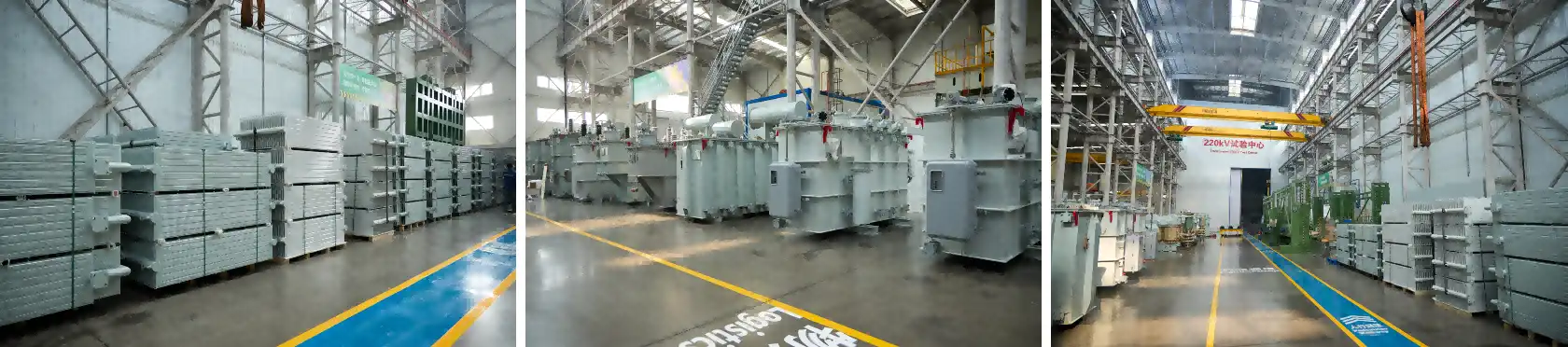
How well a High Voltage Transformer Supplier can meet project delivery deadlines and handle large framework agreements without lowering quality or lengthening lead times is based on their manufacturing capacity. The size needed for utility and big industry projects is shown by factories that are more than 100,000 square meters and have separate production lines for each type of High Voltage Transformer. The qualifications of the engineering staff, especially the presence of PhD and master's degree holders who know a lot about power systems, show that they have the technical depth needed for custom design work and application support.
Portfolios of certifications show that you are dedicated to quality management and product compliance. Getting ISO 9001 certification means that you have established quality systems that cover the planning, buying, making, and testing processes. IEC approval for certain product lines proves that they meet international performance standards, which makes buying things across borders easier. UL and CE approvals let you sell your products in North America and Europe, and they also provide independent proof of safety features. Energy efficiency certifications from well-known groups like CQC back up claims of performance and help with lifecycle cost analysis.
Standard High Voltage Transformer designs have faster lead times, lower prices, and track records of good performance in the field, so they can be used in situations where the ratings and settings are already known. This group includes most distribution High Voltage Transformers and a lot of base power High Voltage Transformers. Manufacturers keep these in stock or can make them quickly for typical requirements. In exchange, you have to accept design gaps and features that are meant for general use instead of those that are best for specific working conditions.
Custom High Voltage Transformers are made to fit voltage levels, impedance needs, physical limitations, or environmental conditions that standard designs can't handle. Customised engineering is helpful for mining operations that need explosion-proof cabinets, steel plants that need exact impedance matching for furnace operations, and green energy projects that have strange voltage ratios. When compared to standard units, custom designs usually add 4–8 weeks to shipping times and cost 15–30% more, but they don't have the speed problems or installation problems that generic solutions often do. A big procurement choice that affects both short-term budgets and long-term operating efficiency is figuring out if application-specific needs are worth the costs of customisation.
The purchase price only makes up 30 to 40 percent of the total cost of owning a High Voltage Transformer over its lifetime. The majority of the costs come from energy losses, maintenance, and failures. To figure out lifecycle costs, you have to look at losses when there is no load, losses when there is load at different working points, predicted loading patterns, and the cost of electricity over the expected service life. Over 25 years of use, a High Voltage Transformer with a 10% lower buying price but 5% higher losses may cost a lot more, especially in situations where it is constantly filled.
Warranty terms and service agreements have a big effect on how risks are shared and how much it costs to provide support. Comprehensive guarantees that cover manufacturing flaws for 24 to 36 months give you a way to fix problems before they happen without having to go through complicated liability talks. Service agreements that cover regular maintenance, oil processing, and emergency repairs lower operational risk and make planning maintenance easier. For regular support needs, High Voltage Transformer Suppliers that keep regional service centers stocked with parts and trained techs can respond faster than those that need to use foreign logistics.
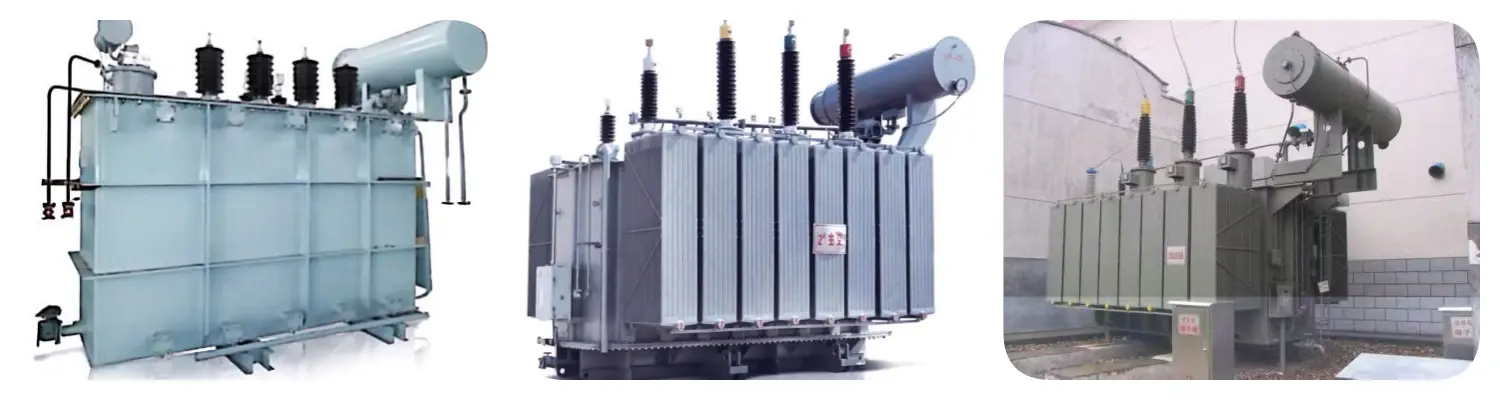
Modern High Voltage Transformer technology includes improvements that go beyond traditional designs to make them safer to use and more energy efficient. Smart tracking systems use sensors, communications, and analytics software to give you a whole new level of information about the health and loading patterns of High Voltage Transformers. By using condition-based maintenance methods that cut down on both planned and unplanned outages, these systems find faults before they happen, make the best use of loading strategies, and extend the life of assets.
Natural esters or synthetic compounds used to make eco-friendly insulating fluids are better at stopping fires, breaking down naturally, and withstanding moisture than traditional mineral oils. These fluids make it possible for higher emergency loading capacities and longer insulation life, while also lowering the environmental risks that come from machine breakdowns or spills. Mineral oil costs 30 to 50 percent more at first, but the practical benefits and lower risk often make the investment worth it for uses in crowded areas or places that are sensitive to the environment.
Instead of selling general catalogue items, our engineering team uses these technologies to make High Voltage Transformer solutions that are tailored to each client's needs. For a recent green energy project, weatherproof enclosures that housed High Voltage Transformers, switchgear, and safety systems cut the time it took to build the substations in the field by 60% compared to traditional construction. The units had online monitoring systems that let operators see at a glance how well solar farms in different parts of the world were doing in real time. This made it possible to centrally assess conditions and plan maintenance.
Product reliability is based on high-quality manufacturing and testing protocols that go above and beyond what is required by law. Routine testing includes measuring resistance, checking voltage ratios, and making sure insulation strengths are correct on all outputs. Type tests done by well-known labs across the country confirm how well the design works in short-circuit situations, at high temperatures, and with high surge voltages. For example, seismic licensing, harmonic loads, and altitude correction factors are some of the specific application needs that are met by special tests. This thorough testing makes sure that the equipment works well throughout its useful life, in real-life situations, not just when it's supposed to, as stated on paper.
To buy a High Voltage Transformer efficiently, you need to start with clear technical specifications that spell out the needs of the application without limiting design options too much. Electrical factors like voltage levels, capacity ratings, impedance goals, and connection setups give High Voltage Transformer Suppliers the data they need to make accurate quotes. Because of things like size limits, weight limits, and shipping clearances, redesigns that cost a lot of money can't happen after the order has been placed. Conditions in the environment, like height, temperature range, and earthquake zone, decide what changes need to be made to the design and the ratings.
When you ask for technical advice before you finalise the specifications, High Voltage Transformer Suppliers can make suggestions for improvements based on their manufacturing skills and experience in the field. An experienced High Voltage Transformer Supplier might suggest changes to the impedance that make protection coordination better, changes to the cooling system that make it more reliable in hot environments, or standard parts that cut down on lead times without affecting performance. During these talks, people often find ways to save money and make things work better that more general methods to specification miss. This is especially true for big projects where small changes per unit add up to big benefits overall.
By evaluating samples, you can be sure of the quality of the production and the suitability of the design before committing to large orders. Watching workplace acceptance tests makes sure that the equipment works as it should and lets you check out the production methods, quality control steps, and testing skills. By looking at old project files, you can see if the High Voltage Transformer Supplier has experience with similar tasks and find any problems that might affect the current sourcing. Reference visits to sites that are already up and running get direct feedback from current customers about how reliable a product is, how responsive a High Voltage Transformer Supplier is, and how well it works in the long term.
When negotiating a contract, the delivery schedules, payment terms, quality assurance processes, and post-sale support promises should be talked about in enough depth to avoid confusion during execution. Setting clear hold points for inspection and testing in the production schedule at regular intervals helps keep an eye on quality throughout the whole manufacturing process. International payment arrangements usually include down payments, progress payments based on production goals, and a final payment upon successful launch. This is done to balance the buyer's need for cash flow with the High Voltage Transformer Supplier's need to control risk. The warranty terms must list the flaws that are covered, how long the company will take to respond, and the ways that the problem can be fixed, such as repair, replacement, or credit, based on the circumstances of the failure.
Choosing a High Voltage Transformer Supplier is a big strategic choice that will affect the project's success, operating dependability, and lifetime costs for a long time. The evaluation process needs to look at more than just the original price. It also needs to look at the manufacturing capacity, technical skills, certification compliance, and service infrastructure that will keep the assets running smoothly for 20 to 30 years. Understanding the basics of High Voltage Transformers, safety rules, and new technologies helps procurement teams come up with the best solutions without making the costly trade-offs that come with using a one-size-fits-all approach. Quality products, quick help, clear communication, and flexible business terms that can adapt to changing project needs and delivery schedules are all parts of good High Voltage Transformer Supplier partnerships.
The most basic requirement is manufacturing capacity, which ensures that High Voltage Transformer Suppliers can meet delivery dates for big framework deals without lowering the quality of their products. International standards are being followed, as shown by certification portfolios that include ISO 9001, IEC compliance, and region-specific approvals. Engineering skills show if High Voltage Transformer Suppliers can offer custom designs, application support, and troubleshooting help throughout the lifecycles of equipment. Response times are affected by service infrastructure such as regional support centers, the availability of spare parts, and trained technicians. This is true for both routine maintenance and emergencies. Reference projects that show experience with similar applications give you confidence in the High Voltage Transformer Supplier's skills and let you know about any problems before you commit.
How often a High Voltage Transformer needs to be serviced depends on its type, how it is loaded, and its working surroundings. For important parts, oil samples are usually taken and analysed in a lab once a year. Acidity measurements, dissolved gas analyses, and dielectric strength tests show how the insulation is doing. Every 6 to 12 months, thermographic scans find hot spots that are starting to form before they cause failures. Online monitoring systems constantly check important parameters, which lets condition-based maintenance plans find the best time to step in. High-value or critically loaded High Voltage Transformers should be tested more often, while lightly loaded units in safe settings can have longer breaks without too much risk. Baseline schedules are set by looking at manufacturer recommendations and industry standards. Asset managers then make changes to these schedules based on actual operating conditions and test results.
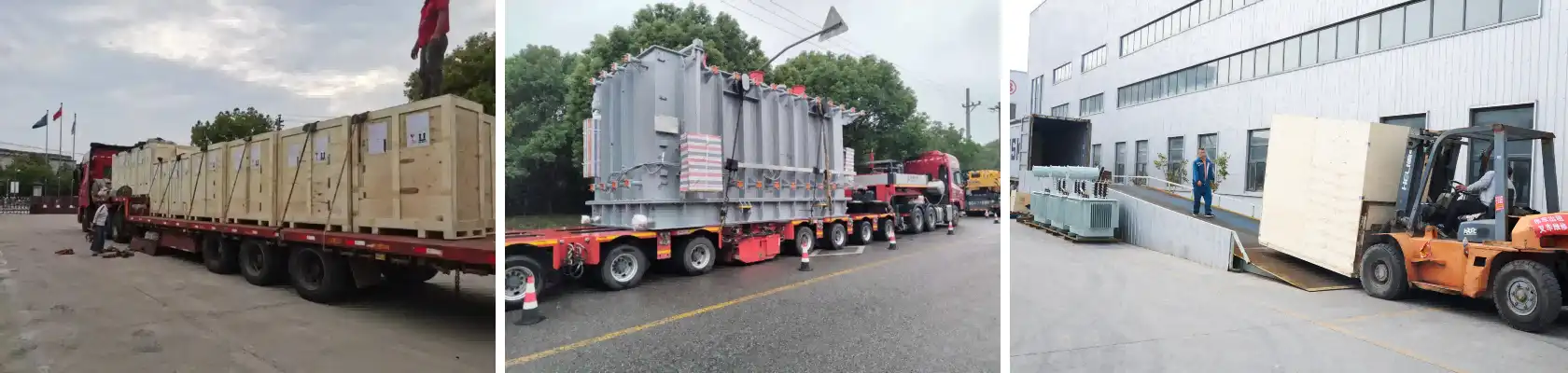
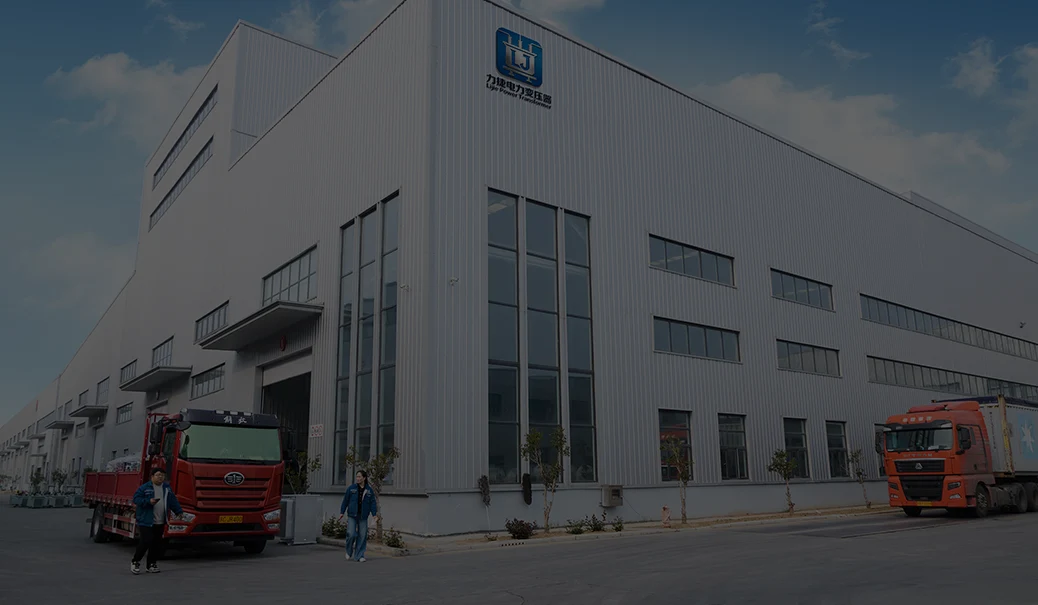
This company, Lijie Electric Power Technology Group, makes High Voltage Transformers and offers expert help for utility, industrial, and green energy uses all over North America. Our Xuzhou and Nantong factories, which are each 500,000 square meters, can make ultra-high-voltage High Voltage Transformers with ratings of 500kV or higher. They can also make full product lines for 110kV, 220kV, and distribution High Voltage Transformers with ratings of 35kV or less. Electric furnace High Voltage Transformers, rectifier High Voltage Transformers, mine High Voltage Transformers, and prefabricated substations are some of the specialised products that meet specific industry needs that standard equipment can't.
Quality certifications like ISO 9001:2015, IEC compliance, CE marking, and UL listing show that we follow international standards and make it easier for multinational projects to buy things. The National Transformer Quality Supervision and Inspection Center and the Wuhan High Voltage Research Institute test products thoroughly to make sure they meet performance standards before they are shipped. Certifications from CQC and PCCC for energy economy provide independent verification of operating traits that determine lifecycle costs over many decades of service.
Our engineering team has more than 160 professionals with graduate and master's degrees. This gives us the technical depth we need for custom design work, application support, and fixing throughout the lifecycles of our equipment. We can help you with your project needs, whether you need to optimise the voltage ratio for integrating renewable energy, match the impedance for industrial processes, or make sure that critical infrastructure is safe in case of a seismic event. We keep our pricing models clear, our shipping schedules reliable, and our contact prompt, which makes foreign purchasing easier.
You can email our team at lijieelectrical@gmail.com for expert advice, project quotes, and more information about our products. Visit lijie-electrical.com to learn more about our full range of High Voltage Transformer Supplier services, which include specs, licenses, and case studies that show how our products have worked in a variety of settings. Let us show you how our top-notch planning and manufacturing skills can give your power transmission systems the stability they need.
1. IEEE Power and Energy Society (2020). IEEE Standard for General Requirements for Liquid-Immersed Distribution, Power, and Regulating Transformers. Institute of Electrical and Electronics Engineers, New York.
2. International Electrotechnical Commission (2018). Power Transformers – Part 1: General Requirements. IEC Standard 60076-1, Geneva, Switzerland.
3. Smith, J.R. and Thompson, M.K. (2019). High Voltage Transformer Engineering: Design, Manufacturing and Lifecycle Management. Technical Publications, London.
4. National Electric Power Research Institute (2021). Transformer Condition Assessment and Life Extension Strategies. NEPRI Technical Report Series, Beijing.
5. American National Standards Institute (2017). Requirements, Terminology, and Test Code for Distribution, Power, and Regulating Transformers. ANSI Standard C57.12.00, Washington, DC.
6. Wilson, A.C. (2022). Modern Power Transformer Technologies: Materials, Monitoring and Maintenance Practices. Industrial Press, Chicago.
YOU MAY LIKE



11%20Epoxy%20Resin%20Cast%20Dry-Type%20Transformer.webp)

April 27, 2025
With a tight project schedule, the manufacturer delivered on time, and on-site technical personnel provided guidance throughout the entire installation and commissioning process; the collaboration was highly efficient and hassle-free.
July 2, 2025
During the preliminary phase, a selection plan was custom-tailored based on the actual site load requirements, resulting in a high degree of parameter compatibility. After-sales support responds within two hours, and ongoing technical support for operation and maintenance is comprehensive; we feel completely confident in a long-term partnership.
November 18, 2025
Deployed as a supporting component for a 35kV grid-connection project at a photovoltaic power station, the equipment operates for an average of 16 hours daily. It demonstrates excellent control over no-load losses, ensures smooth power generation and grid integration, and effectively reduces the station's overall energy consumption.
January 30, 2026
Under the continuous, high-load operating conditions of a factory production line, the equipment maintains stable electrical parameters and exhibits strong overload resistance, thereby guaranteeing an uninterrupted power supply for industrial production.
April 3, 2026
Integrated as a supporting component for a new energy photovoltaic grid-connection system, the manufacturer provided professional technical coordination and timely after-sales support, ensuring seamless adaptation to the specific electrical operating conditions required for grid integration.