April 27, 2025
With a tight project schedule, the manufacturer delivered on time, and on-site technical personnel provided guidance throughout the entire installation and commissioning process; the collaboration was highly efficient and hassle-free.
Jul 30, 2026
Selecting the right oil-immersed transformer supplier is critical for large power projects, directly impacting operational reliability, lifecycle cost management, and regulatory compliance. An oil-immersed transformer supplier specializes in designing and manufacturing liquid-filled power equipment where core and windings are submerged in insulating oil, providing superior thermal management and dielectric strength for high-capacity applications. This guide outlines essential decision factors—from quality certifications and manufacturing scale to customization capabilities and after-sales service—that procurement managers, electrical engineers, and project leaders must evaluate to ensure transformers meet rigorous project demands and deliver long-term stability across utilities, renewable energy installations, and industrial infrastructure.
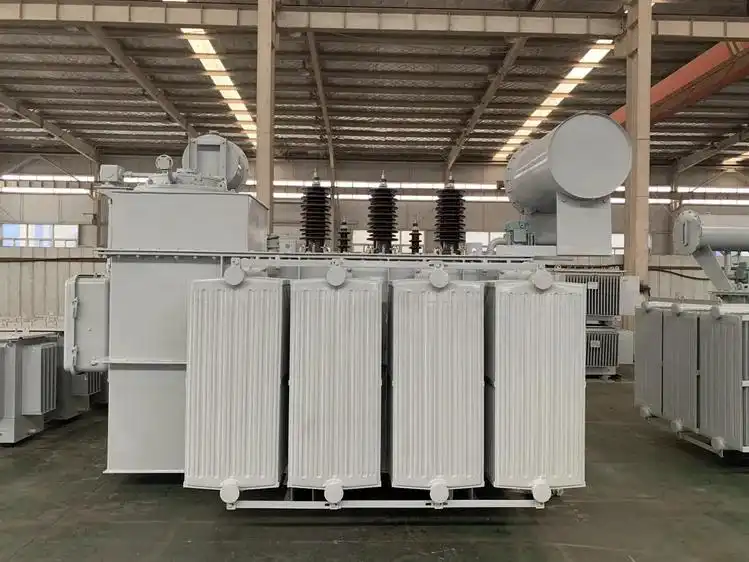
Large-scale needs for power infrastructure make the buying process very different from buying normal equipment. For projects like expanding the national grid, building utility-scale solar farms, or setting up heavy industrial equipment, you need transformers that can handle very high voltages and keep working properly for decades. We've seen that successful procurement depends on balancing a lot of different priorities. For example, meeting tight budget goals without lowering quality, finishing projects on time while making sure they are fully tested in the factory, and making sure that all the rules are followed in different places.
Electrical engineers who work on procurement teams usually focus on technical details like voltage control, impedance values, and energy efficiency scores. Purchasing managers focus on how financially stable the seller is, the terms of the contract, and delivery promises. Quality assurance teams make sure that IEC 60076 standards are being followed and do factory acceptance testing. Project managers often have to deal with more than one supplier at the same time as they arrange supply schedules with building goals. This way of working together makes sure that the choice of liquid-filled transformer meets both short-term installation needs and long-term operational goals. This lowers the chance of having to make expensive changes to the specifications in the middle of a project or having performance problems.
International projects have to deal with complicated certification systems. For North American markets, equipment must be listed with UL and meet ANSI/IEEE standards. In Europe, on the other hand, equipment must be marked with CE and follow IEC protocols. More and more, national labs are being asked by emerging markets to do localised testing and licensing. We suggest setting compliance standards during the initial part of the specification process and making sure that possible suppliers have the right certifications before getting into more technical talks. This method cuts down on the time you waste evaluating manufacturers who don't have the right credentials to work on your project.
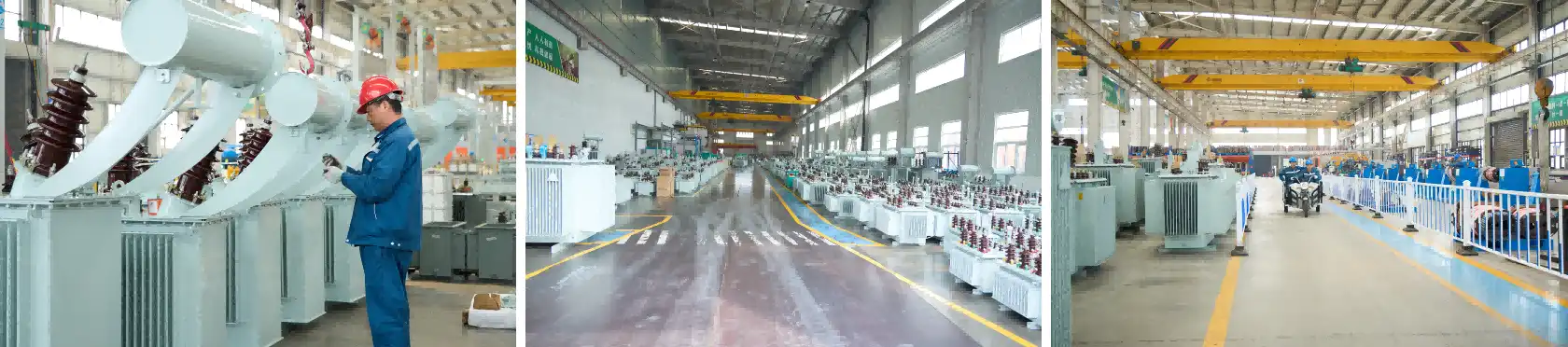
Frameworks for evaluating suppliers must include more than simply comparing prices. When selecting an
, companies should also consider factors such as manufacturing capabilities, quality management systems, technical expertise, and organizational stability. A professional Oil-Immersed Transformer Supplier should demonstrate strong production experience, strict quality control procedures, and the ability to deliver consistent transformer performance for large-scale projects. A comprehensive evaluation process helps customers identify a reliable Oil-Immersed Transformer Supplier that can maintain high quality standards, meet delivery requirements, and provide long-term technical support. By assessing the capabilities of each Oil-Immersed Transformer Supplier through structured criteria, procurement teams can reduce risks and ensure successful cooperation throughout the project lifecycle. Choosing a trusted Oil-Immersed Transformer Supplier provides greater confidence that large batches of transformers will be manufactured with stable quality, dependable performance, and compliance with industry requirements.
Leading makers keep their ISO 9001:2015 Quality Management System approval, which shows that they are dedicated to controlling processes and making them better all the time. Check if the suppliers you're considering do more than just basic certifications. This includes regular tests for voltage ratio and winding resistance, type tests that check for temperature rise and lightning impulse withstand, and special tests like measuring partial discharge and short-circuit capability. Suppliers should perform Dissolved Gas Analysis on insulating oil to detect incipient internal faults and conduct moisture-in-oil testing to verify dielectric strength. Tests of tank pressure confirm the integrity of the hermetic seal, and tests of no-load loss confirm that the magnetic circuit works as intended.
Timelines for projects often depend on how quickly and easily suppliers can deliver large amounts of transformers. As a sign of scalability, look at the factory area, yearly production capacity, and workforce number. Large factories that cover more than 200,000 square meters and have separate production lines for different voltage classes usually have the equipment needed for large orders. The make-up of a supplier's workforce is important. Companies that hire a lot of engineers with advanced degrees are better at research and development (R&D) and solving technical problems when customisation issues come up during production.
Ask the supplier for detailed case studies that show how they've worked on projects with the same voltage class, capacity range, and application environment as yours. Suppliers who work with national grid operators on ultra-high voltage transmission, renewable energy developers on collector substations for wind farms, or heavy industry on electric furnace uses bring knowledge that generic makers don't have in those areas. Checking references with past clients can tell you important things about delivery performance, how quickly problems are fixed, and the quality of support after installation that specs alone can't show.
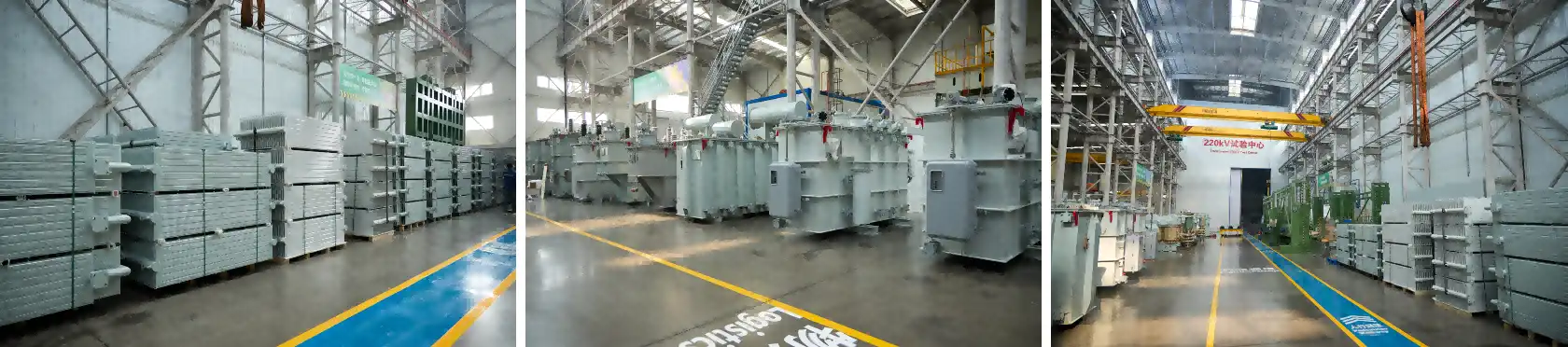
Technical fit between a supplier's product line and the needs of the project is what makes relationships work. Check if manufacturers have the engineering depth and manufacturing flexibility to deal with unique project constraints, in addition to just matching specifications.
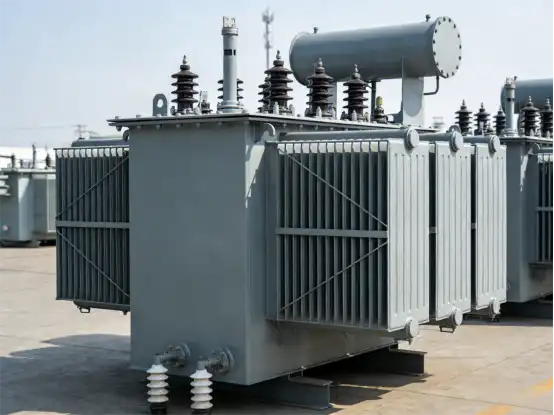
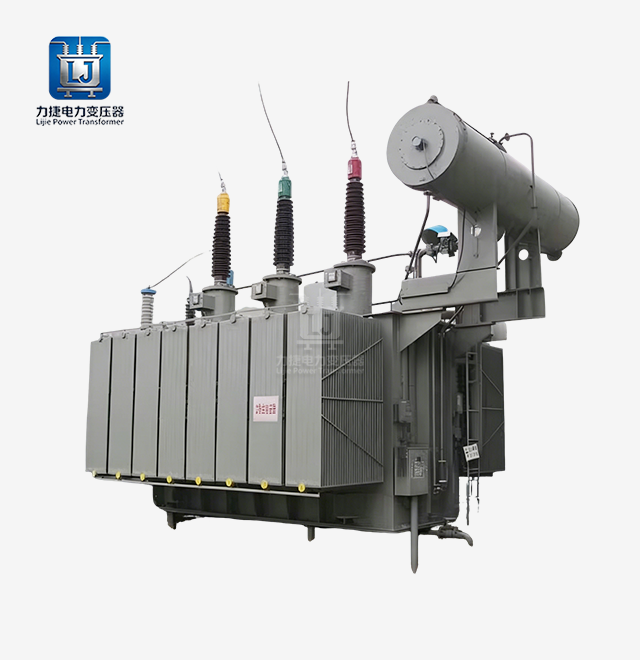
Standard catalogue items rarely meet the requirements of large-scale projects without customization. Working with an experienced Oil-Immersed Transformer Supplier allows customers to obtain transformer designs that are adjusted according to specific operating environments and technical needs. Extreme temperatures or high-altitude installations may require modifications to cooling system designs to ensure stable performance under challenging conditions. A professional Oil-Immersed Transformer Supplier can provide customized solutions by optimizing cooling structures, insulation systems, and other key components. Bushing configurations may also need to be adjusted to match existing substation layouts and connection requirements. In addition, core material selection has a direct impact on energy efficiency and no-load losses, which can significantly influence lifetime operating costs. A qualified Oil-Immersed Transformer Supplier with an in-house design center and expertise in electromagnetic design, thermal analysis, and mechanical engineering can develop optimized transformer solutions instead of relying on unsuitable modifications of standard products. Choosing a capable Oil-Immersed Transformer Supplier ensures that customers receive reliable, efficient, and application-specific transformer systems that meet complex project requirements while delivering long-term operational value.
Transformers work in complicated electrical systems that need to be compatible with more than just electrical factors. The physical measurements have to take into account how the base is built and how the goods can be moved. To keep installation as simple as possible, connection interfaces need to be standardised so that they work with all existing equipment. Integration of protection and tracking systems with substation control designs is needed. We've found that makers who focus mostly on new setups don't understand integration problems as well as suppliers who have worked on retrofit and growth projects before.
Reliability in operations over 20 to 30 years rests a lot on good maintenance and fixing problems quickly. Check to see if the providers offer full support for launching, advice on regular maintenance, oil testing services, and the ability to respond to emergencies. Manufacturers who keep regional service centers stocked with trained technicians and spare parts can solve problems much more quickly than those who only use remote support. Some high-tech suppliers offer condition monitoring systems with remote diagnostics that let you plan maintenance ahead of time and stop catastrophic failures before they happen.
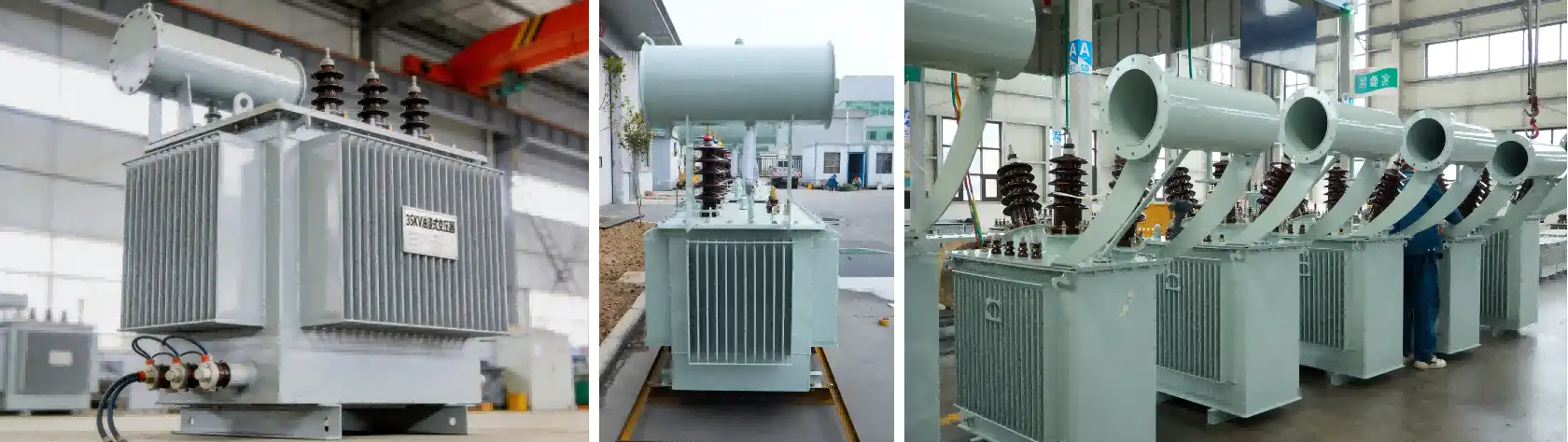
To compare suppliers in an organised way, you need rating systems that take qualitative factors and turn them into numerical scores. This method helps make decisions that are more objective, even when different stakeholders have different priorities, and there isn't enough information.
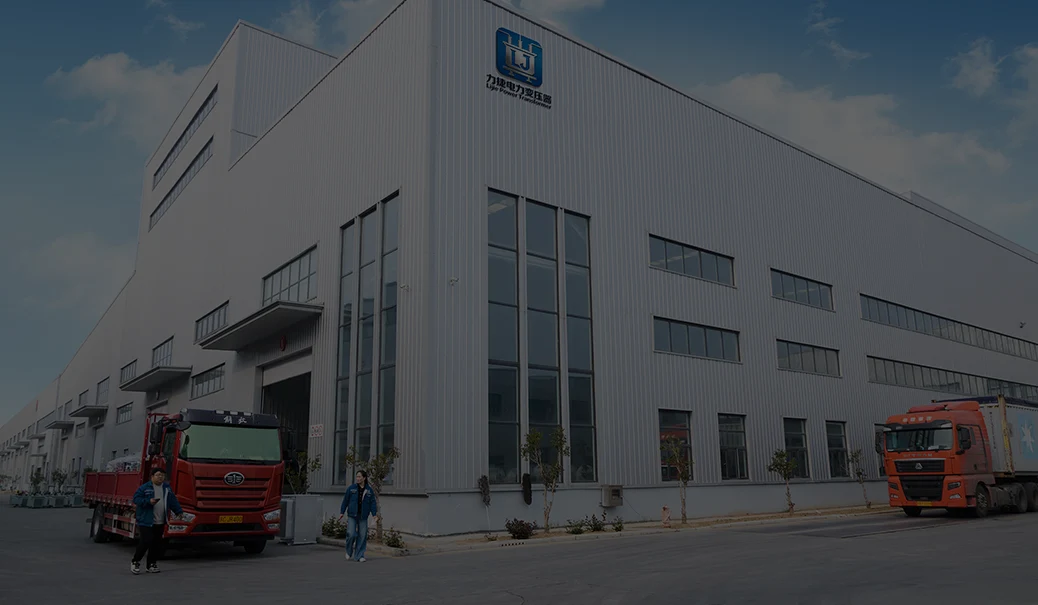
A lot of the time, international providers offer reasonable prices and access to cutting-edge technologies that were made for established markets. Logistics are easier, contact is faster, and it's easier to visit factories for checks when you buy from local manufacturers. Chinese manufacturers have become major players on the world stage by offering competitive prices, higher quality standards, and international certifications. This change can be seen in suppliers like Lijie Electric Power Technology Group, which has manufacturing facilities that cover 500,000 square meters and employs over 2,000 people. Their engineering teams have advanced degrees and work with products that are certified by ISO 9001:2015, CE, UL, and IEC for use in utilities, renewable energy projects, and industrial settings on six continents.
The initial purchase price is only one part of the total costs over the product's lifetime. When big transformers are used for decades, they often lose more energy than they cost to buy. Ask for detailed loss estimates that show losses in different working situations, both with and without load. Set clear pricing structures for different quantity levels so that volume discounts for orders of multiple units have a big effect on the project's economics. When figuring out the total cost of ownership, you should look at the guarantee terms, the prices of spare parts, and the costs of upkeep services. It's possible for hidden fees for things like testing, paperwork, or faster delivery to make the final cost much higher than what was quoted.
Formal SLAs create measurable commitments regarding delivery schedules, technical support response times, and performance guarantees. When selecting an Oil-Immersed Transformer Supplier, customers should ensure that service agreements clearly define responsibilities, quality expectations, and project requirements. A reliable Oil-Immersed Transformer Supplier that accepts fixed damages for delayed deliveries demonstrates confidence in its production planning capabilities, supply chain management, and ability to meet agreed timelines. Performance guarantees provided by an experienced Oil-Immersed Transformer Supplier can also include penalties for failing to meet efficiency targets or loss standards, helping protect customers from receiving equipment that does not meet expected performance levels. It is recommended to negotiate clear acceptance criteria with an Oil-Immersed Transformer Supplier, including specific IEC testing procedures and verification methods. This approach ensures that delivered transformers comply with contractual requirements and provides greater transparency throughout the project. By working with a professional Oil-Immersed Transformer Supplier, customers can establish stronger cooperation, reduce project risks, and ensure reliable transformer performance throughout the equipment lifecycle. A trusted Oil-Immersed Transformer Supplier provides not only high-quality products but also dependable service commitments that support successful long-term operations.
Structured decision methods take complicated reviews of many factors and turn them into clear, defendable supplier choices that meet both technical needs and business goals.
Create evaluation matrices that give different criteria numerical weights that show how important they are. Technical compliance could be given 30% of the weight, followed by quality and testing at 25%, price at 20%, shipping ability at 15%, and after-sales help at 10%. Use consistent evaluation rubrics to give each candidate supplier a score based on these criteria. This quantitative method makes it easy for people with different goals to compare things objectively. This makes the decision-making process for organisational approvals clear.
Framework agreements that set the rules for multi-year supply contracts are good for big infrastructure projects. Talk about setting different price levels based on output. This will encourage you to work with fewer sellers and keep the competition high. Set up payment terms that balance the supplier's need for cash flow with the completion of project milestones. For important uses that need to be very reliable, warranty terms should go beyond the normal ones. Include ways to keep getting better, so that specifications can be changed as projects change or as operational experience shows places where improvements can be made.
Before choosing a supplier for sure, make sure that all of the important validation steps have been completed. Instead of relying only on documentation provided by the supplier, make sure that all necessary certifications are confirmed by a third party. Do factory checks that look at the places where things are made, how they are checked for quality, and how the equipment is calibrated. Look over detailed project schedules to make sure that supplier lead times and construction milestones are in sync. Set clear technical requirements that are written down in thorough datasheets that refer to the relevant IEC or ANSI standards. Set up rules for acceptance testing, including ways for witnesses to test if needed. All deals should be written down in detailed purchase orders or supply contracts that can be looked over by a lawyer who knows how to buy tools internationally.
When picking a source for Oil-Immersed Transformer Suppliers for big building projects, you need to do a lot more than just compare prices. Technical compliance with international standards, manufacturing scale that can handle project volumes, quality systems that guarantee consistent performance, competitive lifecycle costs, and quick after-sales support are all things that must be taken into account for procurement to go well. We've laid out frameworks for evaluating a supplier's abilities across these areas. This gives procurement teams structured ways to make decisions that are clear and can be defended. Because modern power projects are so complicated, suppliers need to be more like technical partners than just sellers of tools. They need to bring engineering knowledge and practical experience that helps the project succeed for decades.
Liquid-filled transformers are better at cooling, which lets them pack more power into smaller spaces. Because the insulating oil has a high dielectric strength, these units are better for high-voltage uses above 35kV. When insulation gets damaged, oil-soaking can fix it itself and has a higher overload capacity than dry-type systems. Even though it needs more upkeep, Oil-Immersed Transformer technology is still the standard for large-scale and heavy industrial uses that need to be very reliable and last a long time.
Instead of relying on copies provided by the supplier, get third-party certification paperwork directly from the organisations that issue it. Do factory surveys where you look at the testing facilities, production tools, and quality control methods. Look over in-depth test reports from recent production runs that show the actual performance parameters that were measured. Talk to people who worked on projects similar to yours and ask them about the speed of delivery, how quickly they responded to technical help requests, and how reliable the equipment was after it was installed. For important projects, independent quality checks by well-known testing labs add extra peace of mind.
Comprehensive supplier support includes help with commissioning during the first power-up, training for operational staff in routine maintenance, oil sampling and analysis services, spare parts availability with clear lead times, and emergency technical support with clear response time commitments. Condition monitoring systems from more advanced suppliers allow for remote diagnosis and planned maintenance. When working on foreign projects, check to see if the sellers have regional service centers where they can help with problems in the local language and quickly send someone to the site.
Lijie Electric Power Technology Group has a lot of experience providing complete liquid-filled transformer solutions to utilities, green energy developers, and industry clients all over the world. Our 500,000-square-meter factories make everything from 35kV power transformers to 500kV ultra-high voltage units. All of our products are approved to meet ISO 9001:2015, IEC, CE, and UL standards. Our engineering teams have advanced scientific degrees, and we can produce more than 5 billion RMB a year. This means that we can meet the needs of big power projects for scale, quality, and customisation. Our thorough testing methods, which include DGA, partial discharge measurement, and full type testing, make sure that every unit meets our exacting performance standards before it is sent out.
Whether your project is to update the grid, add renewable energy, or make a big factory bigger, our technical consultants work closely with your engineering and procurement teams to come up with the best solutions for your voltage, capacity, and environmental needs. We keep our pricing clear and competitive by offering volume discounts, flexible payment terms, and clear delivery schedules that are in line with construction milestones. In addition to supplying the equipment, we also offer full commissioning support, upkeep training, and ongoing expert help to make sure that your transformer works reliably for its many years of service. Email our team at lijieelectrical@gmail.com to talk about the needs of your project, get detailed technical specs, or set up a visit to the factory. Find out why the world's biggest power companies and EPC firms choose Lijie Electric as their first choice for Oil-Immersed Transformer Suppliers in important infrastructure projects.
1. International Electrotechnical Commission. (2018). Power Transformers – Part 1: General Requirements (IEC 60076-1:2018). Geneva: IEC Publications.
2. IEEE Power and Energy Society. (2020). IEEE Standard for Transformers 230 kV and Below 833/958 through 8333/10417 kVA, Single-Phase, and 750/862 through 60000/80000/100000 kVA, Three-Phase Without Load Tap Changing. New York: Institute of Electrical and Electronics Engineers.
3. Harlow, J. H. (Ed.). (2017). Electric Power Transformer Engineering (3rd ed.). Boca Raton: CRC Press.
4. Cigré Working Group A2.37. (2019). Transformer Reliability Survey: Interim Report. Paris: International Council on Large Electric Systems.
5. Tenbohlen, S., & Koch, M. (2016). Aging of Cellulose at Transformer Service Temperatures – Part 2: Influence of Moisture and Temperature on Degree of Polymerization and Furanic Compounds in Free Breathing Systems. IEEE Transactions on Dielectrics and Electrical Insulation, 23(5), 3008-3015.
6. Myers, S. D., Kelly, J. J., & Parrish, R. H. (2019). A Guide to Transformer Maintenance (Revised ed.). Akron: S.D. Myers Inc. Technical Publications.
YOU MAY LIKE
18%20type%2035KV%20power%20transformer.webp)


H15%20Amorphous%20Alloy%20Distribution%20Transformer.webp)
April 27, 2025
With a tight project schedule, the manufacturer delivered on time, and on-site technical personnel provided guidance throughout the entire installation and commissioning process; the collaboration was highly efficient and hassle-free.
July 2, 2025
During the preliminary phase, a selection plan was custom-tailored based on the actual site load requirements, resulting in a high degree of parameter compatibility. After-sales support responds within two hours, and ongoing technical support for operation and maintenance is comprehensive; we feel completely confident in a long-term partnership.
November 18, 2025
Deployed as a supporting component for a 35kV grid-connection project at a photovoltaic power station, the equipment operates for an average of 16 hours daily. It demonstrates excellent control over no-load losses, ensures smooth power generation and grid integration, and effectively reduces the station's overall energy consumption.
January 30, 2026
Under the continuous, high-load operating conditions of a factory production line, the equipment maintains stable electrical parameters and exhibits strong overload resistance, thereby guaranteeing an uninterrupted power supply for industrial production.
April 3, 2026
Integrated as a supporting component for a new energy photovoltaic grid-connection system, the manufacturer provided professional technical coordination and timely after-sales support, ensuring seamless adaptation to the specific electrical operating conditions required for grid integration.