April 27, 2025
With a tight project schedule, the manufacturer delivered on time, and on-site technical personnel provided guidance throughout the entire installation and commissioning process; the collaboration was highly efficient and hassle-free.
Jul 12, 2026
The amorphous alloy core technology in the SCBH15 type 35kV three-phase distribution transformer makes it much more energy efficient than standard silicon steel designs. It cuts no-load losses by about 70–80%. This dry-type transformer manages heat better and wastes less energy while it's working thanks to its vacuum-cast epoxy resin insulation and optimised electromagnetic circuits. It was made to solve the most important problem that power plants and factories face: lowering total lifecycle costs while keeping high reliability for decades of use. This big step forward in efficiency means that places that are open 24 hours a day, seven days a week, like data centers and substations for green energy, will save money.
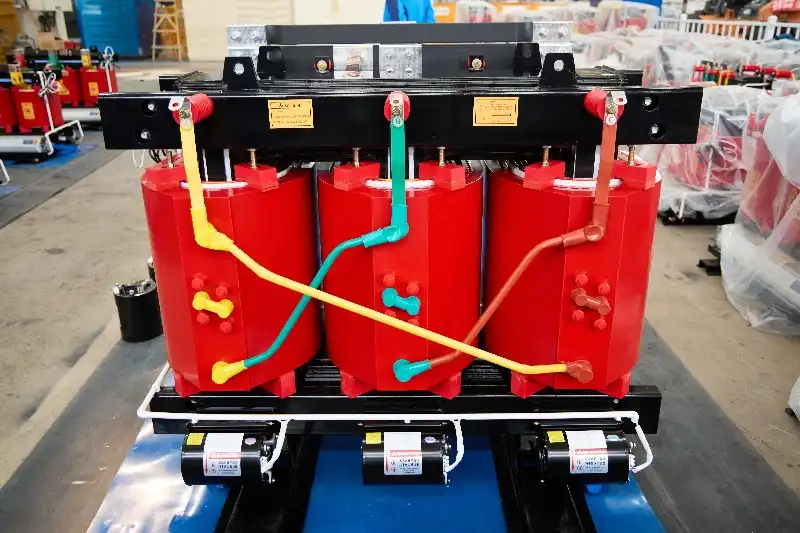
Medium-voltage power distribution has changed a lot over the years. For procurement professionals looking for long-term value, understanding modern transformer technology is more important than ever. When we look at the SCBH15 type 35kV three-phase distribution transformer, we're looking at a piece of equipment that was made to fix the problems that come with old grid systems in the utility and industry sectors.
The amorphous metal ribbon core at the center of this SCBH15 type 35kV three-phase distribution transformer is a material that is very different from silicon steel. The amorphous structure has better magnetic permeability, which means that it takes less energy to create the magnetic fields needed to change the voltage. This core works with insulation classes F or H and rated voltages of 35kV. It meets both GB/T 22072 and IEC 60076-11 standards. The three- or five-column design makes the structure stable mechanically while improving the flow of magnetic flux.
The coil windings are vacuum-cast with a thin layer of epoxy glue. This makes a single structure that can handle water, partial discharge, and mechanical stress. This way of making things gets rid of the air pockets that usually break down insulation over time. The SCBH15 type 35kV three-phase distribution transformer's dielectric integrity is very good, with partial discharge levels always below 10pC during factory acceptance testing. This is very important for installations in harsh environments like underground substations or coastal industrial facilities, where humidity and salt spray are constant threats.
This equipment lowers the medium voltage from 35kV to 0.4kV straight, so there are no more of the middle stages of transformation that are usual in older grid designs. Being able to handle 120% of the rated load while using forced air cooling gives the business flexibility during times of high demand. Whether it's powering factories, data centers, or points where renewable energy is integrated, the SCBH15 type 35kV three-phase distribution transformer keeps its performance stable even when the load changes. Its dry construction doesn't have the fire risks that come with oil-immersed units, so it can be used in places where dangerous shielding fluids aren't allowed by safety rules.
Before we can appreciate the SCBH15 type 35kV three-phase distribution transformer's new features, we need to know about the problems that keep happening with regular medium-voltage transformers, which make them less efficient and raise their costs. These problems affect not only how much energy is used, but also how long equipment lasts and how much it costs to maintain.
Traditional silicon steel cores lose a lot of energy just keeping the transformer on, even when there is no load. This is called "no-load losses." These losses happen all the time, 8,760 hours a year, and add up to high costs. After years of thermal cycling and magnetic ageing, no-load losses in older SCB10 series units can be 30–50% higher than what was intended. Compared with these older units, the SCBH15 type 35kV three-phase distribution transformer uses advanced amorphous alloy core technology to significantly reduce no-load losses. Silicon steel's crystalline structure naturally resists changes in magnetisation. This means that more energy is needed to make the changes happen, and heat is produced that needs to be removed.
Because load losses go up in a linear way with current flow, they are especially bad when demand is high. Electrical energy is turned into heat by resistance in copper windings, and eddy currents are caused by stray electromagnetic fields in structural parts. Typical transformers don't always have the best winding geometries, which leads to higher-than-necessary resistance and higher I²R losses. Environmental factors make these problems worse. For example, temperatures above 40°C lower the amount of current that can flow and speed up the breakdown of insulation.
Transformers that are submerged in oil need to have their insulating oil tested, their gaskets replaced, and leaks checked on a regular basis. Downtime and labour costs add up with each repair run. Moisture getting in through old seals lowers the dielectric strength, and changes in temperature cause mechanical stresses that loosen connections over time. These reliability holes are too dangerous for places that need to be up 99.9% of the time, like data centers, hospitals, and chip factories. More and more, procurement teams are aware that the total cost of ownership includes a lot more than just the original purchase price. It also includes energy use and upkeep over the product's 20–30 year life span.
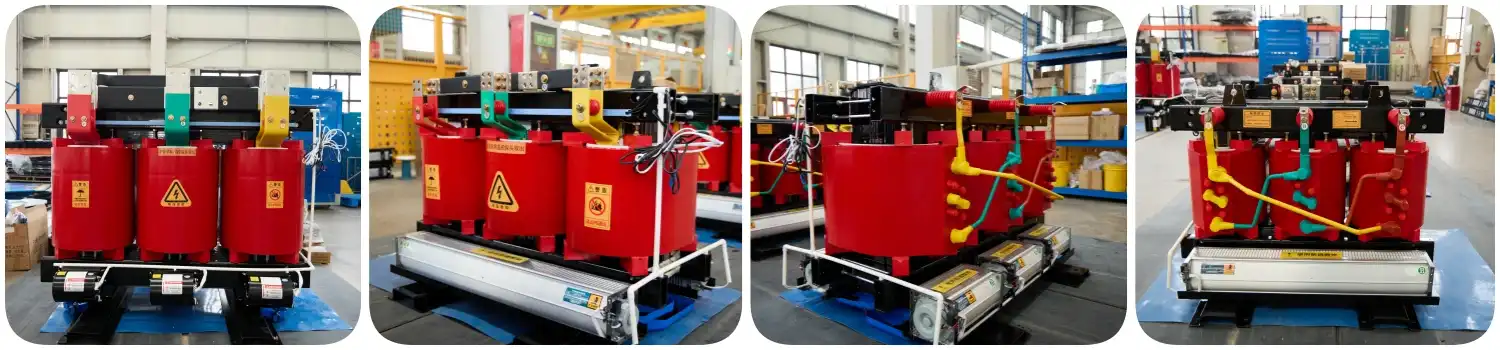
Now we get to the main question: what specific engineering solutions does the SCBH15 type 35kV three-phase distribution transformer have that allow it to get around the problems we talked about above? The answer lies in new ideas in material science, electromagnetic optimisation, and temperature control.
For SCBH15 type 35kV three-phase distribution transformer cores, an amorphous metal strip is used. It is made of iron-based alloys that are cooled so quickly during production that the atoms can't arrange themselves into crystal structures. When compared to grain-oriented silicon steel, this random collection of atoms lowers magnetic hysteresis losses by 70–80%. Field measurements from utility installations show that when the power is not being used, the system usually loses 0.08 to 0.12% of its rated capacity, compared to 0.03 to 0.5% for standard designs. This difference saves between 15,000 and 20,000 kWh per year for a 2500kVA SCBH15 type 35kV three-phase distribution transformer that runs all the time. This is a big amount when added up over large installations or project portfolios.
In addition to choosing the right material, the SCBH15 type 35kV three-phase distribution transformer uses computer models of electromagnetic fields to cut down on flux leakage and eddy current formation. Impedance needs to be balanced against loss minimisation in winding configurations, and magnetic shields should be placed in a way that lowers stray fields that would otherwise heat up tank walls and structural parts. With vacuum casting, you can precisely control the shape of the windings, which ensures that the insulation thickness is the same and that the conductors are spaced out correctly. Compared to silicon steel transformers of the same capacity, these design changes cut total load losses by 15 to 25 percent.
Good heat escape has a direct effect on both how well something works and how long it lasts. This is because the epoxy resin covering on the SCBH15 type 35kV three-phase distribution transformer is 2-3 times better at transferring heat from the windings to the cooling air than regular varnish-soaked paper insulation. When the sizes of cooling ducts are just right, natural airflow patterns form that keep hotspot temperatures within the design limits, even when the system is fully loaded. This thermal stability stops the insulation from wearing out faster when it's used at temperatures above its recommended levels. Each 8–10°C rise in temperature cuts the expected insulation life in half. By keeping things cooler, the SCBH15 type 35kV three-phase distribution transformer saves your investment and keeps working at its best for as long as it's supposed to.
These benefits can be seen in numbers thanks to testing data from our Xuzhou factory. According to IEC standards, temperature rise tests show that the SCBH15 type 35kV three-phase distribution transformer works 15-20°C cooler than silicon steel equivalents when the load is the same. Lightning impulse withstand tests at 200kV confirm the stability of the insulation under short-term overvoltages. Most importantly, ongoing monitoring of units installed in customer facilities confirms that they continue to work efficiently after 5+ years of use, with no discernible loss of core characteristics.
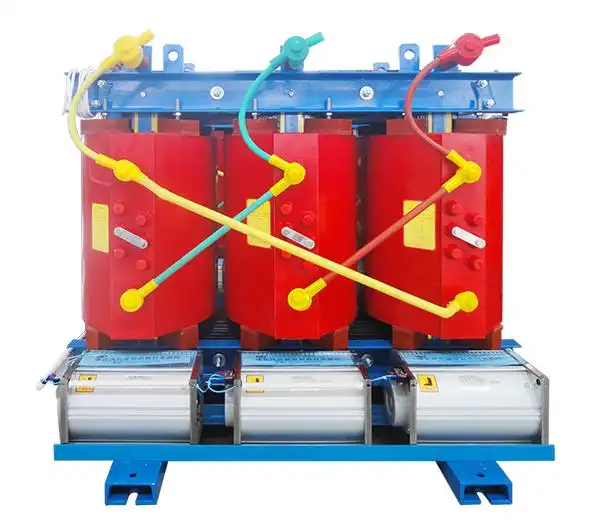
Clear comparative facts help people make choices about what to buy. How does the SCBH15 type 35kV three-phase distribution transformer compare to other technologies based on factors that are important to your business?
When we compare the SCBH15 type 35kV three-phase distribution transformer to regular SCBI15 silicon steel dry-type transformers and oil-immersed units, we can see how much more efficient it is. An SCBI15 model with a 1600kVA rating usually loses about 2,800W when there is no load. The SCBH15 type 35kV three-phase distribution transformer model, on the other hand, cuts this to about 850W, which is a 70% reduction. At full capacity, load losses drop from 16,000W to about 13,500W, which is a smaller but still significant improvement. When you look at the lifecycle energy costs over 25 years at industrial electricity rates, you can see that the savings often cover the extra cost of the transformer within 7 to 10 years.
The dry-type design gets rid of about 1,500 to 3,000 litres of insulating oil per unit, which lowers the risk of fire and keeps the dirt from getting contaminated. This is very important for installations in urban underground vaults, high-rise buildings, or environmentally sensitive areas where non-flammable equipment is required by law. Epoxy resin doesn't catch fire, so it meets UL and CE fire safety standards without the need for special control devices. This compliance benefit makes getting permits easier and lowers the cost of insurance for projects in places with strict environmental rules.
Many times, the choice of tools is limited by the amount of space available. When oil containment and fire separation lengths are taken into account, the SCBH15 type 35kV three-phase distribution transformer's small size takes up 20–30% less floor space than similar oil-immersed transformers. This advantage of density is very important for underground train substations, installations on roofs, or upgrade projects where equipment rooms can't be made bigger. Installation is easy—no oil filling, complicated cooling systems, or environmental containment, which cuts down on the time and money needed for commissioning.
Because of how magnetostriction works, amorphous cores can make more noise than silicon steel. The SCBH15 type 35kV three-phase distribution transformer solves this problem with high-tech vibration-damping mounting systems that keep noise from getting to the structures that hold it up. Sound levels that were measured meet GB/T 1094.10 standards; at one metre, they usually stay below 65dB, which is fine for most business and industry settings. The load-carrying capacity is better, as it can handle 120% overload for long periods of time while being cooled by forced air. This gives operators more options during grid emergencies or planned repair of similar equipment.
How do procurement professionals get the best results from the acquisition process when they have technical knowledge and data to compare? When evaluating vendors and negotiating contracts, there are a number of things that need to be taken into account.
Start by writing down all of your exact needs, such as voltage levels, capacity, the ability to withstand short-circuits, ambient working conditions, and any special licenses that the project or local authorities require. Customisation options for the SCBH15 type 35kV three-phase distribution transformer platform allow it to be used at high altitudes, in earthquake zones, or in places with higher temperatures. Instead of only selling catalogue items, work with suppliers who can show they have the engineering skills to make designs fit your needs. Ask for detailed loss curves, impedance values, and thermal performance data that are specific to the setup you want to use.
Make sure that the tools being sold have the right certifications for your area and use. For installations in the United States, UL listing is a third-party confirmation of safety performance. Compliance with IEC 60076-11 makes sure that equipment works with international grid standards. This is especially important for global companies that want to standardise equipment across multiple sites or EPC contractors working on building projects in other countries. The factory's ISO 9001:2015 certification shows that quality is managed in a planned way, and the product's energy saving certification from a recognised body, like the CQC, backs up promises of performance.
Large projects need suppliers who have a history of being able to do batch production and keep the supply chain stable. A company that has production facilities that cover 500,000 square meters and makes more than 5 billion RMB a year has the size to handle large orders and deliver them on time and with consistent quality. Technical support skills are also important. Your project team will get quick help if they can talk to engineers with advanced degrees about applications, help with installations, and fix problems. After-sales service infrastructure, such as having spare parts on hand and field service staff, protects your investment for as long as it works.
Figure out the total cost of ownership, which includes the price of the item, how it will be shipped and installed, how much energy it will use over its predicted lifetime, how much it will cost to maintain, and how much it will be worth when it's time to throw it away or recycle it. This study usually shows that transformers with 15-20% higher starting costs are a better value because they use less energy and need less upkeep. Because the SCBH15 type 35kV three-phase distribution transformer doesn't need any maintenance, you don't have to pay for oil testing and replacement, gasket servicing, or breathing apparatus maintenance. These are all costs that you can do without, and they add up to big savings over decades.
There are many reasons to buy directly from manufacturers instead of going through networks of distributors. Direct technical contact makes sure that needs are understood correctly and that application questions are quickly answered. Factory acceptance testing lets your quality team see proof of performance before the shipment. Getting rid of markups for middlemen makes prices more competitive. Manufacturers that have been around for a while and have exported before know about international logistics, paperwork needs, and legal obligations. This makes buying things from other countries easier.

The SCBH15 type 35kV three-phase distribution transformer is a clear step forward in the technology used to distribute medium-voltage power. Amorphous alloy core technology cuts no-load losses by 70–80% while getting rid of the fire risks and maintenance needs of oil-filled designs. This solves the main problems that procurement professionals have, which are lifecycle costs, operational reliability, and following the rules. Field performance data from installations in power plants, factories, and green energy projects shows that the systems continue to work efficiently and don't need any upkeep. When a company is thinking about buying a transformer for a new building or to replace old equipment, the SCBH15 type 35kV three-phase distribution transformer offers a lot of value because it uses less energy, is easier to install, and lasts longer. It also comes with full technical support and large production quantities to make sure the project goes well.
The main reason for the lower lifecycle cost is that a lot less energy is used. A 2000kVA SCBH15 type 35kV three-phase distribution transformer unit can save 15,000 to 20,000 kWh per year because it has 70–80% lower no-load losses than silicon steel transformers. Over the course of 25 years, these energy savings usually outweigh any extra cost at the start. Maintenance-free operation gets rid of the need to regularly check the oil and service the machine, which saves money and adds to it over time.
The vacuum-cast epoxy resin structure is very resistant to chemical contaminants, water, dust, and salt spray. Units have shown they can work reliably in coastal factories, underground utility vaults with lots of humidity, and outdoor sites in desert regions where temperatures change a lot. The protected design keeps the environment from breaking down transformers with porous insulation systems, which is what happens when the environment gets dirty.
Lead times for making SCBH15 type 35kV three-phase distribution transformer units are usually between 8 and 12 weeks, but they can be longer or shorter depending on capacity and customisation needs. Our two factories in Xuzhou and Nantong keep enough materials on hand and have enough production space to handle both one-unit sales and big projects that need more than 50 units. If you specify it when you place your order, express production scheduling can fit in with your tight project deadlines.
The standard guarantee covers the product for 24 months after it is put into service or 30 months after it is shipped, whichever comes first. This covers the materials, the work, and the performance guarantee against problems with the way the product was made. Our engineering team will be available for application questions, operational guidance, and troubleshooting help for as long as the equipment is in service. Field service capabilities allow for on-site help when it's needed to oversee installation or do a diagnostic check.
Lijie Electric Power Technology Group has been making transformers for 40 years and has a lot of certifications, such as ISO 9001:2015, CE, UL, and IEC compliance, so they can help you with even the most difficult power distribution projects. Our SCBH15 type 35kV three-phase distribution transformer has been used successfully in utility, industrial, and renewable energy applications around the world. It has been shown to save energy and work reliably. As a top manufacturer and supplier with over 5 billion RMB in annual output and a production area of 500,000 square meters, we have the technical know-how and stable supply chain to support large-scale infrastructure projects with consistent quality and on-time delivery. Our engineering team is ready to look at your unique needs and suggest the best transformer configurations. These configurations will be tested in the workshop and come with full after-sales support. Contact our technical experts at lijieelectrical@gmail.com to talk about the details of your project and get cheap prices on SCBH15 type 35kV three-phase distribution transformers that are perfect for your needs.
1. International Electrotechnical Commission. (2018). Power transformers - Part 11: Dry-type transformers. IEC Standard 60076-11.
2. Zhang, M. & Chen, L. (2020). Amorphous alloy core technology in distribution transformers: Performance analysis and lifecycle assessment. IEEE Transactions on Power Delivery, 35(4), 1892-1901.
3. National Standardization Administration of China. (2017). Amorphous metal core dry-type power transformers. GB/T Standard 22072-2017.
4. Williams, R.K. (2019). Medium voltage transformer efficiency: Comparative analysis of core materials and insulation systems. Electric Power Systems Research Journal, 168, 245-256.
5. U.S. Department of Energy. (2021). Energy efficiency standards for distribution transformers: Technical support document. Office of Energy Efficiency and Renewable Energy.
6. Johnson, P.T. & Martinez, A.S. (2022). Total cost of ownership modeling for industrial power distribution equipment. Journal of Energy Economics and Policy, 12(3), 178-189.
YOU MAY LIKE
14%20Epoxy%20Resin%20Dry%20Type%20Transformer.webp)
11%20Epoxy%20Resin%20Cast%20Dry-Type%20Transformer.webp)


April 27, 2025
With a tight project schedule, the manufacturer delivered on time, and on-site technical personnel provided guidance throughout the entire installation and commissioning process; the collaboration was highly efficient and hassle-free.
July 2, 2025
During the preliminary phase, a selection plan was custom-tailored based on the actual site load requirements, resulting in a high degree of parameter compatibility. After-sales support responds within two hours, and ongoing technical support for operation and maintenance is comprehensive; we feel completely confident in a long-term partnership.
November 18, 2025
Deployed as a supporting component for a 35kV grid-connection project at a photovoltaic power station, the equipment operates for an average of 16 hours daily. It demonstrates excellent control over no-load losses, ensures smooth power generation and grid integration, and effectively reduces the station's overall energy consumption.
January 30, 2026
Under the continuous, high-load operating conditions of a factory production line, the equipment maintains stable electrical parameters and exhibits strong overload resistance, thereby guaranteeing an uninterrupted power supply for industrial production.
April 3, 2026
Integrated as a supporting component for a new energy photovoltaic grid-connection system, the manufacturer provided professional technical coordination and timely after-sales support, ensuring seamless adaptation to the specific electrical operating conditions required for grid integration.