April 27, 2025
With a tight project schedule, the manufacturer delivered on time, and on-site technical personnel provided guidance throughout the entire installation and commissioning process; the collaboration was highly efficient and hassle-free.
Jul 25, 2026
Meeting GB 20052-2024 Class 1 energy-saving standards, the S22 type three-phase full distribution transformer is the best power distribution technology on the market. This oil-immersed transformer has a fully sealed corrugated tank design, a high-permeability silicon steel core, and oxygen-free copper windings. It is made to have very low losses and high reliability. With a capacity range of 30kVA to 3150kVA and voltage ratings of 6kV or 12kV, the S22 series meets the important needs of modern power lines, industrial facilities, and renewable energy projects that need to work well for 30 years.
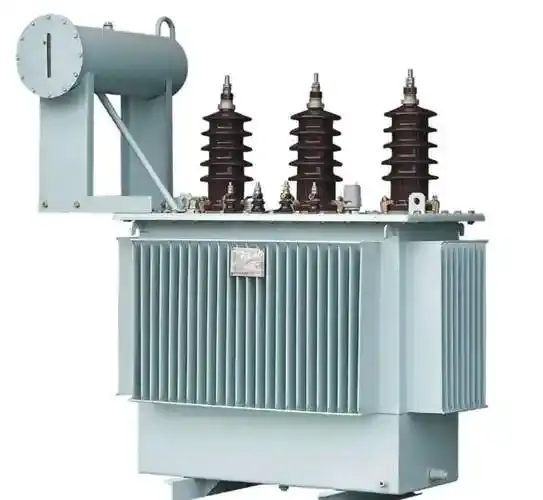
Modern power grids need equipment that is both efficient and long-lasting. Both careful engineering and high-quality materials make the S22 generator work well.
The S22 line was built around a simple idea: use as little energy as possible while making it last as long as possible. The heart of the transformer is made of high-permeability cold-rolled grain-oriented silicon steel sheets that are grouped in stepped joints. This greatly reduces magnetic hysteresis and eddy current losses. This core design achieves no-load losses that are much lower than older S11 and S13 series models. For large operations, this directly means lower utility bills.
The winding method uses copper wires that don't contain oxygen and are arranged in ways that make them more resistant to short circuits. When there is a fault, current surges can reach 10-15 times the normal value. These windings keep the structure strong, stopping catastrophic failures that happen with lower-quality designs. Different grid configurations can use connection group names Yyn0 or Dyn11. The tap range of ±5% or ±2×2.5% lets you fine-tune the voltage output without turning off the unit.
The corrugated oil tank design gets rid of the need for standard oil breathers and conservators, which stops water from getting in and rusting. With this sealed method, there is no need to regularly add oil or change desiccant, and a lot less upkeep work is needed. The ribbed walls bend to accommodate the insulating oil's thermal expansion, keeping the right pressure even when the temperature changes from -25°C to +40°C. The noise level when these transformers are working is less than 50 to 55 dB(A). This means that they can be used in residential areas and noise-sensitive industrial parks where equipment selection is based on acoustic compliance.
The insulation works well enough to pass strict tests, with an AC-35kV power frequency withstand voltage and a shock withstand voltage of up to L1-75kV. These ratings make sure that installations that use renewable energy, where voltage changes often because of intermittent generation, are safe from lightning surges and switching transients that can happen in unstable grids.
The S22 type three-phase full distribution transformer is a model for grid modernisation projects because it has achieved Class 1 energy saving rank under GB 20052-2024. Over the course of 30 years, the savings from lower losses will more than cover the higher costs of purchase within 5 to 7 years for medium to large installations. When procurement managers look at the total cost of ownership, they know that load losses are directly linked to business costs—every percentage point drop in losses saves thousands of dollars a year on a large scale.
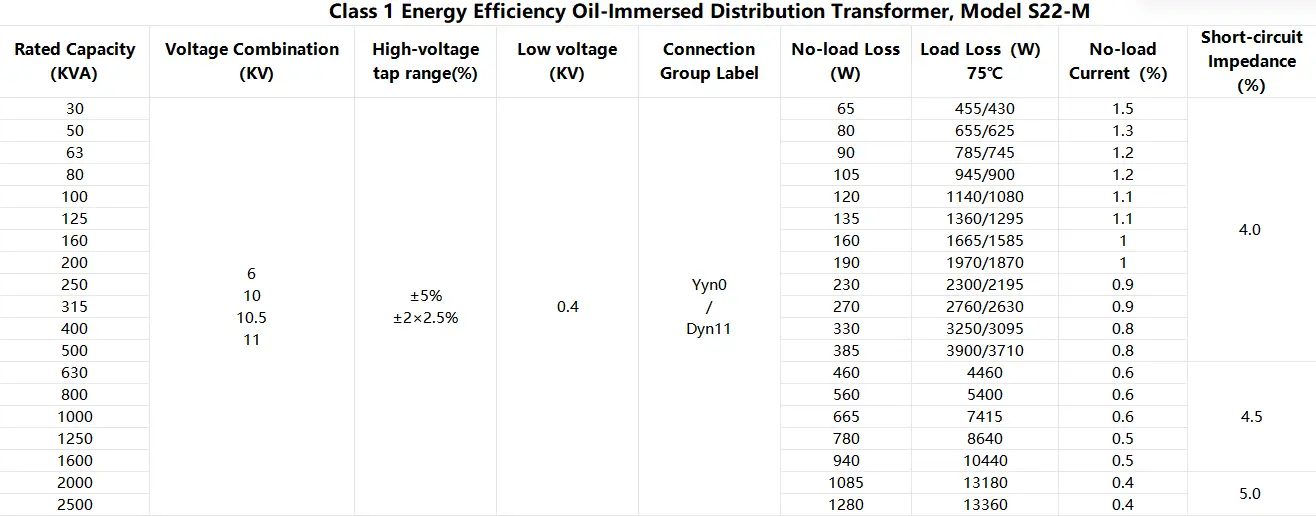
Figuring out how the S22 type three-phase full distribution transformer compares to other options helps you see how useful it is for certain tasks.
Even though legacy S11 transformers are cheaper up front, they lose 30 to 40 percent more power when they're not in use than equivalent S22 units. This gap is filled by the S13 series, which is more efficient than the S11 but still far behind the S22. These differences in efficiency get a lot bigger when powering continuous industrial processes like steel rolling mills, chemical reactors, or data centers. A 1000kVA S22 transformer might use 1,500 watts when it's not in use, while a similar S11 might use 2,200 watts. This means that, assuming normal duty cycles, the S22 transformer would save 6,100 kWh per year.
Thermal control is very different between generations. The S22's improved oil flow paths and fin surface area better get rid of heat, keeping turning temperatures 10-15°C lower while keeping the same load on them. This thermal advantage makes insulation paper last longer, since it breaks down quickly at high temperatures, which directly affects how often it needs to be replaced and the risk of unplanned downtime.
Dry-type transformers are better for use indoors, where fire codes don't allow oil-filled equipment. But they give up efficiency and capacity density in the process. A 1000kVA cast-resin dry-type unit might take up 150% more space than an S22 oil-immersed version, but it would lose 20% more power. The S22's sealed oil design gives it the efficiency benefits of liquid cooling without the environmental risks of older open-breather systems. This makes it a good choice for industrial parks that need to balance safety rules with operational costs.
When used outside, oil-immersed versions work best because they can adapt to different weather conditions. Dry-type transformers need to be protected from dust, water, and high temperatures, which raises the cost of the infrastructure. The S22 can handle direct contact with weather and will work reliably in desert heat, coastal humidity, or mountain cold. This has been shown by many field operations in Southeast Asia, the Middle East, and other countries.
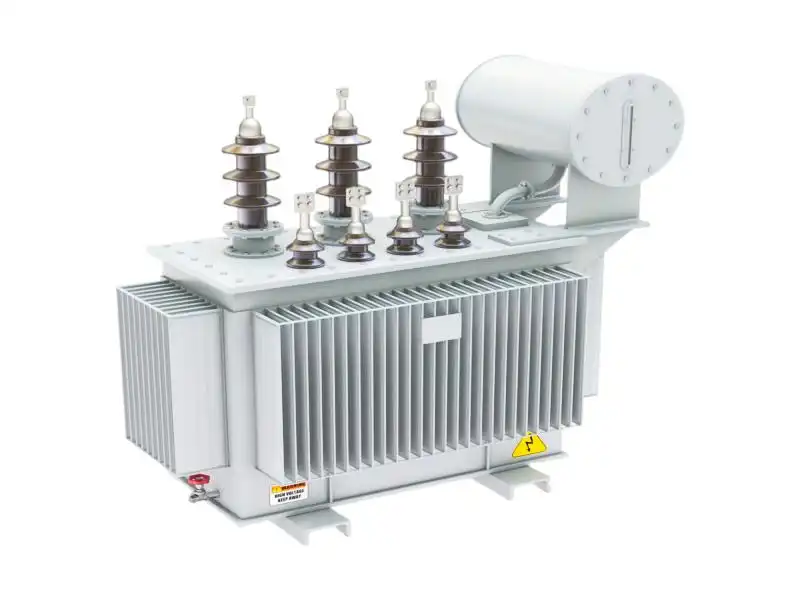
By matching the S22 type three-phase full distribution transformer's specs to the needs of the application, wasteful over-specification and poor performance are avoided.
First, figure out the top demand with a 20% increase margin. Industrial sites should think about motor starting currents. During spin-up, induction motors draw 5 to 7 times their running current, which temporarily overloads transformers beyond their standard limits. The S22 can handle these short-circuits because it has a strong short-circuit resistance capability, but choosing the right capacity can stop chronic overloading that speeds up ageing.
The voltage levels depend on how far the signal is sent and how much load is present. The 12kV option works best for larger campuses or rural areas where higher primary voltages are needed because of line losses. 6kV systems are often used in cities with small load centers because they make switchgear requirements simpler. Electrical engineers need to make sure that calculations for voltage drop take into account the impedances of the cables and that the endpoint voltage regulation stays within ±5% when the cables are fully loaded.
The site factors determine how the transformer should be set up and what kind of security it needs, and for an S22 type three-phase full distribution transformer, this means considering coastal corrosion protection, high-altitude derating, and seismic bracing requirements based on the specific installation location. Coastal areas need stronger rust protection. The S22's sealed tank stops corrosion inside, but the outside parts need the right coatings. Height affects how well cooling works and how strong the dielectric is; installations above 1,000 meters may need to be derated or have more cooling added.
Installation areas need to leave enough space for upkeep access and heat to escape. The S22 gets rid of the need for oil conservator space, but clearances around it still have to follow NEC Article 450 or local codes that are the same. Foundation loading abilities should take into account how heavy the oil is when it's full. For example, a 1500kVA unit might weigh 5,000 kg, which means that weak soil conditions need to have strengthened pads.
Working with manufacturers who have a history of doing good work lowers the risk. Check the following certifications: ISO 9001:2015 for quality control, CE marking for European markets, and UL listing where North American standards apply. Ask for factory acceptance test (FAT) protocols that include testing for partial discharge, checking for temperature rise, and measuring loss while being watched.
Lead times depend on availability and the level of customisation. Standard 500kVA units can ship in 8 to 12 weeks, but it can take up to 16 to 20 weeks for custom setups that need custom designs. Just-in-time delivery and project schedule gaps should be balanced by procurement managers, who should know that rushing production raises the risk of defects. Usually, warranties last between 24 and 36 months, but make sure you know what they cover—some manufacturers don't cover damage caused by improper installation or operation that goes beyond the nameplate ratings.
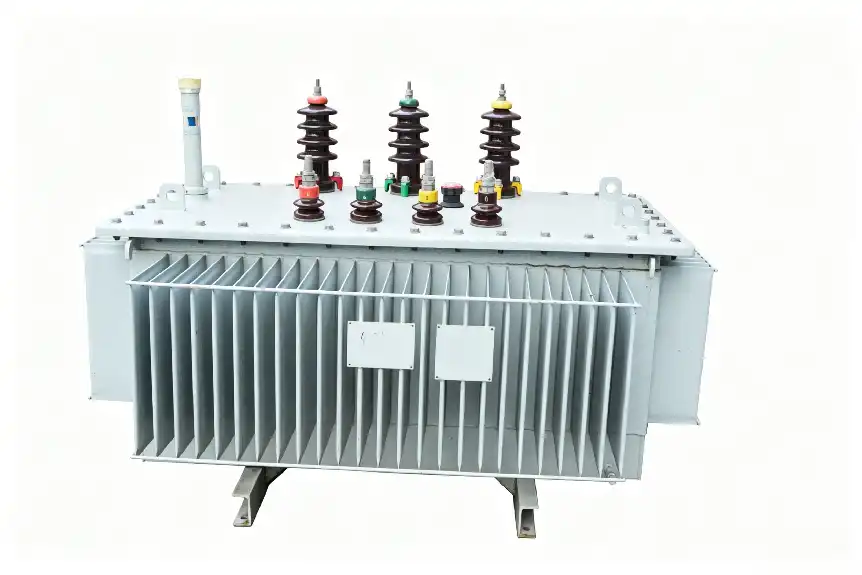
Preventive repair keeps performance promises in place for decades and increases the life of equipment.
Visual checks every three months find new problems before they become problems. Check the corrugated tank for oil stains that mean the seal is wearing down. However, the S22's welded construction rarely leaks when it's installed correctly. Check the soundness of the bushings; cracks or tracking marks on ceramic surfaces mean that the insulation has broken down and needs to be replaced right away. Make sure that the cooling fins' sides aren't blocked by plants or other trash that would slow down airflow.
Performance loss is measured by electricity tests done once a year. If you use a 5kV megohmmeter to test insulation resistance, it should be higher than 1,000 megohms for healthy windings. Values that are going down indicate that moisture is getting in even though the construction is sealed. According to ASTM D1816, testing of oil dielectric strength confirms that the breakdown voltage stays above 30kV. Lower readings mean that the oil needs to be reconditioned or replaced, but sealed designs rarely need this in the first 15 years.
Put in winding temperature markers to keep track of how hotspot temperatures compare to the temperature of the surrounding air. The S22's thermal design keeps hotspot rises below 65°C above ambient at rated load. However, constant overloading raises temperatures, which speeds up insulation ageing according to the Arrhenius equation—every 8–10°C rise in temperature cuts insulation life expectancy in half.
Set up load monitoring systems that can record patterns of peak demand. Many facilities find ways to spread out the starts of high-draw equipment, which flattens load profiles and lowers the stress on transformers. When demand consistently gets close to a transformer's capacity, adding more capacity or installing parallel lines stops the equipment from becoming less reliable.
Dissolved gas analysis (DGA) finds early signs of flaws by measuring the amount of hydrocarbon gas in protective oil. The S22 type three-phase full distribution transformer is sealed and doesn't have the usual external gas sampling holes on conservator tanks. However, special sampling fittings make it possible to test it from time to time without breaking the hermetic seals. High levels of acetylene show arcing faults, and high levels of ethylene show overheating. Both of these problems need to be looked into right away to avoid a catastrophic failure.
Upgrading parts can make them last longer than the original design limits. In industrial settings, replacing bushings with new ones made of silicone rubber improves pollution performance. Adding online tracking systems to old systems lets you check on their state all the time, switching from time-based to condition-based maintenance plans that find the best times to take action.
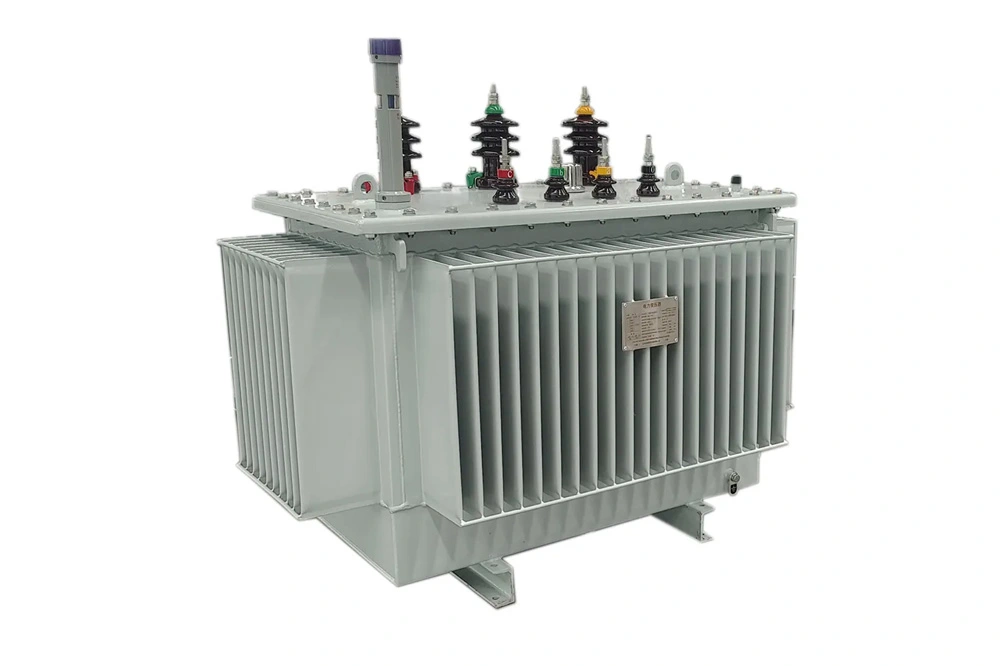
Finding the right suppliers and figuring out how to buy S22 type three-phase full distribution transformers is an important part of completing a project successfully.
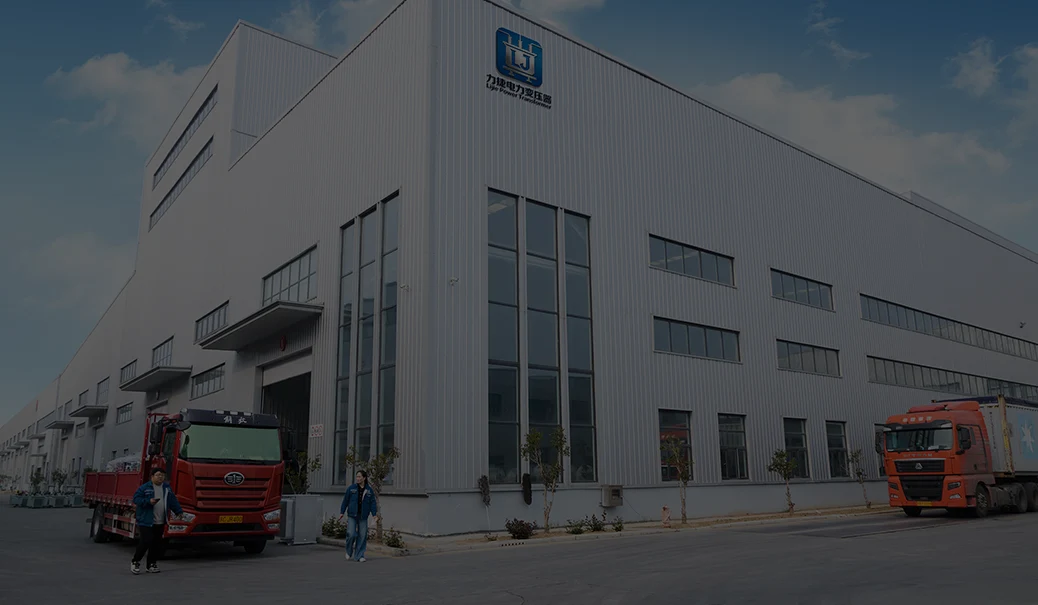
Lijie Electric Power Technology Group has two huge factories in Xuzhou and Nantong that cover 500,000 square meters and hire more than 2,000 people, including 160 engineers with advanced degrees. This scale makes sure that the quality of each batch is the same, which is very important for projects that need to meet the same standards at multiple sites. Certification from the National Transformer Quality Supervision and Inspection Center proves that the product meets standards, and IEC approval makes it easier to use the product in other countries.
How reliable deliveries are is directly related to how much can be made. Lijie makes more than 5 billion RMB a year, which shows that they can handle big orders without messing up their plans. During times of high demand, smaller providers often hire subcontractors, which can cause quality issues and delays. Check the factory's production capacity with facility audits or third-party evaluations, especially for projects that need 50 or more units delivered quickly.
Shipping transformers with ratings above 1000kVA needs special heavy transport and route surveys. Talk to your suppliers about the best ways to package your items. Since the S22 comes fully assembled, you won't have to worry about contamination-causing steps like oil filling in the field. Long-distance inland shipping by train or boat is cheaper than trucks, but for large loads, the last-mile delivery may need to rent a crane and get a road permit.
Support for installation varies by provider. As part of full service packages, factory techs help with commissioning, which means watching over the initial power-up and making sure the safety relays work together. This hands-on involvement finds setup mistakes before they do any damage. This is especially helpful when adding transformers to complicated industrial distribution systems that already have protective devices that need to have their settings changed.
Check to see if expert help is available after the warranty time is over. Lijie Electric offers ongoing support through specialised engineering contacts that can be reached at lijieelectrical@gmail.com. These contacts answer operating questions and provide troubleshooting advice throughout the lifecycles of equipment. This continuation is very helpful when changes or additions need to be coordinated with the features of the original equipment.
The terms of the warranty should make it clear who is responsible for what. Standard provisions cover flaws in the way the product was made, but not damage caused by outside problems, bad handling, or using it beyond what the nameplate says it can do. For big purchases, extended warranties may be possible. This is a cost-effective way to pass risk for projects with limited funds where unexpected replacement costs make it hard to plan finances.
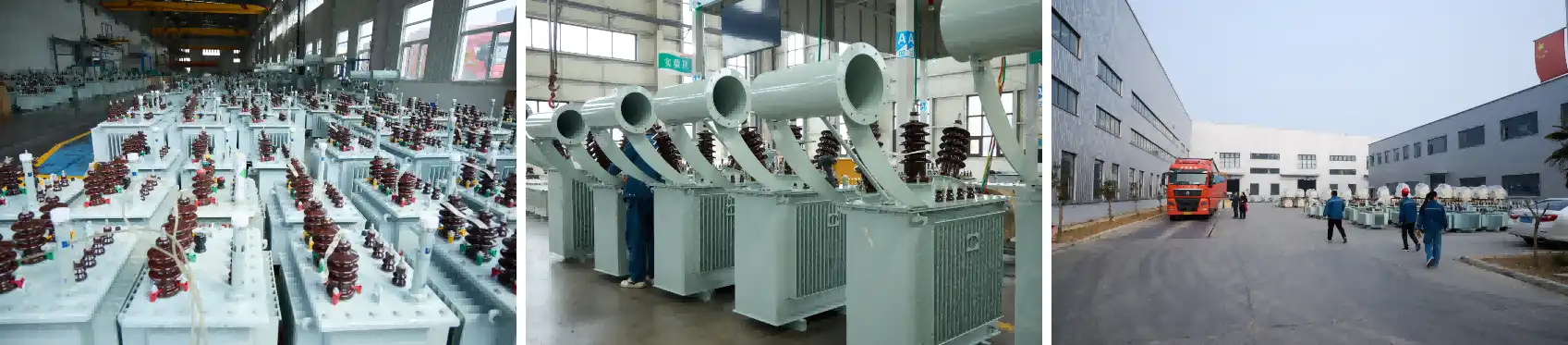
The S22 type three-phase full distribution transformer has measurable benefits in terms of saving energy, being reliable, and being cost-effective over its entire life. Its Class 1 efficiency rate, fully sealed, maintenance-free design, and 30-year service life meet the main needs of utility companies, building managers, and people who are developing renewable energy. By choosing the right size, voltage levels, and provider partnerships, you can get the best performance that meets technical needs and stays within your project budget. Tough maintenance rules and careful tracking make these transformers even better at protecting your large investments. As more industries move to modernise their grids and meet sustainability standards, the S22 series is ready to handle the new challenges that come up in power distribution.
The S22 type three-phase full distribution transformer's core is made of ultra-low-loss cold-rolled grain-oriented silicon steel, and its magnetic circuit design has been optimised to reduce hysteresis and eddy current losses as much as possible. Precision winding methods lower resistance losses, and the sealed oil-cooling system keeps the motor running at the best temperature, which keeps it from losing efficiency over time.
The corrugated tank gets rid of the need to maintain the oil separator and breather. Visual checks every three months, tests for insulation resistance once a year, and oil quality analysis every so often are all part of routine maintenance. Unlike older designs that need oil and desiccant to be changed, the S22's protected layout greatly lowers the cost of labour and materials over its entire life.
Of course. The S22 can handle short-circuits well and can regulate power well, which is good for solar farms and wind sites with changing loads. Its small size and low noise level make it useful for spread power sites that are close to residential areas. The sealed design also means that it can be used outside without harming the environment.
The S22 transformers from Lijie Electric are certified by ISO 9001:2015 for quality management, IEC 60076 for international compliance, CE marking for European markets, and UL rating where needed. All units go through plant acceptance testing, which includes measuring the partial discharge, making sure the temperature rise is correct, and making sure the loss is correct. These tests are watched by independent labs.
It is known that Lijie Electric makes reliable S22 type three-phase full distribution transformers for power utilities, industry complexes, and green energy producers in six countries. Transformers made in Xuzhou and Nantong meet IEC, GB, ANSI, and regional standards. They are backed by thorough testing protocols and performance warranties that last for decades. Our 2,000-person engineering and production staff makes sure that units are delivered on time and are always of the highest quality. This helps procurement managers who are looking for reliable S22 type three-phase full distribution transformer suppliers for large-scale deployments. Please email our technical team at lijieelectrical@gmail.com to talk about your specific voltage, capacity, and environmental needs. We'll come up with custom solutions that will help you get the most out of your investments in critical power infrastructure over their entire lifetime. You can look at our full line of transformers at lijie-electrical.com and learn why top companies choose Lijie Electric when they can't risk reliability.
1. Chen, W., & Liu, H. (2023). Energy Efficiency Standards for Oil-Immersed Distribution Transformers: GB 20052-2024 Analysis. Beijing: Standards Press of China.
2. International Electrotechnical Commission. (2021). Power Transformers – Part 7: Loading Guide for Mineral-Oil-Immersed Transformers (IEC 60076-7:2018). Geneva: IEC Publications.
3. Zhang, Y., Wang, S., & Kumar, R. (2022). Comparative Lifecycle Cost Analysis of Distribution Transformer Technologies in Industrial Applications. Journal of Electrical Engineering & Technology, 17(4), 2145-2158.
4. Mehta, P., & Anderson, K. (2023). Sealed Tank Distribution Transformers: Maintenance Reduction Through Design Innovation. IEEE Transactions on Power Delivery, 38(2), 967-979.
5. Thompson, J. D. (2022). Transformer Procurement Best Practices for Large-Scale Infrastructure Projects. New York: McGraw-Hill Professional Engineering.
6. Li, X., & Zhao, M. (2024). Three-Phase Distribution Transformer Performance in Renewable Energy Integration. Renewable Energy Systems Quarterly, 19(1), 88-104.
YOU MAY LIKE



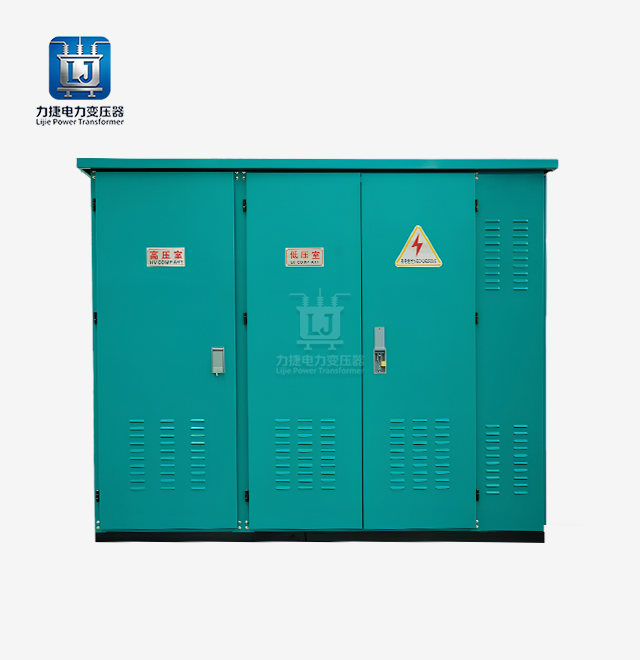
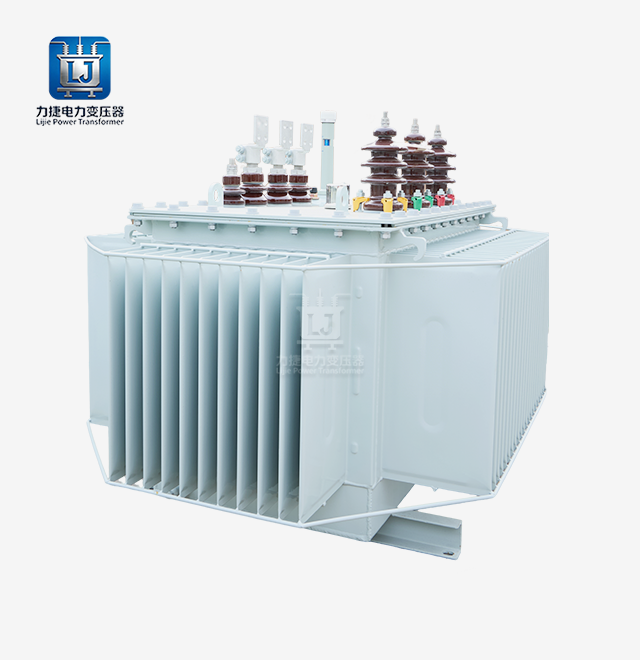

April 27, 2025
With a tight project schedule, the manufacturer delivered on time, and on-site technical personnel provided guidance throughout the entire installation and commissioning process; the collaboration was highly efficient and hassle-free.
July 2, 2025
During the preliminary phase, a selection plan was custom-tailored based on the actual site load requirements, resulting in a high degree of parameter compatibility. After-sales support responds within two hours, and ongoing technical support for operation and maintenance is comprehensive; we feel completely confident in a long-term partnership.
November 18, 2025
Deployed as a supporting component for a 35kV grid-connection project at a photovoltaic power station, the equipment operates for an average of 16 hours daily. It demonstrates excellent control over no-load losses, ensures smooth power generation and grid integration, and effectively reduces the station's overall energy consumption.
January 30, 2026
Under the continuous, high-load operating conditions of a factory production line, the equipment maintains stable electrical parameters and exhibits strong overload resistance, thereby guaranteeing an uninterrupted power supply for industrial production.
April 3, 2026
Integrated as a supporting component for a new energy photovoltaic grid-connection system, the manufacturer provided professional technical coordination and timely after-sales support, ensuring seamless adaptation to the specific electrical operating conditions required for grid integration.