April 27, 2025
With a tight project schedule, the manufacturer delivered on time, and on-site technical personnel provided guidance throughout the entire installation and commissioning process; the collaboration was highly efficient and hassle-free.
Jul 25, 2026
When looking at medium-voltage distribution equipment, the S11 type 35KV oil-immersed power transformer always shows that it is very good at saving energy. This tried-and-true design meets GB 20052-2020 Level III energy efficiency guidelines and cuts no-load losses by about 25–30% compared to older S9 types. The answer is definitely yes. The S11 series is more efficient because it has improved cold-rolled grain-oriented silicon steel cores, oxygen-free copper windings, and tightly sealed construction that keeps the insulation's integrity for decades of use.
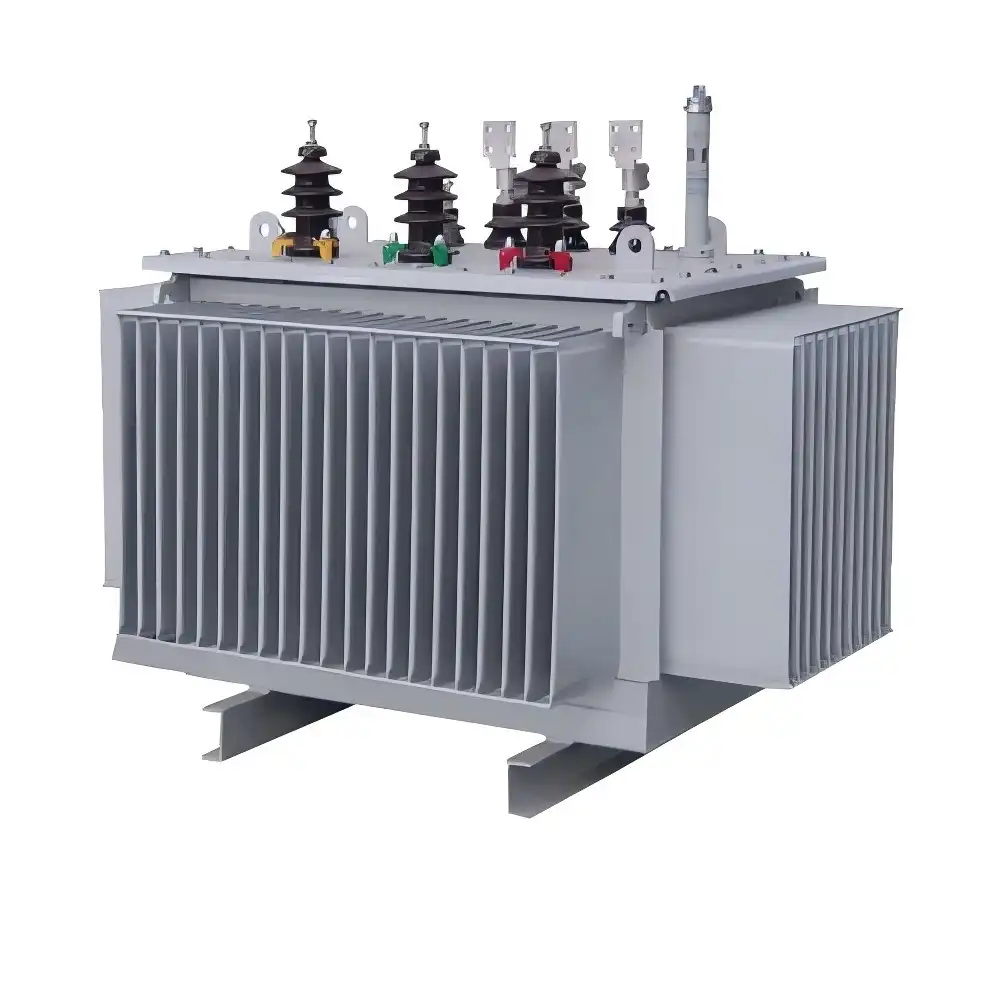
Learn how to make S11 type 35KV oil-immersed power transformers use less energy.
Transformers' energy efficiency depends on reducing two main types of losses: no-load losses, which happen all the time no matter what the demand is, and load losses, which change with the amount of electricity being sent through the transformer. The 35KV oil-immersed distribution transformer handles both with precise engineering that saves money on running costs.
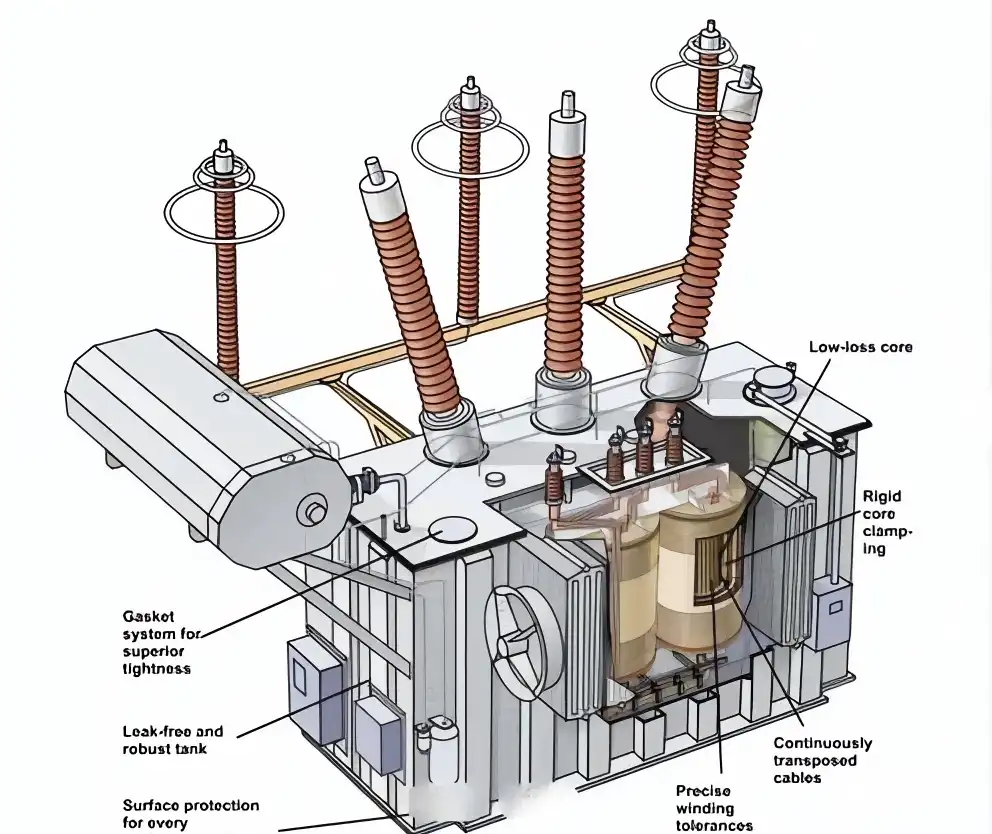
The magnetic core is what makes every transformer work well. For our S11 type 35KV oil-immersed power transformers, we use cold-rolled silicon steel sheets with a high permeability that are stacked using full angled joints and stepped lap methods. This way of building keeps shear burrs below 0.02 mm and gets rid of punching and merging, which are typical ways for magnetic flux to leak. Double-H glue is used to connect the core columns together, making a structure with three columns and two joints that work together as a single unit. This careful assembly cuts down on no-load current draw and working noise while also saving energy that would have been lost as heat.
Losses in load are mostly caused by resistive warmth in circuit materials. These transformers have much lower copper losses than others because they use oxygen-free copper wires throughout the winding system. The corners of the pads and support bars are rounded, which spreads the electric fields evenly and stops stress from building up in one area. Internal winding supports are strengthened to make them more stable and stop them from deforming during quick short-circuits. Units with 12500kVA or more have uniform internal support plates that pressurise both the inner and outer coils at the same time. This keeps the axial height constant and improves fault resistance.
How the cooling is done has a direct effect on how efficiently the business runs. Oil-immersed self-cooling (ONAN) works with natural airflow, where hot transformer oil rises, and cool oil falls in a continuous cycle. This passive method keeps the right working temperatures while getting rid of the energy use that comes with forced cooling fans. The corrugated tank design, which is made from an integral steel plate folded by a big press, gives the tank more surface area for heat transfer so it doesn't need any extra heaters. This shape lowers sound reflection at the same time, which lowers the noise level in urban settings.
Before committing to large-scale operations, infrastructure decision-makers always look at more than one technology. Figuring out how S11 type 35KV oil-immersed power transformers fit into current power grids is easier when you know how they compare to dry-type, SF6-insulated, and air-cooled options.
When it comes to managing heat and efficiency, oil-immersed transformers usually do better than dry-type units with the same capacity values. Dry-type designs don't have the fire risks that come with mineral oil, but they need more substantial cooling systems and have higher core losses. Mineral oil in S11 type 35KV oil-immersed power transformers insulates and cools at the same time, achieving a level of thermal transfer that air can't match. This benefit stands out in ongoing high-load situations that are common in industry and integrating renewable energy.
Oil-immersed transformers are better for the climate than SF6-insulated small substations. SF6 gas has a big impact on global warming, but mineral oil can be recycled or switched out for biodegradable options when tighter environmental rules are put in place. When looking at the total cost of ownership, oil-immersed technology often has lower lifecycle costs than some other options, even though it requires a slightly higher initial capital investment. This is because the production processes are more stable and there is a lot of maintenance knowledge available.
The practical return on investment is directly linked to the energy savings. When running at 75% normal load, a 10MVA unit saves about 15 to 20 MWh per year because it loses less power than older models. Over 25 years, these savings add up to a lot, especially as the cost of energy rises in developing countries.
Technical factors set the standards for success and help with buying choices. When manufacturing teams know these specs, they can match the transformer's skills to the needs of the project.
The S11 type 35KV oil-immersed power transformer has a main voltage rating of 35KV and can change taps without any load. Standard tap values of ±5% and ±2×2.5% can handle voltage changes that happen when power is sent over long distances and when the load changes. This ability to be adjusted stops under-voltage or over-voltage problems that hurt the efficiency and life of equipment further downstream. Reactive power losses are cut down in the distribution network by keeping voltage within ideal bands.
The range of available power values, from 630kVA to 31,500kVA, covers a wide range of installation situations. Smaller ratings are better for connecting dispersed generation and bringing electricity to rural areas, while bigger units are better for industrial buildings, mines, and substations in cities. This range makes it possible to standardise the buying process across multiple project stages. This makes it easier to keep track of inventory and train people on how to do upkeep. The transformers work with both 50Hz and 60Hz frequency standards, so they can be used all over the world without having to be redesigned. Single-phase and three-phase setups with Yyn0 or Dyn11 link names give you options for how to integrate them into the grid.
During fault conditions, the amount of short-circuit current is determined by the impedance voltage, which is usually between 4% and 8% based on the capacity. When impedance is set correctly, it keeps upstream equipment from being put under too much mechanical stress and works with downstream safety devices. The strong frame structure made up of plate clamps and side beams keeps the transformer body in place even when it is hit by a vehicle or there is an earthquake. Units that meet certain impact levels can be put into service in the field without having to go through core lifting checks. This saves a lot of time and money on labour costs.
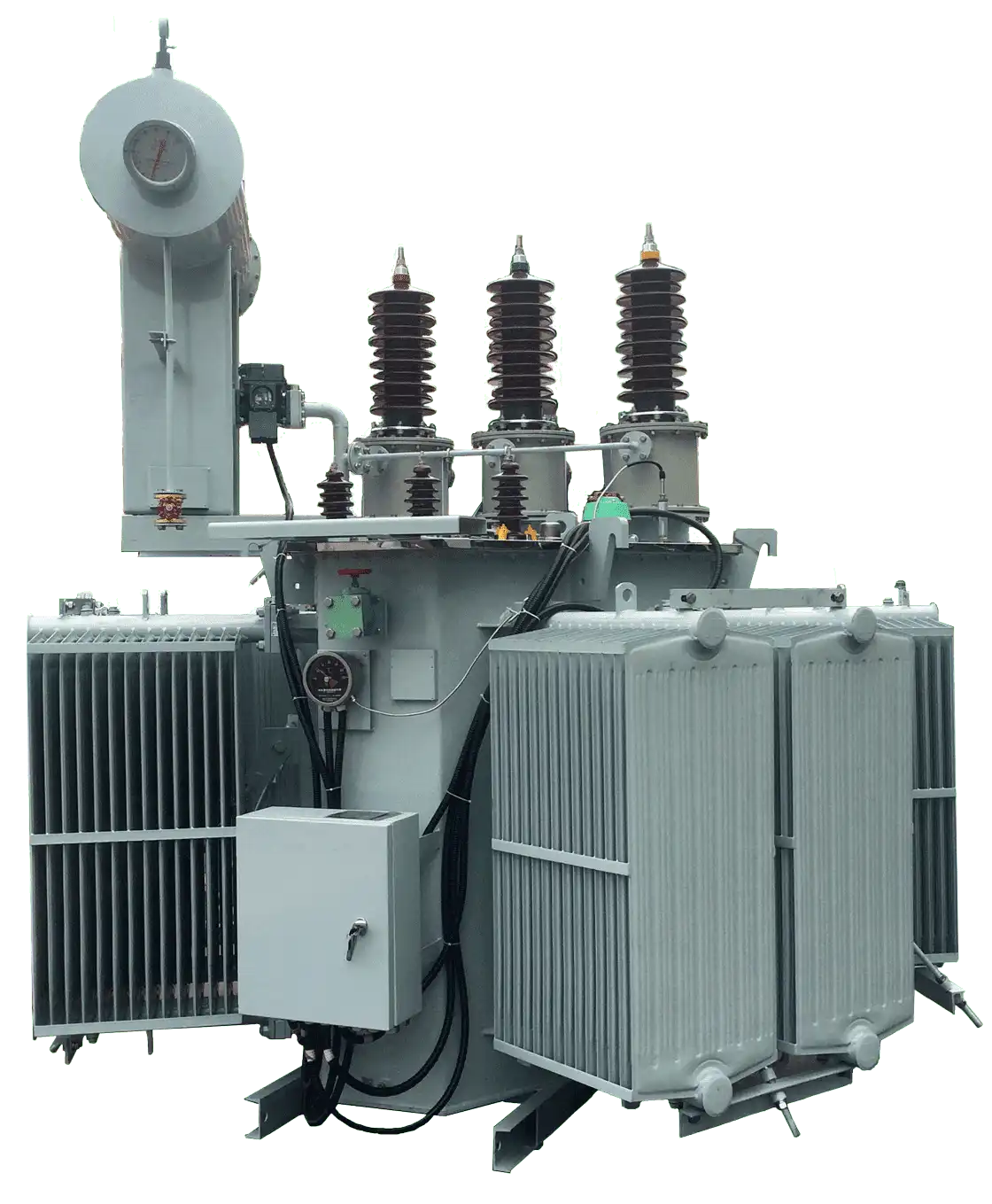
These transformers are made to be installed outside, where temperatures can reach up to 40℃. They have heat control features that keep them from wearing out too quickly. The completely sealed tank keeps the oil inside from coming into contact with oxygen and moisture in the air. This greatly slows combustion and increases the time between service intervals. Capsule-type oil conservers account for changes in temperature, and pointer-type oil level gauges get rid of the errors that come with float-based systems. Gas switches with collection devices make repair tasks and keeping an eye on operations easier.
To keep working well for as long as it's supposed to, even the most efficient S11 type 35KV oil-immersed power transformer needs to be taken care of properly. By following systematic repair routines, you can stop the slow loss of efficiency that most people don't notice until something breaks.
In addition to cooling, transformer oil does important things like insulating against electricity and keeping internal parts from rusting. Regular dissolved gas analysis finds early signs of problems by finding high levels of flammable gases that can mean burning or partial discharge. The stability of the insulator is maintained by keeping the oil breakdown voltage above 60kV and the specific resistance above 1×10¹² Ω·m. Regular sampling once a year, along with filtering or replacing the oil when pollution levels rise above acceptable levels, slows down the ageing process.
Thermal cycling, wetness getting in, and electrical stress all wear down winding insulation over time. Testing the power factor and measuring the insulation resistance on a regular basis can spot signs of wear and tear before they become too severe. If the units are well taken care of, partial discharge testing at 1.58Um/√3 should show activity below 10pC. Localised hot spots found by thermographic studies indicate loose connections or coil problems that raise the risk of fire and resistive loss.
Continuously running transformers close to their rated capacity gets the most out of their assets but speeds up thermal ageing. Longer operating life can be achieved by de-rating units in places with high ambient temperatures or by using delayed loading patterns during times of high demand. These days, tracking systems keep an eye on the rise in turning temperature, which should normally stay below 65K. Long-term overload situations should be avoided, even if short-term rates allow 110% capacity. This will stop insulation damage that shows up years later.
The fully sealed design of S11 type 35KV oil-immersed power transformers means they need less regular upkeep than their conservator-equipped predecessors. Getting rid of atmospheric touch lowers the amount of moisture that is absorbed and oxidised, which often means that upkeep can be put off from once a year to twice a year. Correct construction methods, such as isolating the base from vibrations, leaving enough space for heat to escape, and shielding the conservator's parts from direct sunlight, set the stage for years of reliable service.
When making strategic purchasing choices for S11 type 35KV oil-immersed power transformers, it's important to think about both short-term cash needs and long-term value, since the lowest purchase price doesn't always mean the lowest total owning cost. There are several things that need to be carefully thought through when choosing sources and specs.
Genuine makers provide full proof that their products follow IEC 60076 worldwide standards, ISO 9001 quality management systems, and any national rules that apply. For projects in Europe, units should have the CE mark, and for projects in North America, they should have the UL mark. Performance claims about things like efficiency, temperature rise, and the ability to handle short-circuits are backed up by reports from independent, approved labs. Instead of depending only on what the manufacturer says, procurement teams should ask for type test results.
Picking a supplier involves more than just looking at the specs of the product. It also involves looking at things like production capacity, expert help infrastructure, and financial stability. Manufacturers that have been around for a while and have more than one production facility show that they can handle problems in the supply chain. Companies that hire engineers with advanced degrees can handle the problems that come up with the customisation needs that come up in complex projects. Reference setups in similar settings give useful information about how things work in the real world and how quickly companies are after the sale.
Standard catalogue items don't always cover all of your needs perfectly. Reliable providers can make changes, such as changing the impedance to coordinate fault currents, creating custom bushing designs for installations with limited space, or adding more seismic bracing for areas with high seismic activity. Partners are different from sellers because they are willing to help with application engineering during the development of specifications. Having access to expert staff who understand problems with grid integration, security planning, and thermal modelling speeds up the project's completion.
A full warranty that covers both material flaws and problems with the work for 24 to 36 months after the product is put into service shows that the maker is confident in the product. Long-term service contracts that cover preventative repair, emergency response, and the supply of spare parts make operations less uncertain. Getting clear on who is responsible for damage during shipping, installation problems, and commissioning support stops disagreements that slow down the energisation schedule.
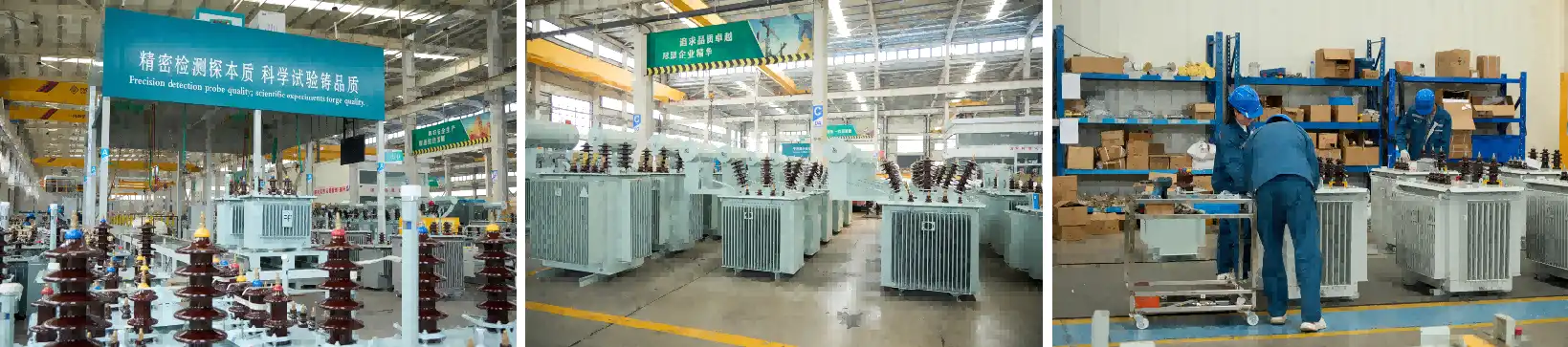
The S11 type 35KV oil-immersed power transformer is known to be energy efficient thanks to its use of modern materials, precise production, and tried-and-true design principles. It has 25–30% less no-load losses than older models, which means lower running costs and less damage to the environment. The fully sealed design means that upkeep can be put off longer while the insulation stays in good shape for decades. These transformers offer a strong option for procurement managers who need to balance technical performance, lifecycle costs, and delivery reliability. They come with a lot of field knowledge and foreign certifications to back them up.
The S11 type 35KV oil-immersed power transformer series meets the standards for GB 20052-2020 Level III energy economy, which is the best way to do things for medium-voltage distribution equipment right now. This certification makes sure that both no-load and load losses stay within certain limits that keep the prices of production and practical savings in check.
When compared to S9 models, a standard 5MVA unit running at 60% average load saves about 12,000. With industrial energy rates running $0.08 to $0.12 per kWh, this saves $1,000 to $1,500 a year. When added up over a 25-year work life, improvements in efficiency usually return 15 to 20 percent of the starting capital investment.
Of course. The ability to change taps works with voltage changes that happen naturally with solar and wind power, and the capacity range works with sites that are used by utilities. The protected design works well for outdoor mounting near power plants where repair workers might not be able to get to them easily.
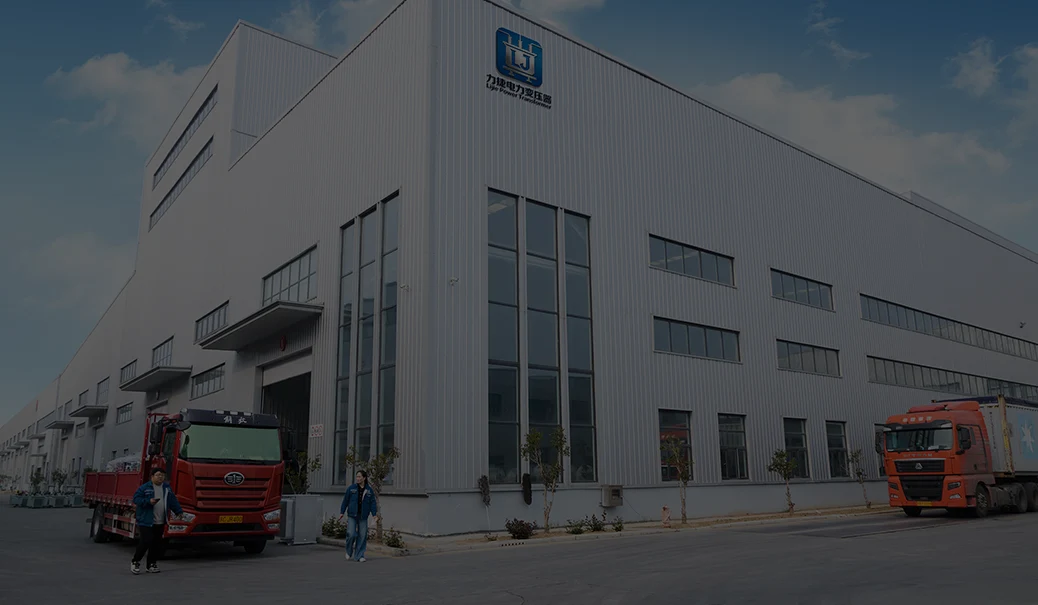
Lijie Electric Power Technology Group has state-of-the-art production sites covering 500,000 square meters in Xuzhou and Nantong, as well as 40 years of experience making things. Over 2,000 professionals, including 160 engineering specialists with advanced degrees, work for us to provide unique transformer solutions that meet IEC, CE, and UL standards. As a National High-Tech Enterprise and specialised "Little Giant" maker, we keep up our annual production capacity to help with big building projects around the world. Our qualifications as a provider of S11 type 35KV oil-immersed power transformers include full factory testing, the ability to ship products anywhere in the world, and expert help in multiple languages. Email our engineering team at lijieelectrical@gmail.com to talk about your unique application needs, get full specs, or set up factory qualification audits. We offer solutions that use less energy and are backed by strict quality systems and quick service after the sale.
1. International Electrotechnical Commission. (2018). Power Transformers – Part 1: General Requirements. IEC 60076-1 Standard Documentation.
2. National Institute of Standards and Technology. (2020). Energy Efficiency Standards for Distribution Transformers. GB 20052-2020 Technical Guidelines.
3. IEEE Power and Energy Society. (2019). Guide for Loading Mineral-Oil-Immersed Transformers and Step-Voltage Regulators. IEEE Std C57.91 Revision.
4. China Electrical Equipment Industry Association. (2021). Technical Specifications for 35kV Class Oil-Immersed Power Transformers. CEEIA Industrial Report Series.
5. American Society for Testing and Materials. (2017). Standard Specification for Mineral Insulating Oil Used in Electrical Apparatus. ASTM D3487-17 Documentation.
6. International Council on Large Electric Systems. (2022). Life Management Techniques for Power Transformers. CIGRE Working Group A2.18 Technical Brochure.
YOU MAY LIKE
H15%20type%20three-phase%20fully%20sealed%20distribution%20transformer.webp)




April 27, 2025
With a tight project schedule, the manufacturer delivered on time, and on-site technical personnel provided guidance throughout the entire installation and commissioning process; the collaboration was highly efficient and hassle-free.
July 2, 2025
During the preliminary phase, a selection plan was custom-tailored based on the actual site load requirements, resulting in a high degree of parameter compatibility. After-sales support responds within two hours, and ongoing technical support for operation and maintenance is comprehensive; we feel completely confident in a long-term partnership.
November 18, 2025
Deployed as a supporting component for a 35kV grid-connection project at a photovoltaic power station, the equipment operates for an average of 16 hours daily. It demonstrates excellent control over no-load losses, ensures smooth power generation and grid integration, and effectively reduces the station's overall energy consumption.
January 30, 2026
Under the continuous, high-load operating conditions of a factory production line, the equipment maintains stable electrical parameters and exhibits strong overload resistance, thereby guaranteeing an uninterrupted power supply for industrial production.
April 3, 2026
Integrated as a supporting component for a new energy photovoltaic grid-connection system, the manufacturer provided professional technical coordination and timely after-sales support, ensuring seamless adaptation to the specific electrical operating conditions required for grid integration.