April 27, 2025
With a tight project schedule, the manufacturer delivered on time, and on-site technical personnel provided guidance throughout the entire installation and commissioning process; the collaboration was highly efficient and hassle-free.
Jul 12, 2026
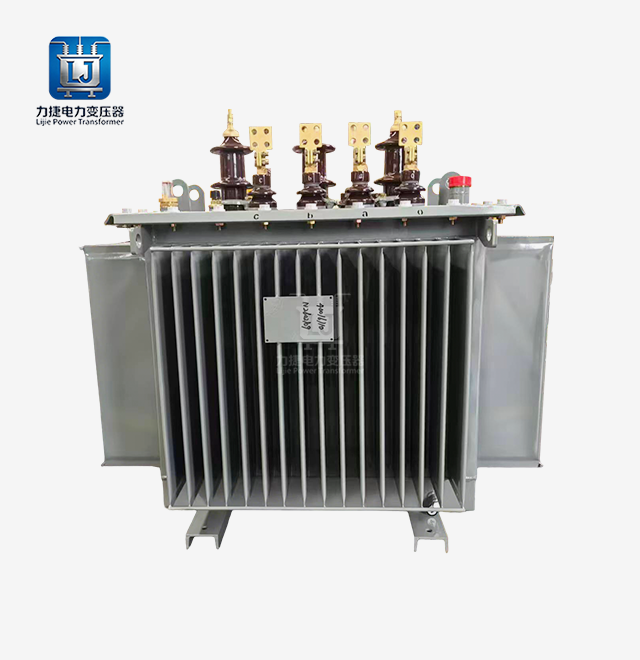
Knowing how to use the right tools is very important when you're in charge of distributing power in rural areas, at green energy installations, or at faraway industry sites. A pole-mounted transformer, also called a single-phase overhead distribution transformer, is an outdoor piece of power equipment that is placed directly on utility lines to lower the voltage of electricity so that it can be used. These units usually lower main voltages from 7.2kV to 34.5kV to normal 120/240V secondary service. They do this by providing stable power to neighborhoods, small businesses, and industrial loads that are spread out. Three-phase systems are better for large industrial units, but these transformers work great in spread networks where cost-effectiveness, speed of installation, and fault isolation at the local level are most important.
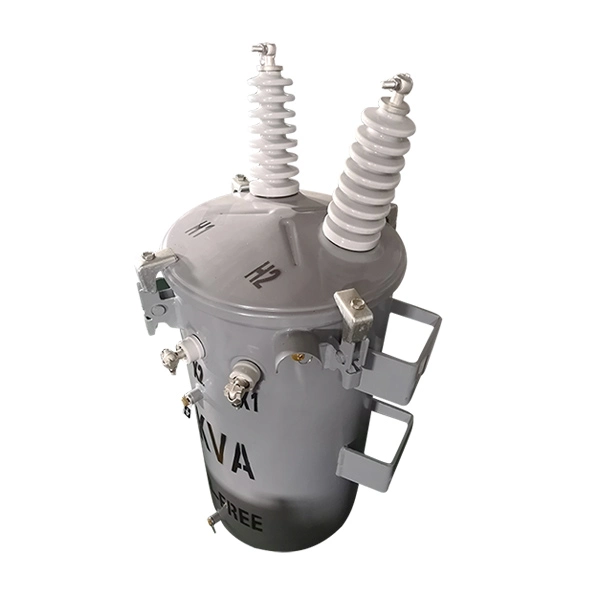
Equipment that performs and is simple to install is the core of every rural or suburban power line. Pole-mounted distribution units combine modest size with solid engineering to satisfy this purpose. Cold-rolled silicon steel sheets or sophisticated amorphous alloys form its magnetic core. These materials significantly minimize no-load losses, which is crucial for utilities with thousands of units throughout wide service regions. Lifecycle operating costs might vary by 70% between ordinary silicon steel and amorphous metal, according to efficiency studies. Core lamination decreases eddy current losses.
Two windings surround this center. The primary and secondary windings are high- and low-voltage. Each copper or aluminum wire is properly coiled and insulated to resist continual temperature stress and run electrically for decades. The system is in an oil-filled steel tank. Due to airflow, oil works as a heat sink and dielectric between powered elements. This oil-immersed self-cooling technology eliminates external cooling systems, simplifying maintenance and improving efficiency in distant places.
When choosing pole-type distribution transformers for construction projects, many aspects will affect both the initial and continuing expenses. Most medium-voltage distribution systems employ 8kV–20kV voltage classes and 15kVA–167kVA capacity rates. The impedance voltage, carefully tuned for system safety coordination, limits short-circuit currents and maintains voltage stability even when the load fluctuates.
Outdoor installations need temperature tolerance. The conventional units function up to 40°C; customers may increase this range for desert or tropical applications. The shielding system can resist AC-35kV power frequency and L1-75kV impulse. It prevents long-term overvoltages and lightning-caused transients from damaging overhead power cables.
With non-excitation voltage control, you may operate with tap sets of +1/-3×2.5% or +0/-4×2.5%. You can adjust for power loss on lengthy rural lines in the field. This function is useful when the load varies over 25–30 years with a single-phase overhead distribution transformer, and the optimal voltage control points shift.
Pole-mounted devices perform well with dispersed power supply and load densities that don't need three-phase infrastructure. Programs that supply power to rural regions constantly require these transformers since houses and farms are miles apart. Unlike ground-mounted substations, equipment may be put directly on power lines without buying property or waiting for environmental permissions.
Suburban house projects benefit from the use of a Single-phase overhead distribution transformer, particularly during phased construction when temporary power demands occur before permanent substation installations. These devices also provide signaling and station functions in railway electrification projects. They may be put up fast, keeping infrastructure projects on track. Remote communication towers, water pumping facilities, and oil field monitoring equipment depend on these transformers to safely alter voltage for years without maintenance.
Current pole-mounted designs safeguard coastal installations from corrosion. Tank coatings and shielded bushing systems ensure dielectric integrity in salty and humid environments. Products with NEMA 4X protection classifications are being made for harsh coastal locations.
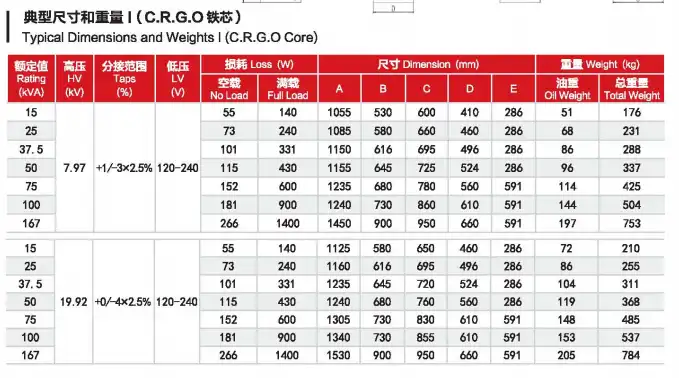
Knowing the variations between transformer types helps procurement teams match tool skills to project demands. Three-phase overhead transformers operate well with balanced industrial loads but need three-phase main circuits, making them unsuitable for single-phase infrastructure. Sizes and weights vary greatly. One 75kVA three-phase unit weighs 800 pounds, whereas a single-phase overhead distribution transformer weighs 450 pounds. This simplifies pole installation and removes structural support.
Pad-mounted transformers are ideal for subterranean distribution lines when appearance trumps freedom. Concrete pads, cable terminations below grade, and careful site design to keep water out of below-grade areas are desired. Installation takes hours for pole-mounted devices and days or weeks for pad-mounted units. This affects project completion and cost.
Pole-mounted versions are preferred for maintenance. Technicians may use binoculars to examine oil levels, bushing quality, and tank stability from the ground, only using truck-mounted lift tools as necessary. Pad-mounted devices need locking enclosures, making even routine checks cumbersome. This complicates safety standards and takes longer.
The choice between mineral oil and other insulating fluids impacts operational safety and environmental compliance. Mineral oil has been used for over a century and is dependable, strong, and affordable. Oil lasts over 30 years under typical operating conditions because of modern refining and inhibitor compounds. It must be checked regularly for acidity and moisture.
Environmentally conscious settings like rivers and protected areas are using biodegradable ester fluids increasingly. These man-made or plant-based dielectrics have greater fire points, reducing wildfire danger. If spilled, they break down spontaneously, preventing long-term pollution. Due to a greater beginning cost and somewhat lower thermal performance, you must fill more carefully to maintain temperature margins.
Dry-type transformers have no liquid insulation. They use cast resin or vacuum pressure impregnation to coat the windings. This technology eliminates spill concerns and simplifies indoor installation standards. Dry-type designs can't take high temperatures or overloads, thus they're not ideal for outdoor applications like overhead distribution.
When budgeting for transformers, consider both the upfront cost and the ongoing expenditures. Famous companies' entry-level 25kVA pole-mounted units cost between $2,800 and $4,200, depending on the specs and quantity requested. Models with 75kVA capacity cost $5,500–$8,000. Transformers with 167kVA capacities cost $12,000–$16,000. Prices are for simple designs. Custom voltage ratings, corrosion protection, and monitoring functions increase the basic price by 15–30%.
The total cost of ownership for a Single-phase overhead distribution transformer includes the purchase price and installation fees, which vary depending on how accessible the location is and what infrastructure is already there. In areas where utilities have access, pole-mounted installations might cost $1,500 to $3,000 per unit for mounting hardware, lifting equipment, and line connection staff. These numbers may triple or quadruple for helicopter installation in remote, roadless places.
Energy waste is commonly overlooked in lifetime expenses. A transformer with 1% no-load loss consumes 88 kWh per kVA per year, regardless of load. At an average industrial energy rate of $0.12/kWh, this costs $10.50 per kVA or over $1,575 per year for a 150kVA machine. Over a 30-year service life, core wasted energy expenses might outweigh the purchase price. This is why efficiency ratings are crucial to the purchase process, not merely a specification detail.
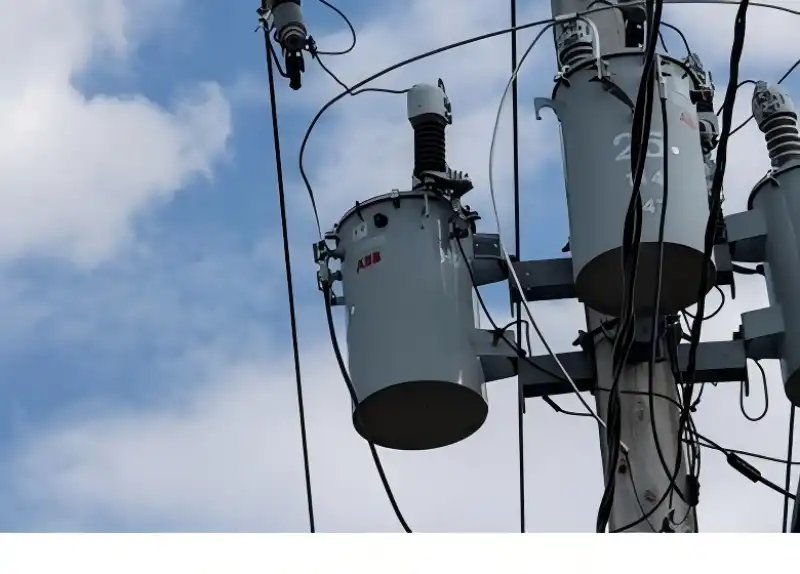
By matching the transformer's specs to the fitting needs, you can avoid both poor performance and extra costs. Peak demand analysis is the first step in figuring out capacity. However, proper size also takes into account future load growth and the amount of overloading that is allowed. Transformers should be sized so that they can work at 60–80% of their rated capacity during normal busy times. The extra capacity should be saved for emergency overloads and growth. This method strikes a balance between the original investment and the chance of running out of capacity too soon for a single-phase overhead distribution transformer.
Along with electricity elements, environmental factors should also be taken into account. Lower air density makes convective heat transfer less effective, so installations above 1,000 meters need to be derated or have better cooling plans. Coastal areas that are less than three miles from salt water need coats that don't rust and protected bushing systems that keep water out of internal parts. Lightning risk in places with more than 30 rainy days a year is a good reason to combine surge arresters and better impulse shielding.
In areas where volcanic activity is strong, where transformer placement has to withstand horizontal accelerations that could be higher than 0.5g, seismic concerns are important. Specialized seismic braces and flexible links keep the power going when towns need it the most. Different areas have different rules about how to follow the law. For example, some places require certain levels of efficiency, while others limit the use of certain protective fluids near protected water bodies.
Volume buying power has a big effect on unit economics for utilities and big companies that are in charge of multiple deployment sites. When you buy more than 50 units, you can usually get 12–18% off the list price, and when you buy more than 200 units, you can get 22–28% off. These economies of scale include more than just lower prices; they also include standardized spare parts stockpiles, streamlined training programs, and easier upkeep processes for all fleets.
Customization features let you get the best performance for a certain application without having to do full custom engineering. Changes to the range of taps, different bushing configurations, better corrosion protection packages, and factory-installed tracking features are all common requests that makers can meet within normal production timelines. Custom designs with non-standard voltage ratios, special mounting setups, or special environmental requirements add 8 to 12 weeks to the wait time but provide the best options for difficult installations.
The contractual framework sets supply priorities and stable prices for ongoing purchases. These multi-year deals either lock in prices or set growth formulas that are linked to commodity indices. This keeps budget predictions safe from changes in material costs. Guaranteed production distribution saves manufacturing capacity for times of high demand, when buyers on the spot have to wait longer for goods.
When procurement workers compare bids for a Single-phase overhead distribution transformer, they should know that transparent pricing is made up of separate parts. The base cost of a transformer is based on common parameters under reference conditions. Transportation costs depend on the shipping distance and method. For example, truckload freight, rail transport, and international ocean shipping all have different rate structures. Imported goods are also subject to tariffs and taxes, with rates varying according to the country of origin and applicable trade agreements.
When you look over the specifications, you can find ways to save money by using standard voltage taps instead of unique ratios. Will regular rust protection be enough instead of high-end coatings? These talks try to find a balance between the goals of improving efficiency and lowering costs.
Total risk exposure is greatly affected by the terms of the warranty. Standard coverage usually lasts for two years from the date of shipment and covers problems with the way the product was made and materials that break down under standard use. For an extra 3 to 8 percent, you can get an extended warranty that covers you for five or even ten years. This essentially shifts the risk of reliability to the makers. The economic benefit of extended coverage rests on how easy it is to install, how bad the failure effects are, and how well the system can be fixed internally.
It's important to look closely at what the warranty doesn't cover. For example, most agreements don't cover damage from improper installation, activity beyond the ratings, lightning hits, or damage from the outside. Knowing these limits helps people make decisions about additional insurance and create practical protocols.
Comparing standard sheets and price tables is only one part of choosing a supplier. The dependability of a big group of machines depends on how consistent the quality of the manufacturing process is. You can get concrete quality signs by asking for factory audit records, third-party testing certifications, and reference installation data. The ISO 9001 certification sets the base standards for a quality management system. Other certifications, such as ISO 14001 for environmental management and OHSAS 18001 for workplace safety, show that the business is doing a great job overall.
The ability to test products at factories shows that they are committed to quality assurance. Every unit that is made should go through routine tests like measuring resistance, checking voltage withstand, and measuring loss. Type tests on random samples show that the design works well in the given circumstances. Modern labs have tools like partial discharge testing and frequency response analysis that can find small differences in how things are made before they affect how well they work in the field.
The framework for technical help is just as important as the ability to make things. Responding engineering teams that quickly answer questions about specifications, give application advice, and fix problems in the field set sellers who care about their customers apart from those who see transformer sales as a business relationship. Checking the quality of expert help during the procurement phase keeps you from being frustrated during key project execution times.
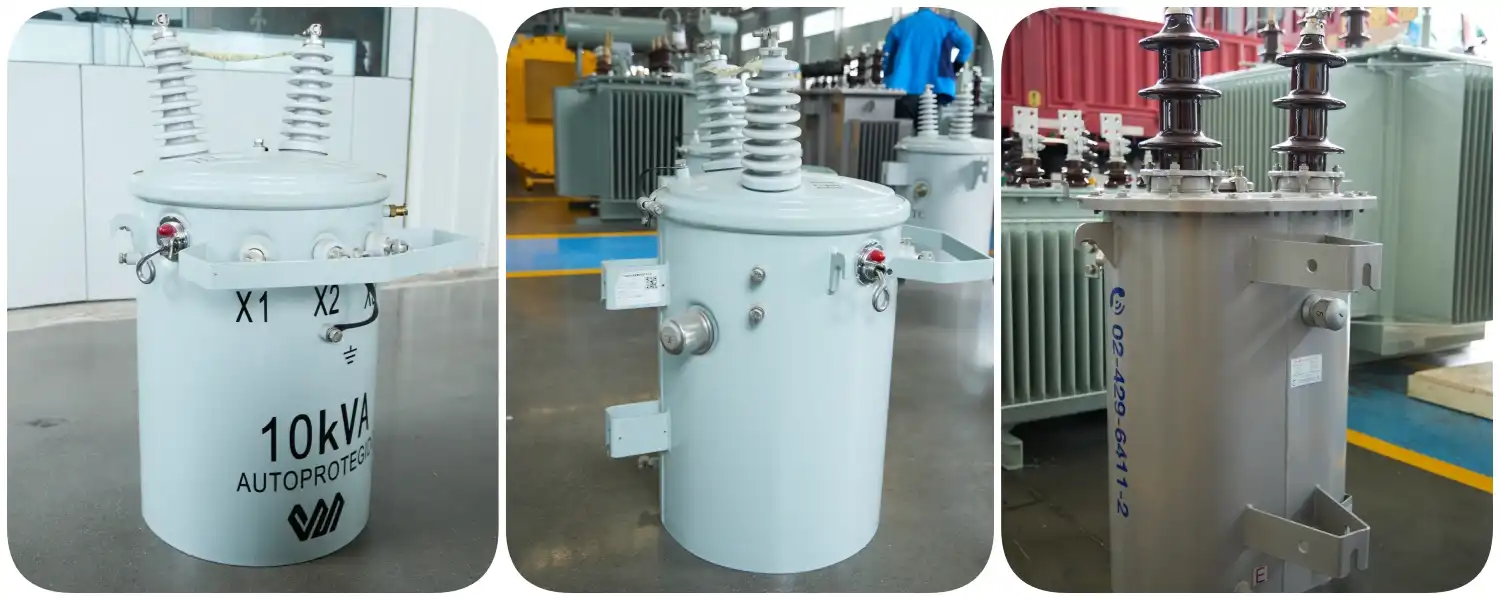
If you know about pole-mounted distribution transformers, you can make choices that combine technical performance, cost-effectiveness, and practical reliability in a variety of power supply situations. These units are very useful because they can be installed in a variety of ways, don't need a lot of money up front, and are easy to keep up. Whether you're connecting rural areas to the internet, helping to integrate green energy, or powering industrial facilities that are far away, making sure that the transformer specifications fit the needs of the application is key to getting the best system performance. As we move toward smart tracking, higher efficiency, and more environmentally friendly designs, we can protect our infrastructure investments for the future while also meeting stricter government rules. Long-term value is best achieved through strategic buying methods that look at total lifecycle costs instead of just original purchase prices for a single-phase overhead distribution transformer.
Typical residential loads require 25kVA to 75kVA of power, but this depends on the number of customers and how much each family uses. For standard homes without electric heating, a safe planning method sets aside 5–8kVA per home. For all-electric homes with heat pumps and the ability to charge electric vehicles, the amount increases to 12–15kVA.
When compared to regular silicon steel, amorphous metal cores cut no-load losses by 60–70%. This saves enough energy to cover the 20–35% price increase in 6–9 years at normal power rates. Over a 30-year working life, the total savings are much higher than the difference in the original investment.
By storing three single-phase units in wye or delta configurations, you can create three-phase capacity. This gives you more inventory freedom and makes it easier to replace individual units in rural areas. When shipping problems make it hard to send big three-phase assemblies, this method works especially well for a single-phase overhead distribution transformer.
Transformer tanks are usually placed 15 to 20 feet above ground level, which strikes a balance between ease of entry for repair and the need for secondary conductor clearance. Higher mounting in flood-prone places saves equipment during floods, but it makes it harder to get to for regular maintenance.
The first sample of oil taken when the system is turned on sets the standard values. For the next 10 years, samples will be taken every three years. Units older than 10 years should be tested once a year to find signs of age-related wear and tear before they become unreliable.
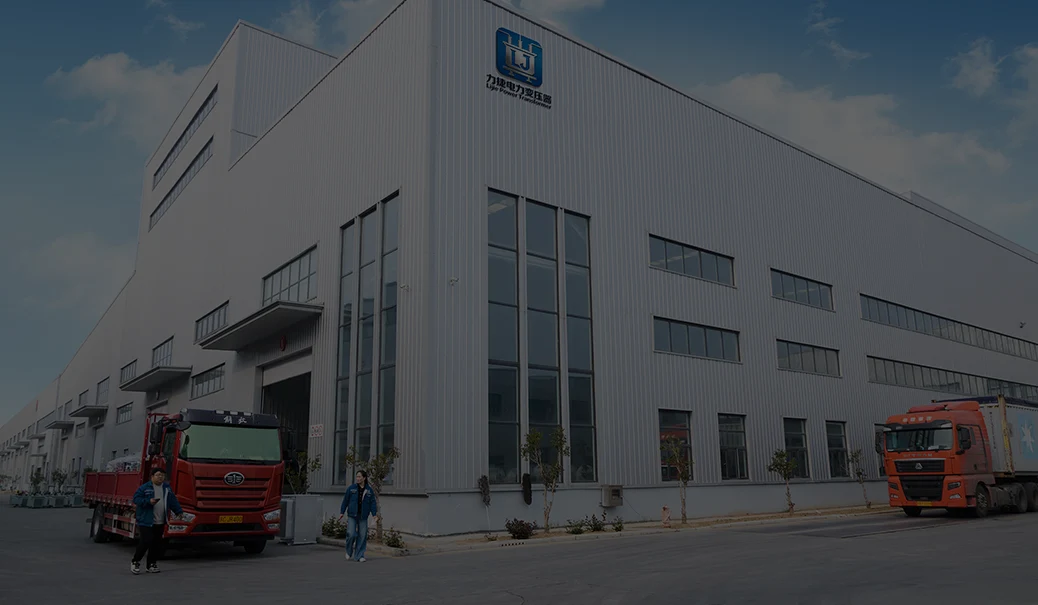
When you're looking to buy distribution tools, you need a partner who knows both technical excellence and how to carry out a job. Lijie Electric has been making transformers for more than 20 years and can help you with your power infrastructure projects. They have modern production sites spanning 500,000 square meters in China. Our engineering team has ISO 9001, CE, UL, and IEC certifications, which means that every single-phase overhead distribution transformer maker that sends you meets international quality standards and the needs of your particular application.
We keep our production capacity above 5,000 units per month, which means that your projects will stay on schedule even when market demand goes up. Because we can customize, we can make sure that the voltage grades, tap configurations, and environmental protection levels are perfect for your placement. Our supply chain infrastructure and framework agreement choices offer stable prices and guaranteed allocation, whether you need 50 units for a rural electricity program or 500 transformers for a multi-year infrastructure growth.
Email our expert sales team at lijieelectrical@gmail.com to talk about what kind of power transformer you need. We'll give you detailed specification suggestions, low quotes, and delivery dates that work with the important points of your project. Our services are backed by a full warranty and quick expert support for the life of your equipment.
1. Bean, R.L., Chackan, N., Moore, H.R., and Wentz, E.C. (1988). Transformers for the Electric Power Industry. Westinghouse Electric Corporation Technical Publications.
2. Heathcote, M.J. (2007). The J&P Transformer Book: A Practical Technology of the Power Transformer (13th ed.). Elsevier Science & Technology Books.
3. IEEE Standards Association (2019). IEEE Standard for General Requirements for Liquid-Immersed Distribution, Power, and Regulating Transformers (IEEE C57.12.00-2015). Institute of Electrical and Electronics Engineers.
4. Kulkarni, S.V. and Khaparde, S.A. (2012). Transformer Engineering: Design, Technology, and Diagnostics (2nd ed.). CRC Press.
5. McNutt, W.J., Johnson, W.R., Nelson, R.A., and Ayers, R.L. (1995). Power Transformer Principles and Maintenance. Electric Power Research Institute EPRI Technical Report.
6. U.S. Department of Energy (2016). Energy Conservation Program: Energy Conservation Standards for Distribution Transformers; Final Rule. Federal Register Volume 81, Number 73.
YOU MAY LIKE
18%20type%20dry-type%20distribution%20transformer.webp)



April 27, 2025
With a tight project schedule, the manufacturer delivered on time, and on-site technical personnel provided guidance throughout the entire installation and commissioning process; the collaboration was highly efficient and hassle-free.
July 2, 2025
During the preliminary phase, a selection plan was custom-tailored based on the actual site load requirements, resulting in a high degree of parameter compatibility. After-sales support responds within two hours, and ongoing technical support for operation and maintenance is comprehensive; we feel completely confident in a long-term partnership.
November 18, 2025
Deployed as a supporting component for a 35kV grid-connection project at a photovoltaic power station, the equipment operates for an average of 16 hours daily. It demonstrates excellent control over no-load losses, ensures smooth power generation and grid integration, and effectively reduces the station's overall energy consumption.
January 30, 2026
Under the continuous, high-load operating conditions of a factory production line, the equipment maintains stable electrical parameters and exhibits strong overload resistance, thereby guaranteeing an uninterrupted power supply for industrial production.
April 3, 2026
Integrated as a supporting component for a new energy photovoltaic grid-connection system, the manufacturer provided professional technical coordination and timely after-sales support, ensuring seamless adaptation to the specific electrical operating conditions required for grid integration.